Artwork
Empress Maria of Austria, Wife of Maximilian II
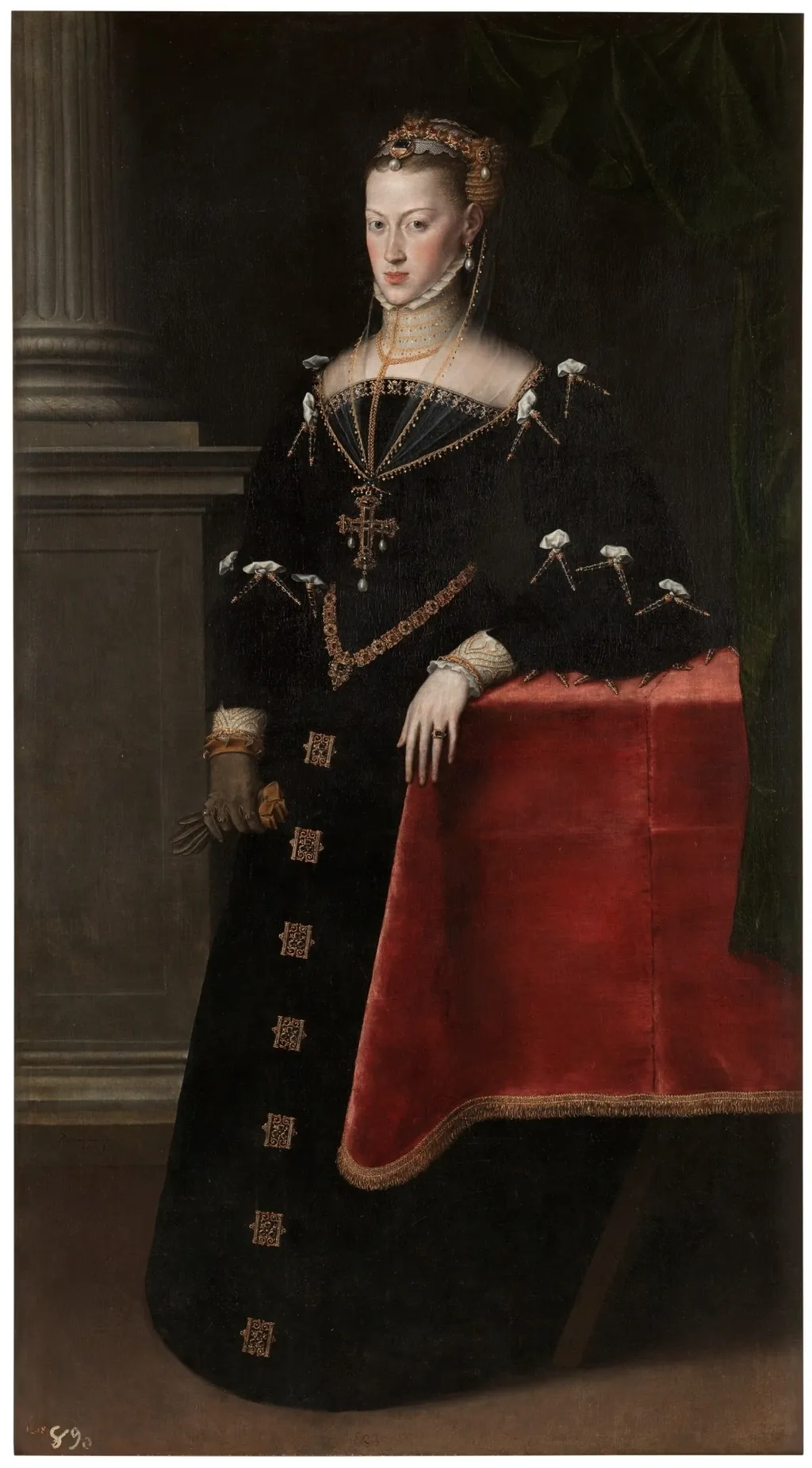
Empress Maria of Austria, Wife of Maximilian II is an oil painting by the Northern Renaissance artist Antonis Mor. It dates from 1551 and is held in the collection of the Museo del Prado.
About this work
Subject & Meaning
The portrait shows Maria of Austria, Holy Roman Empress, dressed in formal attire that emphasizes her imperial status and dynastic significance.
The portrait shows Maria of Austria, Holy Roman Empress, dressed in formal attire that emphasizes her imperial status and dynastic significance. The composition uses symbolic elements such as the imperial crown and richly embroidered garments to convey authority and legitimacy within the Habsburg lineage. The work functions as a visual affirmation of her role as consort and mother to future rulers, reinforcing the political power of the Austrian branch of the family.
Technique & Style
The portrait is executed in oil paint on canvas, a standard support for mid-sixteenth-century Netherlandish portraiture, and is classified as a painting in the portrait genre. Its canvas measures 181 cm in height by 90 cm in width, giving it a tall, full-length format suited to a standing imperial likeness.
The work depicts Maria of Austria together with a gemstone, a motif consistent with Antonis Mor's refined courtly style. Held in the Museo del Prado and installed in Prado Hall 056, the painting dates to 1551.
History & Provenance
The portrait of Empress Maria of Austria, Wife of Maximilian II, was created by Antonis Mor in 1551. Executed in oil paint on canvas, the work measures 181 cm in height and 90 cm in width. The painting has been held in the collection of the Museo del Prado, where it is located in Prado Hall 056. The artwork depicts the Holy Roman Empress alongside a gemstone.
Context
Antonis Mor painted Empress Maria of Austria, Wife of Maximilian II in 1551, a full-length state portrait now housed in the Museo del Prado. The work exemplifies mid-16th century Central European court portraiture, blending Netherlandish realism with Habsburg dynastic propaganda. Its composition emphasizes imperial authority through symbolic regalia and inscriptions tied to Maria's role as Holy Roman Empress.
Scholars highlight its significance as a rare surviving record of Habsburg female political representation in Renaissance art, reflecting broader cultural exchanges between Spain and Austria. Critical analyses note its technical mastery in rendering textiles and jewelry, underscoring Mor's influence on elite portraiture across 16th-century Europe.
Legacy
The portrait of Empress Maria of Austria by Anthonis Mor has remained a key visual reference for discussions of Habsburg court culture and elite female authority in the 16th century. Its presence in the Museo del Prado's collection has ensured continued scholarly attention to Mor's role in shaping imperial imagery, while the work's technical precision and rich symbolic detail have influenced later portraitists who sought to emulate the Habsburgs' visual gravitas. The painting's frequent reproduction in academic literature underscores its status as a benchmark for studying dynastic representation in Renaissance art.
Overview
Empress Maria of Austria, Wife of Maximilian II is a 1551 oil-on-panel portrait by Netherlandish artist Antonis Mor, characterized by its adherence to northern Renaissance portraiture conventions.
Artist & collection
Artist
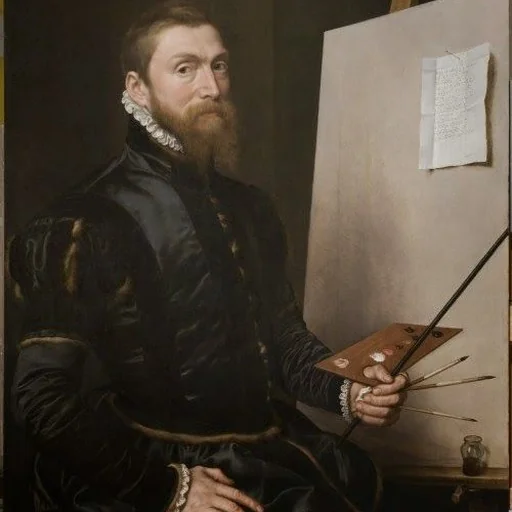
Anthonis Mor, also known as Anthonis Mor van Dashorst and Antonio Moro (c. 1517 – 1577), was a Netherlandish portrait painter, much in demand by the courts of Europe. He has also been referred to as Antoon, Anthonius,…

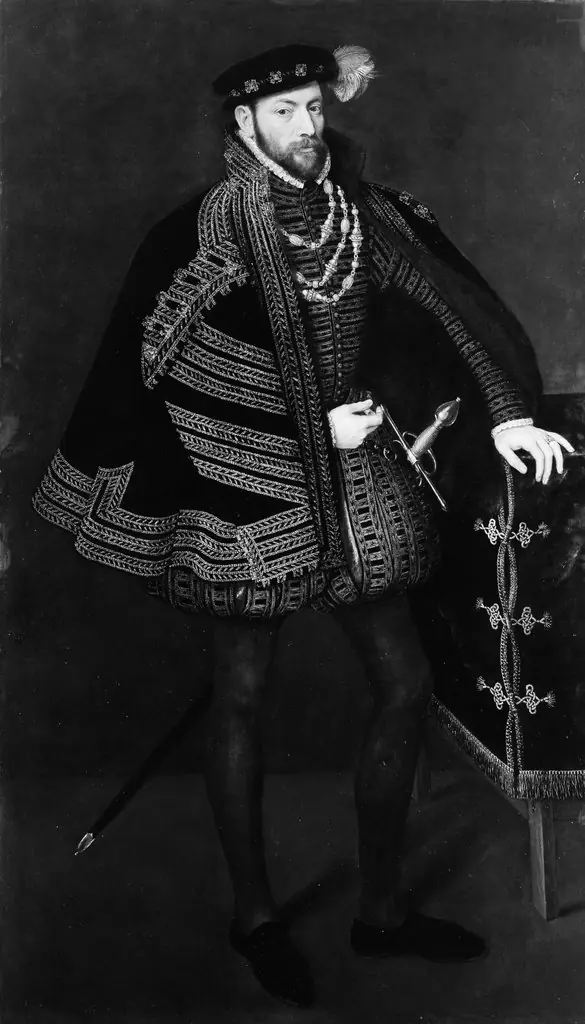 Portrait of a Man, Possibly Ottavio Farnese (1524–1586), Duke of Parma and Piacenza
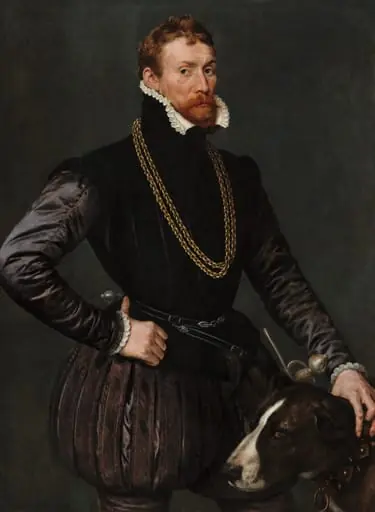 Portrait of a Gentleman
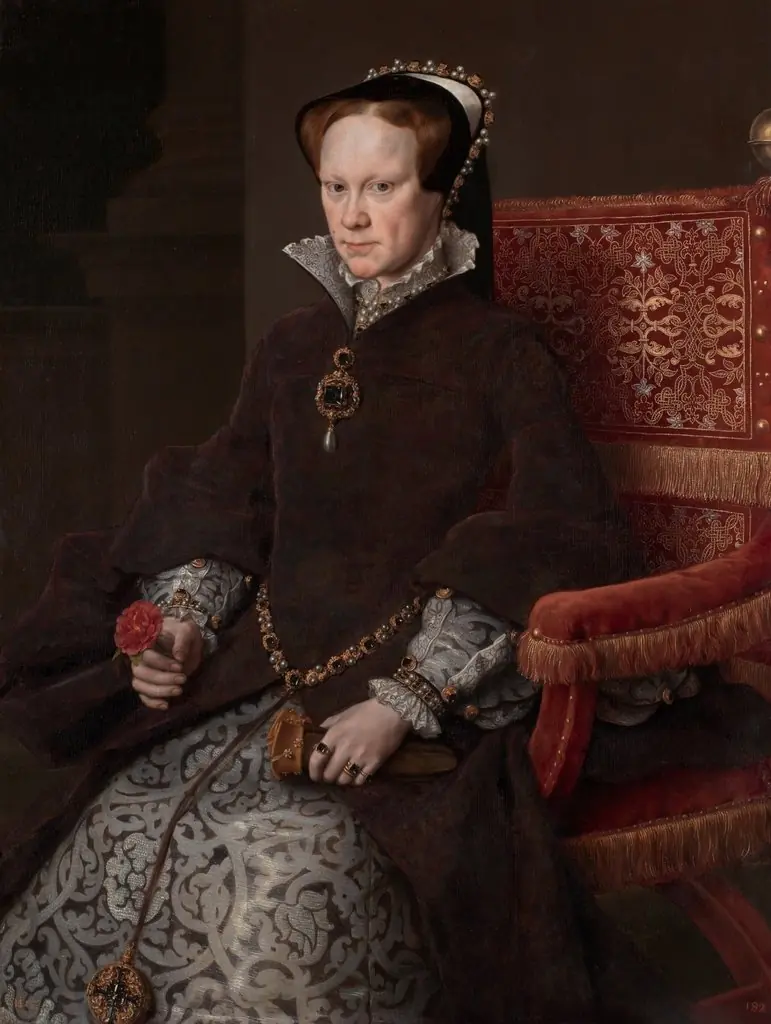 Portrait of Mary Tudor
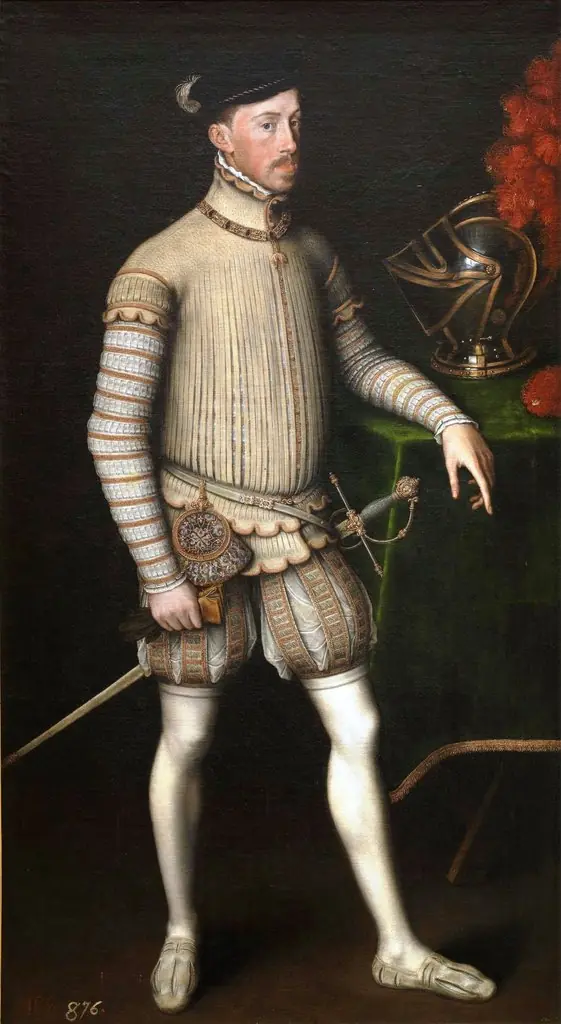 Emperor Maximilian II
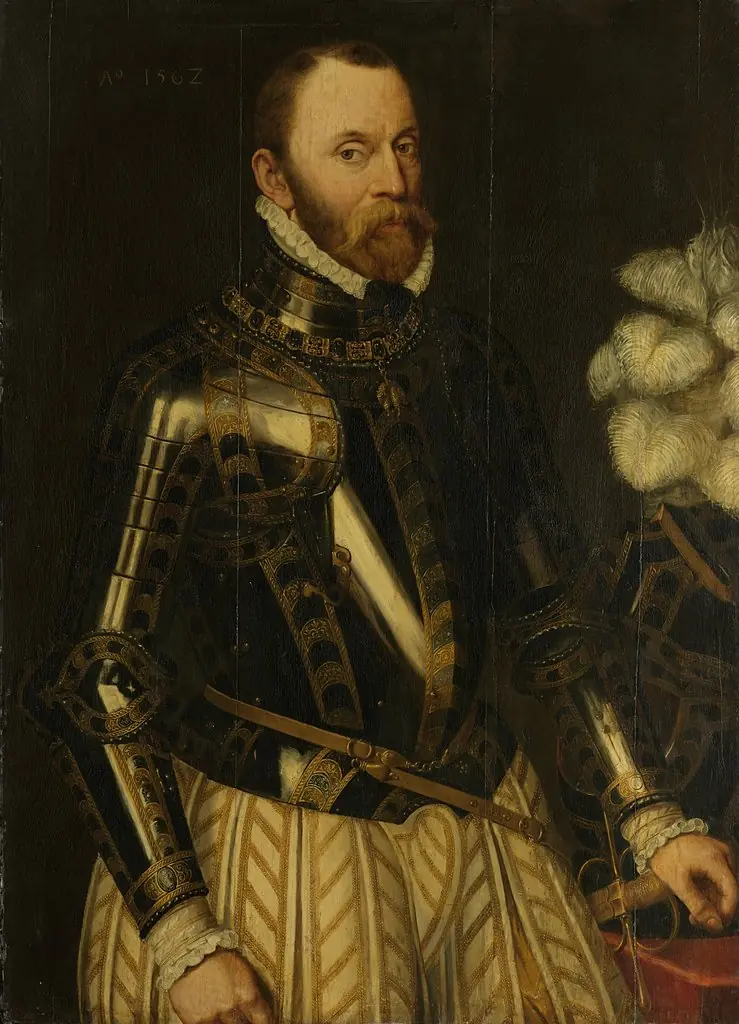 Philippe de Montmorency
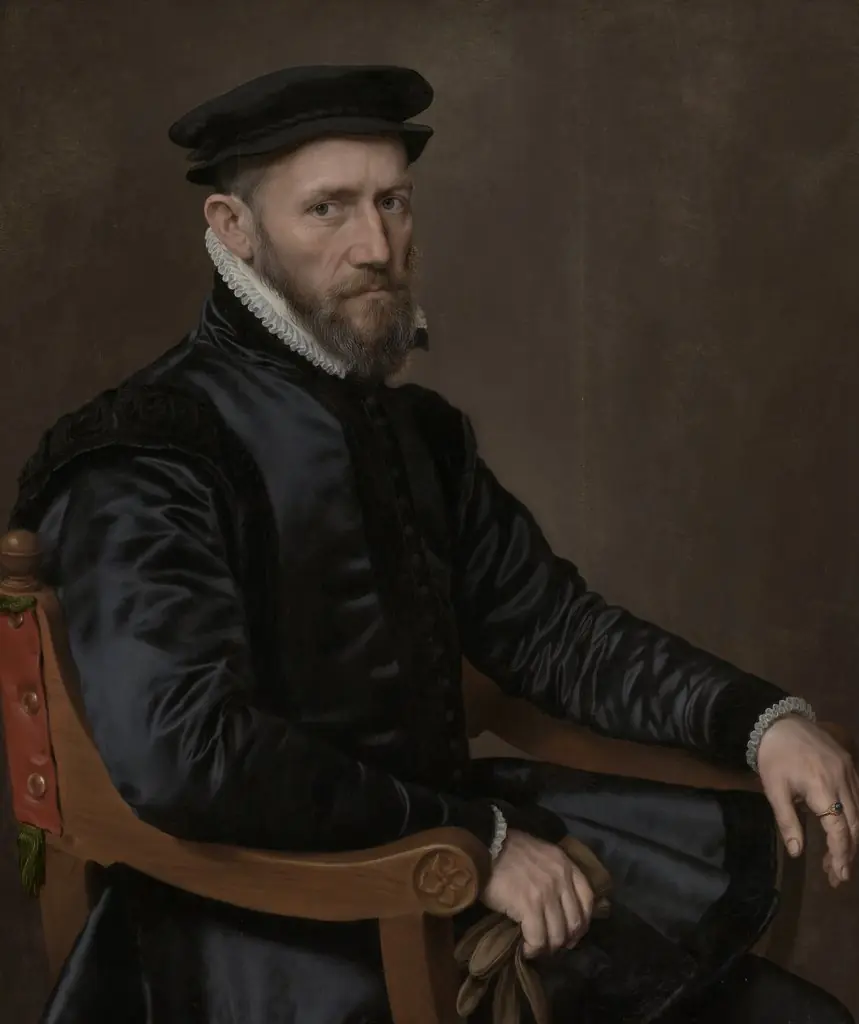 Portrait of Sir Thomas Gresham, pendant to portrait of Anne Fernely
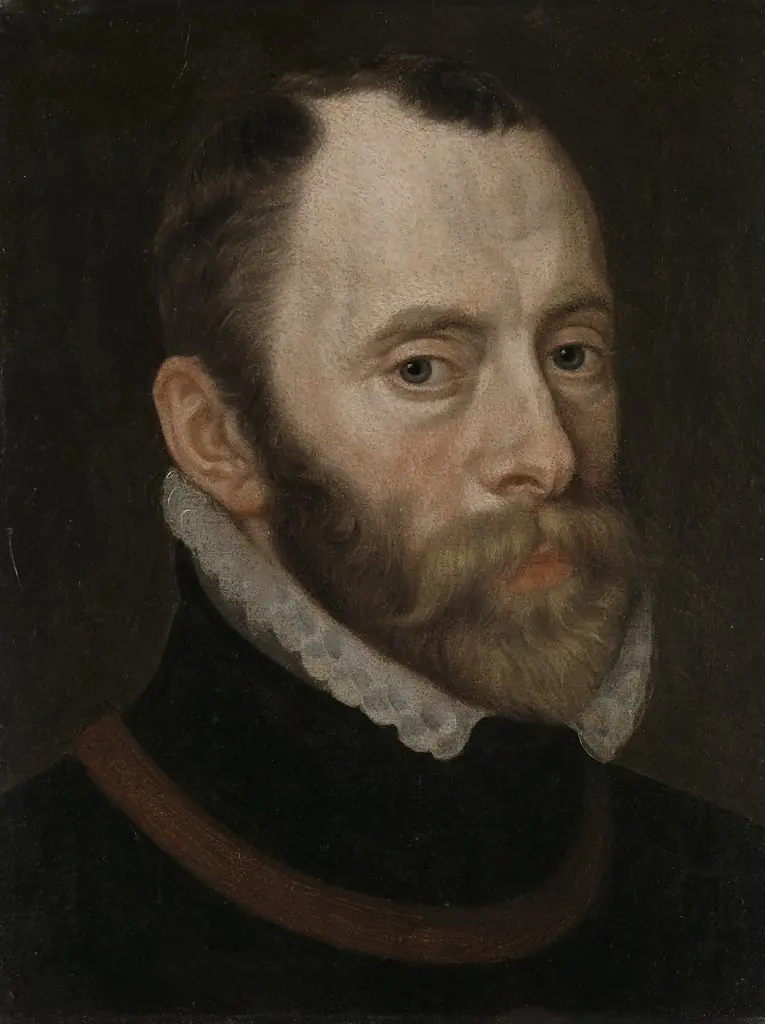 Portrait of Philippe de Montmorency, Count of Hoorne, Admiral of the Netherlands, Member of the Council of State
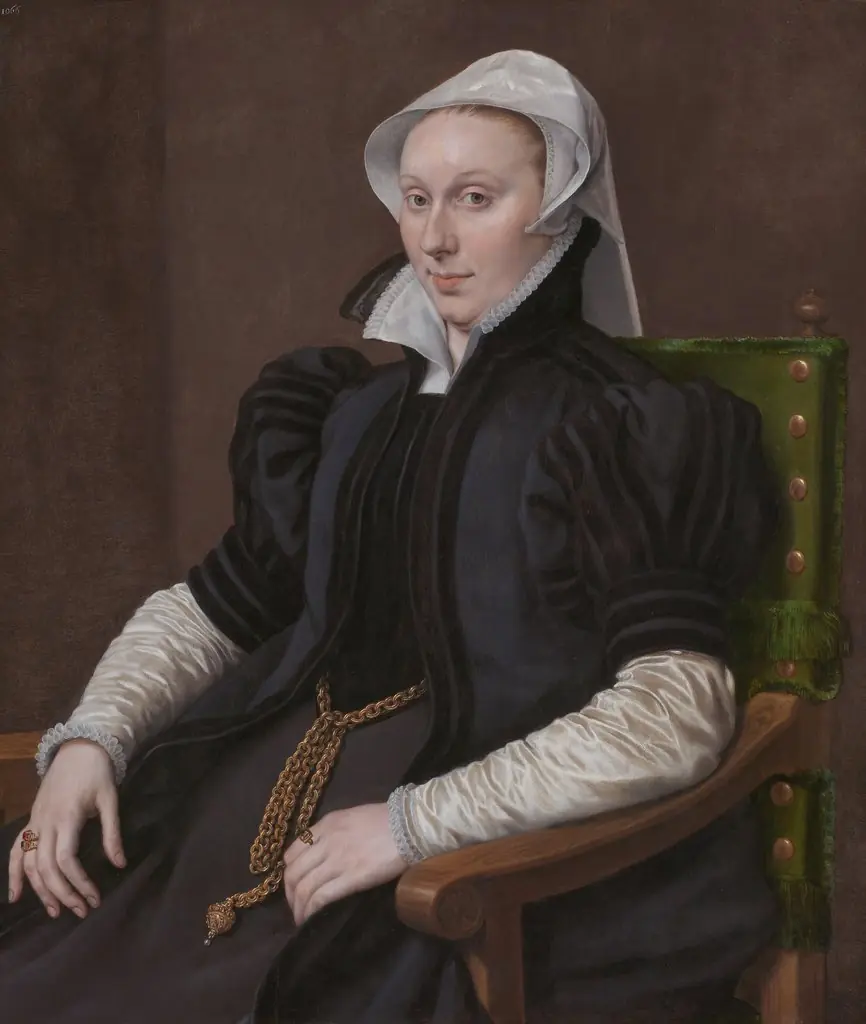 Portrait of Anne Fernely, pendant to Sir Thomas Gresham
- Portrait of Archduchess Mary Anna of Bavaria
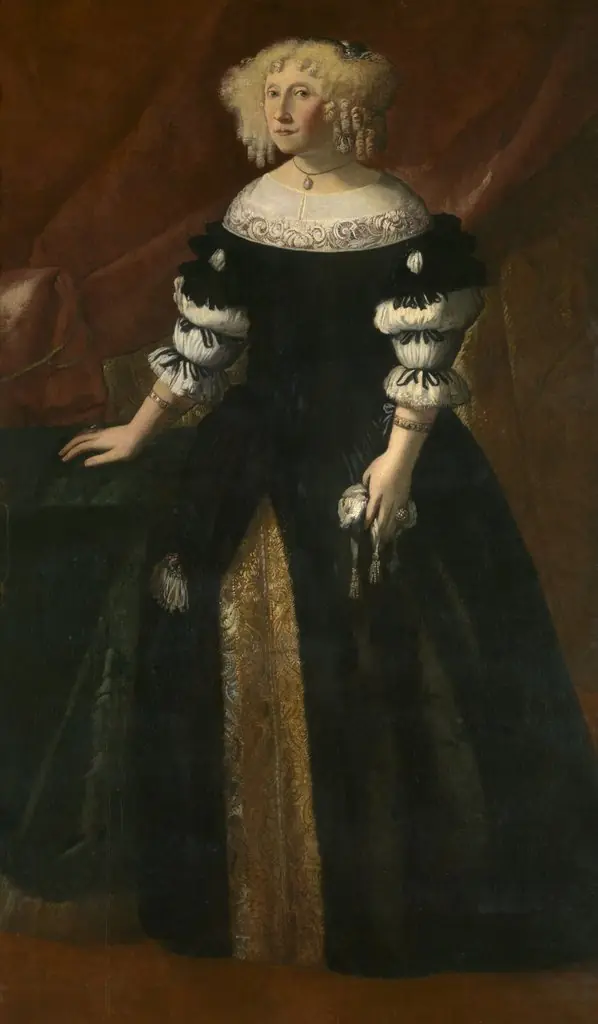 Portrait of a Woman
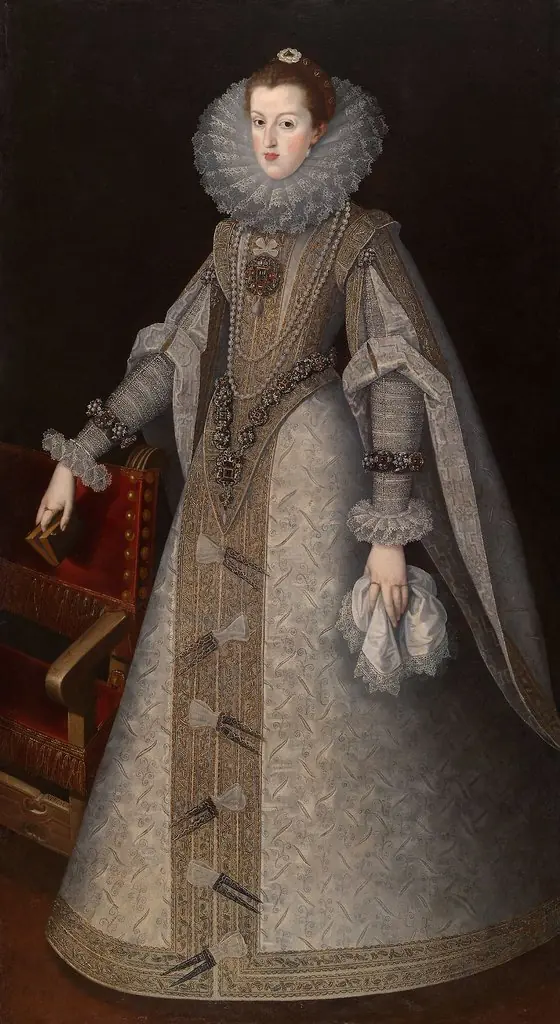 Queen Margaret of Spain
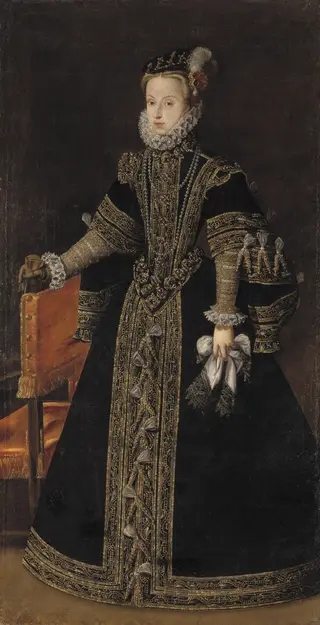 Anna Maria, 1549-1580, ärkehertiginna
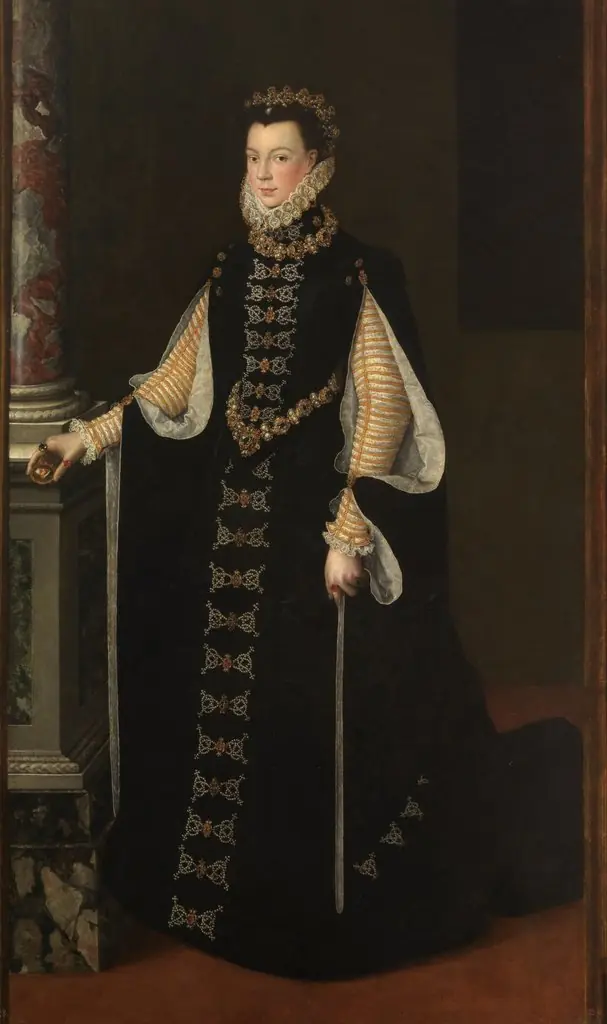 Portrait of Elisabeth of Valois
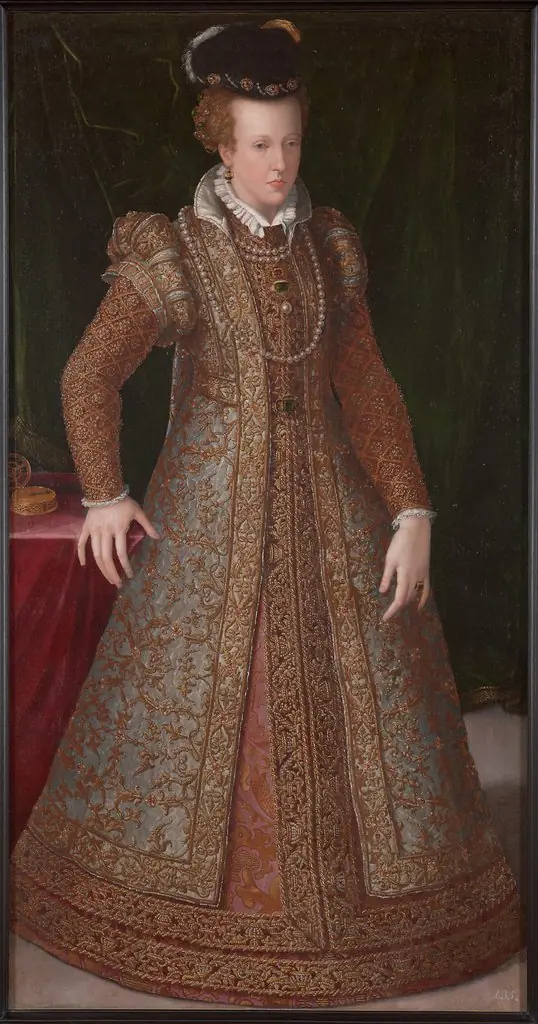 Portrait of Joanna of Austria, Grand Duchess of Tuscany
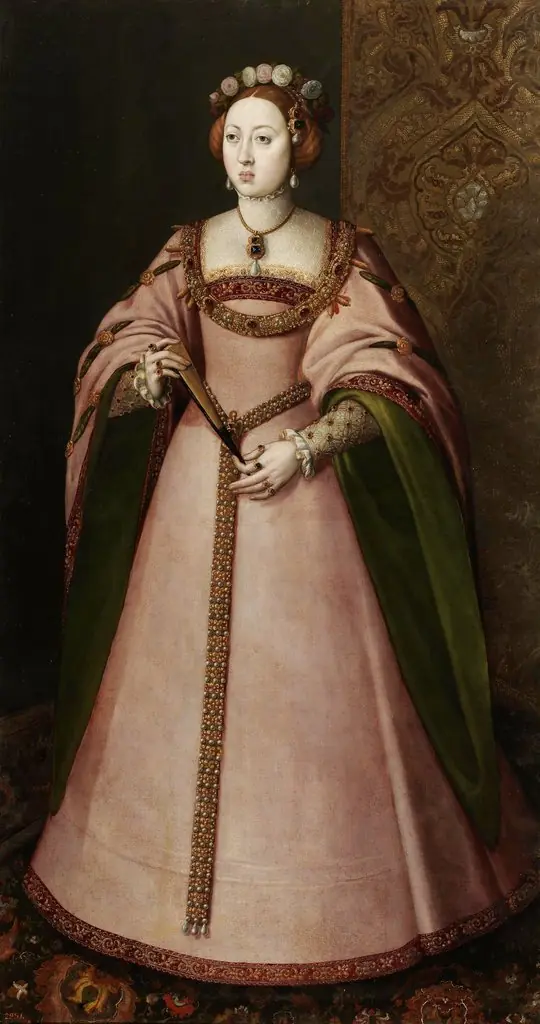 Mary of Portugal (1527–1545)
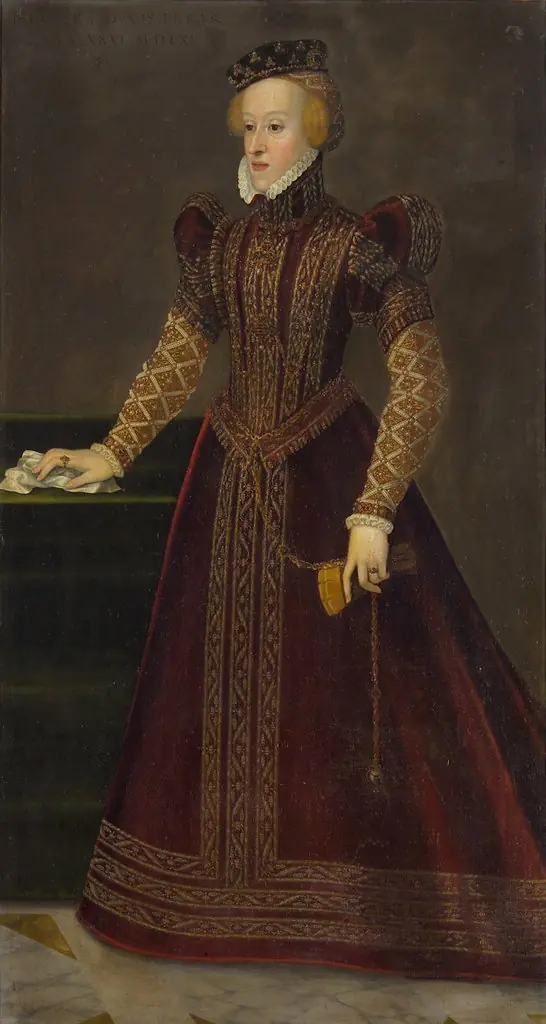 Erzherzogin Barbara (1539-1572), Herzogin von Ferrara in ganzer Figur
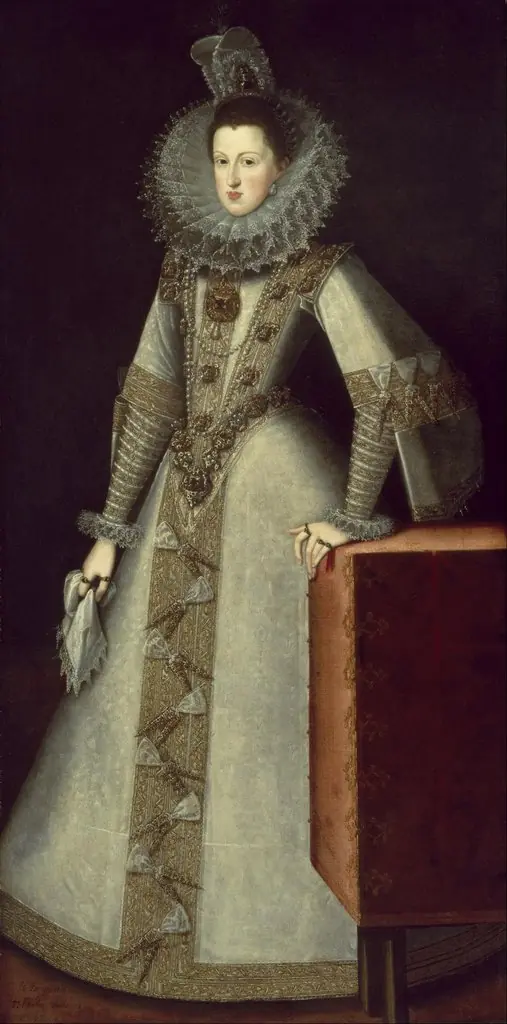 Margaret of Austria, Queen of Spain
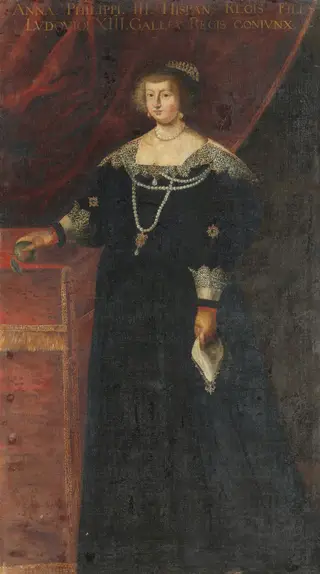 Anna von Österreich (1601-1666)
 Catarina de' Medici (1593-1629)
 Anna of Austria, Queen of Spain (1549-1580)