Artwork
Portrait of Anne Fernely, pendant to Sir Thomas Gresham
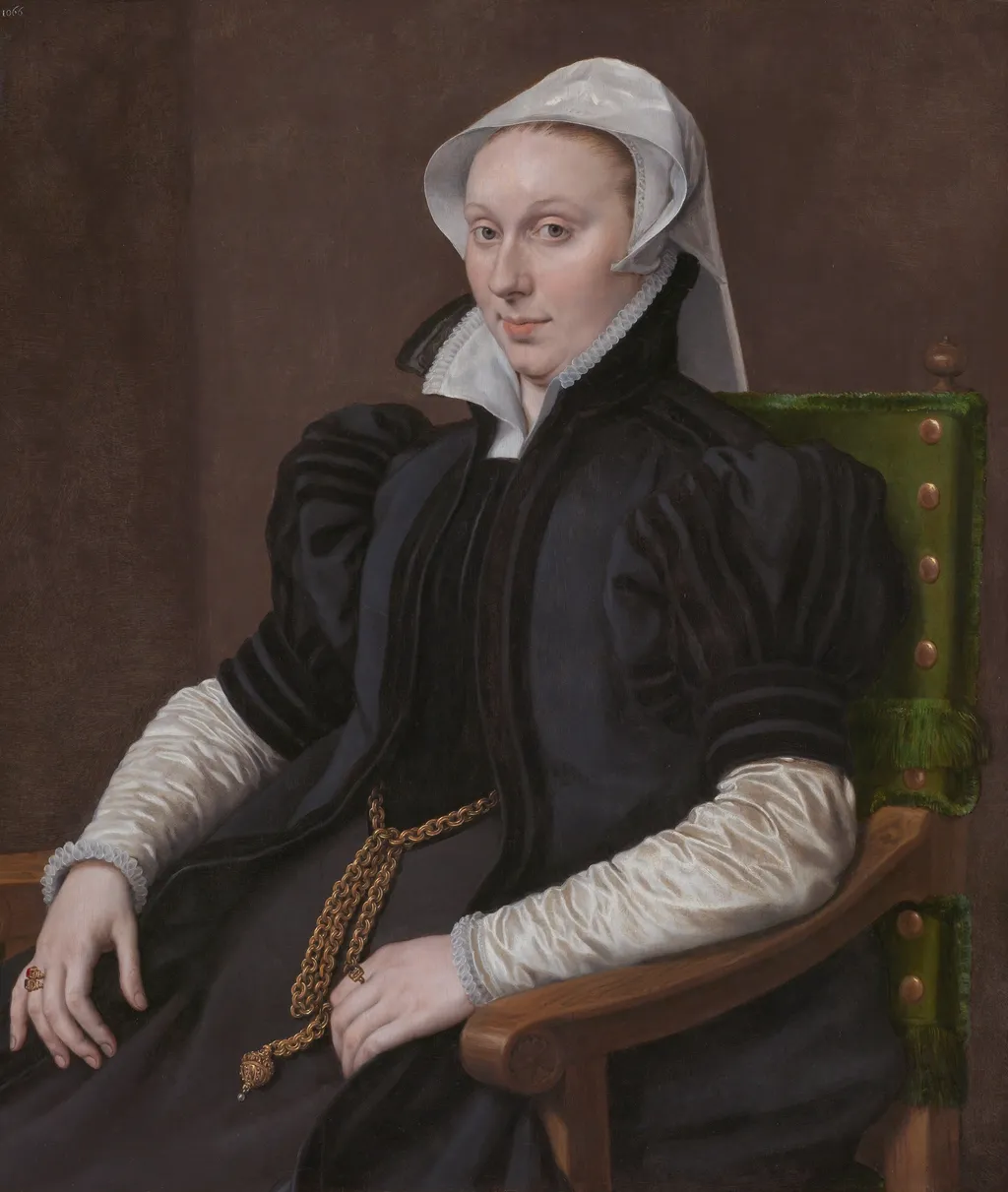
Portrait of Anne Fernely, pendant to Sir Thomas Gresham is an oil painting by the Mannerist artist Antonis Mor. It dates from 1563 and is held in the collection of the Hermitage Museum. Created in 1563, this oil on panel portrait shows Anne Fernely seated in a green‑backed wooden chair.
About this work
Subject & Meaning
Executed in 1563 by Antonis Mor, this oil painting depicts Anne Fernely as its sole subject.
Executed in 1563 by Antonis Mor, this oil painting depicts Anne Fernely as its sole subject. Created in Antwerp, the work functions specifically as a pendant portrait to an image of Sir Thomas Gresham, establishing a paired representation of the two figures. The composition serves to document Fernely's likeness within the context of her association with Gresham, likely reflecting their familial or social connection through this formal dual presentation.
While the painting utilizes the standard conventions of sixteenth-century portraiture to convey status and identity, its primary meaning is derived from its intentional pairing with the male counterpart, together forming a unified commemorative statement.
Technique & Style
The portrait is executed in oil paint on canvas, measuring 88 × 75.5 cm. Created in Antwerp in 1563, the work exemplifies Antonis Mor's refined approach to portraiture. The pendant format pairs it with the portrait of Sir Thomas Gresham, suggesting a deliberate compositional balance between the two panels. Mor's technique reflects the sophisticated Netherlandish tradition, characterized by precise draftsmanship and careful modeling of form.
History & Provenance
Created in 1563 by Antonis Mor, the Portrait of Anne Fernely was painted in Antwerp as a pendant to a portrait of Sir Thomas Gresham. The work is executed in oil on canvas and depicts Anne Ferneley. Historical records indicate that the painting was once part of the collection of Robert Walpole before entering the holdings of Catherine II of Russia. It is currently located at the Rijksmuseum.
Legacy
The portrait’s later reputation is evident in its passage through distinguished collections and its continued museum presence. After its completion in 1563 it entered the holdings of the English statesman Robert Walpole and subsequently Empress Catherine II of Russia. Today the work is housed in both the Rijksmuseum and the Hermitage Museum, underscoring its enduring artistic value.
Its legacy was further highlighted when it was featured in the Remember Me exhibition, which brought the painting to a contemporary audience and affirmed its significance in art‑historical discourse.
Overview
Created in 1563, this oil on panel portrait shows Anne Fernely seated in a green‑backed wooden chair. She is dressed in a black gown with white sleeves, a modest white head covering, and a gold chain at her waist, her hands poised on her lap and the chair’s arm. The work is part of the Rijksmuseum’s collection and was intended as a companion piece to a portrait of her husband, Sir Thomas Gresham.
Context
Mor’s approach to formal portraiture helped shape the visual language of later court painters, including the Spanish master Diego Velázquez. This work exemplifies the cross‑cultural exchange between Italian Renaissance influences and Northern European traditions, illustrating the evolving standards of aristocratic representation in the mid‑1500s.
Own this work as a print
Artist & collection
Artist
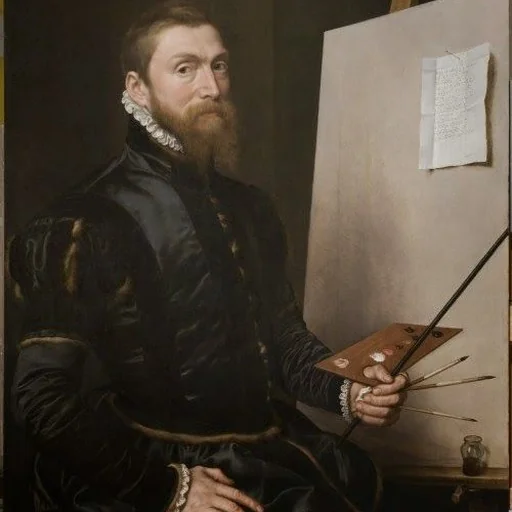
Anthonis Mor, also known as Anthonis Mor van Dashorst and Antonio Moro (c. 1517 – 1577), was a Netherlandish portrait painter, much in demand by the courts of Europe. He has also been referred to as Antoon, Anthonius,…

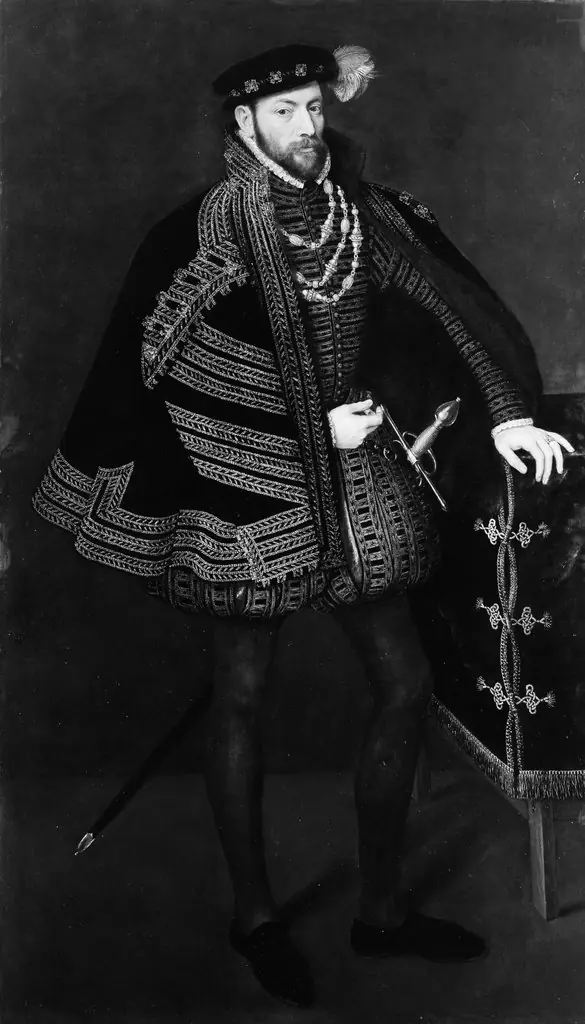 Portrait of a Man, Possibly Ottavio Farnese (1524–1586), Duke of Parma and Piacenza
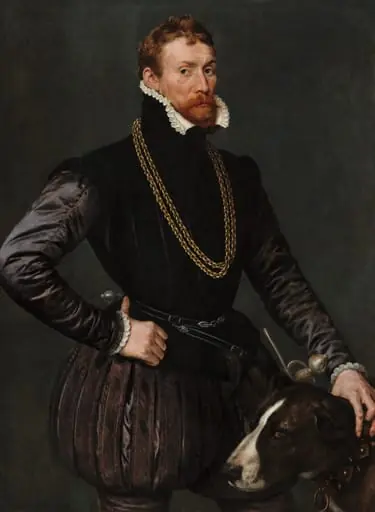 Portrait of a Gentleman
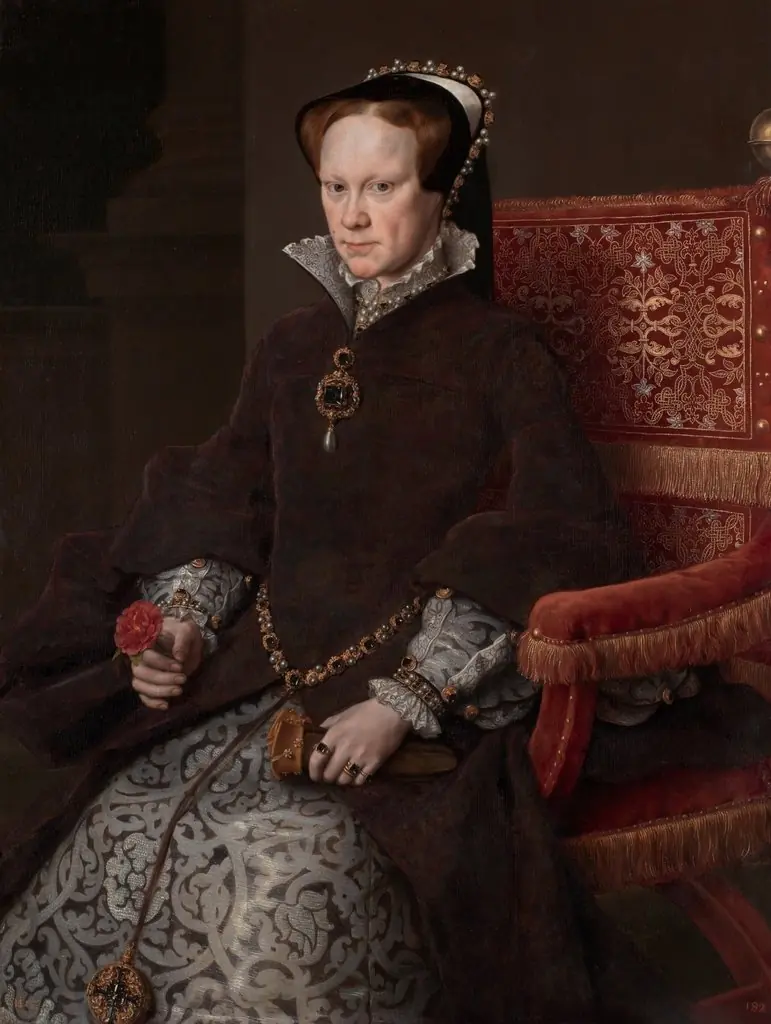 Portrait of Mary Tudor
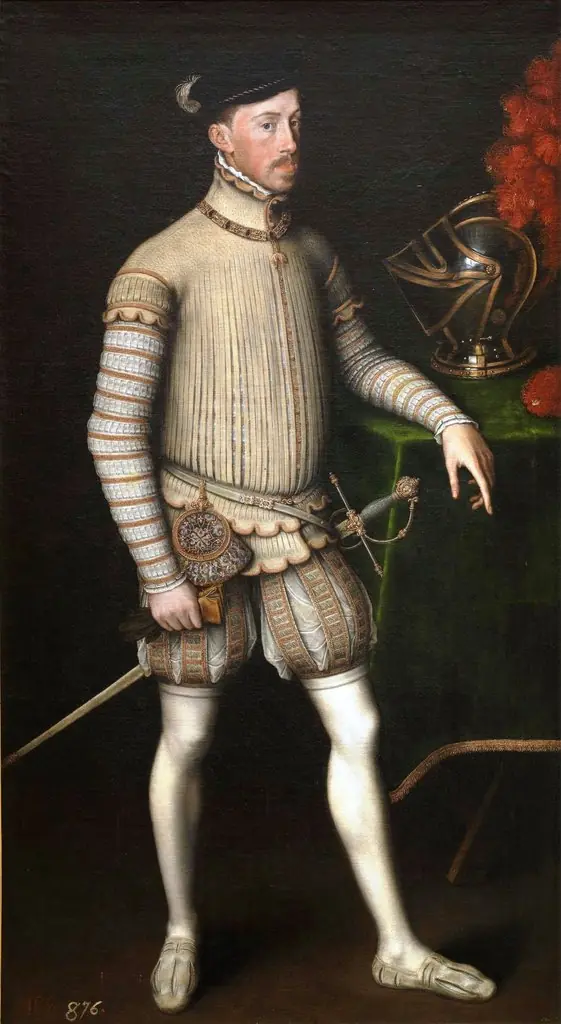 Emperor Maximilian II
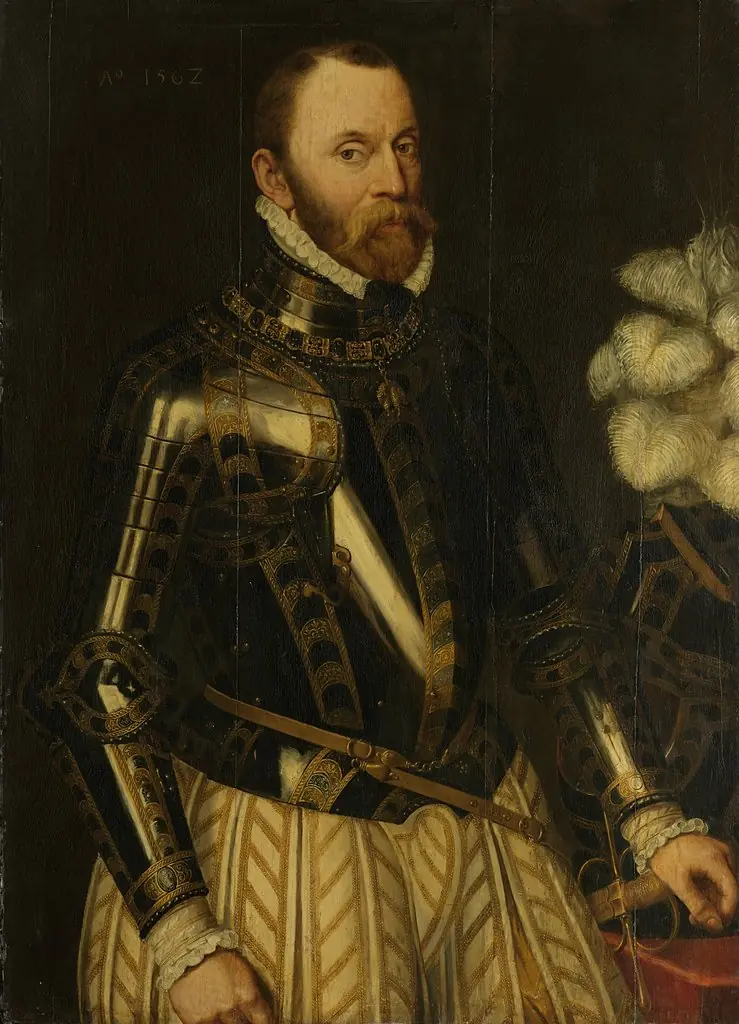 Philippe de Montmorency
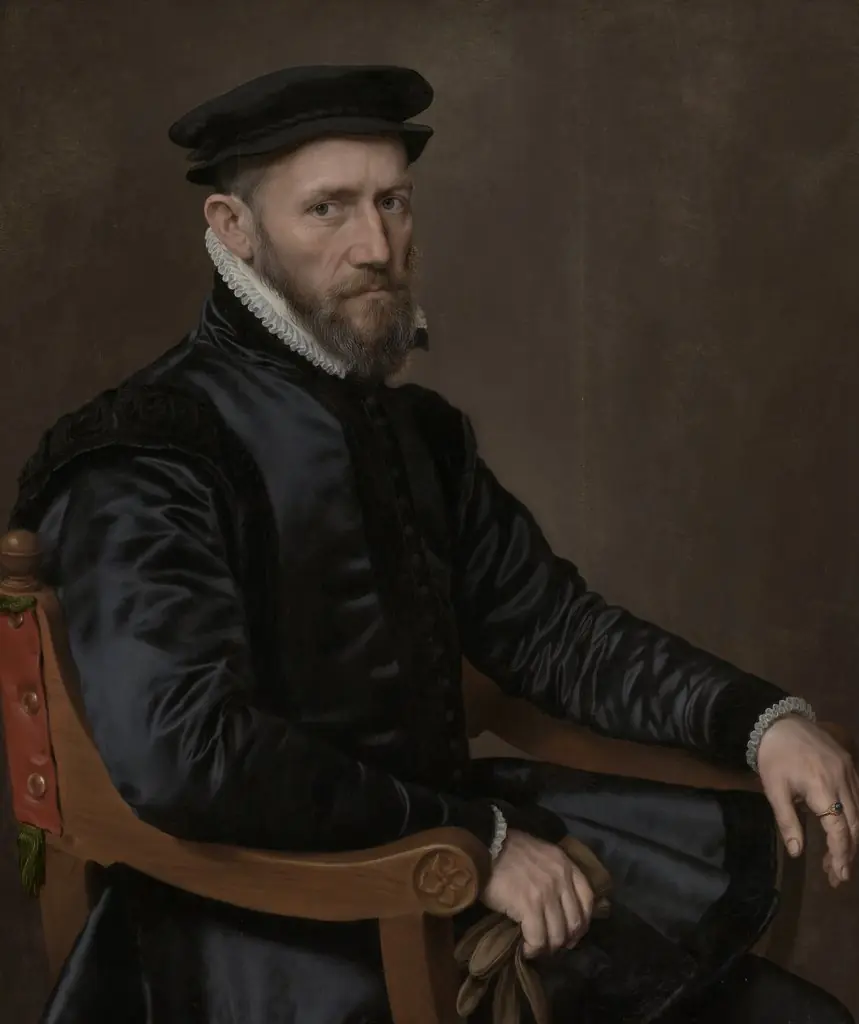 Portrait of Sir Thomas Gresham, pendant to portrait of Anne Fernely
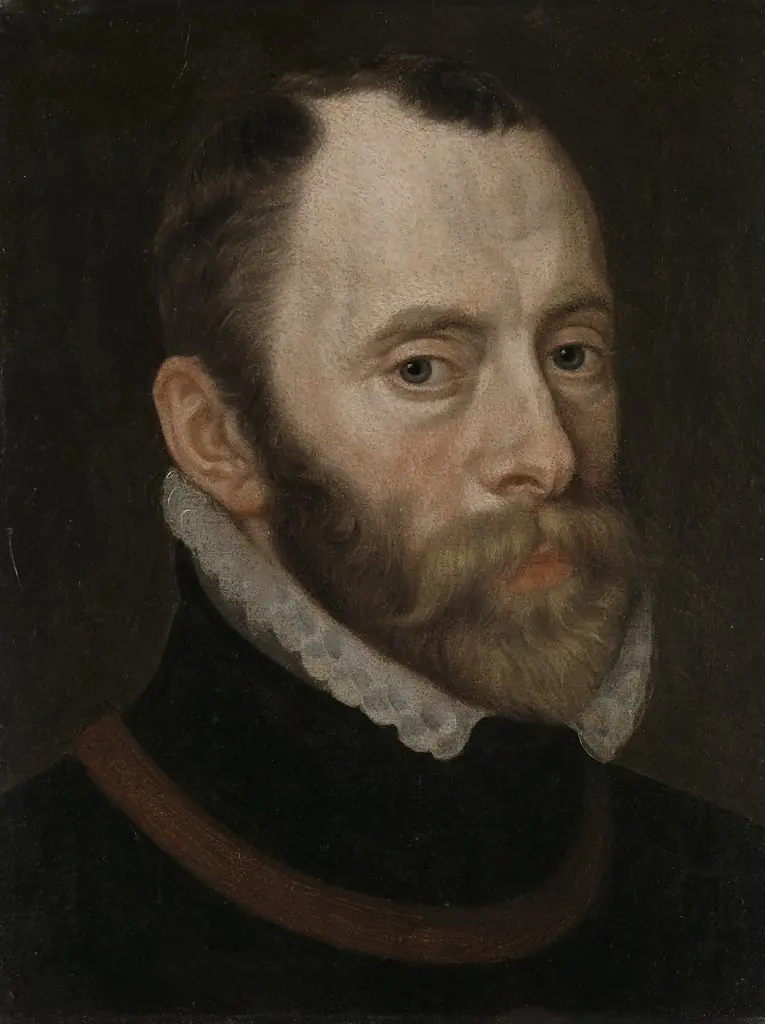 Portrait of Philippe de Montmorency, Count of Hoorne, Admiral of the Netherlands, Member of the Council of State
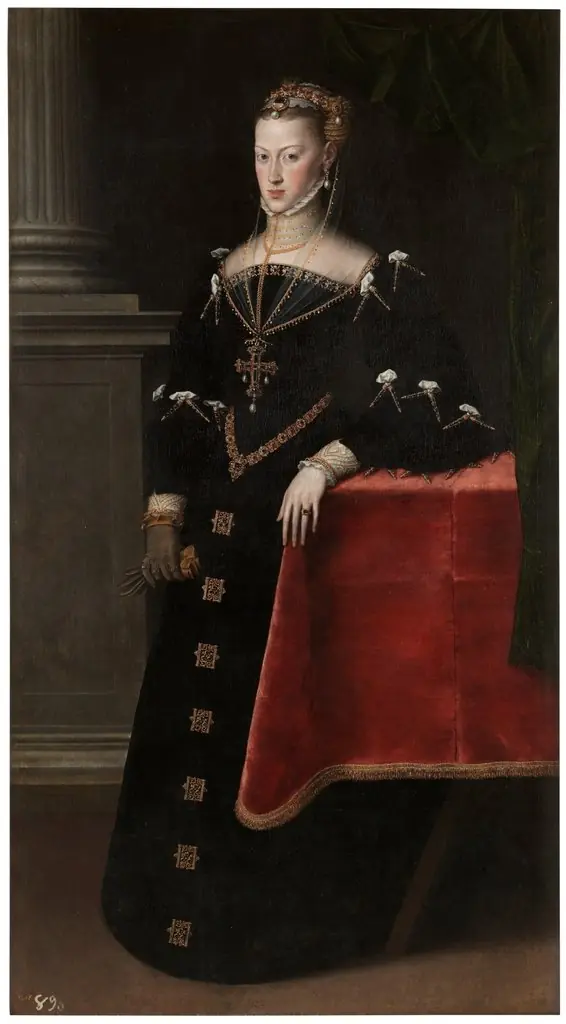 Empress Maria of Austria, Wife of Maximilian II
- Portrait of a Seated Woman
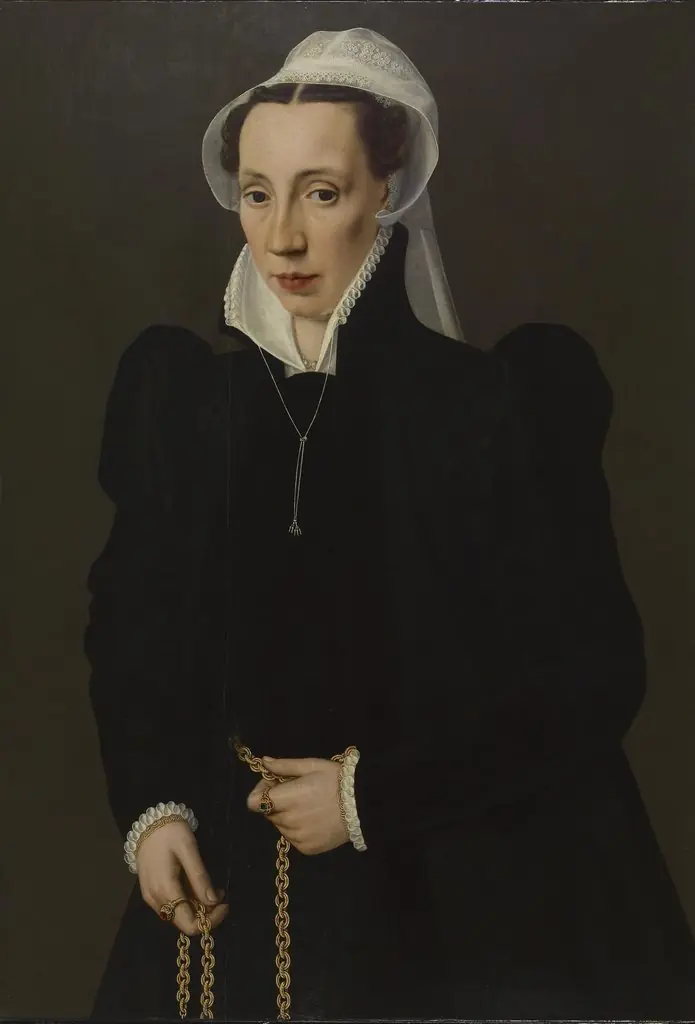 Portrait of a Woman with a Pomander
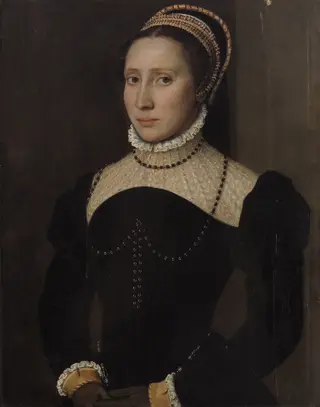 Weibliches Bildnis
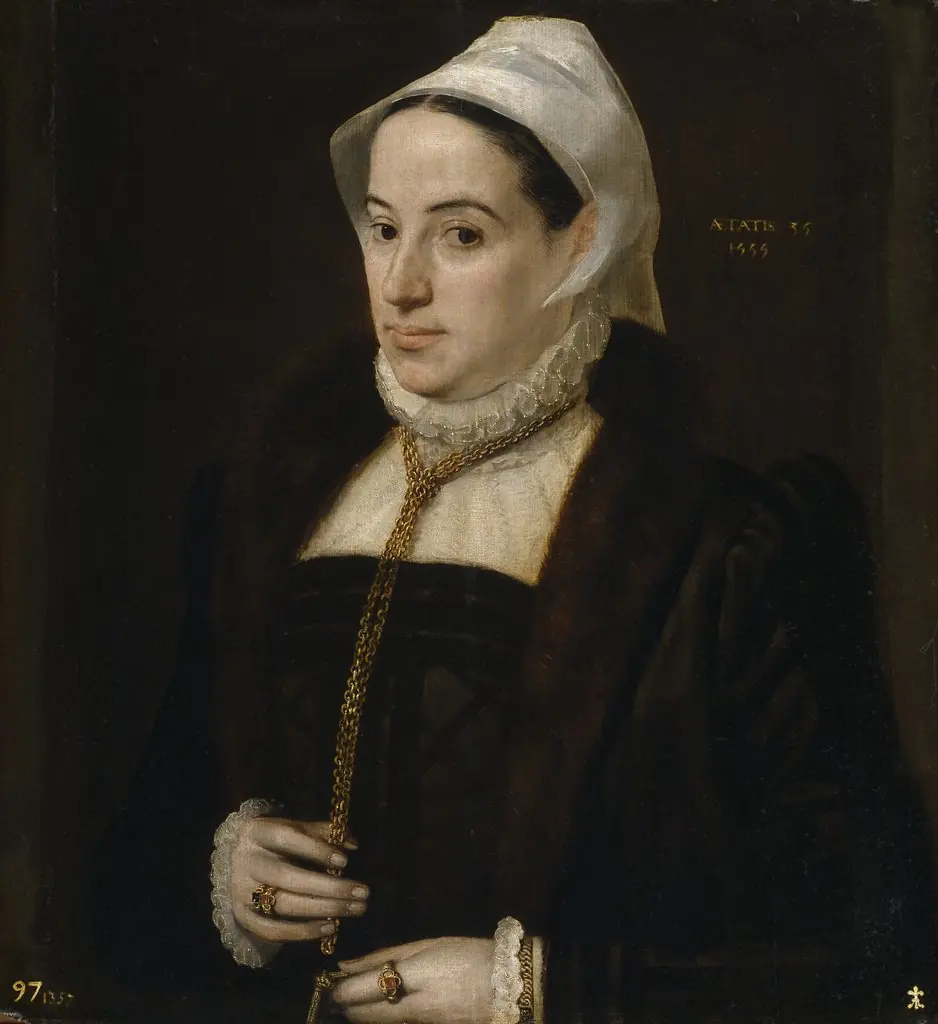 Portrait of a Woman aged 35
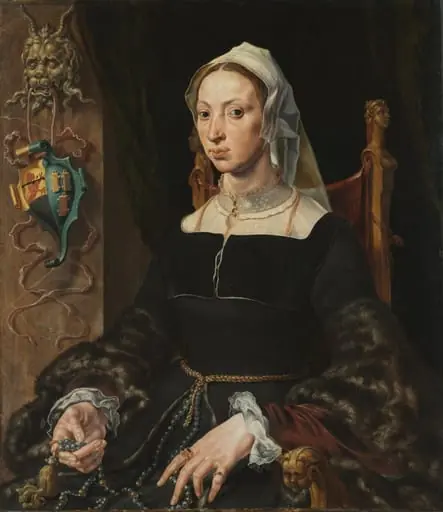 Portrait of Machtelt Suijs
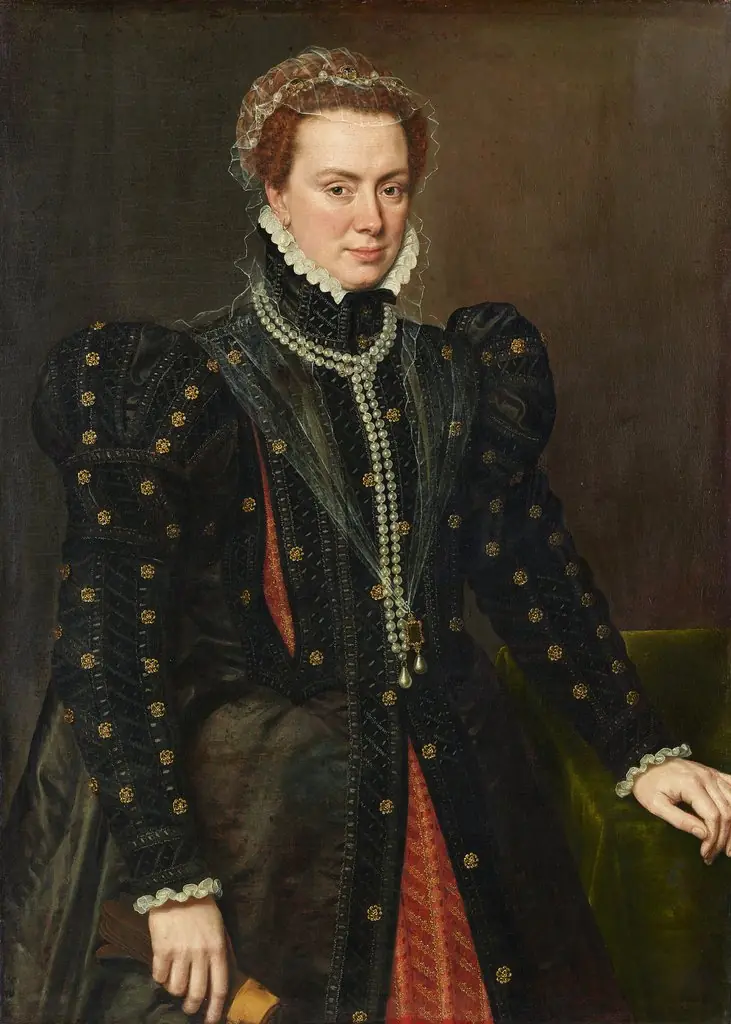 Margaret, Duchess of Parma
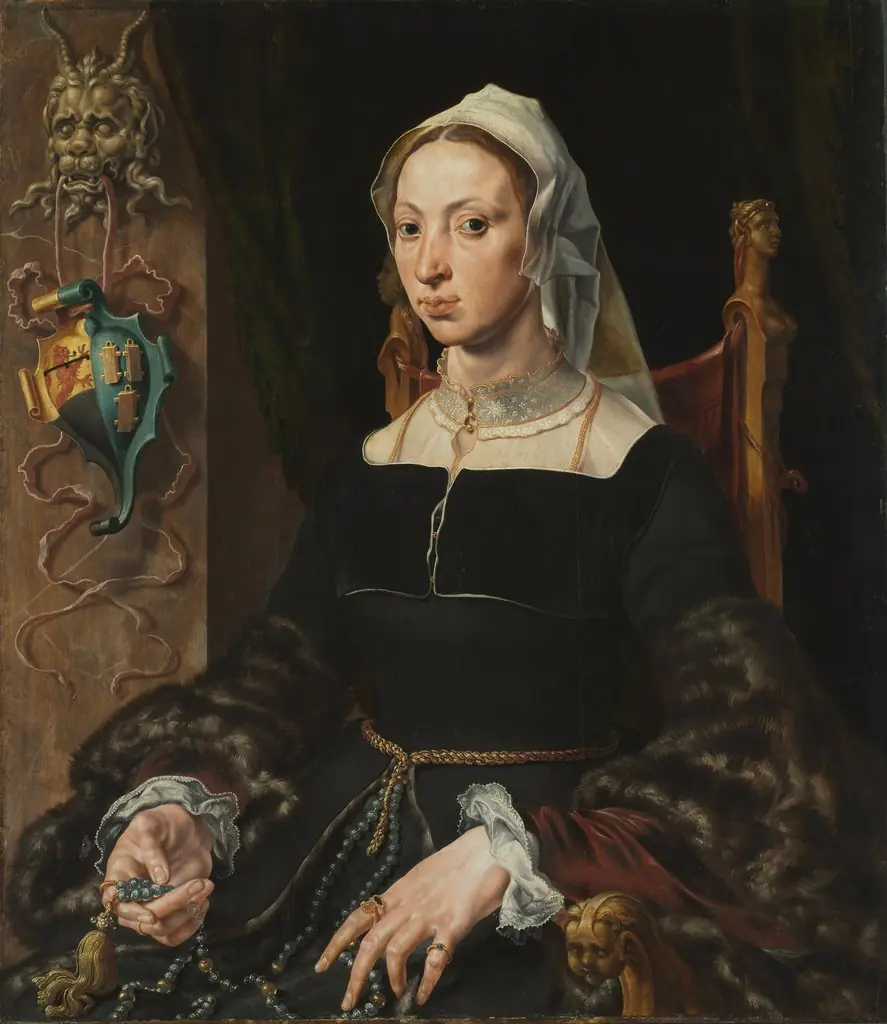 Portrait of Machtelt Suijs
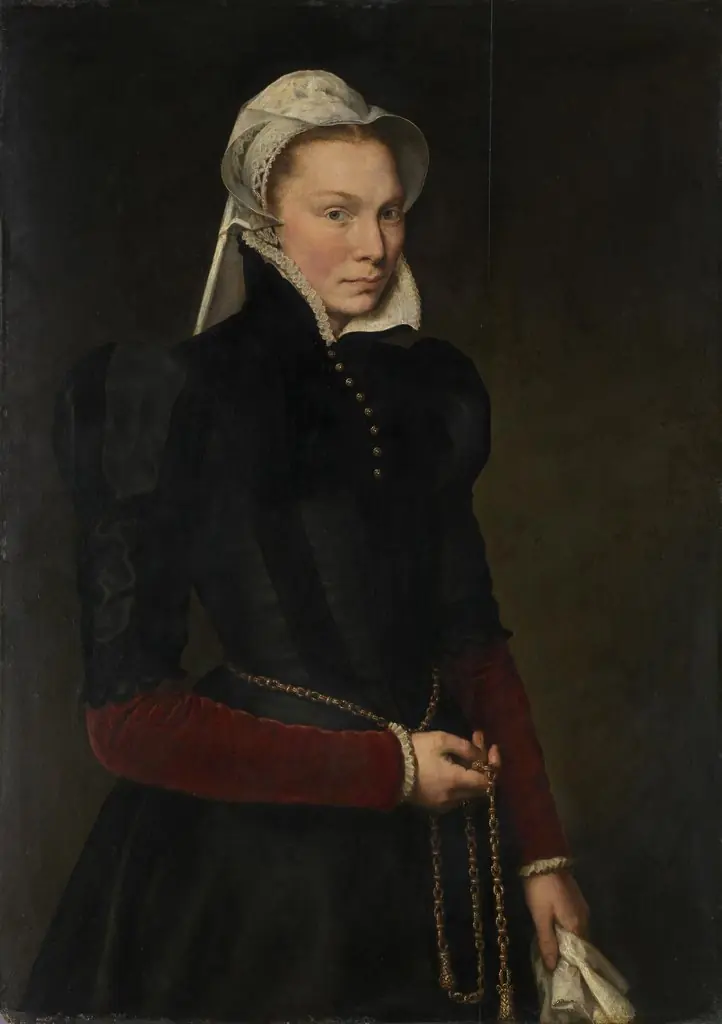 Portrait of a lady
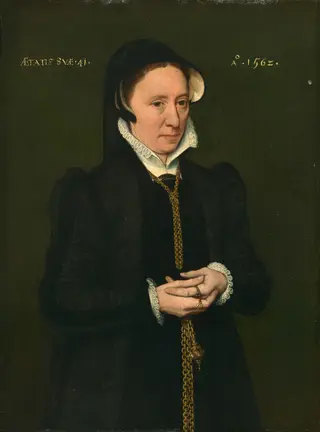 Portrait of a Woman
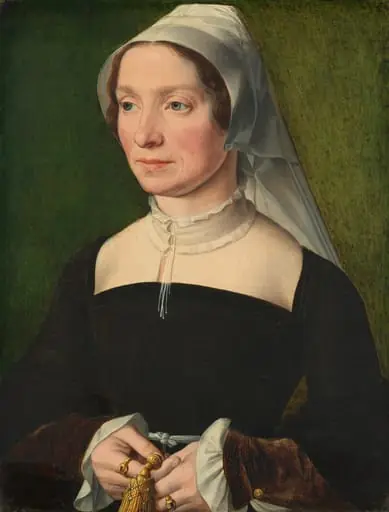 Wife of a Member of the de Hondecoeter Family
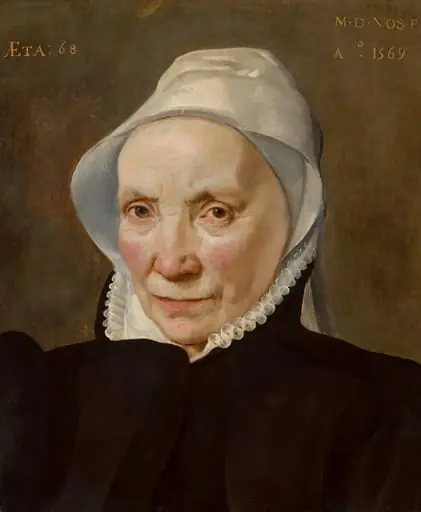 Portrait of a Woman Aged Sixty-Eight
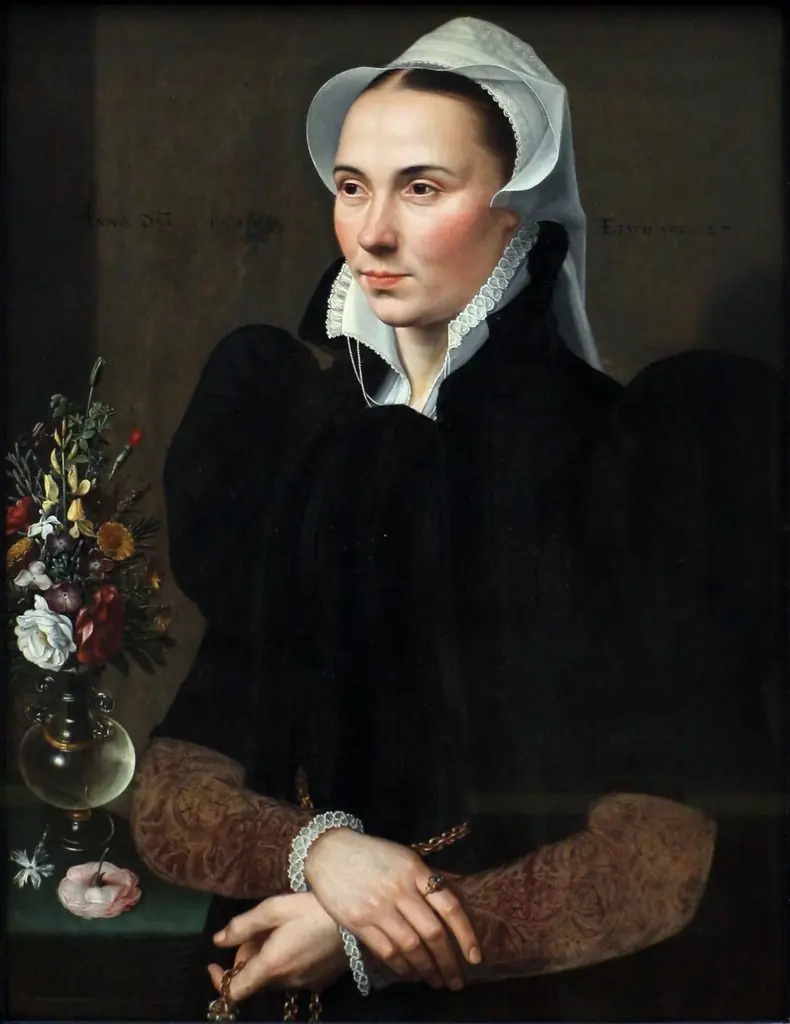 Portrait of a 27-year-old woman with a bunch of flowers