Artwork
Anna von Österreich (1601-1666)
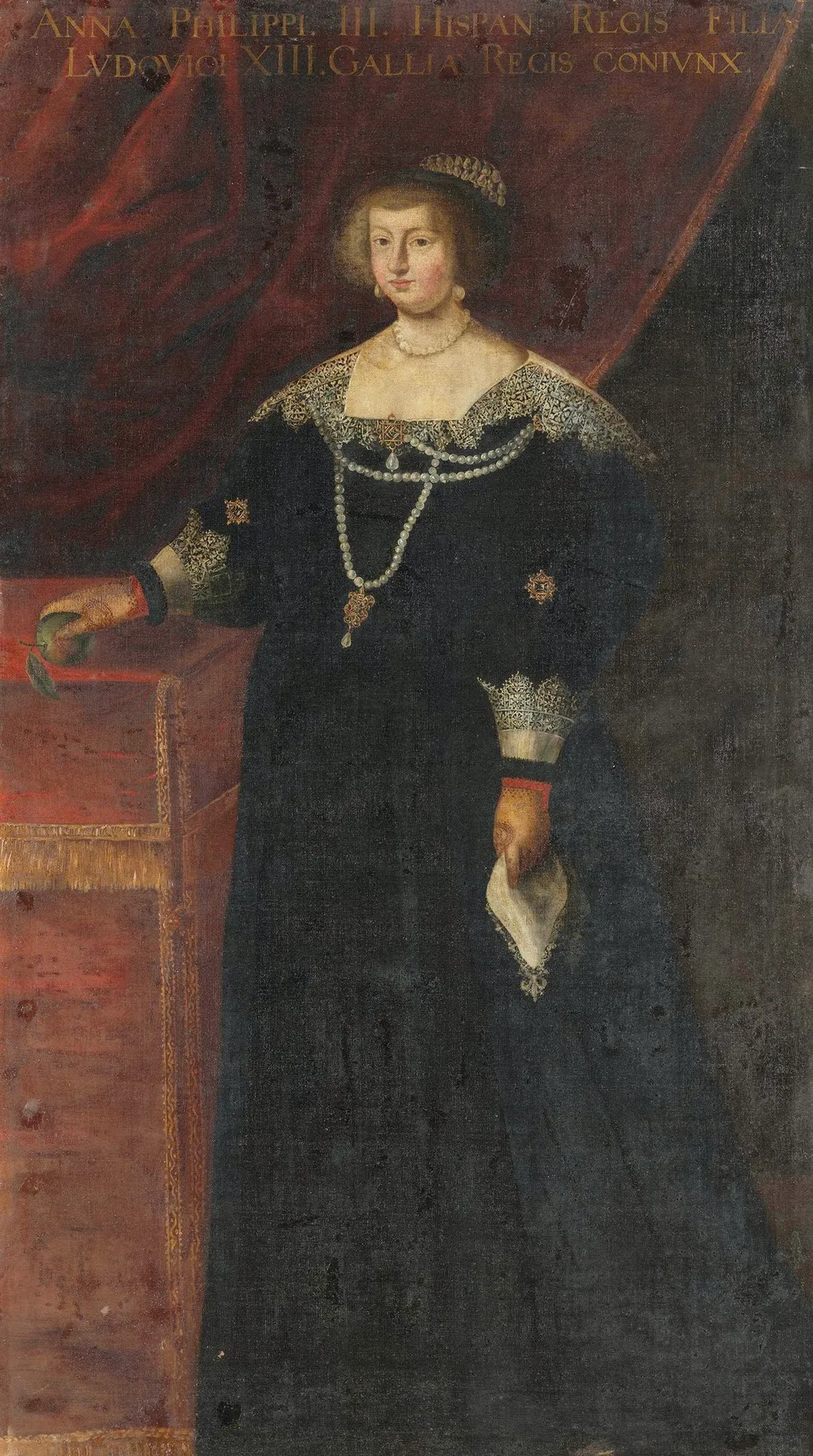
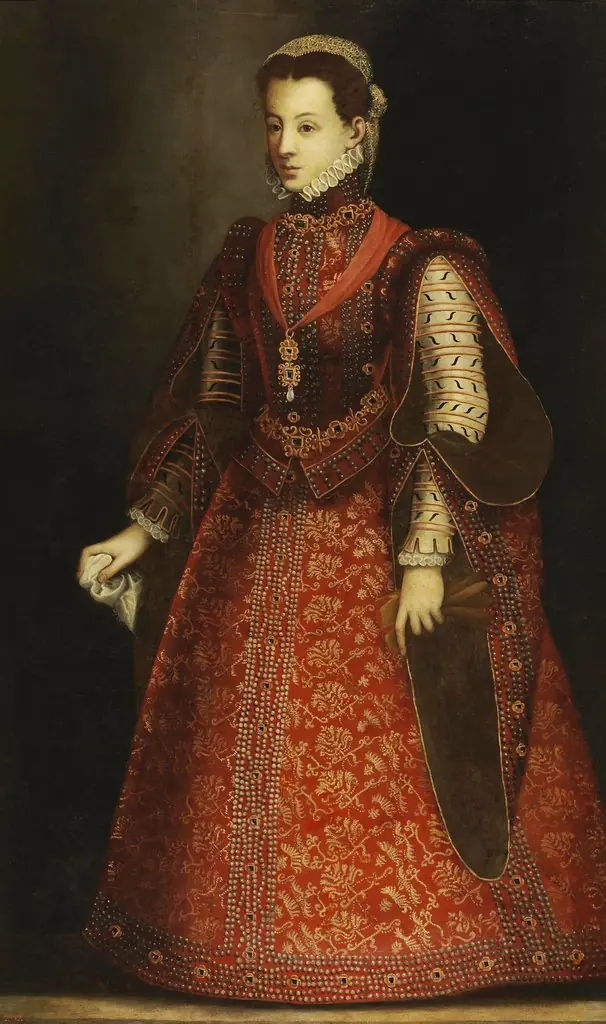
Anna von Österreich (1601-1666) is an unspecified painting by the Flemish Baroque painting artist Unknown. It dates from 1650 and is held in the collection of the Bavarian State Painting Collections. The work is a portrait of Anna of Austria (1601–1666), daughter of Philip III of Spain and queen consort of Louis XIII of France.
About this work
Subject & Meaning
The work is a formal portrait depicting Anne of Austria, who lived from 1601 to 1666. Created in 1650, the painting presents the subject as the main focus of the composition. As a portrait genre piece, the work serves to represent the individual's likeness and status during that period. The depiction is held within the Bavarian State Painting Collections at the Alte Pinakothek.
History & Provenance
No further details regarding the specific commission, earlier ownership history, or the identity of the painter are provided in the available records.
This portrait of Anne of Austria was created in 1650. The work is attributed to a French artist and measures 207.3 cm in height by 119.3 cm in width. It currently belongs to the collection of the Bavarian State Painting Collections, where it is housed at the Alte Pinakothek.
No further details regarding the specific commission, earlier ownership history, or the identity of the painter are provided in the available records.
The portrait of Anna von Österreich (1601–1666), dated 1650, is held by the Bavarian State Painting Collections. It forms part of the permanent collection at the Alte Pinakothek in Munich. The work measures 207.3 cm in height and 119.3 cm in width.
No specific inventory or accession number is provided in the available records, nor is there documented exhibition history for this piece in the current sources.
Legacy
The portrait of Anne of Austria painted around 1650 was acquired by the Bavarian State Painting Collections and has remained in the Alte Pinakothek, ensuring its continued visibility within German art institutions. As a work by the imperial Habsburg daughter, it exemplifies early Baroque portraiture and contributed to the visual representation of female Habsburg authority, influencing later depictions of aristocratic women in European art. Its scholarly attention stems from its role in documenting Habsburg dynastic imagery and Baroque artistic practice.
Overview
The work is a portrait of Anna of Austria (1601–1666), daughter of Philip III of Spain and queen consort of Louis XIII of France. Executed in oil on canvas, the composition presents the queen seated before a dark red drapery, her figure framed by a partial wooden chair. The sitter is attired in a richly patterned, dark gown with a high collar, a pearl necklace, and a crown, holding a small object in her left hand.
Technique & Style
Rendered in a restrained palette of deep blacks, reds, and muted golds, the portrait employs chiaroscuro to model the figure against the dark backdrop. The fabric’s intricate pattern is suggested through fine brushwork, while the pearl necklace and crown are highlighted with subtle glazes that catch the light. The overall style reflects early‑17th‑century court portraiture, balancing realism with idealized elegance.
Context
Anna of Austria’s marriage was a political alliance that reinforced the Bourbon‑Habsburg connection during a period of shifting European power balances. Portraits such as this were used to convey legitimacy and continuity, presenting the queen consort as both a sovereign figure and a cultural link between Spain and France.
Artist & collection









- Empress Maria of Austria, Wife of Maximilian II
 Portrait of a Woman
 Anna Maria, 1549-1580, ärkehertiginna
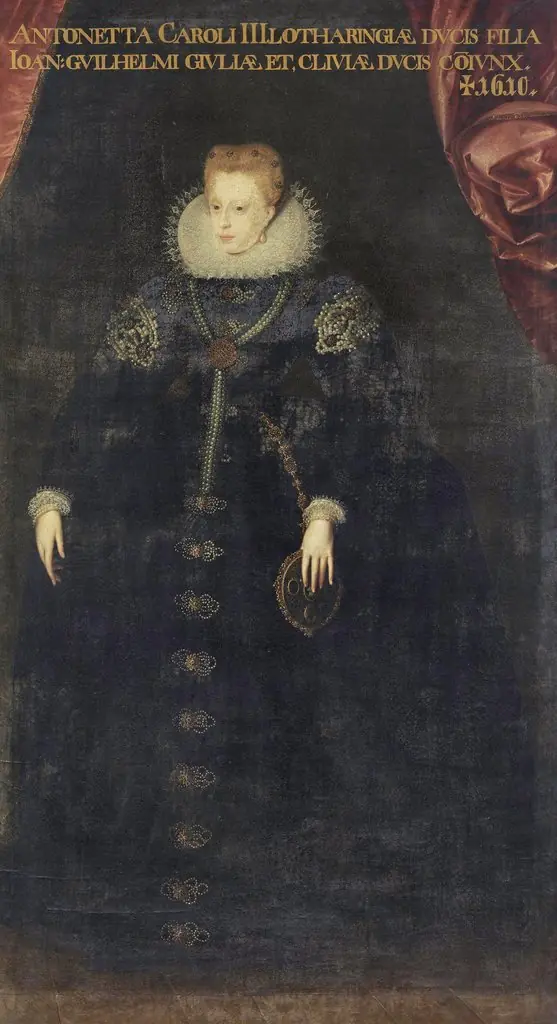 Portrait of Antoinette of Lorraine (1568-1610), Duchess of Jülich-Cleves-Berg
 Untitled
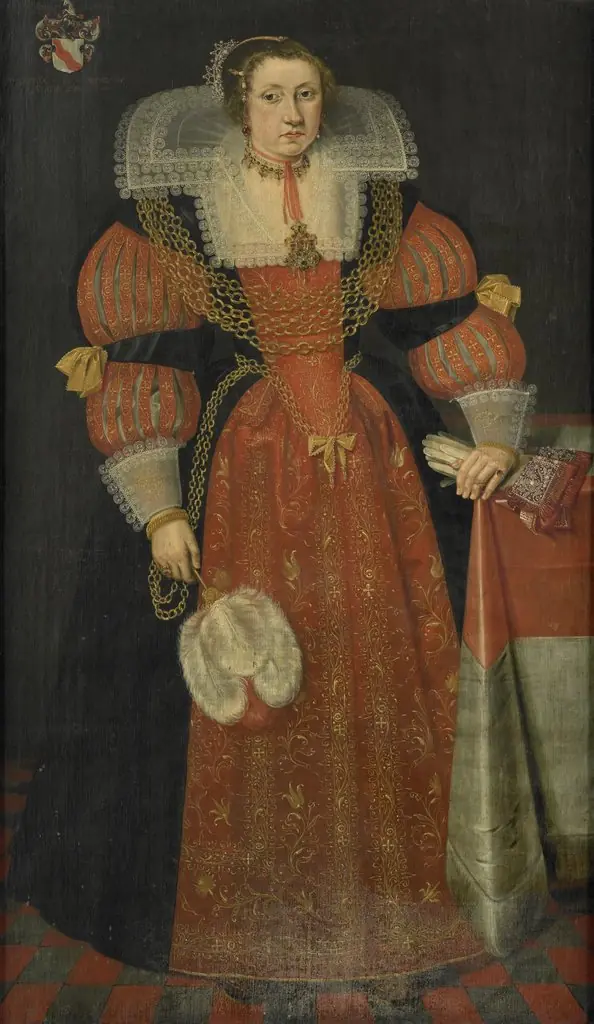 Portrait of Sophia de Vervou (c. 1613-71)
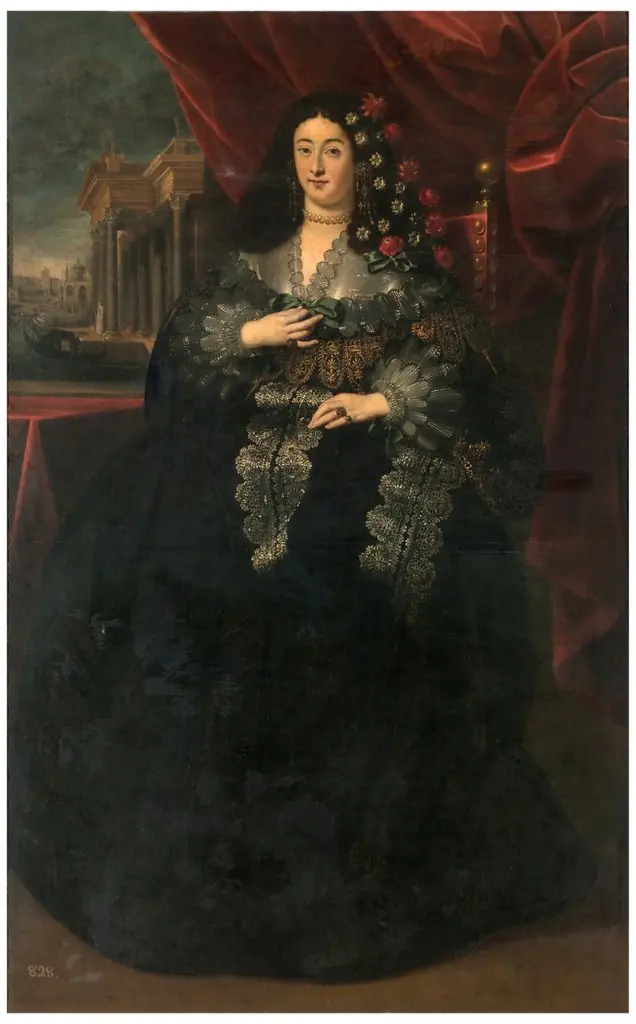 Venetian Lady
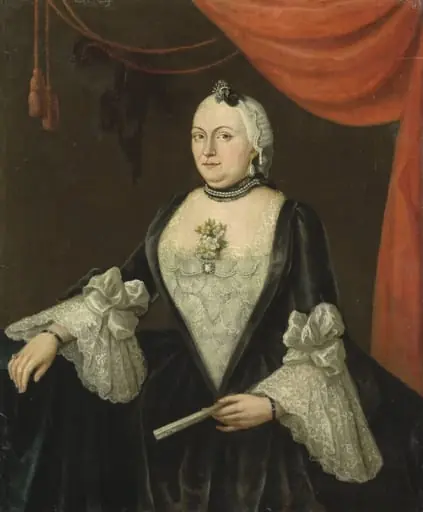 Johanna van Rijswijk (b. 1715), Wife of Jan Hendrik van Rijswijk
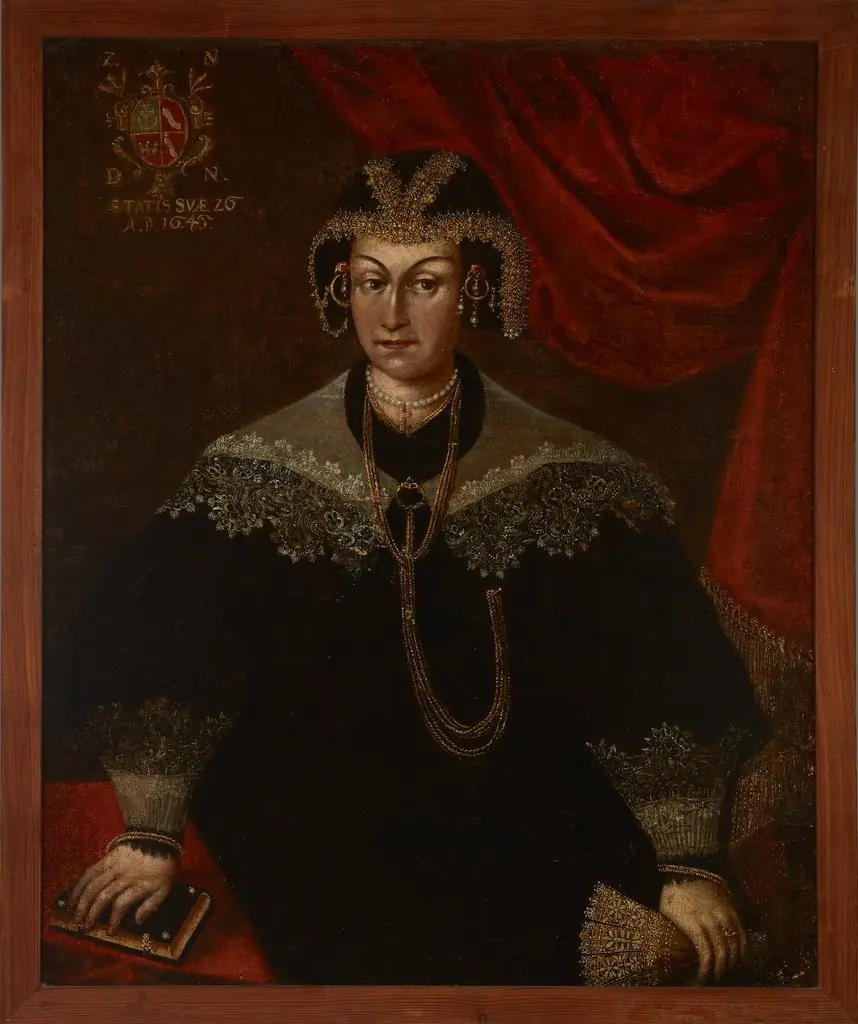 Portrait of an unknown woman
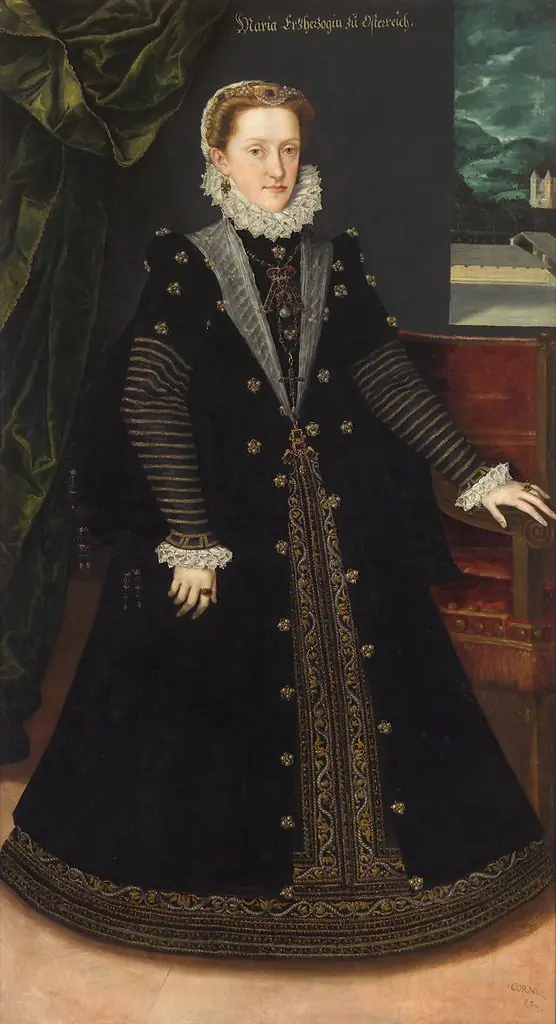 Portrait of Archduchess Mary Anna of Bavaria
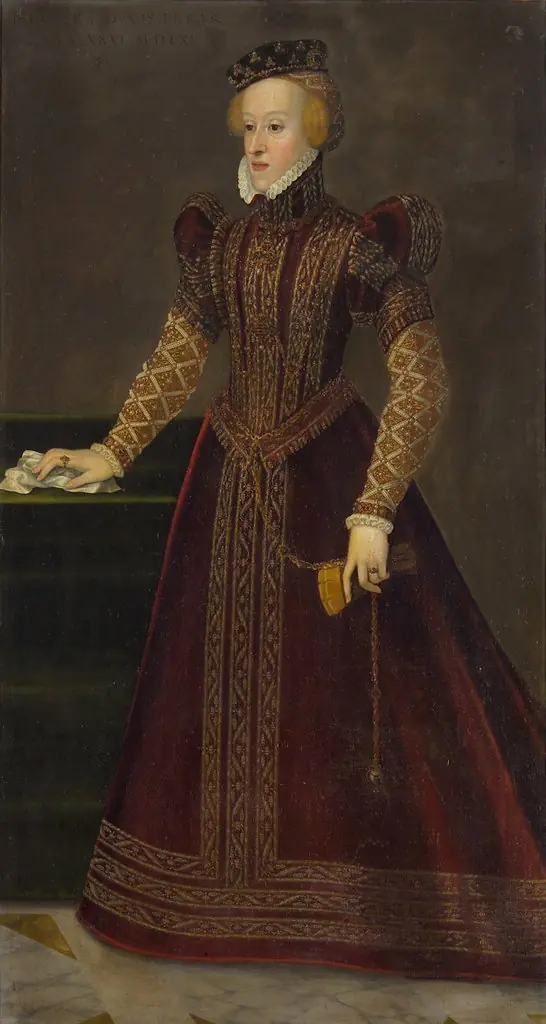 Erzherzogin Barbara (1539-1572), Herzogin von Ferrara in ganzer Figur
 La emperatriz Isabel de Portugal mujer de Carlos V