Artwork
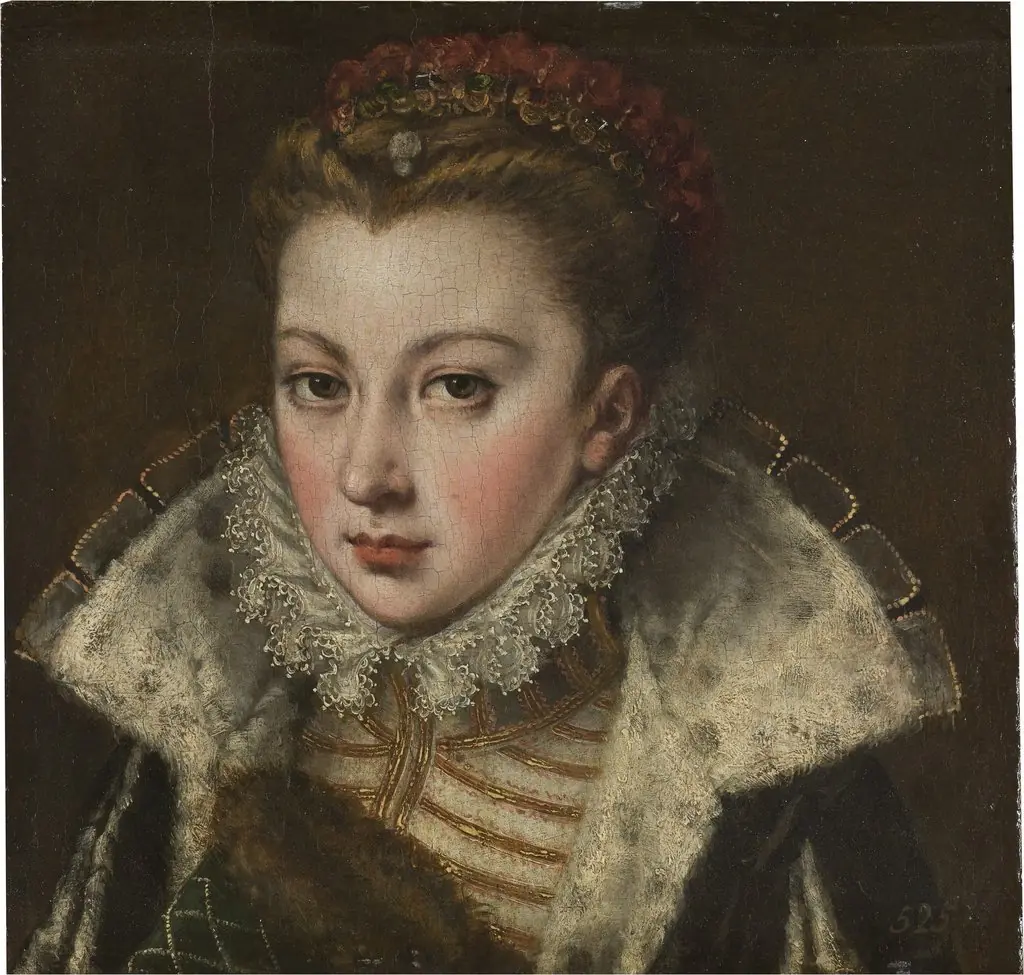
Portrait of a Lady
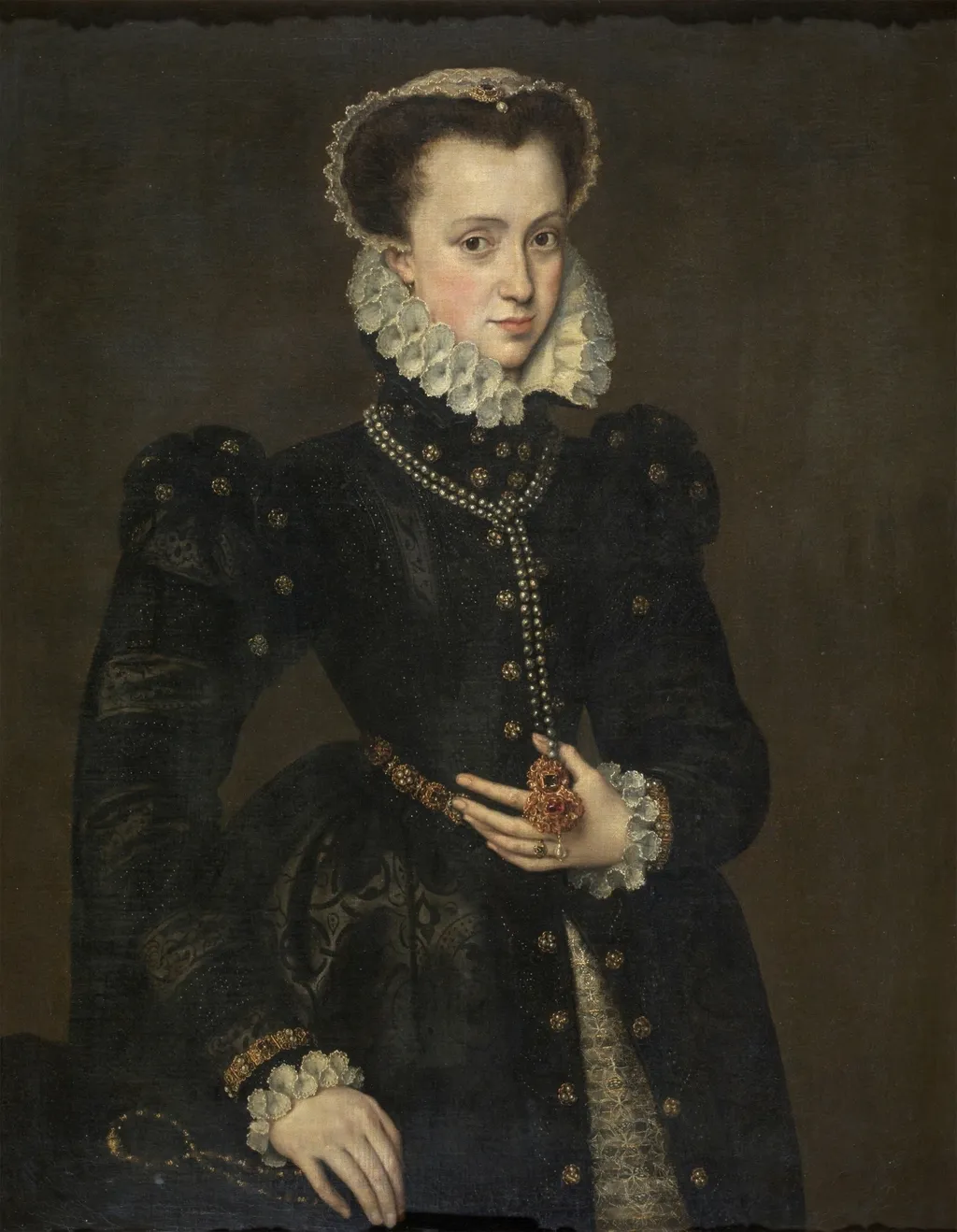
Portrait of a Lady is an oil painting by the Mannerist artist Antonis Mor. It dates from 1538 and is held in the collection of the Museo del Prado.
About this work
Technique & Style
Executed in 1538, this portrait by Antonis Mor is an oil painting on canvas. The work measures 96 cm in height and 76 cm in width. Stylistically, the composition focuses on an unidentified female subject, depicted with a gemstone as a key visual element.
The piece is classified within the portrait genre and is currently held in the collection of the Museo del Prado.
History & Provenance
The provenance of the work traces directly to the Museo del Prado, indicating continuous ownership by the institution since its creation.
The work titled Portrait of a Lady was painted by Antonis Mor in 1538 using oil paint on canvas. It remains in the collection of the Museo del Prado, where it is displayed as part of the museum's holdings. The painting measures 96 centimeters by 76 centimeters and portrays an unidentified woman, possibly depicted alongside a gemstone.
Its creation is dated to the year 1538, and it is classified as a portrait within the broader corpus of Renaissance art.
The provenance of the work traces directly to the Museo del Prado, indicating continuous ownership by the institution since its creation. No records of prior private ownership or sales appear in the documented history, suggesting that the piece has been part of the museum's collection from its inception. This uninterrupted chain of custody supports its current status as a formally catalogued artwork within the museum's permanent displays.
The Portrait of a Lady by Antonis Mor is held in the collection of the Museo del Prado in Madrid. The painting, executed in oil on canvas, depicts an unidentified woman and measures 96 cm in height by 76 cm in width. Created in 1538, the work remains part of the museum's permanent holdings.
The provided sources do not list a specific inventory or accession number for the piece, nor do they document any exhibition history.
Overview
Created in 1538, this oil painting portrays a woman of apparent high status, rendered with the refined realism characteristic of Antonis Mor’s court portraiture. The figure is shown holding a small gold object, possibly a gemstone, and is dressed in dark, richly embroidered attire. The work is part of the Prado Museum’s collection and exemplifies the Mannerist aesthetic that was spreading across Europe in the mid‑16th century.
Subject & Meaning
The sitter remains unidentified, but her sumptuous black dress, pearl necklace, gold belt, and lace ruff signal aristocratic rank. The gesture of grasping a glittering object may allude to wealth, virtue, or a personal emblem, a common device in portraiture to convey status or familial identity. The composed pose and direct gaze suggest a formal presentation intended for display within a noble household.
Context
The portrait belongs to a broader movement of courtly representation that Mor helped popularize after absorbing influences from Titian and other Italian masters. His approach, emphasizing dignified bearing and luxurious detail, set a precedent for Iberian portraiture in the 16th century, aligning with the era’s emphasis on visual affirmation of noble lineage and political power.
Own this work as a print
Artist & collection
Artist
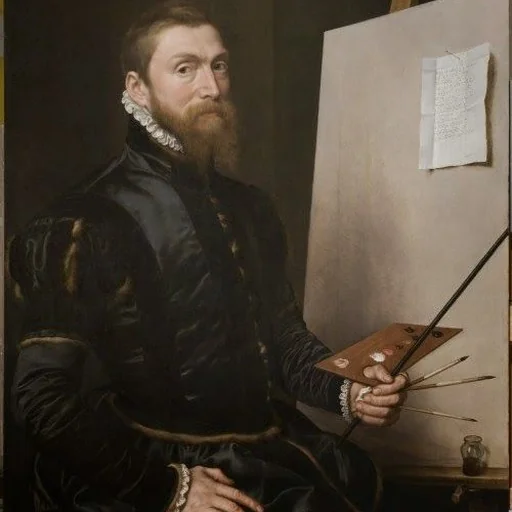
Anthonis Mor, also known as Anthonis Mor van Dashorst and Antonio Moro (c. 1517 – 1577), was a Netherlandish portrait painter, much in demand by the courts of Europe. He has also been referred to as Antoon, Anthonius,…

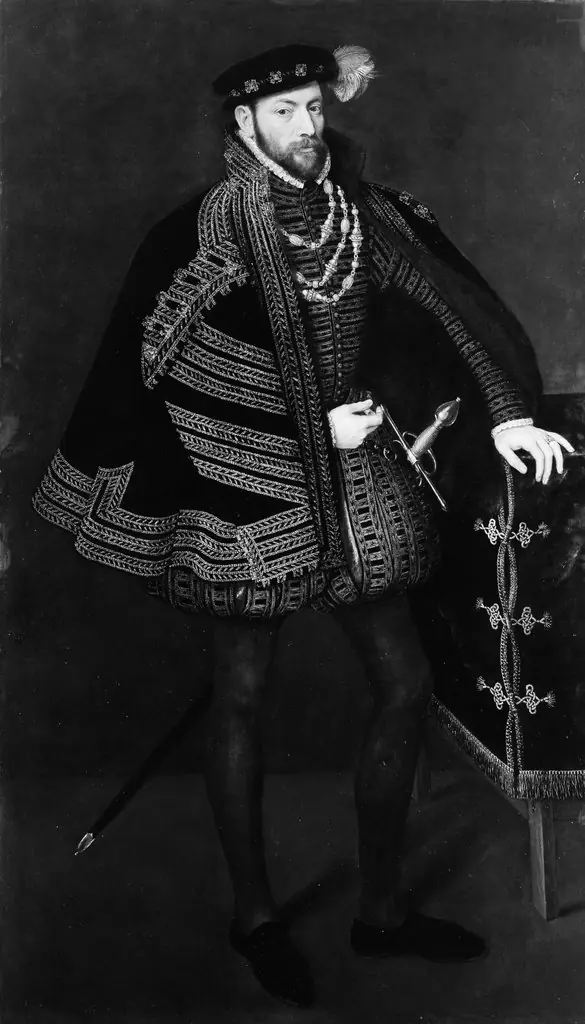 Portrait of a Man, Possibly Ottavio Farnese (1524–1586), Duke of Parma and Piacenza
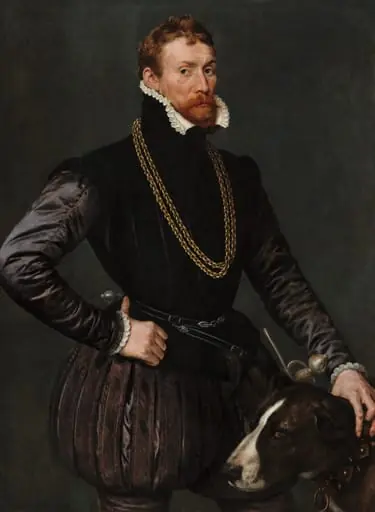 Portrait of a Gentleman
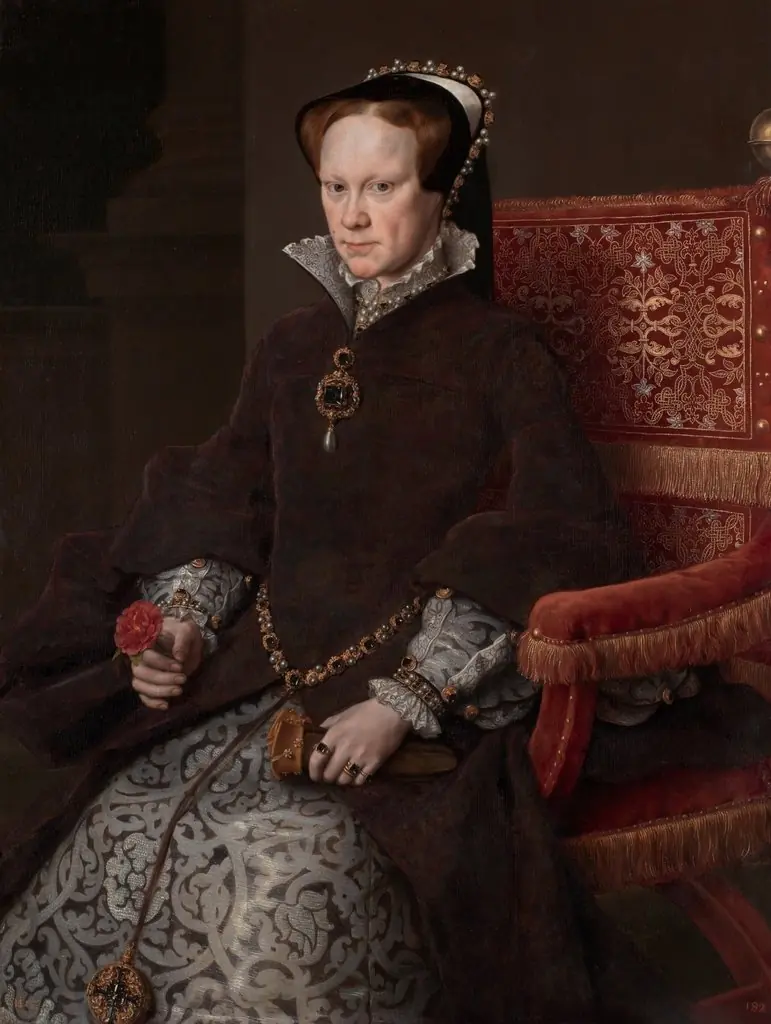 Portrait of Mary Tudor
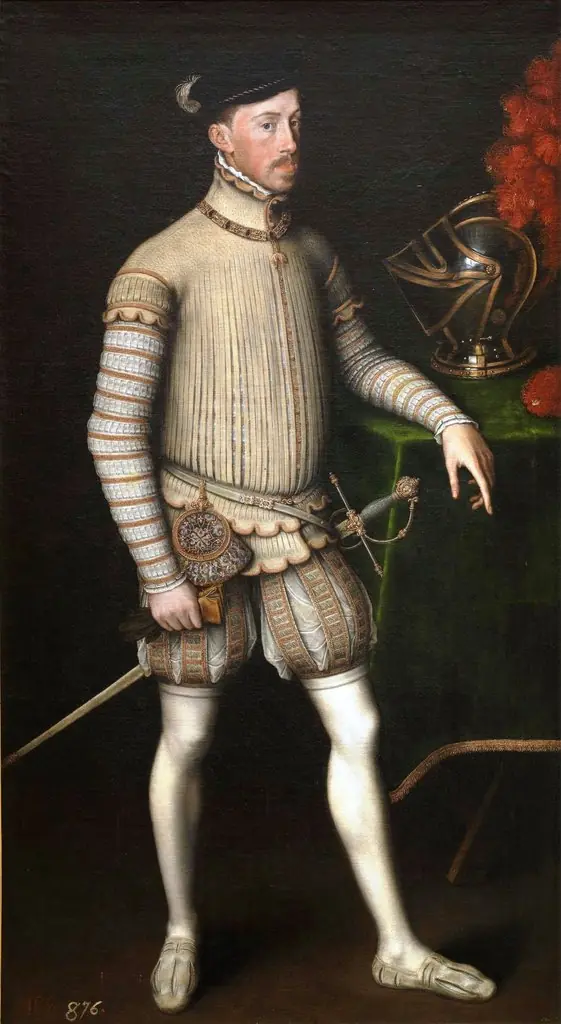 Emperor Maximilian II
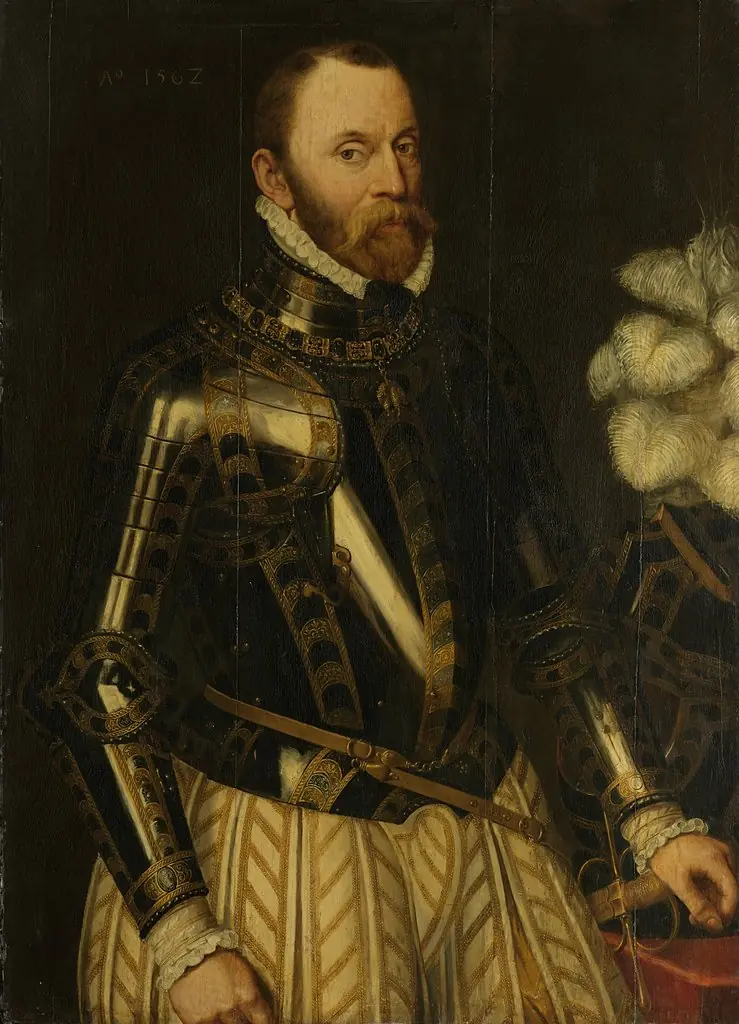 Philippe de Montmorency
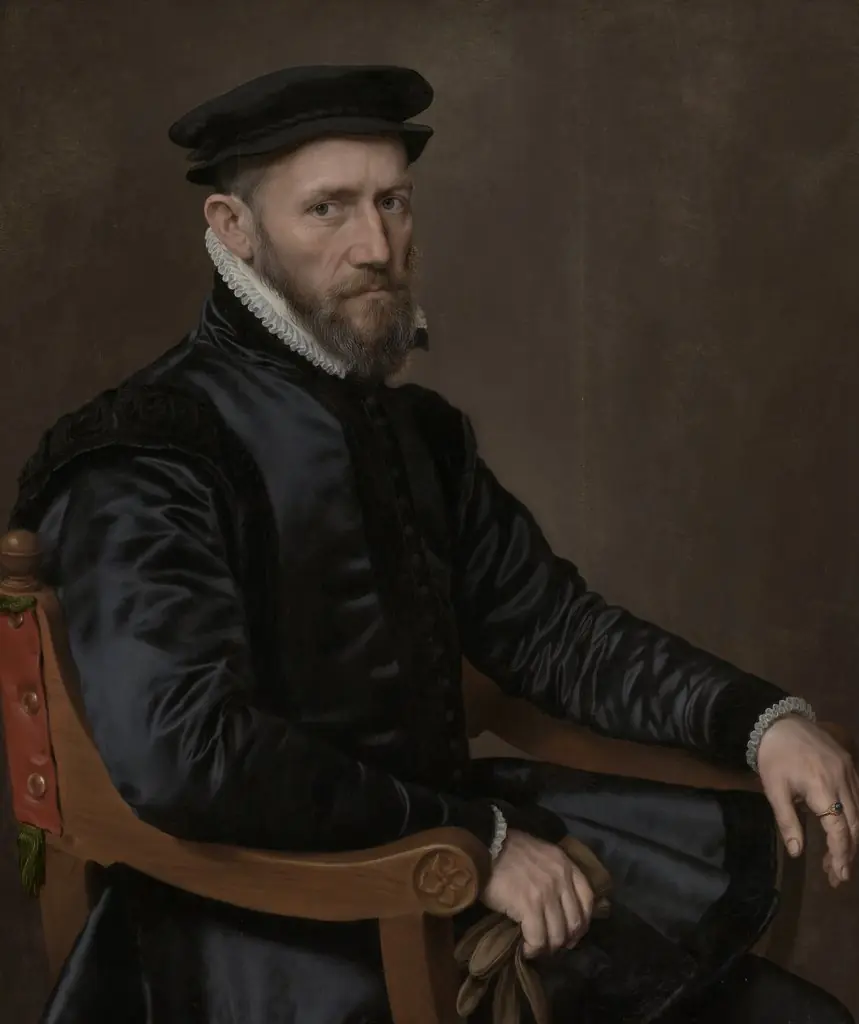 Portrait of Sir Thomas Gresham, pendant to portrait of Anne Fernely
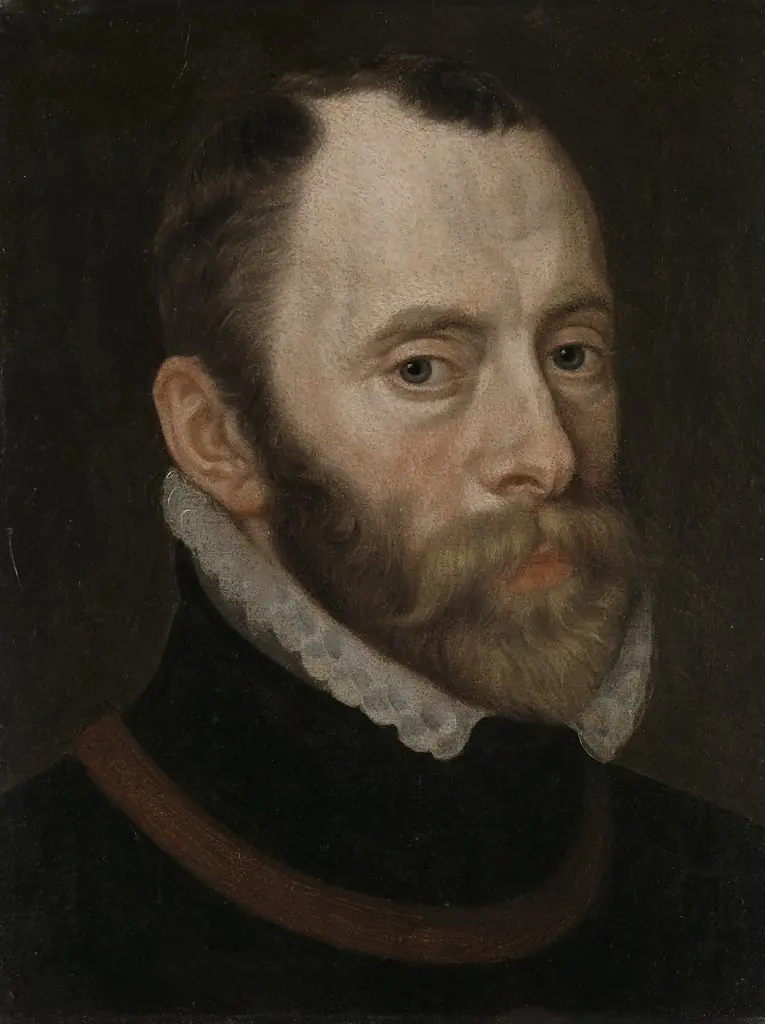 Portrait of Philippe de Montmorency, Count of Hoorne, Admiral of the Netherlands, Member of the Council of State
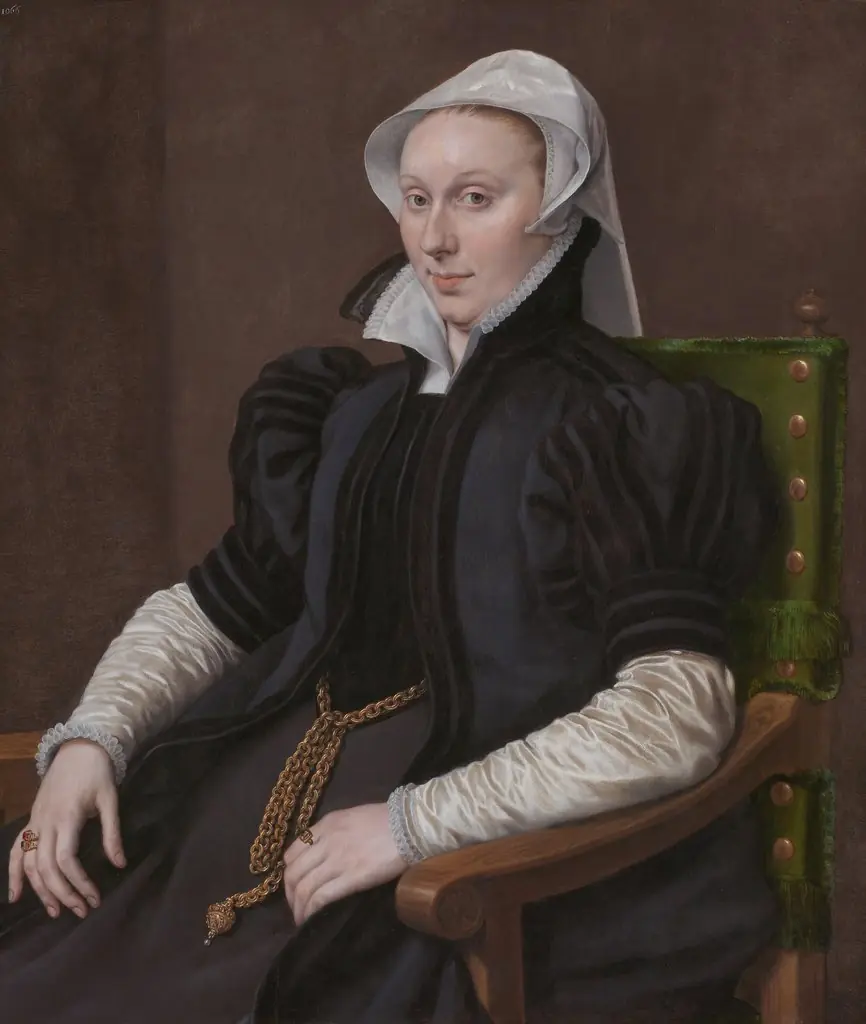 Portrait of Anne Fernely, pendant to Sir Thomas Gresham
- Portrait of a Court Lady
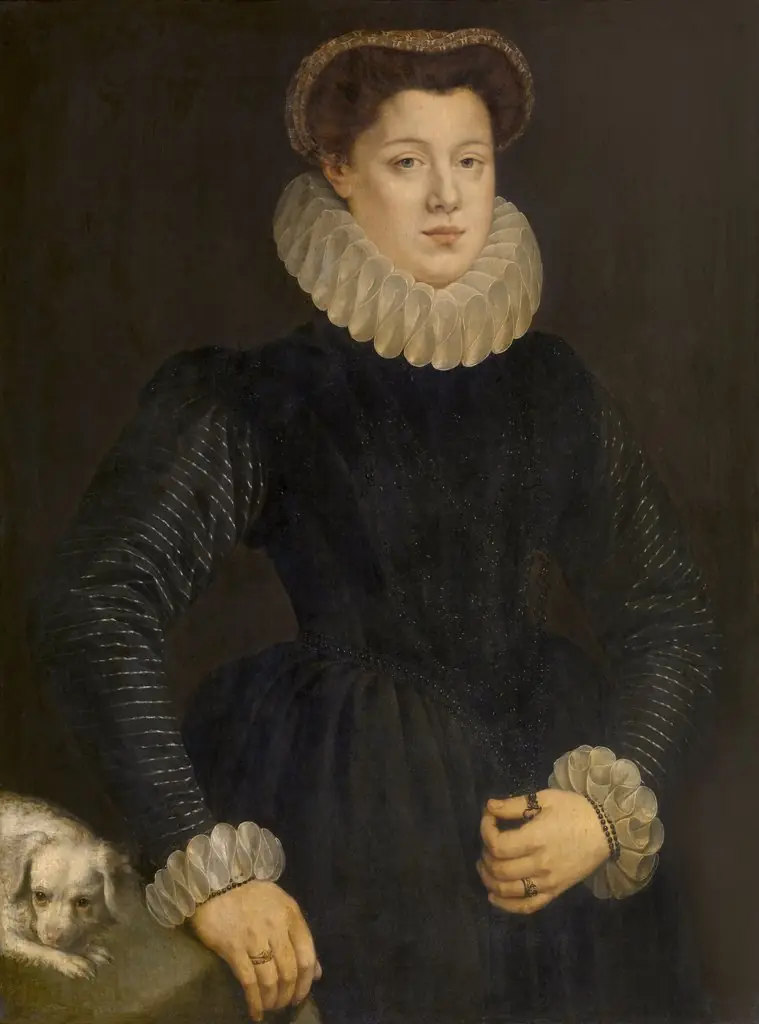 Portrait of a Lady
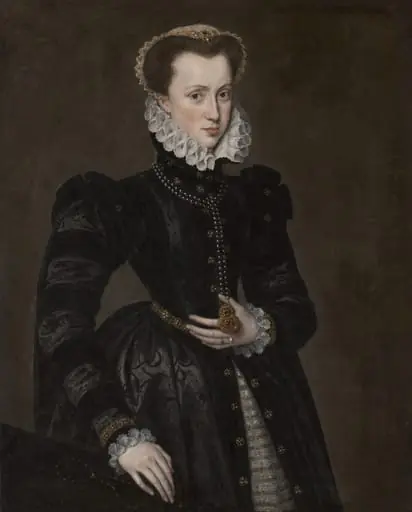 Portrait of a Court Lady
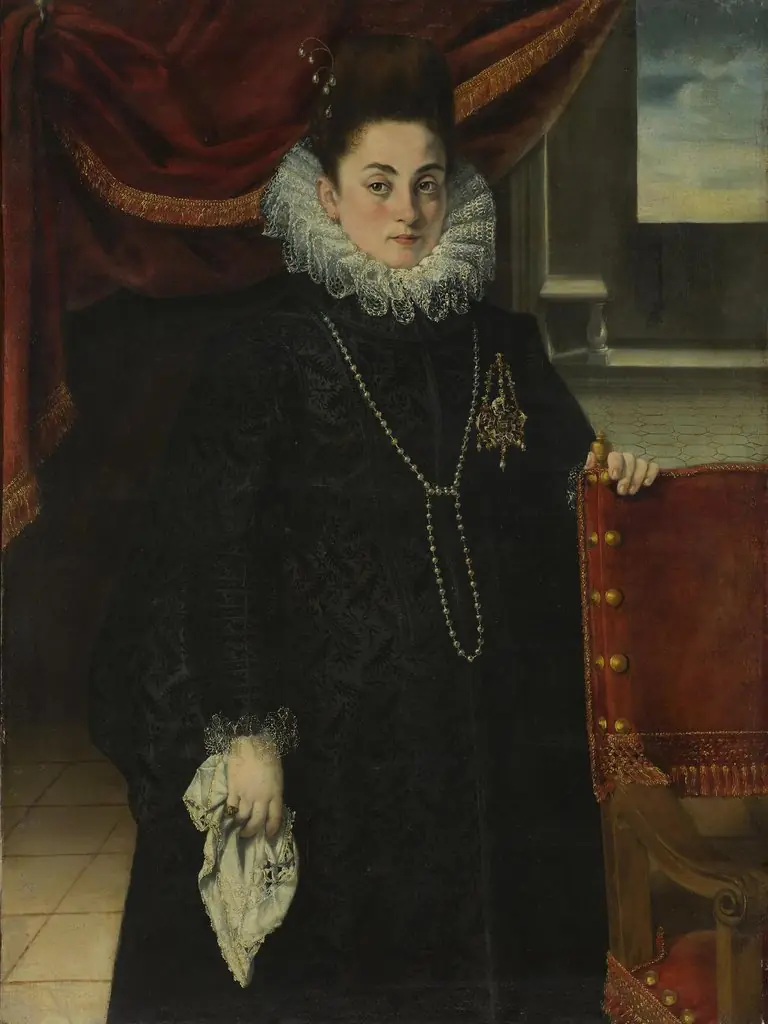 Female Portrait
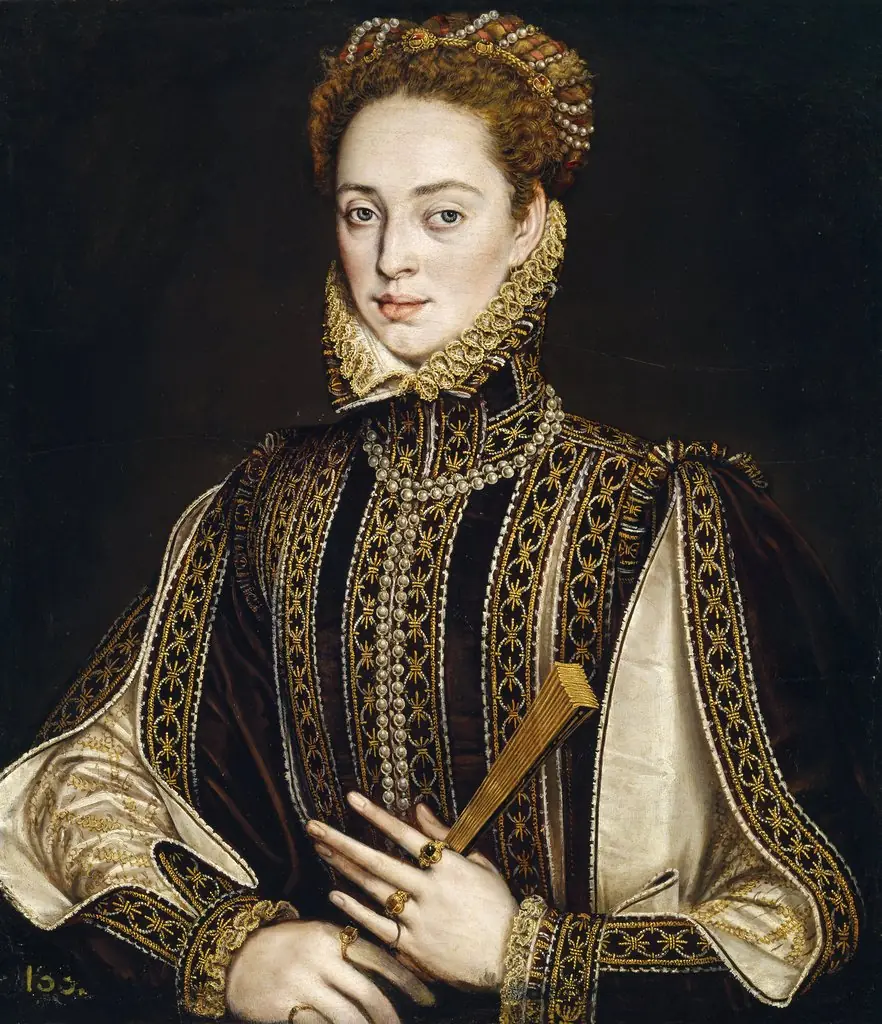 Lady with a Fan
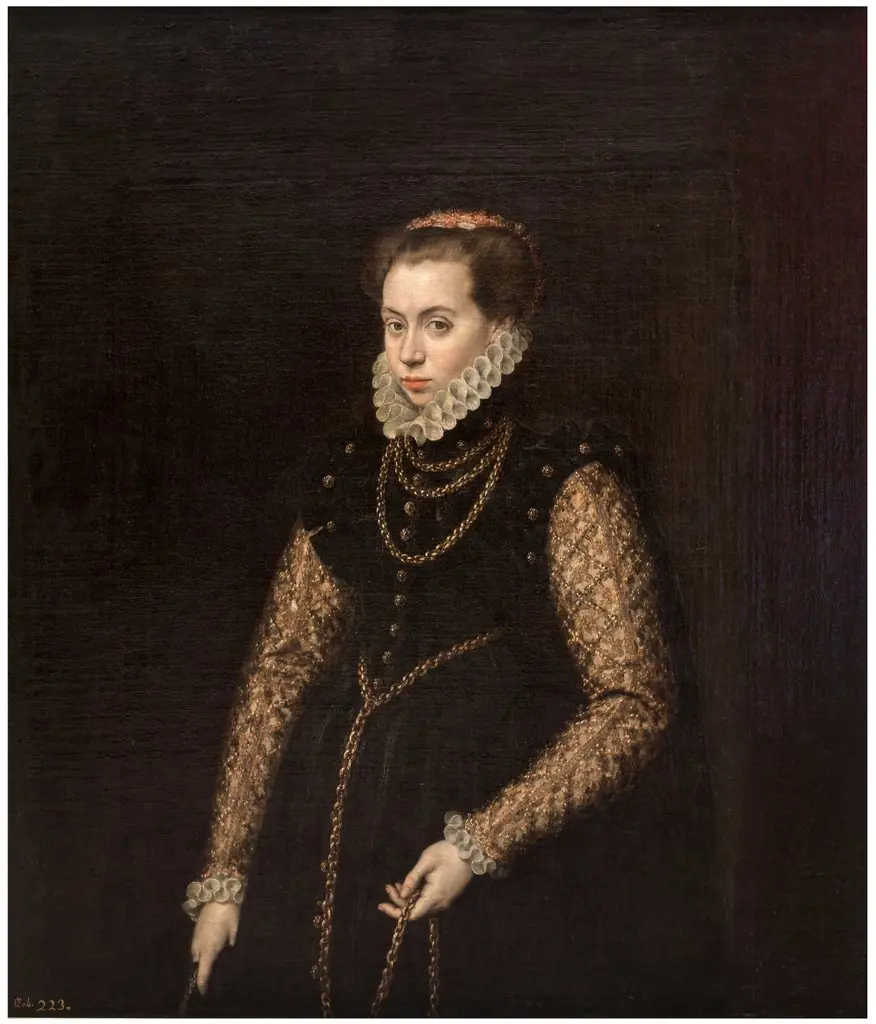 Lady with Gold Chains
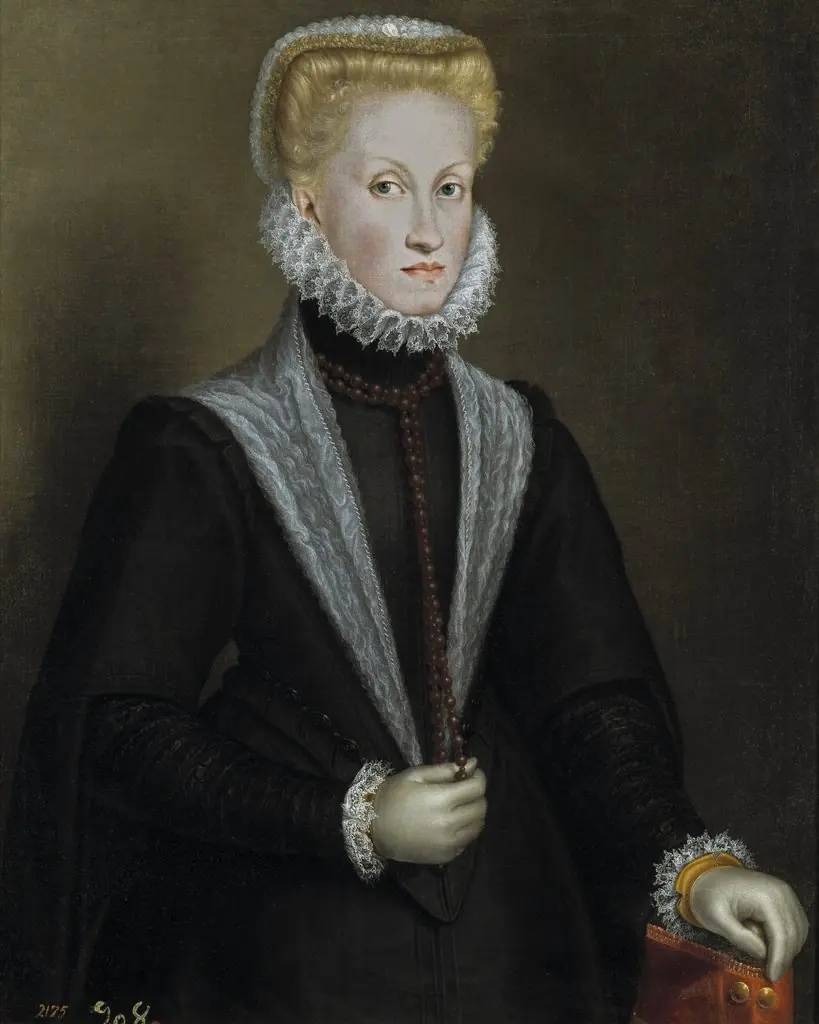 Portrait of Anna of Austria (1549-1580)
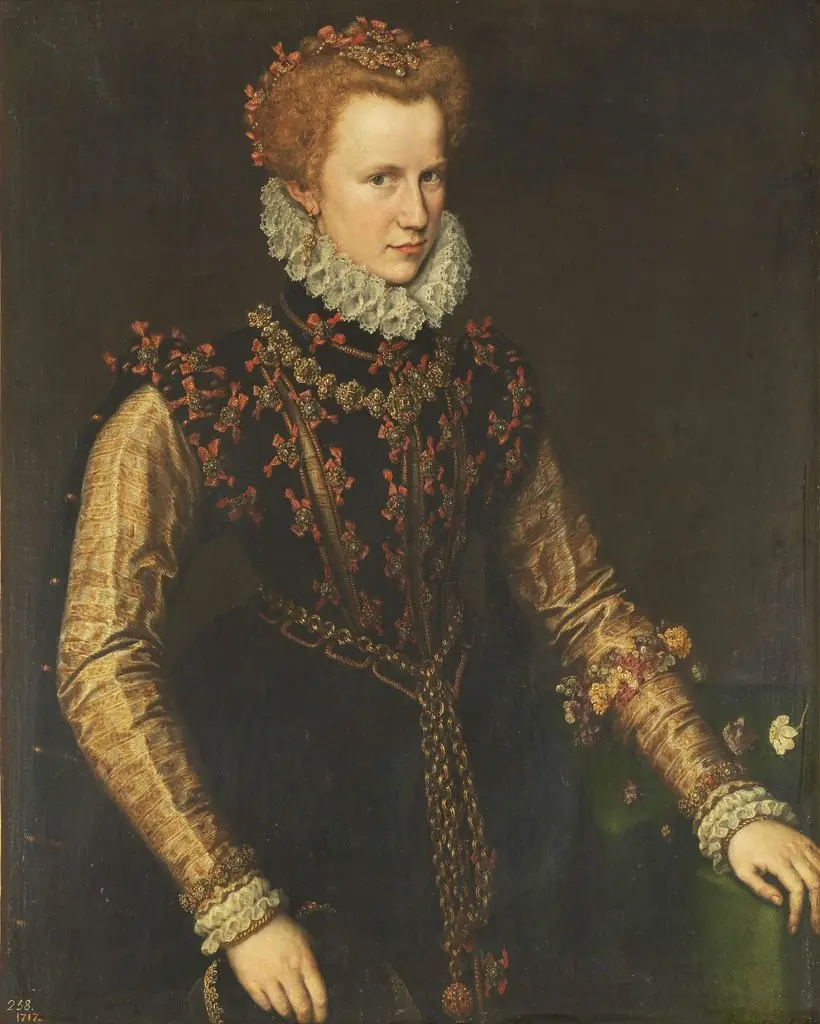 Jane Dormer, Duchess of Feria (?)
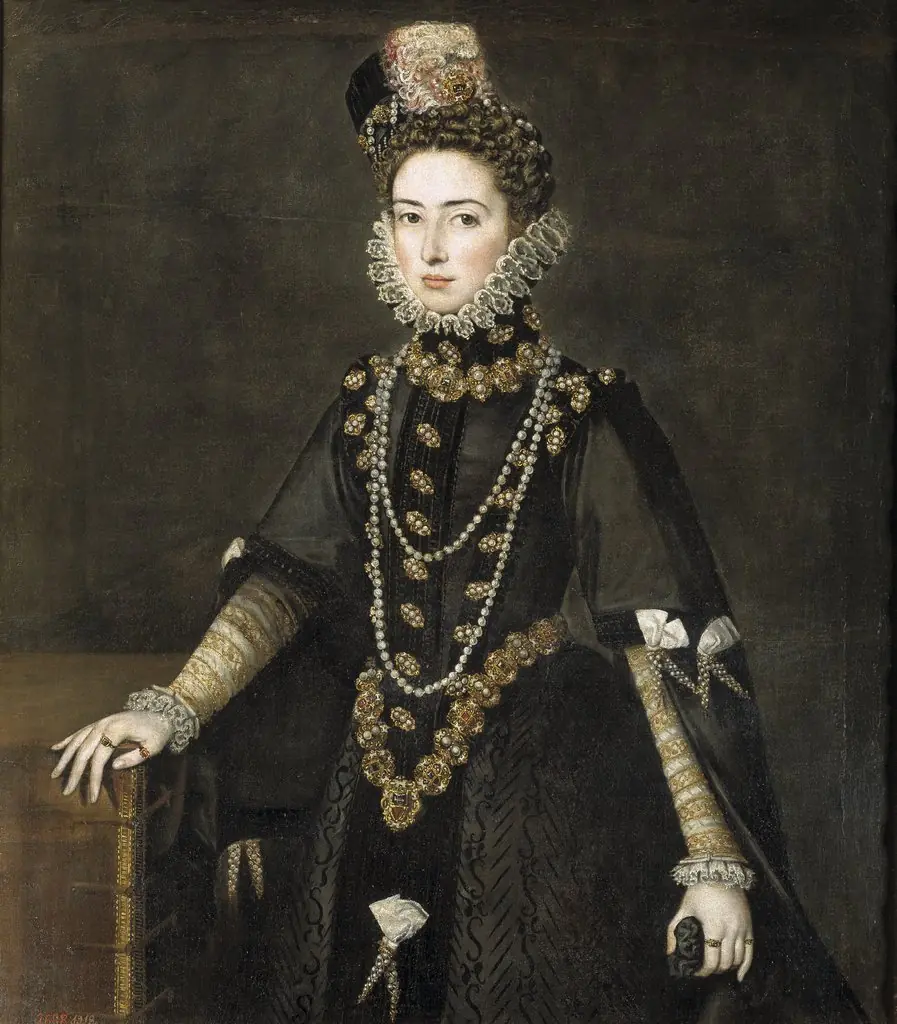 Catalina Micaela de Austria, Duchess of Savoy
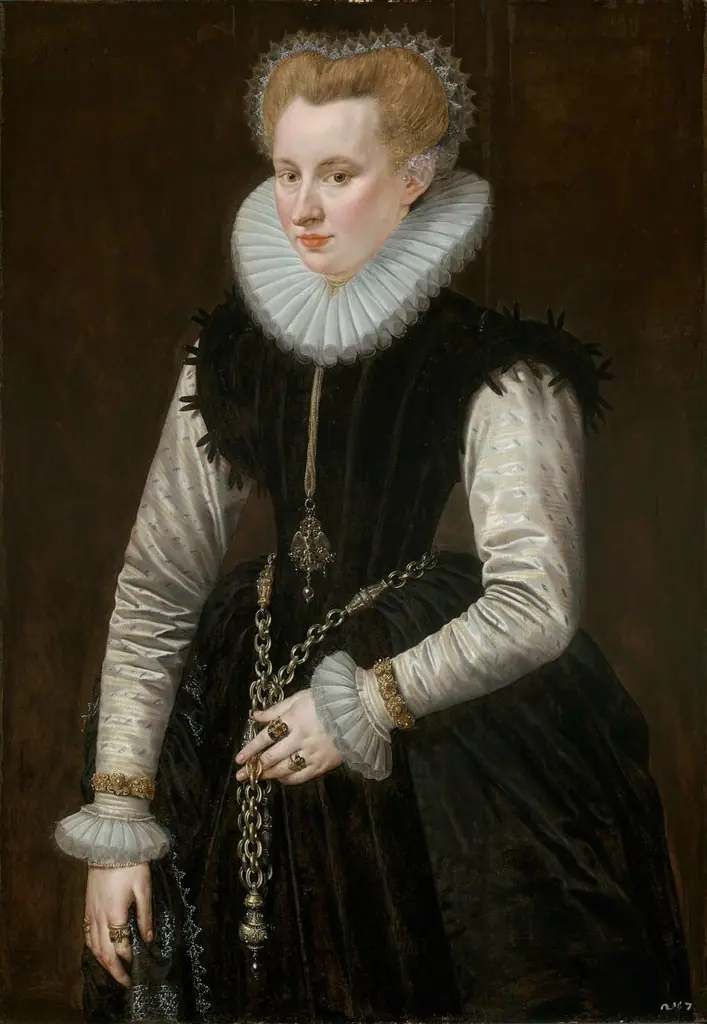 Portrait of a Woman
 An Unknown Young Woman
 Herzogin Margarete von Joyeuse (1564-1625), Dreiviertelbildnis