Artwork
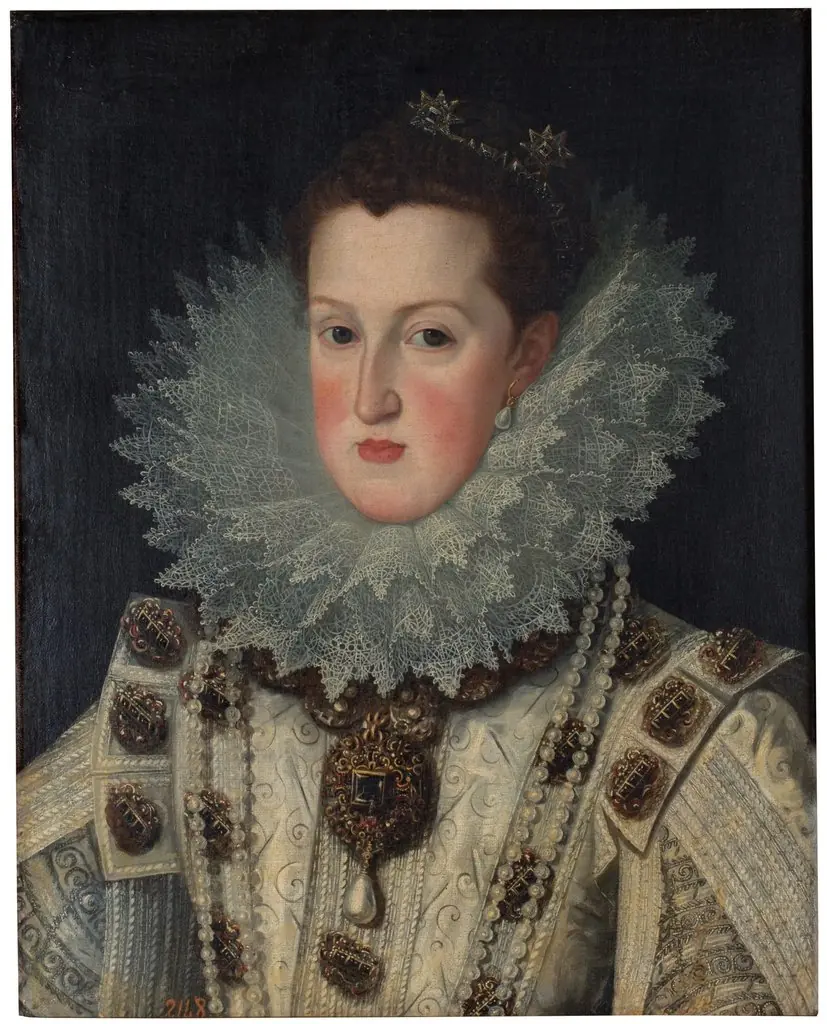
Herzogin Margarete von Joyeuse (1564-1625), Dreiviertelbildnis
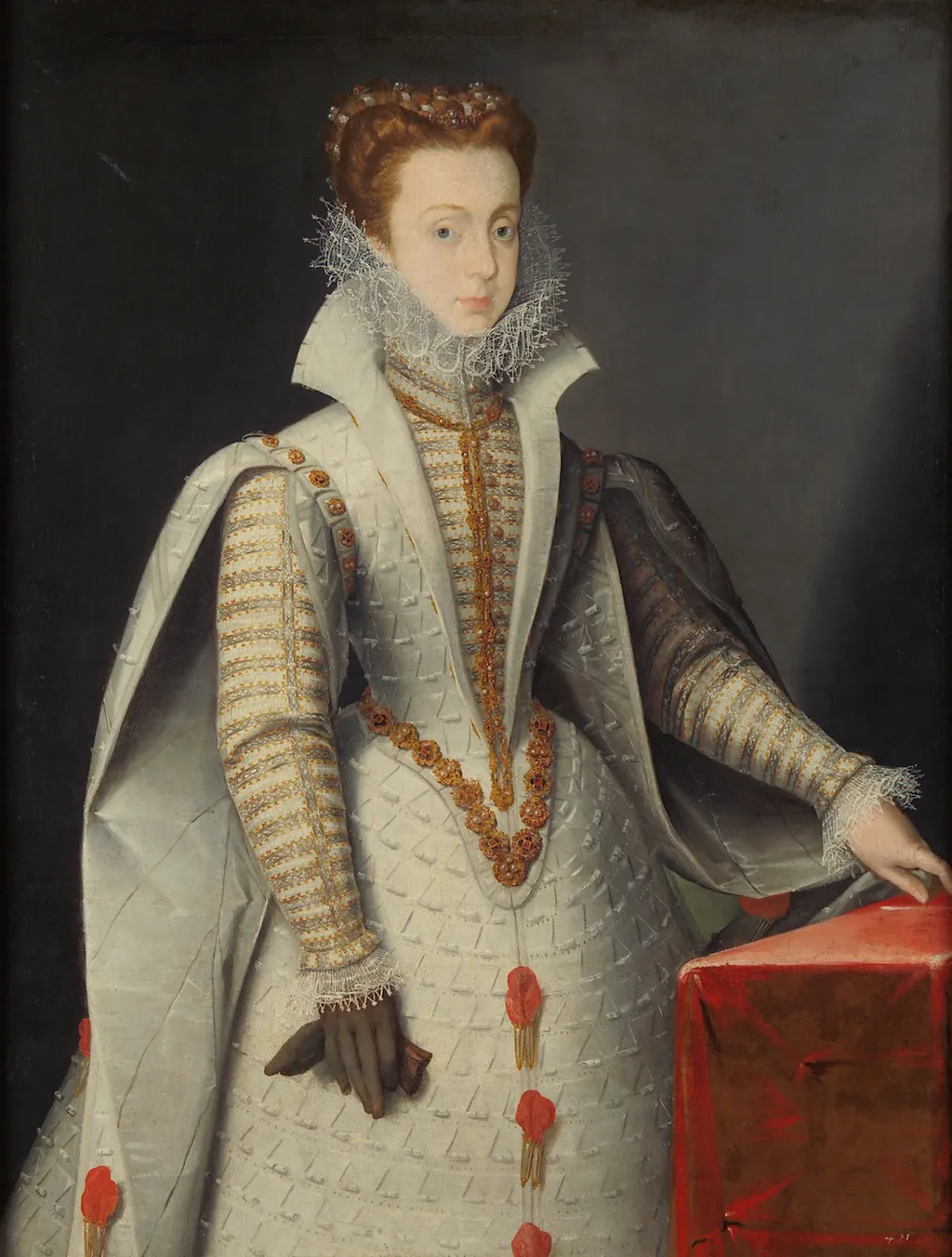
Herzogin Margarete von Joyeuse (1564-1625), Dreiviertelbildnis is an unspecified painting by the Early Baroque Italian artist Unknown. It dates from 1605 and is held in the collection of the Kunsthistorisches Museum.
About this work
History & Provenance
The specific commissioning circumstances and the detailed chain of ownership prior to its arrival at the museum are not detailed in the available records.
The portrait of Marguerite of Lorraine, titled Herzogin Margarete von Joyeuse, is dated to 1605. The work is classified as a painting and is attributed to an anonymous French artist. It entered the collection of the Kunsthistorisches Museum, where it is currently held.
The specific commissioning circumstances and the detailed chain of ownership prior to its arrival at the museum are not detailed in the available records.
The portrait of Herzogin Margarete von Joyeuse (1564-1625), Dreiviertelbildnis, is housed in the Kunsthistorisches Museum, where it holds the inventory number KH 1285. It was created in 1605 and has been part of the museum's collection since its acquisition, forming a key element of their portrait gallery. The work was featured in the museum's 2018 exhibition 'Baroque Portraits: Power and Presence' and later traveled to the 2022 exhibition 'Women of the Court: Portraits from the 16th and 17th Centuries' at the Kunsthistorisches Museum.
The painting measures 128.5 cm in height and 99 cm in width, depicting Marguerite of Lorraine, and its provenance is documented within the museum's records as originating from the Austrian Habsburg court.
Overview
Herzogin Margarete von Joyeuse (1564-1625) is depicted in a three-quarter length portrait, set against a somber, dark background that emphasizes her elaborate attire.
Subject & Meaning
The subject, Duchess Margarete von Joyeuse, is portrayed in formal, high-society regalia, symbolizing her noble status through the opulence of her clothing and accessories.
Technique & Style
The artist employed chiaroscuro to accentuate the three-dimensional quality of the subject's clothing, particularly the white dress with gold patterns, achieving a tactile illusion of texture through strategic lighting and shading.
Context
The portrait's style and the subject's attire reflect the fashion and artistic conventions of the late 16th to early 17th century European nobility, with elements like the ruff collar, puffy sleeves, and pearl necklace characteristic of the period.
Artist & collection









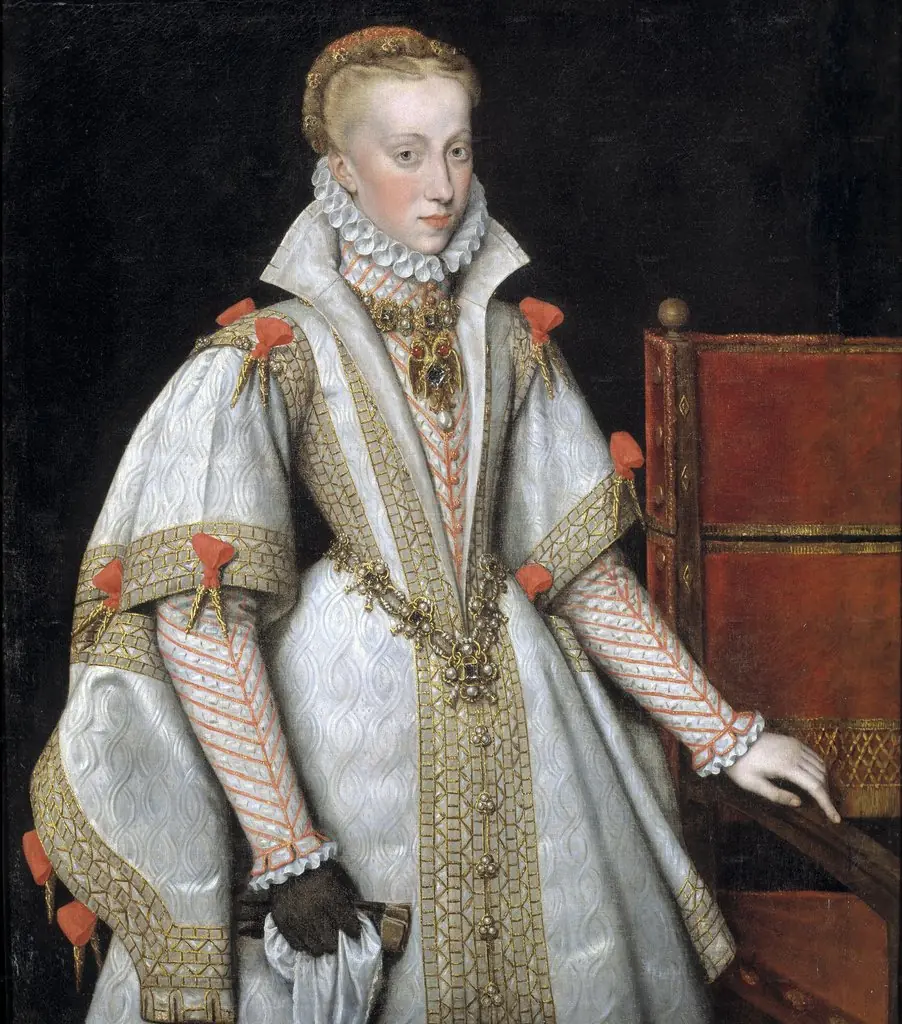
- Queen Anne of Austria, fourth Wife of Philip II
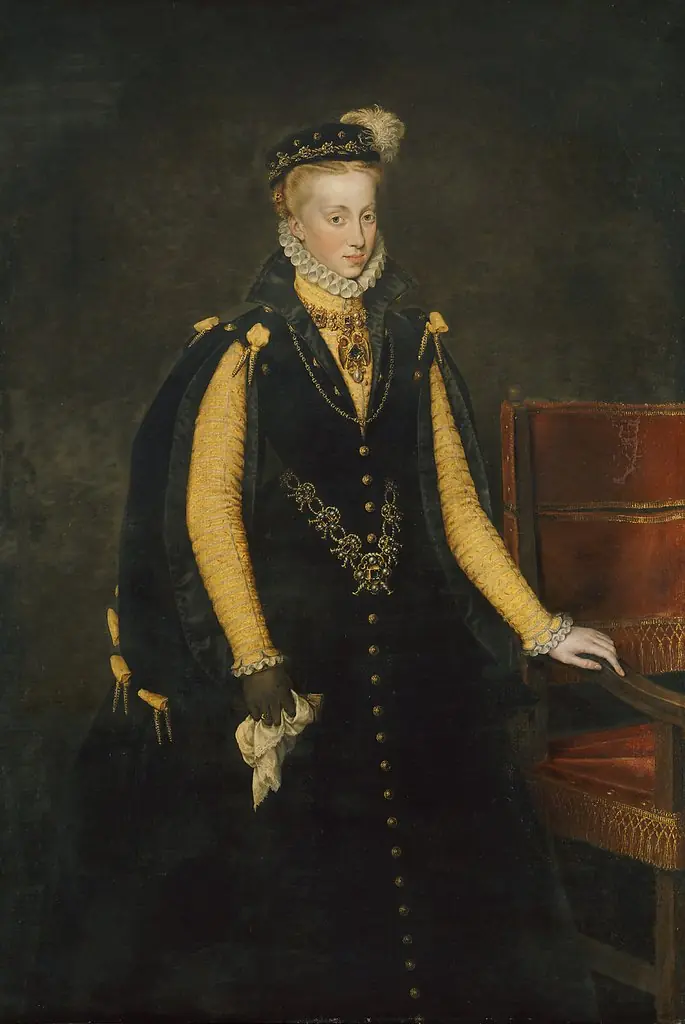 Anna von Österreich, Königin von Spanien
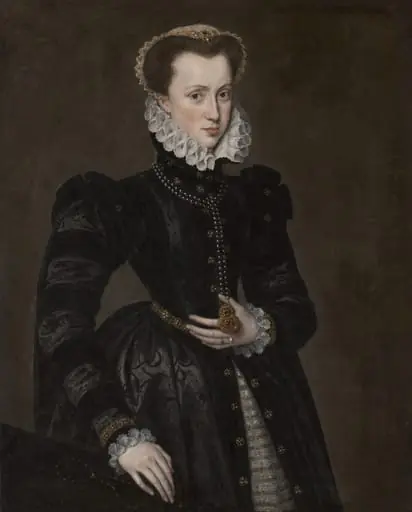 Portrait of a Court Lady
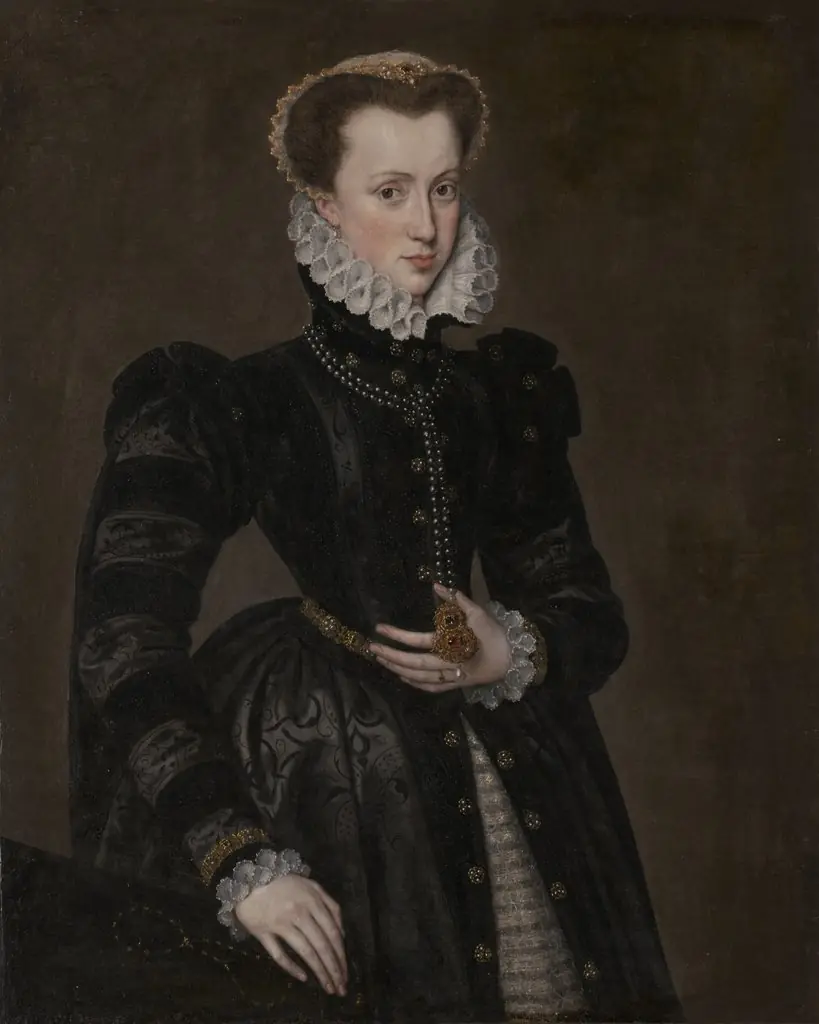 Portrait of a Court Lady
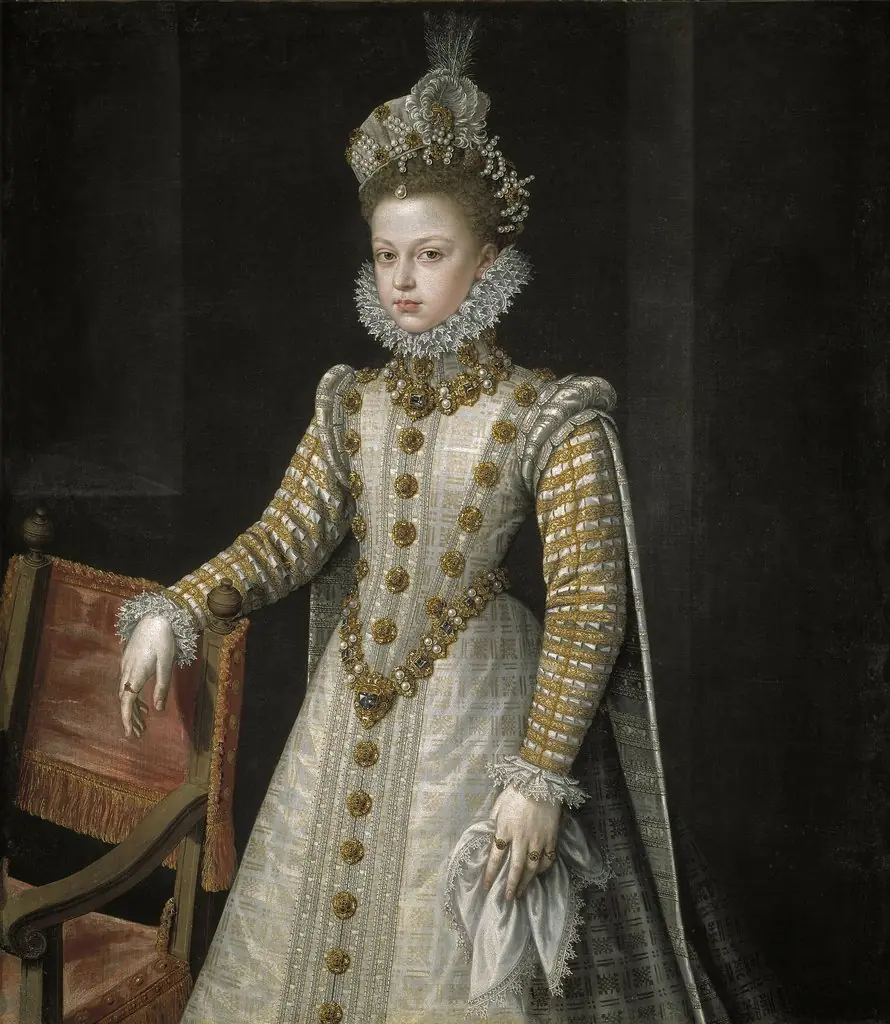 Infanta Isabel Clara Eugenia
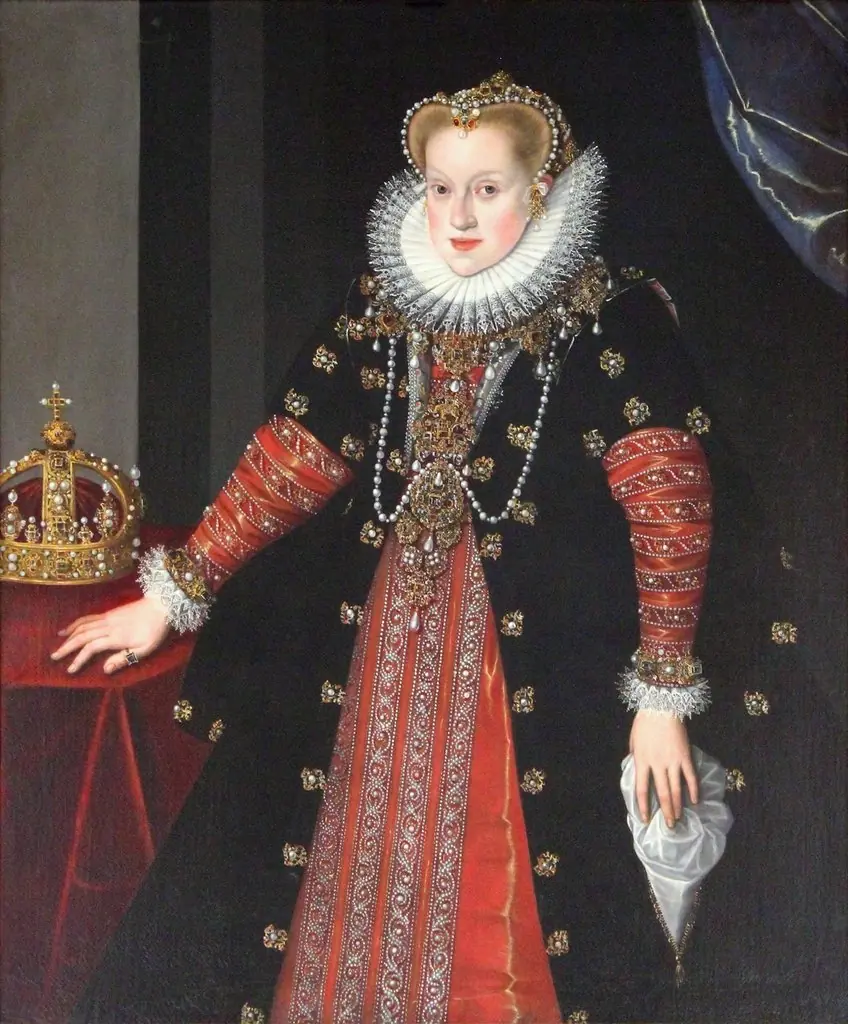 Portrait of Anne of Austria, Queen of Poland (1573-1598)
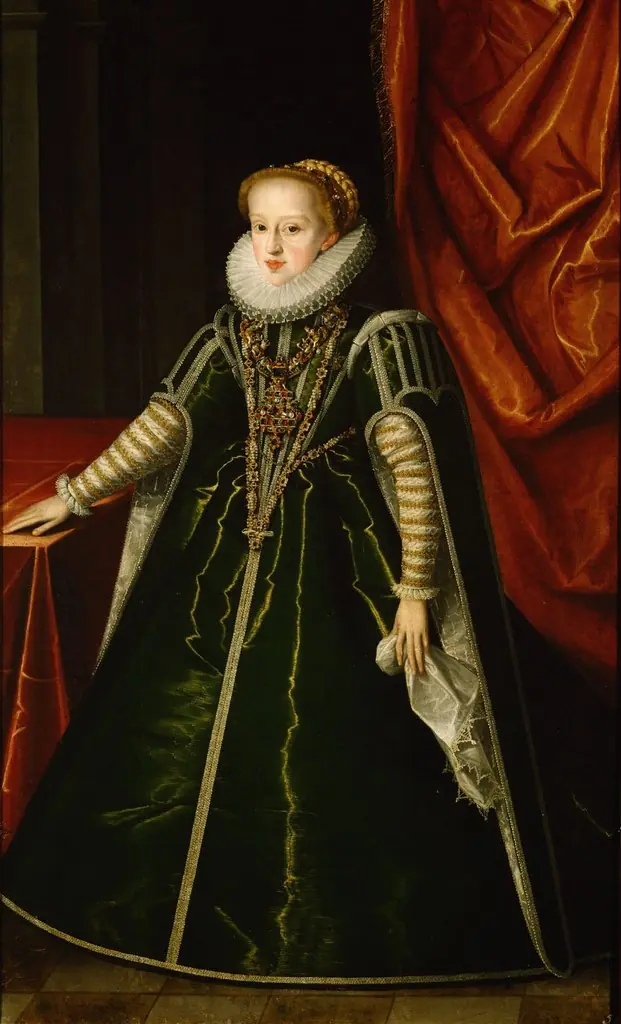 Erzherzogin Gregoria Maximiliane (1581-1597), Tochter von Karl II. von Innerösterreich, im Alter von 11 bis 12 Jahren in ganzer Figur
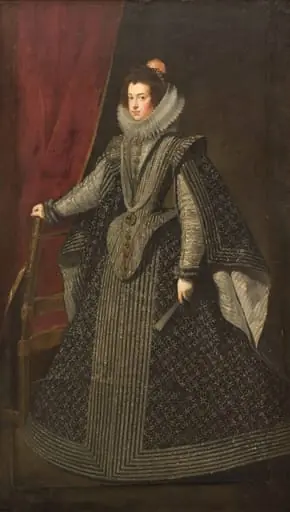 Isabella of Bourbon. First Queen of King Philip IV
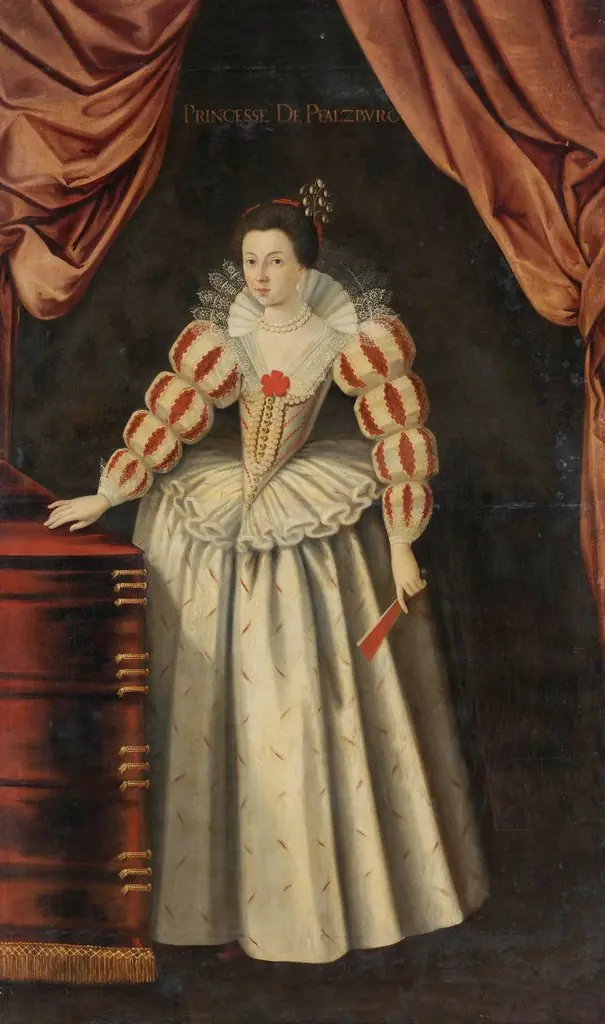 Henriette von Lothringen (1605-1660)
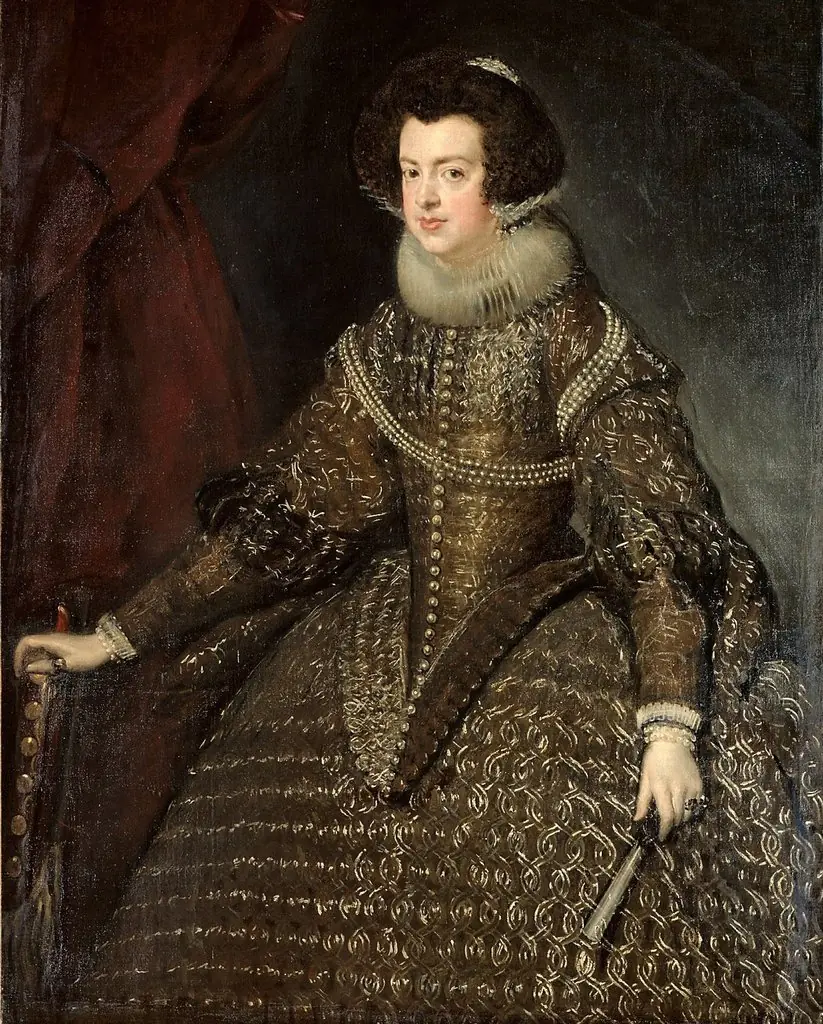 Ritratto di Isabella di Spagna
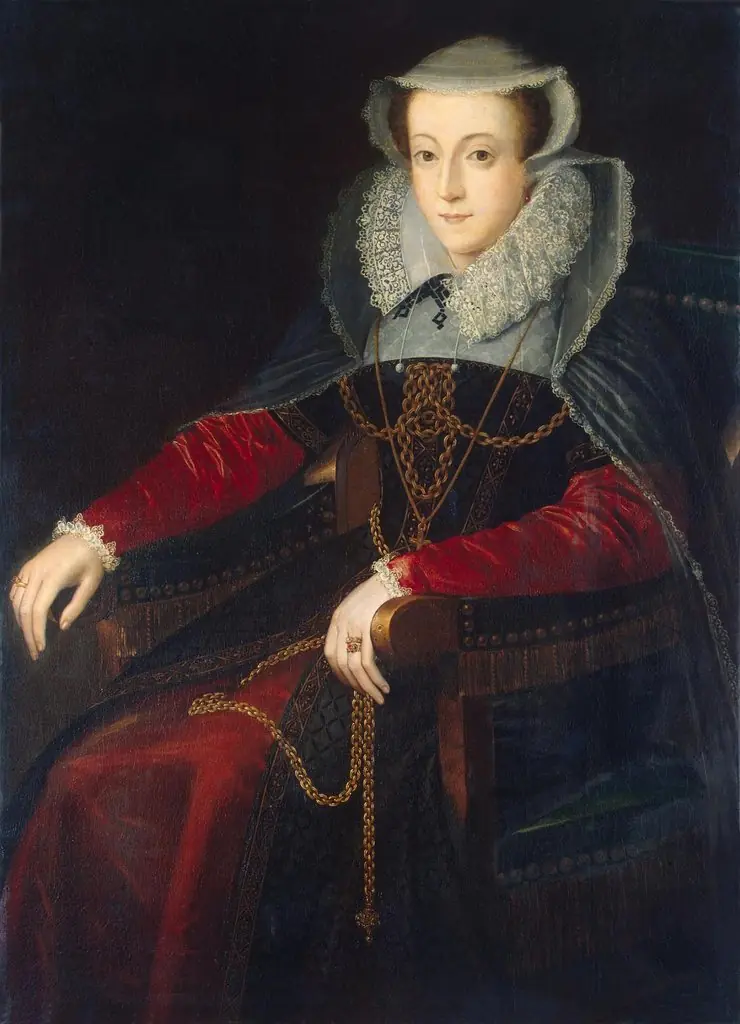 Portrait of Mary Stuart, Queen of Scots
 Margarita de Austria, reina de España