Artwork
Reverberations of Taiga, Volume 1 (leaf 23)
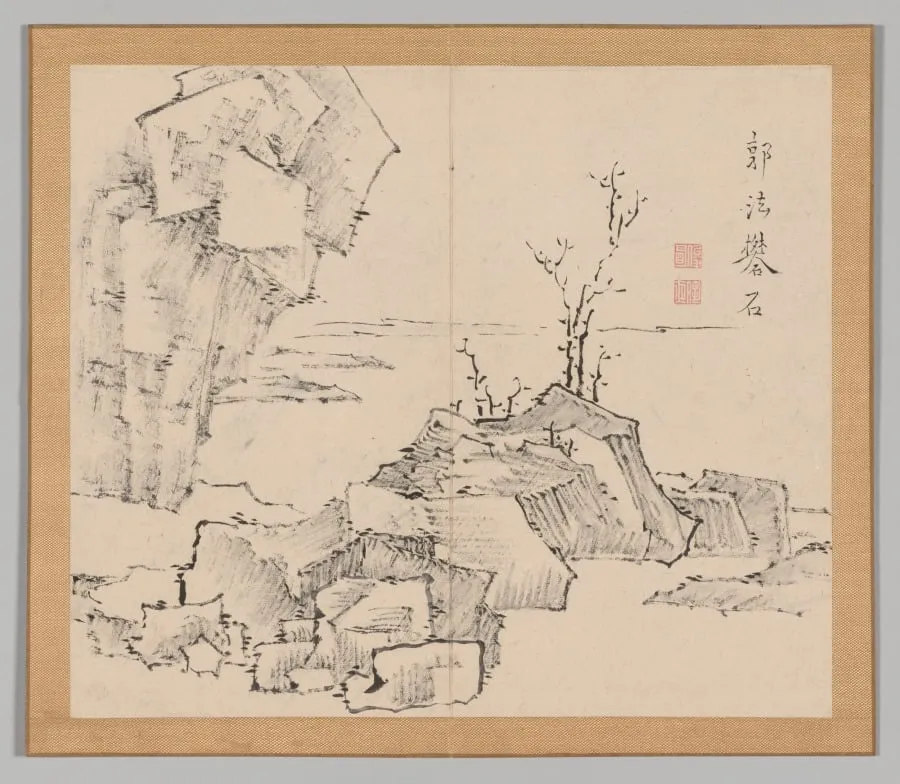
Reverberations of Taiga, Volume 1 (leaf 23) is a work on paper by the Baroque artist Aoki Shukuya. It dates from 1704 and is held in the collection of the Cleveland Museum of Art.
- Accession no.
- 1979.73.1.23
- Credit line
- Andrew R. and Martha Holden Jennings Fund
About this work
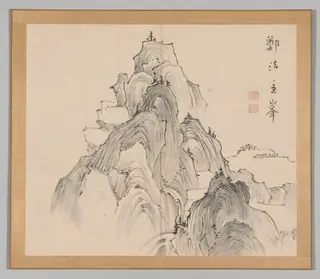
You see a small, misty mountain scene, soft gray ink on paper, with a few dark strokes for trees and a winding path.
This painting copies a lost work by Ike Taiga, Shukuya’s teacher. The original was part of an album Taiga made for his wife. Later, Shukuya turned it into a print, keeping the quiet mood alive.
To see more of this quiet style, look up japan, edo period (1615–1868).
Overview
Reverberations of Taiga, Volume 1 (leaf 23) is a small ink painting on paper that depicts a mist‑enshrouded mountain landscape with sparse trees and a winding path rendered in soft gray tones. The work is a copy of a lost original by the Edo‑period painter Ike Taiga, executed by his disciple Aoki Shukuya, who adapted the image for a wood‑block printed volume published in 1804.
Subject & Meaning
The composition presents a tranquil, almost monochrome view of rugged rock formations, suggesting a remote, contemplative setting. An accompanying inscription references “Guo’s method for alunite,” linking the scene to the Northern Song painter Guo Xi and to the pale mineral alunite that forms through volcanic alteration, thereby evoking both artistic lineage and natural mineralogy.
Technique & Style
Shukuya employs delicate brushwork in muted gray ink, emphasizing atmospheric perspective and minimal detail. The restrained palette and subtle gradations echo Taiga’s literati aesthetic, while the translation of the image into a wood‑block format required careful carving to preserve the original’s quiet mood.
History & Provenance
The source image originated in an album of paintings that Ike Taiga created for his wife, the fellow artist Tokuyama Gyokuran. That album survives in part as hanging scrolls in Kyoto. In 1804 Shukuya’s rendition appeared in a set of wood‑block printed volumes, with a postscript by the scholar Minagawa Kien, who documented the album’s origin.
Context
The work sits within the Edo period’s revival of Chinese literati painting, where Japanese artists like Taiga and his followers adapted Song‑dynasty models. The reference to Guo Xi underscores the continued influence of Chinese landscape conventions on Japanese ink painting.
Artist & collection

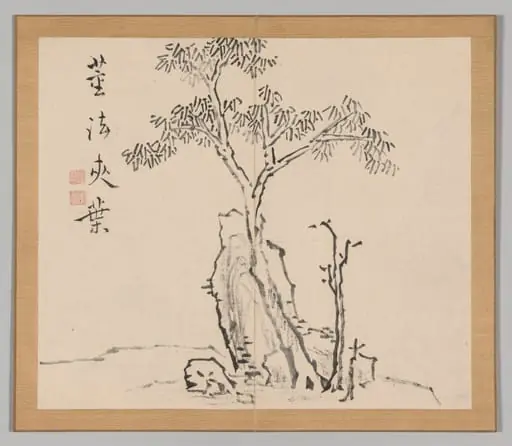
- Reverberations of Taiga, Volume 1 (leaf 4)
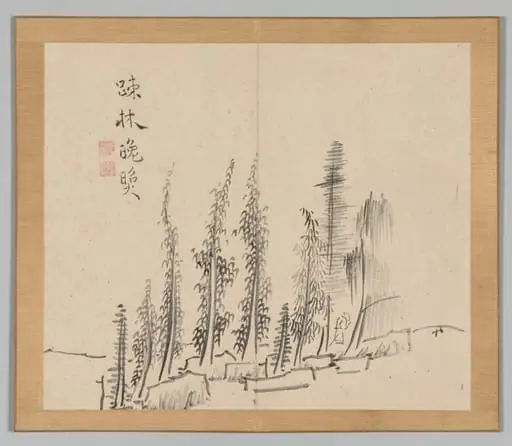 Reverberations of Taiga, Volume 2 (leaf 30)
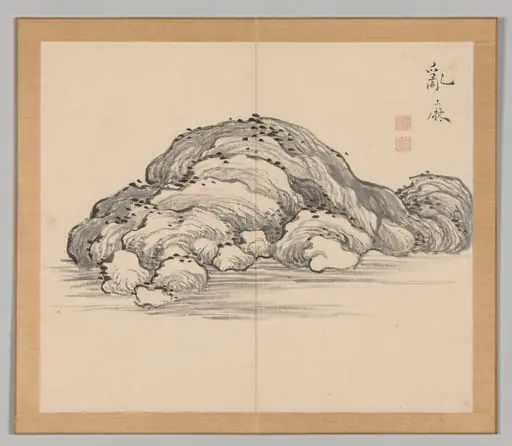 Reverberations of Taiga, Volume 1 (leaf 12)
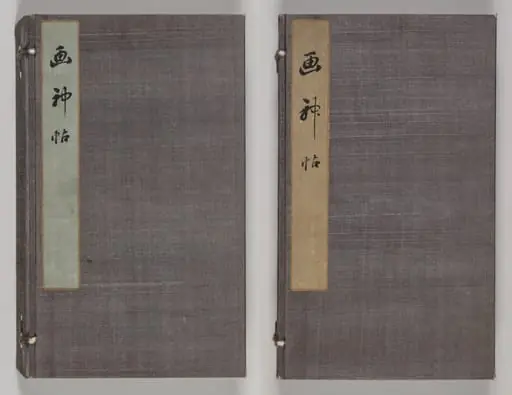 Reverberations of Taiga
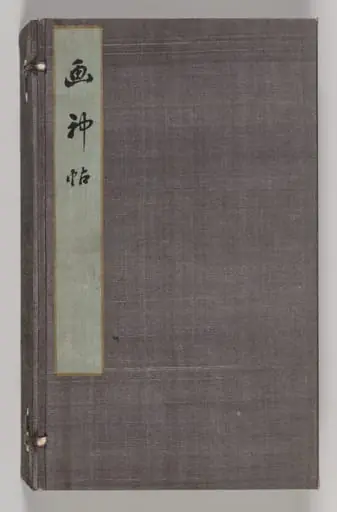 Reverberations of Taiga (Volume 1)
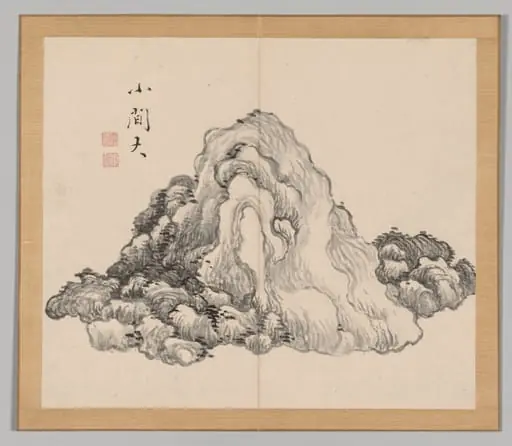 Reverberations of Taiga, Volume 1 (leaf 7)
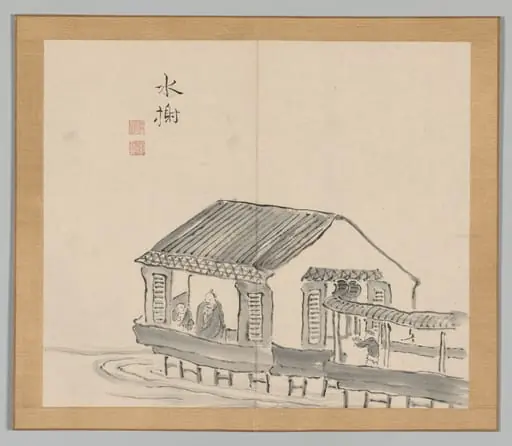 Reverberations of Taiga, Volume 2 (leaf 29)
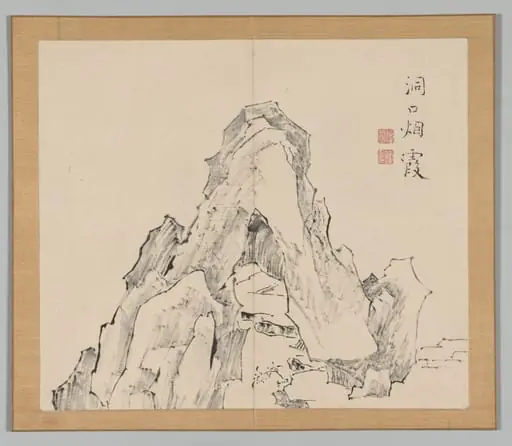 Reverberations of Taiga, Volume 2 (leaf 20)
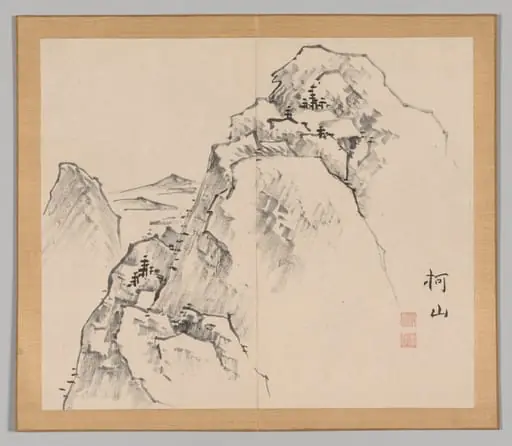 Reverberations of Taiga, Volume 1 (leaf 27)
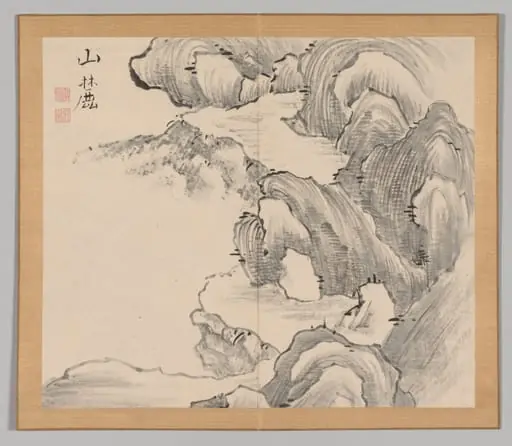 Reverberations of Taiga, Volume 1 (leaf 28)
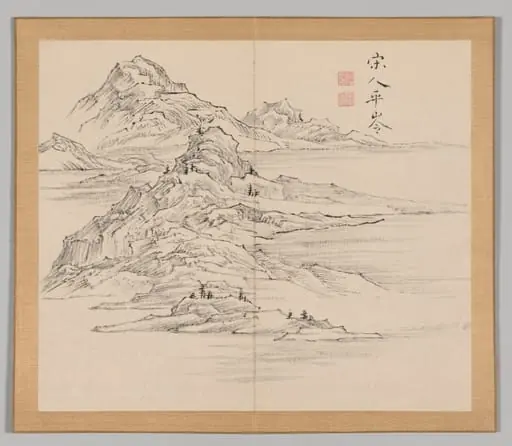 Reverberations of Taiga, Volume 1 (leaf 35)
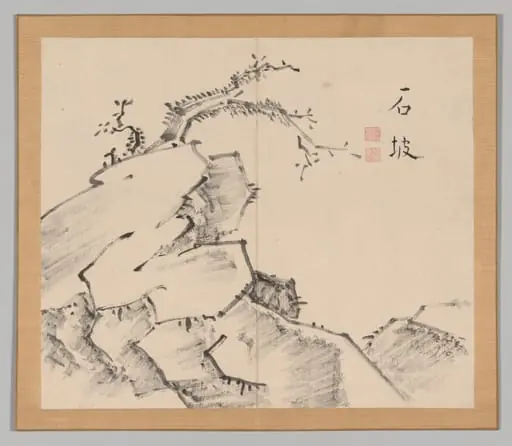 Reverberations of Taiga, Volume 1 (leaf 20)
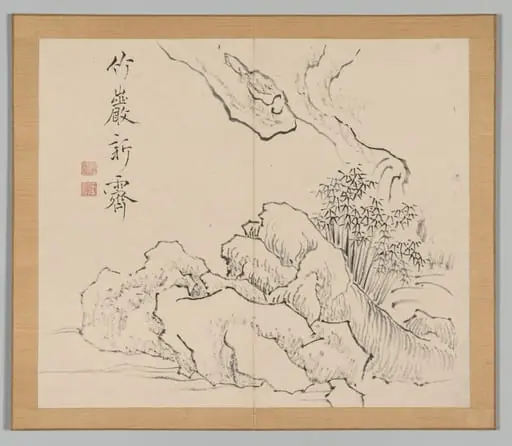 Reverberations of Taiga, Volume 2 (leaf 19)
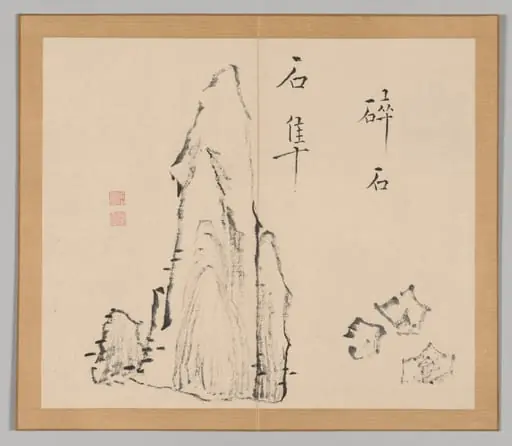 Reverberations of Taiga, Volume 1 (leaf 18)
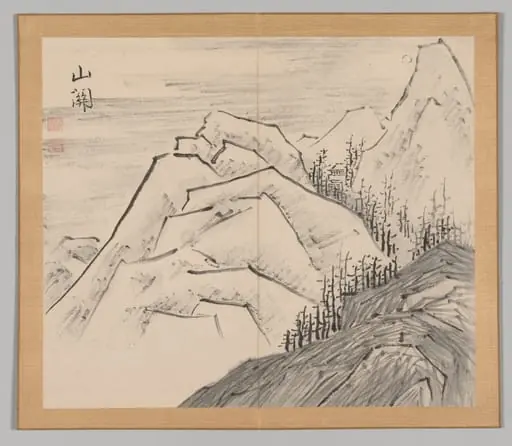 Reverberations of Taiga, Volume 1 (leaf 29)
 Reverberations of Taiga, Volume 2 (leaf 2)