Artwork
Plăieșul
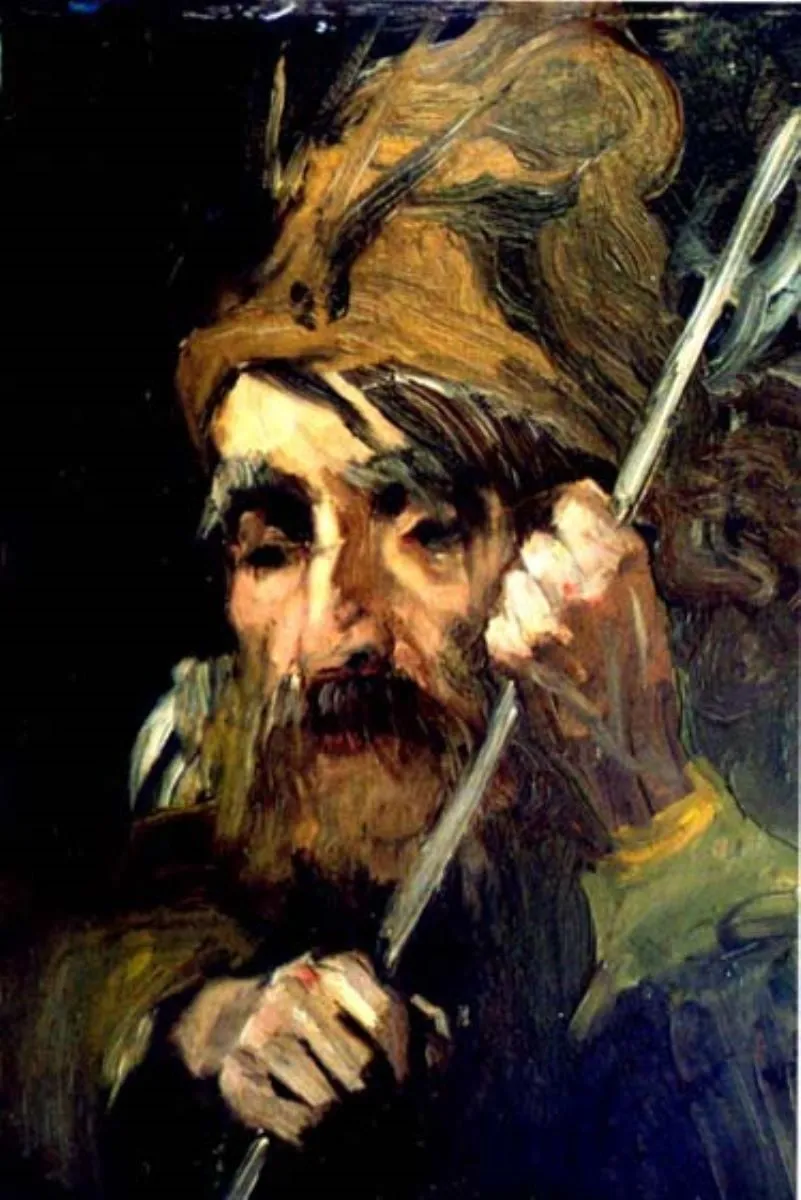
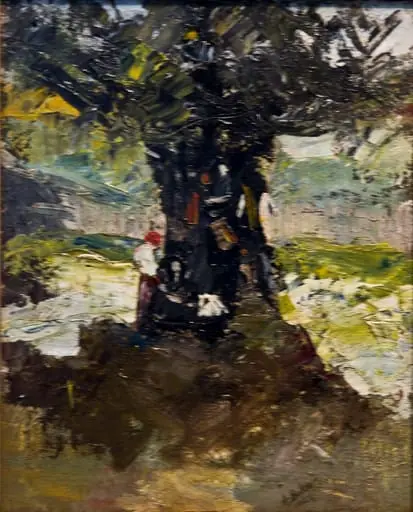
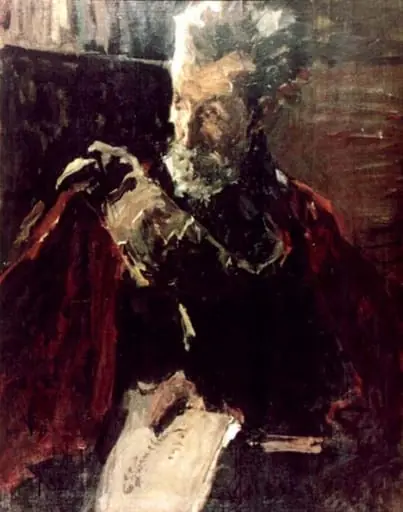
Plăieșul is an unspecified painting by the Romanesque artist Baltazar Apcar (Abgar). It dates from 1907 and is held in the collection of the Romanian Academy in Bucharest.
About this work
Overview
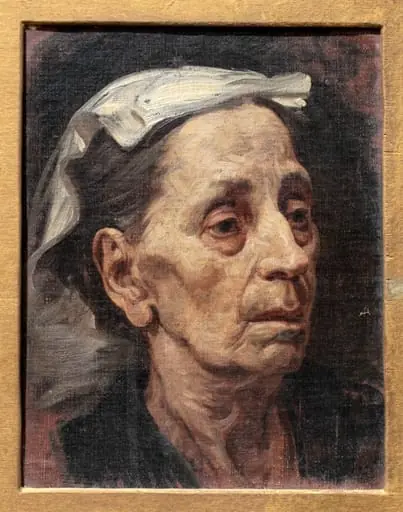
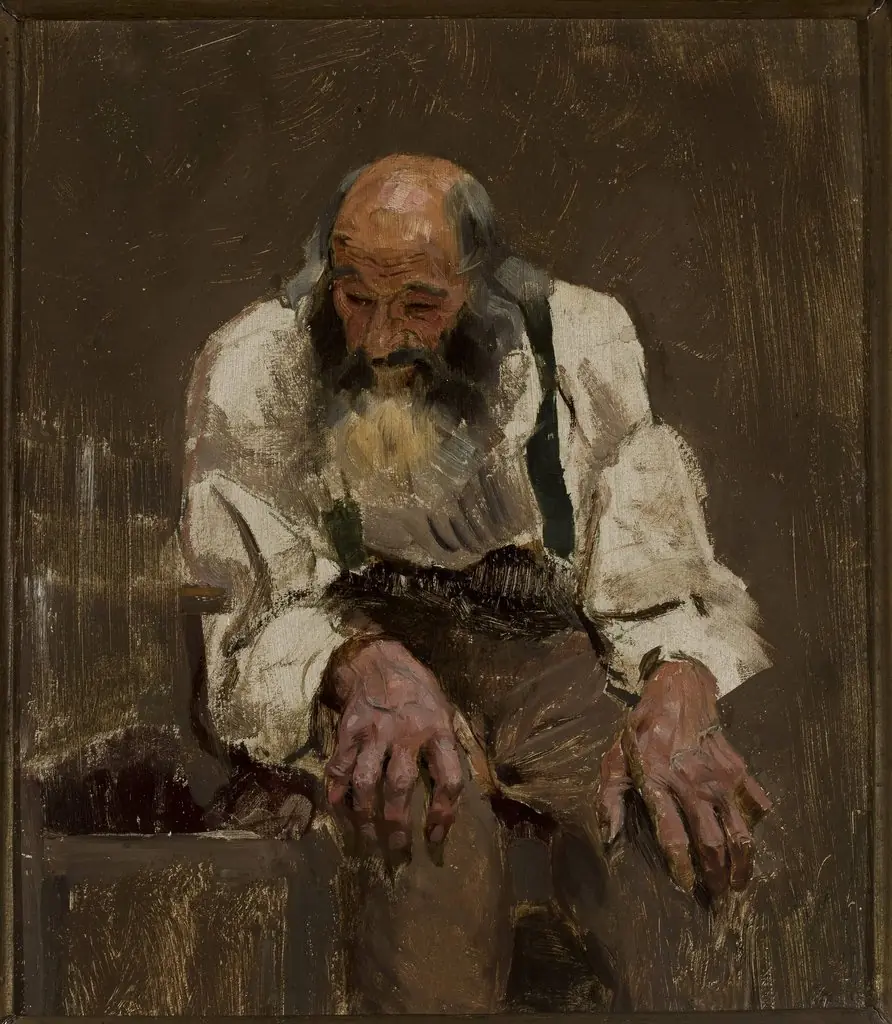
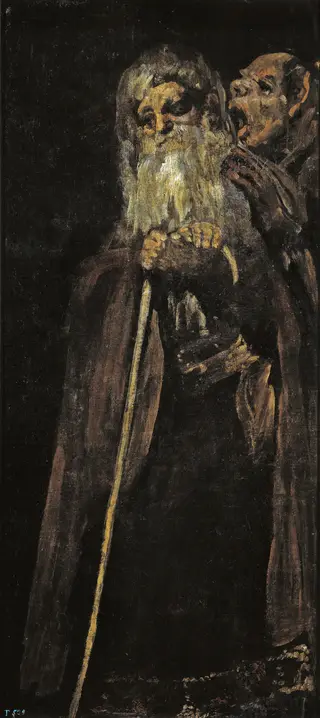
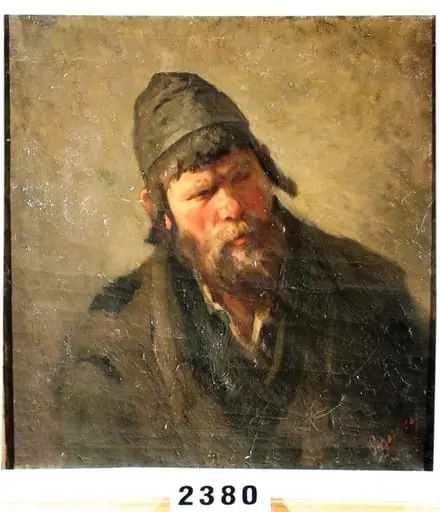
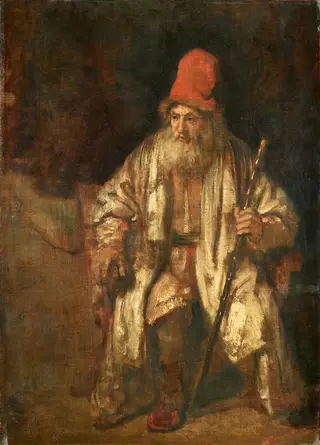
Plăieșul is a 1907 artwork by Baltazar Apcar, currently housed at the Museum of Ethnography. The painting portrays a solemn, bearded figure in a dark jacket and brown hat, holding a long, unidentified object.
Subject & Meaning
The subject, a man with a serious expression and downward gaze, conveys a somber and contemplative atmosphere. His attire and the object (possibly a staff or sword) he grasps suggest a figure of gravity or authority.
Technique & Style
The artwork employs chiaroscuro, contrasting light tones of the figure's clothing with a dark background, to create depth and draw attention to the subject's face and hands.
History & Provenance
Created in 1907 by Baltazar Apcar, the piece is part of the Museum of Ethnography's collection, though specific details about its acquisition or earlier ownership are not provided.
Artist & collection
Artist
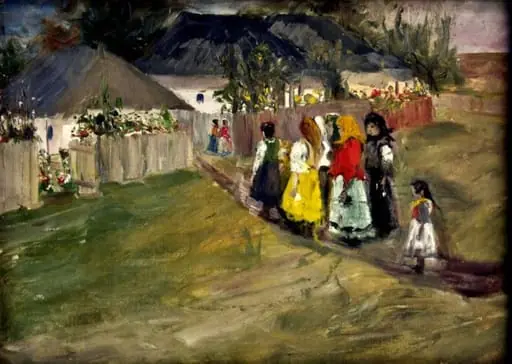
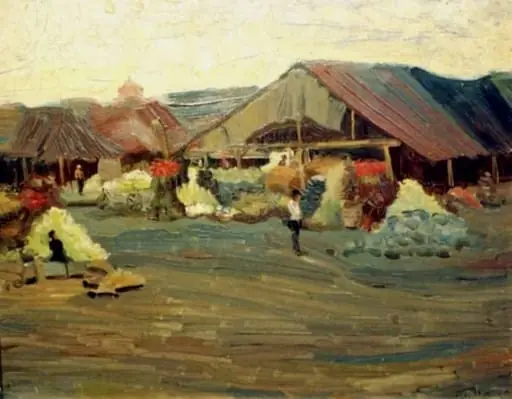
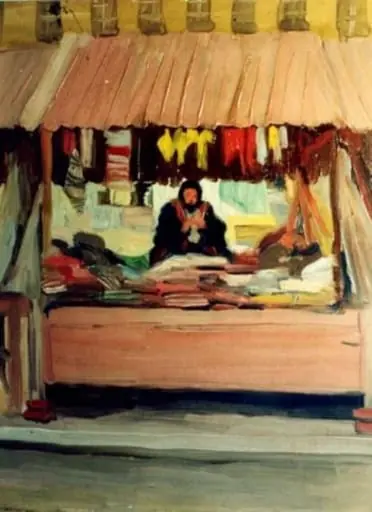
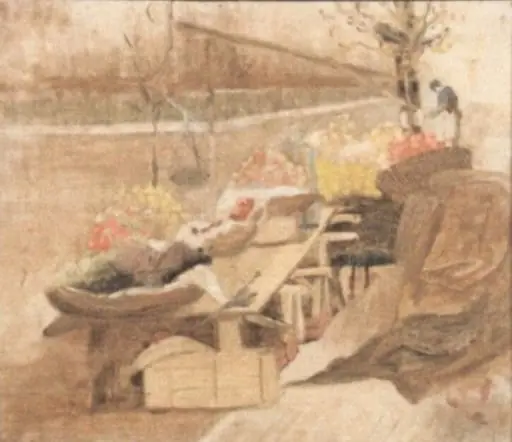
Apcar painted quiet, sunlit town scenes in early 1900s Romania: courtyards, riverbanks, and market squares where people pause for a holiday or chat at the well.