Artwork
William Loughton Smith
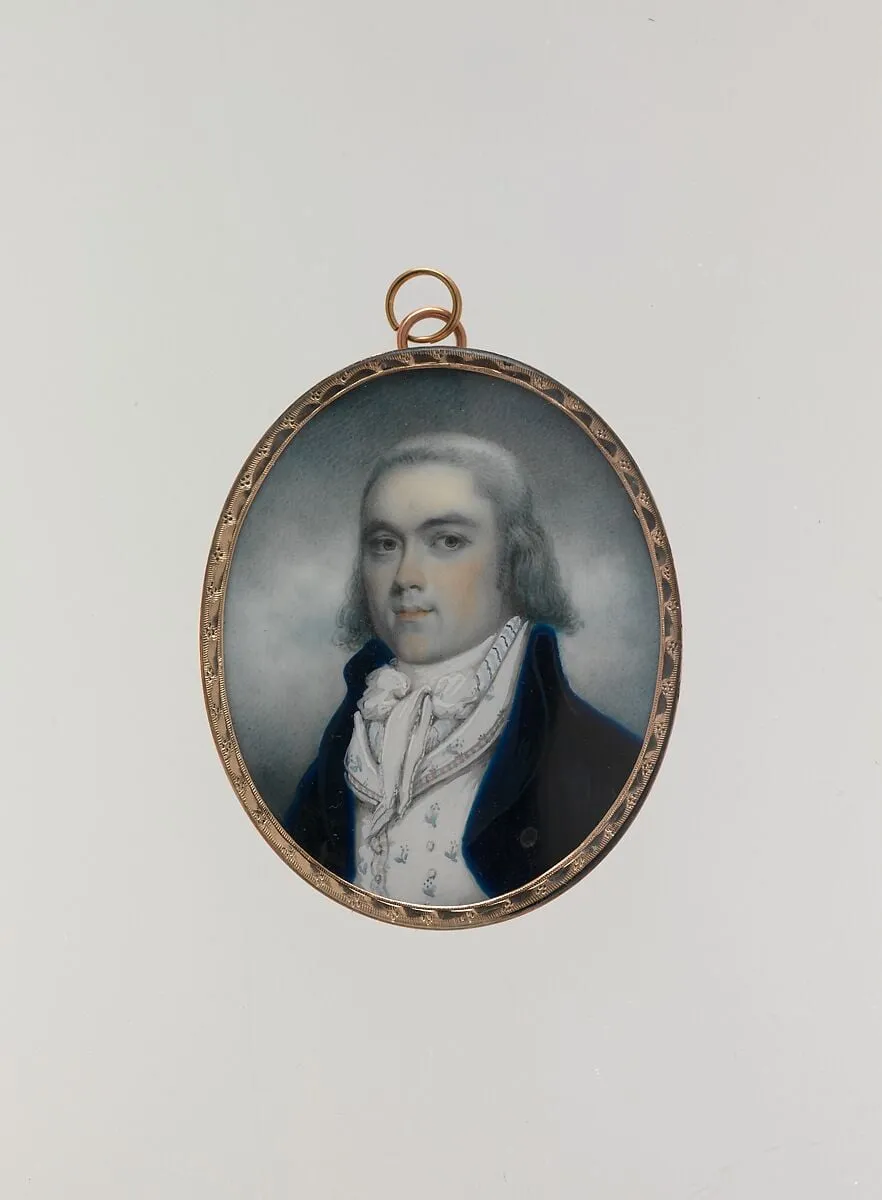
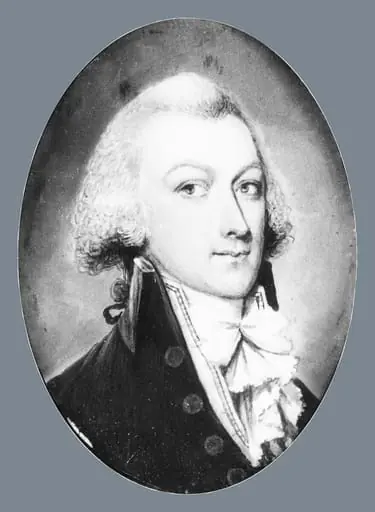
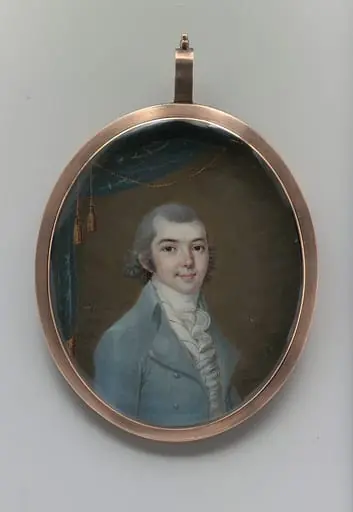
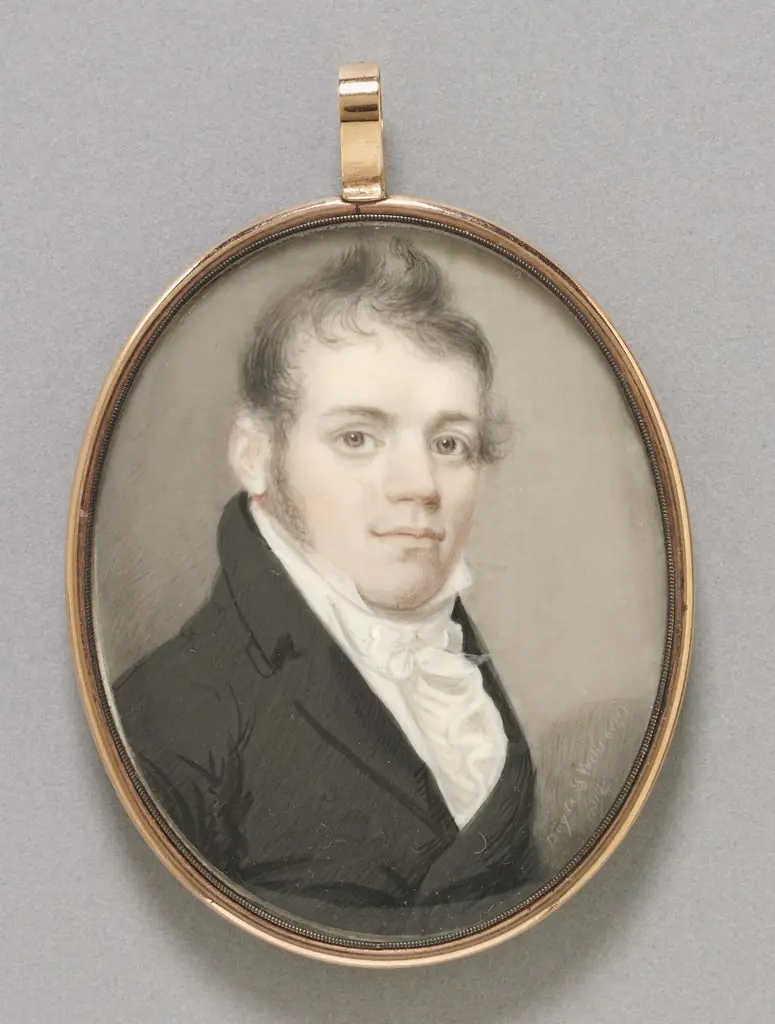
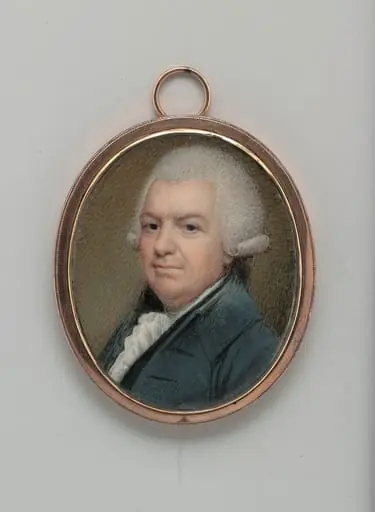
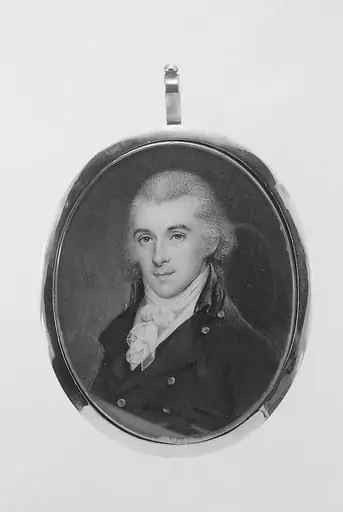
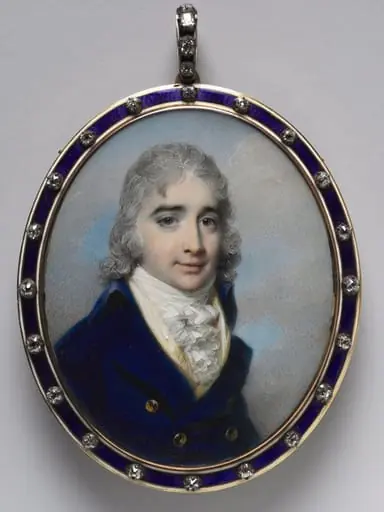
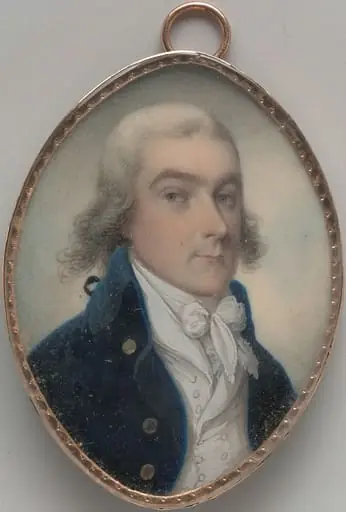
William Loughton Smith is a watercolor painting by the American Folk Art artist Archibald Robertson. It dates from 1795 and is held in the collection of the Metropolitan Museum of Art.
About this work
Subject & Meaning
The work is a portrait, emphasizing the subject's likeness and social status through the intimate scale and refined technique of watercolor on ivory.
The portrait depicts William Loughton Smith, an American statesman and diplomat, rendered in a miniature format by Archibald Robertson in 1795. The work is a portrait, emphasizing the subject's likeness and social status through the intimate scale and refined technique of watercolor on ivory. The iconography centers on the sitter's direct gaze and formal attire, conveying authority and civic identity typical of late-eighteenth-century elite portraiture.
As a representation of a prominent political figure, the miniature functions as both personal commemoration and public symbol of civic virtue and leadership during the early American republic.
Technique & Style
Archibald Robertson executed the portrait of William Loughton Smith in 1795 using watercolor applied to an ivory support. This miniature format measures 5.6 cm in height and 4.6 cm in width. The work is classified as a portrait depicting a male subject, rendered with the specific handling characteristics associated with watercolor on ivory, a medium favored for its luminosity and fine detail in late 18th-century portraiture. The piece is currently held within the American Wing collection of the Metropolitan Museum of Art.
History & Provenance
William Loughton Smith is a watercolor on ivory portrait executed in 1795 by the Scottish-born artist Archibald Robertson. The work depicts William L. Smith and is classified within the American Wing of the Metropolitan Museum of Art, where it is inventoried as 1975.1.824. While the sources do not record earlier owners or commission details, the painting's provenance is traced from its creation by Robertson to its present holding at the Metropolitan Museum of Art.
Legacy
The portrait of William Loughton Smith by Archibald Robertson, painted in 1795 as a watercolor on ivory, is held by the Metropolitan Museum of Art and displayed in The American Wing. Its inclusion in this major institutional space has contributed to a sustained reputation as an early example of American portraiture, influencing scholarly assessments of late‑18th‑century portrait conventions. The work's provenance and genre have been cited in studies of early American painting, underscoring its role in shaping the visual representation of prominent figures during the period.
Overview
This miniature watercolor on ivory, created by Scottish-born artist Archibald Robertson around 1795, depicts William Loughton Smith. Rendered with delicate detail, the small portrait was likely intended as a personal keepsake, a common practice before the advent of photography. Robertson, who co-founded the Columbian Academy of Painting in New York, was particularly recognized for his skill in producing such intimate works.
Context
Archibald Robertson, originally from Scotland, established the Columbian Academy of Painting in New York with his brother, becoming a notable figure in the city's artistic circles. While celebrated for miniature portraits like this one, he also explored watercolor landscapes and engravings, later publishing a treatise on art instruction. The work is considered part of the American folk art tradition, reflecting a period when such personalized, accessible portraiture flourished.
Artist & collection

Artist
Archibald Robertson (May 8, 1765 – December 6, 1835) was a Scottish born painter who operated the Columbian Academy of Painting in New York with his brother Alexander.