Artwork
Curtis Clay
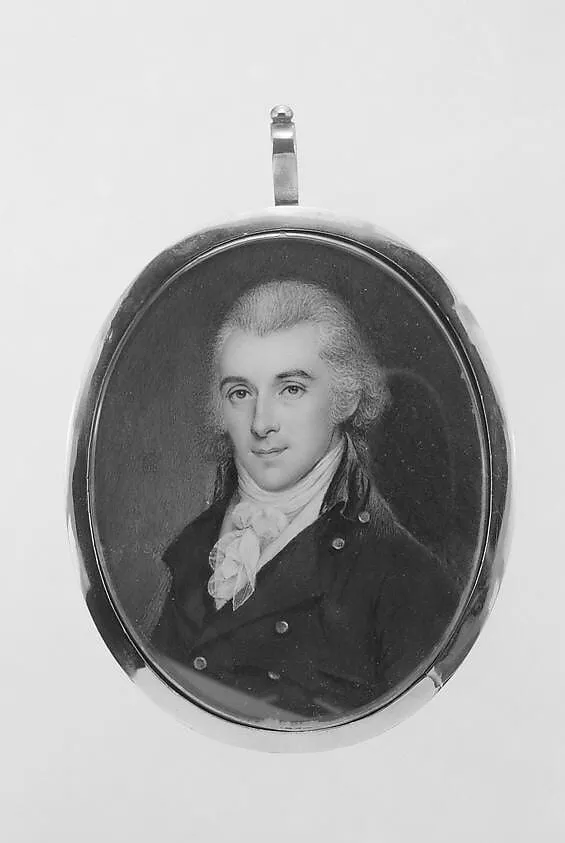
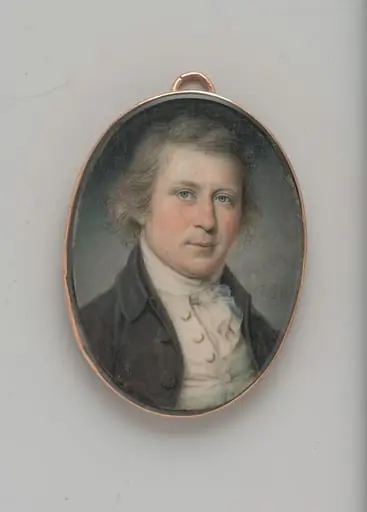
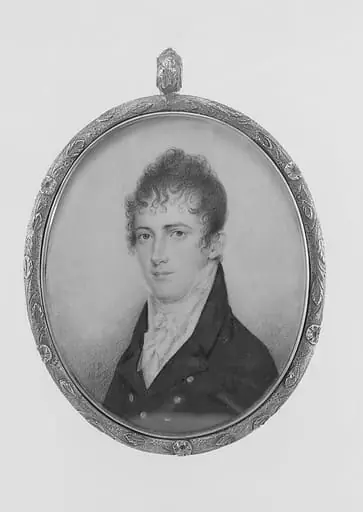
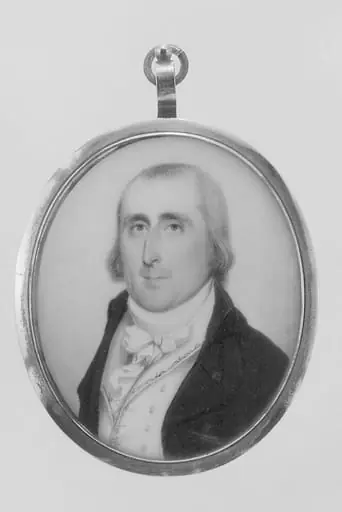
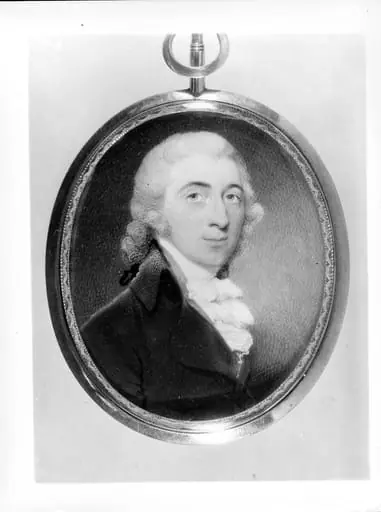
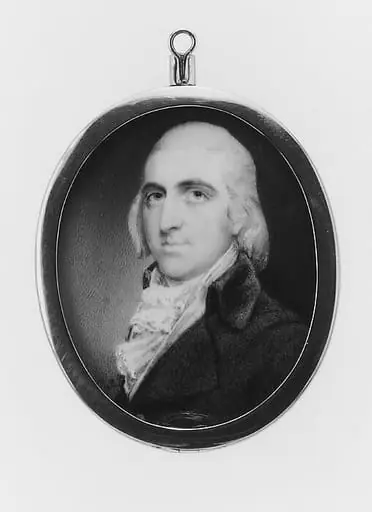
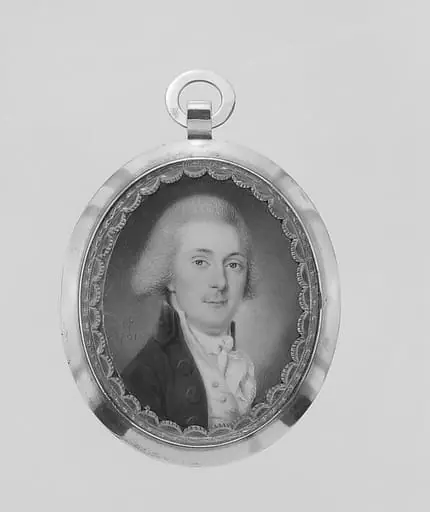
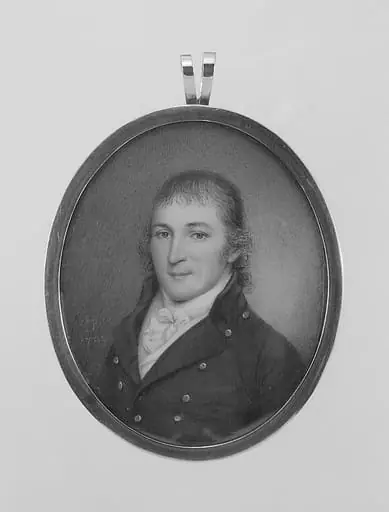
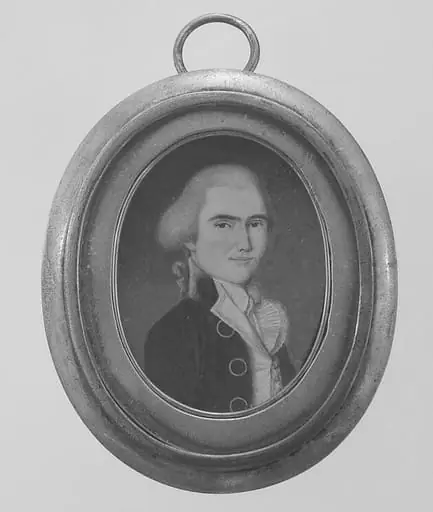
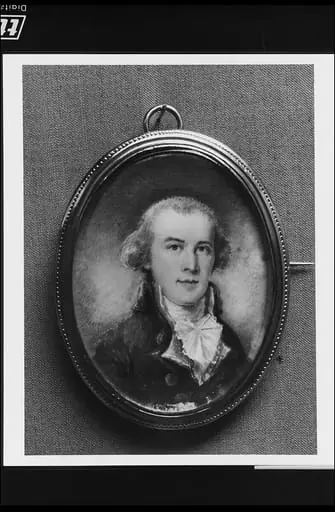
Curtis Clay is a watercolor painting by the American Folk Art artist James Peale. It dates from 1798 and is held in the collection of the Metropolitan Museum of Art.
About this work
Subject & Meaning
6 cm) underscore the intimate, personal nature of the work while situating it within the broader context of late-eighteenth-century American art.
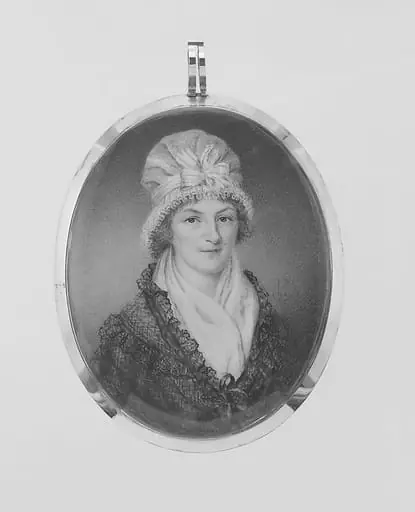
The work titled Curtis Clay is a 1798 watercolor on ivory portrait painted by James Peale. It depicts a man identified as Curtis Clay and is part of The American Wing's collection at the Metropolitan Museum of Art. As a portrait, the piece functions to document the sitter's appearance and social standing, reflecting the conventions of early American portraiture that emphasized individual identity and status.
The composition, medium, and scale (approximately 6.8 × 5.6 cm) underscore the intimate, personal nature of the work while situating it within the broader context of late-eighteenth-century American art.
Technique & Style
The work titled Curtis Clay is executed in watercolor on an ivory support, a technique documented in the object's catalogue entry. Its dimensions measure approximately 6.8 cm in height by 5.6 cm in width, dating to 1798, which places it at the turn of the nineteenth century. As a portrait, the piece portrays a male sitter with a restrained composition typical of early American portraiture, emphasizing fine line work and subtle tonal modulation characteristic of James Peale's watercolor practice.
The ivory surface provides a smooth, slightly translucent ground that allows delicate washes to build depth while preserving the sitter's facial features with a modest degree of realism.
History & Provenance
Created in 1798, the watercolor portrait on ivory known as Curtis Clay was executed by the American artist James Peale. The work depicts a male subject and measures approximately 6.8 by 5.6 cm. The artwork entered the collection of the Metropolitan Museum of Art, where it is currently housed within the institution's American Wing and classified as a portrait genre piece. No exhibition history is documented in the cited sources.
Overview
James Peale's Curtis Clay, created in 1798, is a watercolor-on-ivory portrait. This miniature depicts a man and exemplifies the American folk art tradition of its era. Peale, an American painter, was recognized for his small-scale works and still lifes, contributing to the visual culture of the late 18th century. The piece showcases a direct approach to portraiture.
Context
James Peale was an active painter during the late 18th and early 19th centuries, part of a prominent artistic family that included his elder brother, Charles Willson Peale. His work, including this portrait, reflects the broader artistic landscape of early America. Miniatures like Curtis Clay were a significant part of the period's visual culture, often serving as personal mementos within the developing American folk art tradition.
Artist & collection

Artist
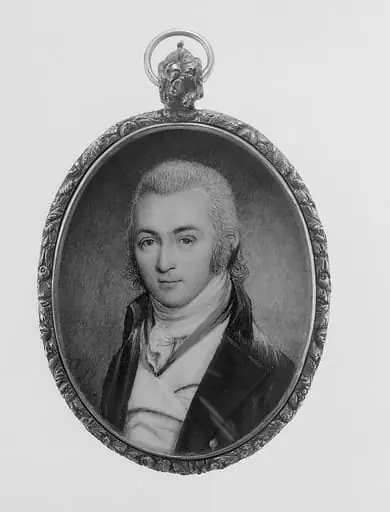
James Peale (1749 – May 24, 1831) was an American painter, best known for his miniature and still life paintings, and a younger brother of noted painter Charles Willson Peale.