Artwork
Joseph Griffiths
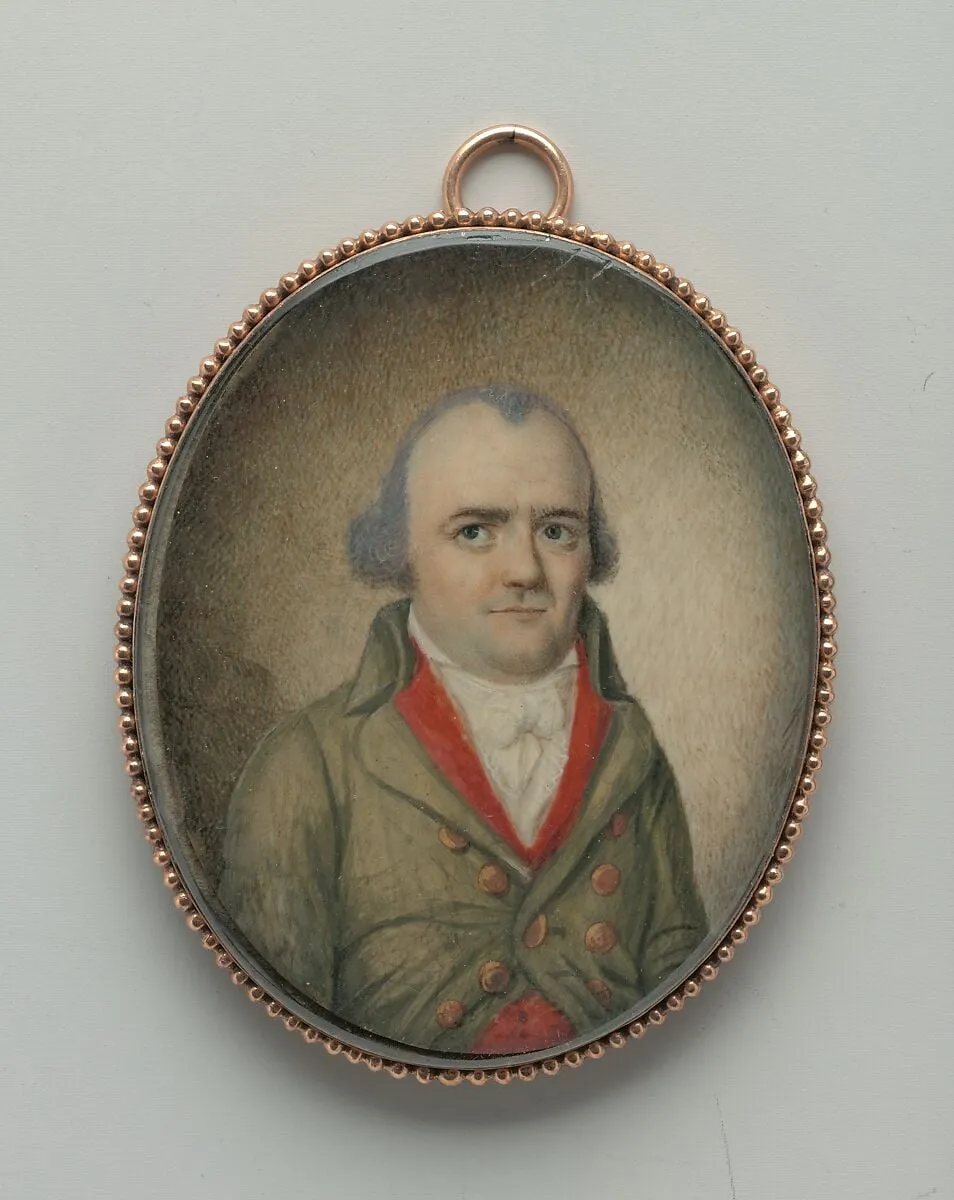
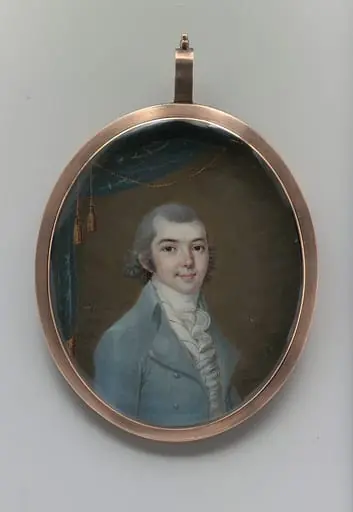
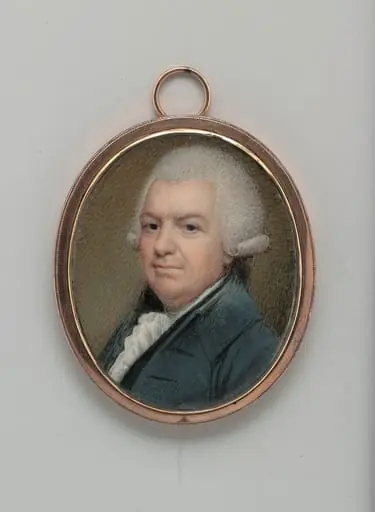
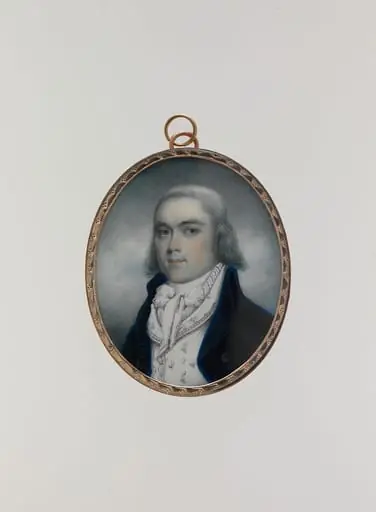
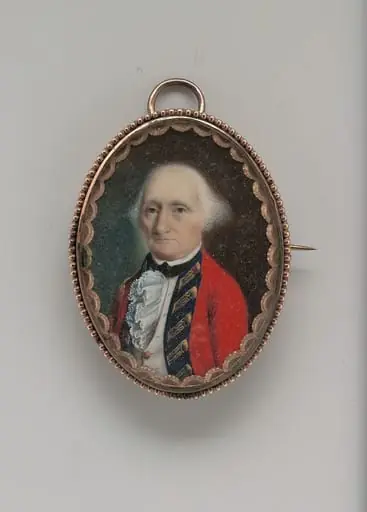
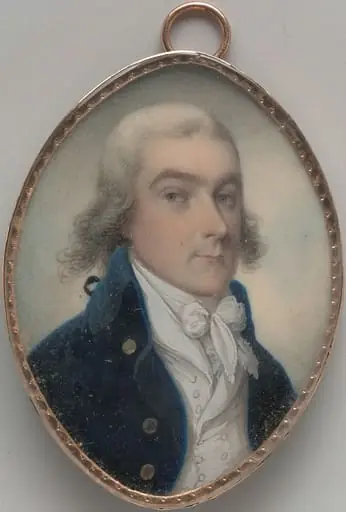
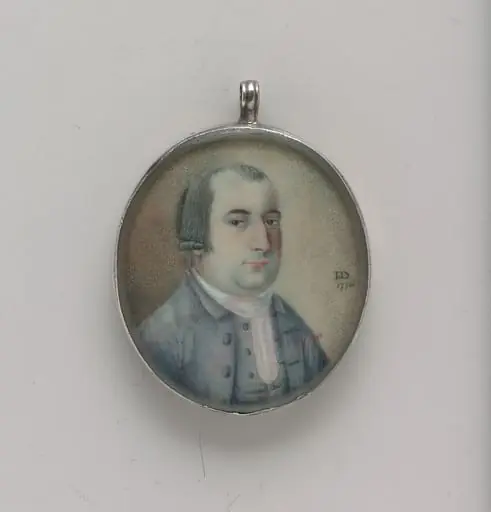
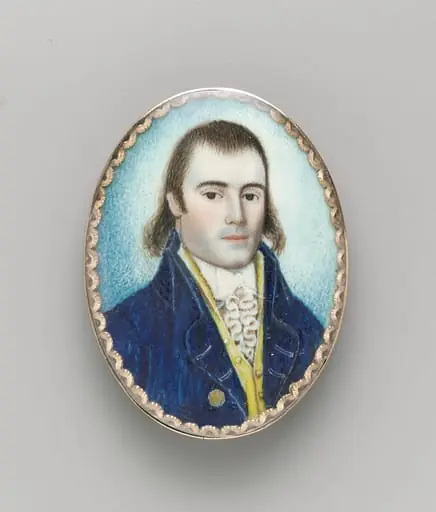
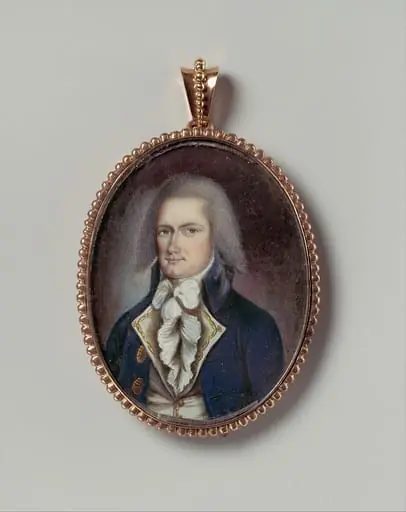
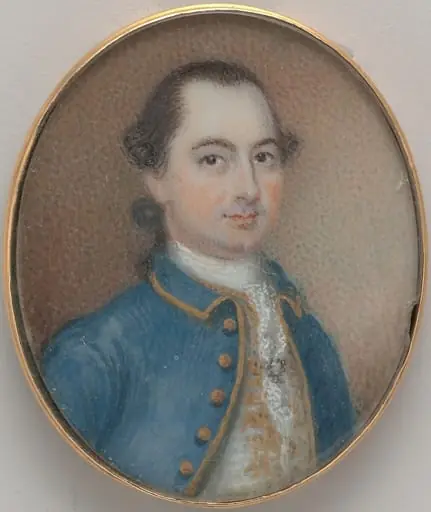
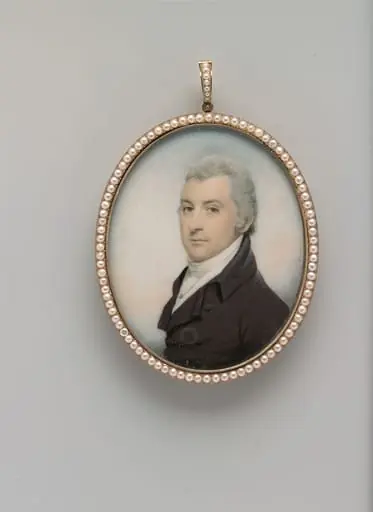
Joseph Griffiths is a watercolor painting. It dates from 1794 and is held in the collection of the Metropolitan Museum of Art.
- Accession no.
- 1985.141.8
- Credit line
- Purchase, Bequest of Antoinette D. T. Throckmorton, by exchange, 1985
About this work
History & Provenance
No further details regarding the commission or prior ownership before the museum's acquisition are documented in the available sources.
The watercolor on ivory portrait of Joseph Griffiths was created in 1794 by an unknown artist, according to the Met's cataloging data. The work is held in the Metropolitan Museum of Art, New York, with the accession number 58.145.1, and is classified within The American Wing. Its modest dimensions, approximately 6.2 by 4.9 cm, reflect the small-scale format typical of ivory portrait miniatures of the period.
No further details regarding the commission or prior ownership before the museum's acquisition are documented in the available sources.
Overview
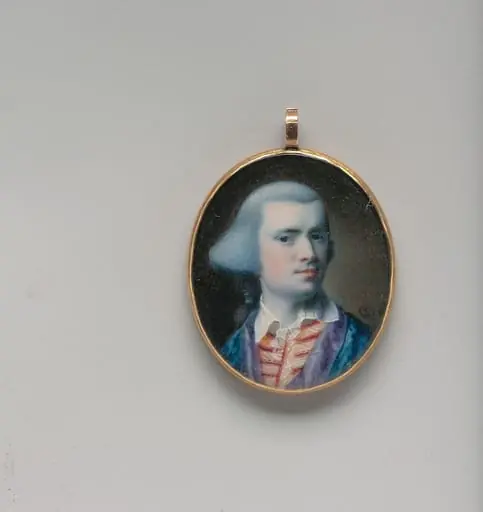
This watercolor on ivory depicts Joseph Griffiths, a miniature portrait intended for personal possession. The sitter is shown in a dark coat, engaging the viewer directly with a softly lit expression. Its small scale allowed it to be easily carried, serving a function similar to a cherished photograph today. The artwork reflects a common practice of portraiture in the period.
Subject & Meaning
The portrait presents Joseph Griffiths, whose direct gaze and composed demeanor suggest a formal yet intimate representation. As a miniature, this artwork was crafted for portability and private viewing, often exchanged between family members or loved ones. It functioned as a tangible memory, allowing individuals to carry the likeness of someone significant, a practice that predates modern photography.
Technique & Style
Executed in watercolor on ivory, the portrait demonstrates the refined skill required for miniature painting. The artist meticulously applied tiny, delicate strokes to build form and texture, particularly noticeable in the luminous quality of the sitter's skin. The technique involved thin, transparent layers, known as glazing, which allowed for subtle color transitions and a lifelike translucency characteristic of the medium.
Artist & collection