Artwork
Stephen Hooper
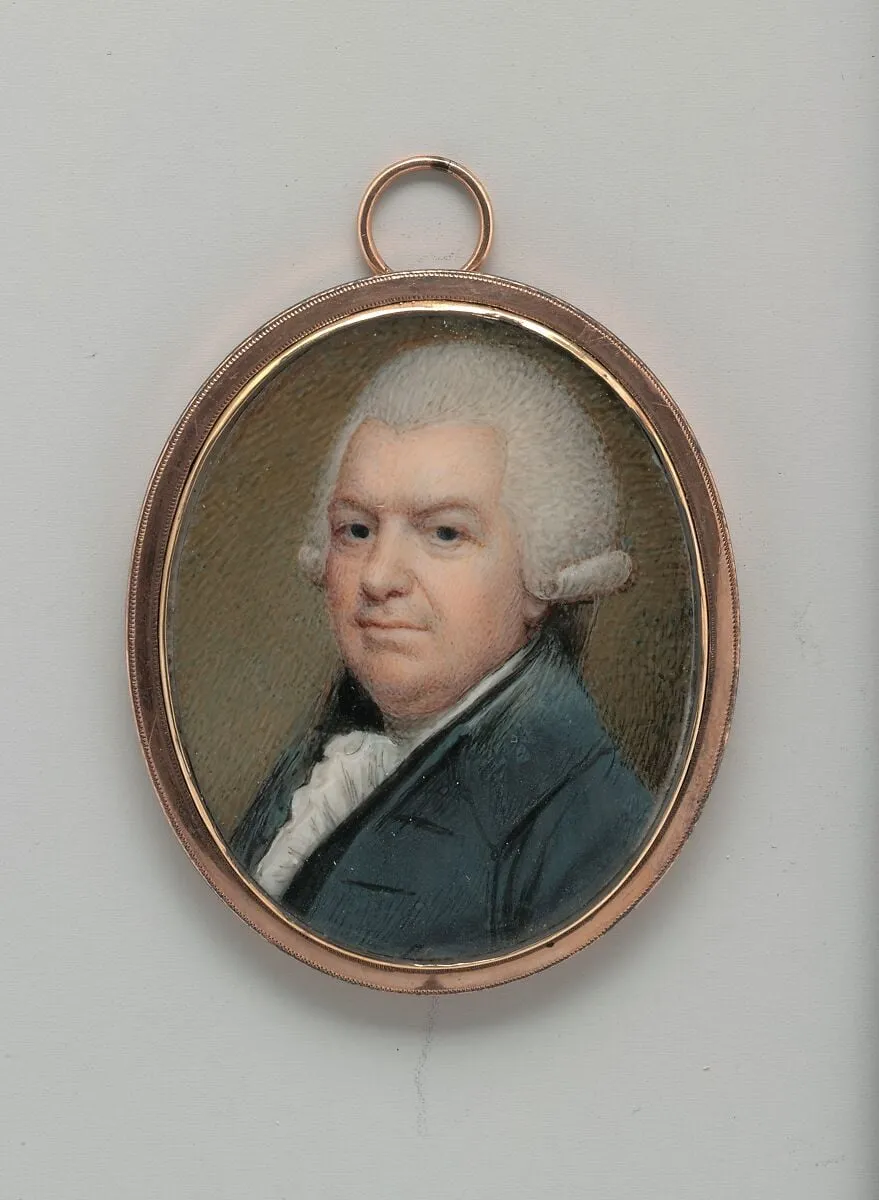
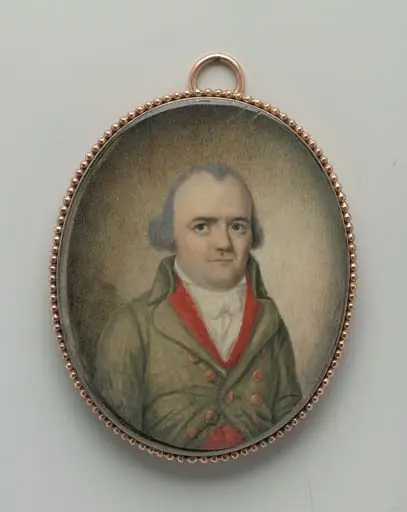
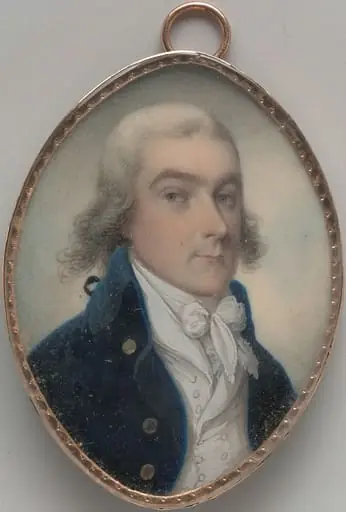
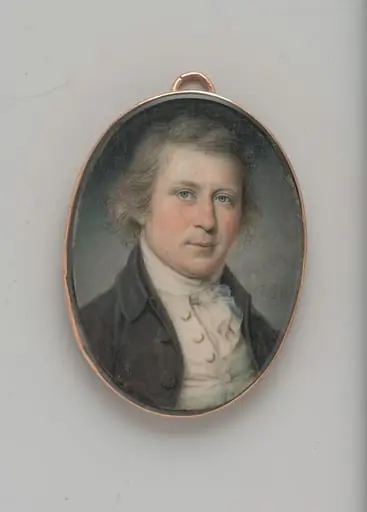
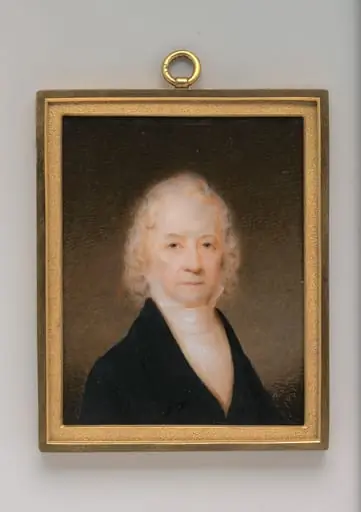
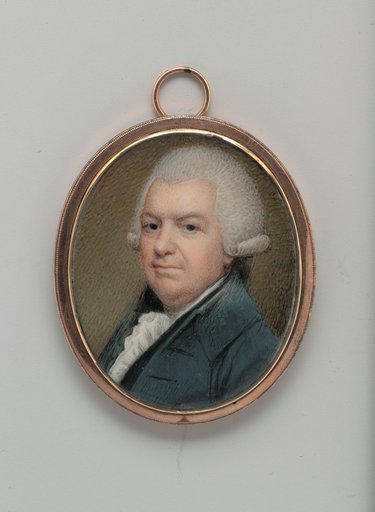
Stephen Hooper is a watercolor painting by the Rococo painting artist Henry Pelham. It dates from 1773 and is held in the collection of the Metropolitan Museum of Art.
- Accession no.
- 25.98
- Credit line
- Fletcher Fund, 1925
About this work
Subject & Meaning
The work represents the genre of miniature portraiture popular in the late 18th century, serving as a personal and intimate commemoration of the individual.
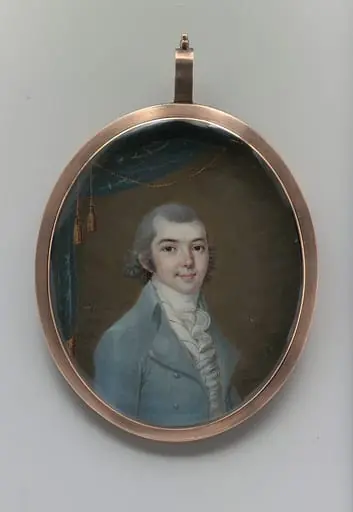
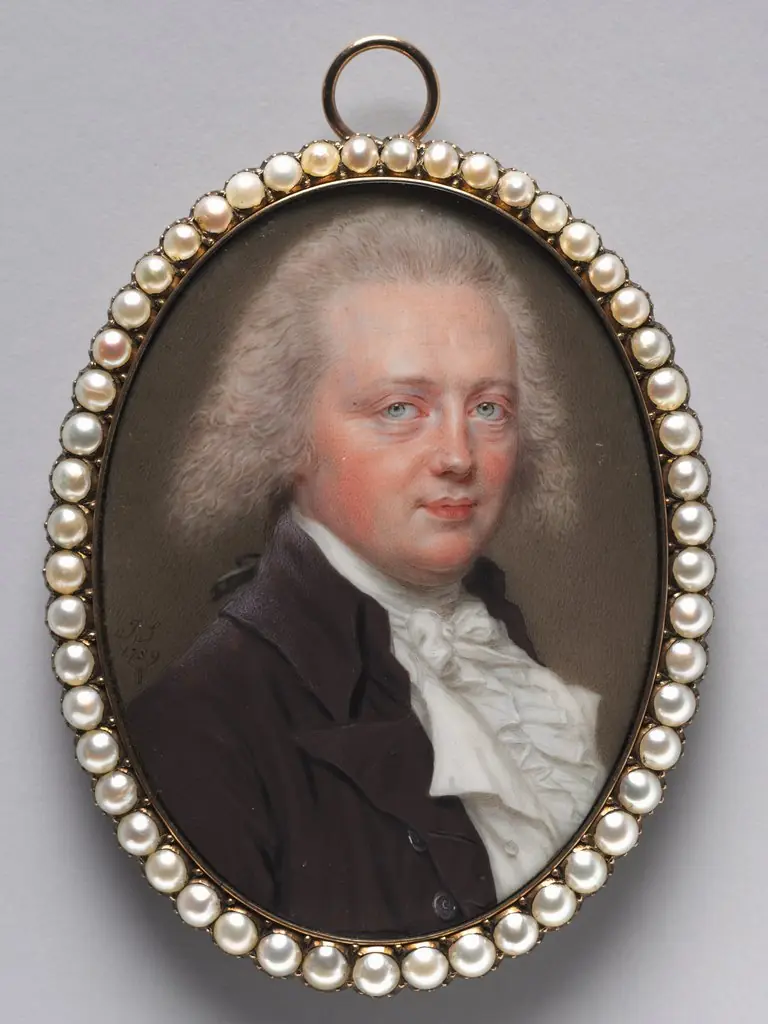
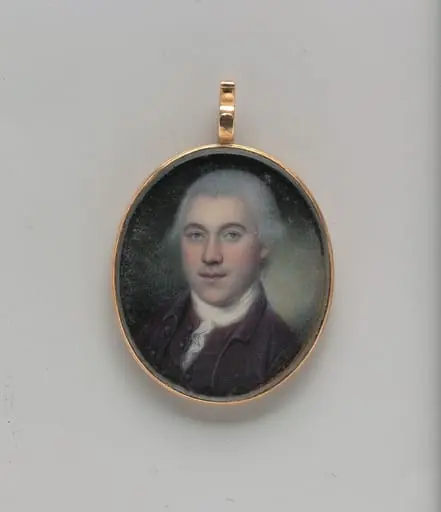
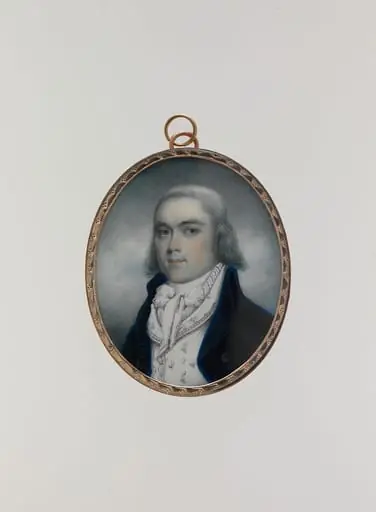
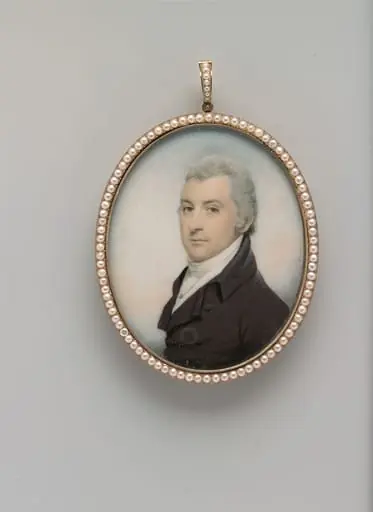
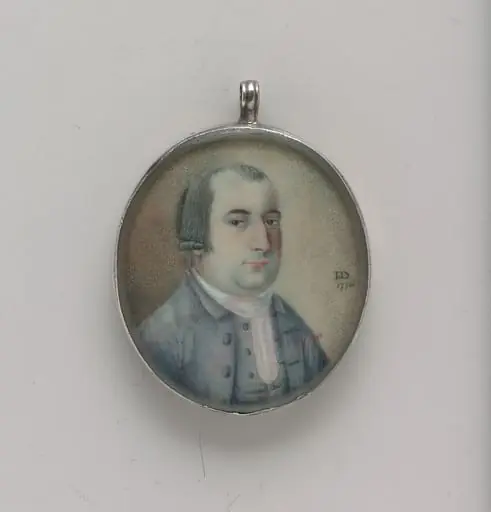
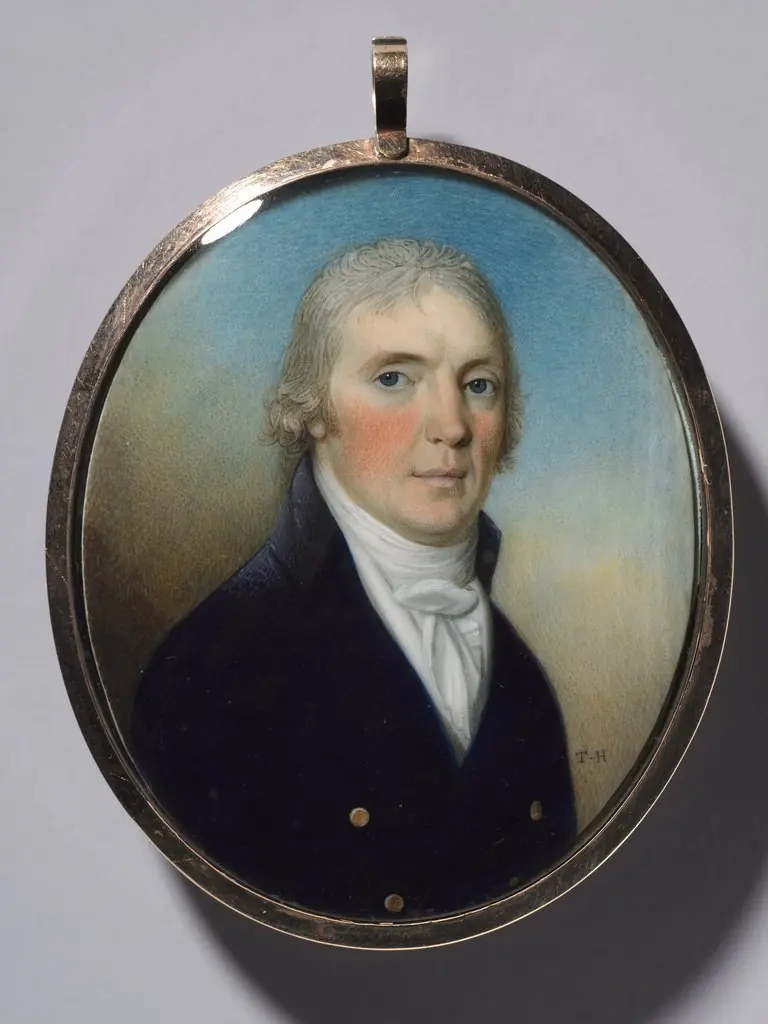
The artwork depicts a single male subject, presented as a formal portrait. Created by Henry Pelham in 1773, the piece functions as a miniature representation of a man, executed in watercolor on ivory. As a portrait, its primary iconographic purpose is the faithful visual recording of the sitter's likeness rather than the inclusion of complex narrative symbolism or allegorical elements.
The work represents the genre of miniature portraiture popular in the late 18th century, serving as a personal and intimate commemoration of the individual. The composition focuses entirely on the figure, emphasizing the conventions of portraiture from that period without additional contextual objects or symbolic attributes noted in the available records.
Technique & Style
Stephen Hooper is a miniature portrait executed in watercolor on ivory, a refined support favored for small-format likenesses in the eighteenth century. The work measures approximately 4.6 by 3.7 centimeters, consistent with the intimate scale typical of ivory miniatures intended for private keeping. Pelham's handling reflects the precise, delicate brushwork required by the smooth ivory ground, allowing for finely rendered facial features and subtle tonal gradations within a very small field.
The portrait is classified within the American Wing holdings of the Metropolitan Museum of Art, where it is documented as a watercolor miniature on ivory depicting a male sitter. The ivory support, combined with the aqueous medium, produces the luminous, enamel-like surface characteristic of the genre, while the compact dimensions emphasize detailed linearity over broader painterly effects.
History & Provenance
The artwork titled Stephen Hooper is a miniature portrait created by Henry Pelham in 1773, executed in watercolor on ivory and measuring 4.6 by 3.7 centimeters. The work depicts a male subject and is classified within the genre of portraiture. It is held in the collection of the Metropolitan Museum of Art, within the American Wing.
No specific details regarding the original commission, the identity of the initial patron, or the chain of ownership prior to its acquisition by the museum are recorded, and no exhibition history is documented in the available sources.
Context
The 1773 watercolor on ivory portrait attributed to Henry Pelham, titled Stephen Hooper, is housed in the Metropolitan Museum of Art's American Wing and classified as a portrait miniature. Its inclusion in this American art collection reflects the use of watercolor on ivory as a medium for portrait miniatures in the late 18th century. The work depicts a man, reflecting contemporary conventions of status and identity, and contributes to the broader understanding of the development of portrait miniatures in early America.
Overview
Created in 1773 by American artist Henry Pelham, this watercolor on ivory depicts Stephen Hooper. The miniature portrait exemplifies the refined approach to individual likeness prevalent in late 18th-century American art, aligning with the detailed characteristics of Rococo portraiture. Pelham's work captures the sitter with a calm demeanor, his features softly illuminated against a simple backdrop, reflecting the period's emphasis on personal representation.
Artist & collection
Artist
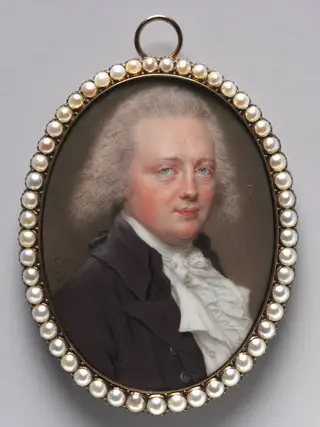
Henry Pelham (February 14, 1748/49 – 1806) was an American painter, engraver, civil engineer, and cartographer active during the late 18th century.