Artwork
Den persiske kong Ahasverus giver Mordokaj ringen
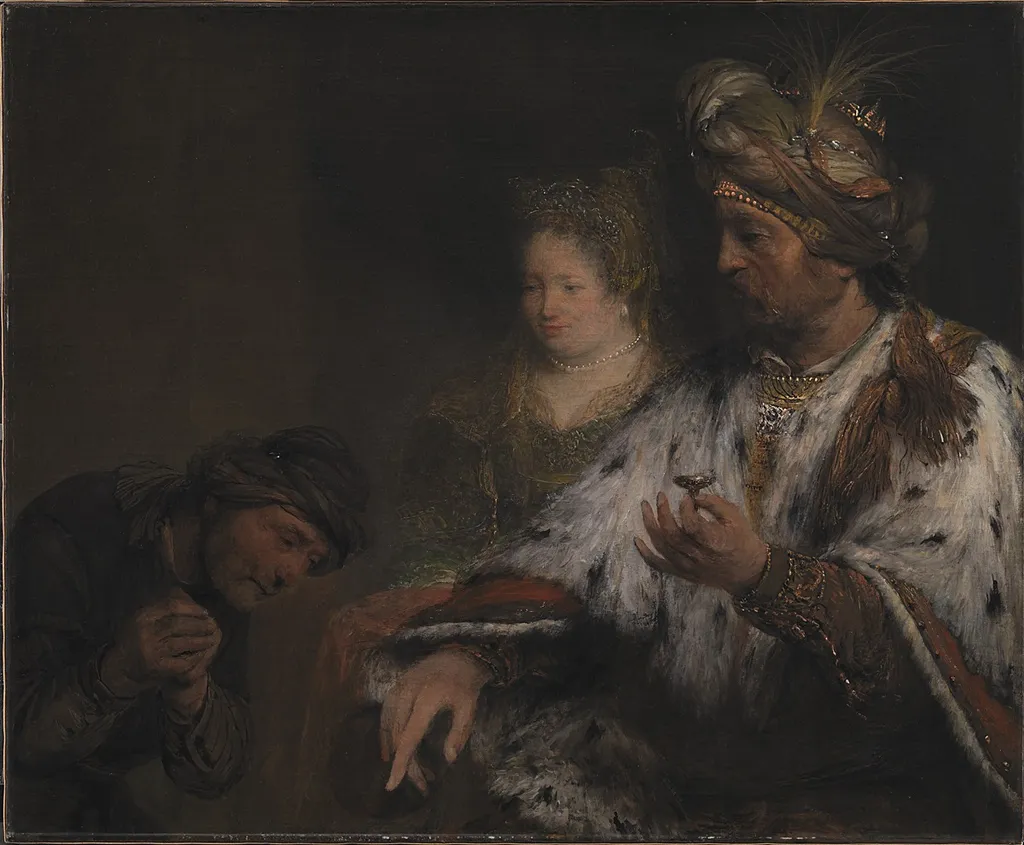
Den persiske kong Ahasverus giver Mordokaj ringen is an oil painting by the Dutch Golden Age artist Arent de Gelder. It dates from 1692 and is held in the collection of the Statens Museum for Kunst.
About this work
Subject & Meaning
This 1683 oil painting by Arent de Gelder illustrates a specific narrative from the biblical Book of Esther.
This 1683 oil painting by Arent de Gelder illustrates a specific narrative from the biblical Book of Esther. The composition depicts the Persian monarch Ahasuerus in the act of presenting his signet ring to Mordecai. This transfer of royal authority serves as the central iconographic focus, symbolizing the dramatic reversal of fortune within the story where Mordecai is elevated to a position of power after previously facing destruction.
As a work of religious art, the scene represents the themes of divine providence and the vindication of the Jewish people against their enemies, capturing the precise moment of official recognition and honor bestowed by the king.
Technique & Style
The work is executed in oil paint on canvas, a standard support for late seventeenth-century Dutch cabinet pictures. Its canvas measures 79 cm in height by 95 cm in width, a horizontal format suited to a multi-figure narrative scene.
Stylistically, the painting belongs to the religious genre tradition, depicting the biblical episode in which the Persian king Ahasuerus presents a ring to Mordecai. The modest scale and oil-on-canvas technique are consistent with Arent de Gelder's late-period practice as a follower of Rembrandt working in the Dutch Golden Age idiom.
History & Provenance
Created in 1683, Den persiske kong Ahasverus giver Mordokaj ringen is an oil painting on canvas by the Dutch artist Arent de Gelder. The work depicts the religious narrative of King Ahasuerus presenting a ring to Mordecai. It is currently held in the collection of the Statens Museum for Kunst. The painting measures 79 cm in height and 95 cm in width.
The painting is held in the collection of the Statens Museum for Kunst in Copenhagen. The work, executed in oil on canvas, measures 79 cm in height and 95 cm in width. While the museum's ownership is established, the provided records do not contain specific inventory accession numbers or details regarding its exhibition history.
Legacy
The painting has been part of the Statens Museum for Kunst collection since its creation, where it remains on display as a notable example of Dutch Golden Age religious art. Its depiction of Ahasuerus granting the ring to Mordecai has been frequently cited in scholarly discussions of biblical subjects in 17th-century Dutch painting, reinforcing de Gelder's reputation for narrative complexity and technical mastery within the genre.
Overview
In 1692 the Dutch artist Arent de Gelder painted Den persiske kong Ahasverus giver Mordokaj ringen, an oil work now in the Statens Museum for Kunst. De Gelder, active from the mid‑17th to early 18th century, is noted for extending the late style of Rembrandt during the Dutch Golden Age.
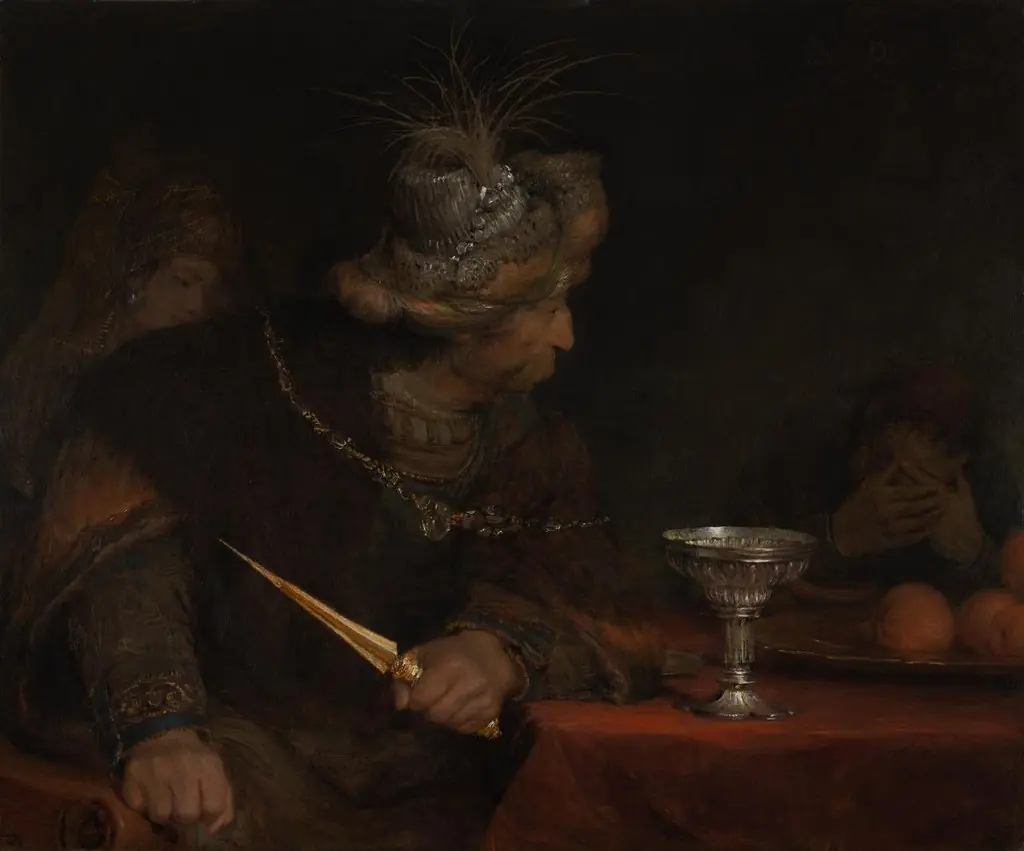
Artist & collection
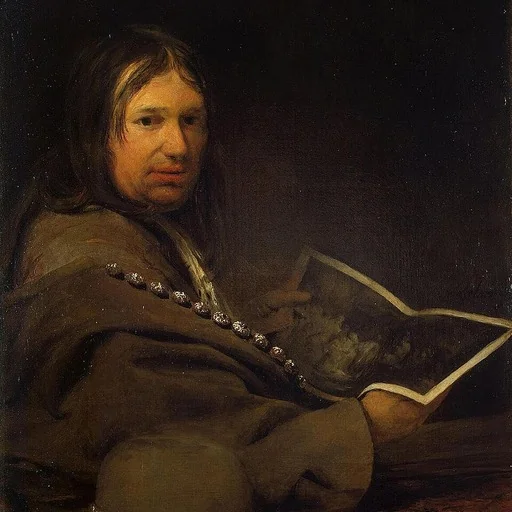
Artist
Aert de Gelder (Dutch:; October 26, 1645 – August 27, 1727) was a Dutch painter, the only Dutch artist to paint in the tradition of Rembrandt's late style into the 18th century.

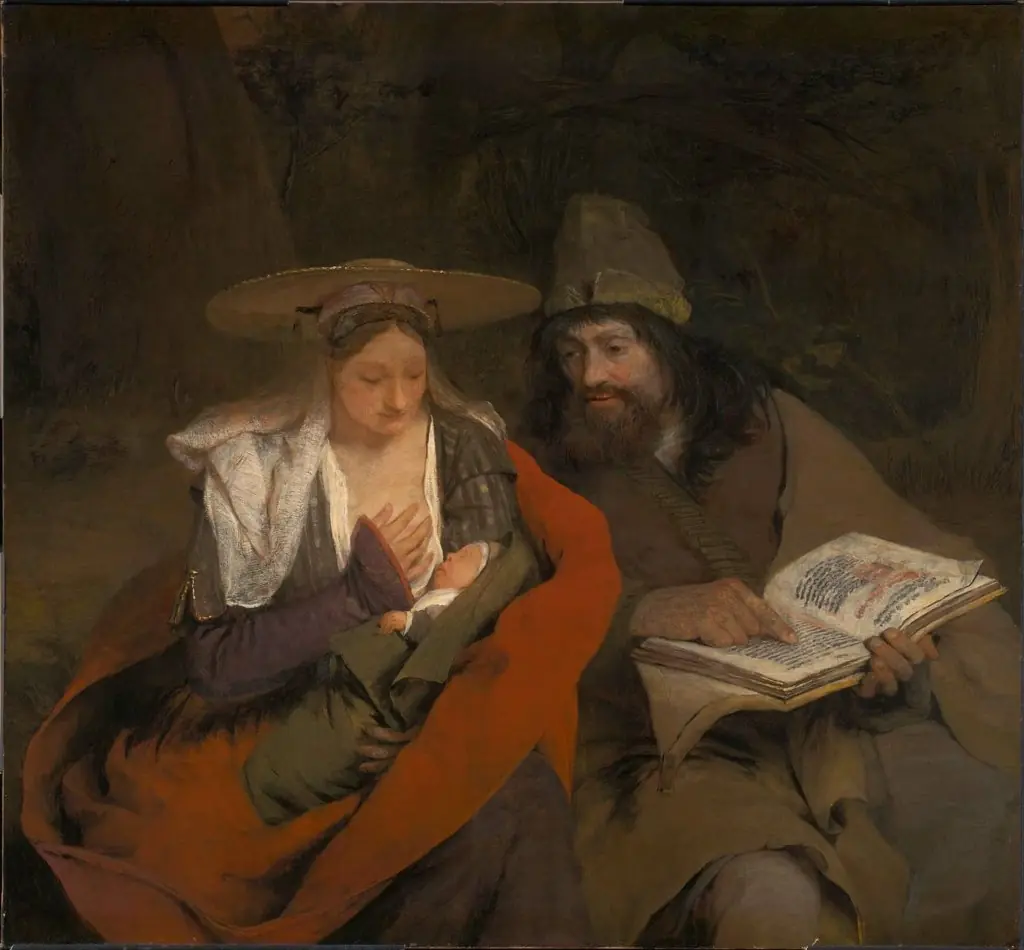
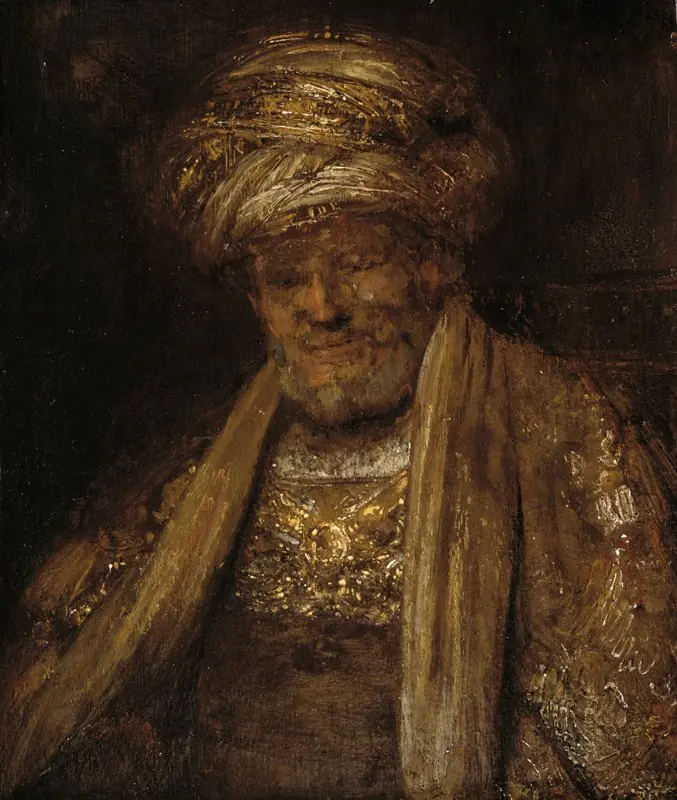
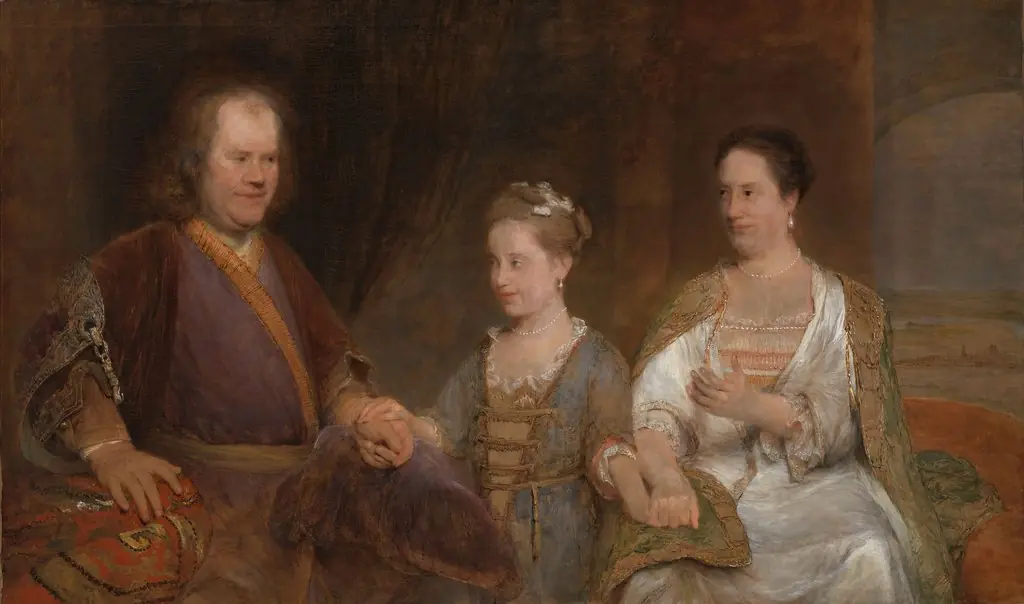
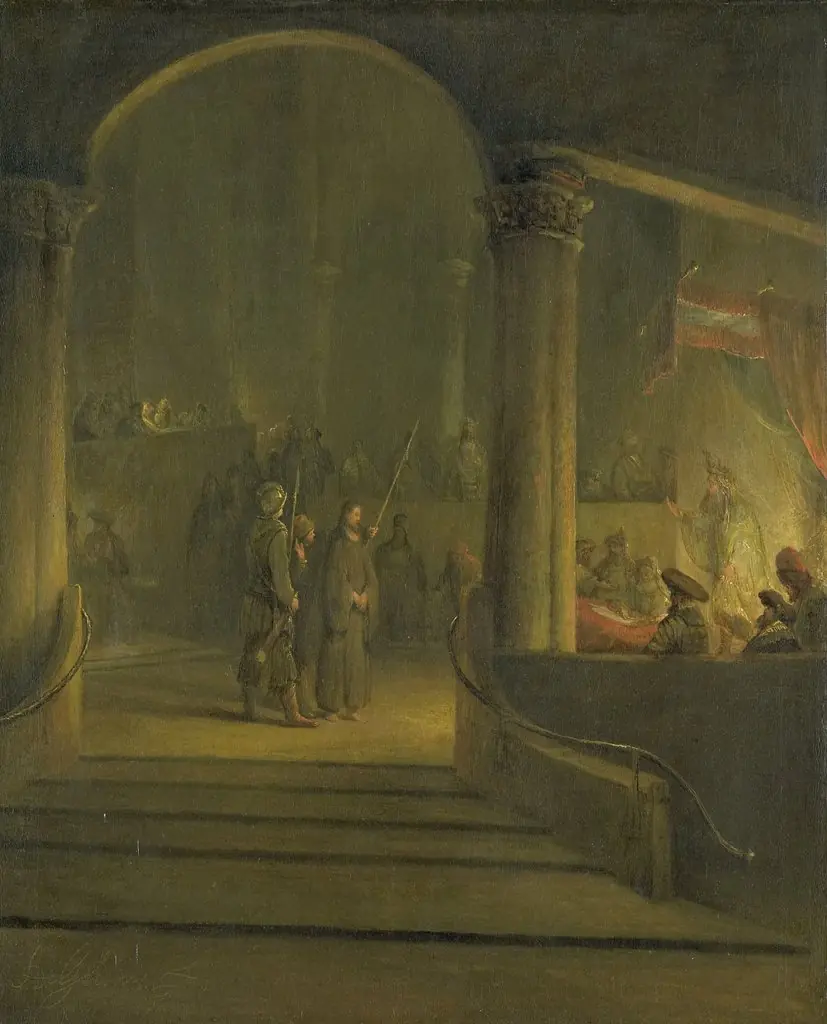
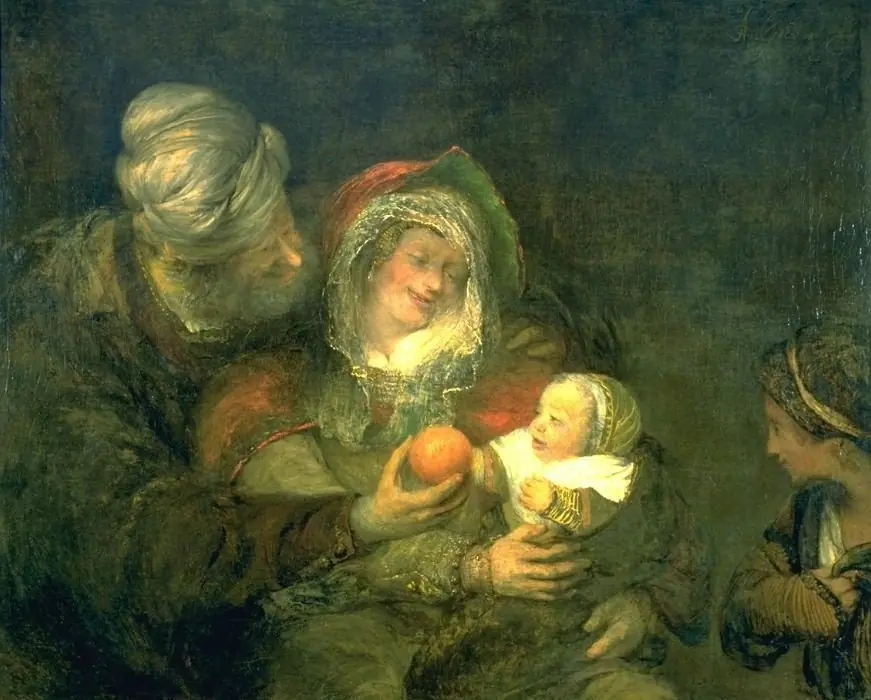
- King Ahasuerus condemning Haman
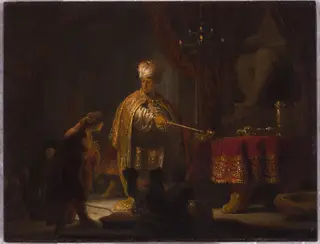 Daniel and Cyrus Before the Idol Bel
 Untitled
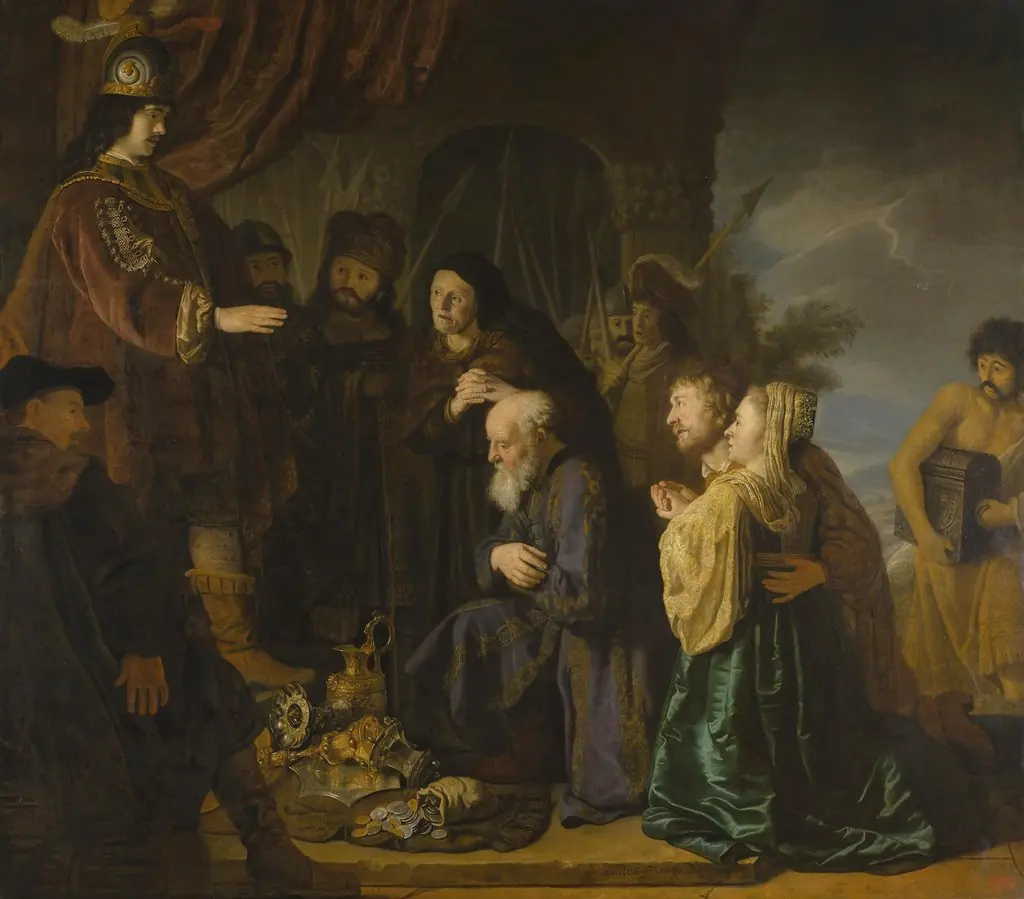 The Magnanimity of Scipio Africanus
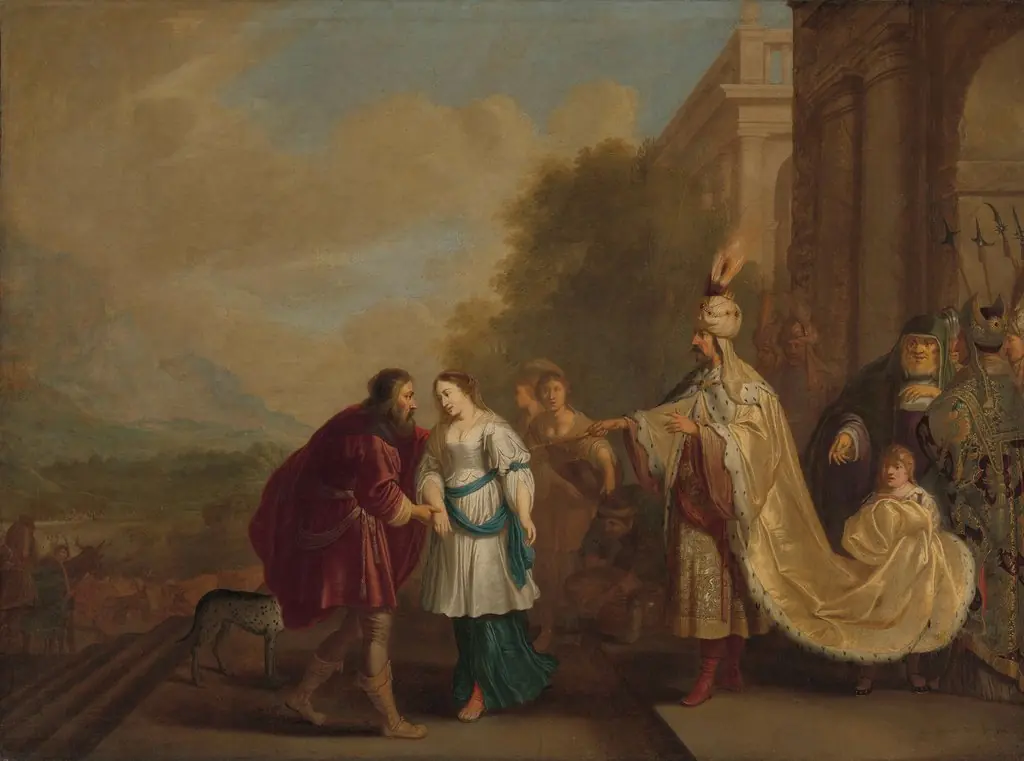 Pharaoh gives Sarah back to Abraham
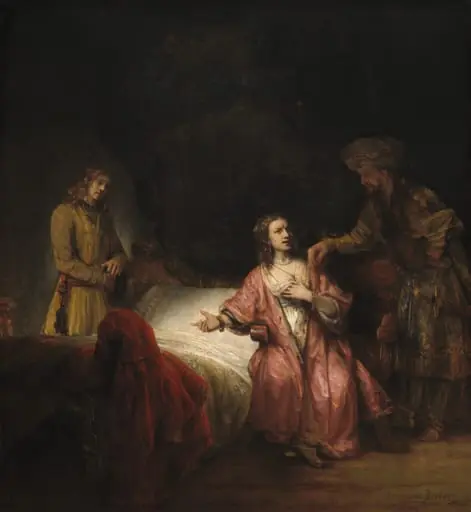 Joseph Accused by Potiphar's Wife
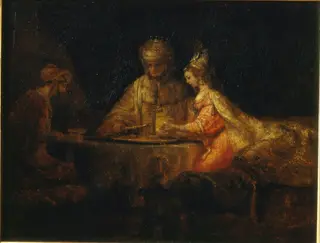 Ahasuerus and Haman at the Feast of Esther
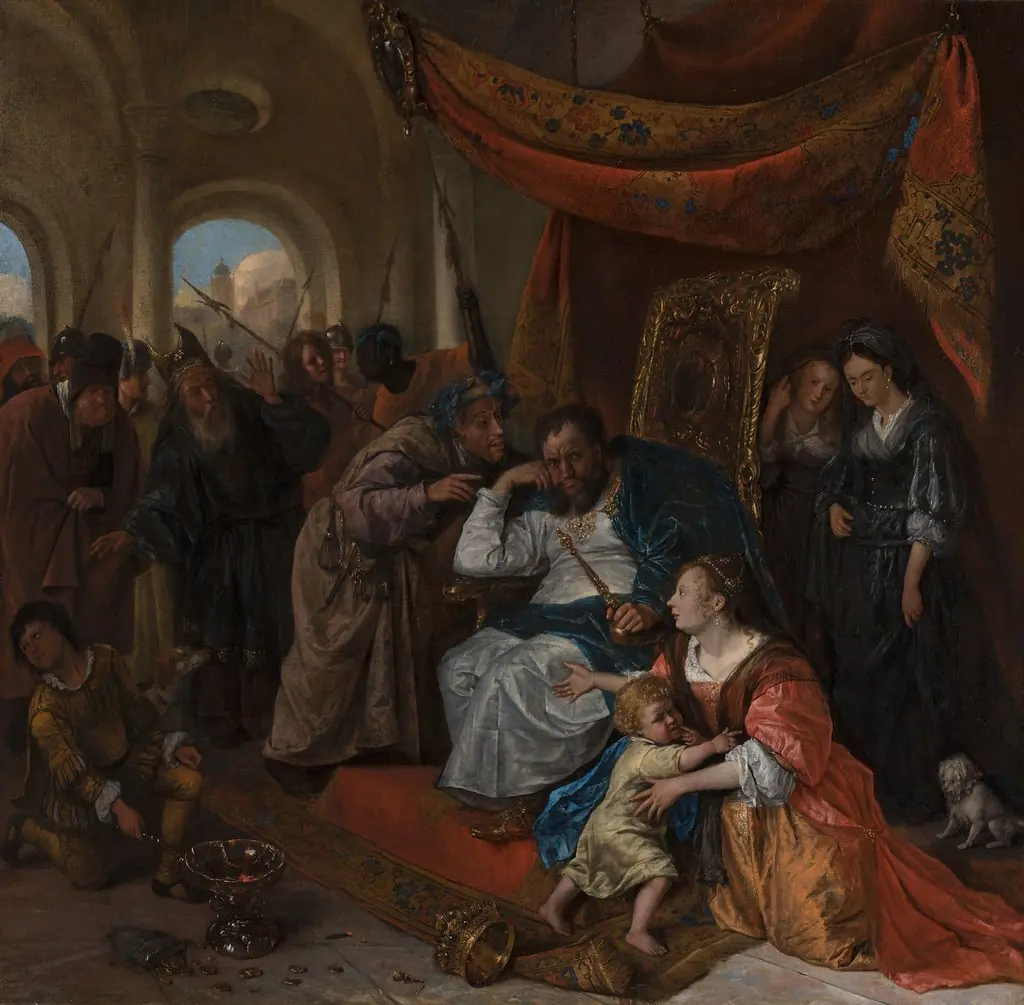 Moses and Pharaoh’s Crown
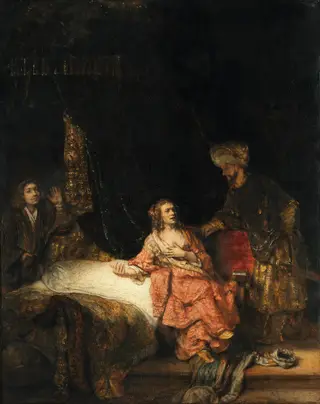 Joseph accused by Potiphar's wife
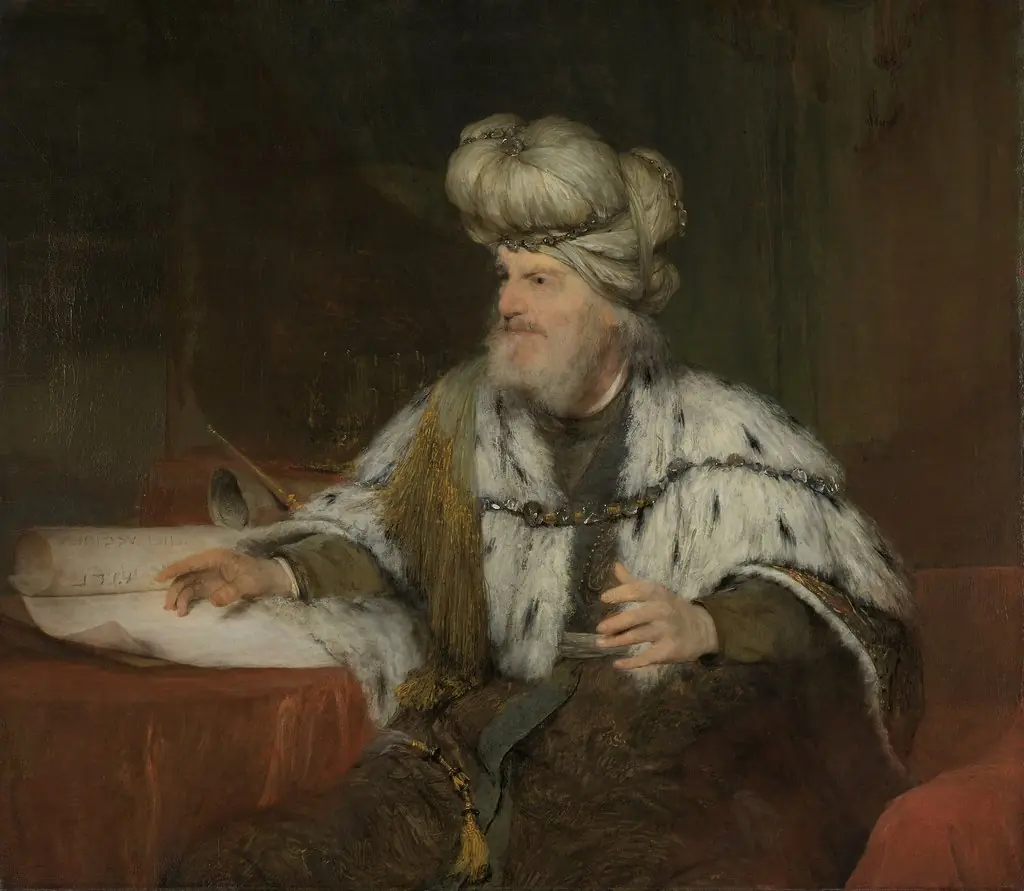 King David
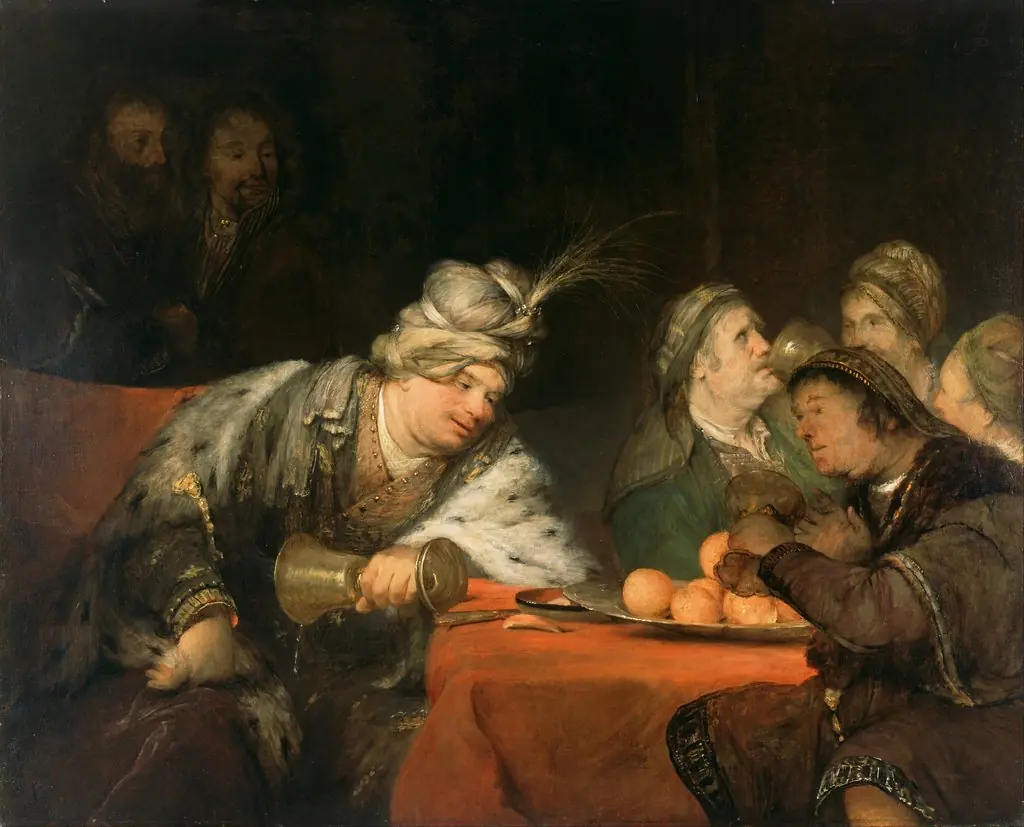 The Banquet of Ahasuerus
 Peter and John Healing the Cripple at the Gate of the Temple