Artwork
King David
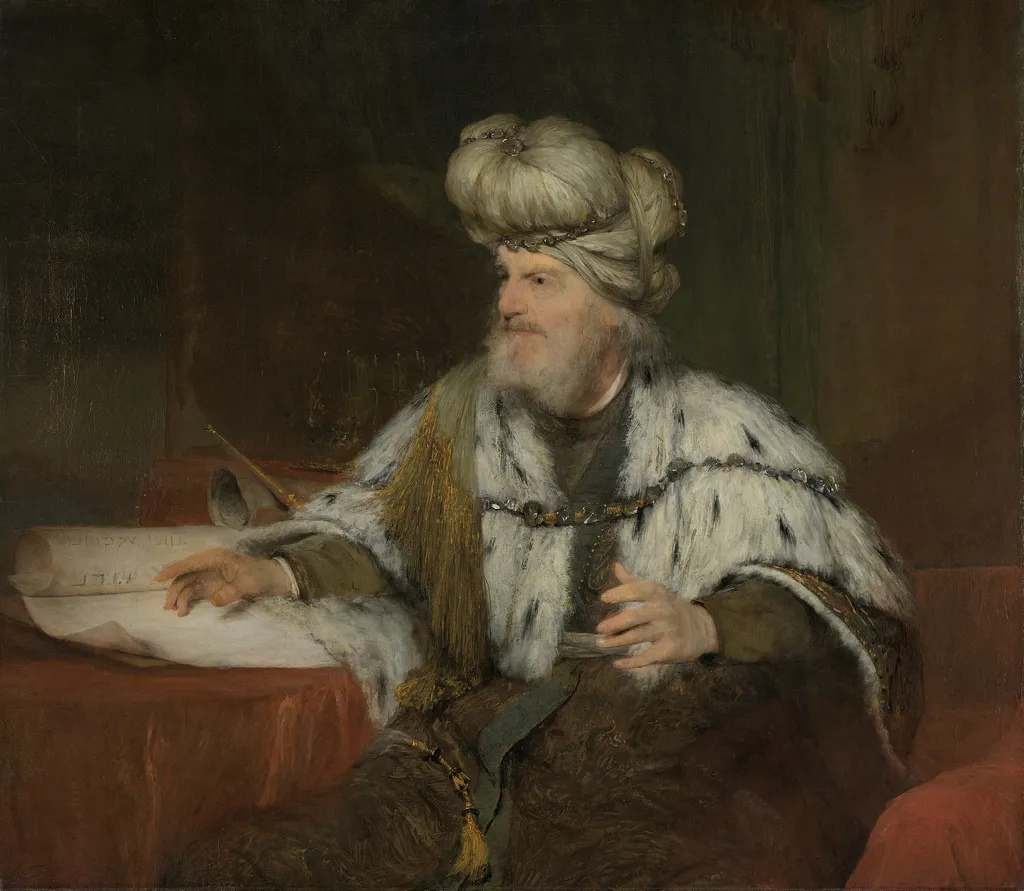
King David is an oil painting by the Dutch Golden Age artist Arent de Gelder. It dates from 1692 and is held in the collection of the Rijksmuseum.
About this work
Subject & Meaning
Arent de Gelder's 1683 oil painting depicts the biblical figure King David as its central subject.
Arent de Gelder's 1683 oil painting depicts the biblical figure King David as its central subject. Classified as a work of religious art, the composition focuses on this Old Testament monarch, who is traditionally associated with themes of repentance, divine favor, and kingship within Christian iconography. The work serves as a visual representation of the scriptural narrative surrounding David, utilizing the medium of oil on canvas to convey the solemnity characteristic of religious genre painting in the late seventeenth century.
Technique & Style
Arent de Gelder's King David, executed in 1683, is an oil painting on canvas. The work measures 100 cm in height and 115 cm in width. As a religious genre piece, the painting exhibits the artist's characteristic handling of oil paint, a medium he employed to create textured surfaces and dramatic lighting effects typical of his late style.
The support consists of a standard canvas structure, allowing for the fluid application and layering of pigments that define the composition's formal qualities.
Context
Arent de Gelder's 1683 painting King David exemplifies Dutch Golden Age religious art through its biblical narrative and technical mastery of oil on canvas, measuring 100 by 115 centimeters. The work, housed in the Rijksmuseum's collection, reflects 17th-century Amsterdam's engagement with Old Testament subjects, particularly King David as both monarch and unifier of Israel. Scholarship emphasizes its significance within de Gelder's oeuvre, highlighting stylistic connections to Rembrandt while noting its unique contribution to Dutch biblical painting through compositional intensity and devotional realism.
The painting's reception and scholarly interpretation remain anchored in its religious context and material execution, with art historians analyzing its narrative clarity and brushwork as embodiments of Dutch devotional painting traditions. Its enduring presence in museum displays underscores its role as a representative example of 17th-century biblical art within major institutional collections like the Rijksmuseum.
Overview
King David is a 1692 oil painting by Arent de Gelder, a Dutch artist influenced by Rembrandt's late style. The work depicts the biblical figure King David in a contemplative pose, characterized by dramatic lighting and rich textures.
History & Provenance
Created during the Dutch Golden Age, King David is now part of the Rijksmuseum's collection. De Gelder's work reflects the period's artistic flourishing, with the painting exemplifying the continuation of Rembrandt's stylistic legacy.
Own this work as a print
Artist & collection
Artist
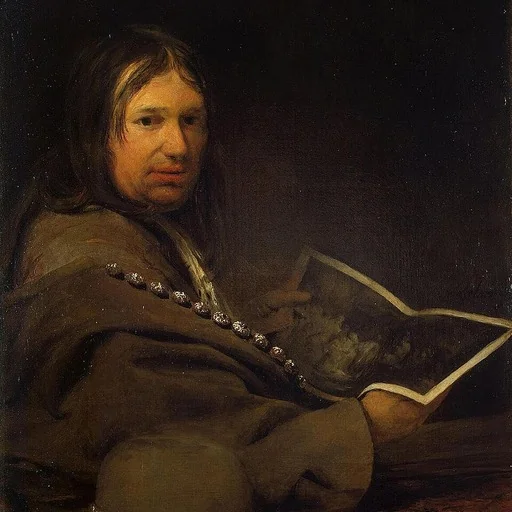
Aert de Gelder (Dutch:; October 26, 1645 – August 27, 1727) was a Dutch painter, the only Dutch artist to paint in the tradition of Rembrandt's late style into the 18th century.

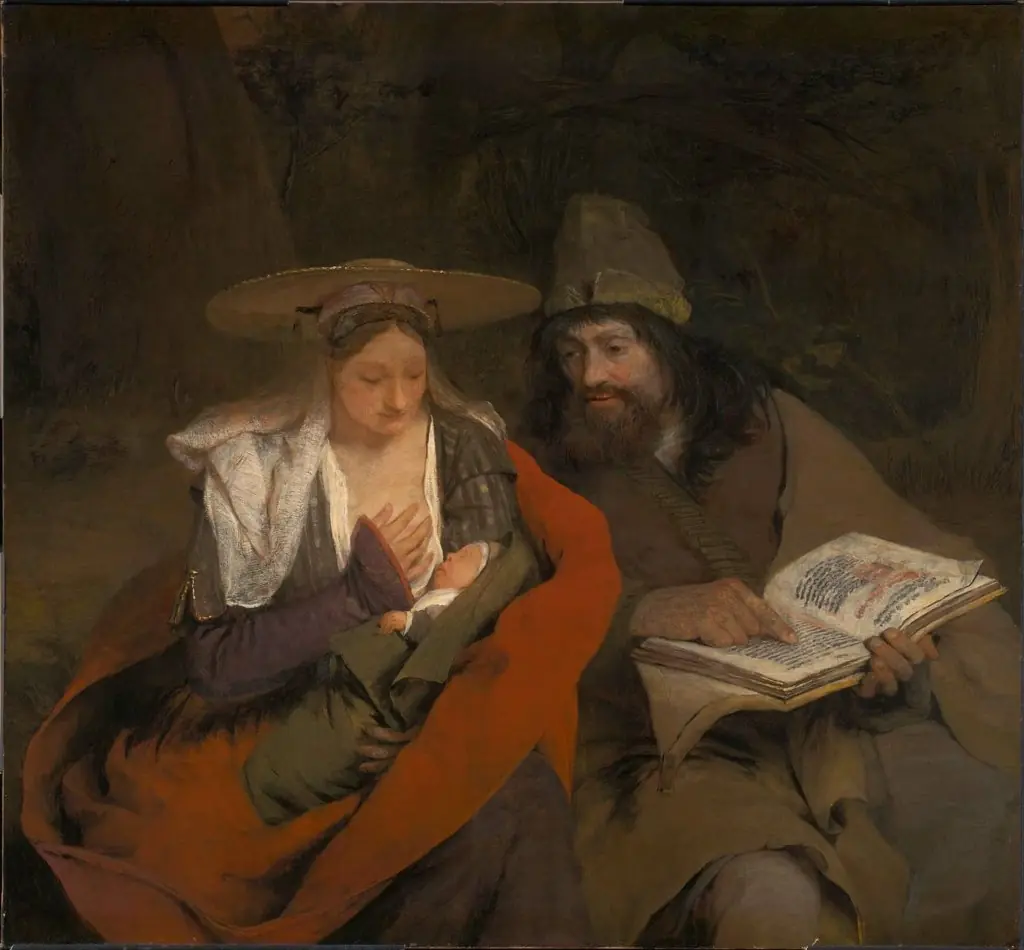 Rest on the Flight into Egypt
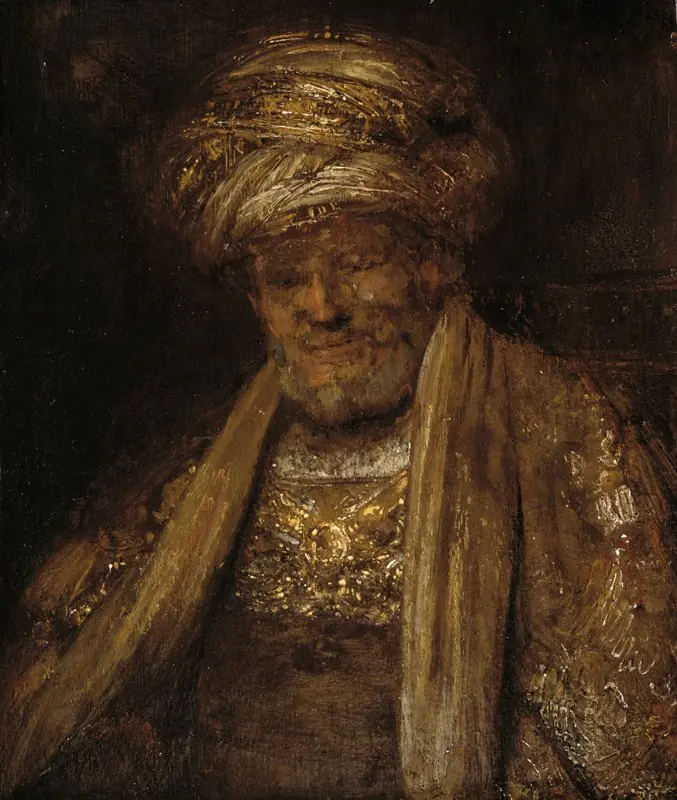 Portrait of an Oriental Man
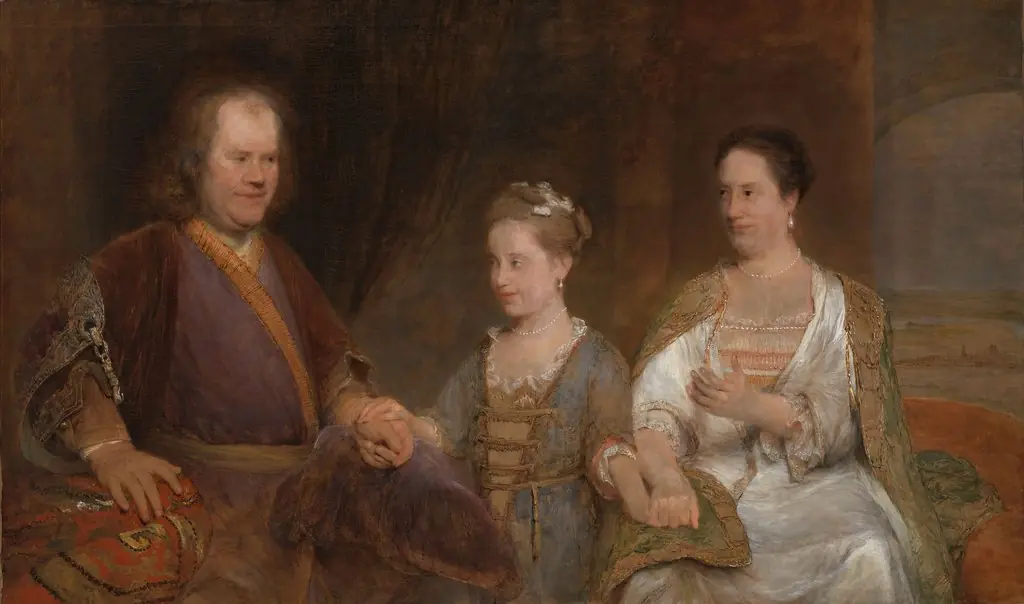 Portrait of Hermanus Boerhave (1668-1738), professor of medecine at the university of Leiden, with his wife Maria Drolenvaux (1686-1746) and their daughter Johanna Maria (1712-91)
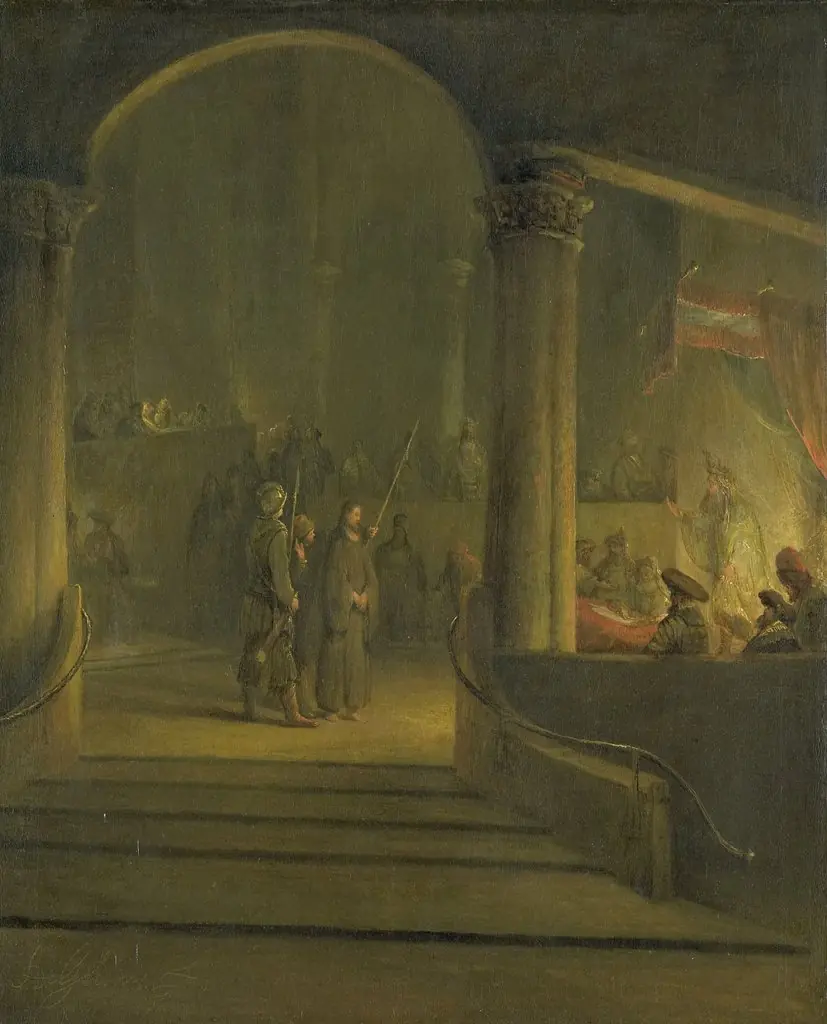 Christ before Caiphas
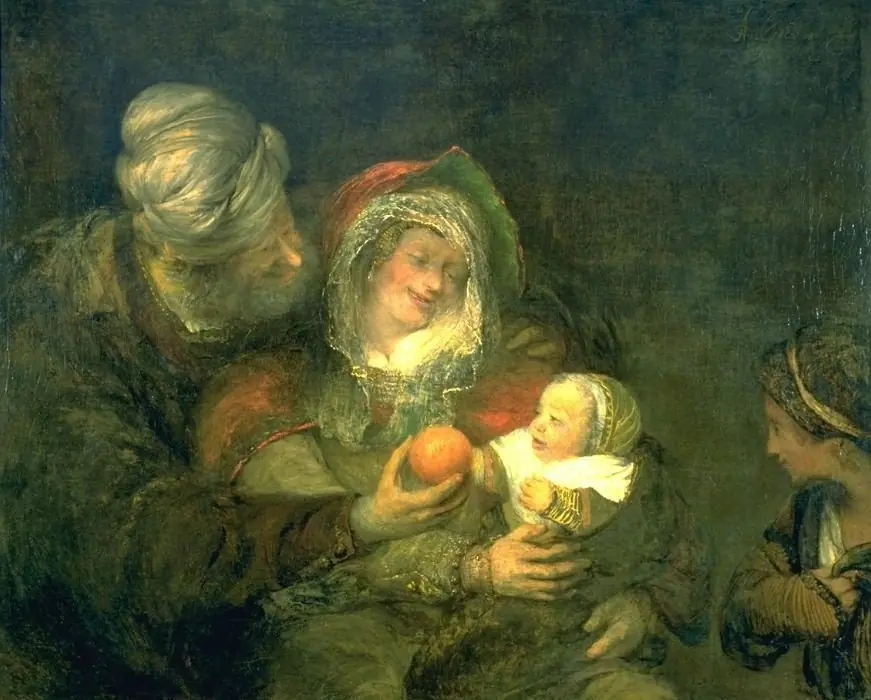 Holy Family
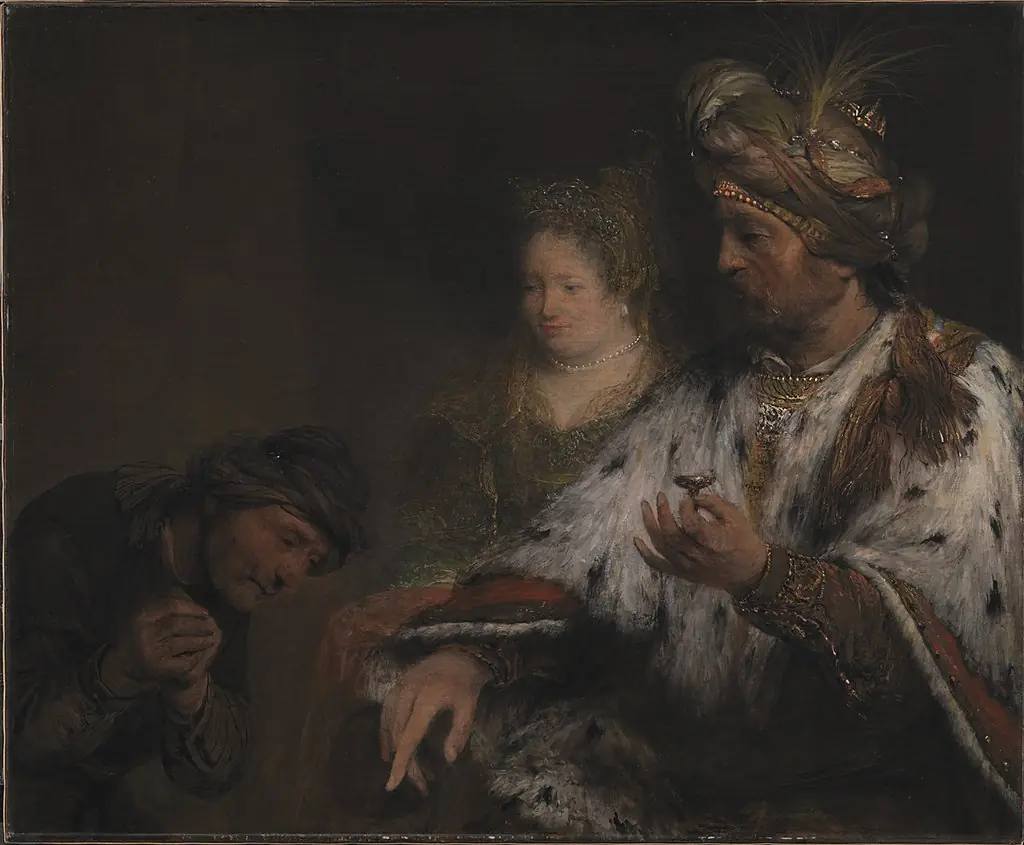 Den persiske kong Ahasverus giver Mordokaj ringen
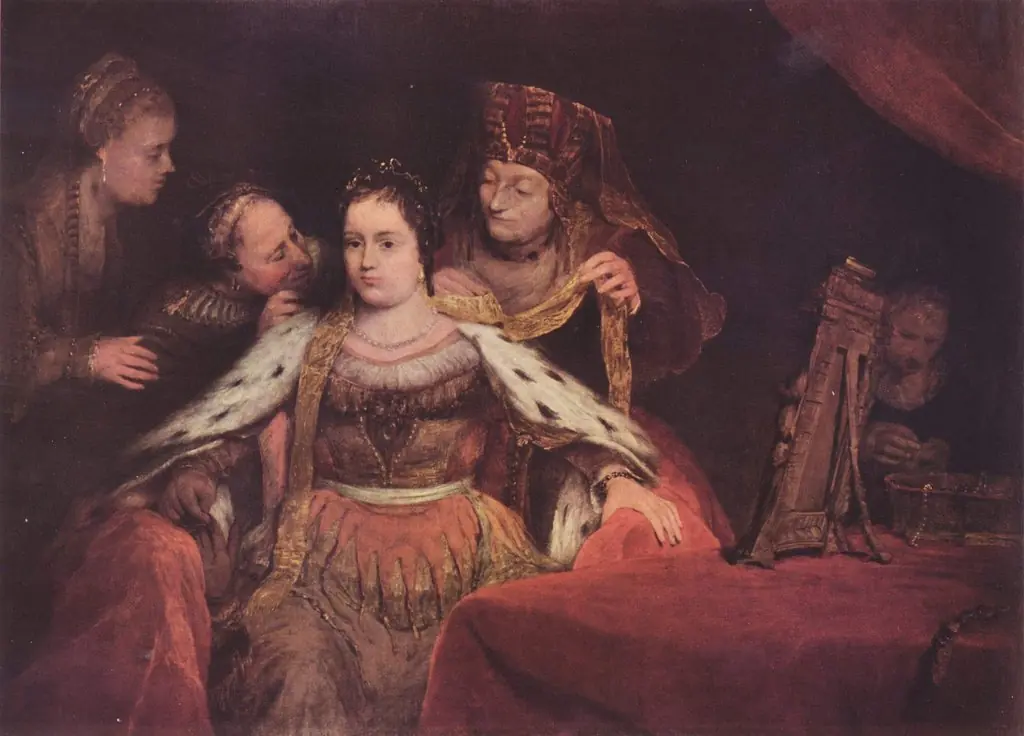 Esther's toilet
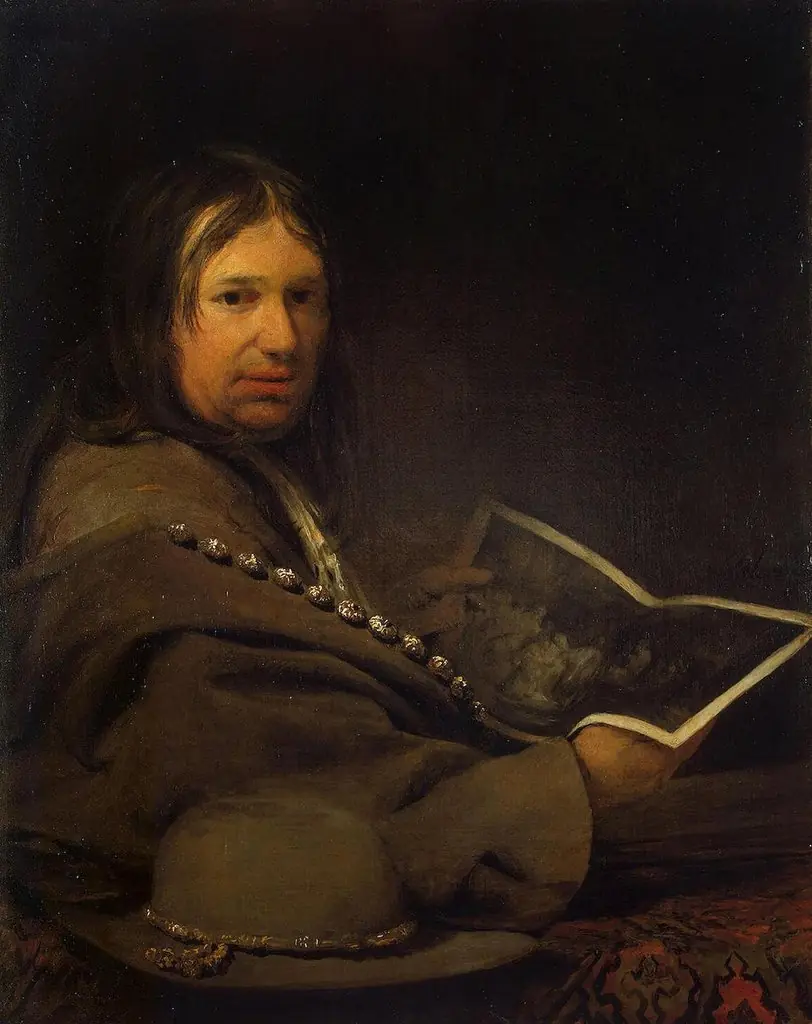 Portrait of a Collector
- Portrait of a Man in Eastern Attire
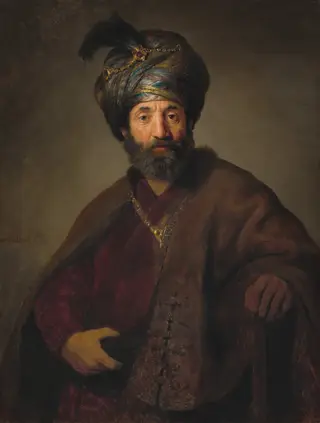 Man in Oriental Costume
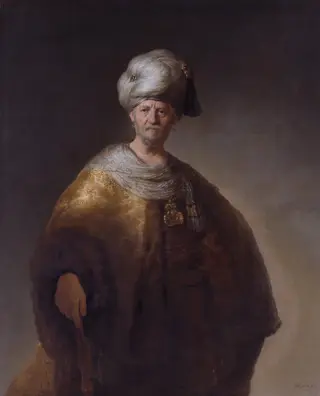 Man in Oriental Costume ("The Noble Slav" or "Man in a Turban")
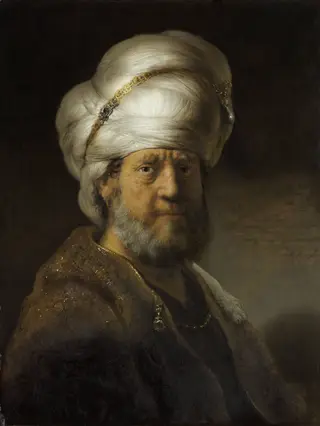 Man in Oriental Dress
 Haman recognizes his fate
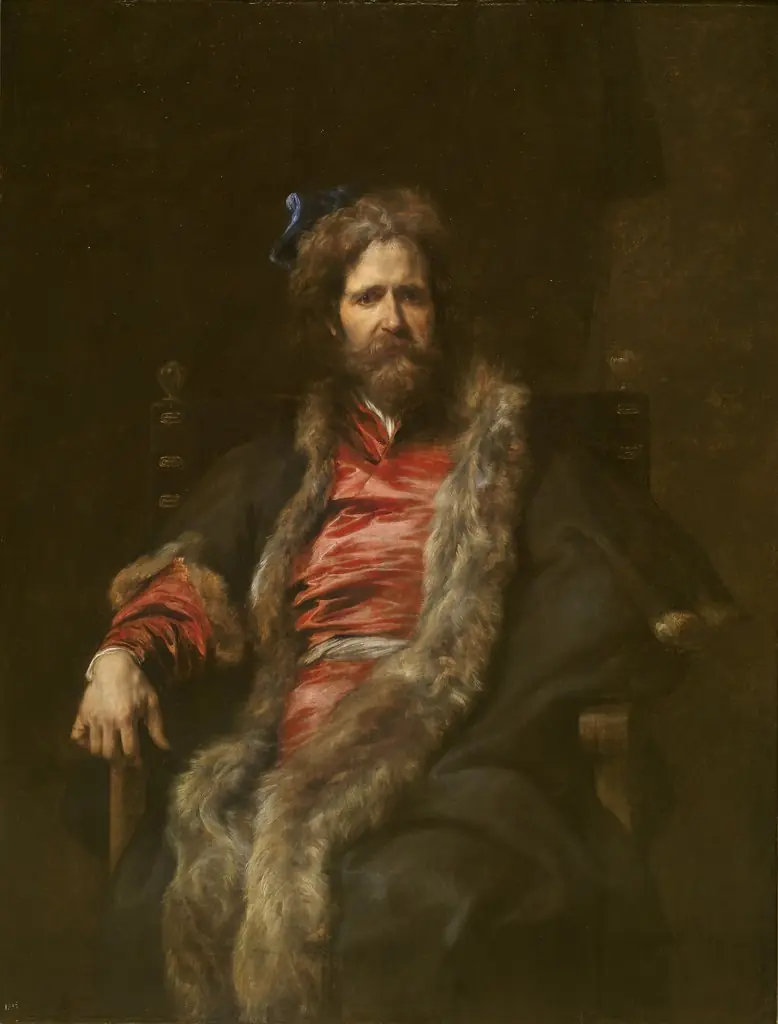 The Painter Martin Ryckaert
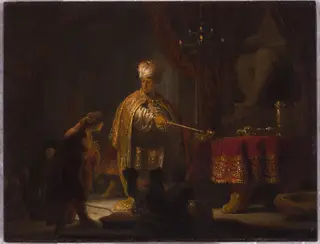 Daniel and Cyrus Before the Idol Bel
 Seated old man with a cane in fanciful costume
 En samling tyrkiske mænd
 The Vision of Zacharias in the Temple
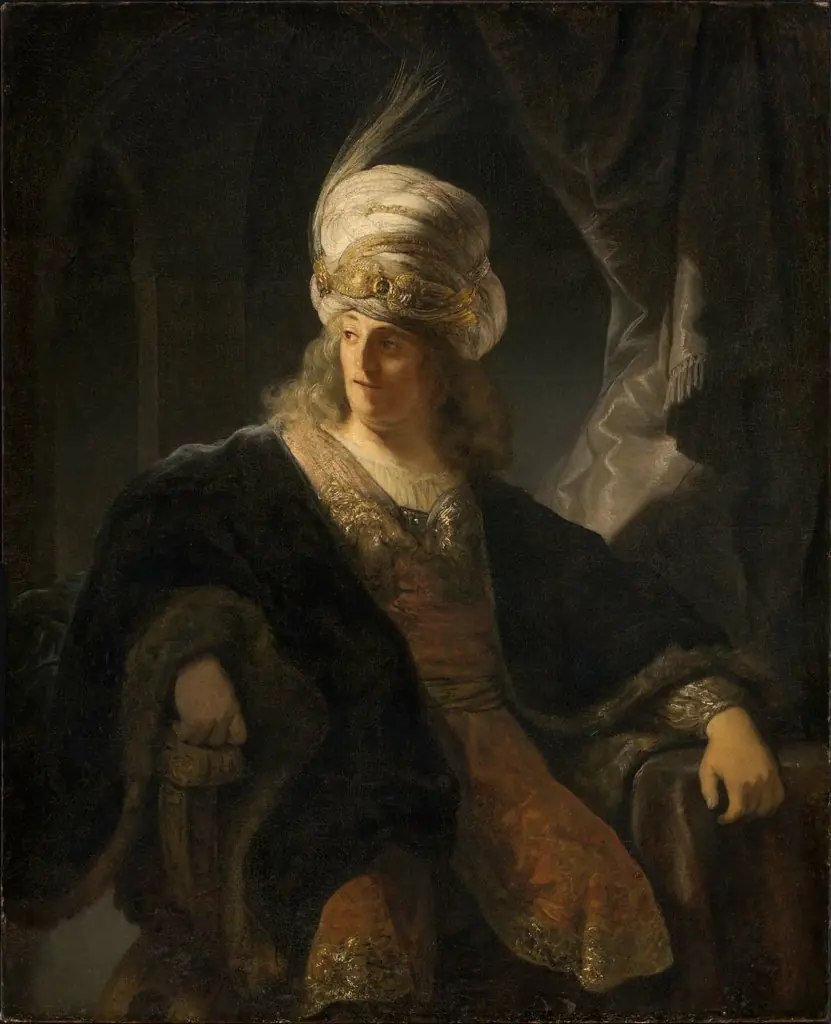 Young Man in Oriental Costume
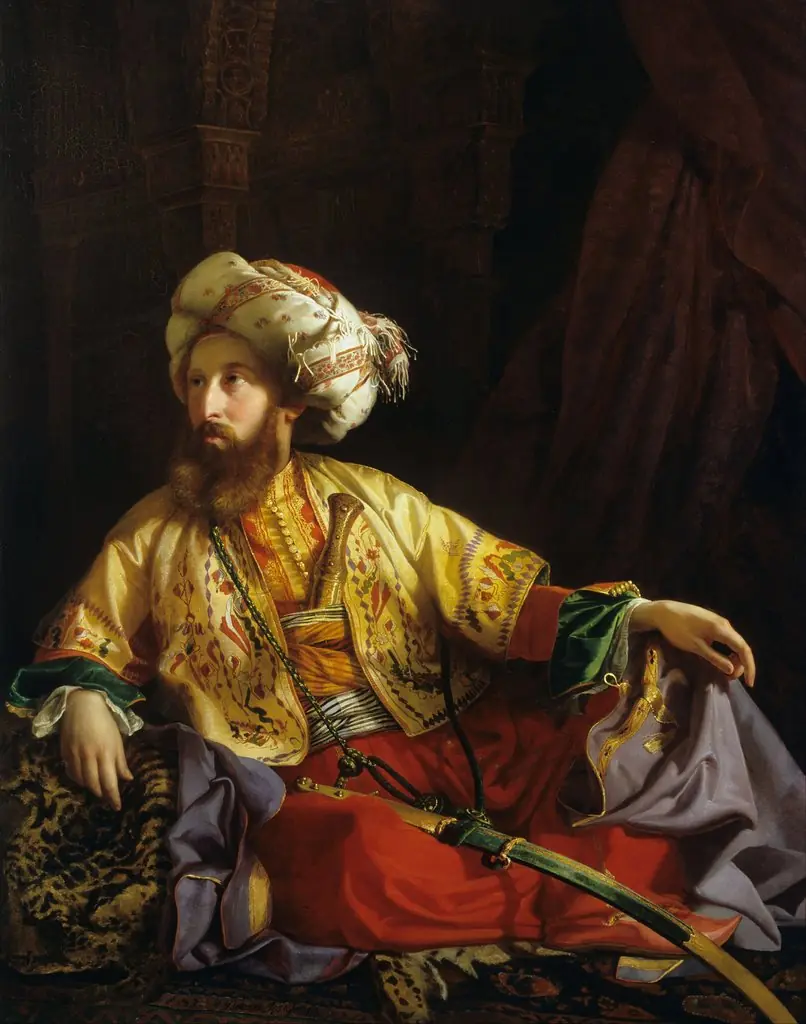 Emir of Lebanon