Artwork
Portrait of Adriaen Pietersz van de Venne (1589-1662)
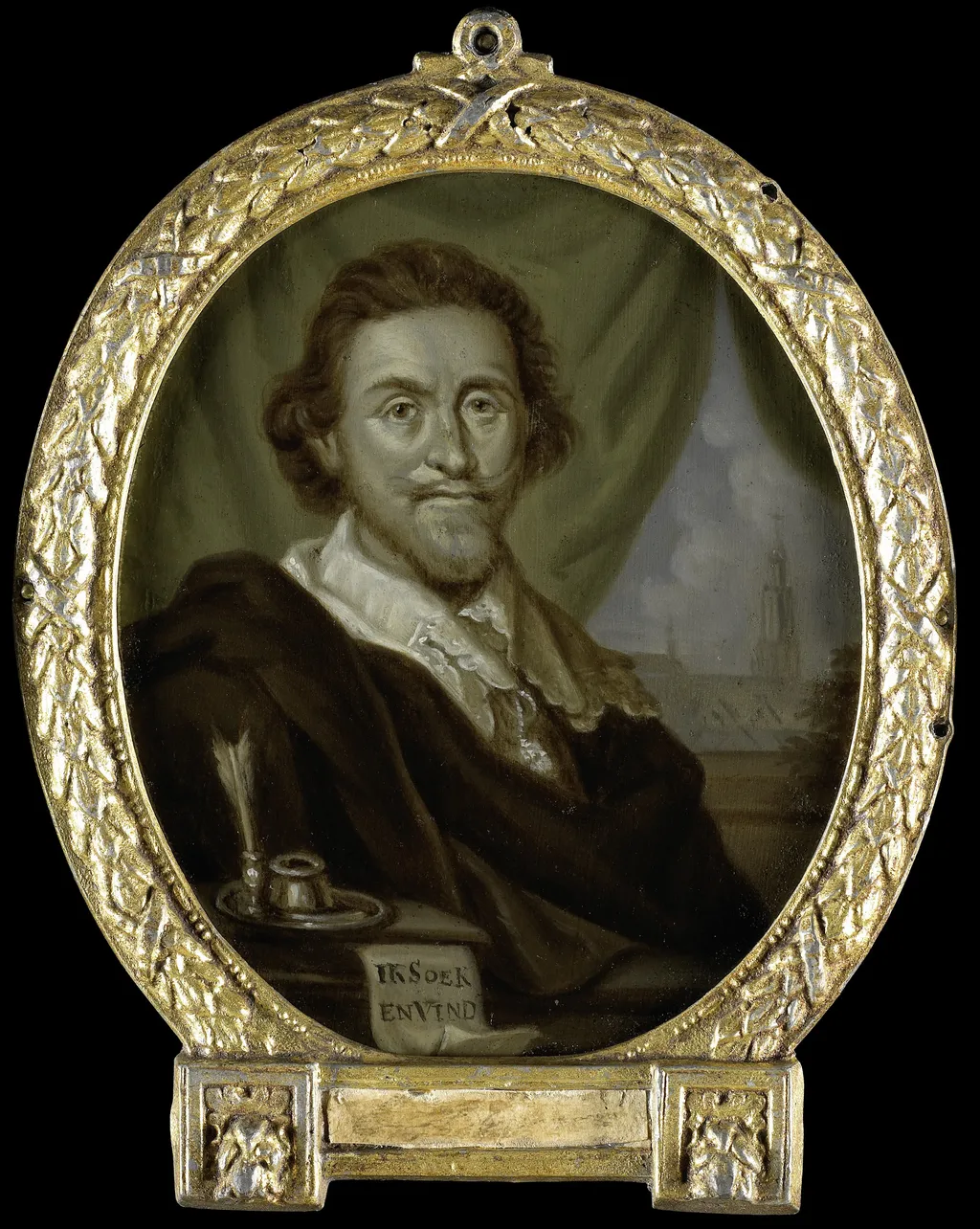
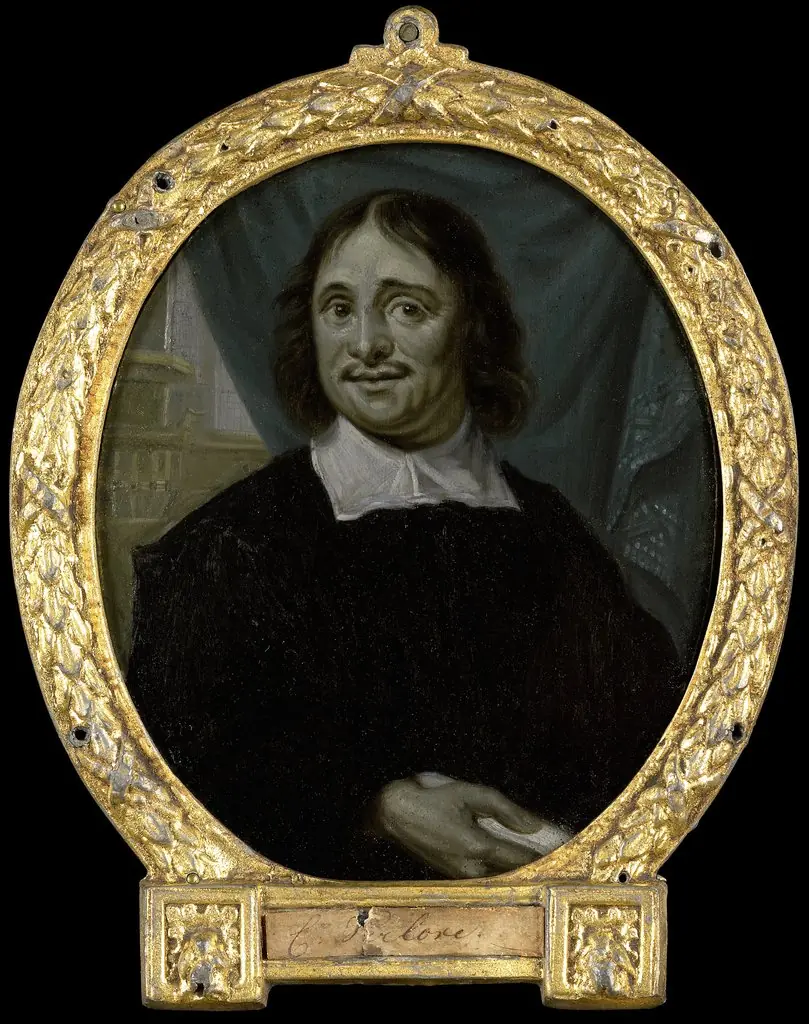
Portrait of Adriaen Pietersz van de Venne (1589-1662) is an oil painting by the Rococo painting artist Arnoud van Halen. It dates from 1716 and is held in the collection of the Rijksmuseum. Arnold van Halen’s 1716 portrait presents Adriaen Pietersz van de Venne, a Dutch figure from the early seventeenth century.
About this work
Subject & Meaning
As a formal portrait, the image serves to memorialize van de Venne's legacy within the artistic community, capturing his likeness decades after his passing.
The work depicts Adriaen Pietersz van de Venne (1589–1662), a prominent Dutch Golden Age painter and poet, portrayed as the main subject of this 1716 portrait by Arnoud van Halen. Executed in oil paint on a tin support, the piece functions as a posthumous commemoration created more than fifty years after the sitter's death. As a formal portrait, the image serves to memorialize van de Venne's legacy within the artistic community, capturing his likeness decades after his passing. The painting currently resides in the Rijksmuseum collection in Amsterdam.
Technique & Style
Executed in 1716 by Arnoud van Halen, this portrait utilizes oil paint applied onto a tin support. The work is classified as a painting within the portrait genre, depicting the figure of Adriaen Pietersz van de Venne. Physically, the piece measures 11 cm in height and 9.5 cm in width, indicating a small-scale format.
The combination of oil medium with a metallic tin ground represents the specific material construction of the artwork as held in the Rijksmuseum collection.
Legacy
The portrait of Adriaen Pietersz van de Venne painted by Arnoud van Halen in 1716 has been cited as an influential example of early Dutch portraiture that informed later genre works within the Rijksmuseum's collection. Its representation in the museum's holdings underscores its significance in the historical trajectory of portrait painting, contributing to scholarly discussions of artistic lineage and stylistic development. The work's inclusion in the museum's catalog highlights its enduring reputation as a representative piece of 18th-century portraiture, reflecting the artist's role in shaping contemporary portrait conventions.
Its legacy is further evidenced by its continued study and display as part of the Rijksmuseum's permanent collection, illustrating its lasting impact on the understanding of Dutch portraiture.
Overview
Arnold van Halen’s 1716 portrait presents Adriaen Pietersz van de Venne, a Dutch figure from the early seventeenth century. Rendered in an oval tin frame with a gilded border, the work is part of the Rijksmuseum’s collection. The composition isolates the sitter against a dark, unadorned backdrop, drawing focus to his expression and attire.
History & Provenance
Created by the Amsterdam artist Arnoud van Halen in 1716, the painting entered the Rijksmuseum’s holdings as part of its early‑modern Dutch portrait collection. Its provenance traces back to the artist’s workshop, where it likely served as a commemorative piece for van de Venne’s descendants or a civic institution.
Context
Van Halen worked during a period when Dutch portraiture emphasized civic virtue and personal achievement. The inclusion of a motto and the sitter’s dignified attire align with contemporary practices of commemorating notable individuals within the Republic’s merchant and artistic circles.
Own this work as a print
Artist & collection

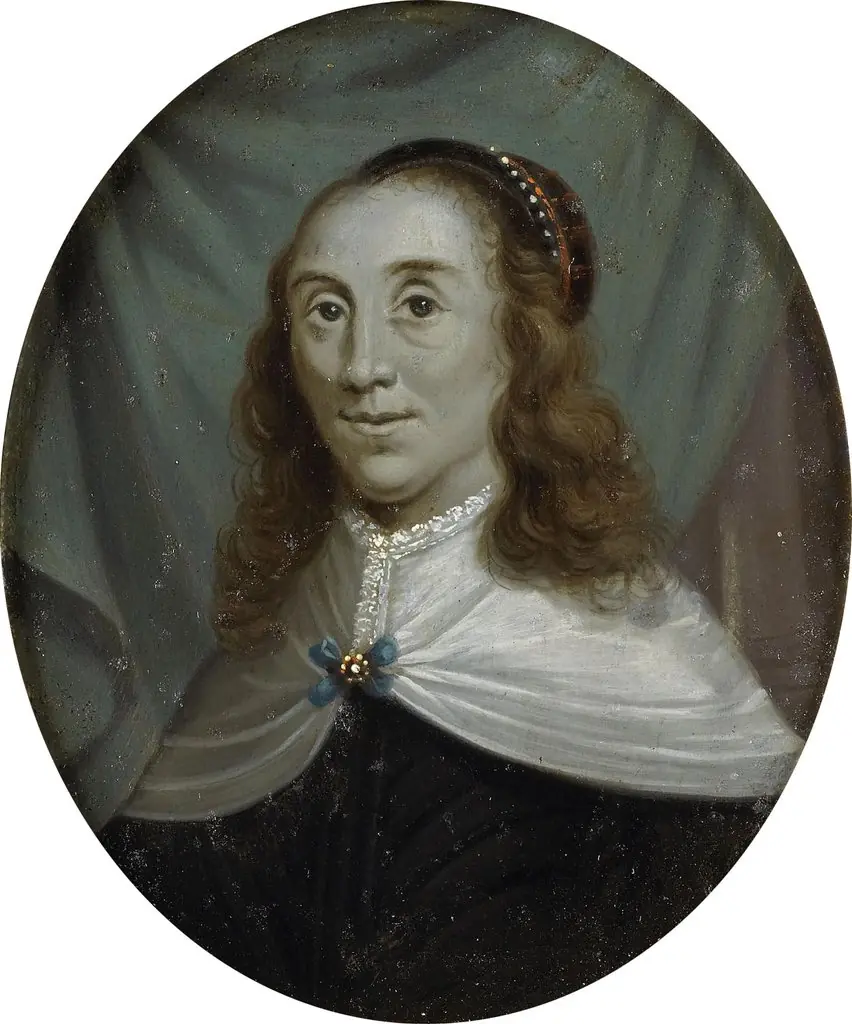 Portrait of Sibylle van Griethuysen (ca.1620-na 1662)
- Portrait of Pieter Verhoek (1633-1702)
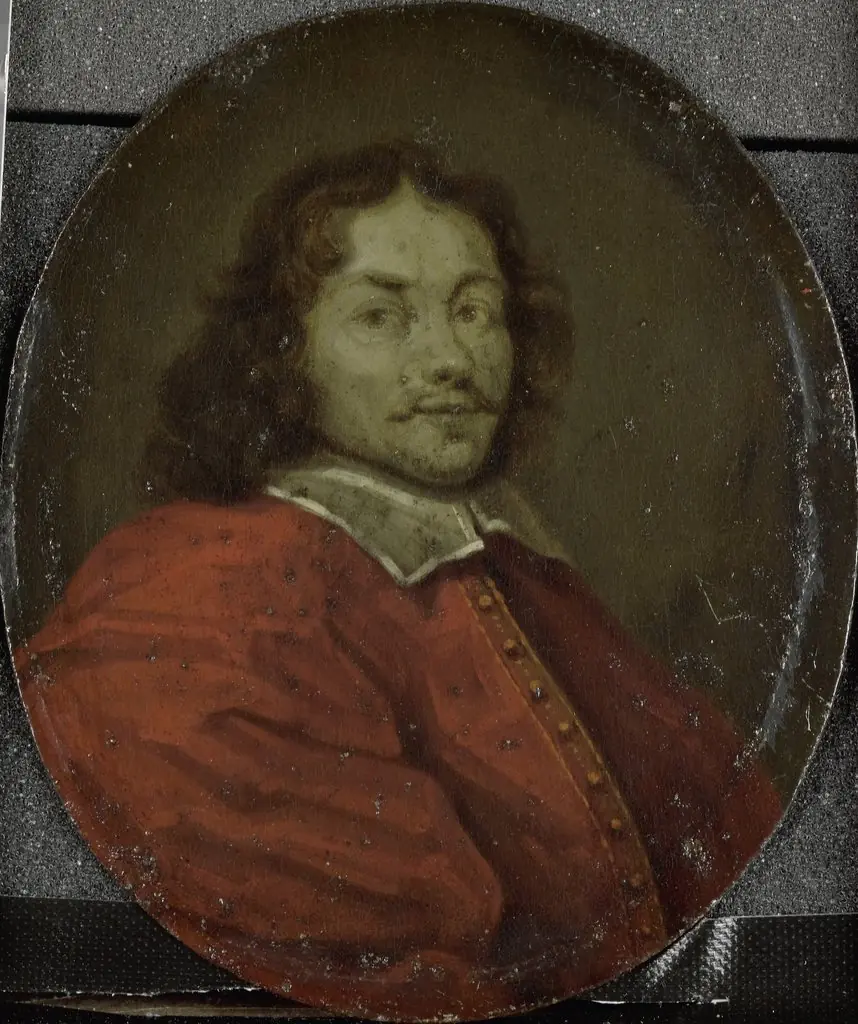 Portrait of Matthijs Gansneb, called Tengnagel, Poet in Amsterdam
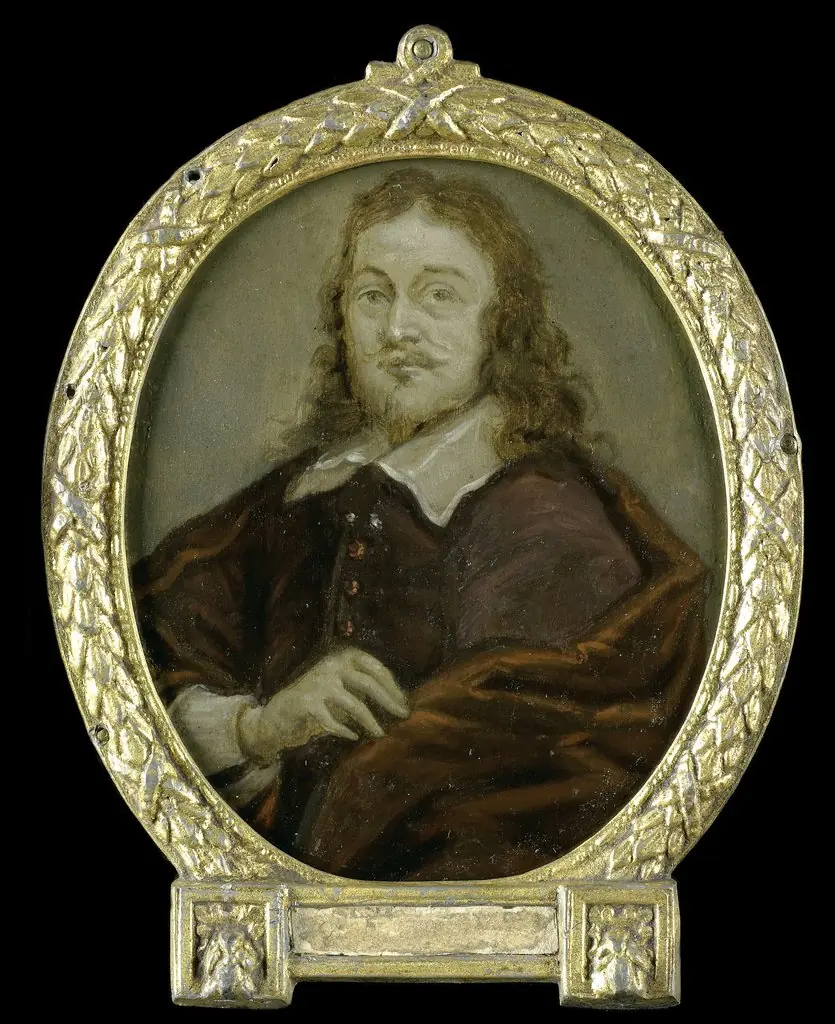 Portrait of the painter Bonaventura Peeters I (1614-52)
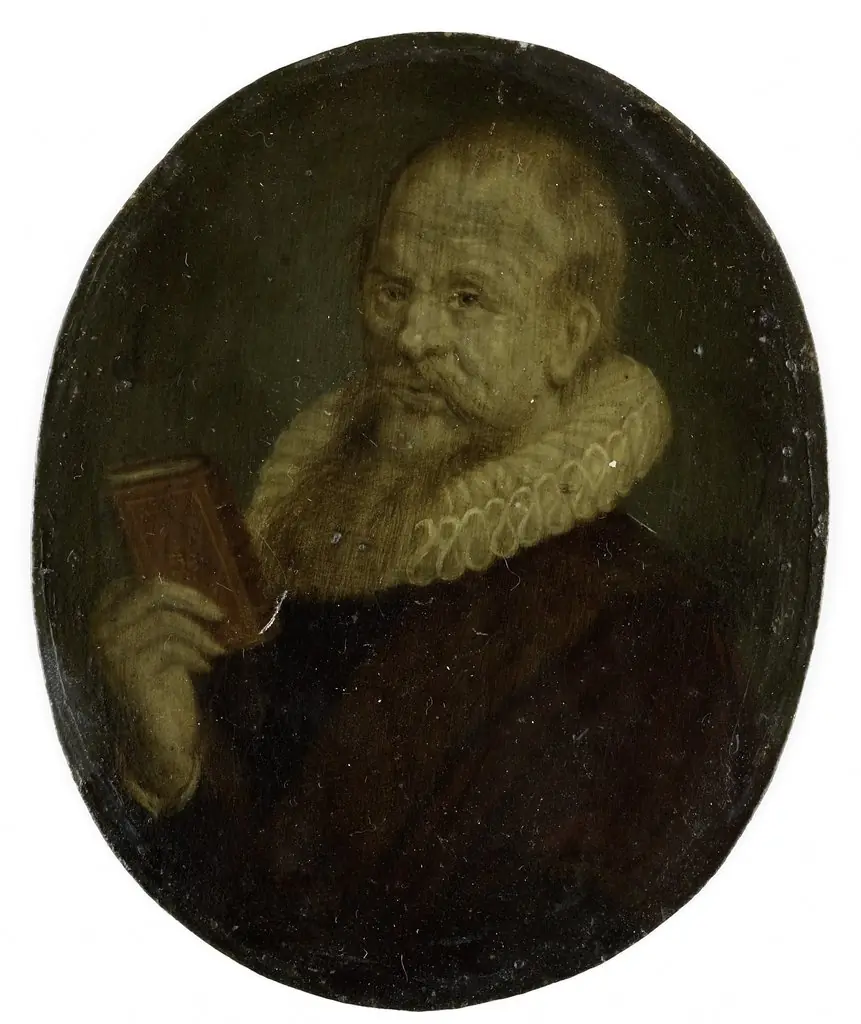 Portrait of Theodorus Schrevelius (1572-1653)
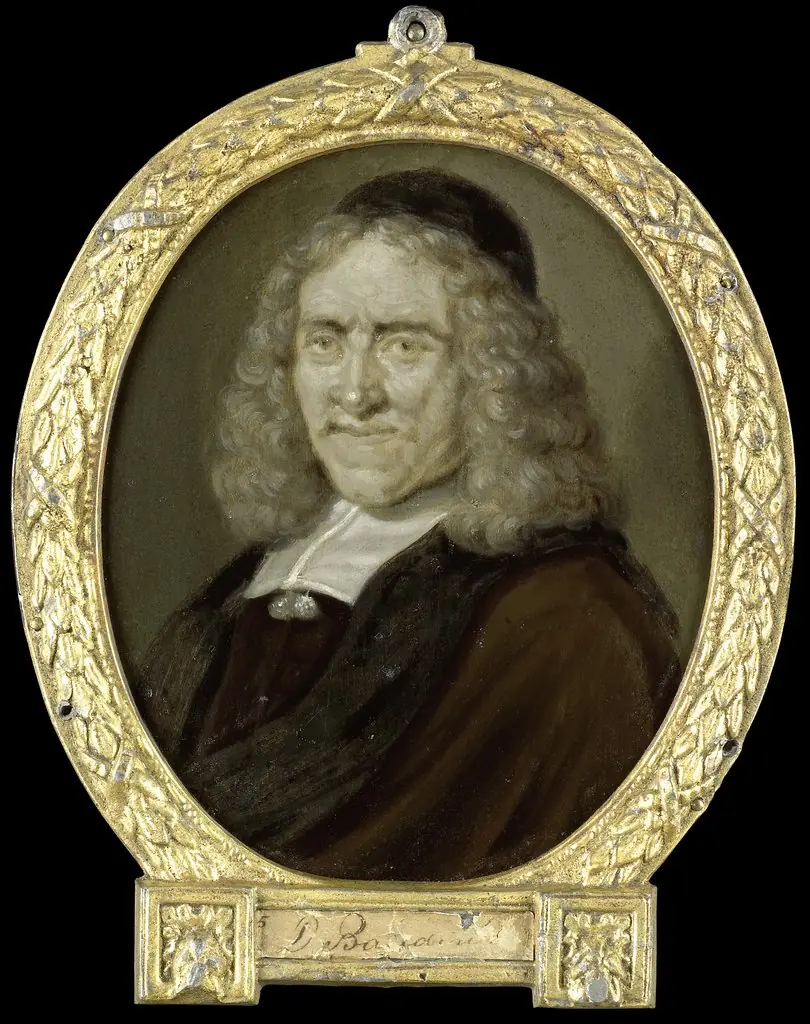 Portrait of Willem Jacobsz van Heemskerck, Poet and Engraver on Glass
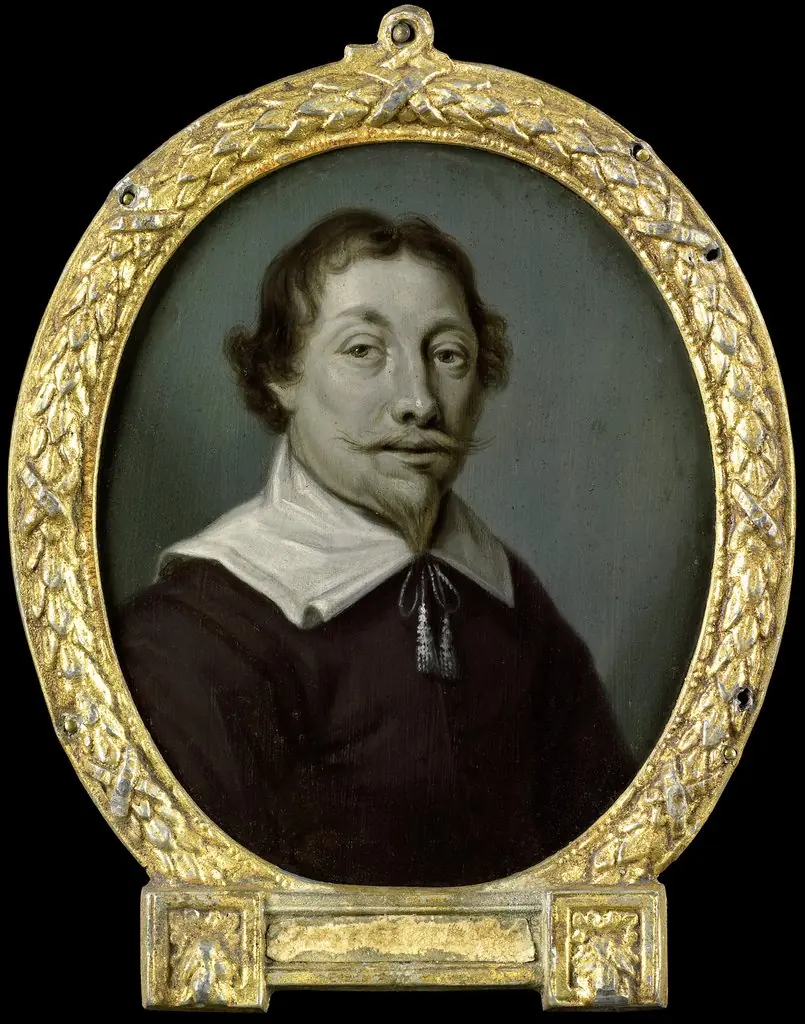 Portrait of Jan van der Veen, Pharmacist and Poet in Deventer
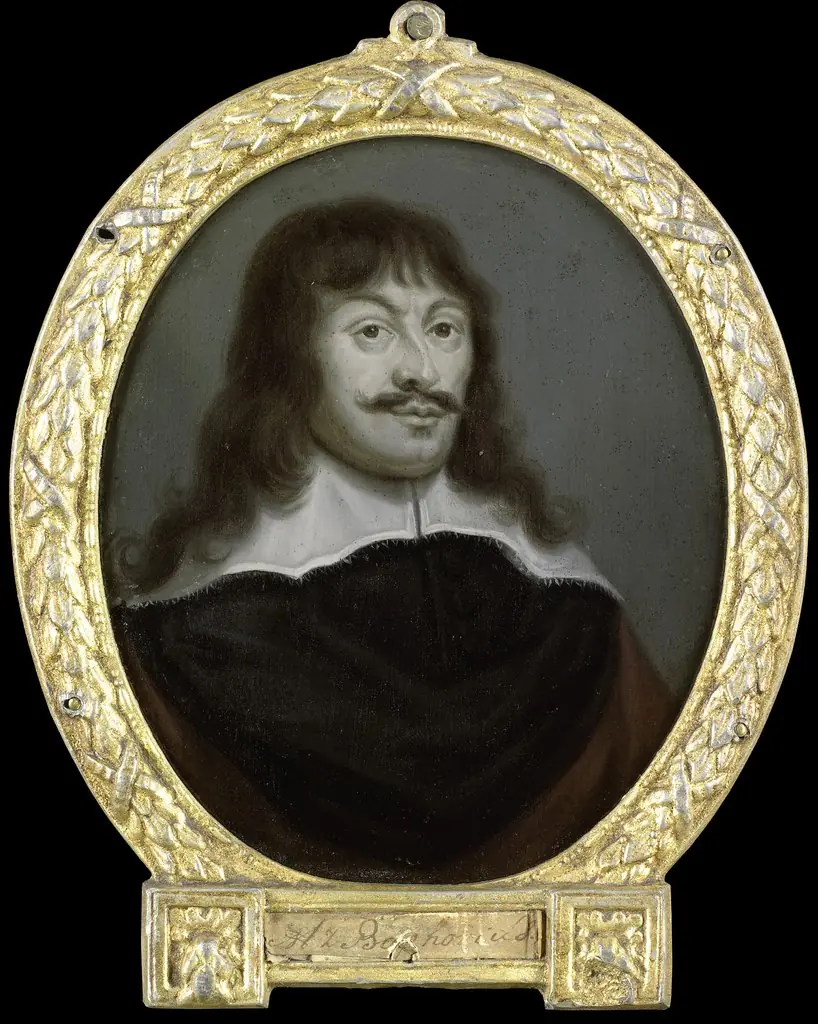 Portrait of Marcus Zuërius van Boxhorn, Historian and Professor at Leiden
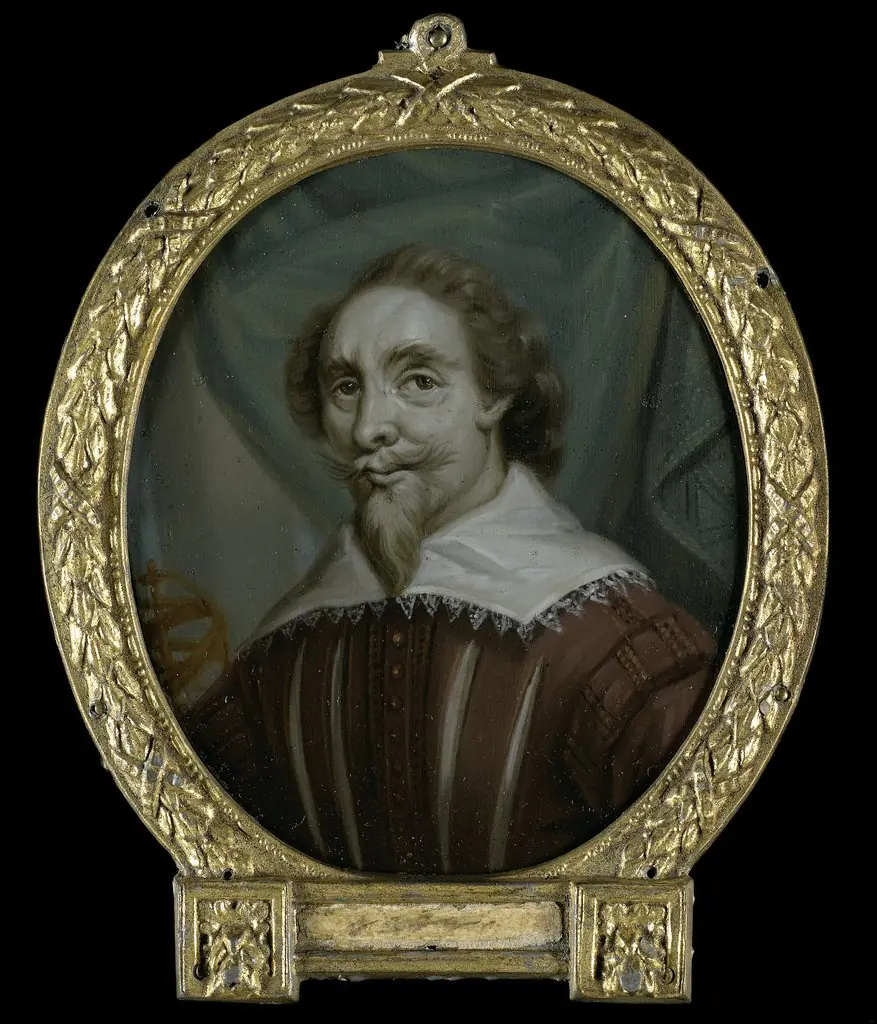 Portrait of Petrus Baard, Physician and Poet from Leeuwarden
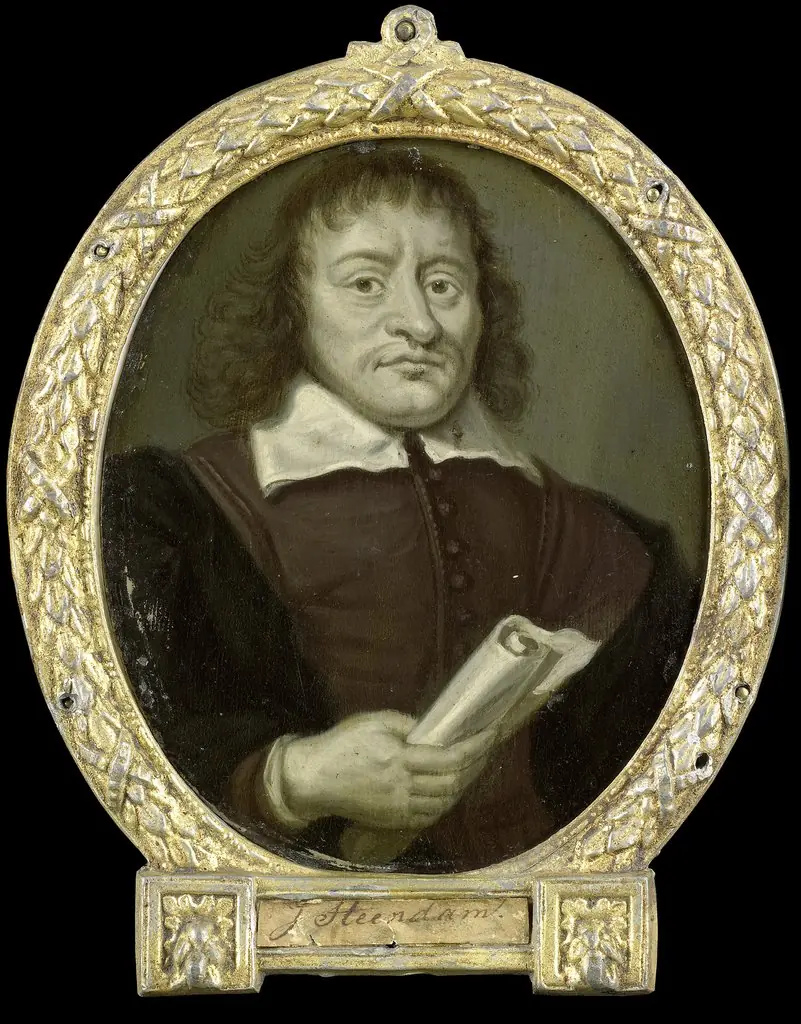 Portrait of Hendrik Bruno, Poet and Co-Rector of the Latin School in Hoorn
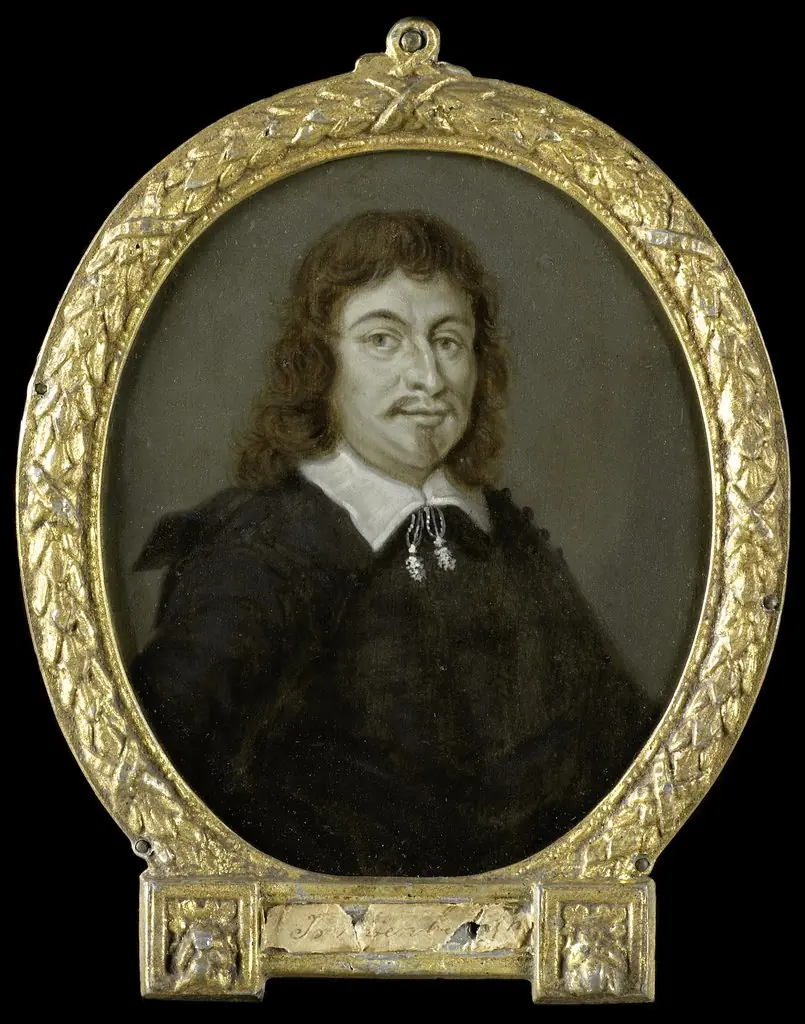 Portrait of Johan van Nijenborgh, Poet in Groningen
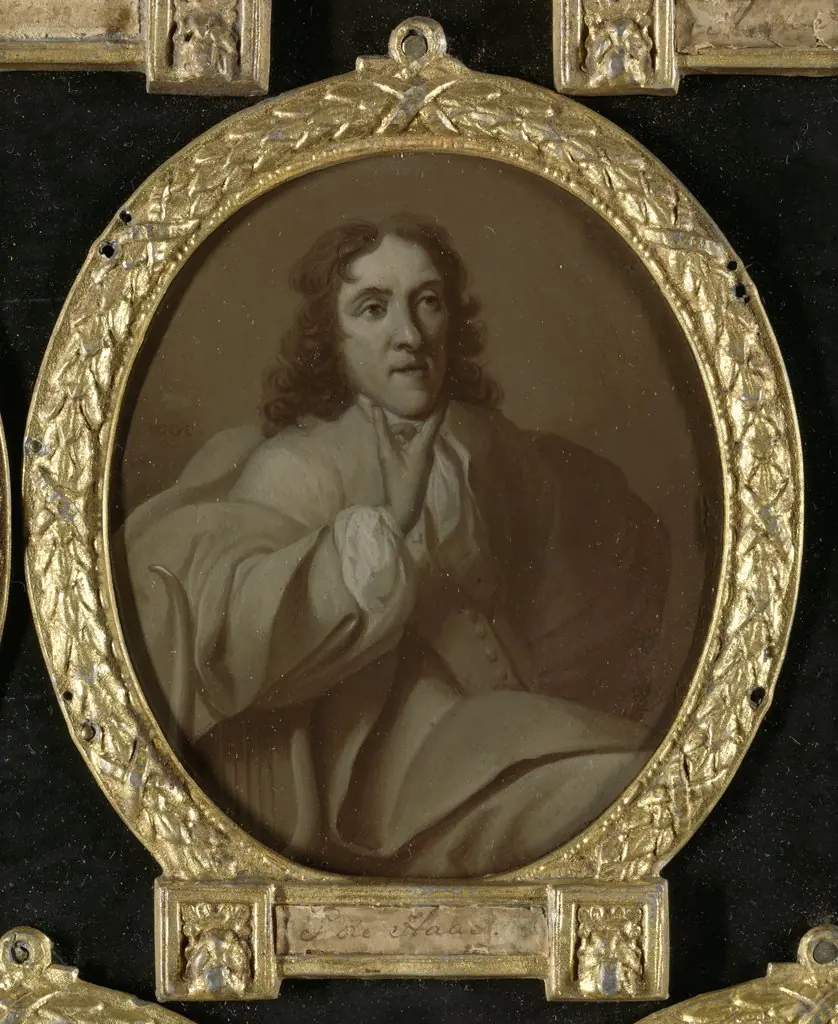 Portrait of Frans de Haes, Poet and Linguist in Rotterdam
 Portrait of Jacob Jacobsz Steendam, Poet and Historian in Amsterdam, New Amsterdam and Batavia
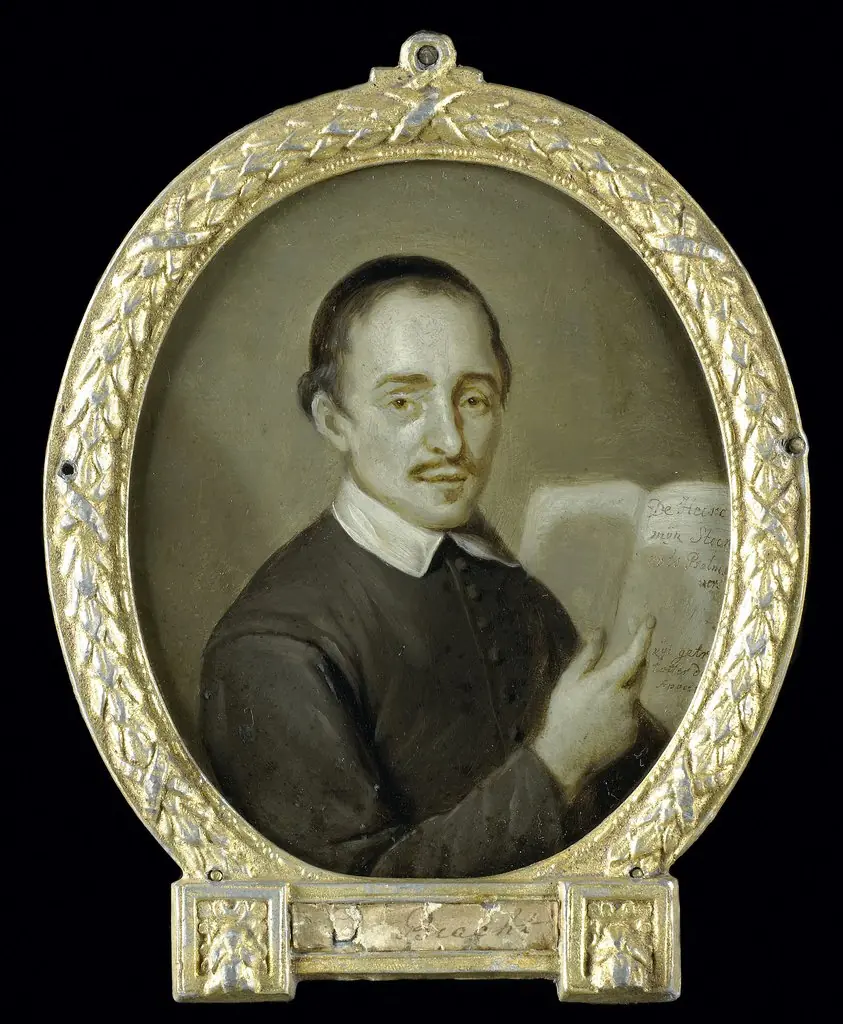 Portrait of Tieleman Jansz van Bracht, Clergyman and Poet in Dordrecht
 Portrait of Karel Verloove, Poet in Amsterdam