Artwork
Portrait of David Lingelbach I, Founder of the Nieuwe Doolhof (New Labyringh), Amsterdam
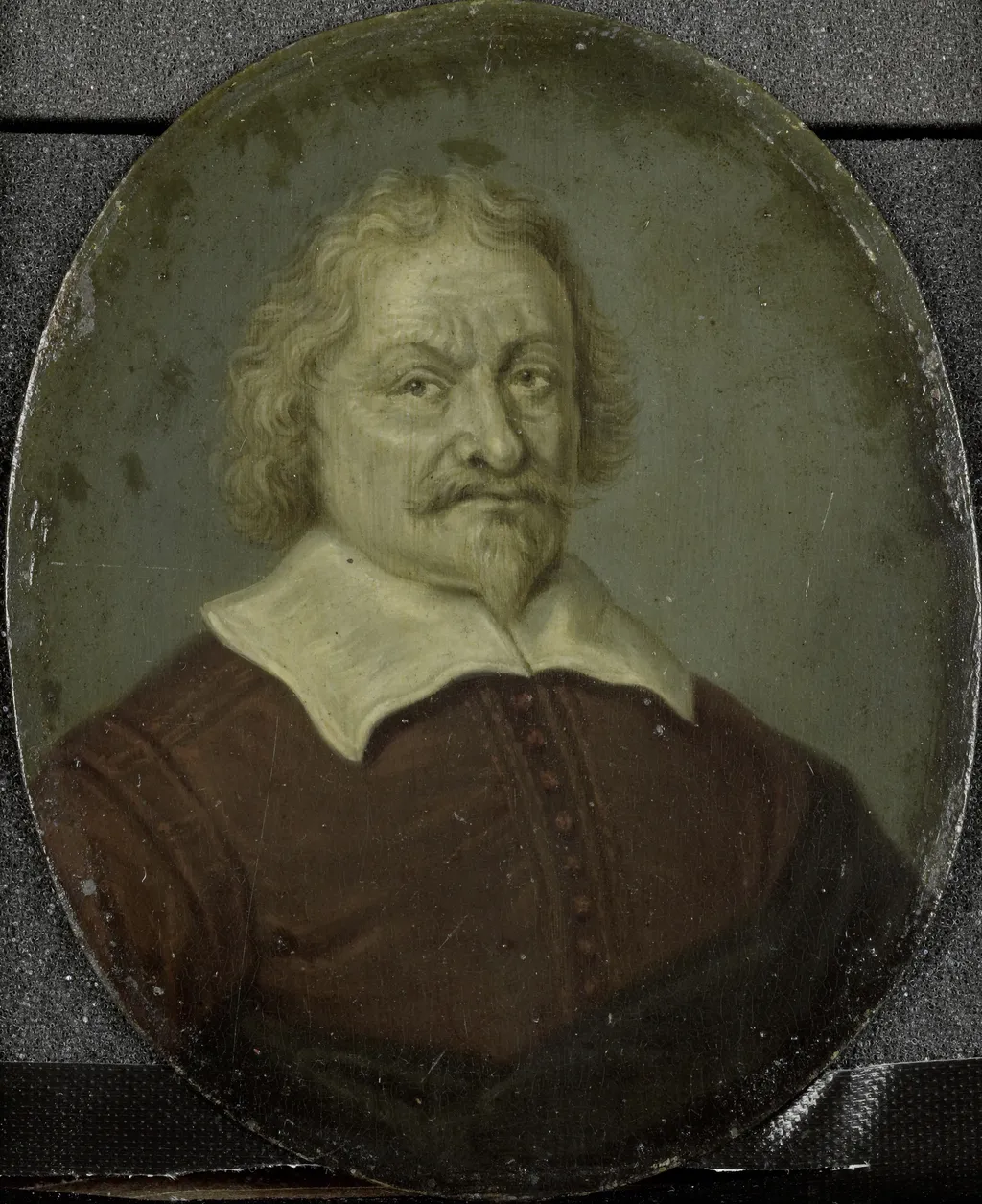
Portrait of David Lingelbach I, Founder of the Nieuwe Doolhof (New Labyringh), Amsterdam is an oil painting by the Rococo painting artist Arnoud van Halen. It dates from 1716 and is held in the collection of the Rijksmuseum.
About this work
Technique & Style
Executed in 1716 by Arnoud van Halen, this portrait is an oil painting applied directly onto a tin support. The work is characterized by its small scale, measuring 11 cm in height and 9.5 cm in width. As a formal portrait, the piece focuses on the depiction of David Lingelbach I, utilizing the specific combination of oil pigments and metal panel that defines its material composition.
History & Provenance
Among its early owners was Michiel de Roode, and Arnoud van Halen himself is recorded as having possessed the painting.
The portrait was created in 1716 by Arnoud van Halen, executed in oil on tin in a small format measuring 11 by 9.5 cm. The work depicts David Lingelbach I, founder of the Nieuwe Doolhof in Amsterdam. Among its early owners was Michiel de Roode, and Arnoud van Halen himself is recorded as having possessed the painting. It is now held jointly by the Rijksmuseum and the Amsterdam Museum.
No specific details regarding the circumstances of the commission, the sitter's relationship to the artist, or a fuller chain of ownership beyond the named owners are documented in the available sources.
The portrait is held in the collection of the Rijksmuseum and the Amsterdam Museum, as recorded in its Wikidata entry. Earlier ownership is documented with Arnoud van Halen and Michiel de Roode listed as former owners. No specific inventory or accession numbers, and no exhibition history, are provided in the available sources.
Legacy
The portrait remained within the van Eyck family circle before passing to descendants such as Michiel de Roode, ensuring its preservation through generations. Its inclusion in the Rijksmuseum and Amsterdam Museum collections established it as a reference point for scholars studying 18th-century Dutch portraiture, influencing later interpretations of civic identity in Amsterdam. The work's attribution to Arnoud van Halen reinforced the recognition of his contribution to Dutch Golden Age painting, shaping art historical narratives about regional artistic lineages.
Overview
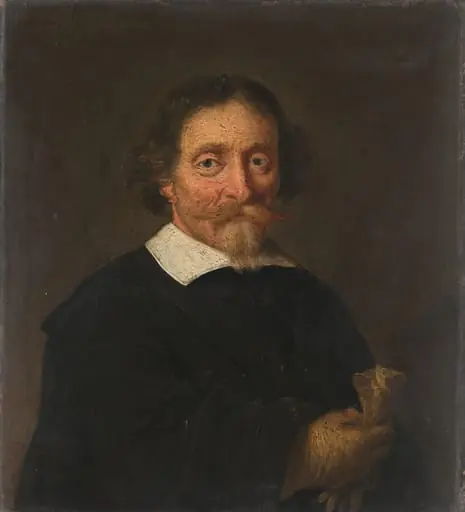
Arnoud van Halen’s 1716 portrait of David Lingelbach I, the founder of Amsterdam’s Nieuwe Doolhof, is executed on a tin panel and is part of the Rijksmuseum’s collection. The work presents a tightly framed view of the elder statesman, whose features dominate a dark, unadorned background, directing the viewer’s attention to his expression and attire.
Subject & Meaning
David Lingelbach I is depicted as a dignified figure, his curly gray hair and neatly trimmed beard suggesting both age and authority. The plain white collar and dark coat convey the modest yet respectable dress of a civic leader in early‑18th‑century Amsterdam, while the direct gaze implies confidence in his role founding the Nieuwe Doolhof, a notable urban institution of the period.
Context
The Nieuwe Doolhof, founded by Lingelbach, functioned as a charitable guild and social hub in Amsterdam, reflecting the city’s burgeoning civic infrastructure. Portraits of founders were common means of commemorating benefactors, and van Halen’s work aligns with contemporary Dutch portraiture that emphasized realism and moral gravitas over ornamental excess.
Own this work as a print
Artist & collection

 Portrait of Sibylle van Griethuysen (ca.1620-na 1662)
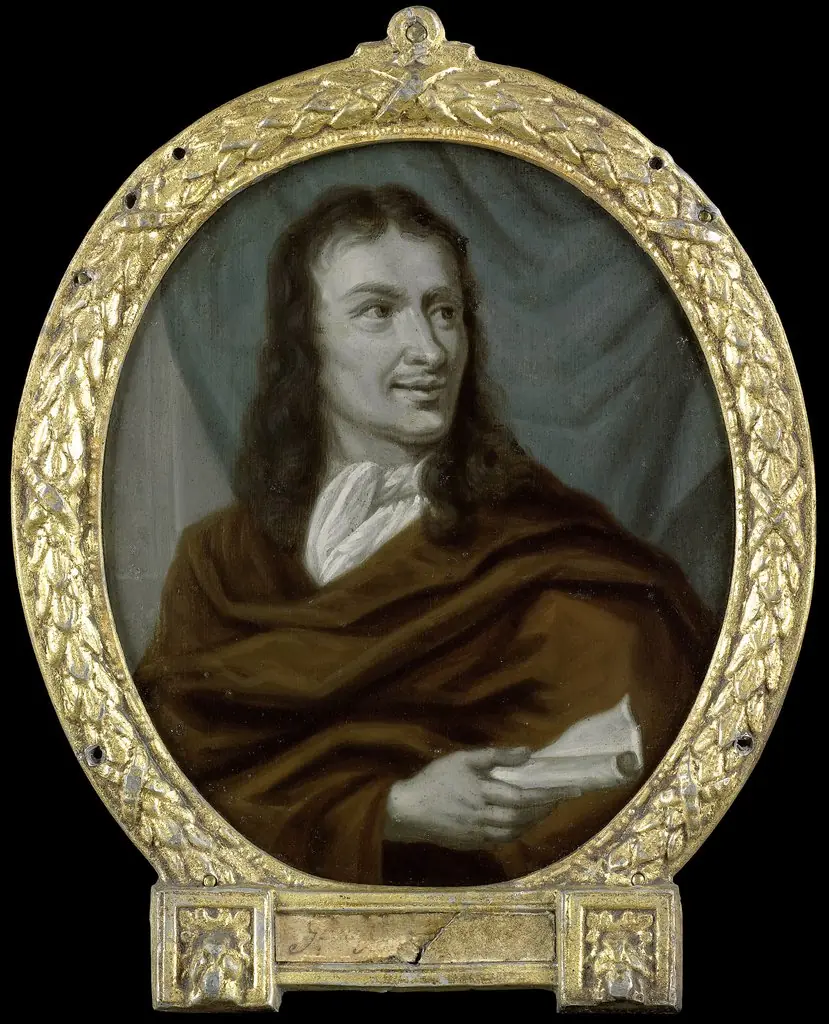 Portrait of Pieter Verhoek (1633-1702)
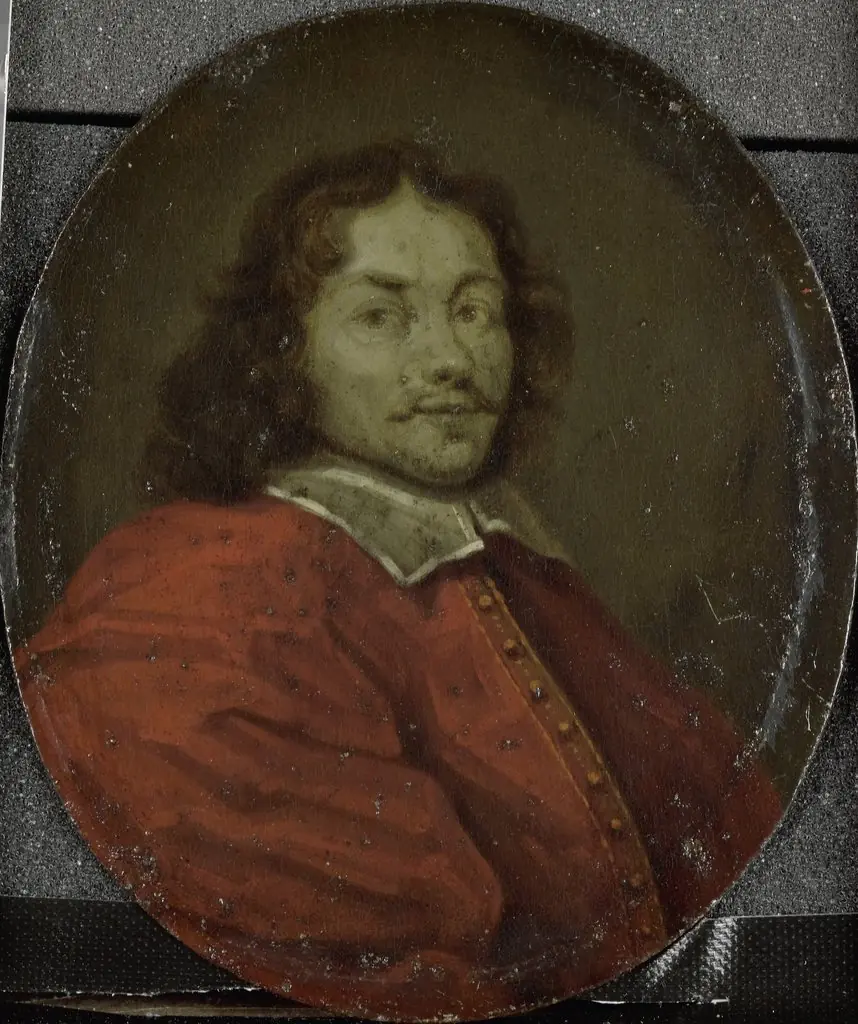 Portrait of Matthijs Gansneb, called Tengnagel, Poet in Amsterdam
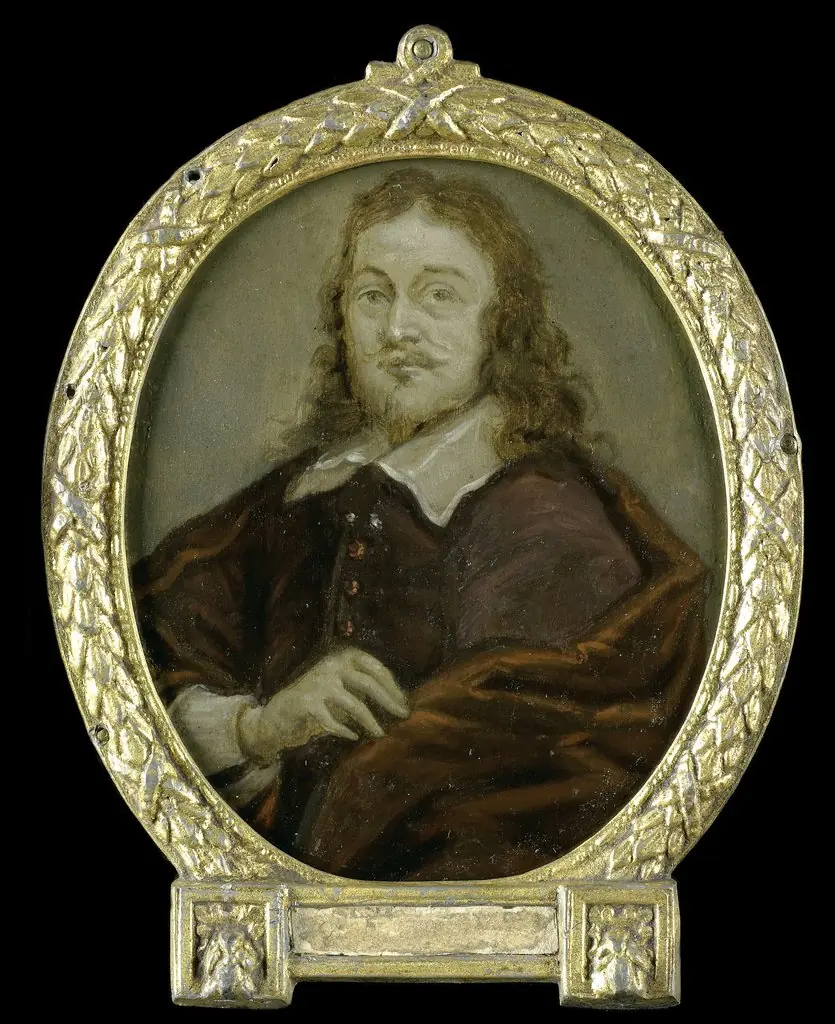 Portrait of the painter Bonaventura Peeters I (1614-52)
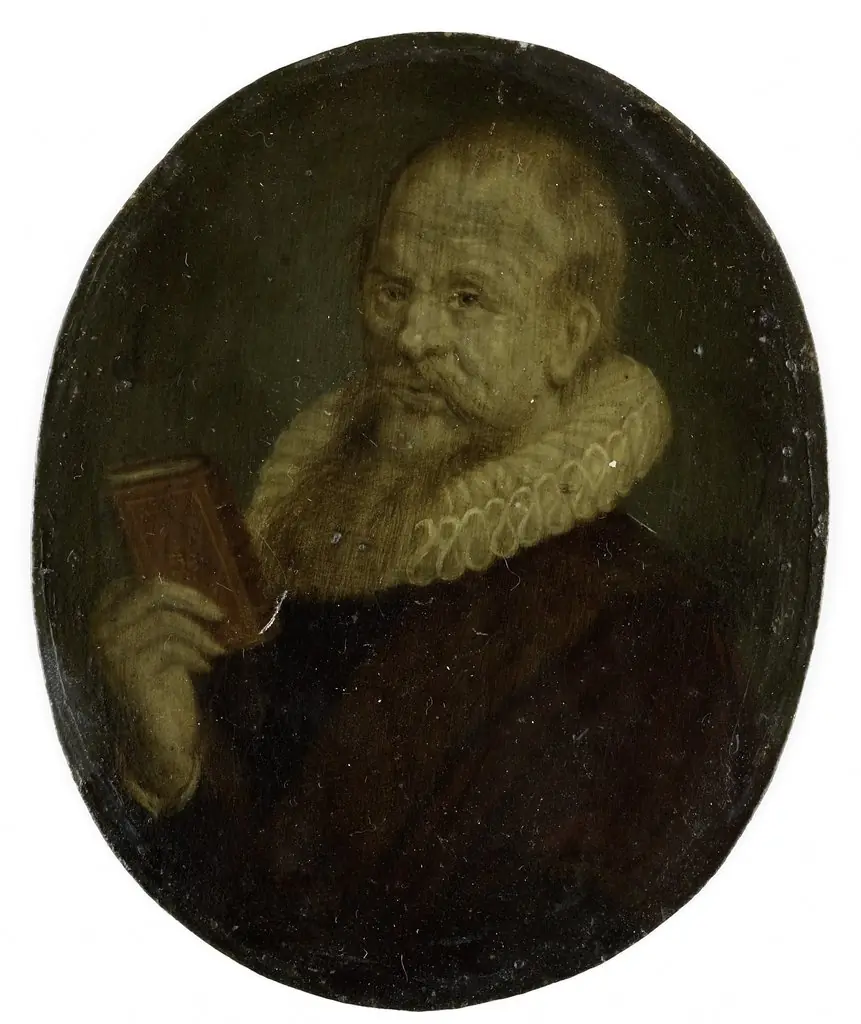 Portrait of Theodorus Schrevelius (1572-1653)
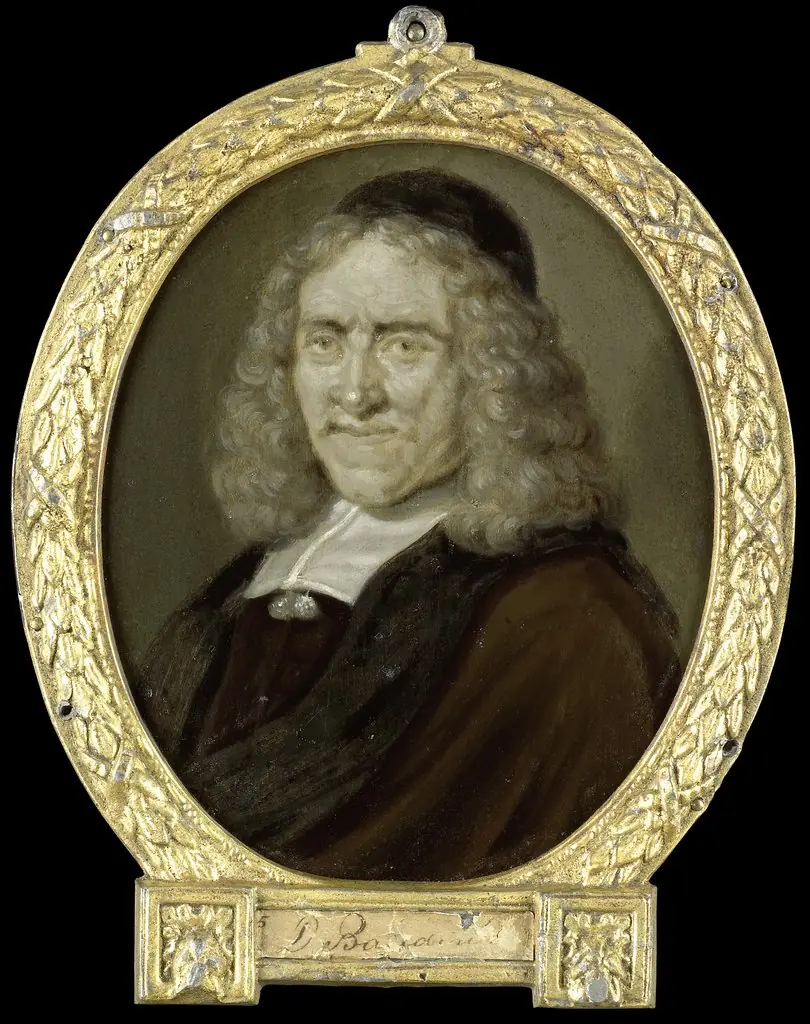 Portrait of Willem Jacobsz van Heemskerck, Poet and Engraver on Glass
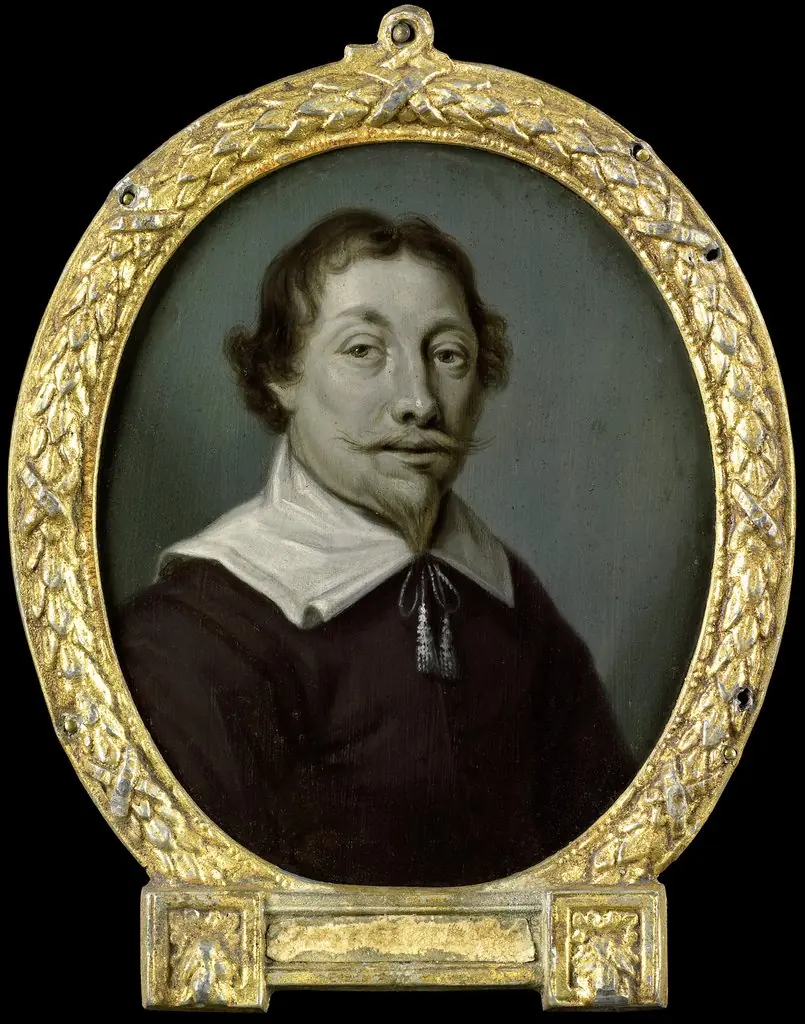 Portrait of Jan van der Veen, Pharmacist and Poet in Deventer
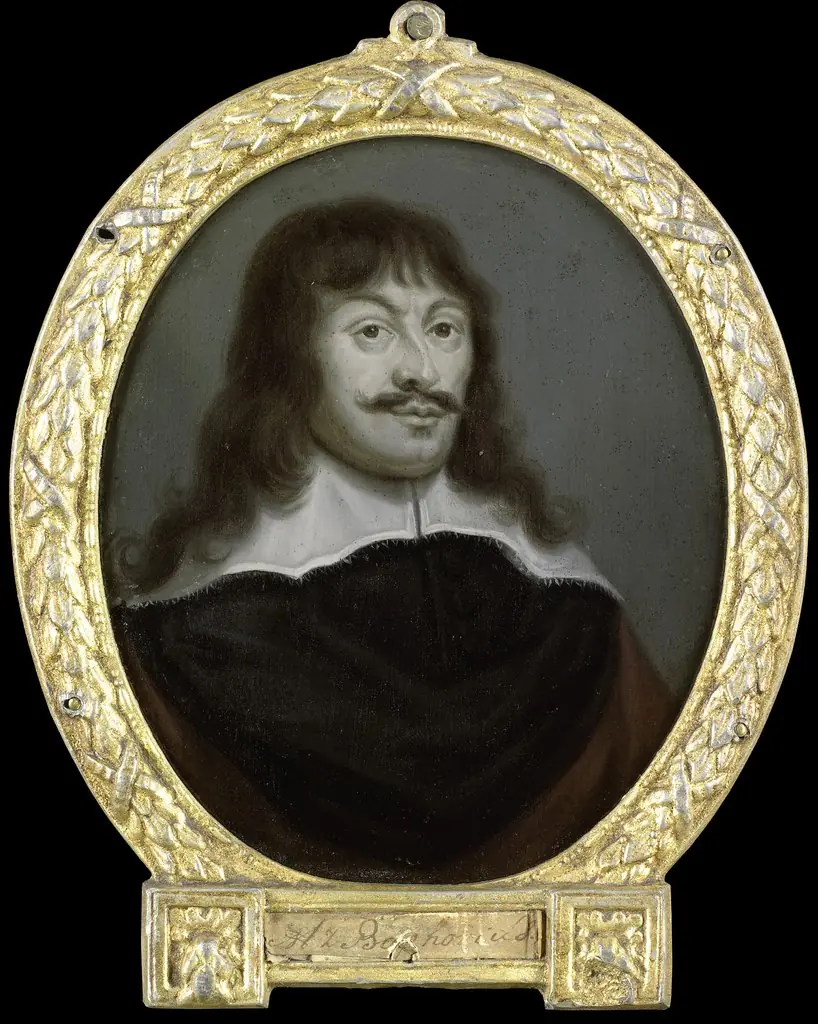 Portrait of Marcus Zuërius van Boxhorn, Historian and Professor at Leiden
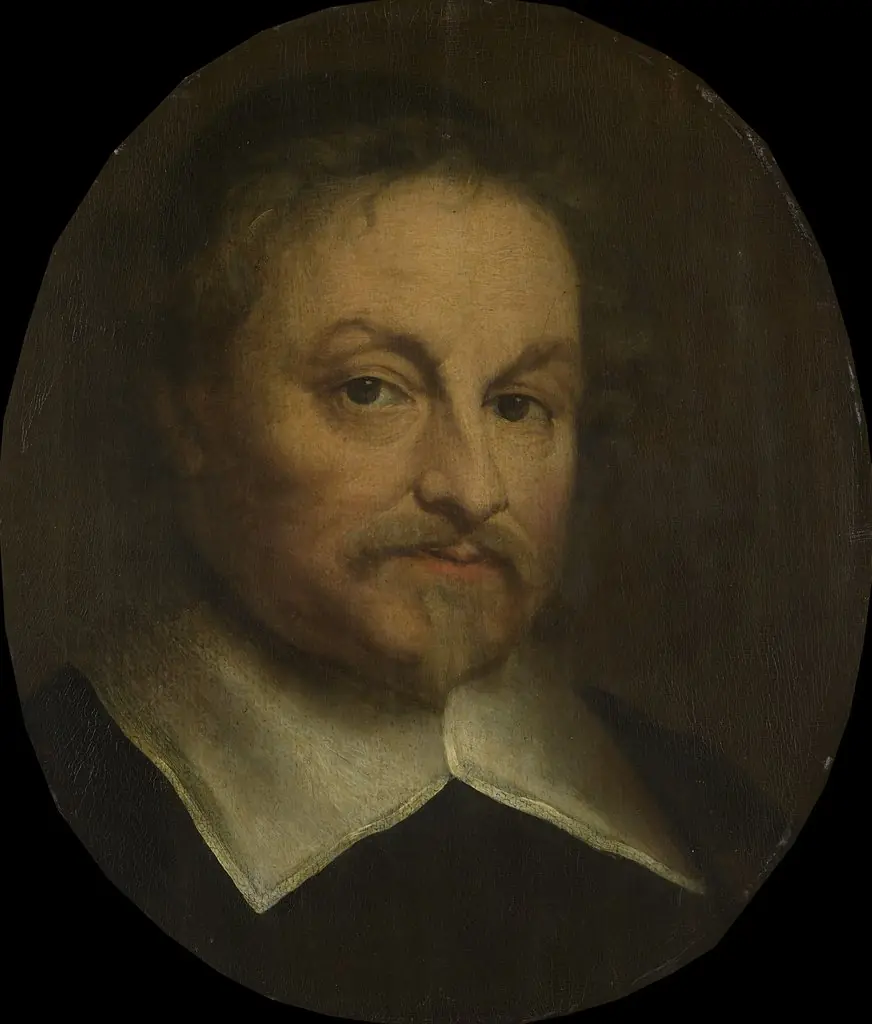 Joost van den Vondel (1587-1679). Poet
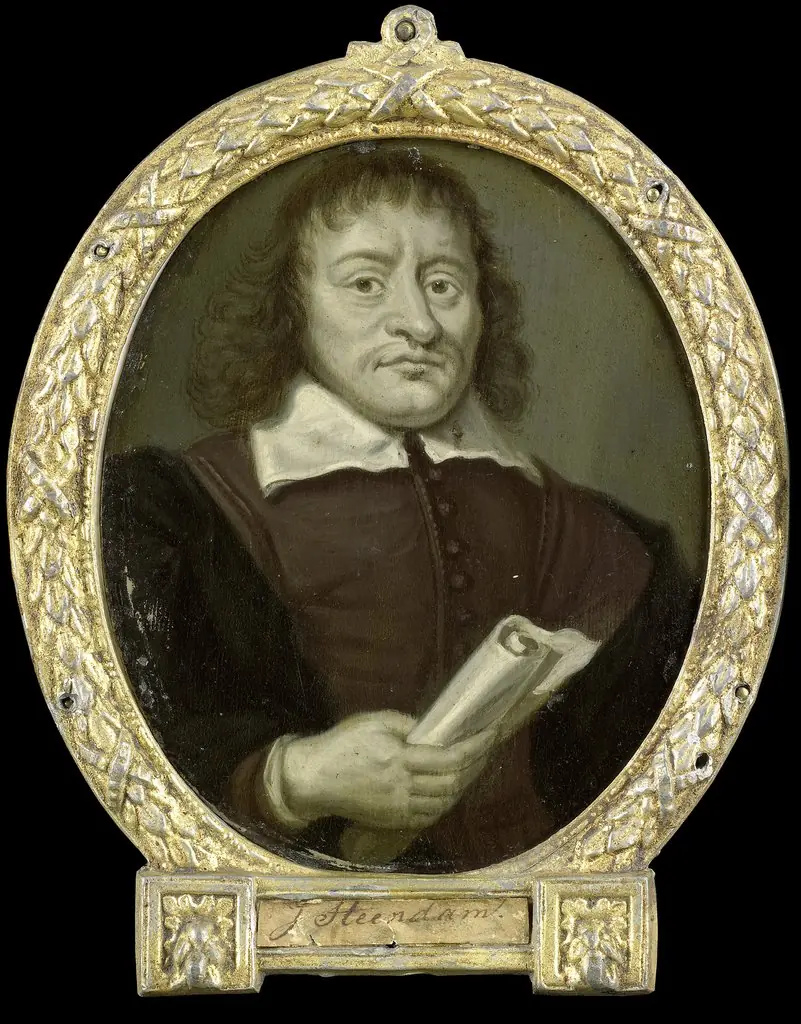 Portrait of Hendrik Bruno, Poet and Co-Rector of the Latin School in Hoorn
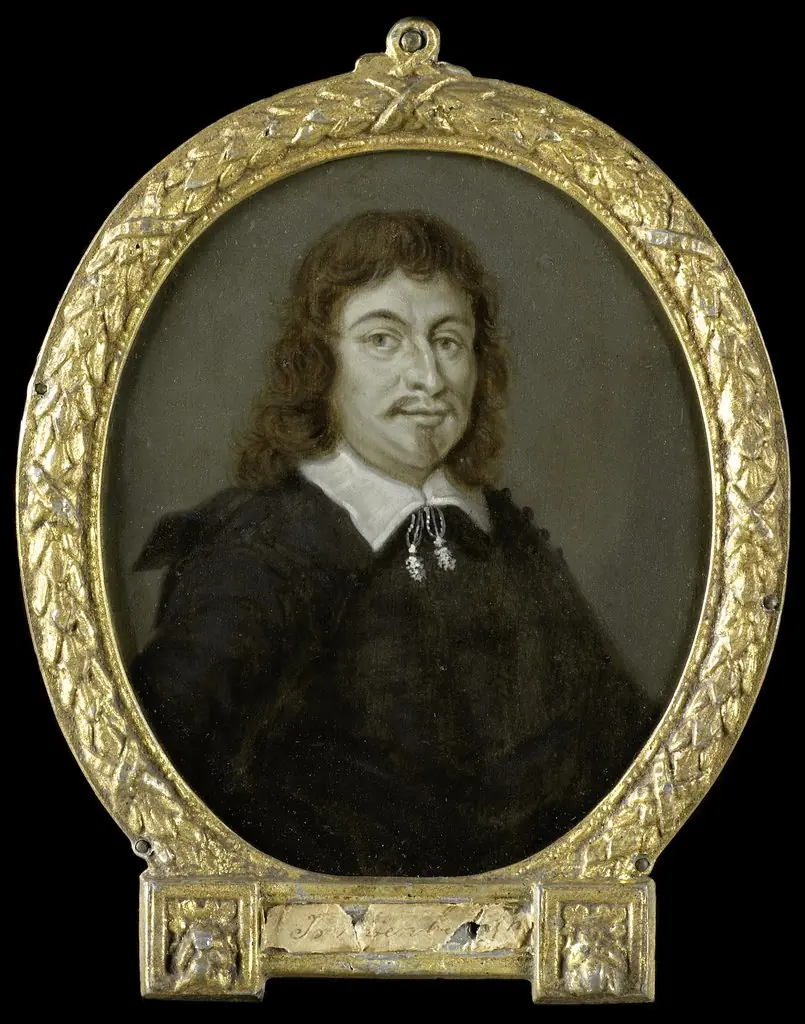 Portrait of Johan van Nijenborgh, Poet in Groningen
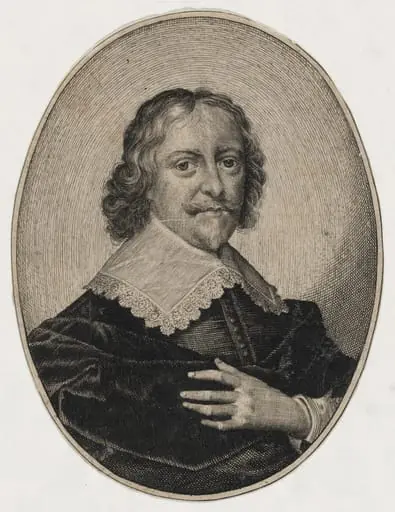 Portrait of a Man with a Broad Collar
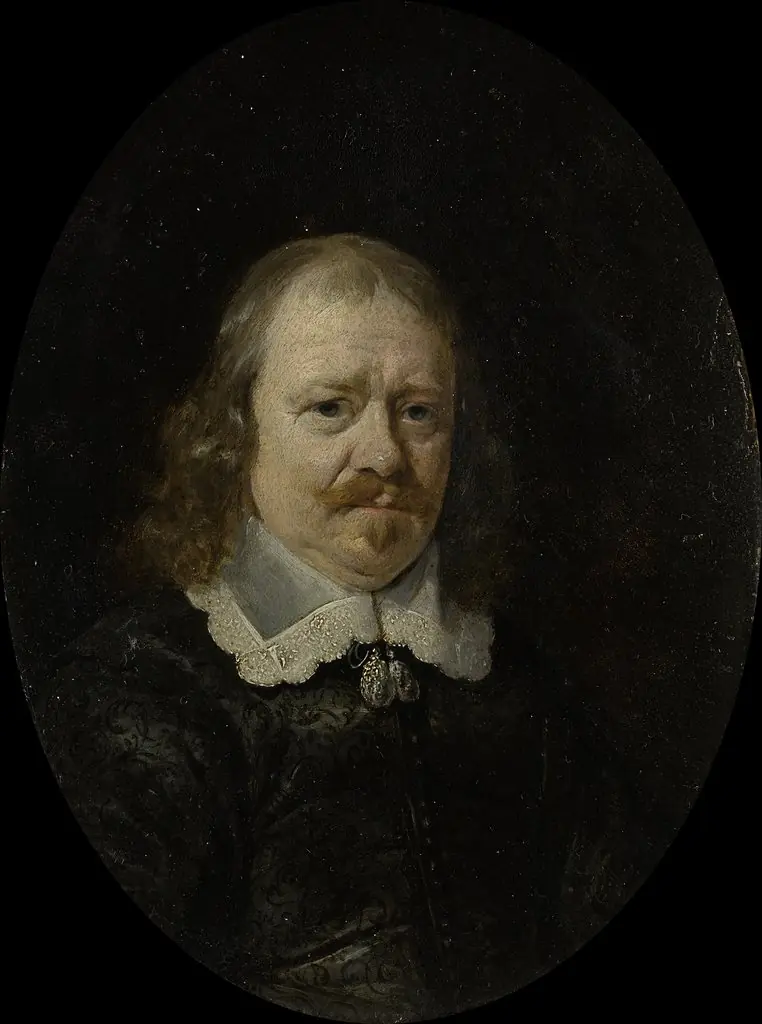 Godard van Reede (1588-1648), lord of Nederhorst. Delegate of the province of Utrecht at the peace conference at Münster (1646-48)
![Portrait of a Gentleman [possibly Jacob van Campen], by Thomas de Keyser](https://artifactworldgallery.com/img/thomas-de-keyser--portrait-of-a-gentleman-possibly-jacob-van-campen--d0c829ca95efaf31-w320.webp) Portrait of a Gentleman [possibly Jacob van Campen]
Portrait of a Gentleman [possibly Jacob van Campen] Justus Vondel
 Portrait of a Man