Artwork
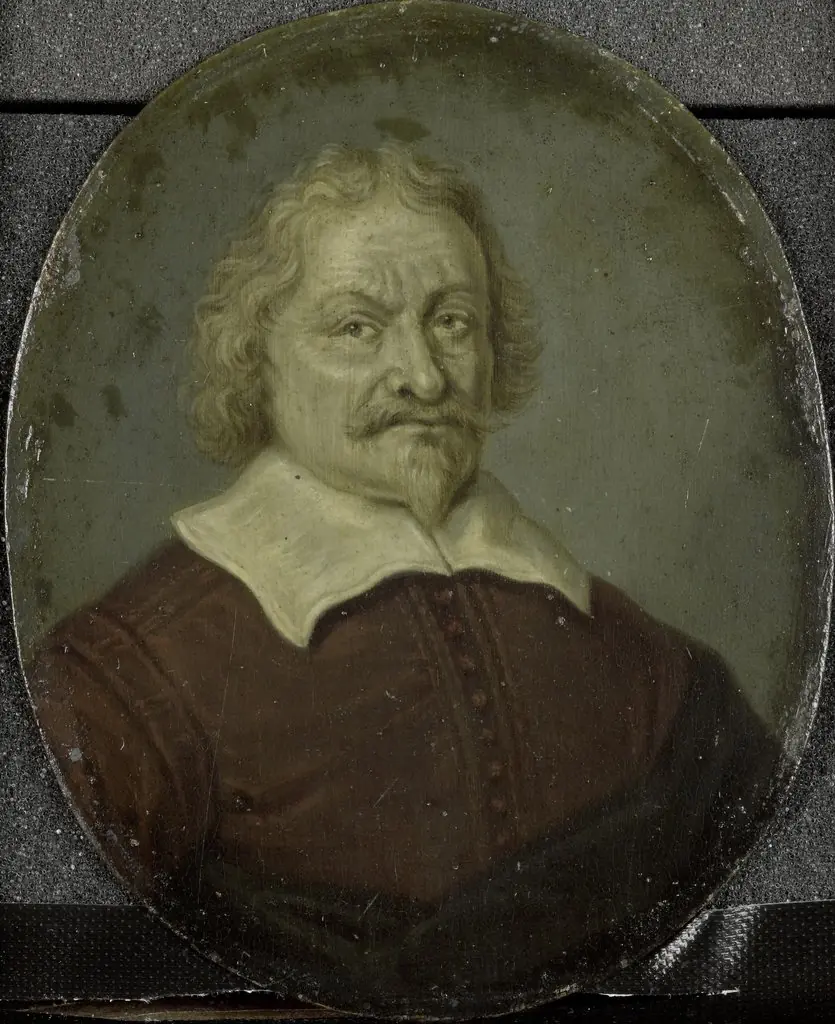
Godard van Reede (1588-1648), lord of Nederhorst. Delegate of the province of Utrecht at the peace conference at Münster (1646-48)
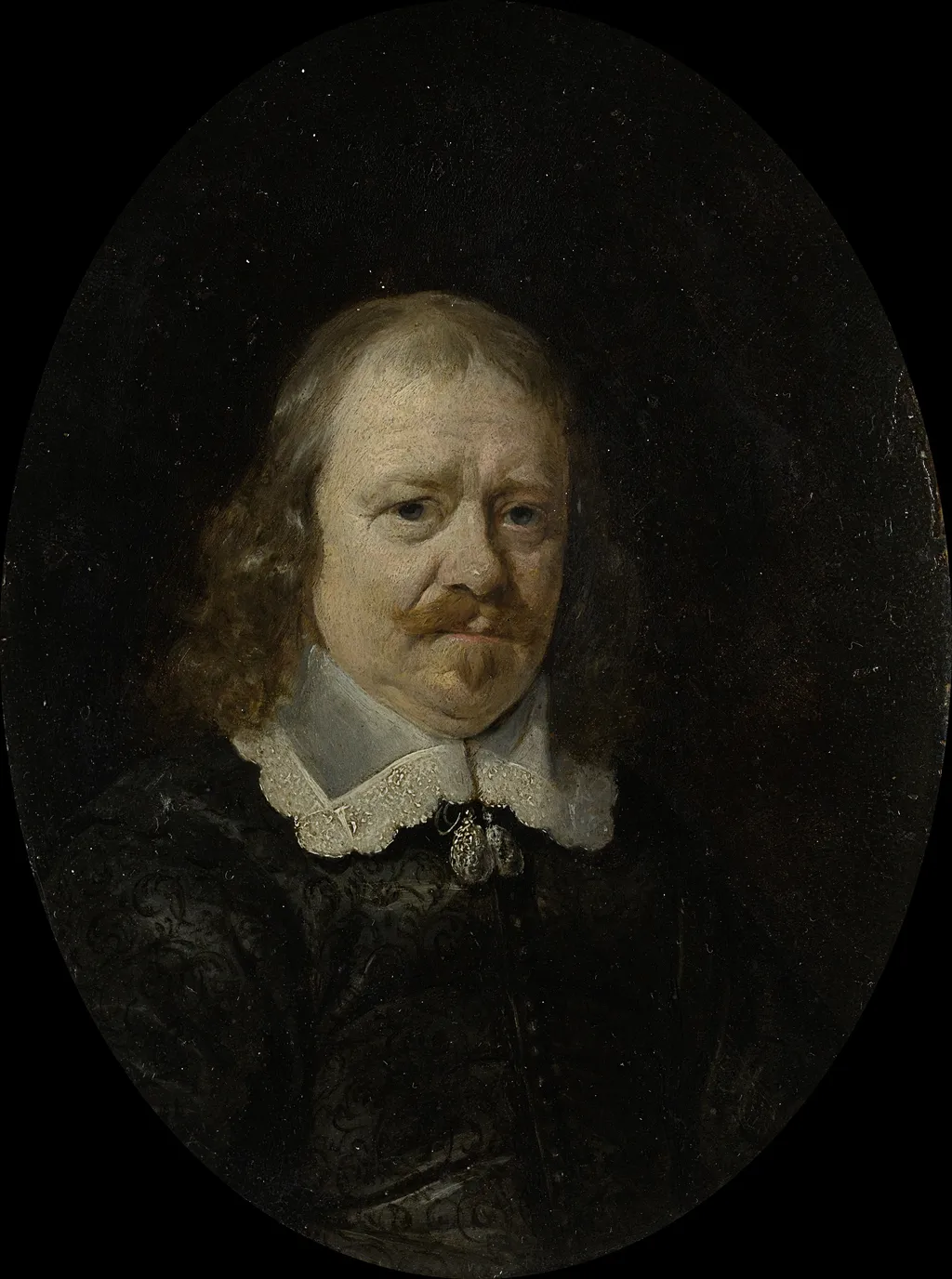
Godard van Reede (1588-1648), lord of Nederhorst. Delegate of the province of Utrecht at the peace conference at Münster (1646-48) is an oil painting by the Dutch Golden Age artist Gerard ter Borch. It dates from 1646 and is held in the collection of the Rijksmuseum.
About this work
Technique & Style
The choice of copper as a ground material is a distinctive technical feature of the piece, providing a smooth, rigid surface for the oil medium.
Gerard ter Borch executed this 1646 portrait of Godard van Reede using oil paint applied to a copper support. The work is classified as a portrait and measures 14.5 cm in height by 11 cm in width. The choice of copper as a ground material is a distinctive technical feature of the piece, providing a smooth, rigid surface for the oil medium. This small-scale painting is currently held in the collection of the Rijksmuseum in Amsterdam.
History & Provenance
The painting was executed in 1646 by Gerard ter Borch on copper, a format associated with portable portraiture during the period. It depicts Godard van Reede, lord of Nederhorst, who served as delegate of the province of Utrecht at the Peace Conference in Münster from 1646 to 1648, situating the work within the political context of the Eighty Years’ War negotiations.
By the time of the 1648 Peace of Münster, the portrait likely entered van Reede’s personal holdings. The painting is recorded in the collection of the Rijksmuseum, Amsterdam, where it remains today, accessioned as a portrait of the sitter.
Context
Gerard ter Borch painted Godard van Reede, lord of Nederhorst, who served as Utrecht's delegate at the 1646-48 Münster peace talks. Ter Borch, a Dutch portraitist active in the mid-17th century, captured his subject in oil on copper around 1646. The work measures 14.5 cm by 11 cm and resides in the Rijksmuseum collection. It exemplifies Dutch Golden Age portraiture's focus on civic and diplomatic figures amid complex European negotiations.
Legacy
The portrait of Godard van Reede by Gerard ter Borch II remained in the Rijksmuseum collection, where it was studied by 19th-century Dutch art historians for its restrained composition and psychological depth, contributing to a renewed appreciation of Dutch Golden Age portraiture beyond the more famous works of Rembrandt and Hals. Contemporary scholarship notes its influence on later depictions of provincial nobility, particularly in how it rendered diplomatic figures with a blend of authority and subtlety, a nuance that resonated with 19th-century interpretations of statecraft. The painting’s technical handling of oil on copper was cited in museum records as a model for conservation practices involving metal supports.
Overview
This 1646 portrait on copper, created by Gerard ter Borch during the Dutch Golden Age, depicts Godard van Reede, lord of Nederhorst, in a somber, detailed likeness. The oval-framed work focuses on van Reede's face and shoulders against a plain black background, emphasizing his serious demeanor.
Subject & Meaning
The subject, Godard van Reede, is portrayed in his capacity as a delegate from Utrecht to the Münster peace conference (1646-1648). His attire, including a white lace collar and dark outfit, reflects his formal role, while the overall solemnity of the portrait may allude to the gravity of his diplomatic responsibilities.
![Portrait of a Gentleman [possibly Jacob van Campen]](https://artifactworldgallery.com/img/thomas-de-keyser--portrait-of-a-gentleman-possibly-jacob-van-campen--d0c829ca95efaf31-w320.webp)
Own this work as a print
Artist & collection
Artist
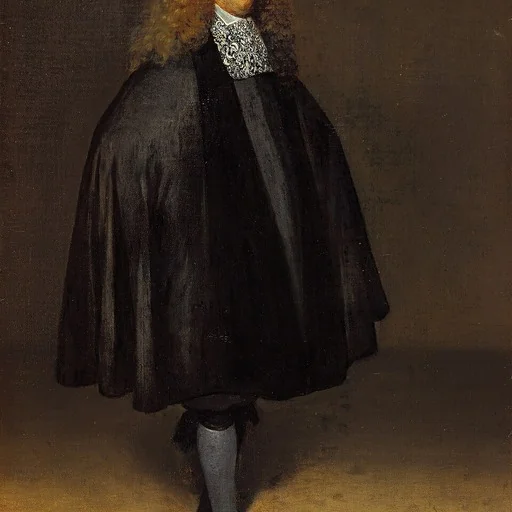
Gerard ter Borch (Dutch:; December 1617 – 8 December 1681), also known as Gerard Terburg (Dutch: ), was a Dutch Golden Age painter mainly of genre subjects.

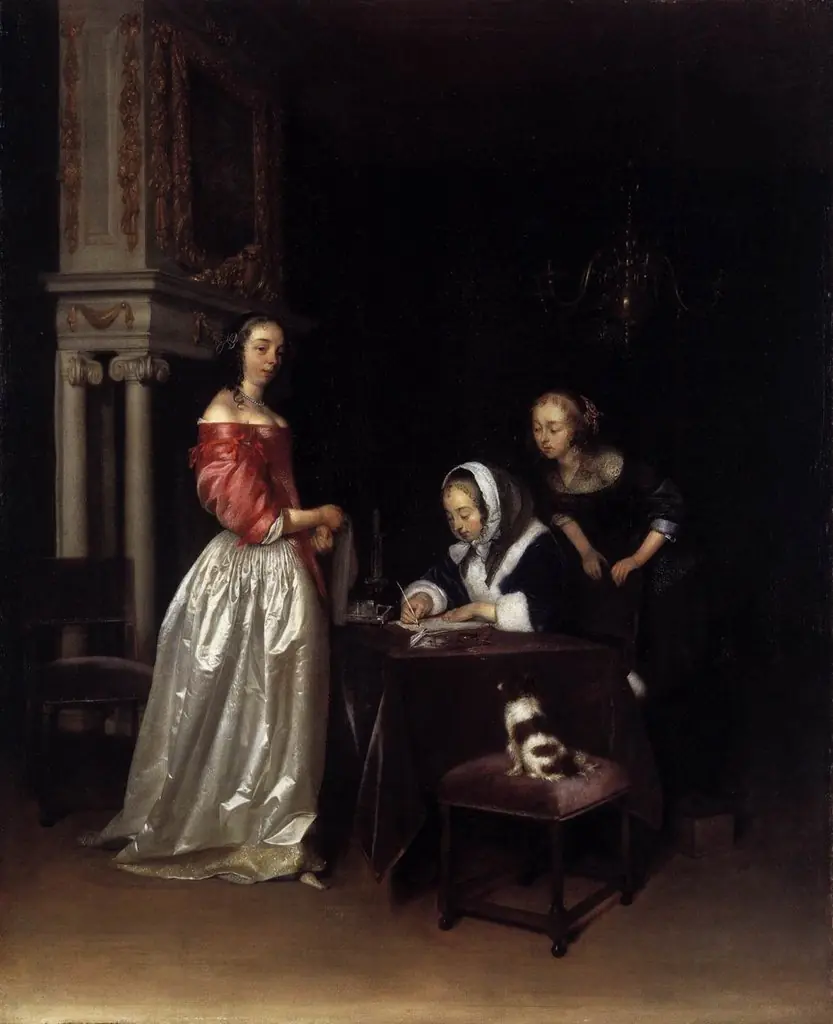
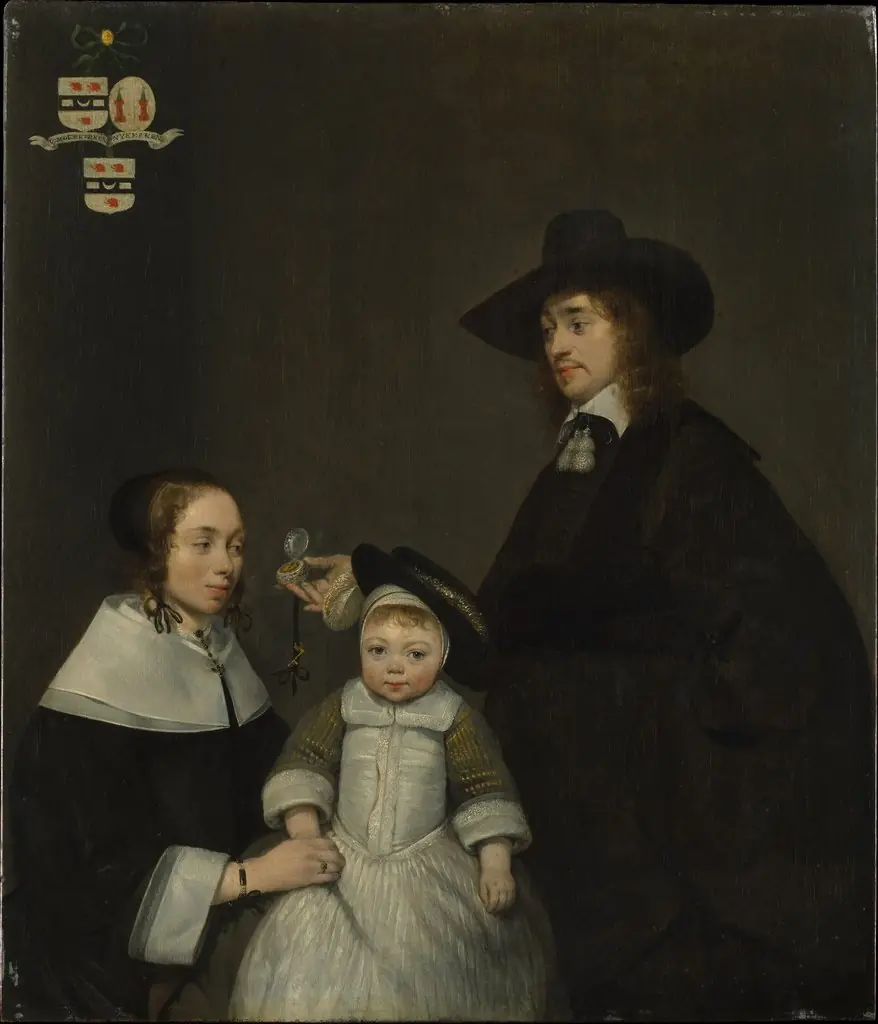
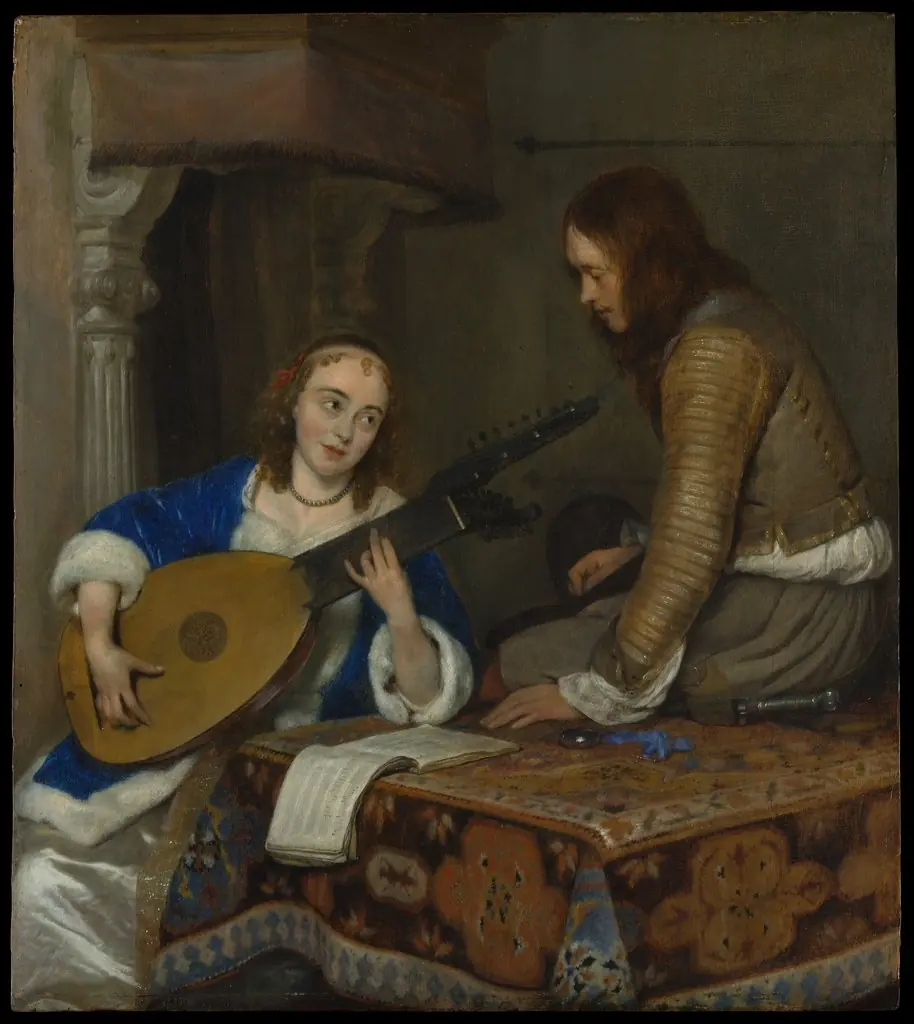
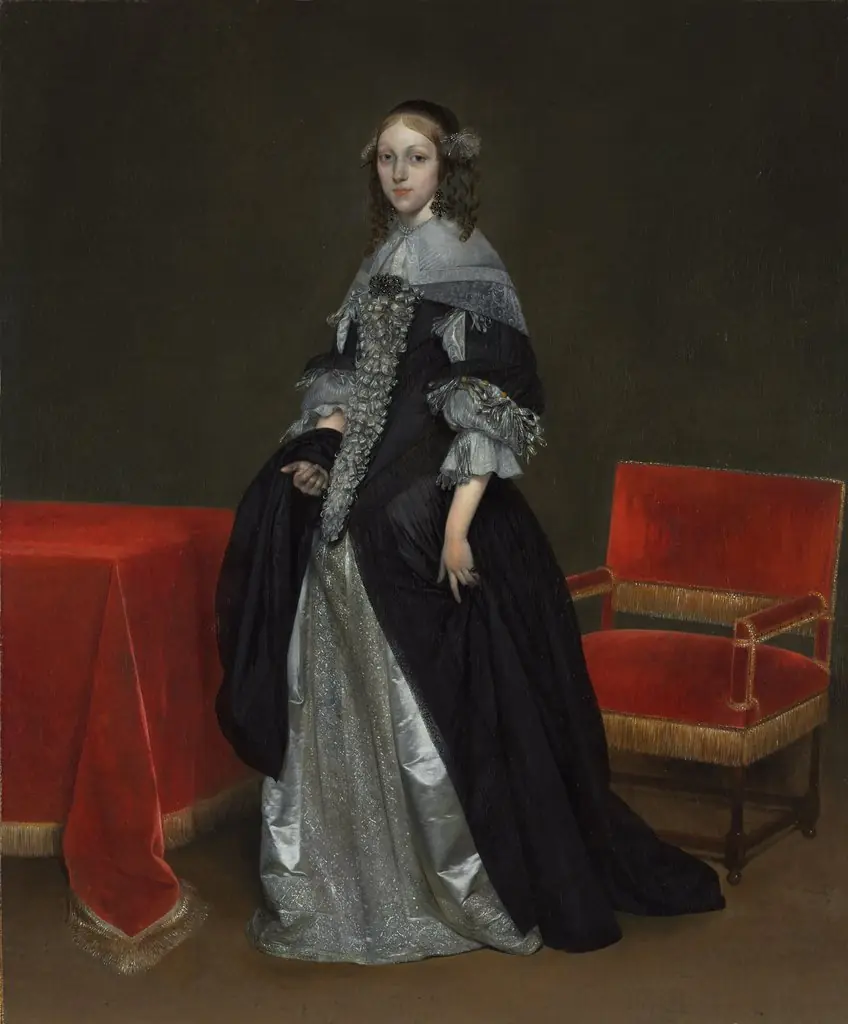
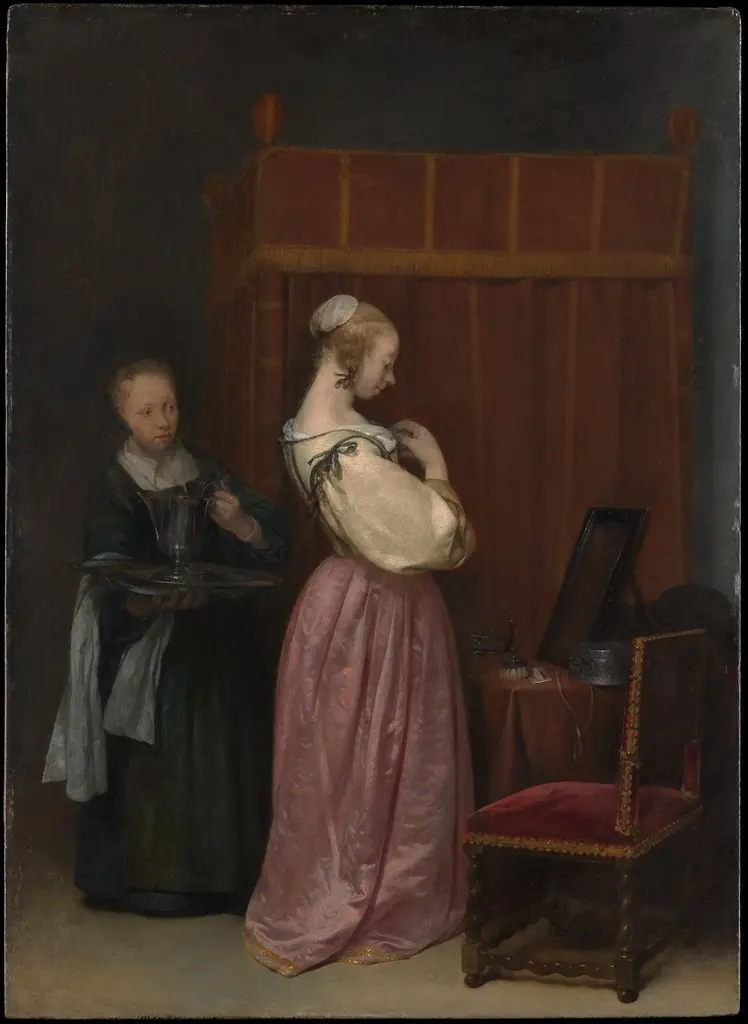
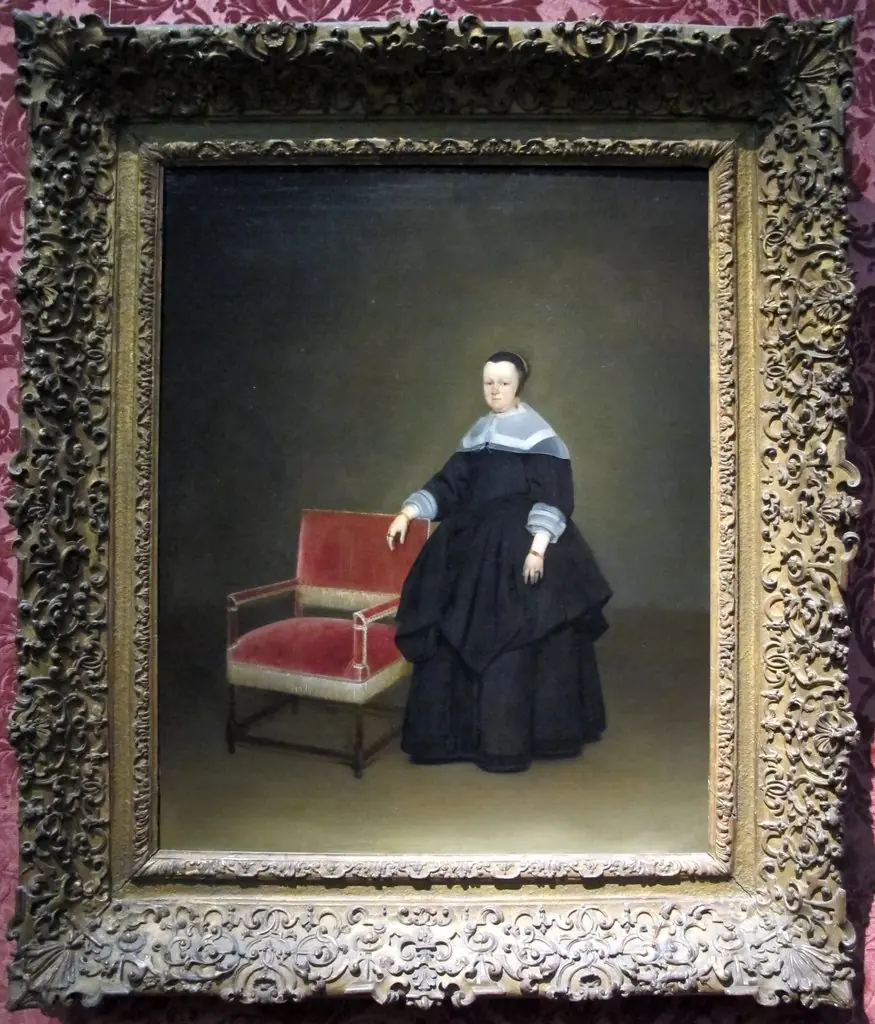
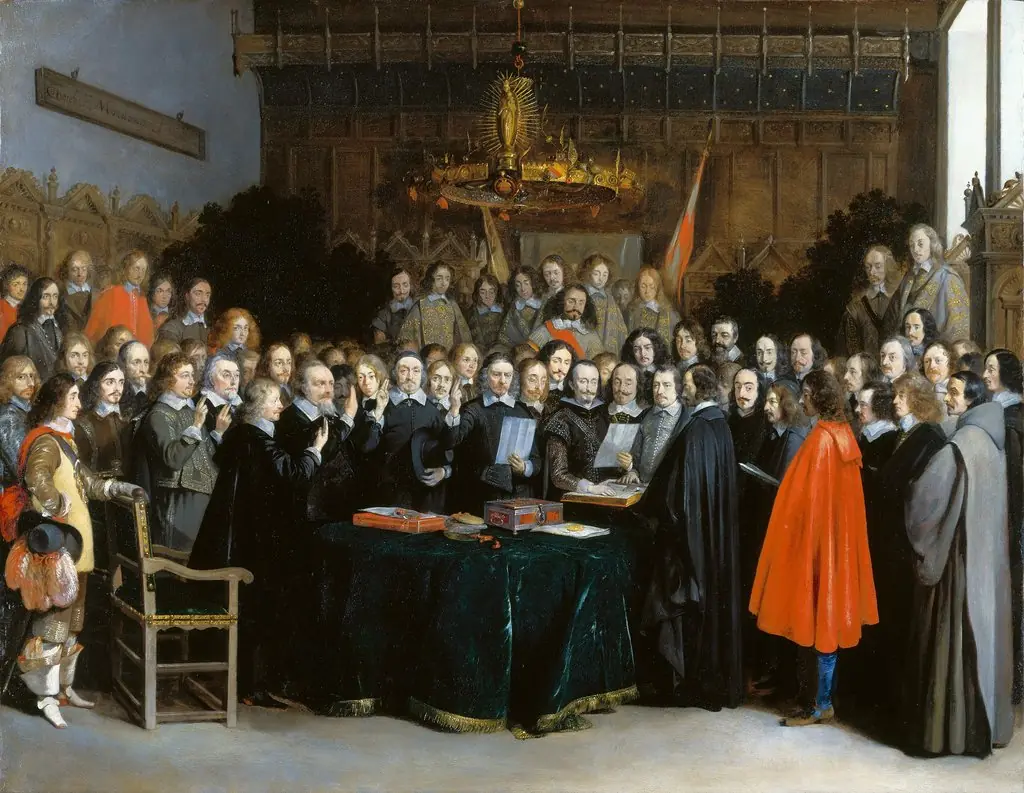
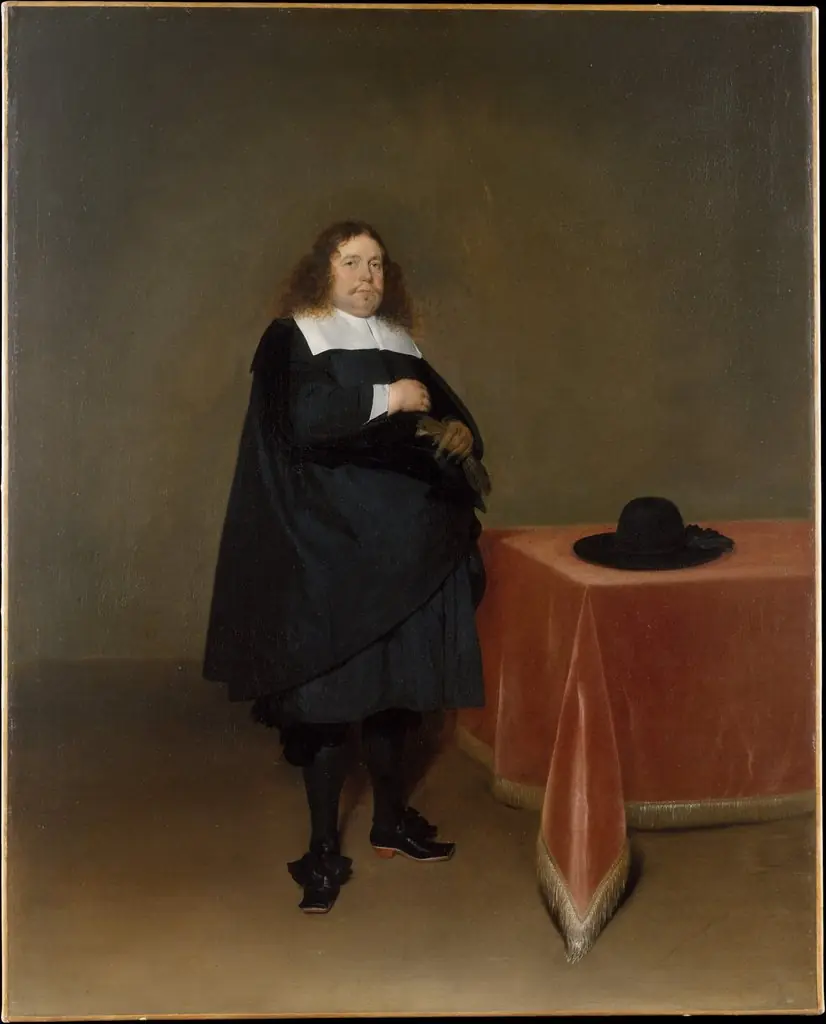
- Portrait of a Gentleman [possibly Jacob van Campen]
 Portrait of David Lingelbach I, Founder of the Nieuwe Doolhof (New Labyringh), Amsterdam
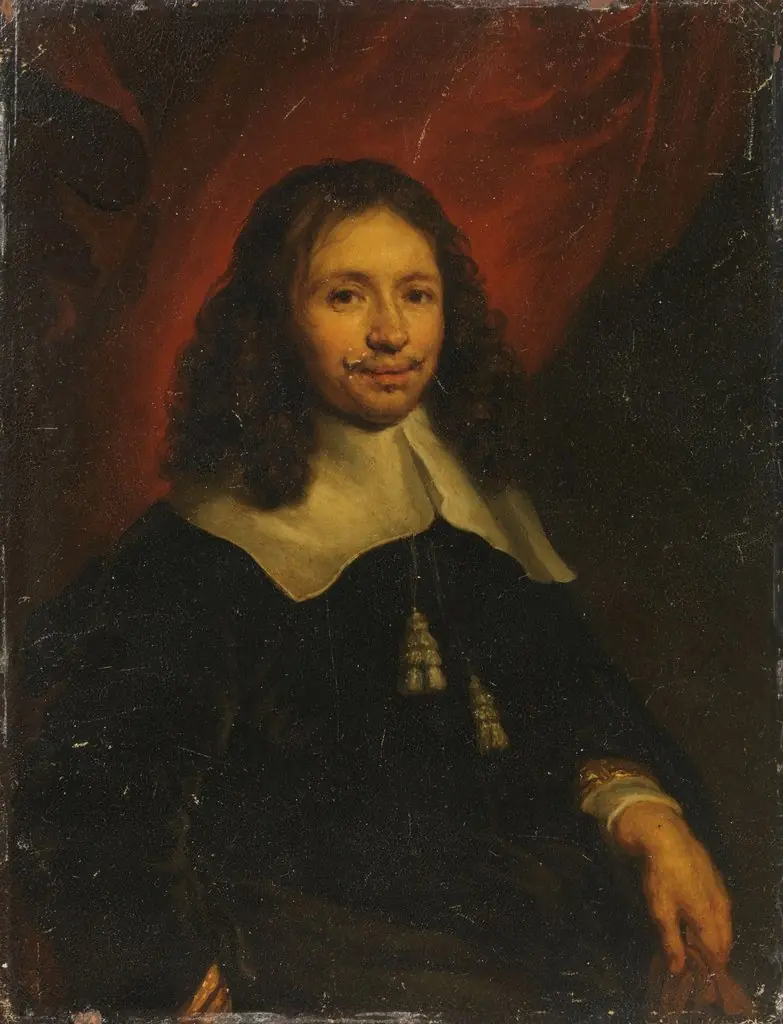 Dionijs Wijnands (1628-73). Amsterdam merchant
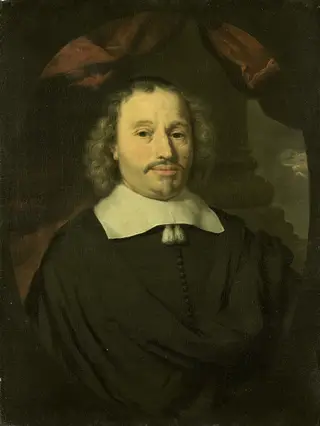 Portrait of Hendrick Wijnands (1601/2 - 76), grocer of Amsterdam
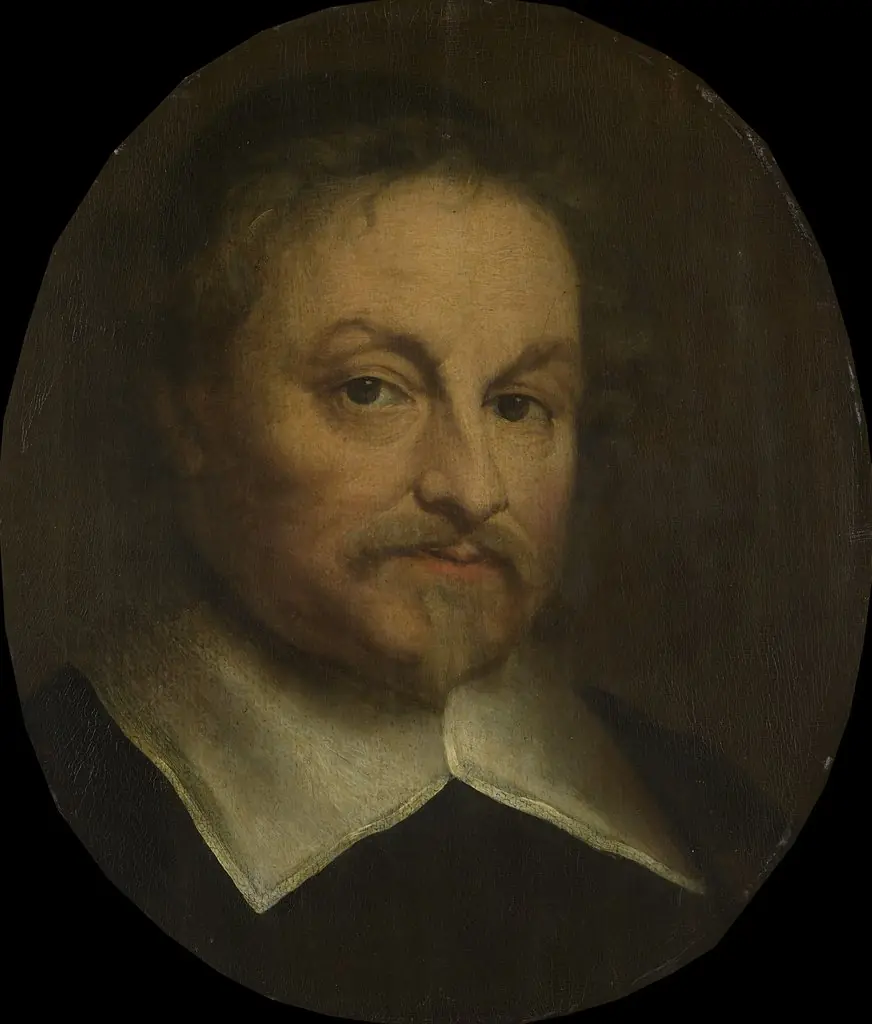 Joost van den Vondel (1587-1679). Poet
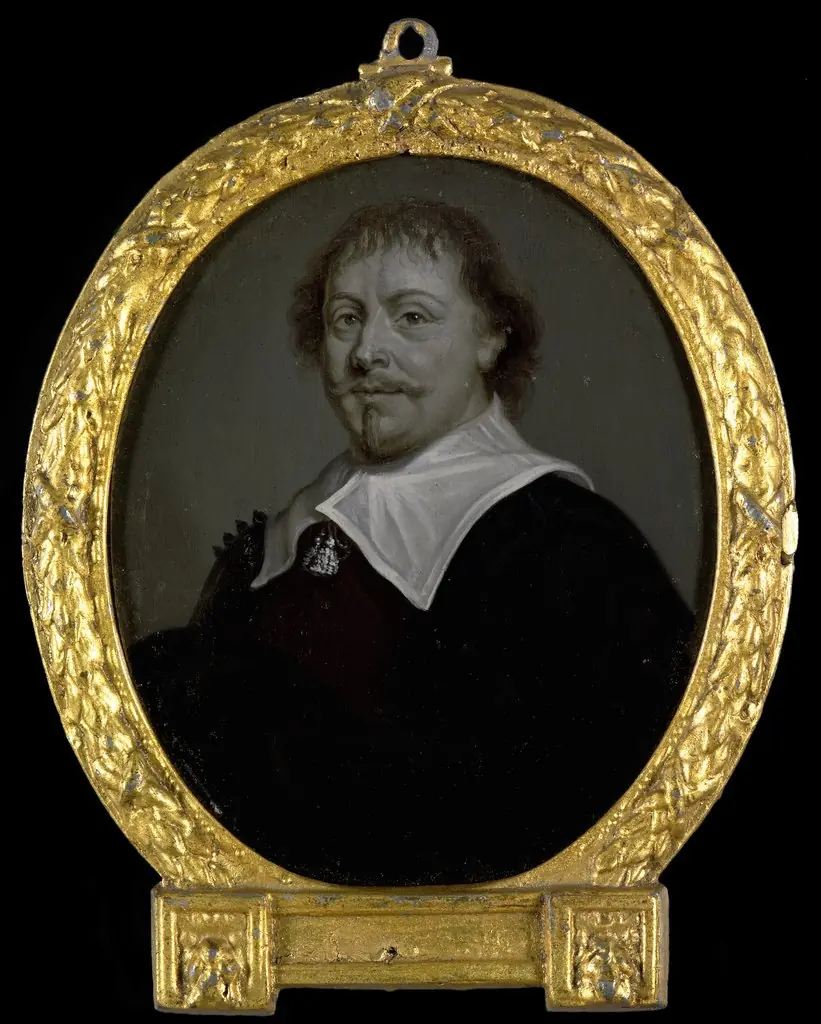 Portrait of Franciscus Planté, Clergyman at Zevenbergen and in Brazil
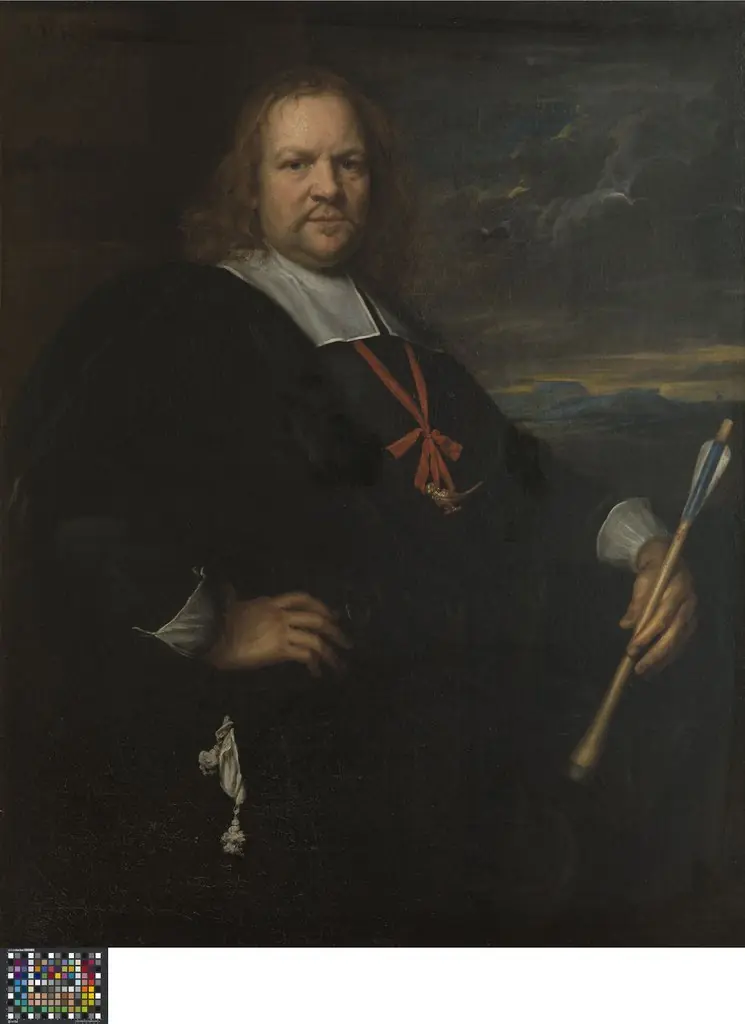 Portrait of Leonard van Kerckhove, King of the Guild of St. George in Bruges
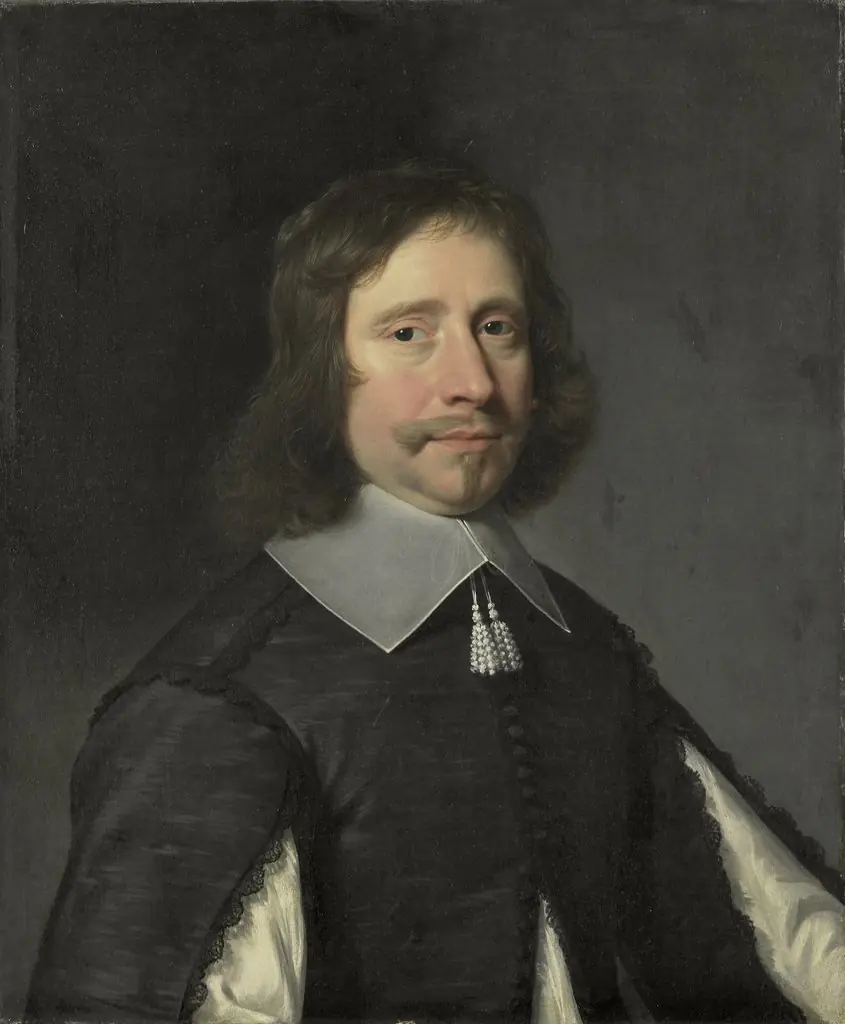 Portrait of a man, perhaps Philippe de la Trémoïlle (1596-?), count of Olonne
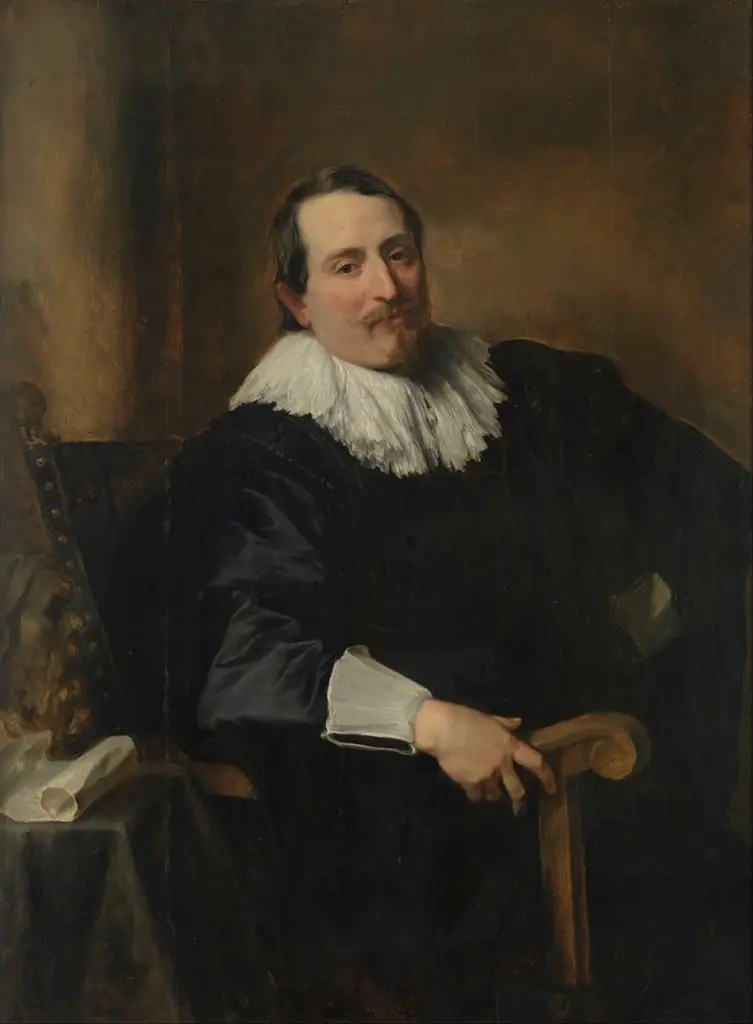 Portrait of the painter Theodor Rombouts
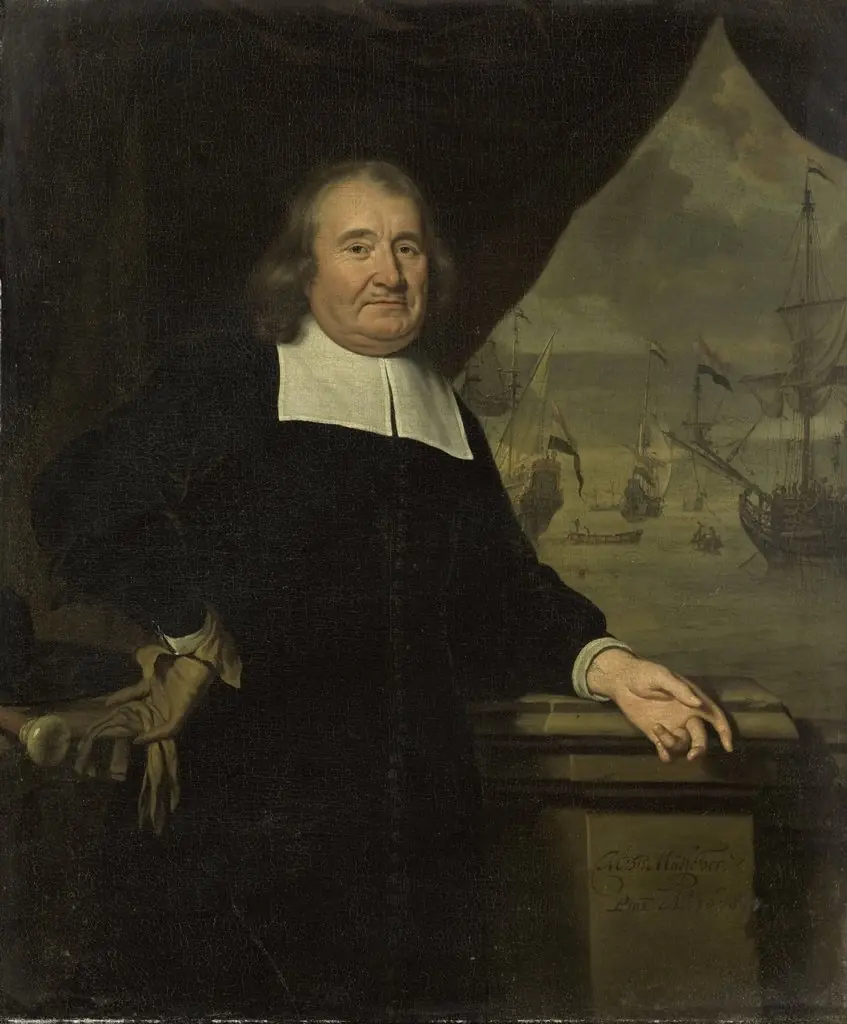 Portrait of a captain or ship-owner
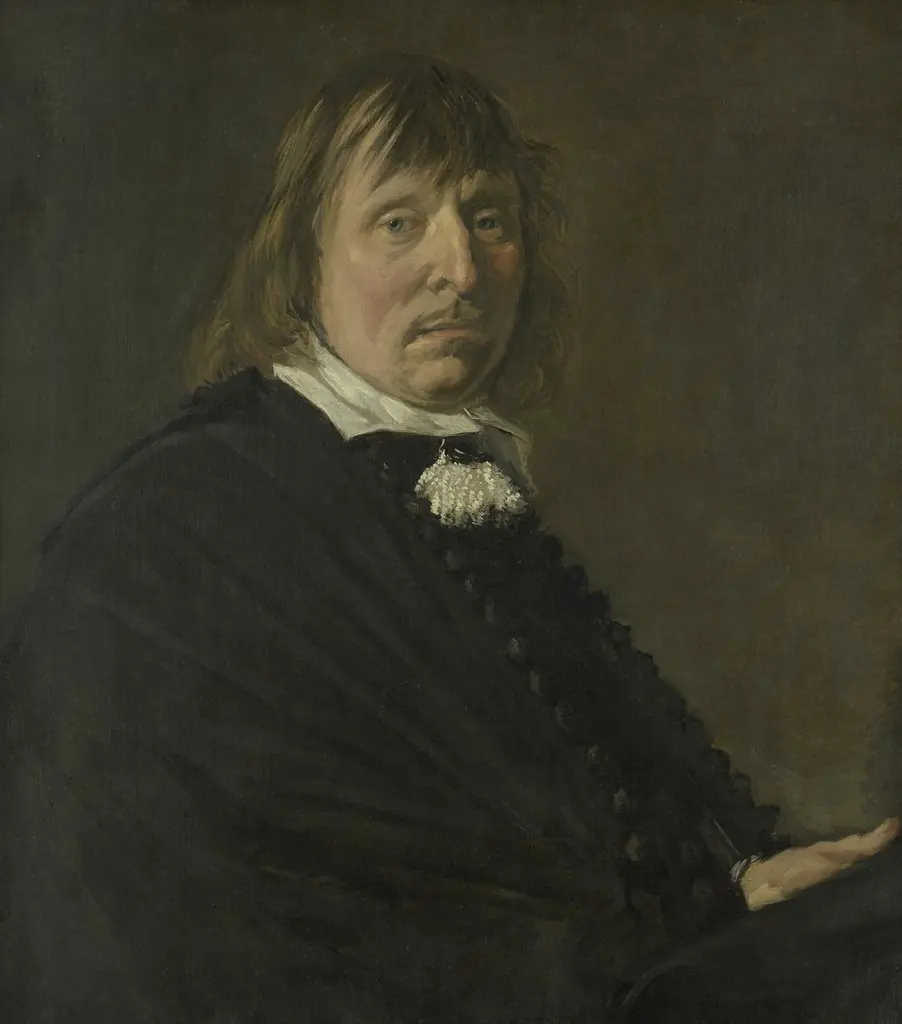 Portrait of Tyman Oosdorp
 Portrait of a man, probably Pieter Anthonisz van Bronckhorst (1588-1661)