Artwork
Allégorie de l'alliance du dauphin de France avec Marie-Anne-Victoire de Bavière
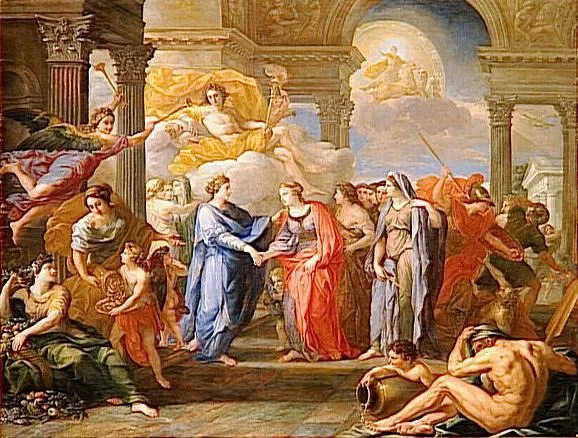
Allégorie de l'alliance du dauphin de France avec Marie-Anne-Victoire de Bavière is an oil painting by the French Classical Baroque artist Arnould de Vuez. It dates from 1691 and is held in the collection of the Department of Paintings of the Louvre.
About this work
Subject & Meaning
The composition features a woman, a column, a main stem, a crowd, and a temple, representing the nobility and wealth associated with the two states.
The painting is an allegory celebrating the alliance between France and Bavaria formed by the marriage of the Grand Dauphin. It blends portraiture with symbolic figures and objects to convey the political and diplomatic significance of the union. The composition features a woman, a column, a main stem, a crowd, and a temple, representing the nobility and wealth associated with the two states.
The inclusion of Pheme, the personification of fame and rumor, underscores the public proclamation and far-reaching glory of the event. Together, these elements transform a dynastic marriage into a visual expression of national prosperity and enduring power.
Technique & Style
Executed in 1681 by Arnould de Vuez, this work is an oil painting on canvas. The composition functions as an allegorical portrait, depicting figures representing France and nobility alongside architectural elements such as a temple and column. Personifications of Fame and Wealth appear within a crowd scene centered around a main stem.
The painting measures 143 cm in height and 188 cm in width. While currently attributed to Vuez, historical records indicate it was formerly ascribed to Charles Poerson in 1832. The piece is held by the French State within the Department of Paintings at the Louvre, specifically associated with the Museum of the History of France.
History & Provenance
Arnould de Vuez painted this allegory in 1681 to commemorate the alliance between France and Bavaria through the marriage of the Grand Dauphin to Maria Anna Victoria of Bavaria. The work was later misattributed to Charles Poerson in 1832 before being correctly reattributed to de Vuez. It entered the collection of the French State and is now held by the Department of Paintings of the Louvre, within the Museum of the History of France and the Académie royale de peinture et de sculpture. The painting is currently located at the Palace of Versailles.
The painting is housed in the Department of Paintings at the Musée du Louvre in Paris, where it carries the inventory number INV 4081. Its provenance includes ownership by the French State and display within the Louvre’s collection, reflecting its significance as a work of the French School. Exhibition history is documented through its inclusion in the Joconde database, which records its presentation in various exhibitions at the Louvre and related institutions, underscoring its public and scholarly visibility.
Context
The painting was received with royal acclaim as a visual assertion of dynastic legitimacy, celebrated in contemporary court circles for its allegorical synthesis of French and Bavarian interests. Scholars have long positioned it within the propagandistic output of the Académie royale de peinture et de sculpture, noting its role in reinforcing the Grand Dauphin’s status as heir to the throne. Its formal qualities, particularly the integration of symbolic elements such as the column of France and the personification of Pheme, have been cited as exemplars of late Louis XIV allegory, situating the work at the intersection of portraiture and state iconography.
The painting remains a key reference point for studies of 17th‑century French allegorical portraiture and the visual culture of the French monarchy.
Overview
Arnould de Vuez’s 1691 oil painting, titled Allégorie de l’alliance du dauphin de France avec Marie‑Anne‑Victoire de Bavière, is part of the collection at the Palace of Versailles. The work presents an allegorical gathering of figures in elaborate costume, set before a classical temple with towering columns, under a dramatic sky.
Artist & collection

Museum
Department of Paintings of the Louvre
Continue through works from the same source collection.
- Caesar Giving Cleopatra the Throne of Egypt
 Augustus schließt den Tempel des Janus
 Achilles discovered Among the Daughters of Lycomedes
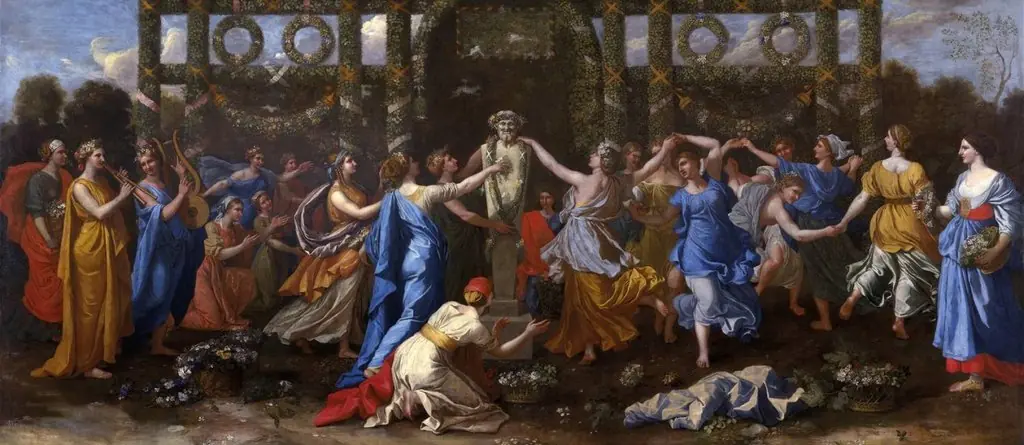 Hymenaios disguised
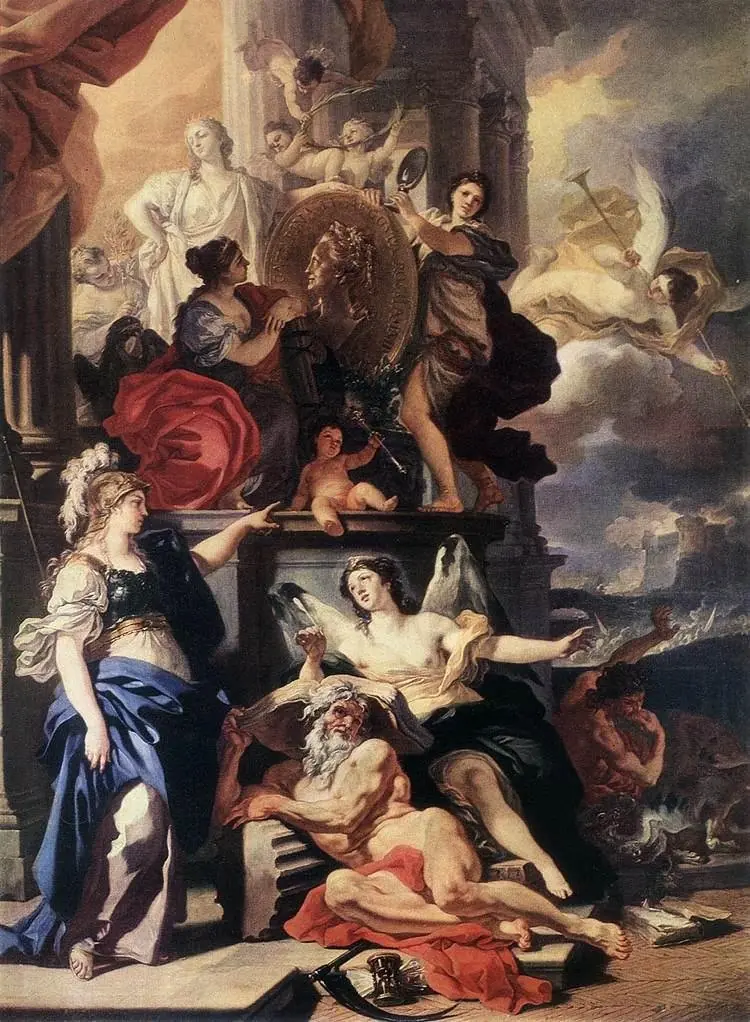 Allegory of Rule
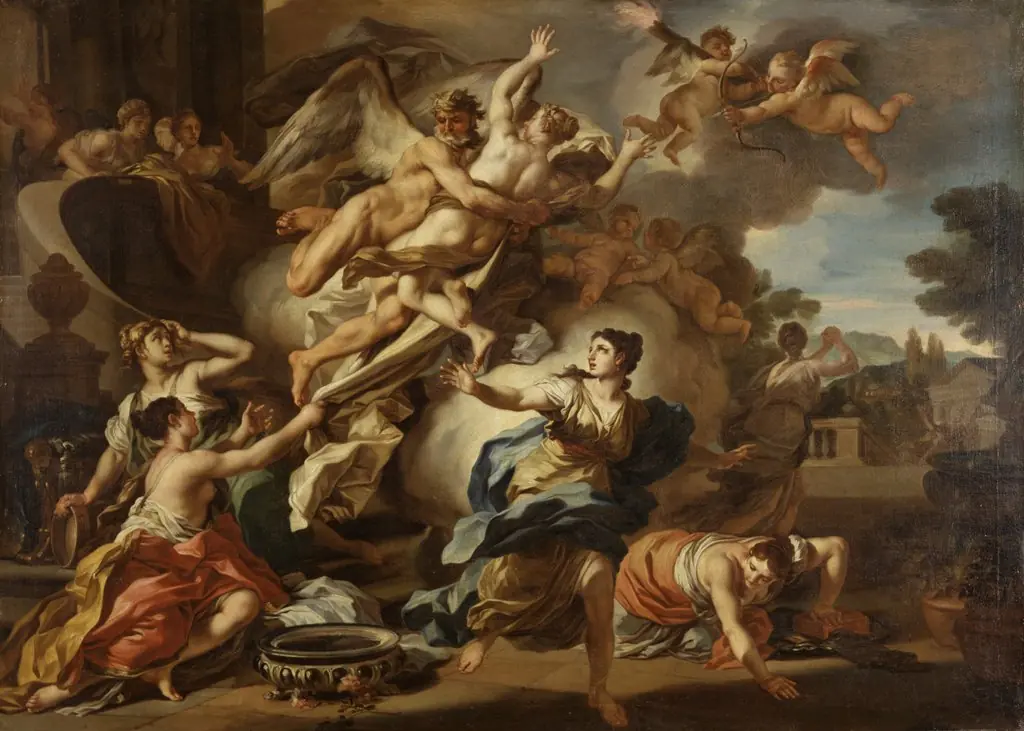 The Abduction of Orithyia
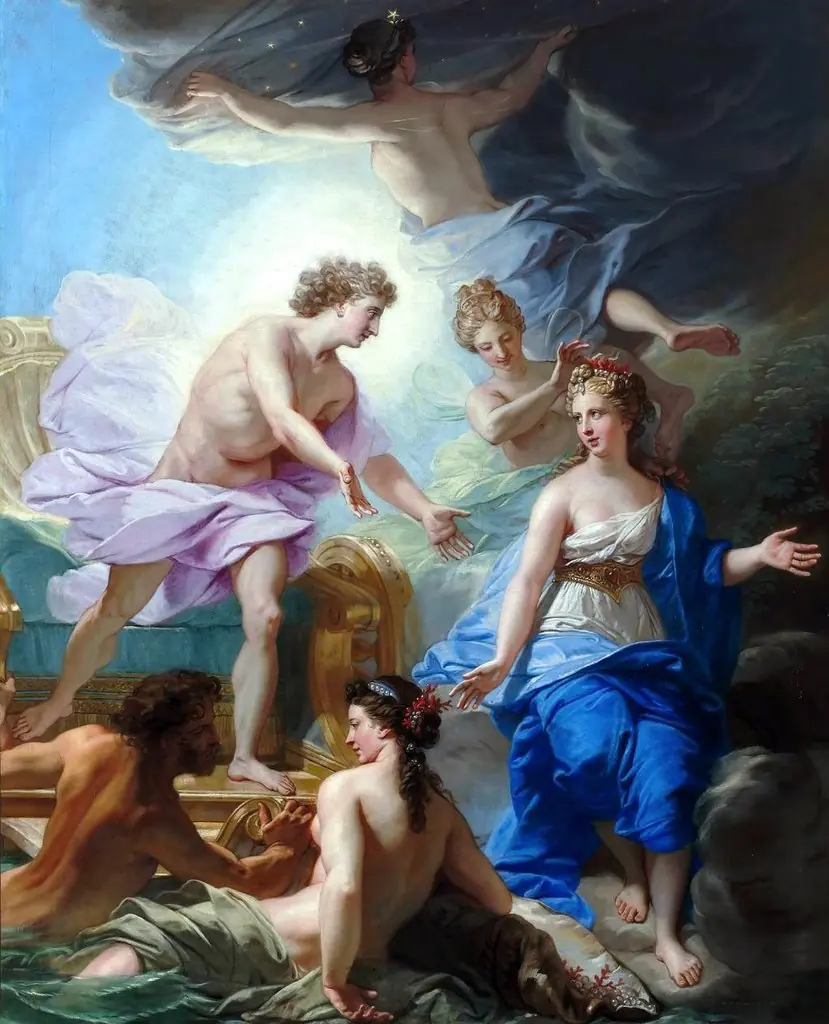 Apollo and Thetis
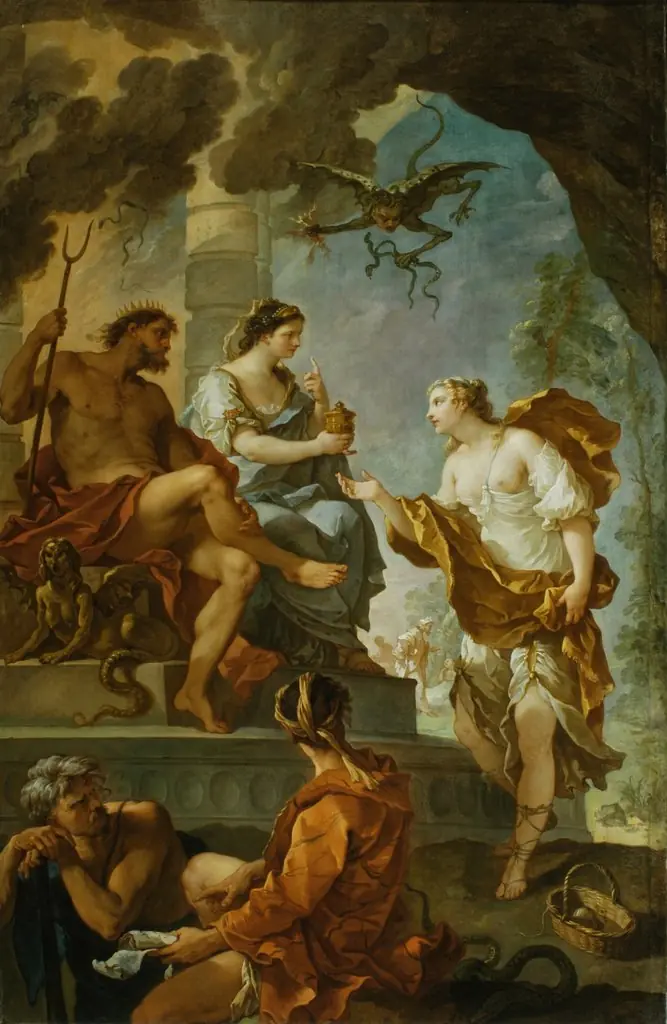 Psyche Obtaining the Elixir of Beauty from Proserpine
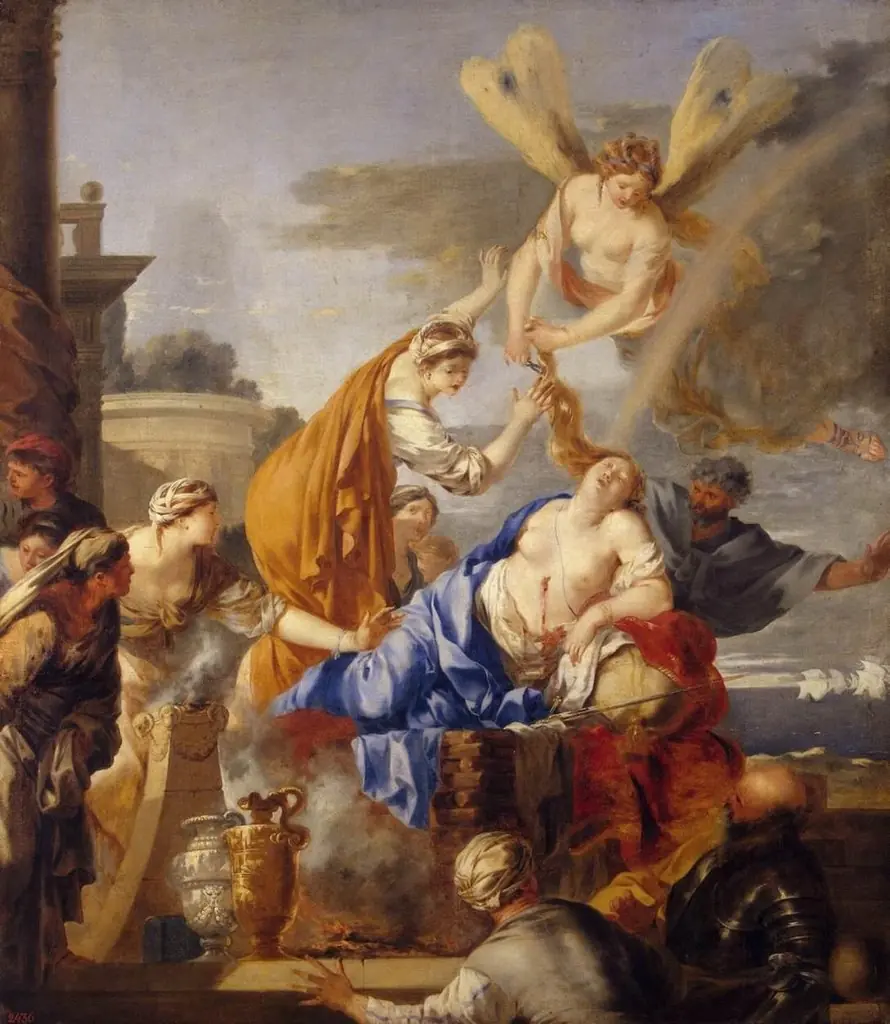 Death of Dido
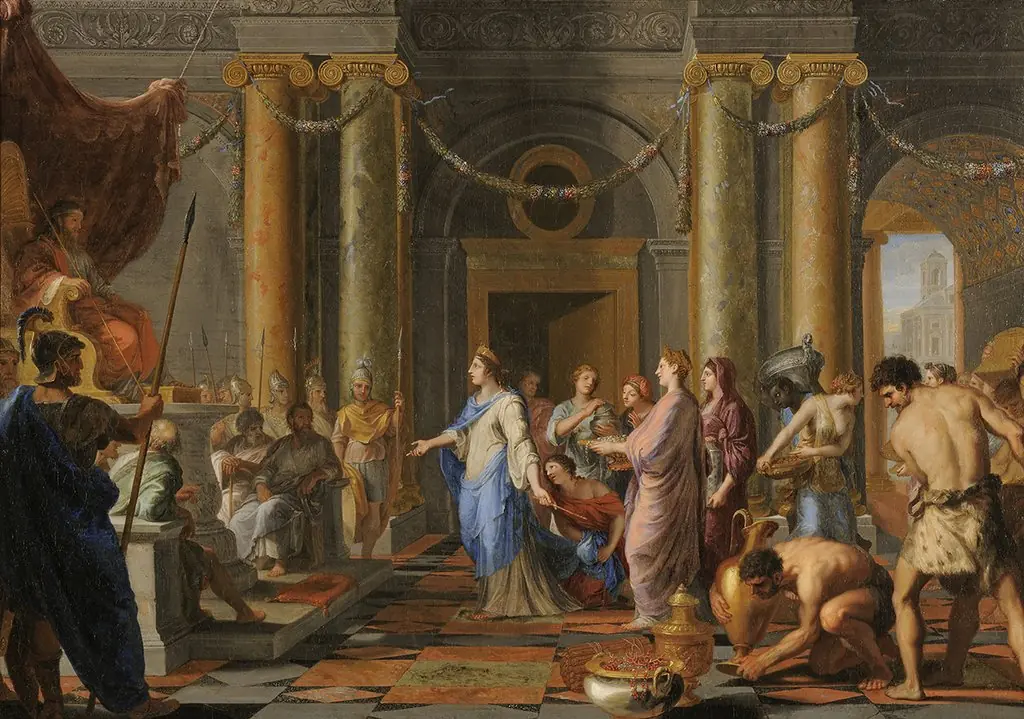 Solomon Receiving the Queen of Sheba
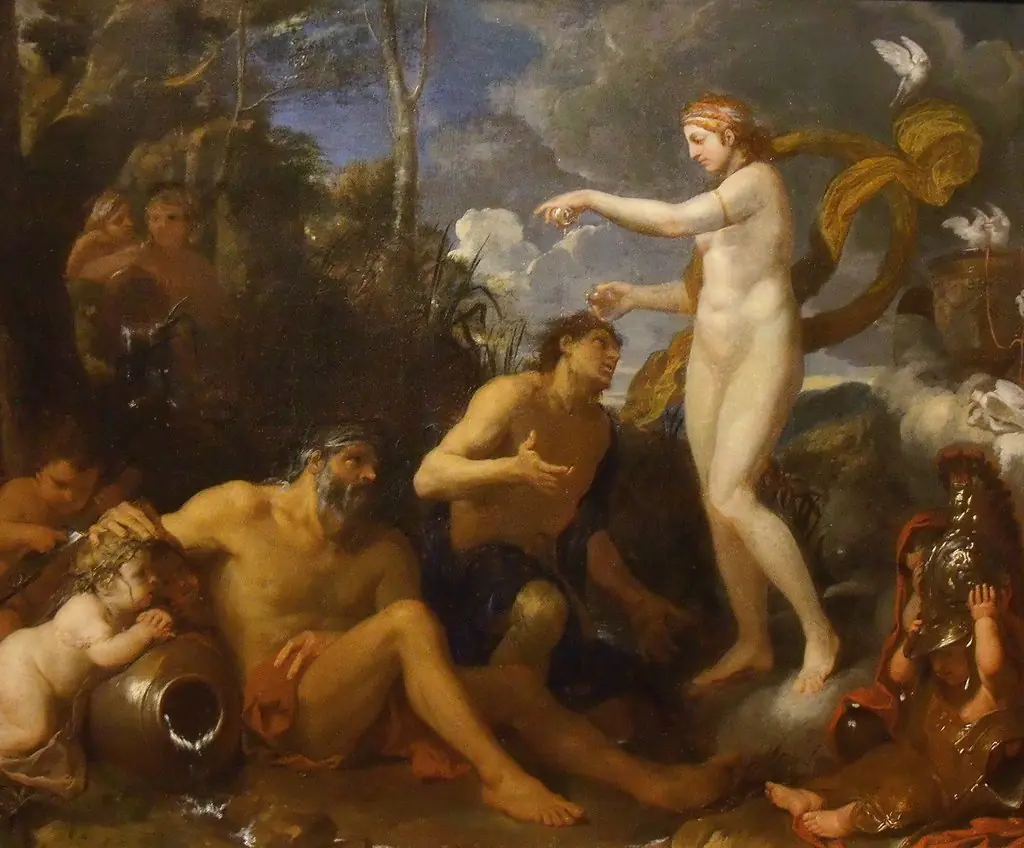 The deification of Aeneas
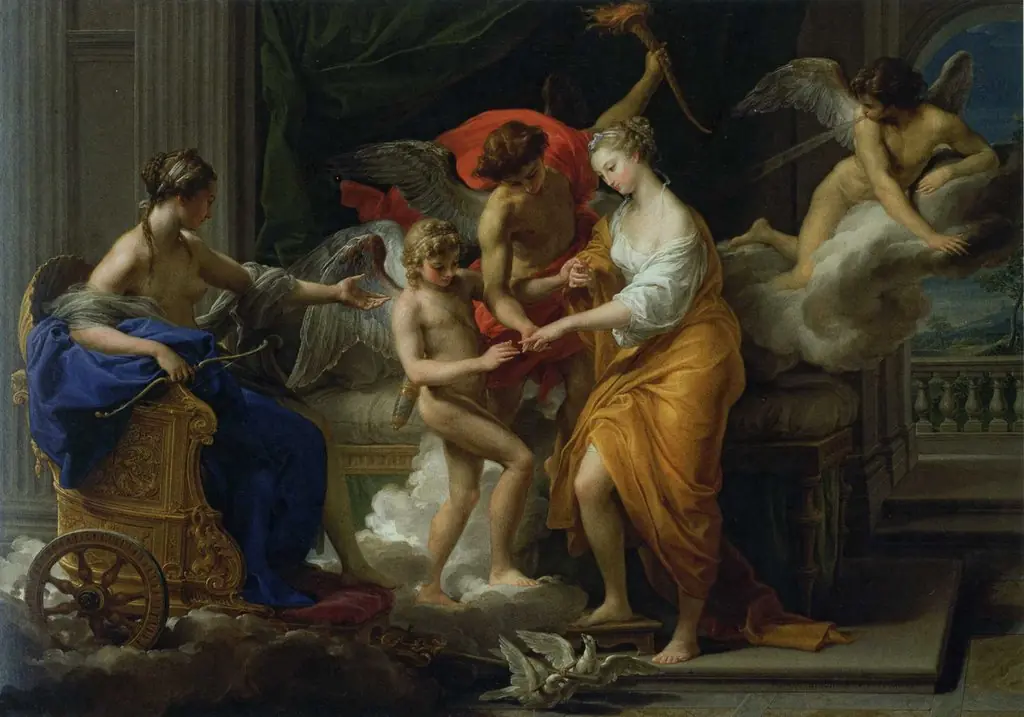 The Marriage of Cupid and Psyche
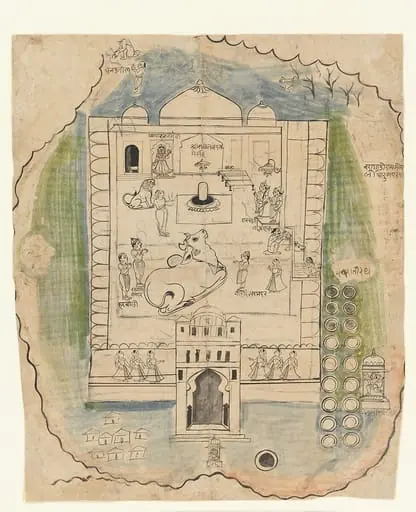 Untitled
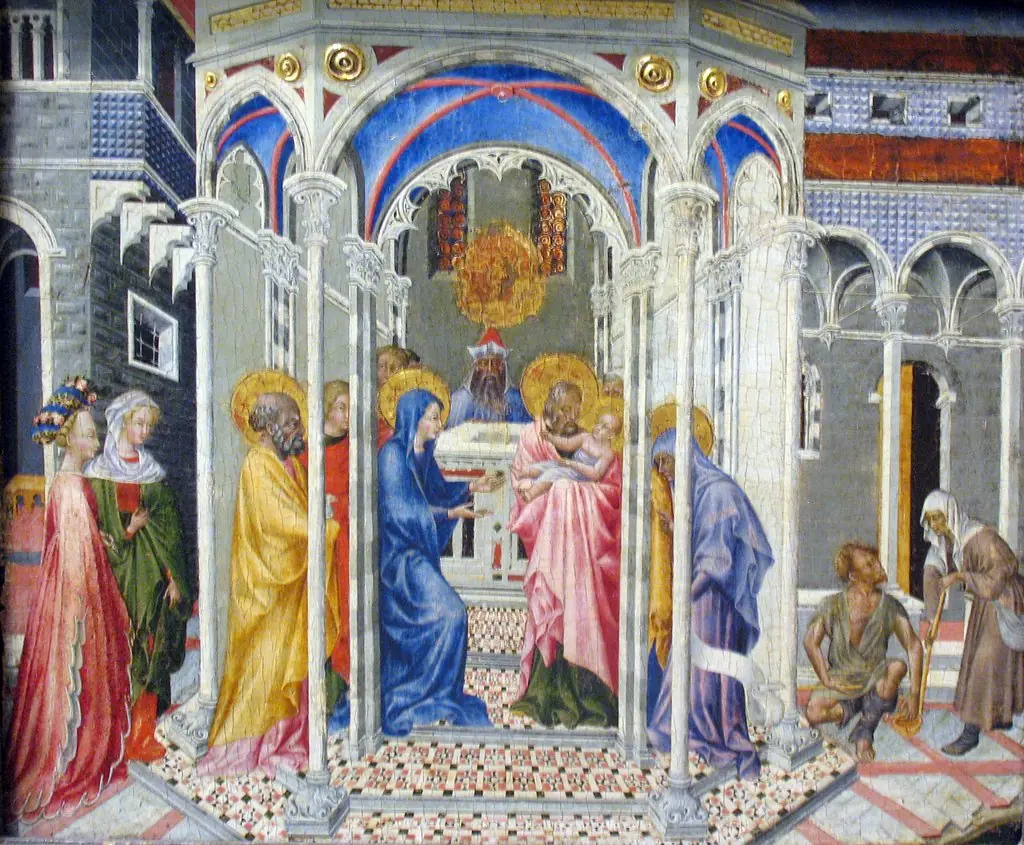 The Presentation of Christ in the Temple
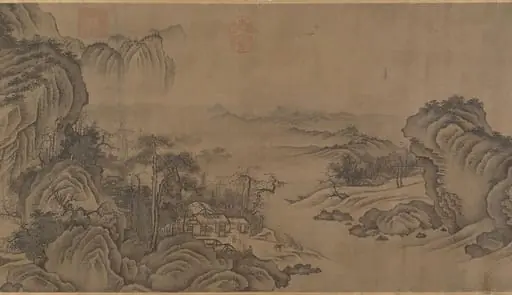 元/明 佚名 舊傳 燕文貴 秋山蕭寺圖 軸|Buddhist Temples amid Autumn Mountains
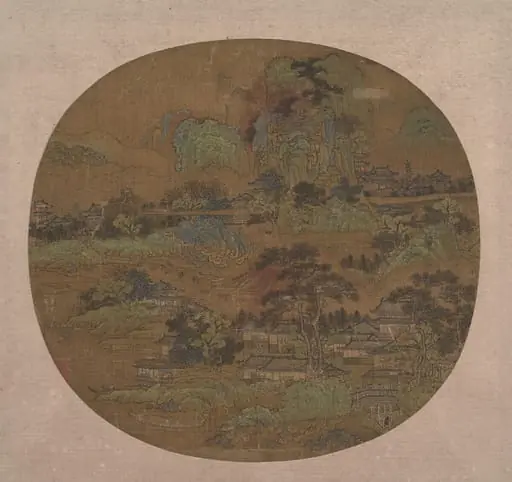 明 佚名 樓閣江帆圖 團扇|Village and Temples in Jiangnan
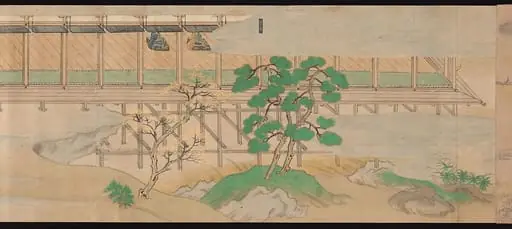 神於寺縁起絵巻断簡|Scene from The Illustrated Legends of Jin’ōji Temple (Jin’ōji engi emaki)
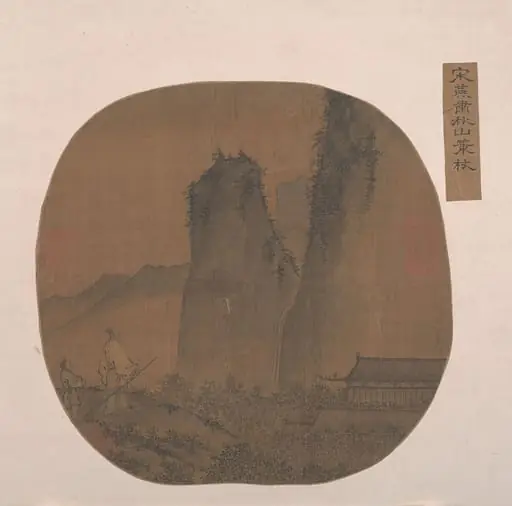 Untitled
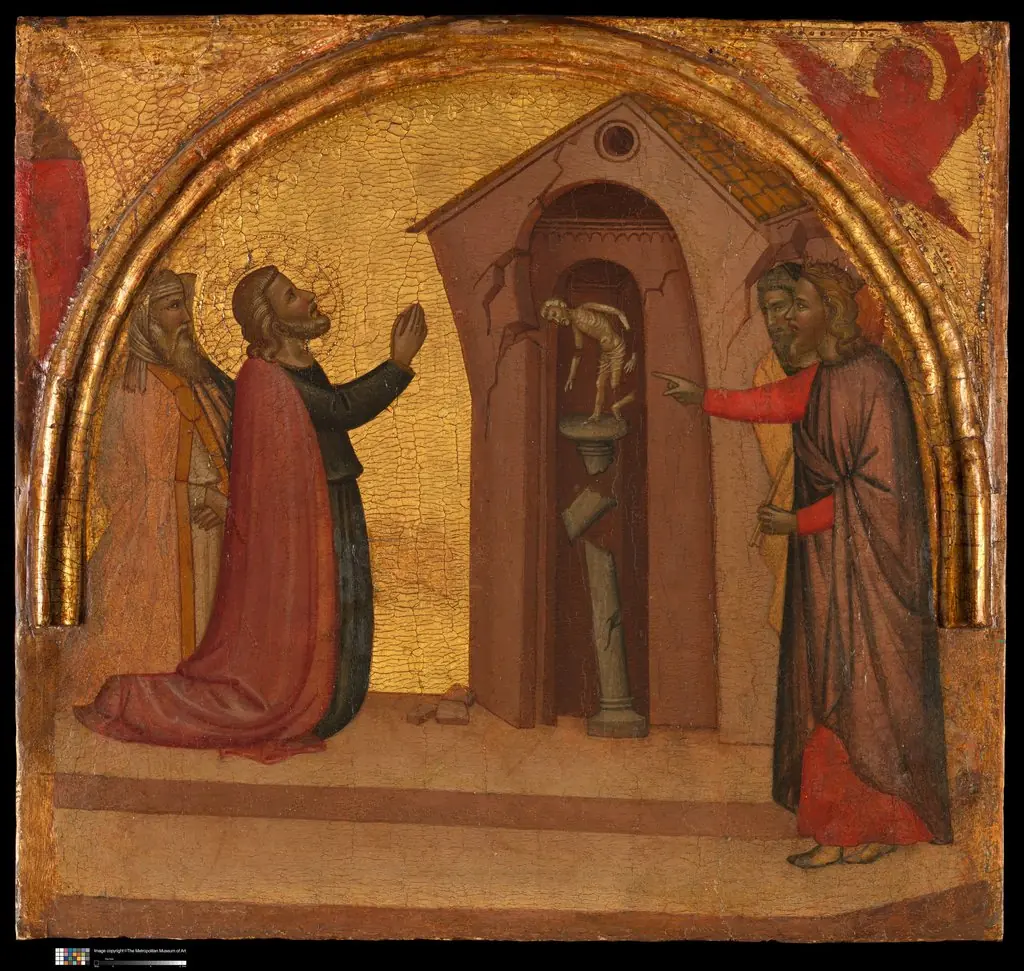 Saint John the Evangelist Causes a Pagan Temple to Collapse
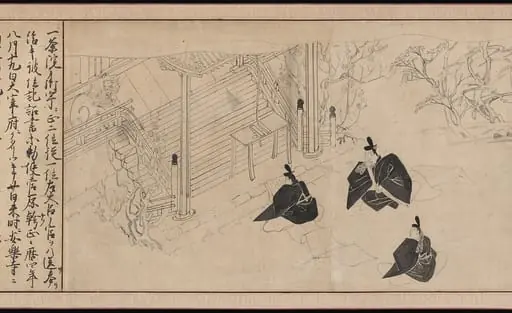 太宰府安楽寺 北野天神縁起絵巻 断簡 (Dazaifu Anrakuji, Kitano Tenjin engi emaki dankan)|Courtiers Visit Sugawara no Michizane’s Mortuary Temple, from Illustrated Legends of the Kitano Tenjin Shrine