Artwork
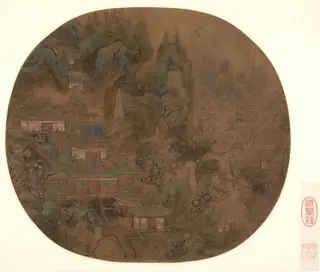
明 佚名 樓閣江帆圖 團扇|Village and Temples in Jiangnan
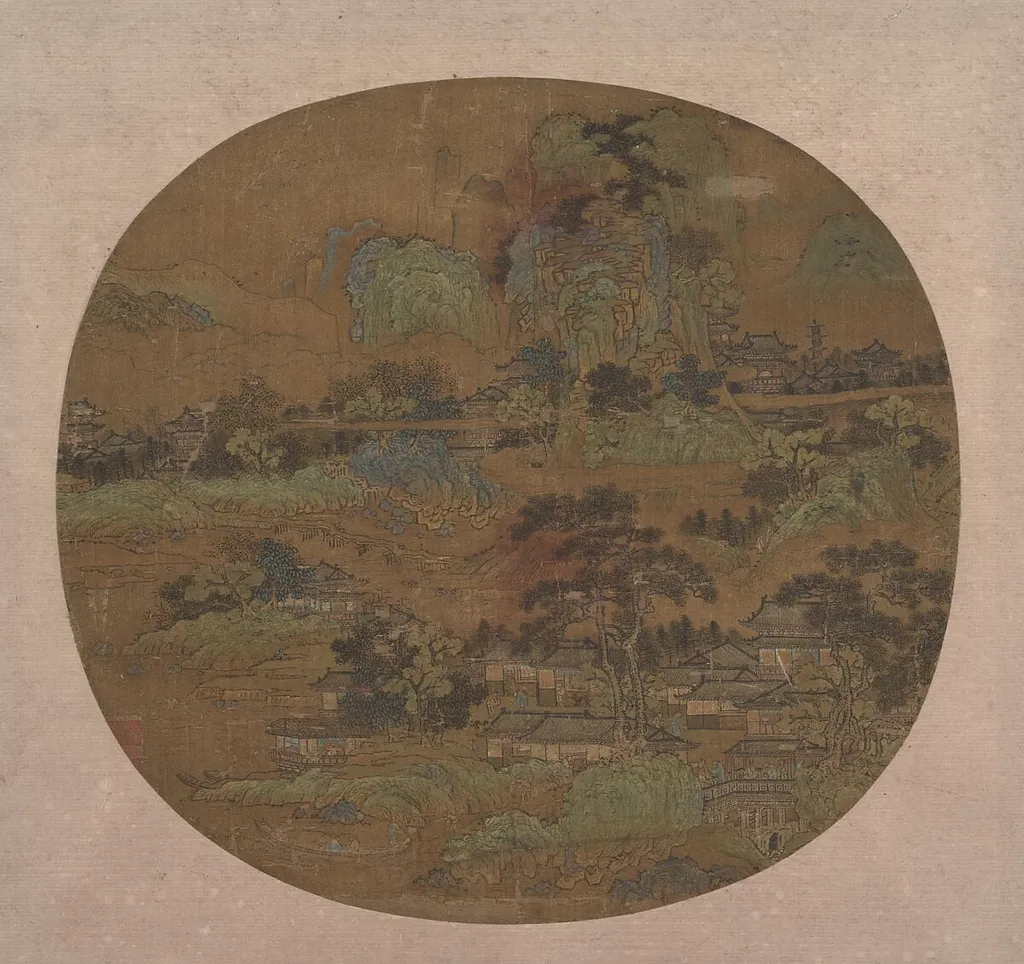
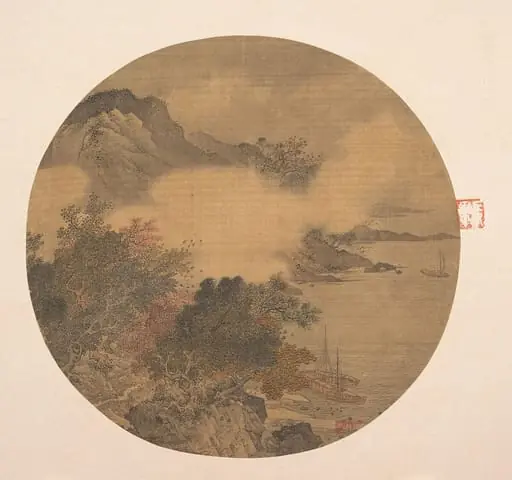
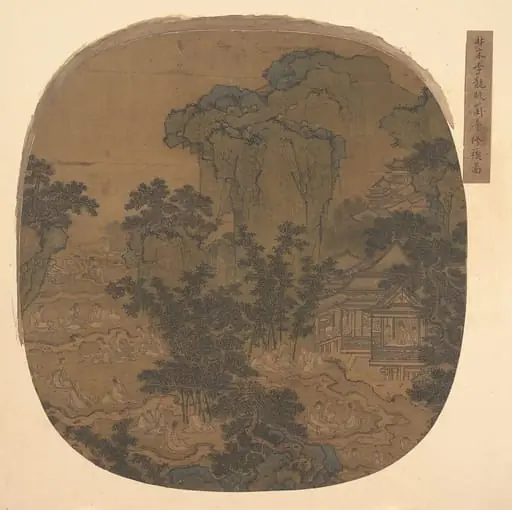
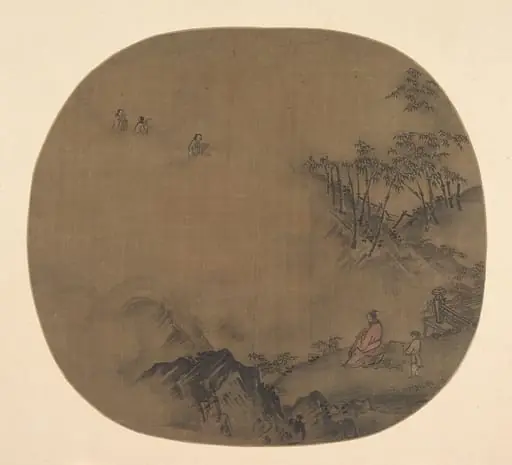
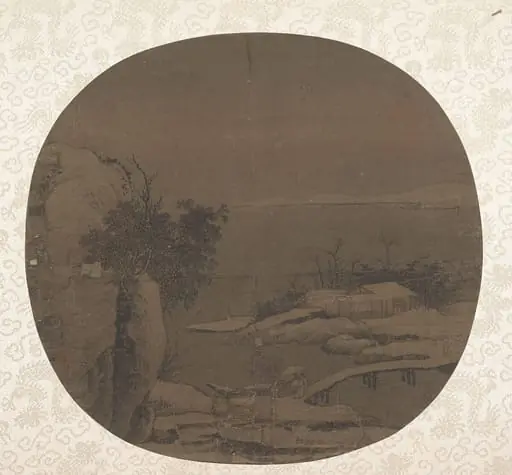
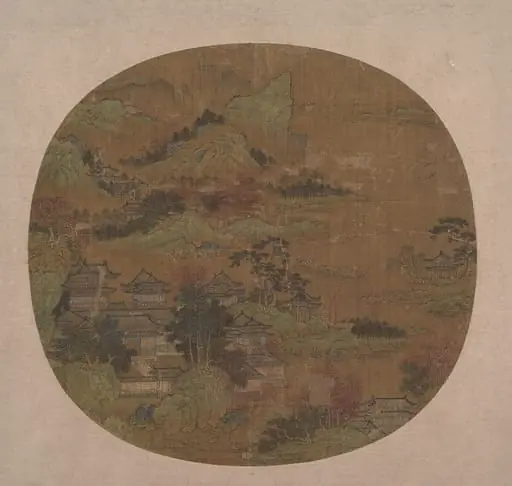
明 佚名 樓閣江帆圖 團扇|Village and Temples in Jiangnan is an ink painting. It dates from 1416 and is held in the collection of the Metropolitan Museum of Art. This painting, titled Village and Temples in Jiangnan, is an anonymous work from the Ming dynasty.
About this work
Technique & Style
The work was originally fashioned as a round fan before being mounted as an album leaf, a common preservation method for such portable formats.
Created in 1416, this landscape painting is executed in ink and color with gold highlights on silk. The work was originally fashioned as a round fan before being mounted as an album leaf, a common preservation method for such portable formats. Measuring 24.3 by 25.9 centimeters, the piece depicts a Jiangnan scene featuring temples and villages rendered with the formal qualities typical of the genre.
The support of silk allows for the delicate application of pigment and gold, characteristic of the period's handling of fan paintings. The composition balances architectural elements with natural scenery, showcasing the anonymous artist's skill in landscape representation during the early Ming dynasty.
History & Provenance
Created in 1416, the round fan painting titled Village and Temples in Jiangnan is attributed to an unknown artist from China. Executed in ink, color, and gold on silk and measuring 24.3 by 25.9 centimeters, it was originally a round fan that has since been mounted as an album leaf. The work depicts a Jiangnan landscape featuring temples and villages and is held in the collection of the Metropolitan Museum of Art, situating it within the early fifteenth-century, Ming dynasty period.
While the source material confirms the artwork's location within the museum's holdings, it does not provide a specific accession number or a detailed chronology of past exhibitions.
Context
The work, dated 1416, is recorded as a round fan mounted as an album leaf, executed in ink, color, and gold on silk and depicting a Jiangnan scene of temples and villages. It belongs to the landscape painting genre and exemplifies early-Ming anonymous workshop practice. Its inclusion in the Metropolitan Museum of Art’s collection situates it within the corpus of Chinese paintings preserved as cultural artifacts, highlighting the anonymous painter’s role in shaping visual representations of Jiangnan’s built environment.
Overview
This painting, titled Village and Temples in Jiangnan, is an anonymous work from the Ming dynasty. Originally a round fan, it has since been mounted as an album leaf. The artist employed ink, color, and gold on silk to depict a serene landscape.
It offers a glimpse into traditional Chinese painting practices, showcasing a detailed scene of human habitation integrated with nature.
Subject & Meaning
The artwork portrays a tranquil scene characteristic of the Jiangnan region of China. It features a village nestled alongside a river, punctuated by the presence of temples. This composition often conveyed an idealized harmony between human settlements and the natural world, reflecting cultural values of contemplation and retreat. The detailed rendering invites viewers to explore the various elements within the landscape.
Artist & collection