Artwork
The Sacrifice of Polyxena
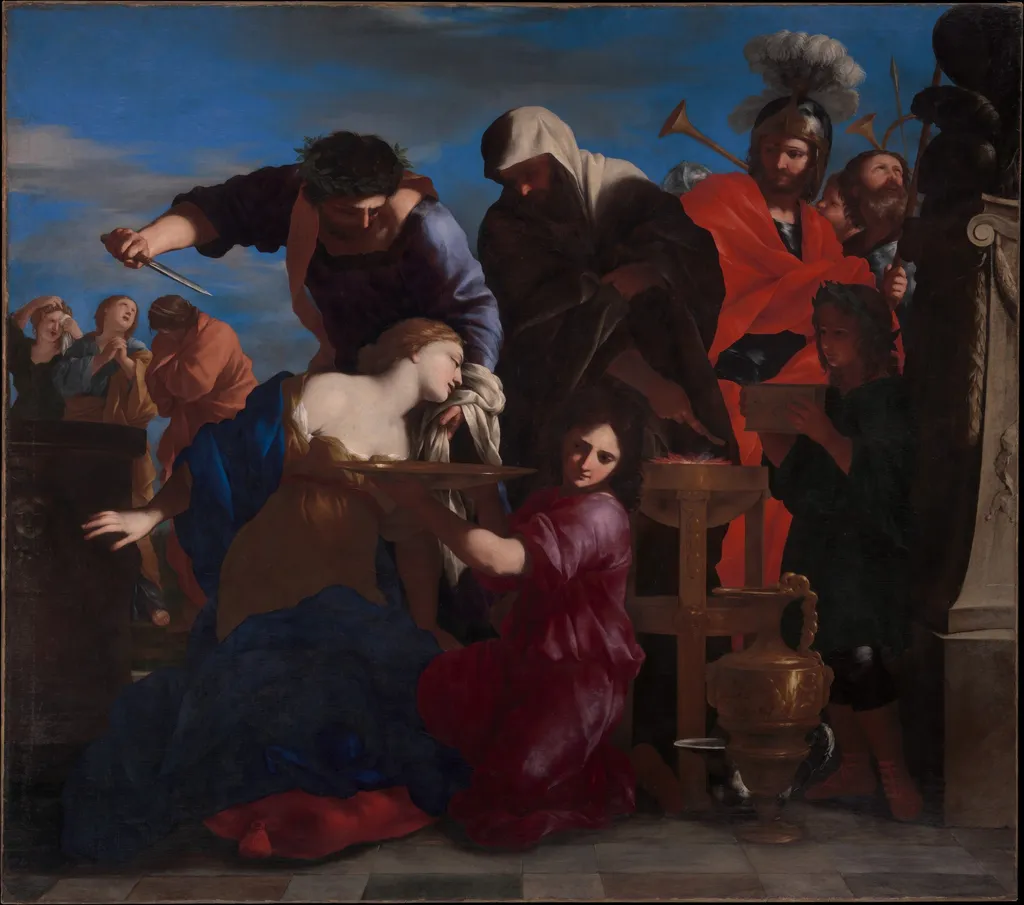
The Sacrifice of Polyxena is an oil painting by the Early Baroque Italian artist Giovanni Francesco Romanelli. It dates from 1630 and is held in the collection of the Metropolitan Museum of Art.
About this work
Subject & Meaning
Giovanni Francesco Romanelli's 1630 oil painting depicts the mythological execution of Polyxena, a captive Trojan princess.
Giovanni Francesco Romanelli's 1630 oil painting depicts the mythological execution of Polyxena, a captive Trojan princess. The narrative centers on her death, which serves as a sacrificial offering intended to appease the ghost of the Greek hero Achilles following his demise at the hands of the Trojans. Visually, the composition portrays the dramatic moment through the inclusion of specific figures and objects, including Polyxena herself, a man, and a knife, all rendered in oil on canvas.
As a work of mythological genre, the piece illustrates the ancient story of post-war retribution and ritual sacrifice, capturing the tragic fate of the princess who was offered to the dead warrior to ensure peace or satisfy supernatural demands.
Technique & Style
Executed in 1630, this mythological work by Giovanni Francesco Romanelli utilizes oil paint applied to a canvas support. The composition measures 197.5 cm in height and 223.5 cm in width, presenting a large-scale narrative scene. Visually, the painting depicts the dramatic moment of Polyxena's death, featuring figures including a woman and a man wielding a knife, consistent with the tragic sacrifice of the Trojan princess.
As a seventeenth-century Italian painting, the work employs traditional materials of the period to render its classical subject matter for the Metropolitan Museum of Art's collection.
History & Provenance
The Sacrifice of Polyxena was painted in 1630 by Giovanni Francesco Romanelli as an oil on canvas work depicting the mythological scene of Polyxena’s sacrifice. The painting, classified as a mythological genre piece, entered the collection of the Metropolitan Museum of Art in New York, where it remains part of the permanent collection. Its provenance traces from the artist’s studio to the museum’s acquisition, though the sources do not record a specific patron or commissioning details.
Since its acquisition, the work has been displayed among the museum’s European Baroque paintings, and its specific accession number is not detailed in the available records.
Legacy
The Sacrifice of Polyxena, painted by Giovanni Francesco Romanelli in 1630, exemplifies Baroque mythological art and is held in the Metropolitan Museum of Art, where it is catalogued as an oil on canvas work. Its iconography of a captive Trojan princess offered to Achilles’ ghost places it within the tradition of 17th-century narrative painting. The same subject was treated by other artists of the period, including Charles Le Brun, whose version is likewise held at the Metropolitan Museum of Art.
Overview
Giovanni Francesco Romanelli, an Italian painter from the 17th century, created The Sacrifice of Polyxena using oil on canvas. This painting captures a pivotal moment from classical mythology: the ritualistic killing of the Trojan princess Polyxena. The artwork is currently held in the collection of the Metropolitan Museum of Art in New York.
Own this work as a print
Artist & collection
Artist
Giovanni Francesco Romanelli (Viterbo, 1610 – Viterbo, 9 November 1662) was a major Italian painter of the Baroque period, celebrated for his use of bright, vivid colors and also for his clarity of detail.

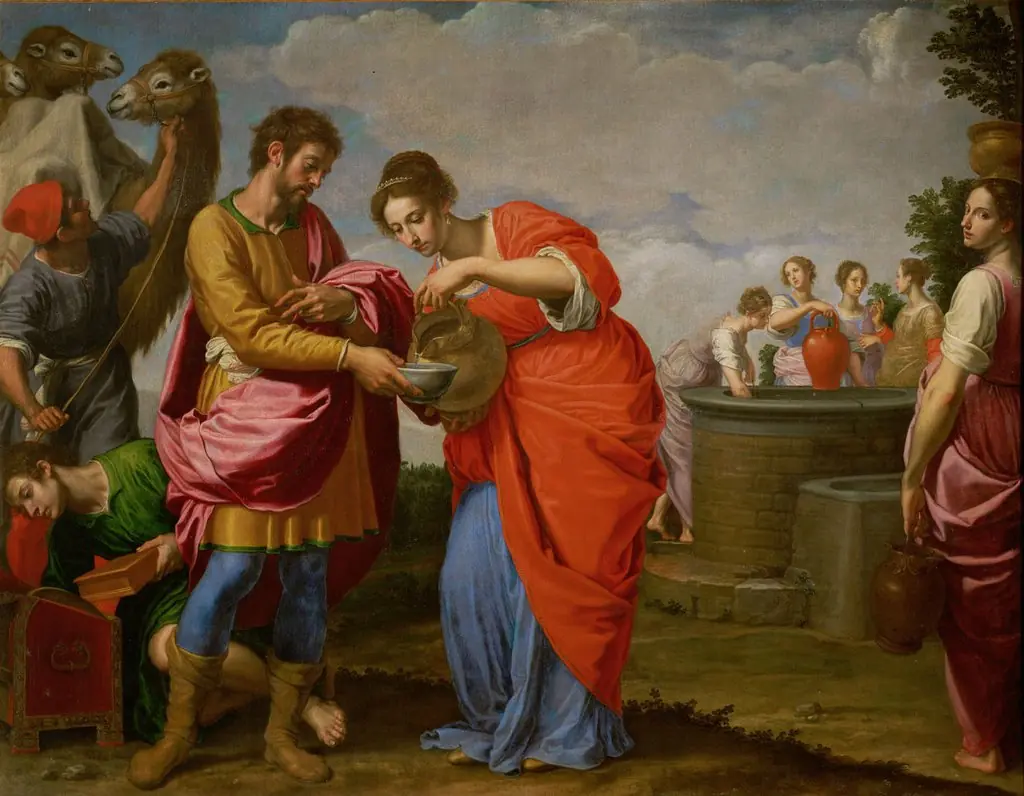 Rebekka und Elieser am Brunnen
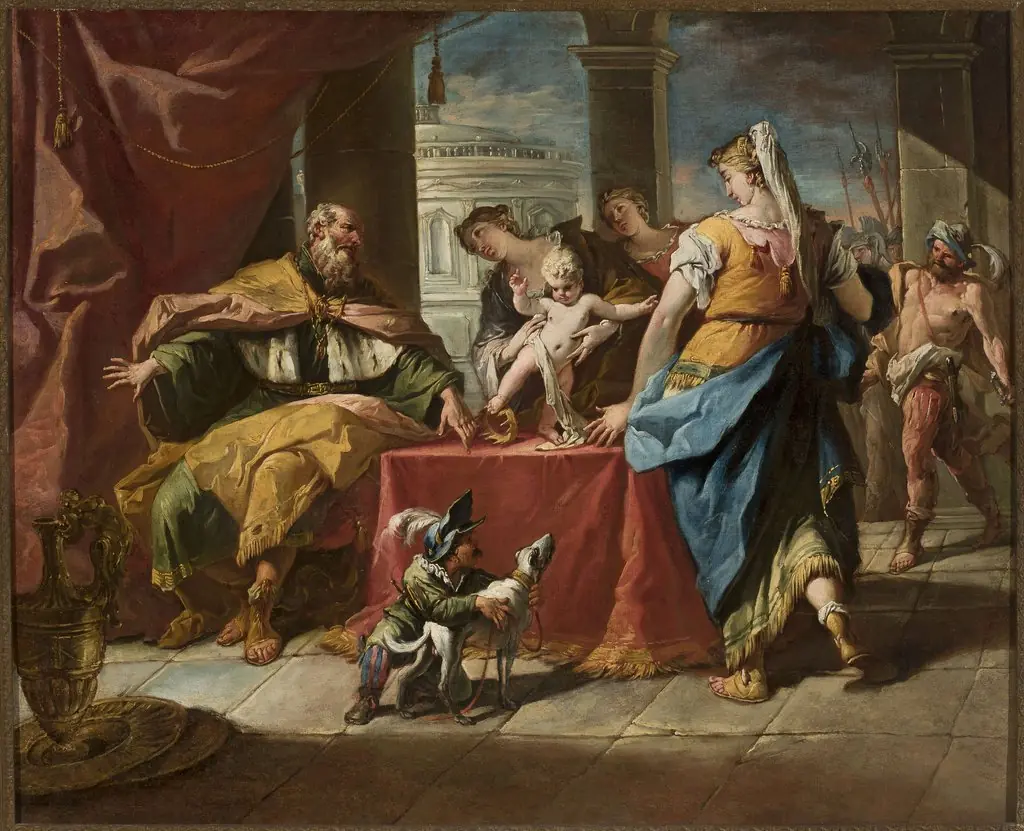 Moses trampling on the Pharaoh’s crown
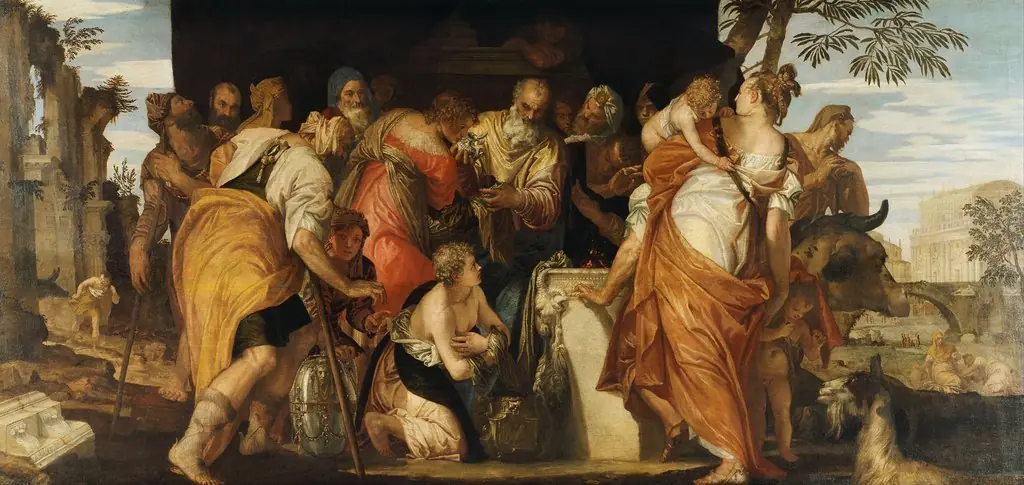 The Anointing of David
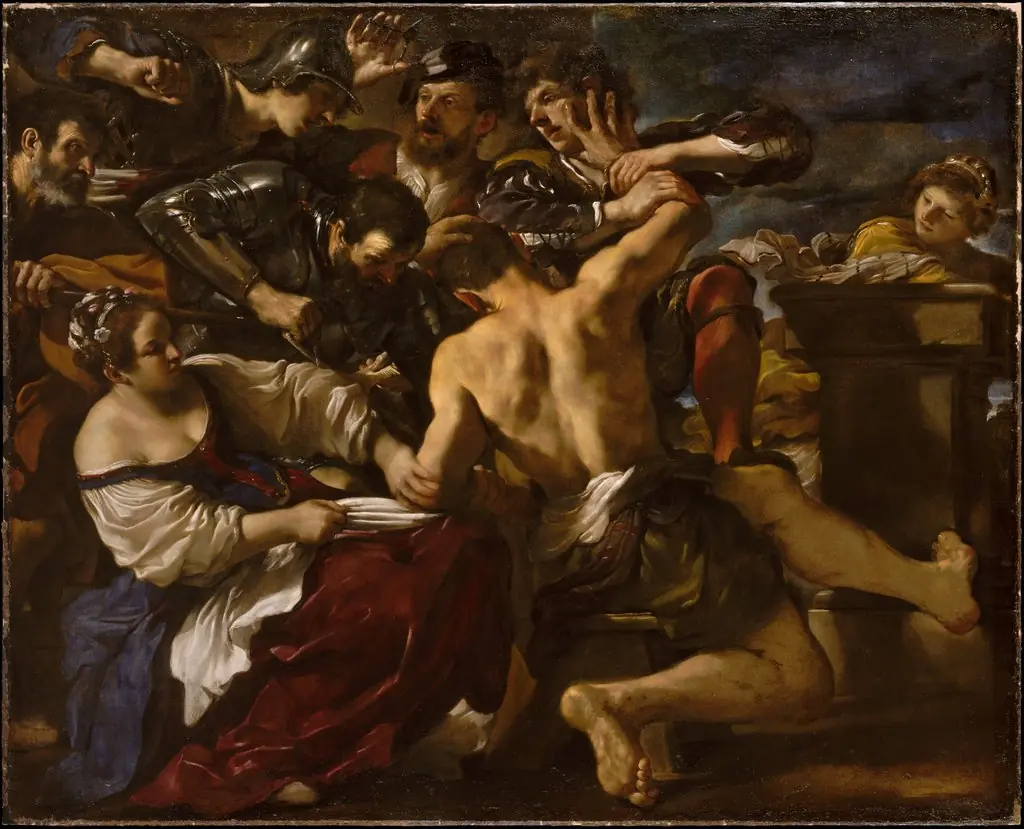 Samson Captured by the Philistines
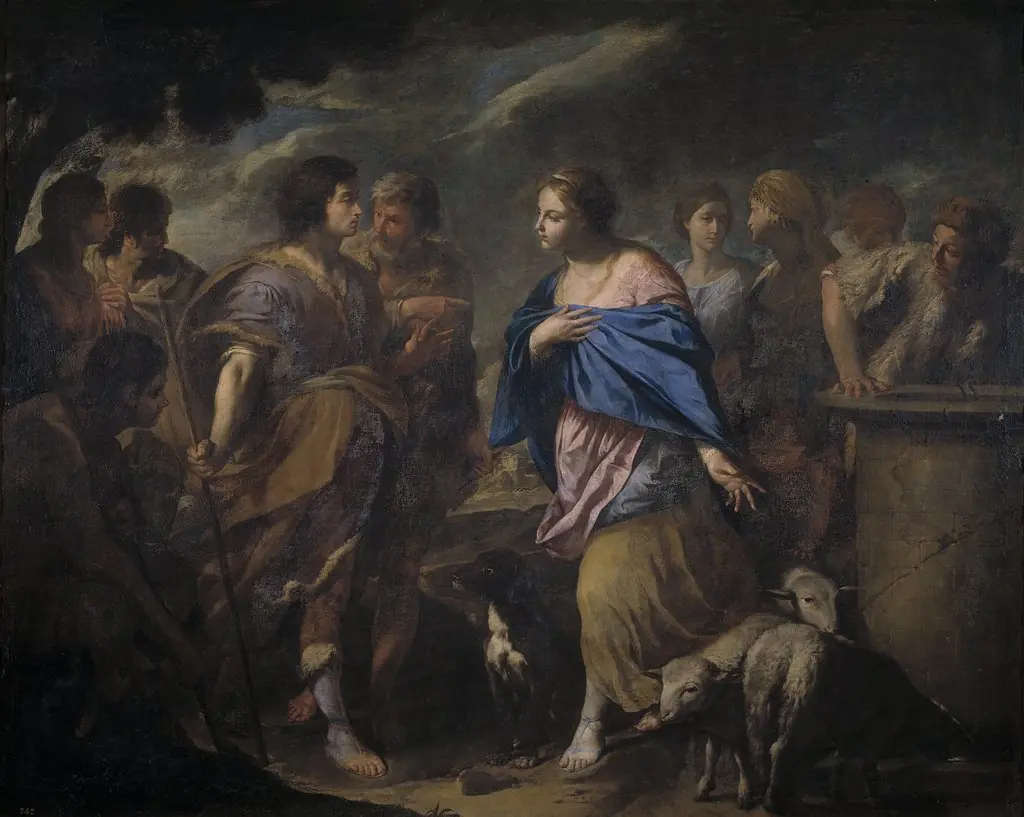 Meeting of Isaac and Rebeca
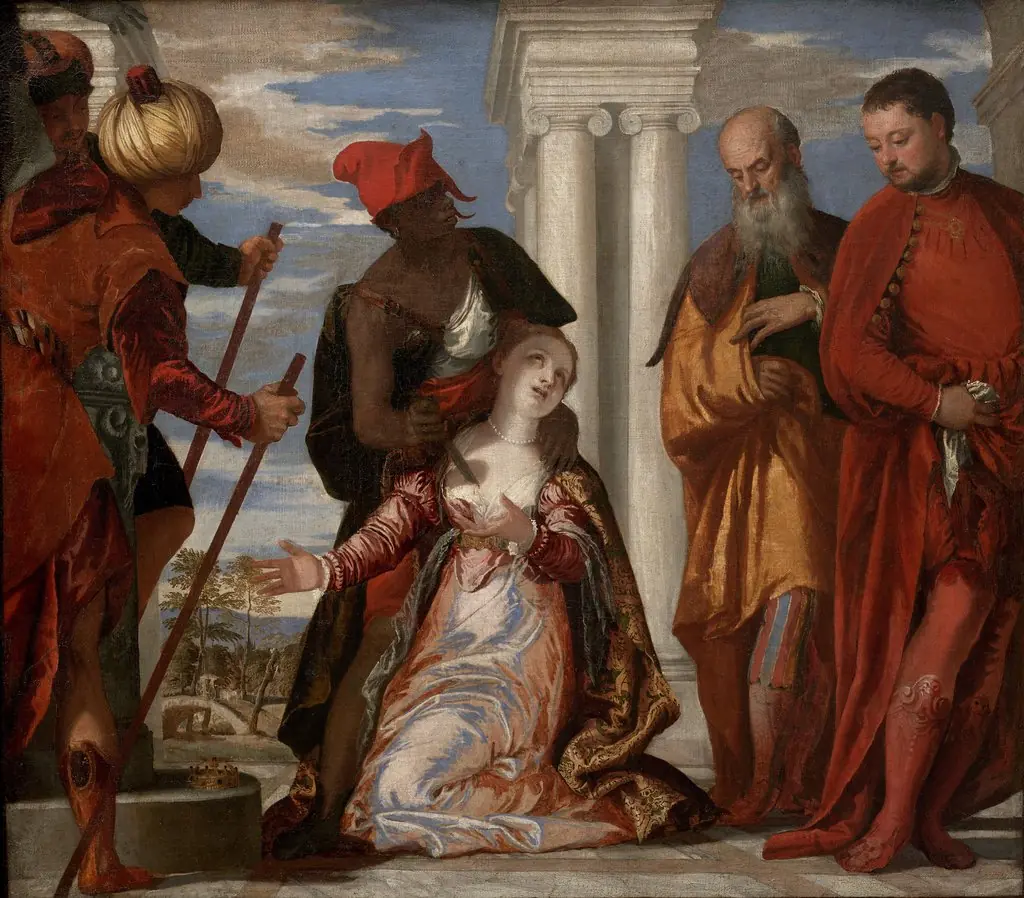 The Martyrdom of Saint Justina
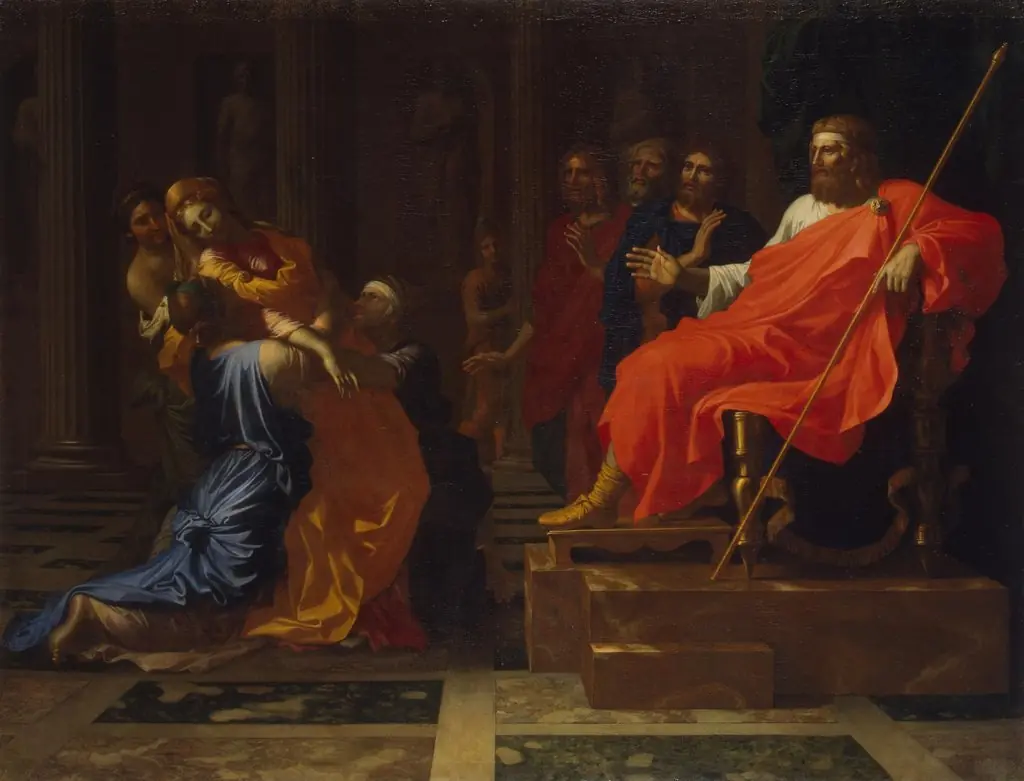 Esther before Ahasuerus
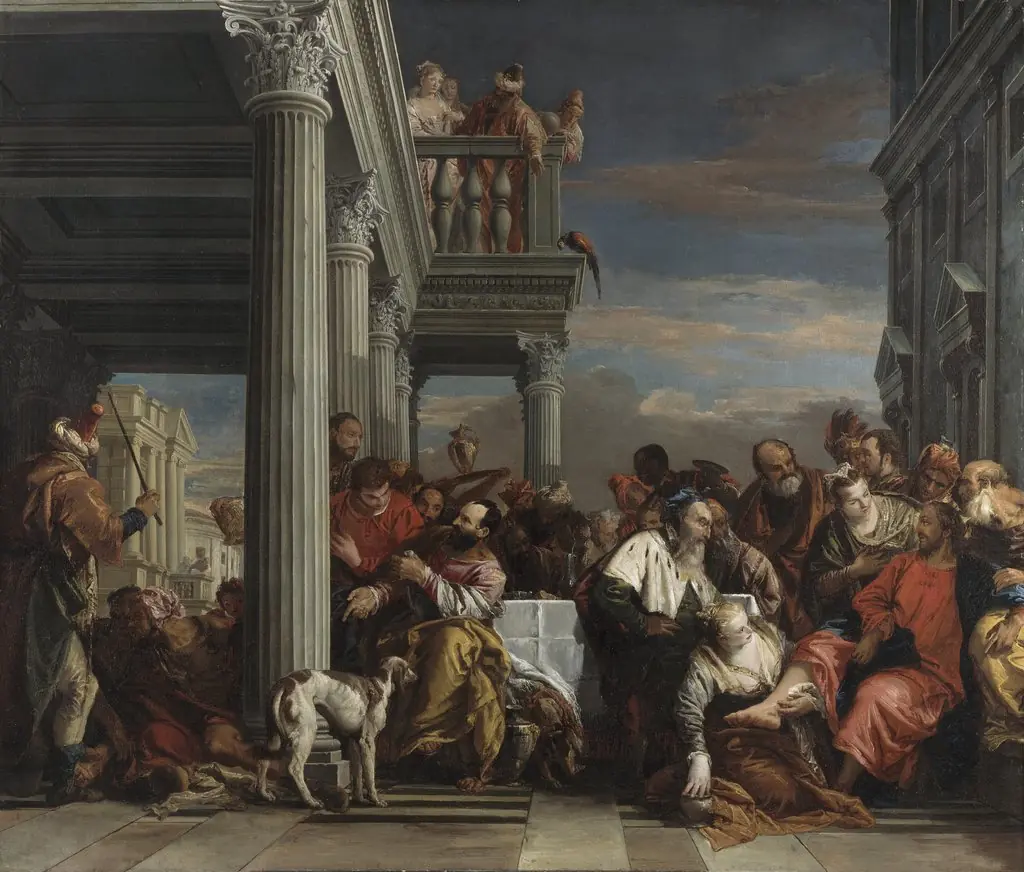 Christ in the House of Simon the Pharisee
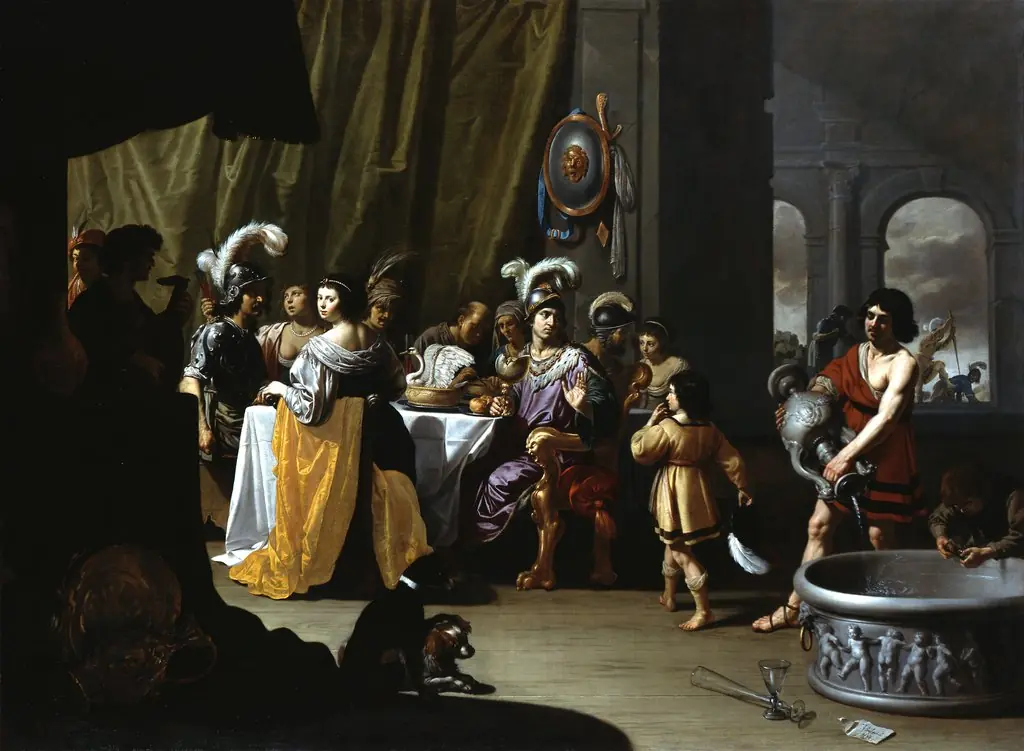 The Feast of Alexander and Kleitos
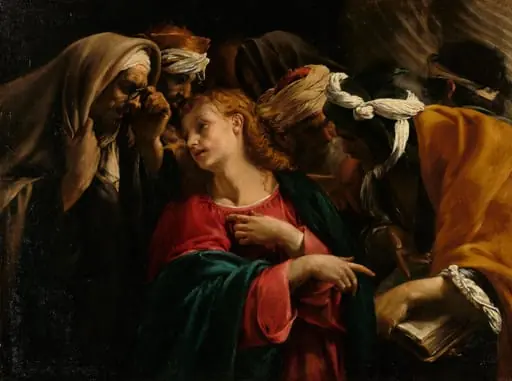 Christ among the Doctors
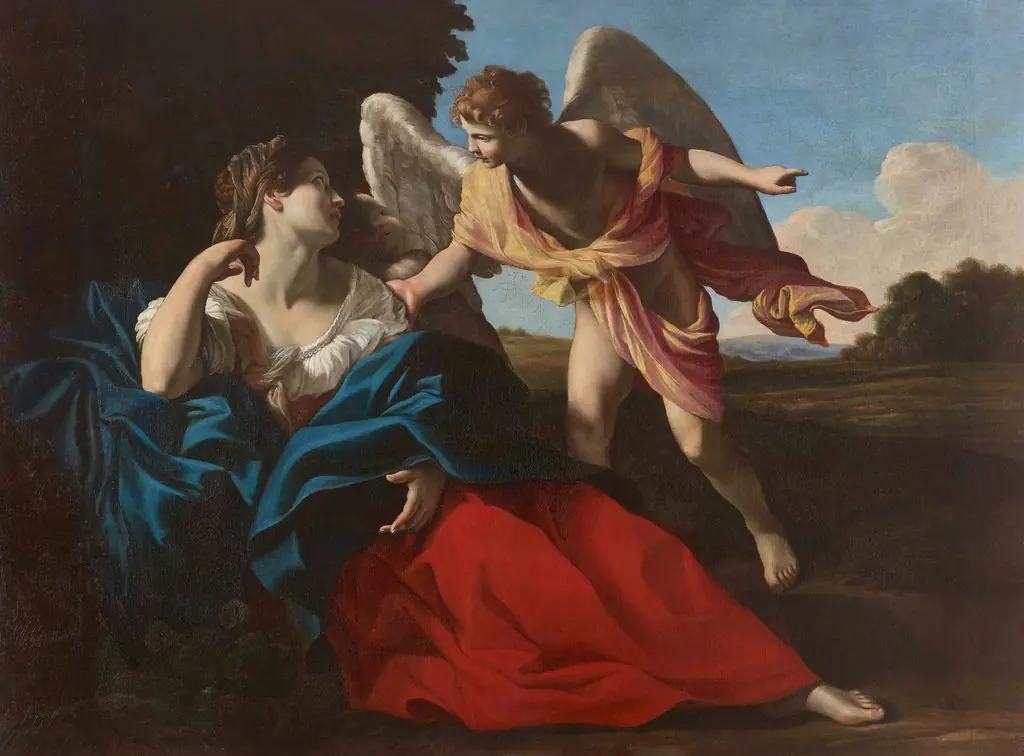 Hagar and the angel in the desert
- The Sacrifice of Iphigenia