Artwork
Dancing Children
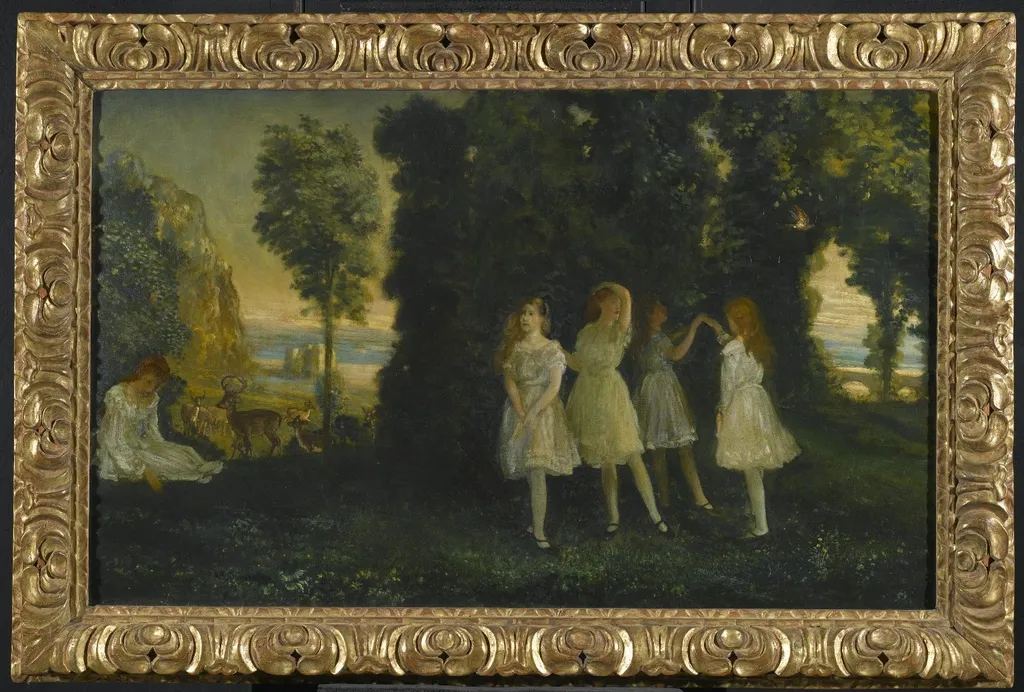
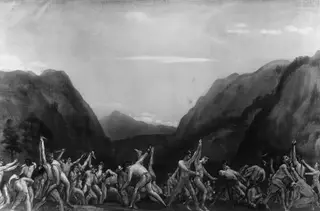
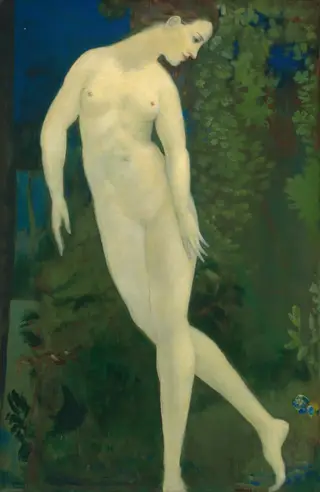
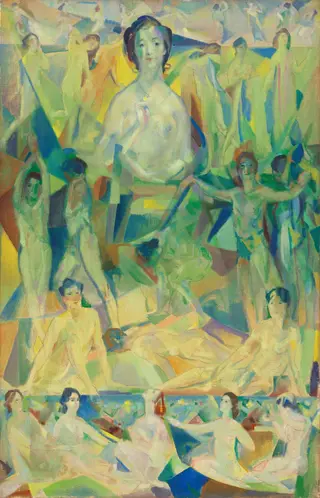
Dancing Children is an oil painting by the Post-Impressionist artist Arthur B. Davies. It dates from 1902 and is held in the collection of the Brooklyn Museum.
About this work
Overview
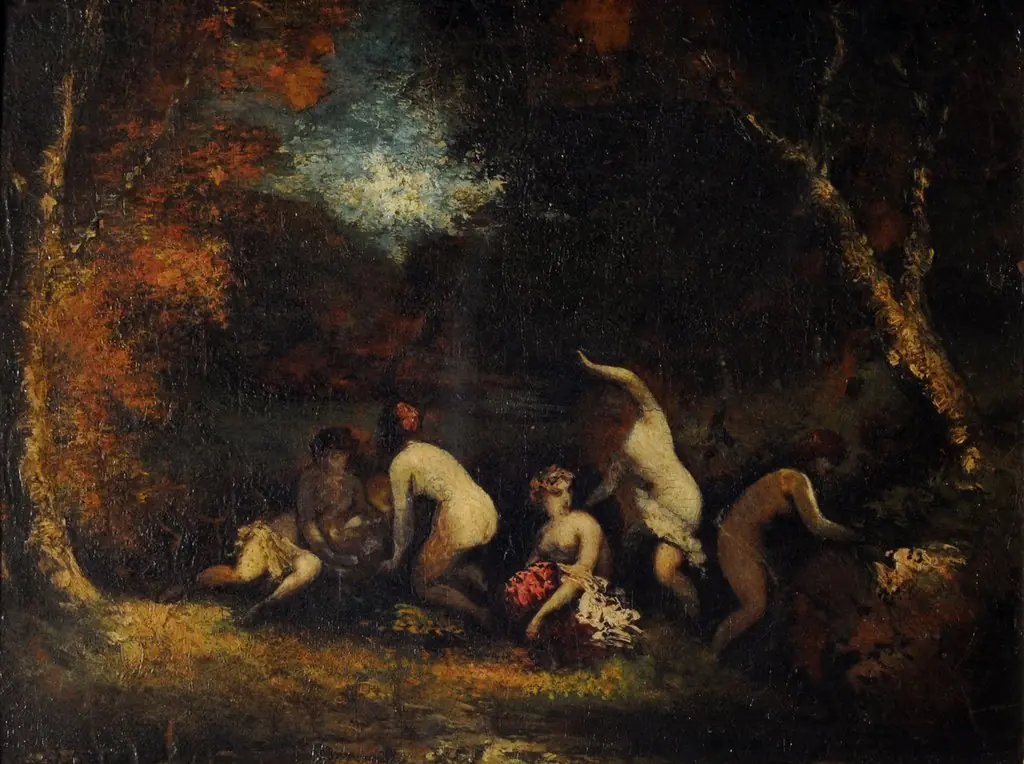
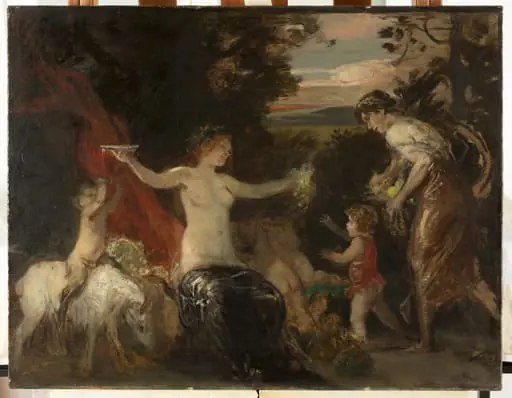
Painted in 1902, Dancing Children is an oil on canvas work by Arthur Bowen Davies that captures a quiet, lyrical moment of youthful movement in nature.
Painted in 1902, Dancing Children is an oil on canvas work by Arthur Bowen Davies that captures a quiet, lyrical moment of youthful movement in nature. Though rooted in the visual language of Post-Impressionism, the piece diverges from strict realism, favoring an atmospheric, almost ethereal rendering of its subjects. It reflects Davies’s early interest in emotional tone over narrative clarity, a tendency that would later define his role in American modernism.
Subject & Meaning
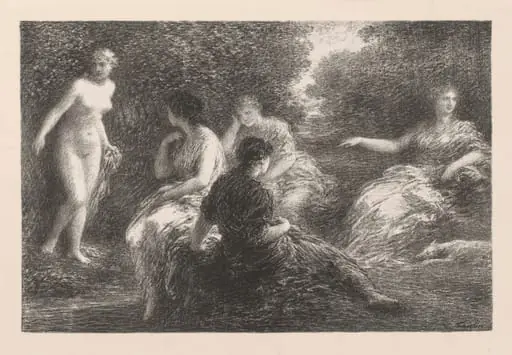
The painting depicts a group of young girls in white garments, dancing loosely among trees beside a reflective body of water. Their gestures suggest spontaneous joy, unburdened by social formality. The scene evokes an idealized vision of childhood innocence, not as a literal record but as a symbolic retreat from industrial modernity. Davies imbues the moment with a sense of timelessness, inviting contemplation rather than storytelling.
Technique & Style
Davies employed soft, blended brushwork and muted, harmonious tones to create a hazy, dreamlike atmosphere. Light filters diffusely through the foliage, casting no sharp shadows, while the figures are rendered with gentle contours rather than precise detail. The composition avoids perspective depth in favor of a flattened, rhythmic arrangement, echoing Symbolist and Aesthetic influences that prioritized mood over physical accuracy.
History & Provenance
Created during Davies’s formative years as an artist, Dancing Children was acquired by the Brooklyn Museum in the early 20th century and has remained in its collection since. It predates his leadership in the 1913 Armory Show, but already reveals the sensibilities that would later position him as a bridge between American academic traditions and emerging European modernism.
Context
In early 1900s America, many artists were grappling with how to reconcile traditional subjects with new visual languages. Davies, influenced by European Symbolists and the Pre-Raphaelites, turned to nature and childhood as vessels for emotional expression. Dancing Children reflects a broader cultural yearning for purity and harmony amid rapid urbanization and social change.
Legacy
Though less known today than his contemporaries, Davies’s early works like this one helped shape the reception of non-representational art in the U.S. Dancing Children exemplifies his unique synthesis of poetic subjectivity and formal restraint, influencing later generations interested in art as an emotional rather than documentary medium.
Artist & collection
Artist
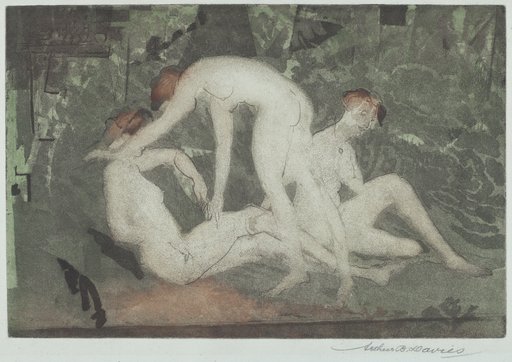
Arthur Bowen Davies (September 26, 1862 – October 24, 1928) was an avant-garde American artist and influential advocate of modern art in the United States c. 1910–1928.