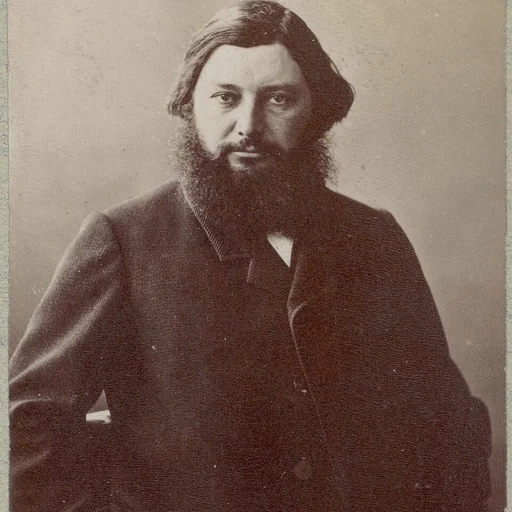
Subject
Deer
Deer is a subject in art. The gallery holds 117 works in this subject in art, including works by Gustave Courbet, Albert Bierstadt and Rosa Bonheur.
Few animals have carried as long or as varied an artistic life as the deer. The stag appears among the earliest images humans ever made: the painted caves of Lascaux in the Dordogne, executed during the Magdalenian period roughly 17,000 years ago, include a celebrated frieze of swimming stags and engraved deer alongside the horses and aurochs, set down by hunters for whom the animal was at once quarry and presence. From these Palaeolithic beginnings the deer recurs across Scythian goldwork, Chinese painting, and the medieval bestiary, almost always cast in a positive light.
In Christian Europe the stag acquired a specifically religious charge. Through the legends of Saint Eustace and Saint Hubert—Roman soldiers converted by the apparition of a crucifix glowing between a stag's antlers—the deer became a Christological emblem of piety and conversion, while the shedding and regrowth of its antlers read as a figure of resurrection. Pisanello's jewel-like "The Vision of Saint Eustace" (c. 1438–42, National Gallery, London) and Albrecht Dürer's engraving of the same subject (c. 1501) are the canonical treatments, and the motif underlies devotional wilderness scenes such as the catalogue's "Christ in the Wilderness" by Moretto da Brescia.
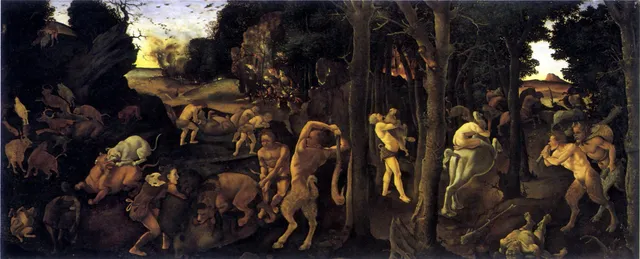
Parallel to this sacred strand ran the secular iconography of the hunt, the defining recreation of the European aristocracy. Renaissance and Baroque painters from Piero di Cosimo—whose panoramic "A Hunting Scene" the catalogue holds—to Lucas Cranach and Peter Paul Rubens turned the chase into spectacle, and dynastic portraits like Robert Peake the elder's "Henry Frederick, Prince of Wales... in the Hunting Field" (1606–07) used the slain stag to signal princely virtue.
The nineteenth century recast the deer once more. Sir Edwin Landseer's "The Monarch of the Glen" (1851), a twelve-point red stag against misty Highland peaks, became the defining image of Romantic Scotland and, through countless engravings and advertisements, one of the most reproduced animal pictures ever painted. Gustave Courbet answered such idealism with brutal Realism in "L'Hallali du cerf" (1867, Besançon), enlarging a hunting kill to the scale once reserved for history painting. From cave wall to Romantic icon, the deer remains a mirror for human ideas of wildness, sacrifice, and the sublime.
Key artists


Overview
The deer is a recurring motif in visual art that spans continents, millennia, and diverse stylistic movements. From early cave paintings to contemporary installations, artists have returned to this animal to reflect evolving human relationships with nature, spirituality, and society. The creature's physical duality, combining delicate grace with wild resilience, allows it to function as a mirror for societal values, anxieties, and aspirations. Depictions range from serene pastoral scenes evoking tranquility to dramatic compositions emphasizing power and majesty, establishing the deer as a universal and enduring subject of artistic fascination.
Iconography & meaning
In art, the deer carries multifaceted symbolism, often associated with innocence, regeneration, and the untamed wilderness. The stag, with its antlers raised in dominance, conveys power and majesty, while the grazing hind embodies gentleness and grace. Christian iconography prominently features the stag in the legend of Saint Eustace, where a Roman general named Placidus encounters a crucifix between the antlers of a stag, leading to his conversion. In this context, the deer serves as a vessel for divine revelation. Conversely, in hunting scenes, the deer symbolizes the chase and the thrill of the hunt, while in personal modern iconography, the wounded deer has become a potent metaphor for physical and emotional suffering, vulnerability, and resilience in the face of destiny.
Across movements & periods
The treatment of the deer has shifted considerably across art history. During the Renaissance, Paolo Uccello utilized the stag hunt to explore mathematics and linear perspective, rendering elongated figures with geometric precision. Baroque artists like Annibale Carracci employed dramatic light and shadow to emphasize the spiritual intensity of the stag in religious visions. In the 19th century, Realists such as Gustave Courbet and Rosa Bonheur focused on anatomical accuracy and textural mastery, using thick impasto and atmospheric perspective to capture the creature in its natural habitat. By the 20th century, German Expressionists like Franz Marc abandoned realism, using bold, non-naturalistic colors and elongated forms to express the inner spiritual essence of the animal, while Surrealists like Frida Kahlo transformed the deer into a visceral, personal symbol of psychological turmoil.
Notable depictions
Several canonical works define the deer in art history. Paolo Uccello completed The Hunt in the Forest in 1470, a Renaissance masterpiece of converging perspective now housed in the Ashmolean Museum in Oxford. Annibale Carracci painted The Vision of Saint Eustace in 1615, capturing the conversion of Placidus; this Baroque work resides in the National Museum of Capodimonte in Naples. Sir Edwin Landseer completed The Monarch of the Glen in 1851, an iconic image of a regal stag in the Scottish Highlands. George Stubbs painted Red Deer Stag and Hind in 1764, a study in anatomy held at Tate Britain, and Cheetah and Stag with Two Indians in 1765. Gustave Courbet completed Deer Running in the Snow in 1861, and Rosa Bonheur painted Landscape with Deer in 1868. In the modern era, Franz Marc created Deer in the Forest in 1913, and Frida Kahlo completed The Wounded Deer in 1946, a self-portrait inscribed with the word Carma, now in the Museum of Modern Art in New York.
Legacy
The depiction of the deer has left a lasting impact on the art world, continuously inspiring both artists and viewers. Landseer's Monarch of the Glen became emblematic of Scottish culture, sparking ongoing debate over its romantic portrayal of wildlife while shaping the visual identity of the Highlands. Kahlo's Wounded Deer remains a powerful symbol of resilience and strength in the face of suffering, cementing the animal's role as a vehicle for personal and existential metaphor. The ongoing prevalence of the deer in artistic traditions, from wildlife painting to contemporary installations, underscores its universal appeal, ensuring its continued relevance as a lens through which humanity examines its connection to the natural world and its own psychological condition.
Works
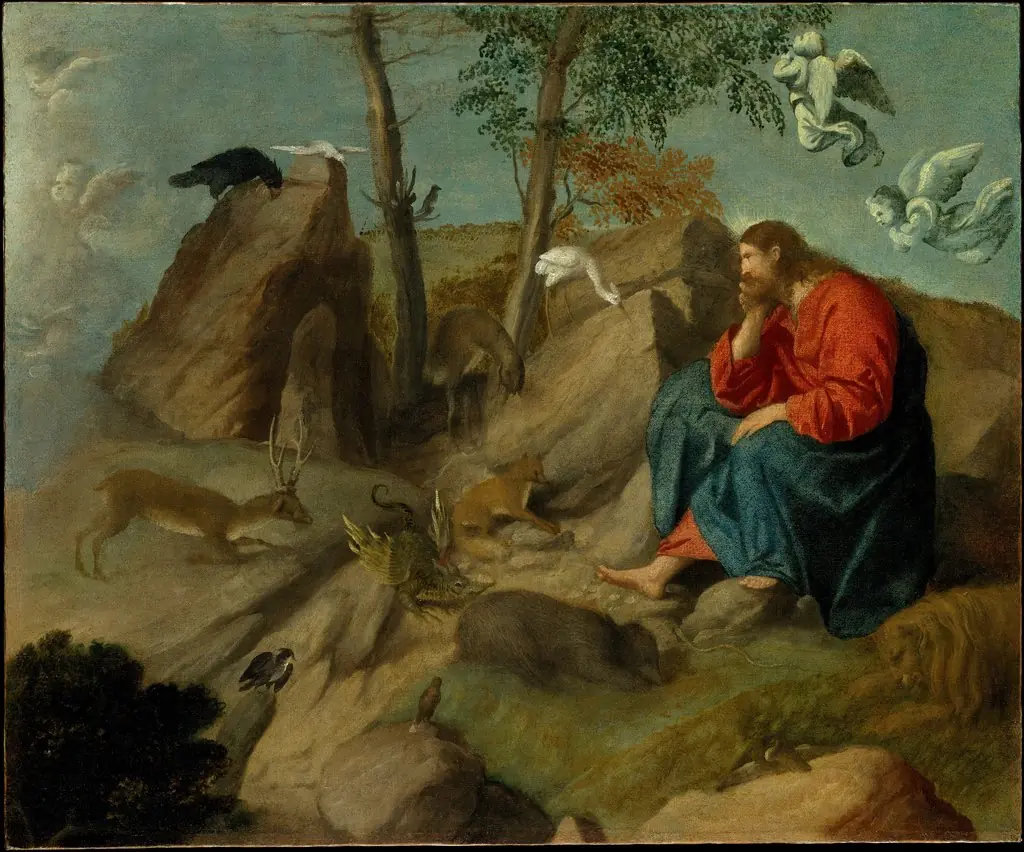 Christ in the Wilderness
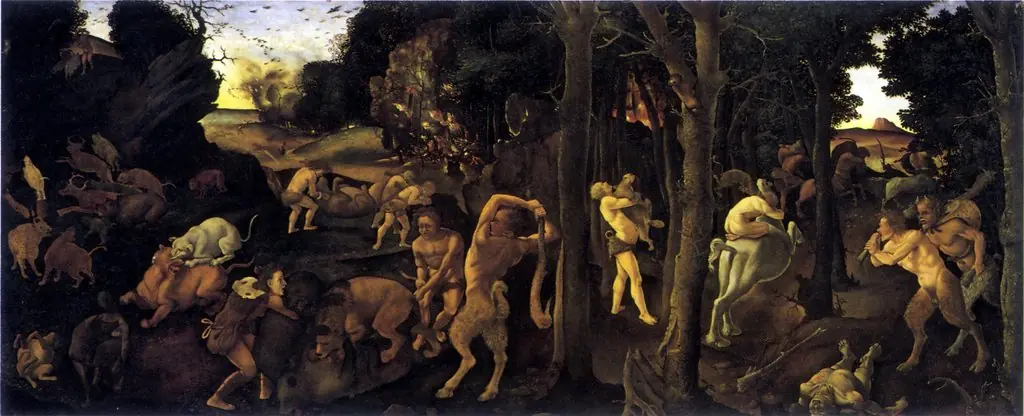 A Hunting Scene
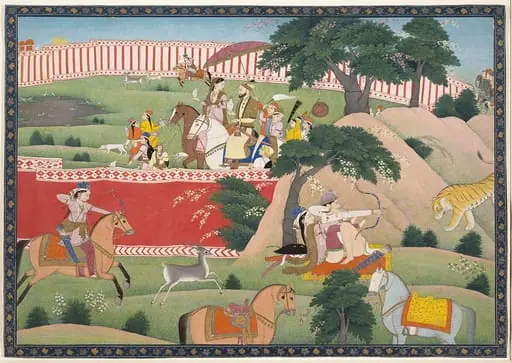 Untitled
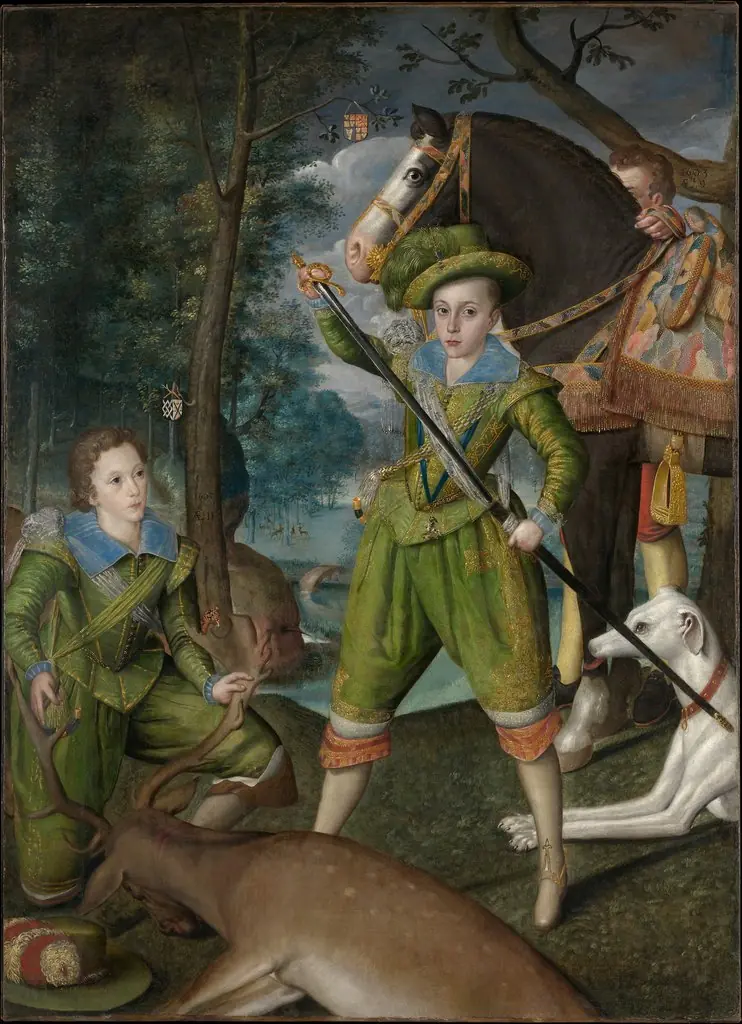 Henry Frederick (1594–1612), Prince of Wales, with Sir John Harington (1592–1614), in the Hunting Field
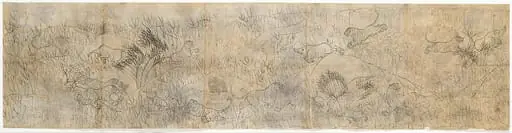 Untitled
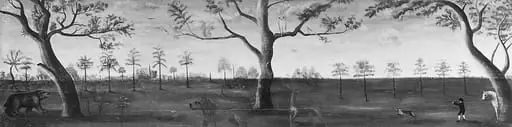 Hunting Scene
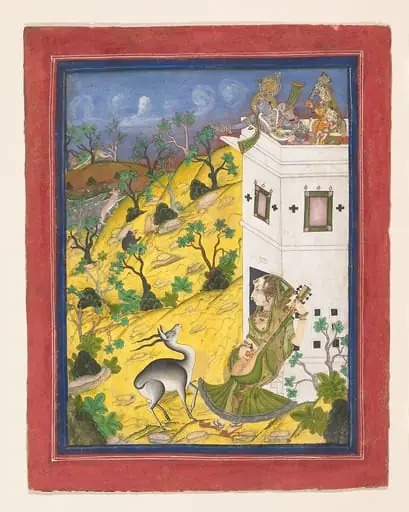 Untitled
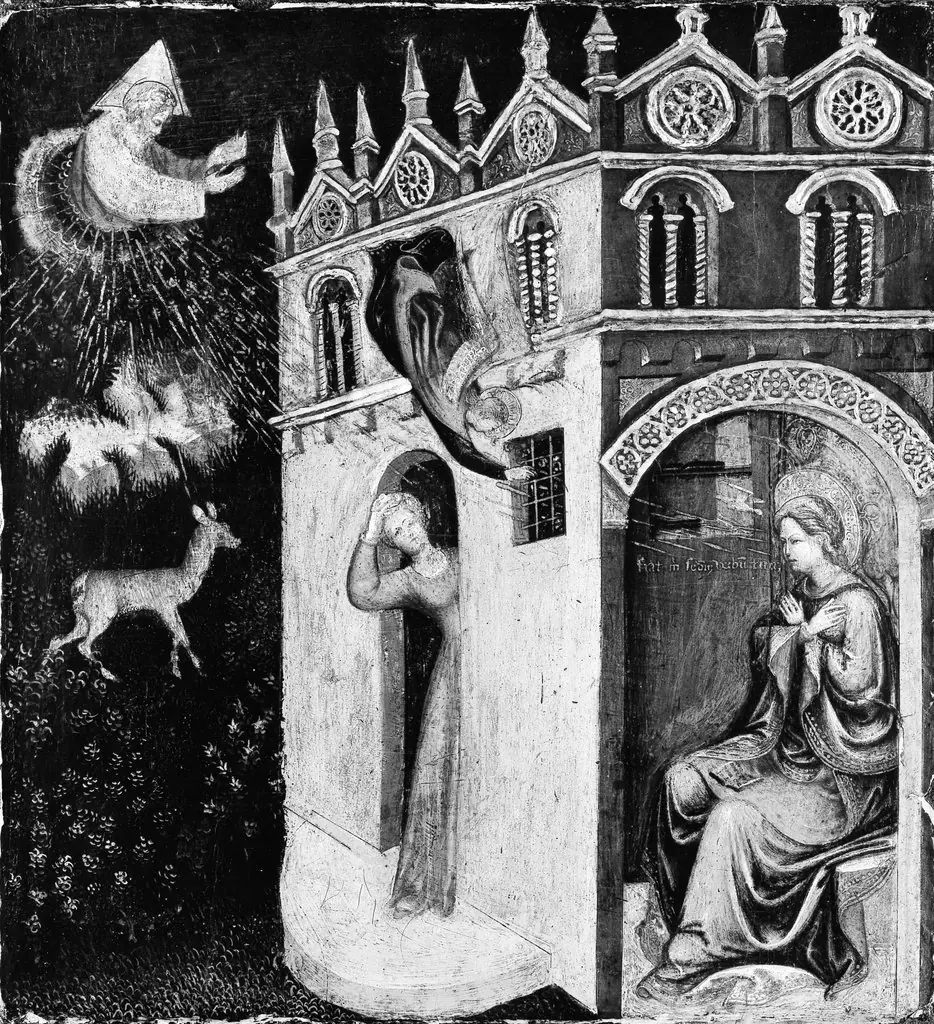 The Annunciation
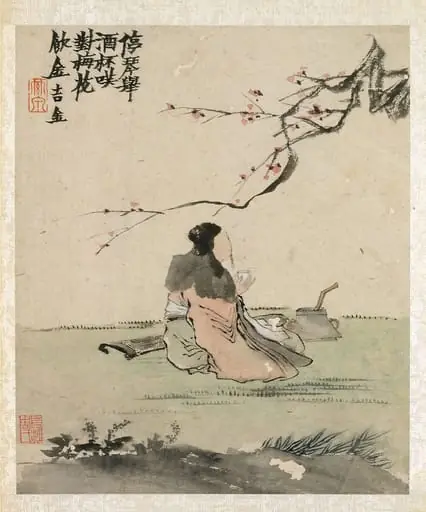 Untitled
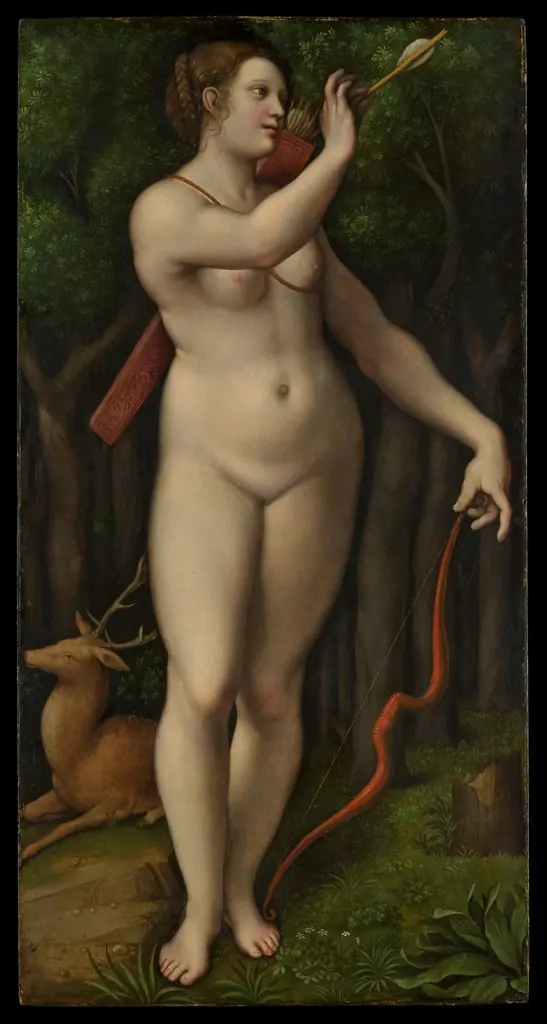 Diana the Huntress
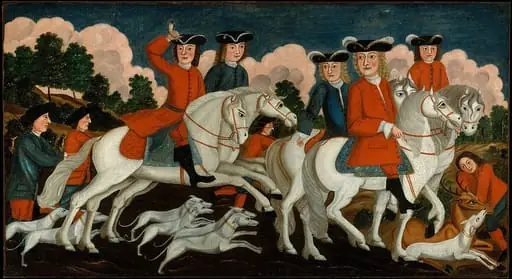 The Hunting Party—New Jersey
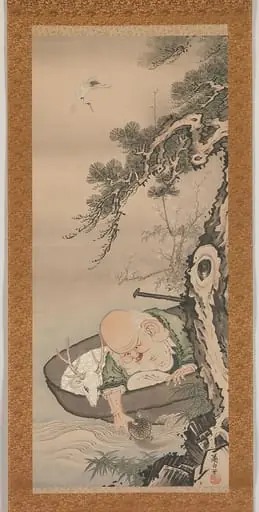 曽我蕭白筆 寿老人図|The God of Good Fortune Jurōjin
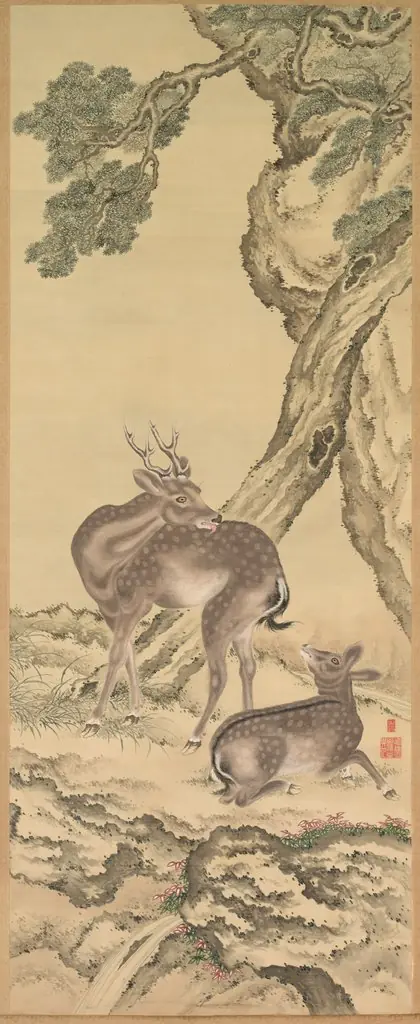 Symbols of Longevity: Deer under Peach and Pine (Peach) (left)
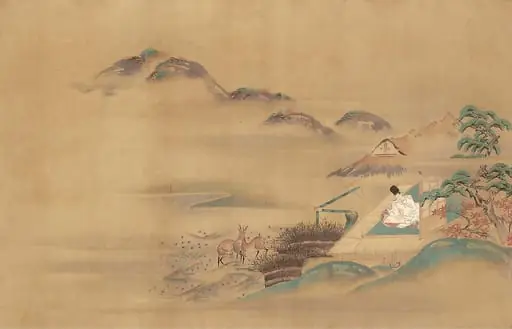 石山師香筆 源氏物語八景 絵巻|Eight Views from The Tale of Genji
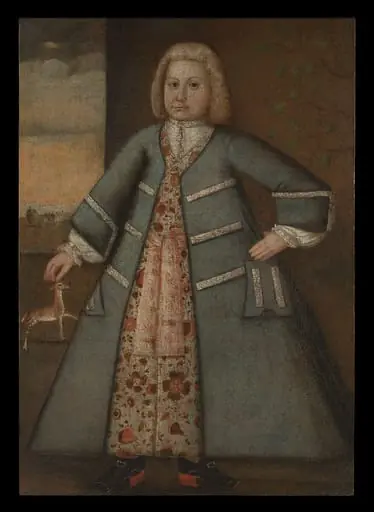 Boy with a Fawn
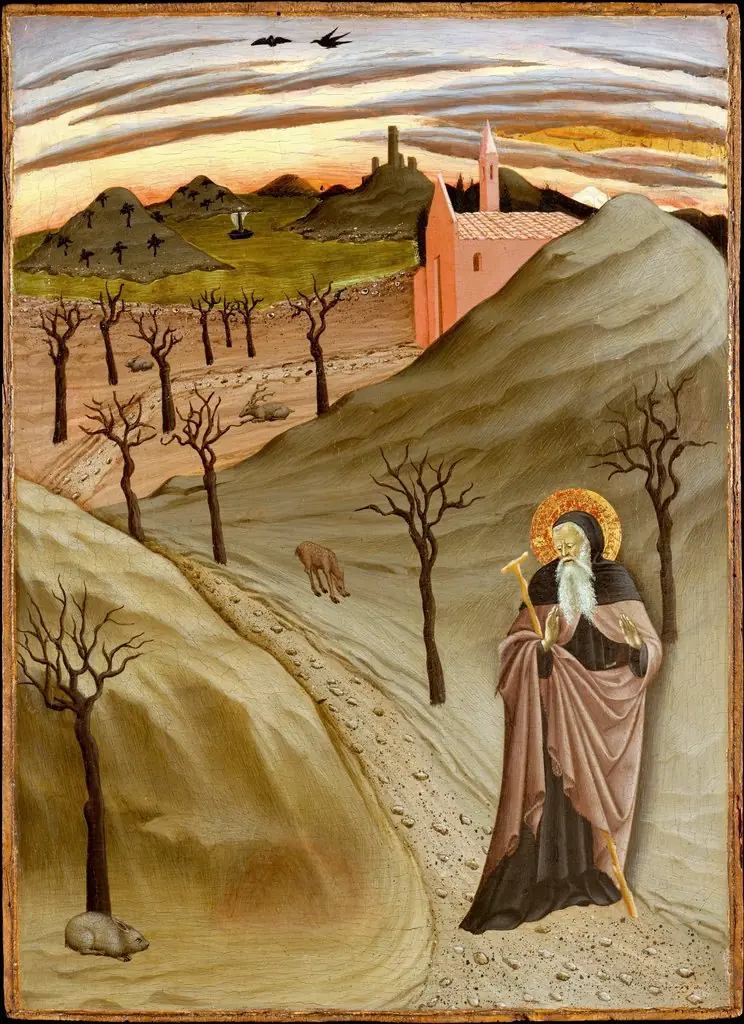 Saint Anthony Abbot Tempted by a Heap of Gold
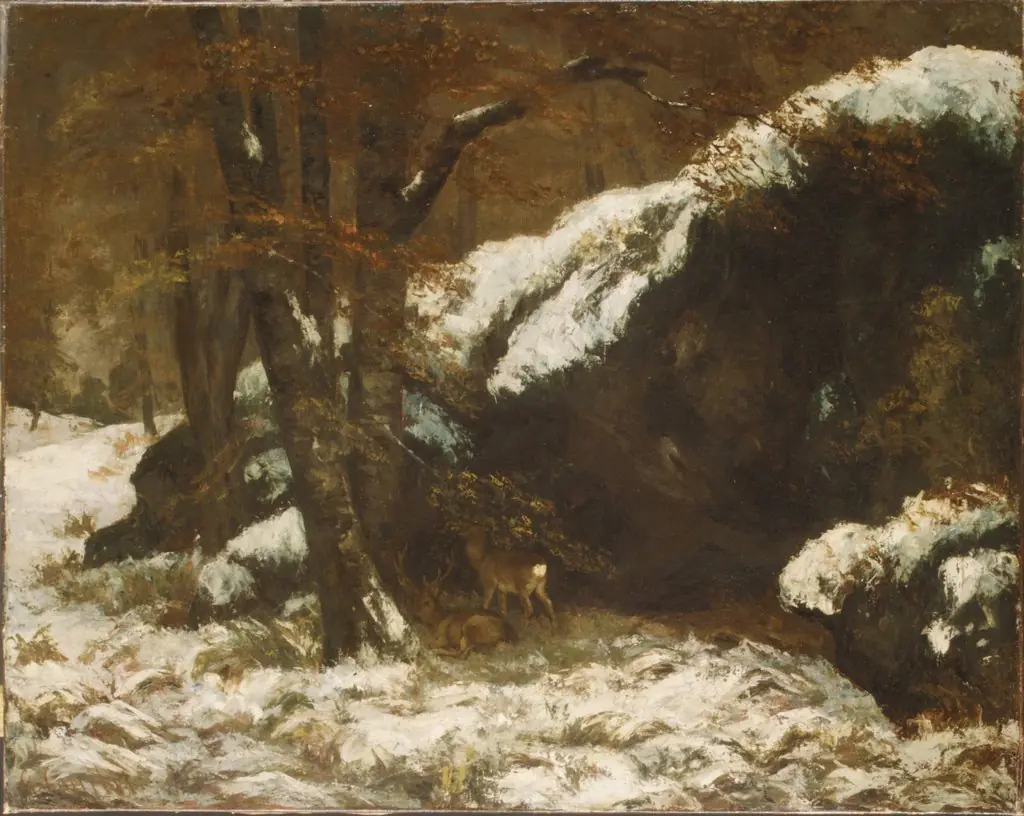 The Deer
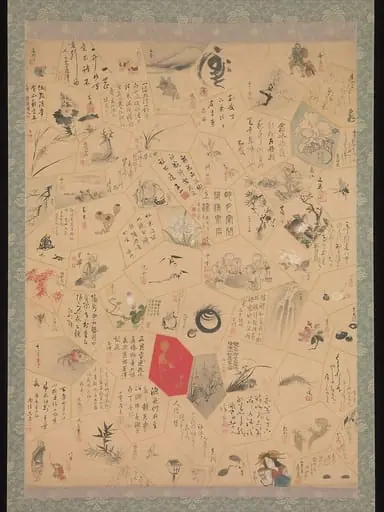 Untitled
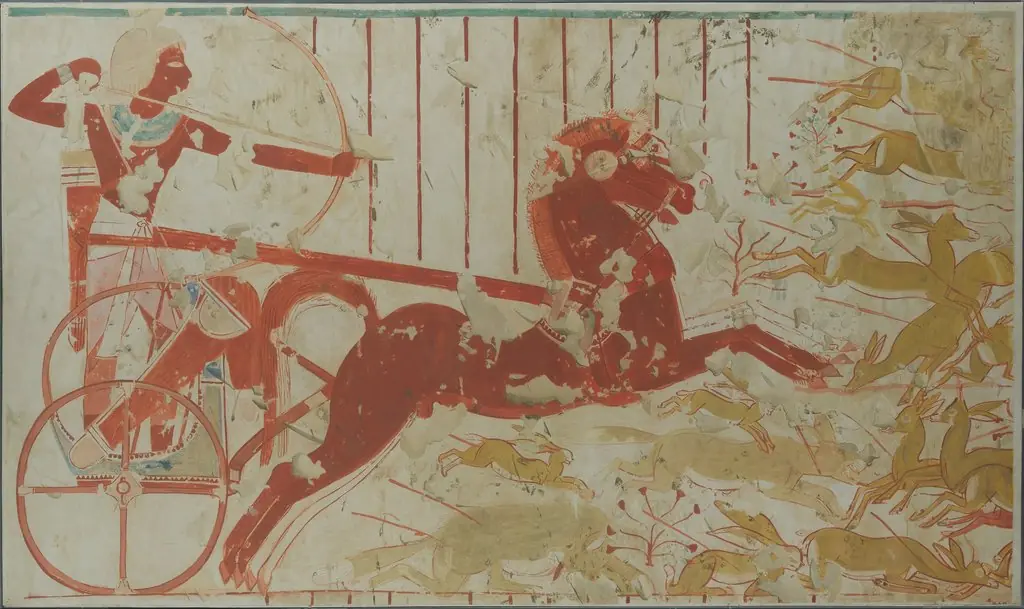 Hunting from a Chariot, Tomb of Userhat
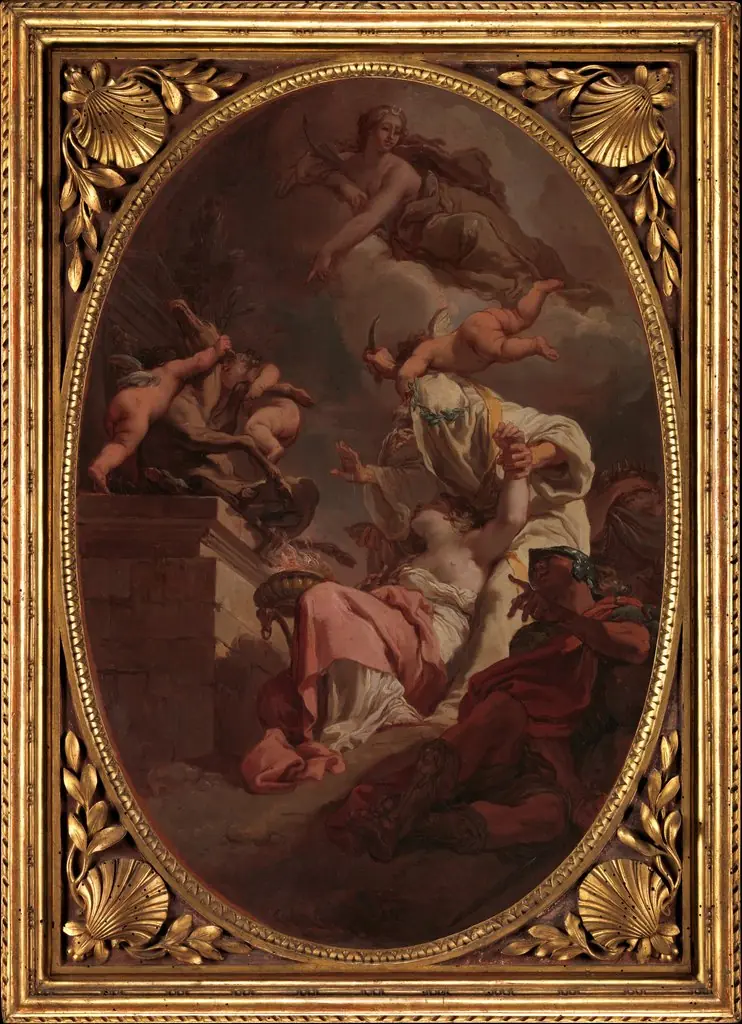 The Sacrifice of Iphigenia
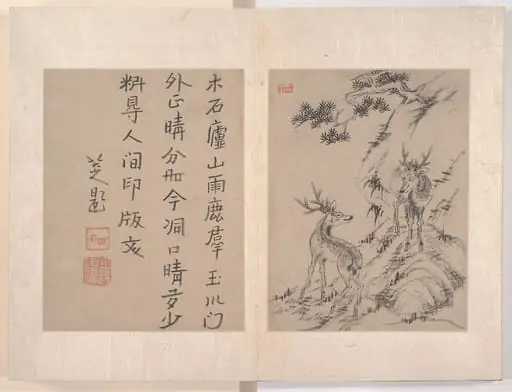 Untitled
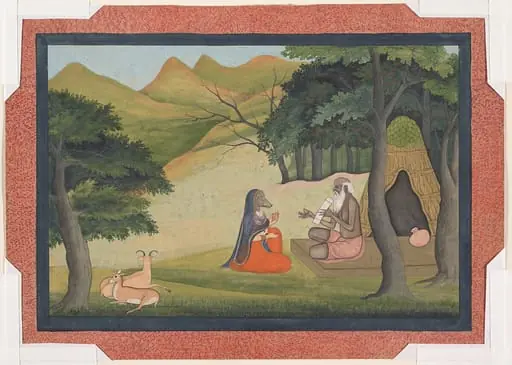 Untitled
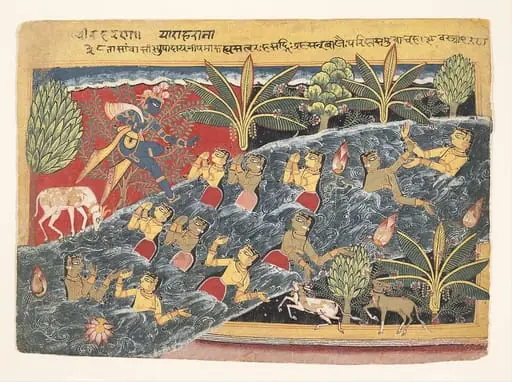 Untitled
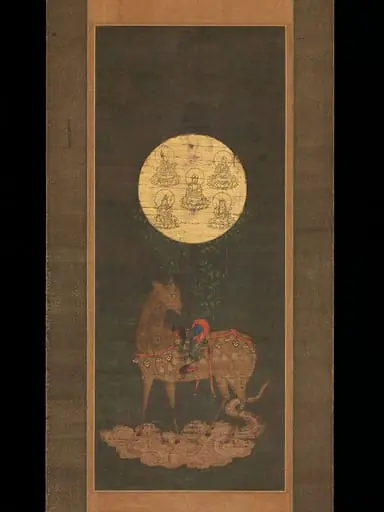 春日鹿曼荼羅 (Kasuga shika mandara)|Deer Mandala of Kasuga Shrine
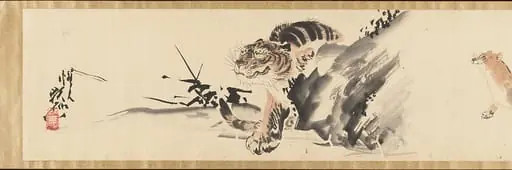 Untitled
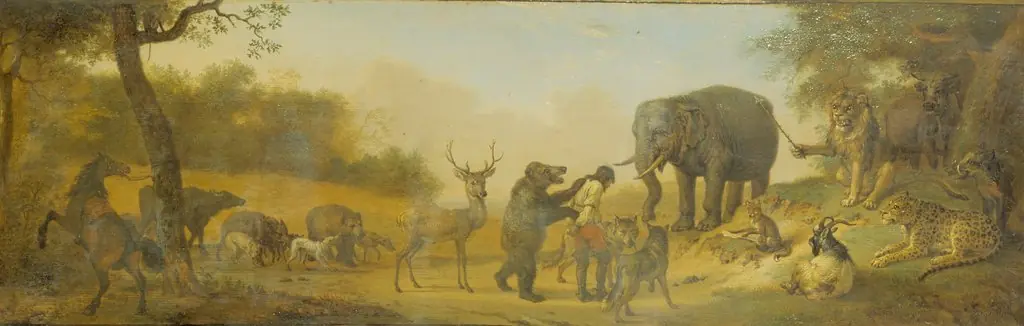 Hunter and Hounds being Judged
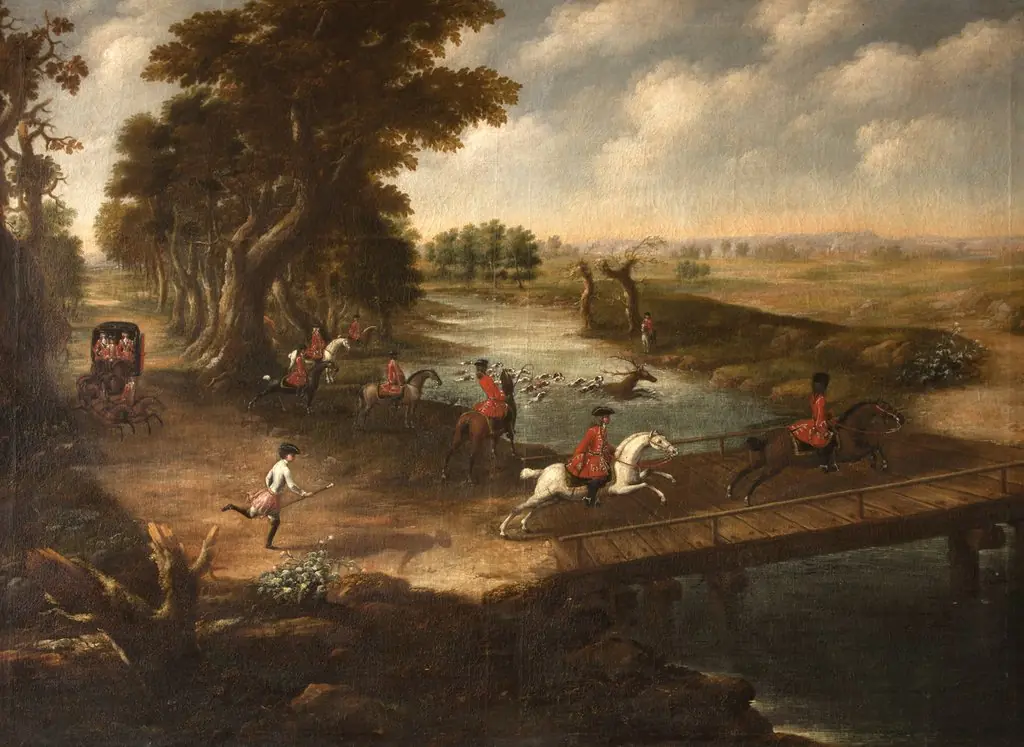 En jagt af kongelige personer
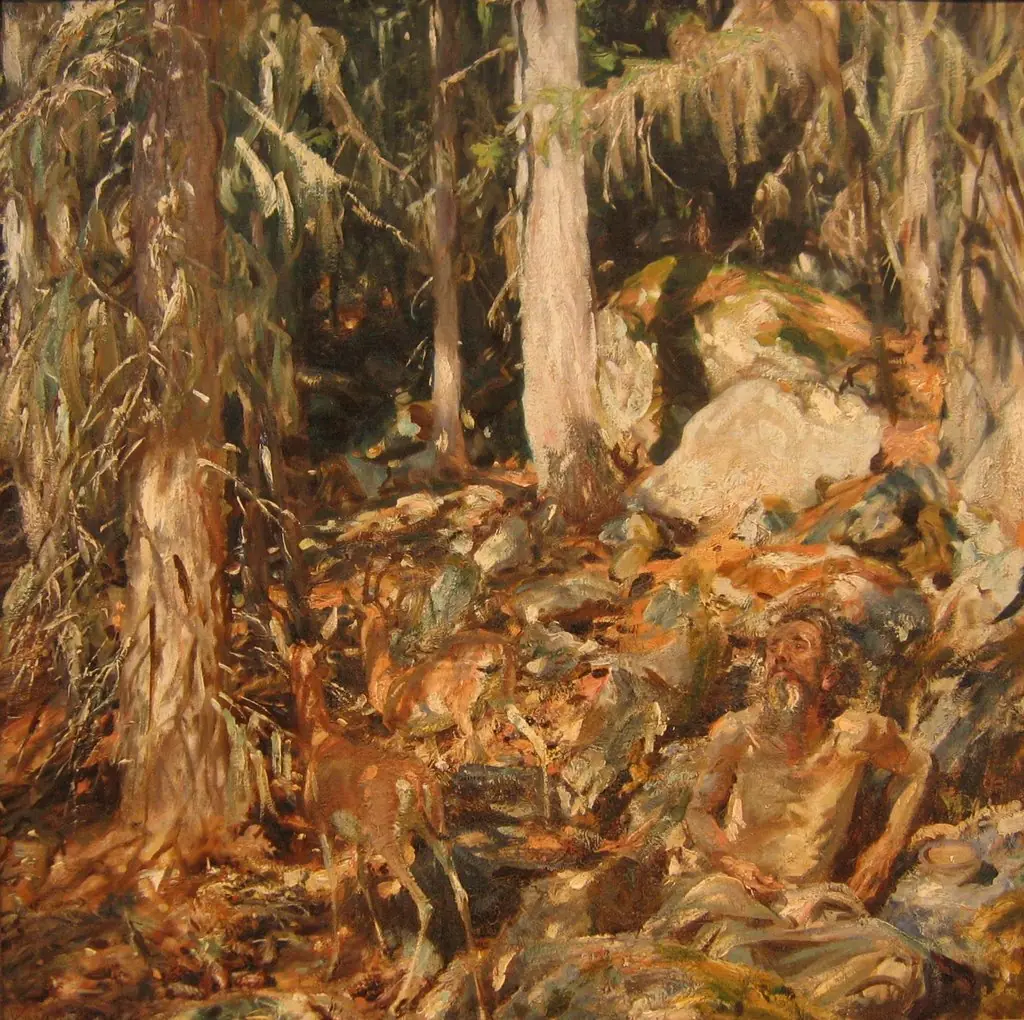 The Hermit
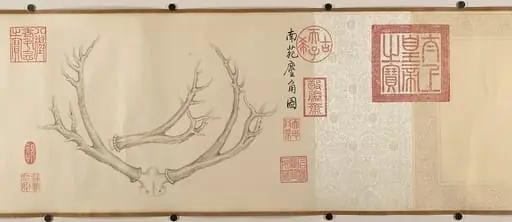 清 弘曆(乾隆皇帝) 鹿角雙幅 卷|Two Paintings of Deer Antlers
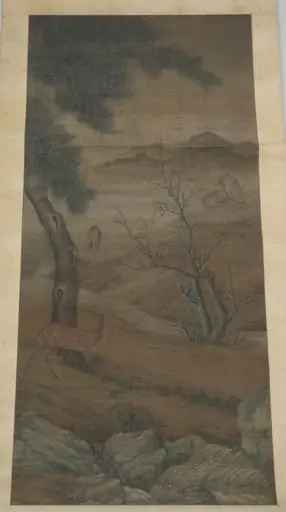 清 佚名 舊傳郎世寧 游鹿圖 軸|Fawn at Play
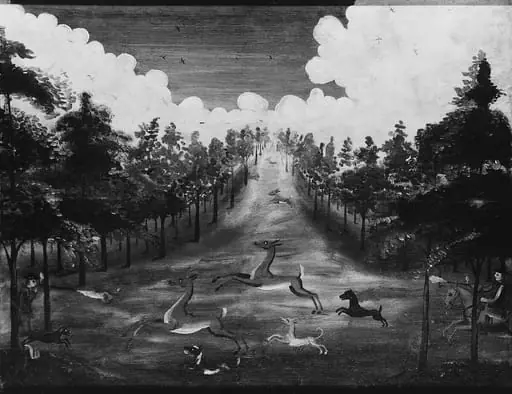 The Deer Hunt
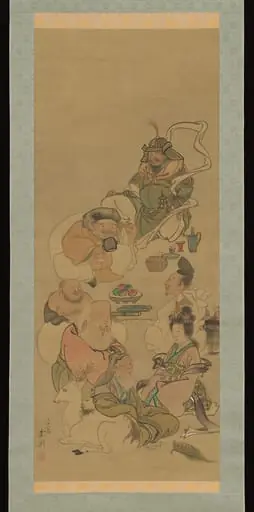 長澤蘆洲筆 七福神図|Seven Gods of Good Fortune
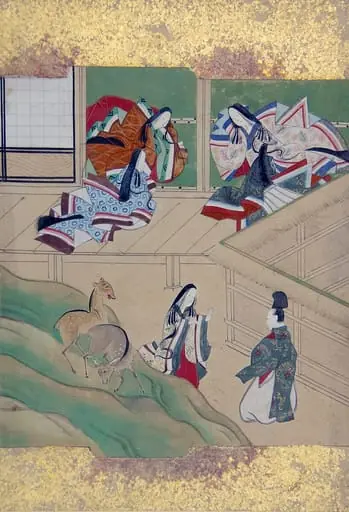 Untitled
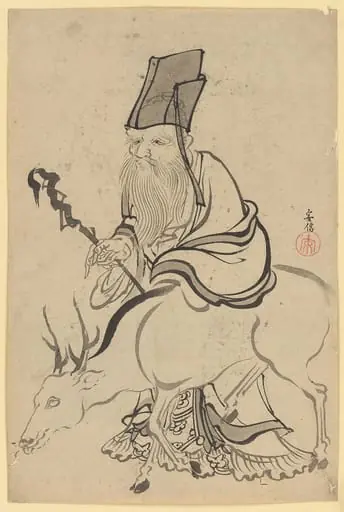 Untitled
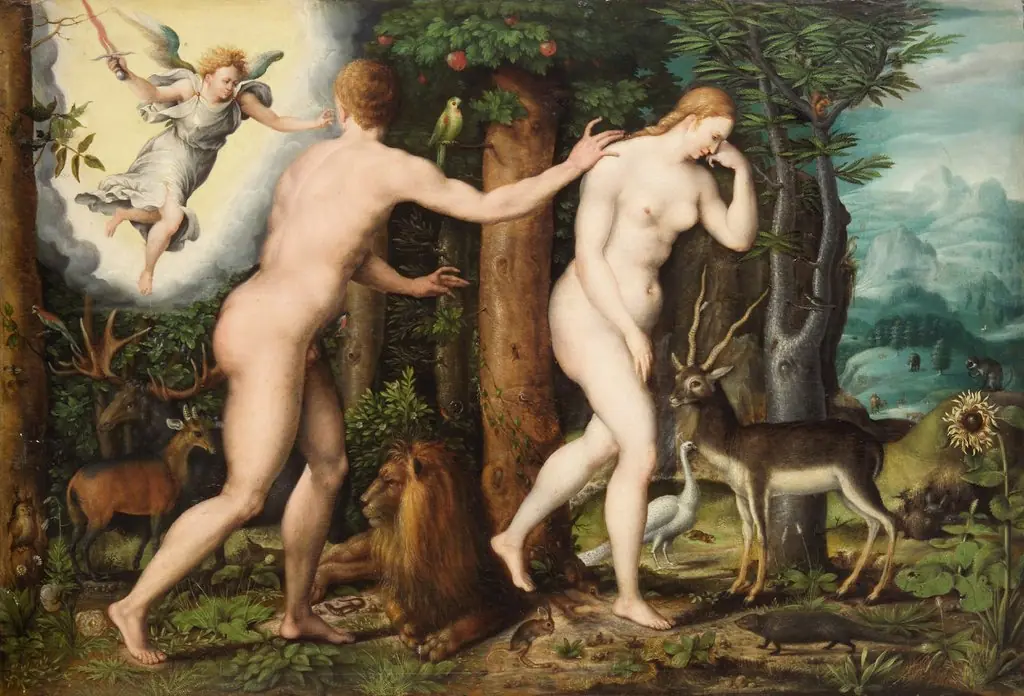 Vertreibung aus dem Paradies
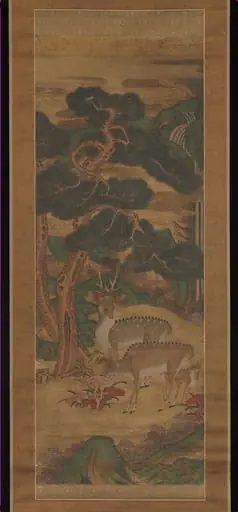 작자미상 소나무 아래 사슴 조선|作者未詳 松下雙鹿圖 朝鮮|Deer amid Pine Trees
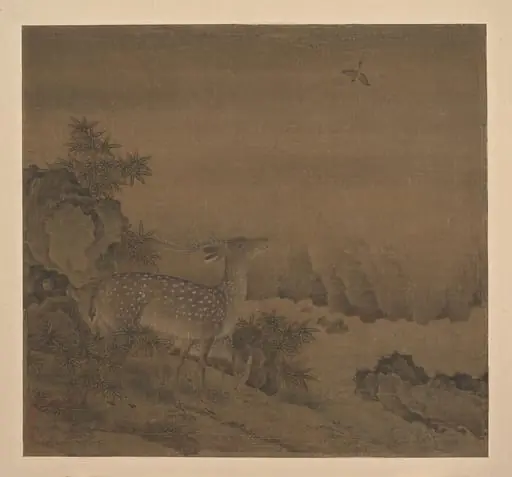 明 佚名 溪鹿圖 冊頁|Deer by a Pine Stream
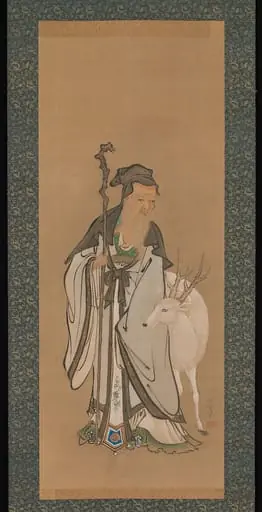 Untitled
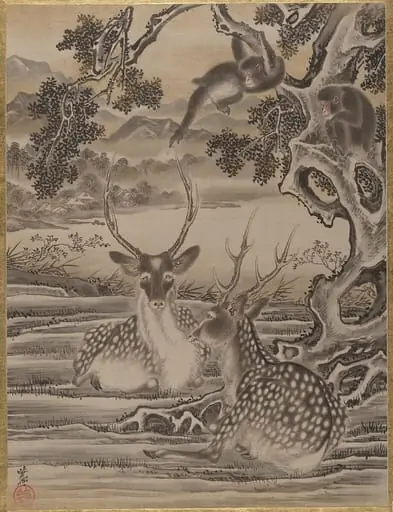 Untitled
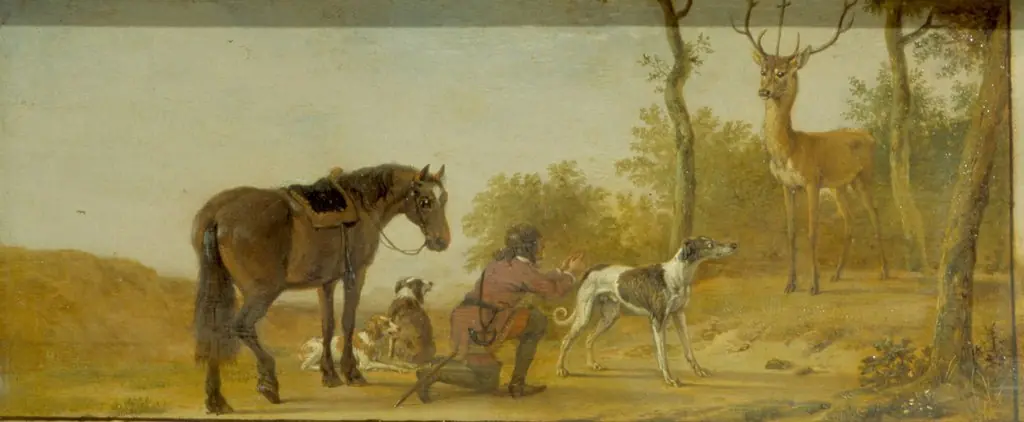 Vision of Saint Hubert
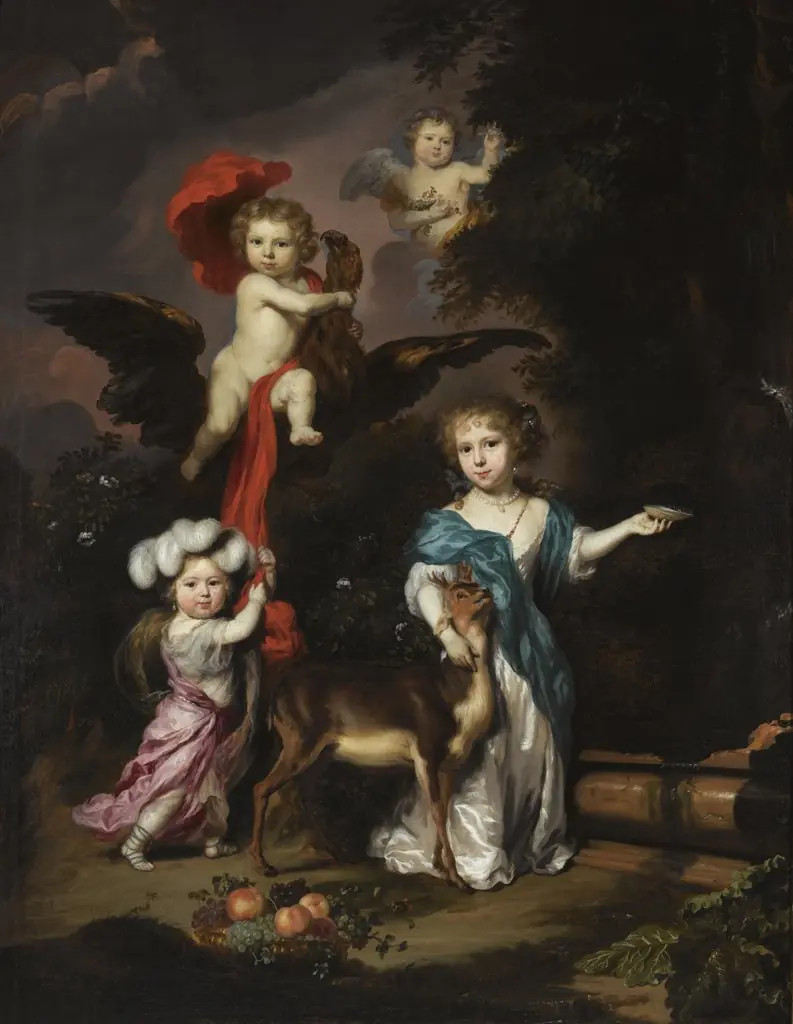 Portrait of Four Children as Ceres Ganymede Cherub and Diana
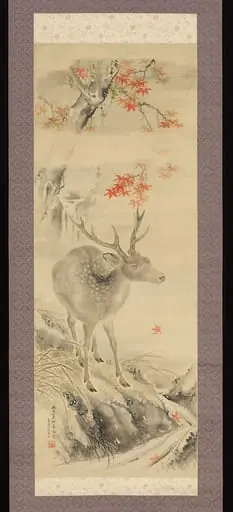 Untitled
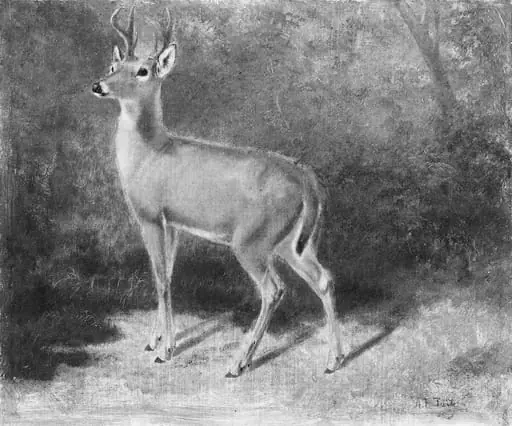 Deer—Sketch from Nature
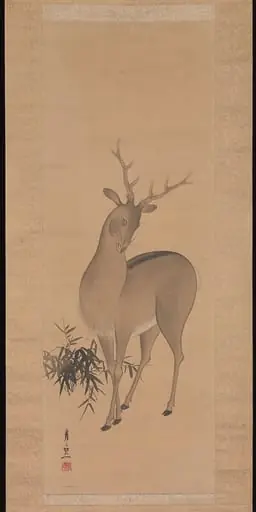 Untitled
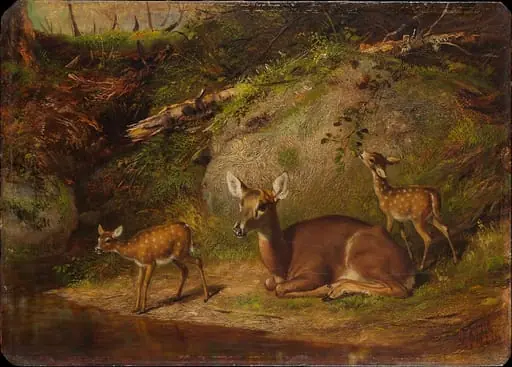 Doe and Two Fawns
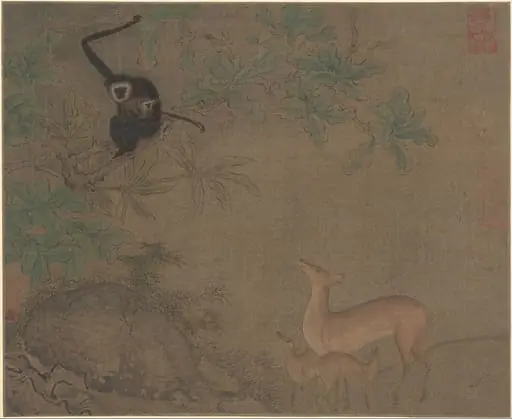 南宋 佚名 猿鹿圖 冊頁|Gibbons and Deer
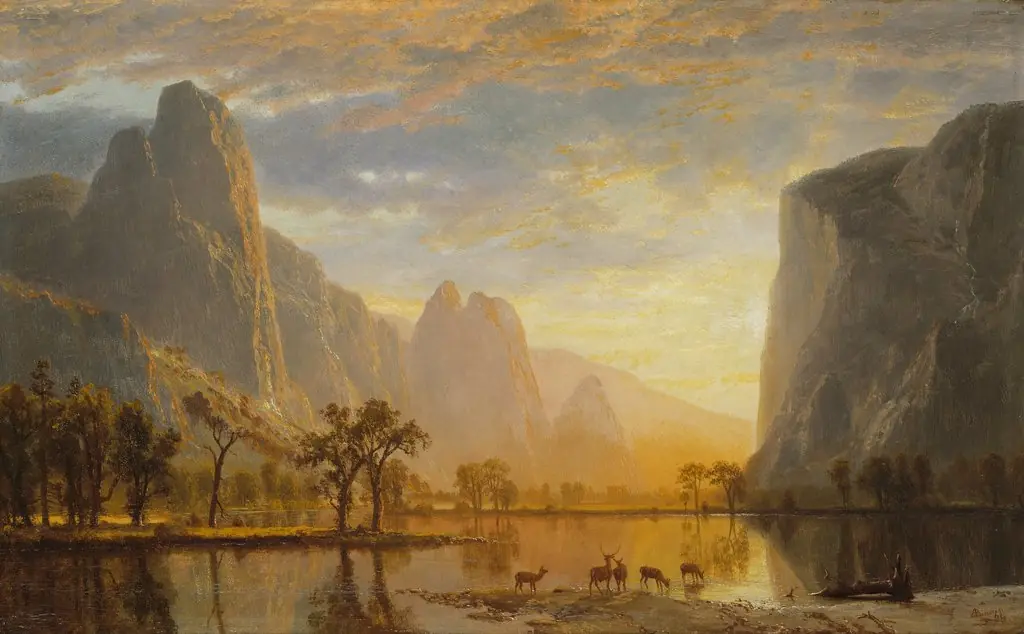 Valley of the Yosemite
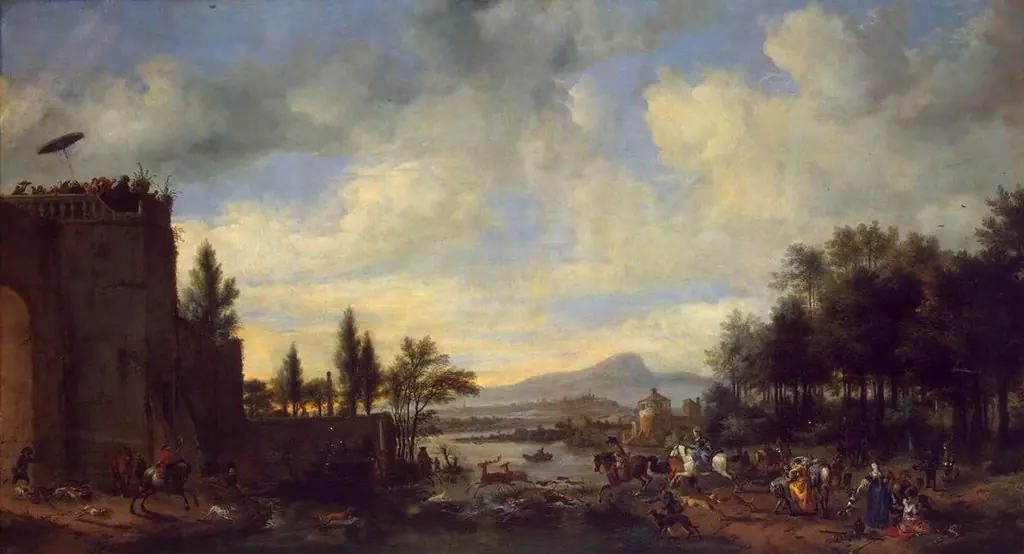 Deer Hunt
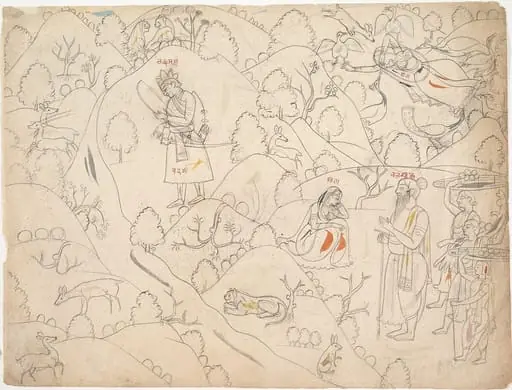 Untitled
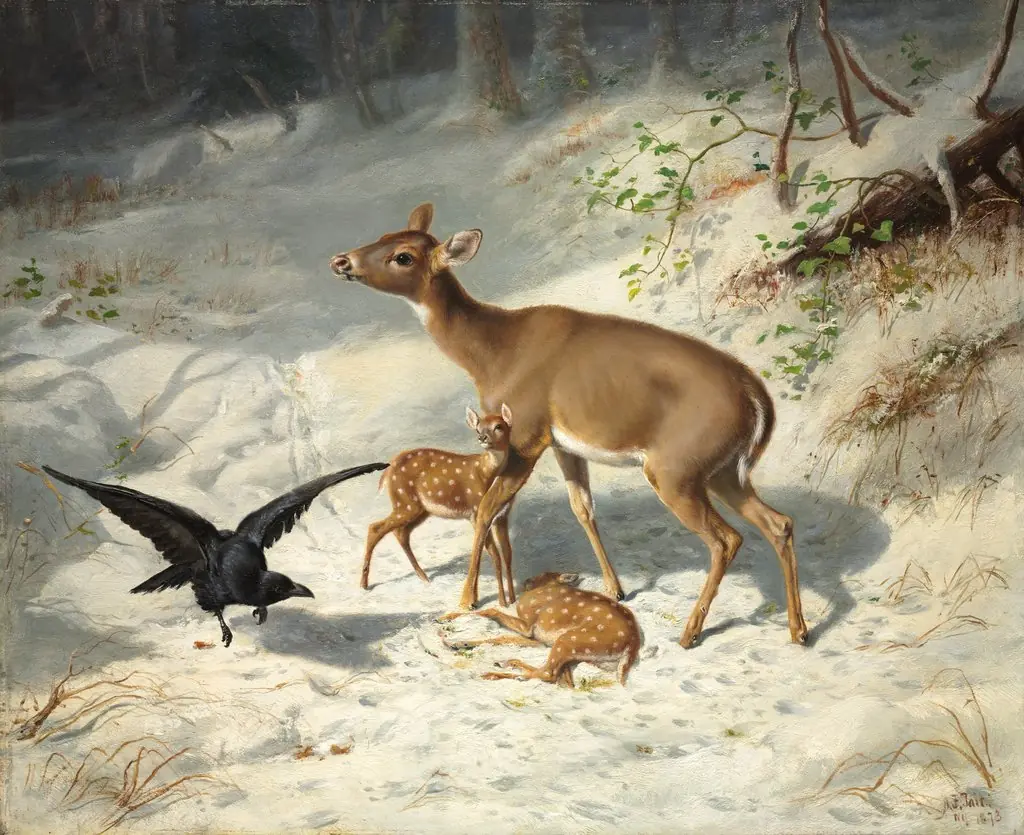 Maternal Solicitude
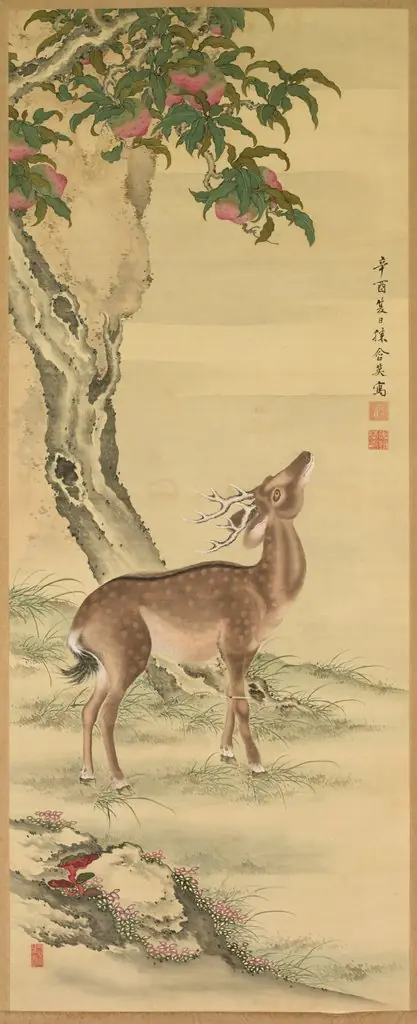 Symbols of Longevity: Deer under Peach and Pine
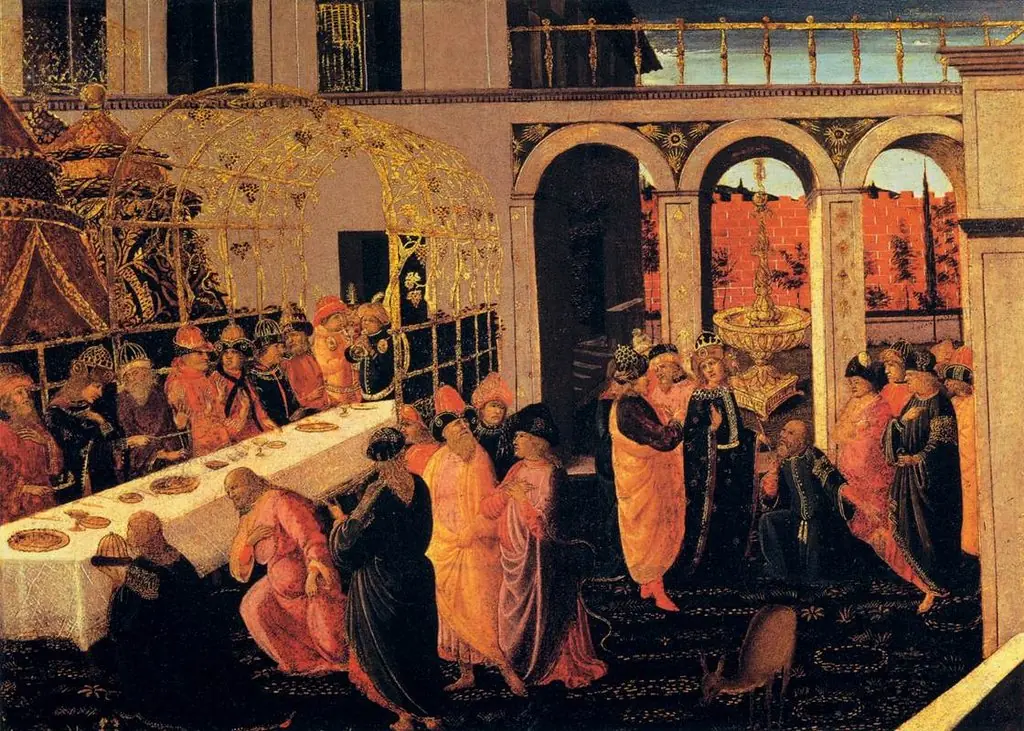 The Banquet of Ahasuerus
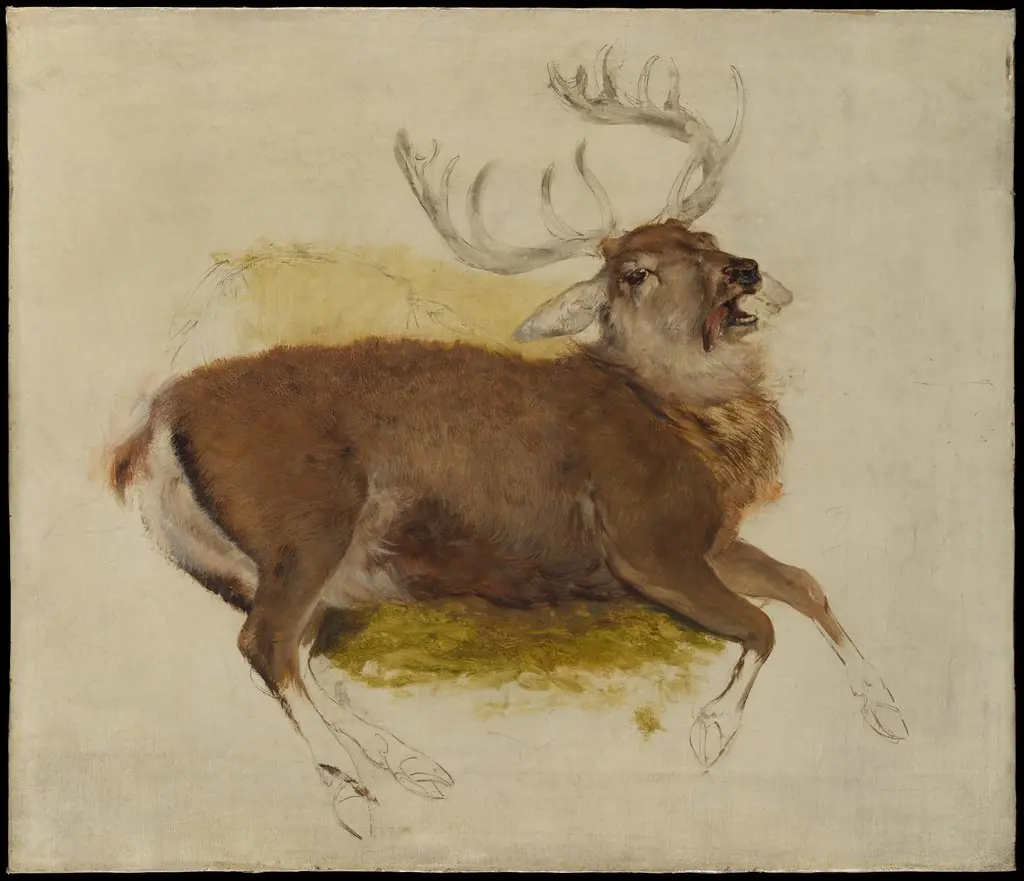 Dying Stag
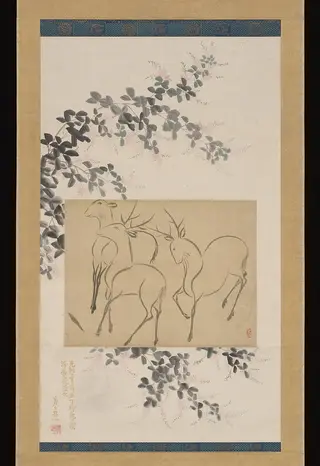 Untitled
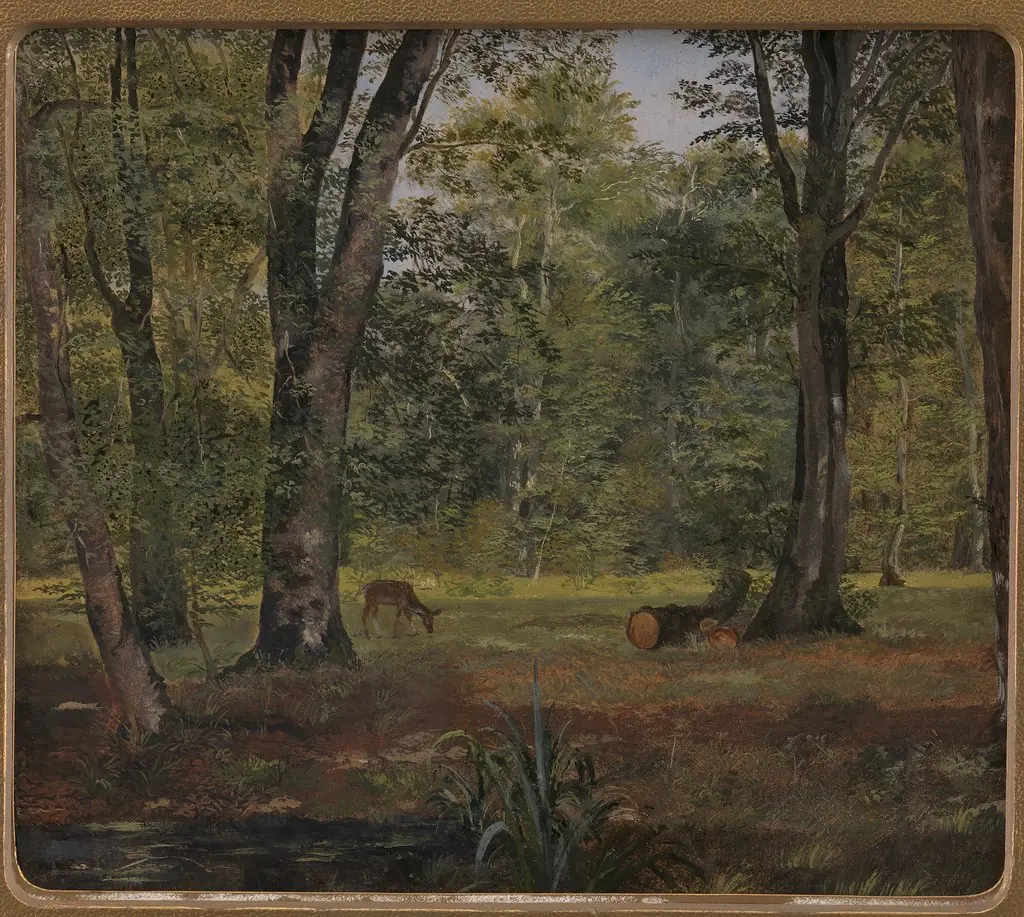 Charlottenlund Wood, North of Copenhagen
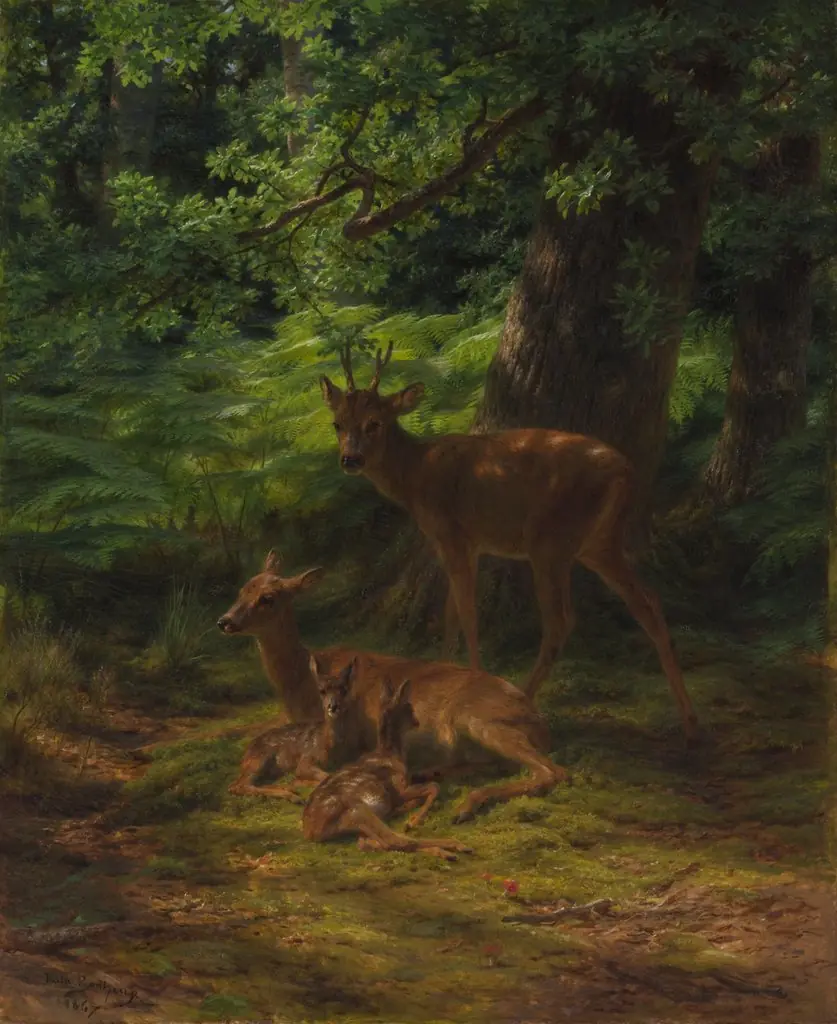 Deer in Repose
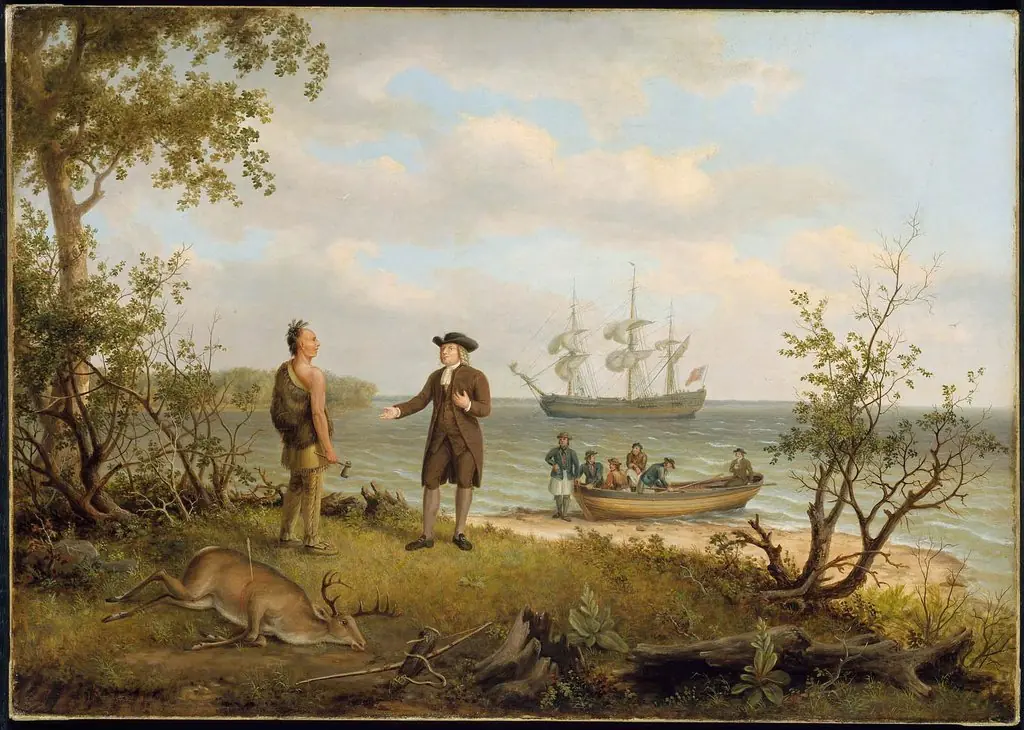 The Landing of William Penn
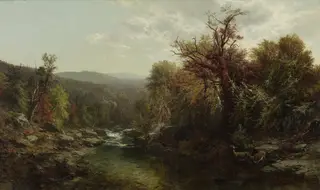 A Stream in the Adirondacks
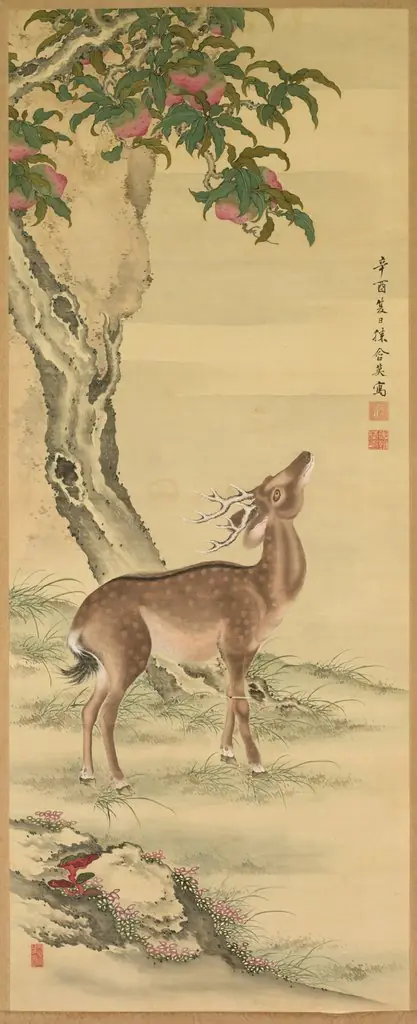 Symbols of Longevity: Deer under Peach and Pine (Pine) (right)
 Ein Kümmerer (Hirsch)
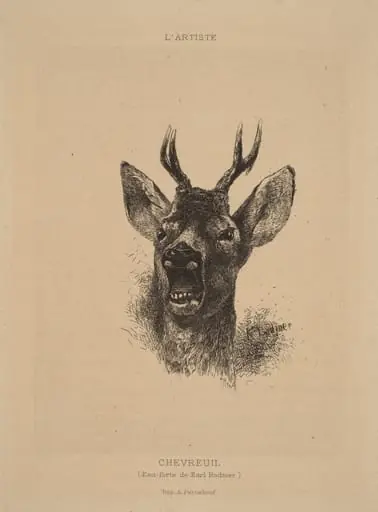 Chevreuil
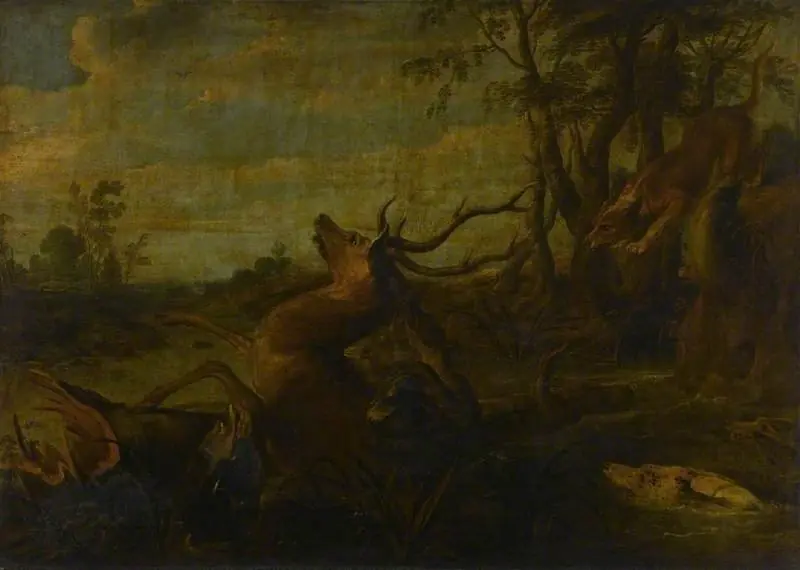 Stag-hunt
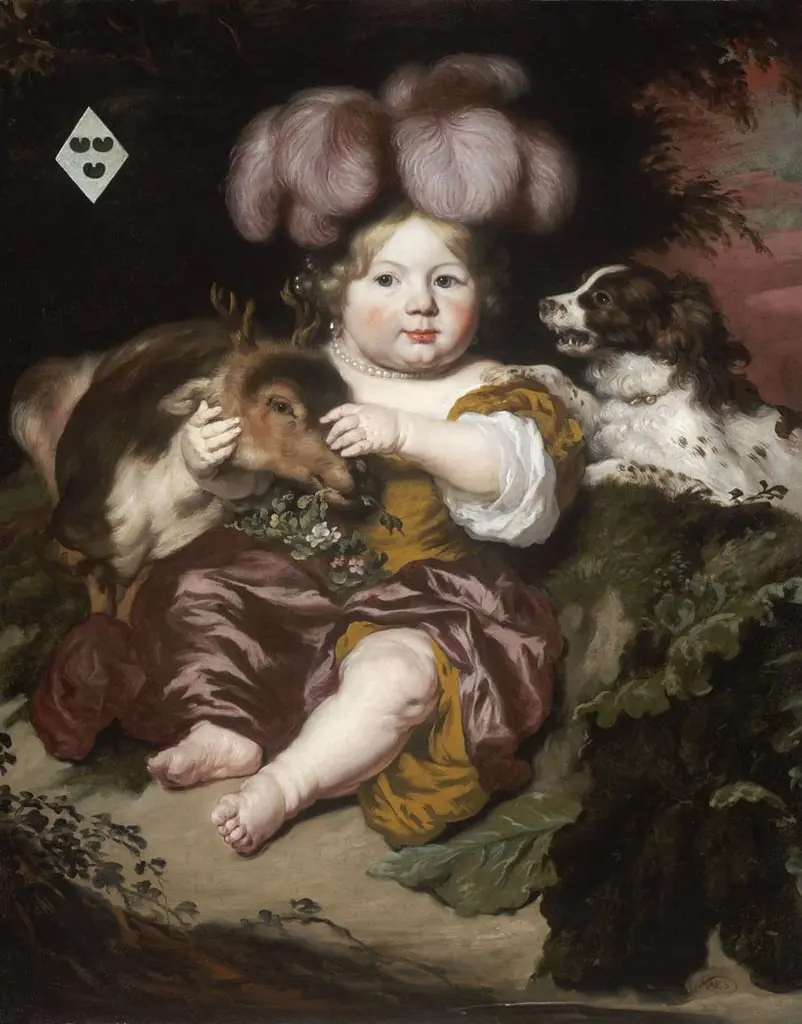 Portrait of Maria van der Meer as a Child
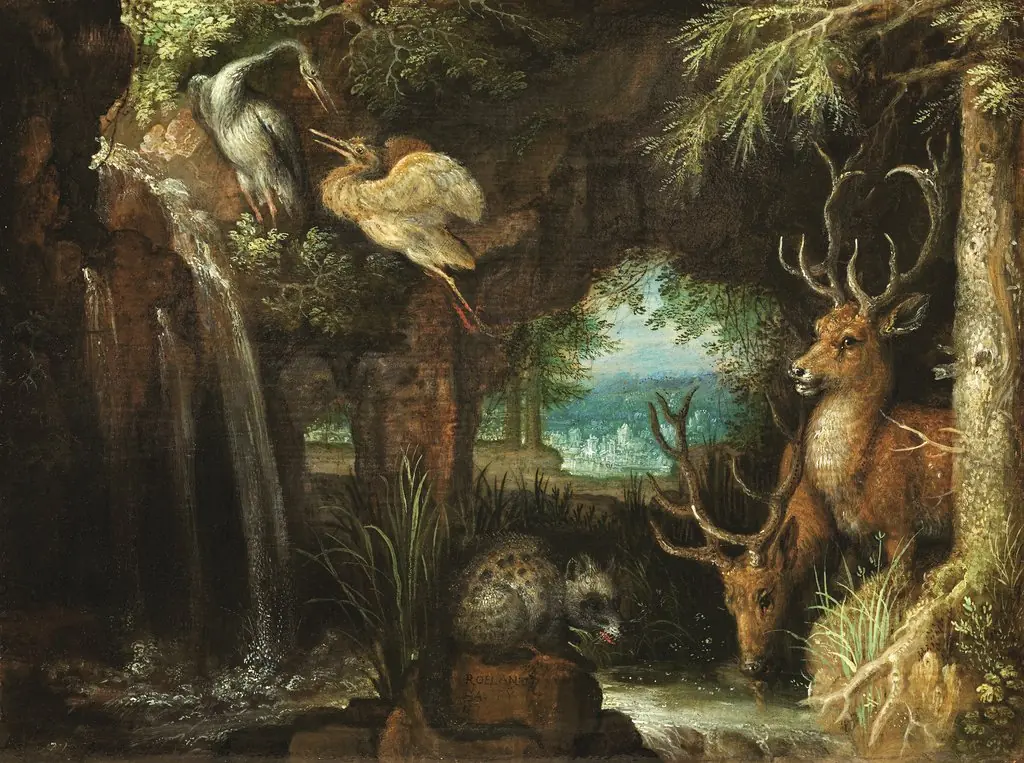 Forest Landscape with Deer and a Civet
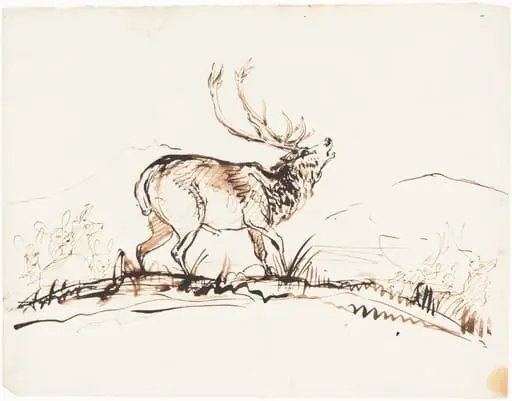 A Bellowing Stag
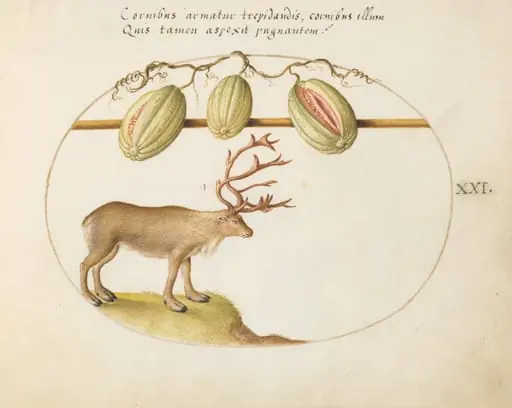 Plate 21: Reindeer with Melons
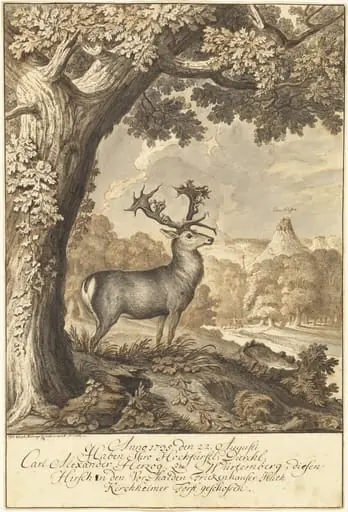 A Stag beneath a Mighty Oak
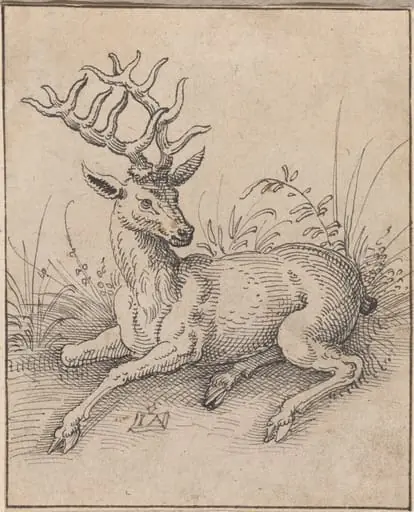 The Stag
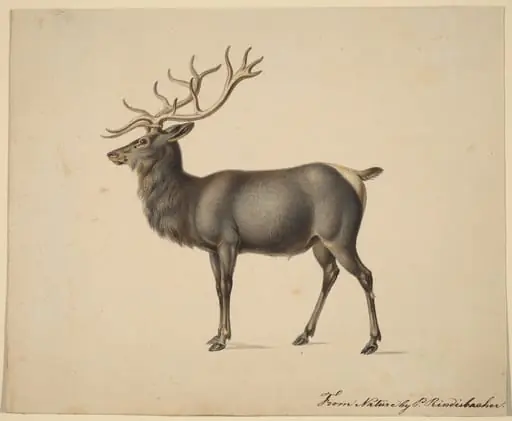 European Elk
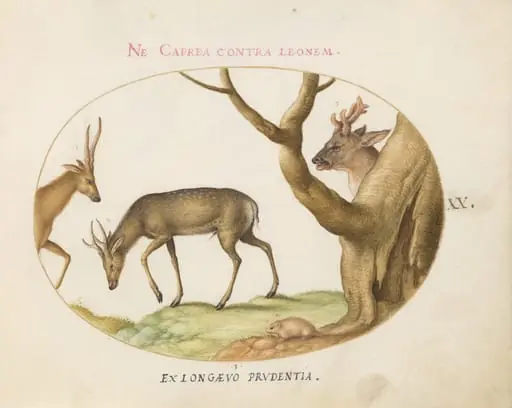 Plate 20: Three Types of Stags with a Dormouse(?)
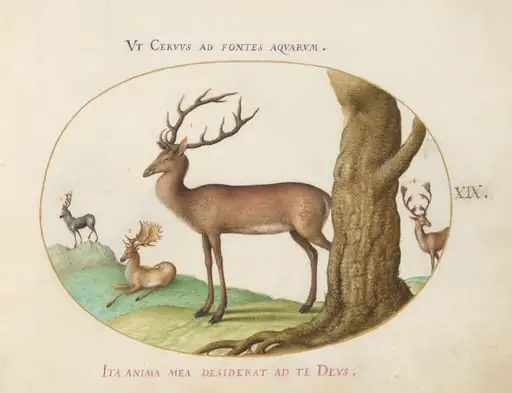 Plate 19: Four Types of Stags
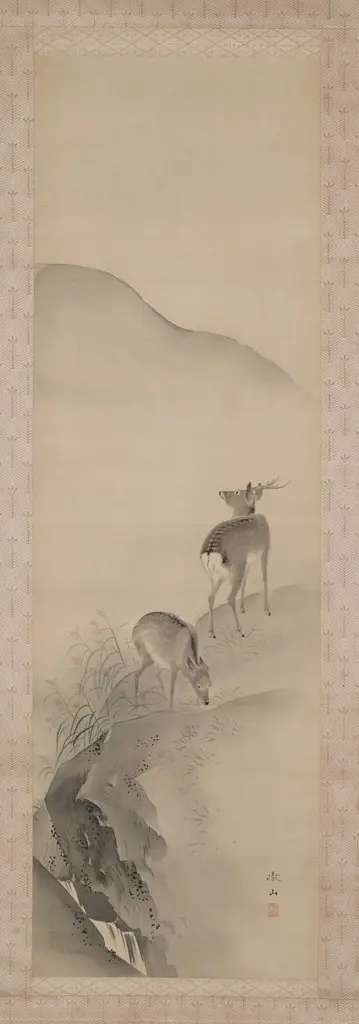 Deer in an Autumn Landscape
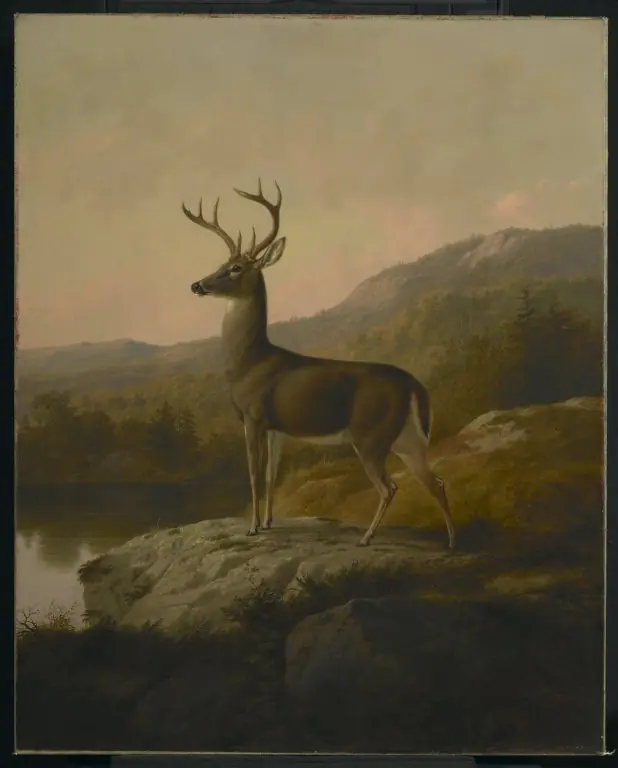 Deer
Deer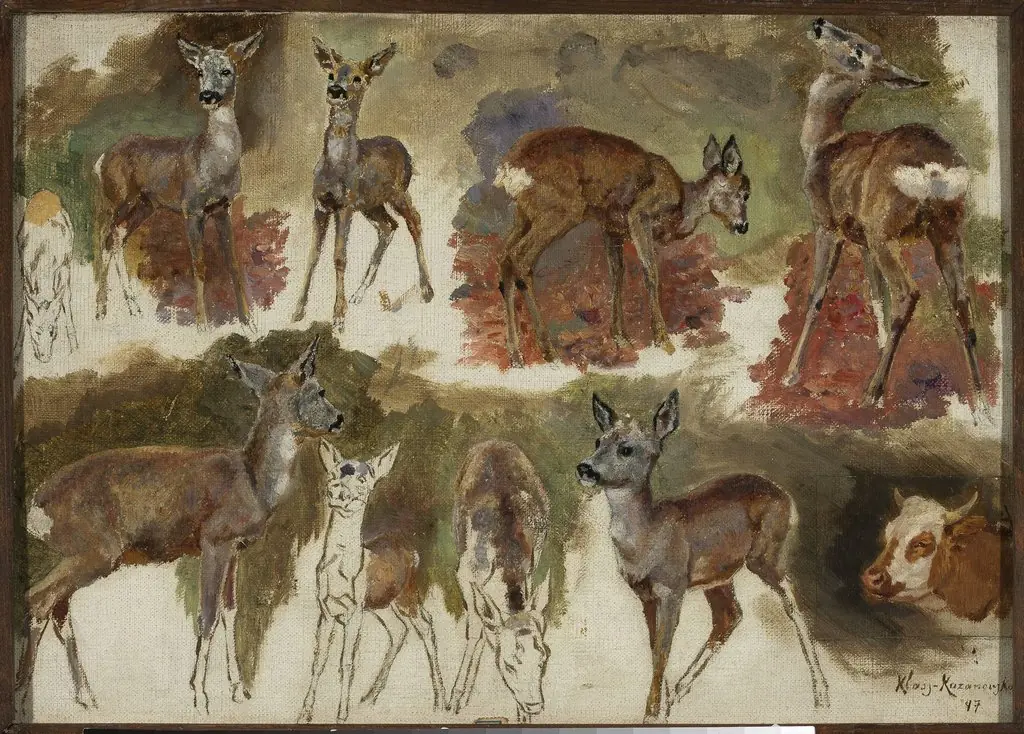 Studies of does
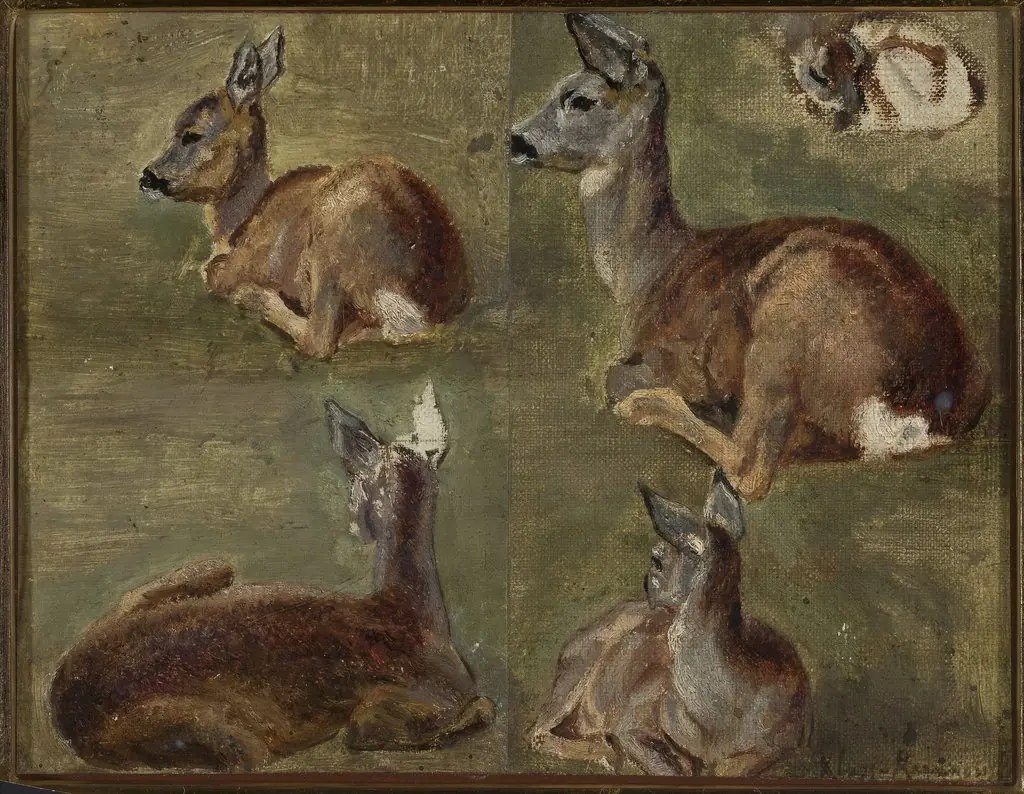 Sketches of fawns
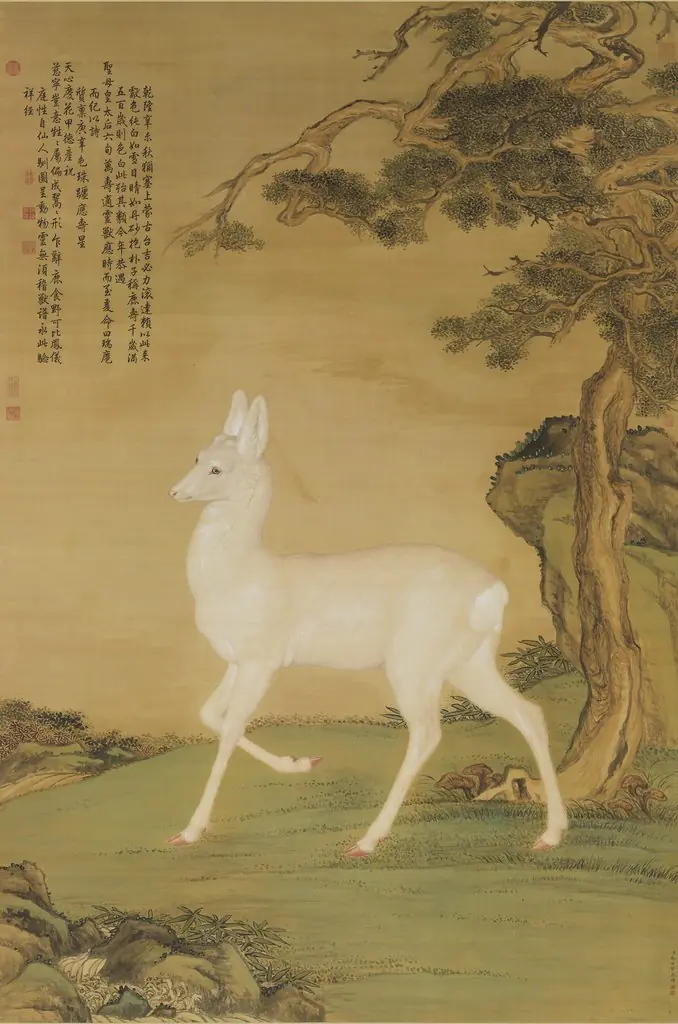 Auspicious Roe Deer
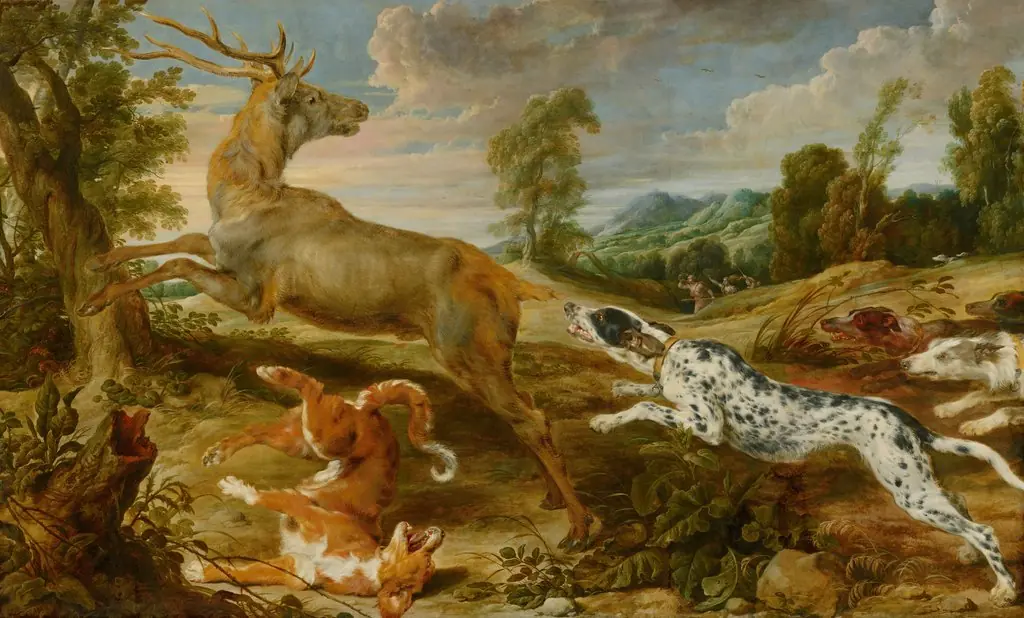 Stag Hunt
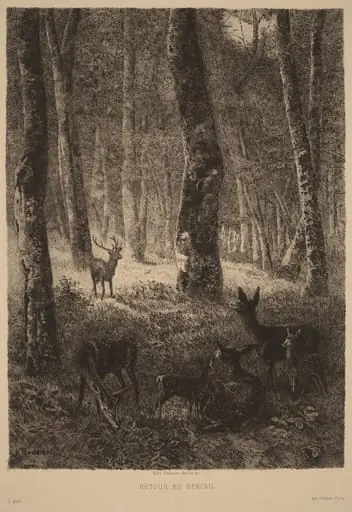 Retour au Bercail
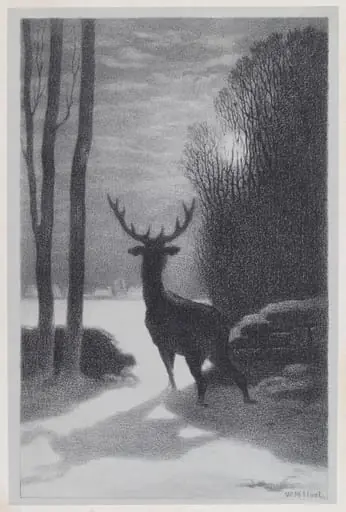 Stag in the Moonlight
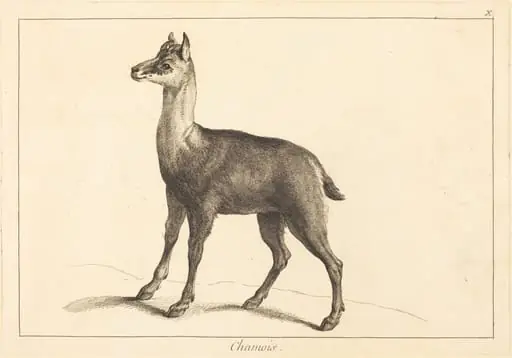 Chamois (Chamois)
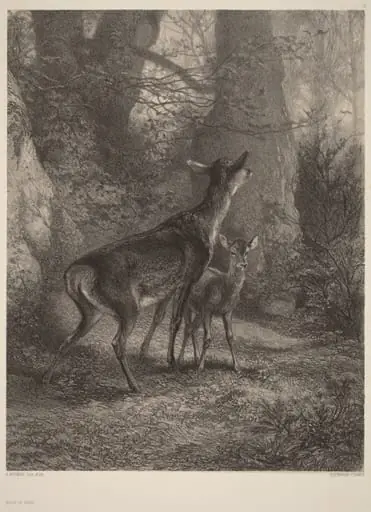 Biche et Faon
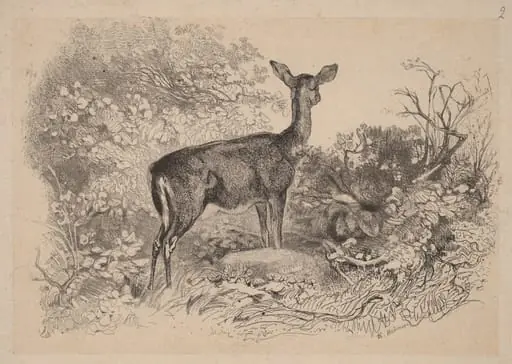 Une biche
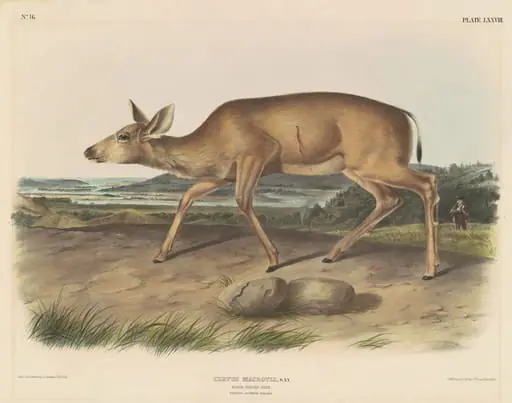 Black-Tailed Deer
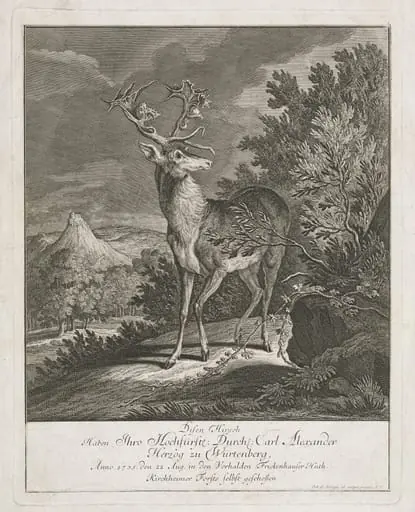 A Magnificent Stag in a Landscape
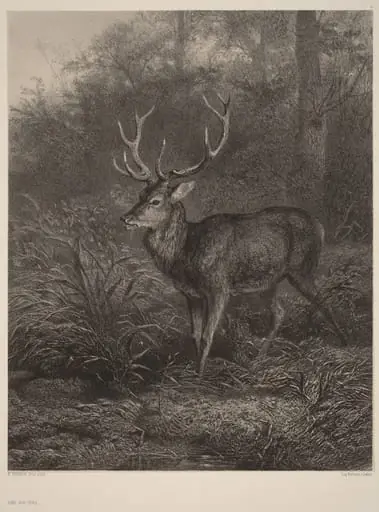 Cerf Dix-Cors
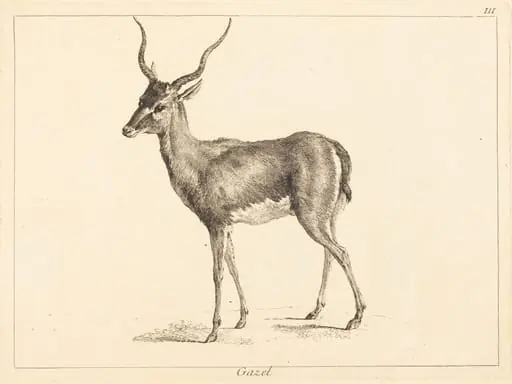 Gazel (Gazelle)
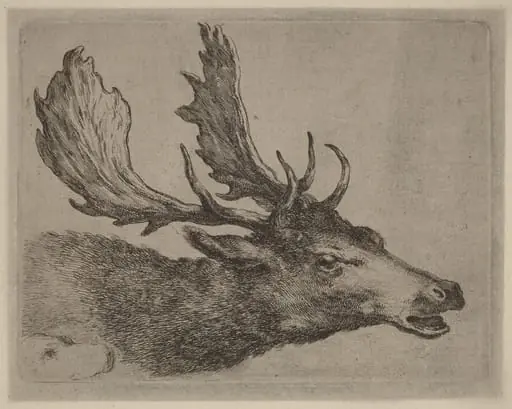 Head of a Stag Turned Right
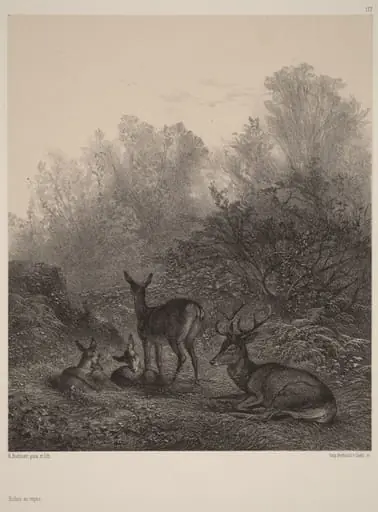 Biches au repos
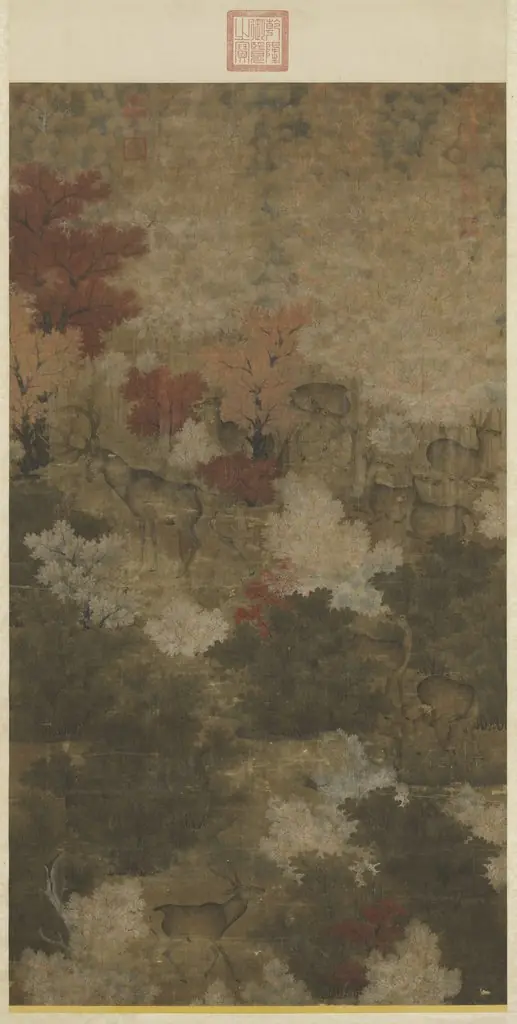 Herd of Deer in an Autumnal Grove
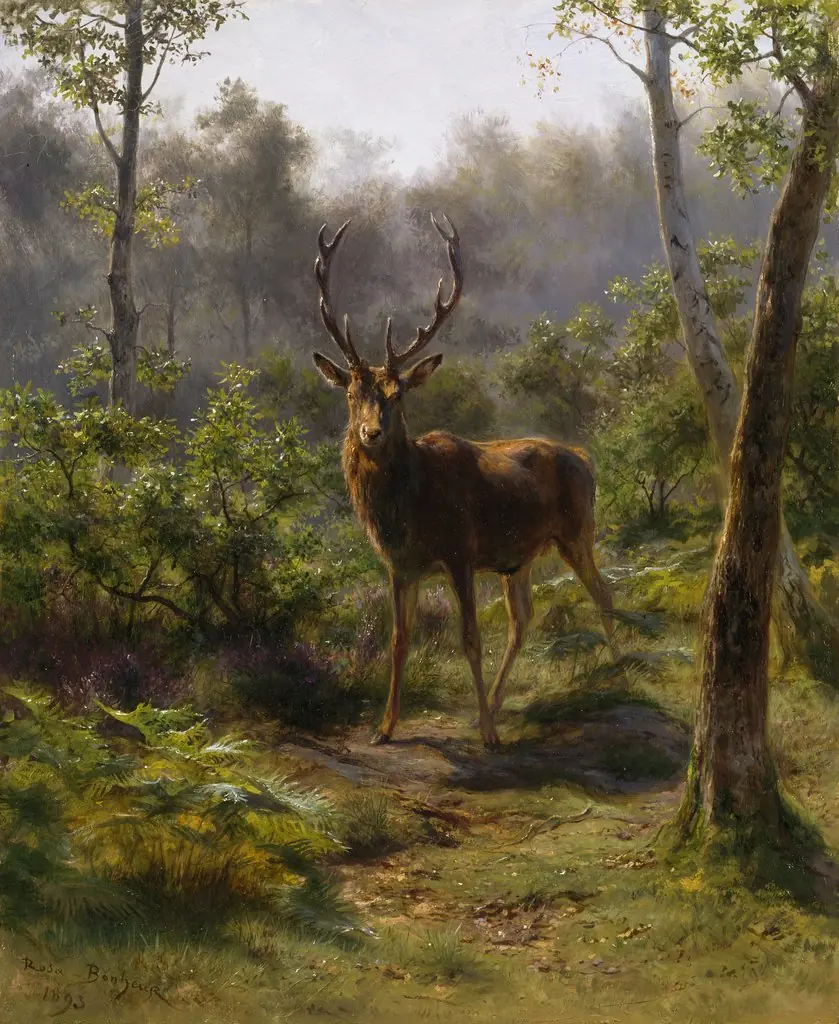 A Stag
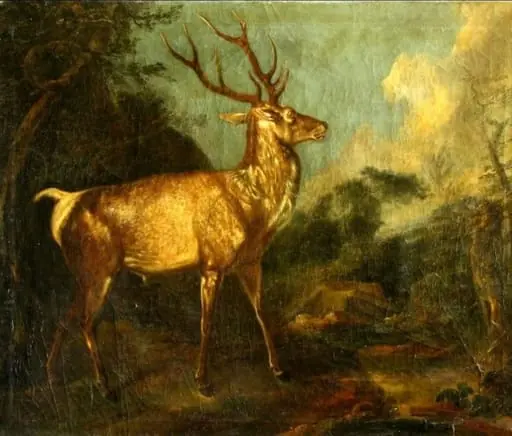 Cerb; pandant: Căprioară
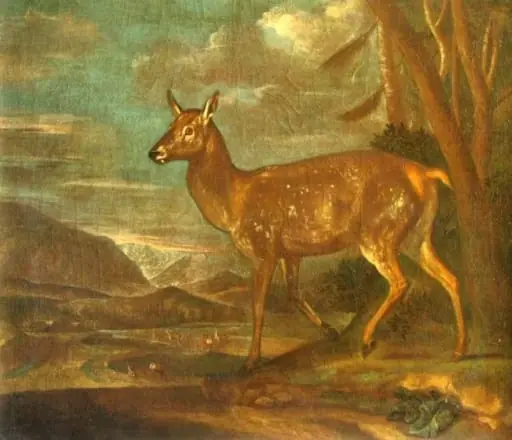 Căprioară ; pandant: Cerb
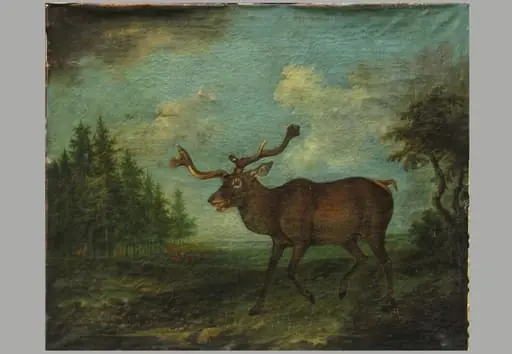 Căprior ; pandant: Vînătoare de mistreț
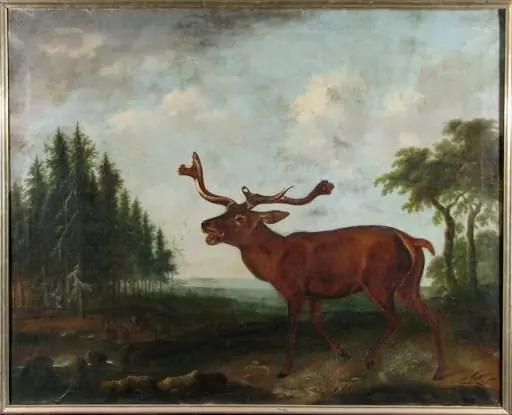 Căprior la apă; pandant: Căprior în fața pădurii de brad
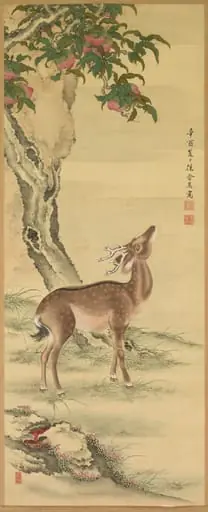
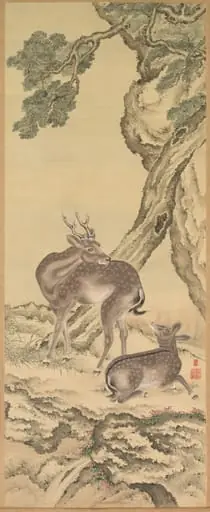 Symbols of Longevity: Deer under Peach and Pine (Peach) (left)
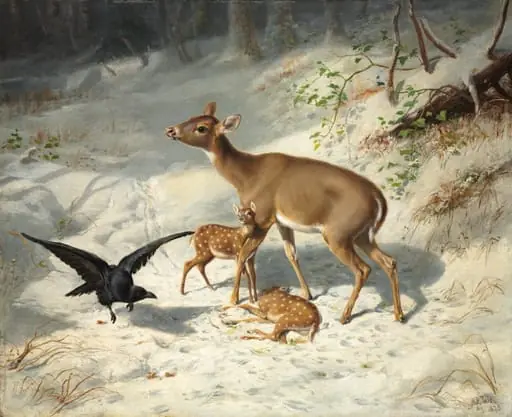 Maternal Solicitude
 Symbols of Longevity: Deer under Peach and Pine (Pine) (right)
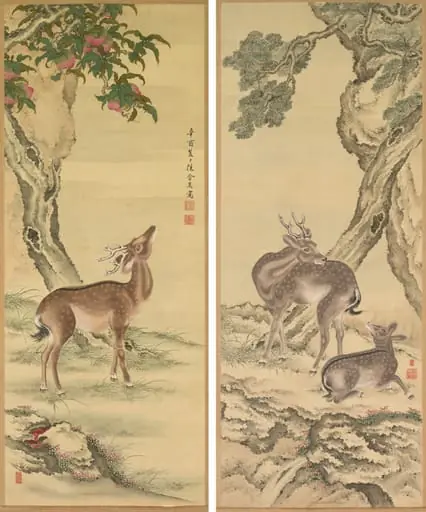 Symbols of Longevity: Deer under Peach and Pine
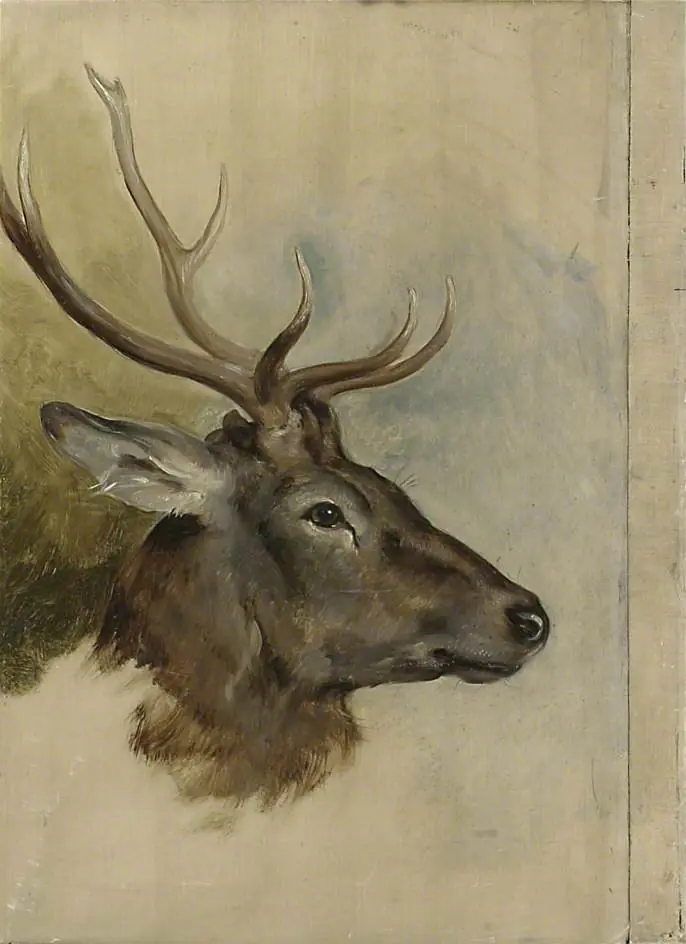 Two Studies of a Stag's Head (verso)
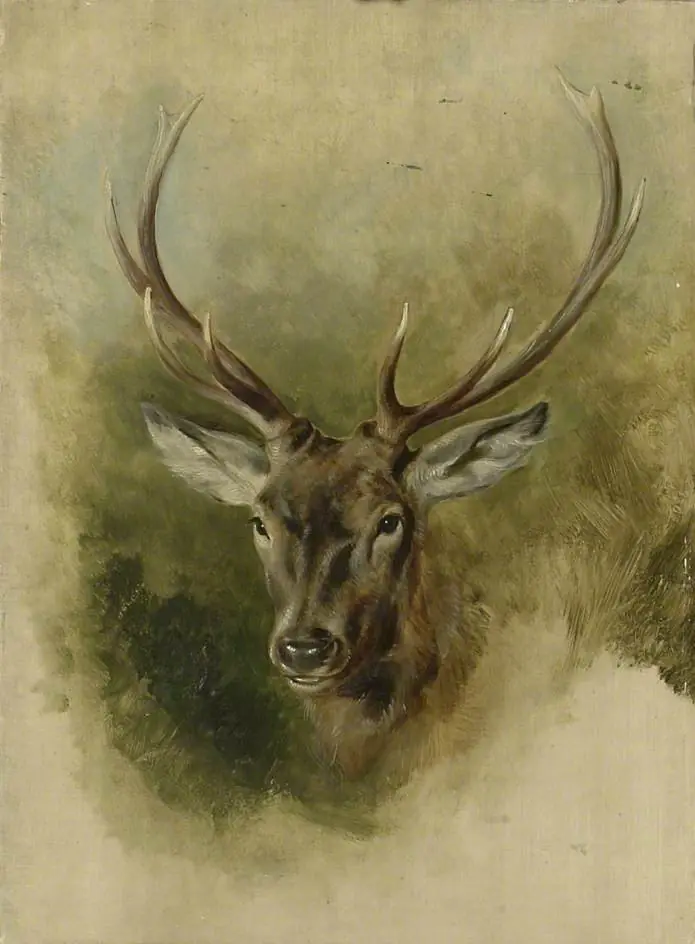 Two Studies of a Stag's Head (recto)
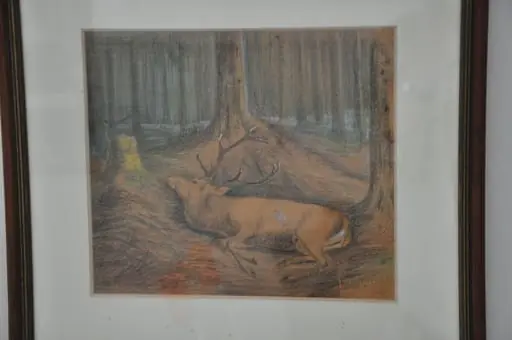 Erlegter Hirsch vor einem Baumstamm
 One Hundred Deers
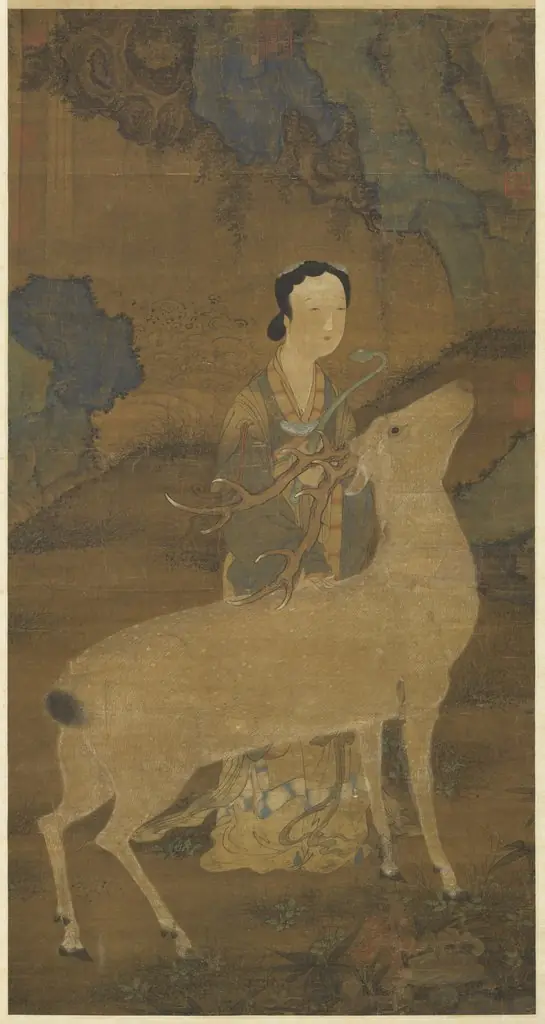 宋人畫仙巖壽鹿 軸
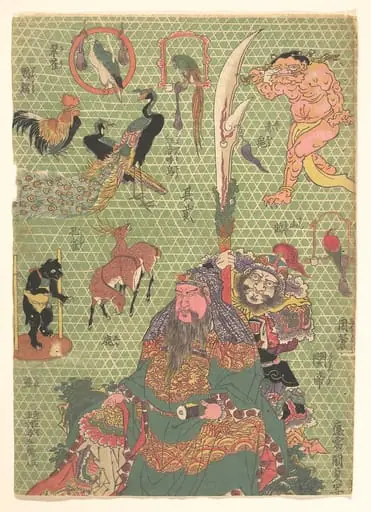 歌川国貞画 「籠細工 浪花細工人 一田庄七郎」|Basketry Work: By the Craftsman Ichida Shōshichirō of Naniwa (Kagozaiku Naniwa saikunin Ichida Shōshichirō)
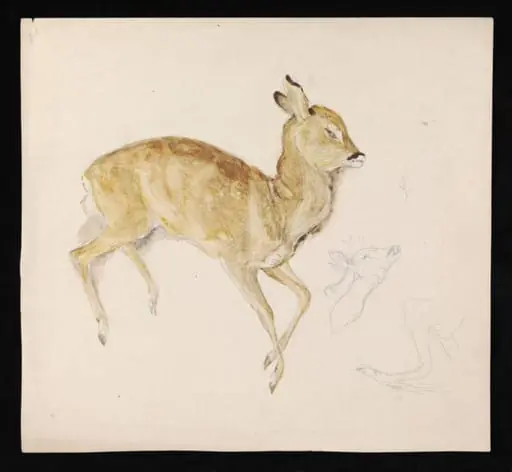 A dead fawn
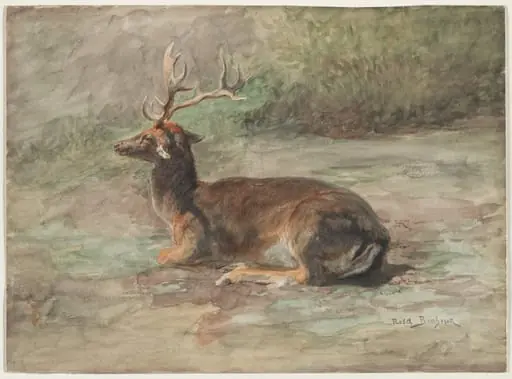 Stag Lying Down
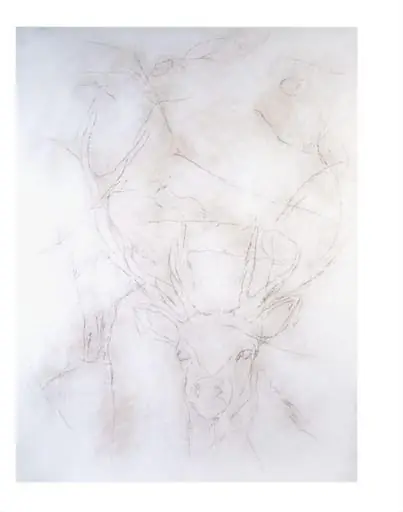 Untitled
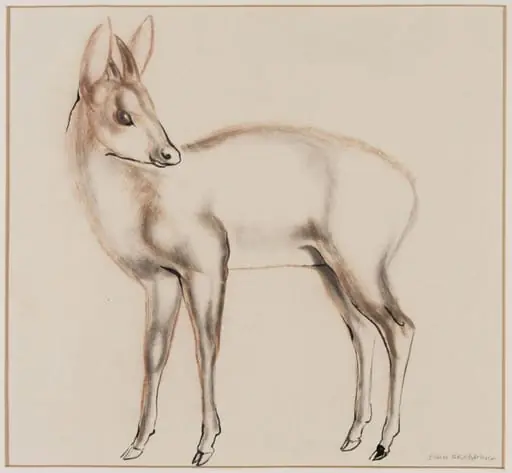 Antelope, probably a Dinken of the genus Cephalophus
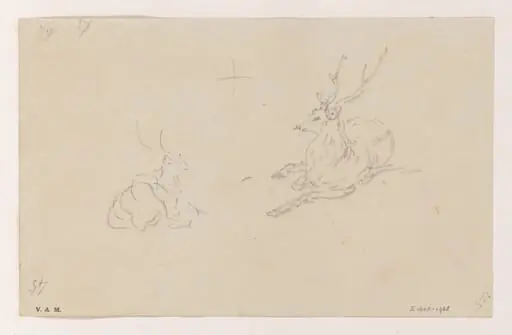 Two sketches of a stag, and (on the reverse) a harpsichord
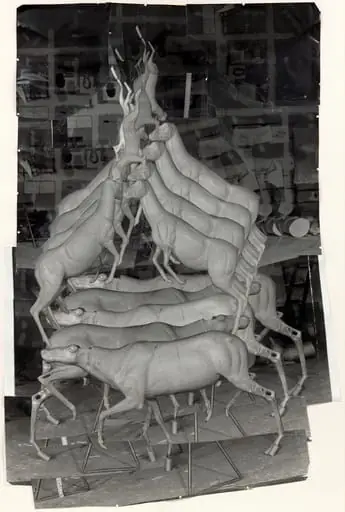 Untitled
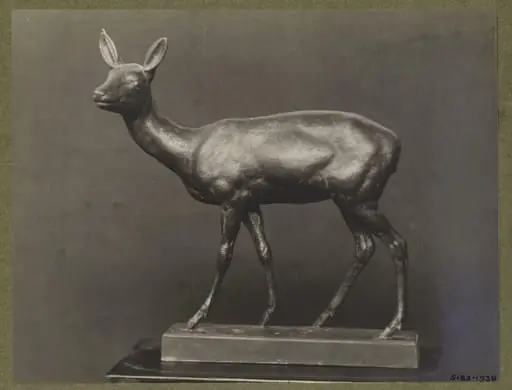 Untitled
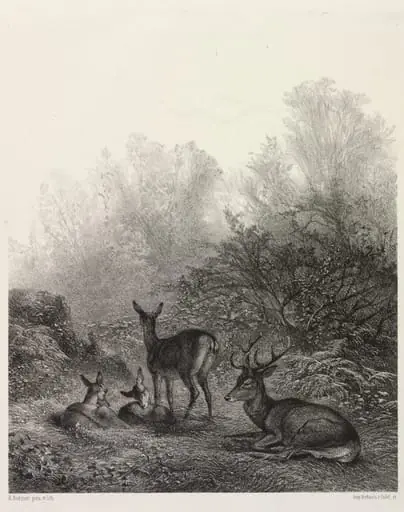 Deer at Rest
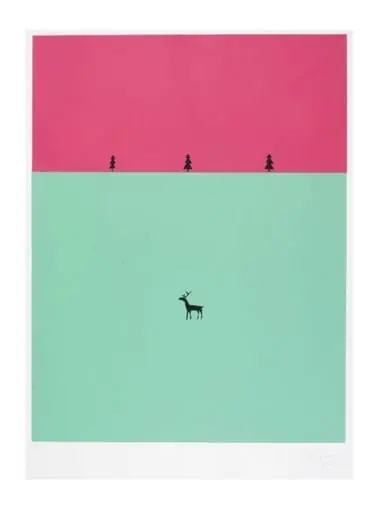 The Deer
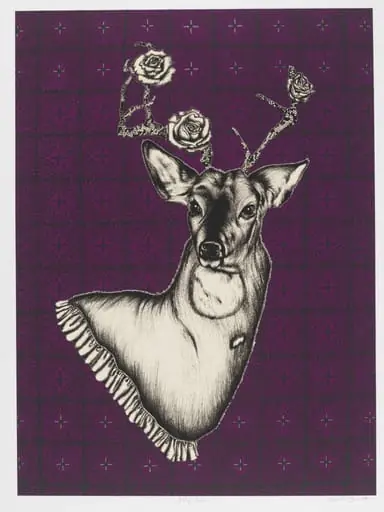 My Dear
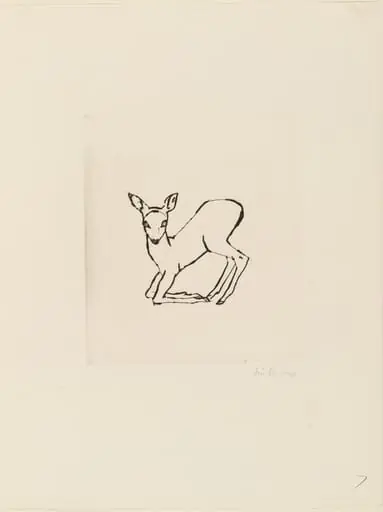 Untitled
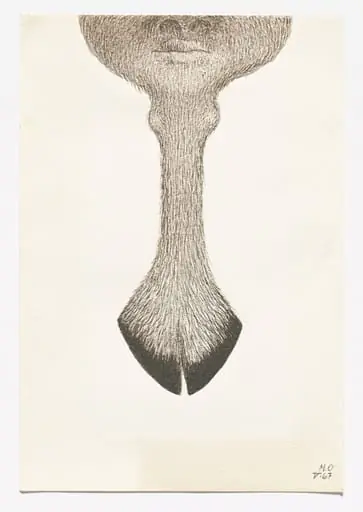 Untitled
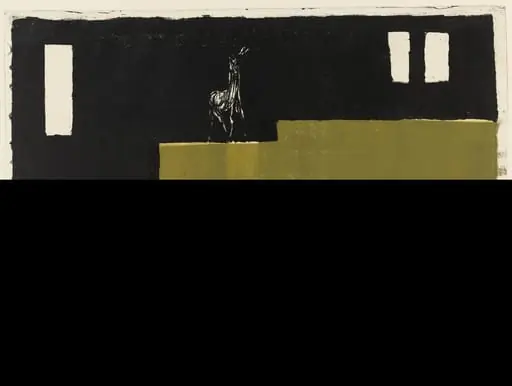 Untitled
Frequently asked questions
What is Deer?
Deer is an English surname.
How many Deer works does Artifact World Gallery have?
Artifact World Gallery holds 117 public-domain Deer works, all free to view and download.
Who are the key Deer artists?
Key Deer artists in the collection include Gustave Courbet, Albert Bierstadt and Rosa Bonheur.
Where can I see Deer works?
Deer works in the collection are held by Metropolitan Museum of Art, National Gallery of Art and Cleveland Museum of Art.