Artwork
Landscape
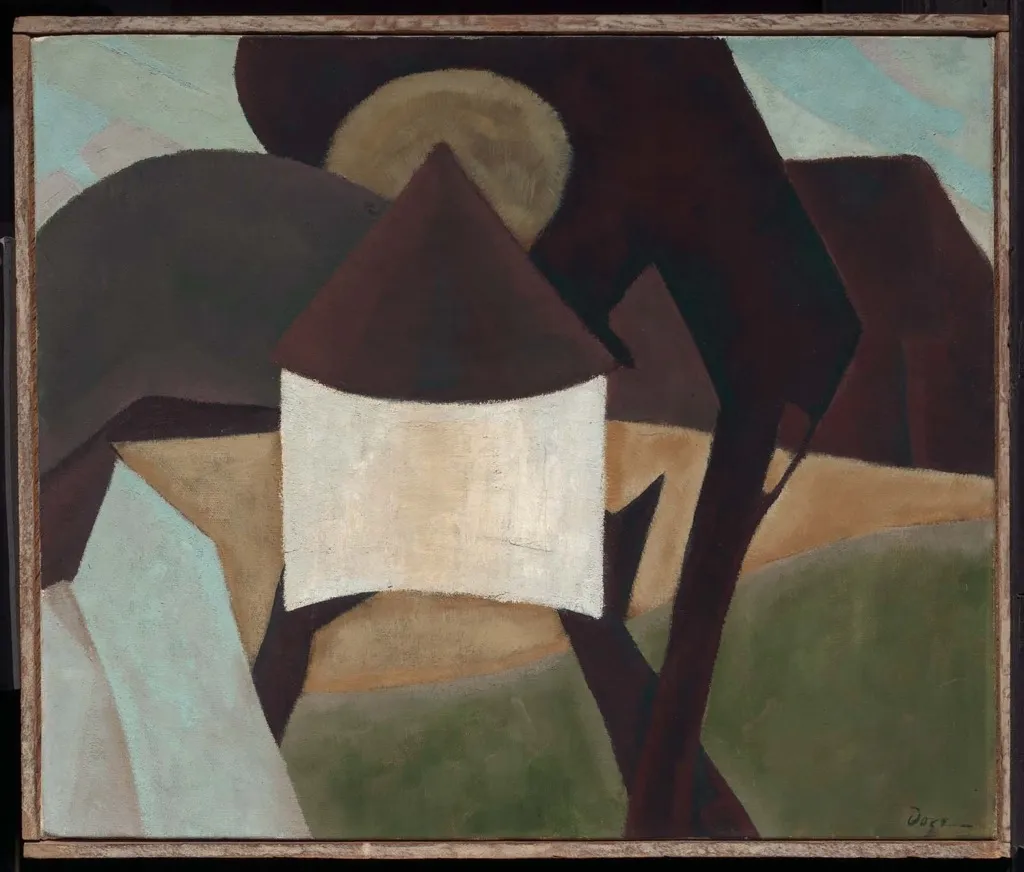
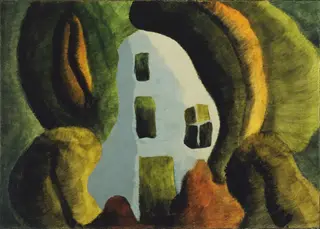
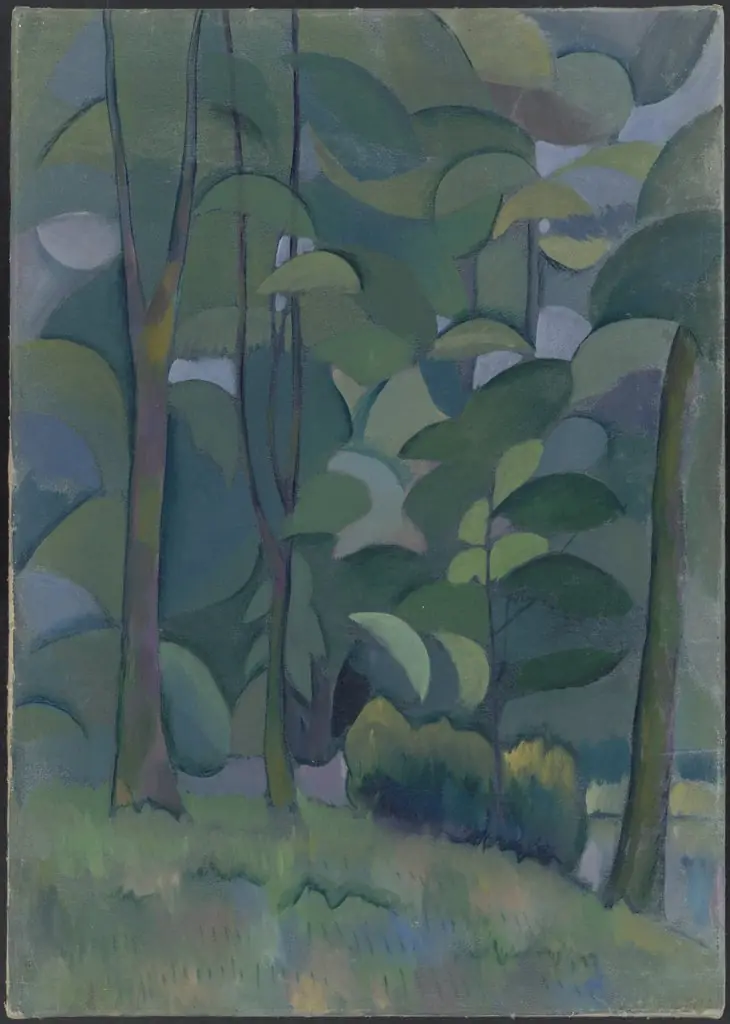
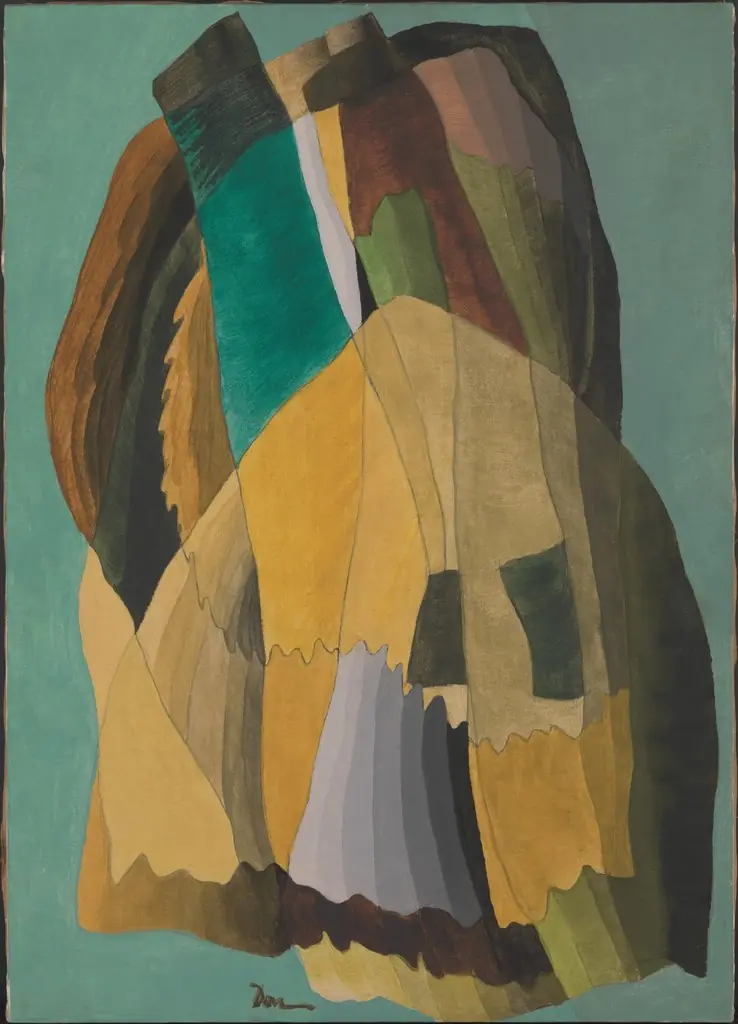
Landscape is an oil painting by the American Impressionist artist Arthur Dove. It dates from 1929 and is held in the collection of the Museum of Fine Arts Boston.
About this work
Overview
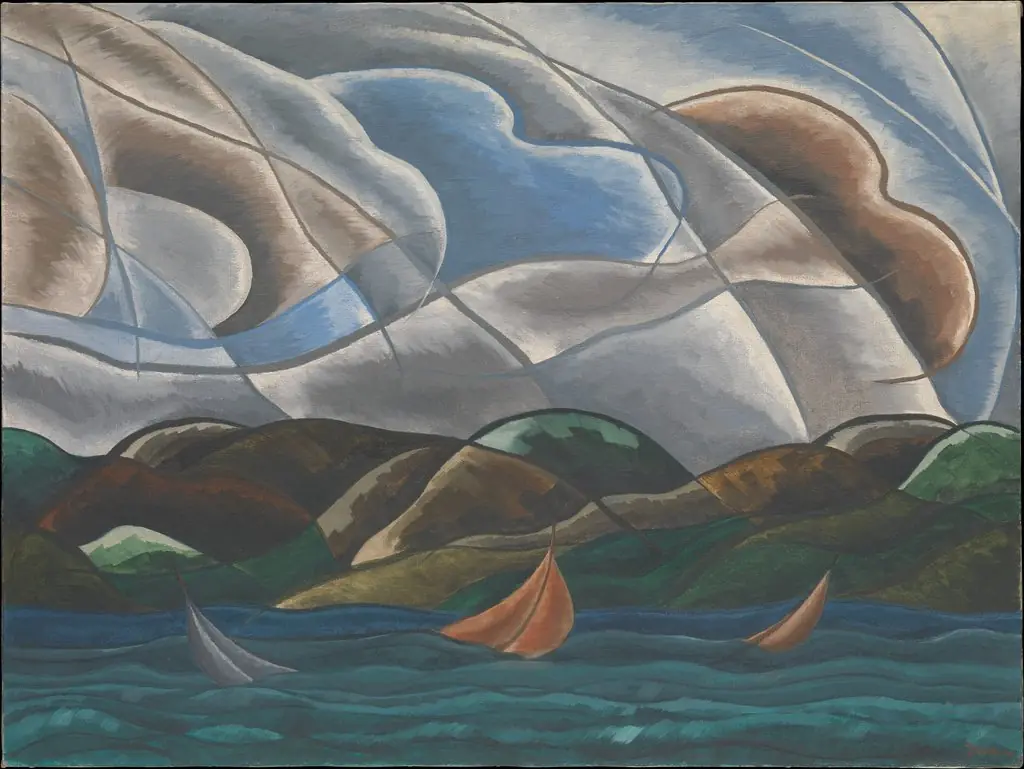
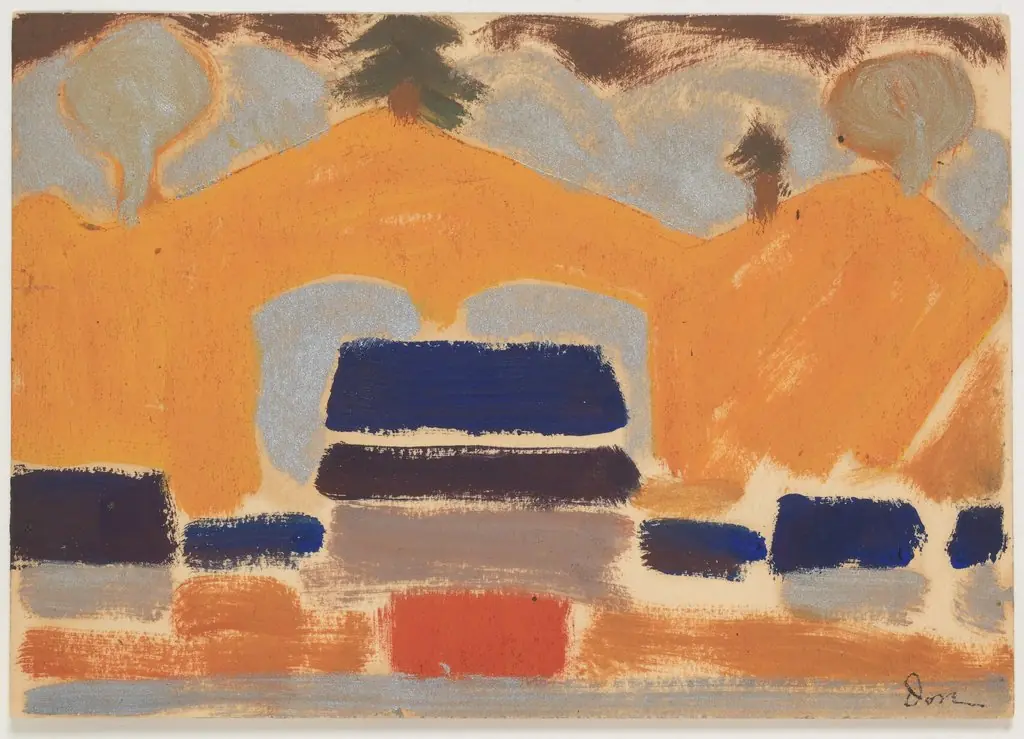
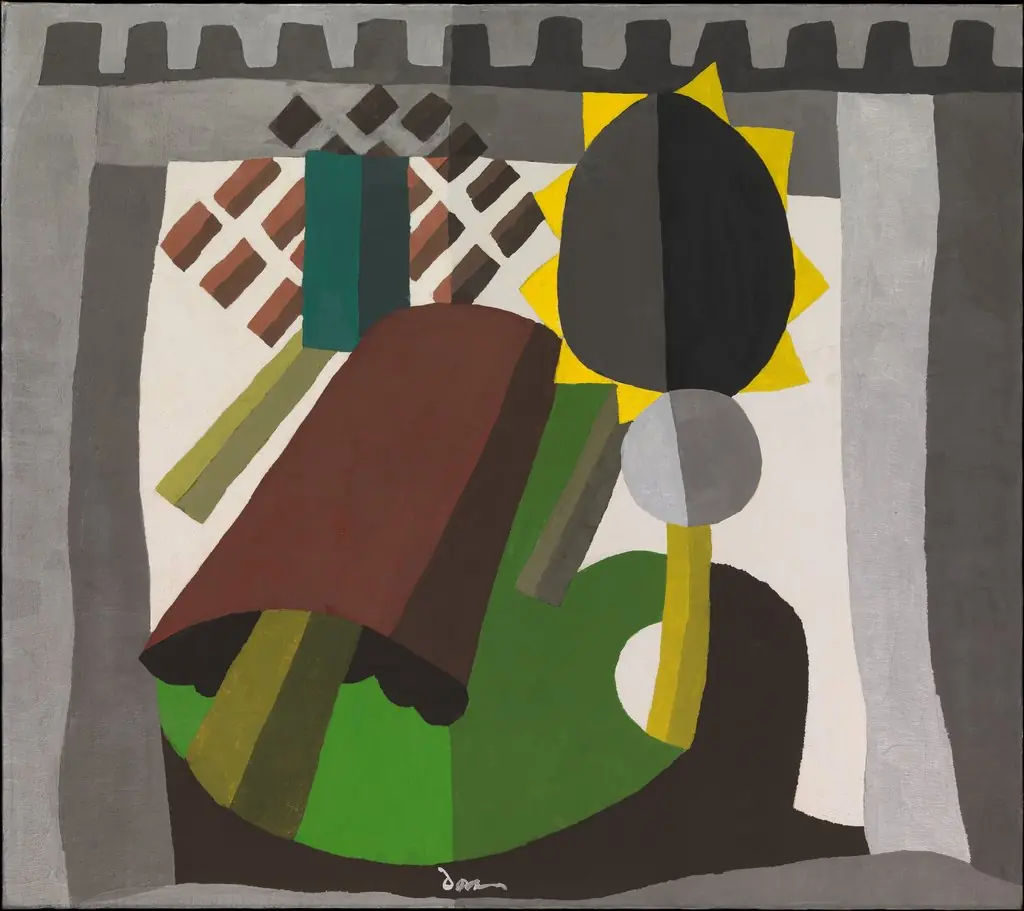
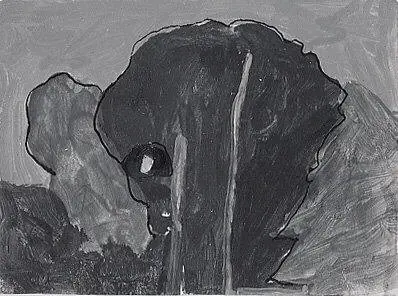
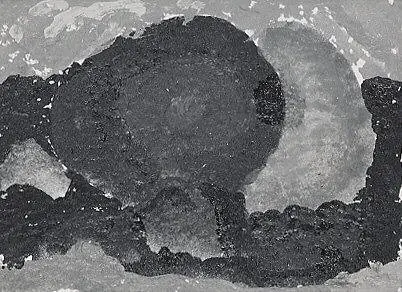
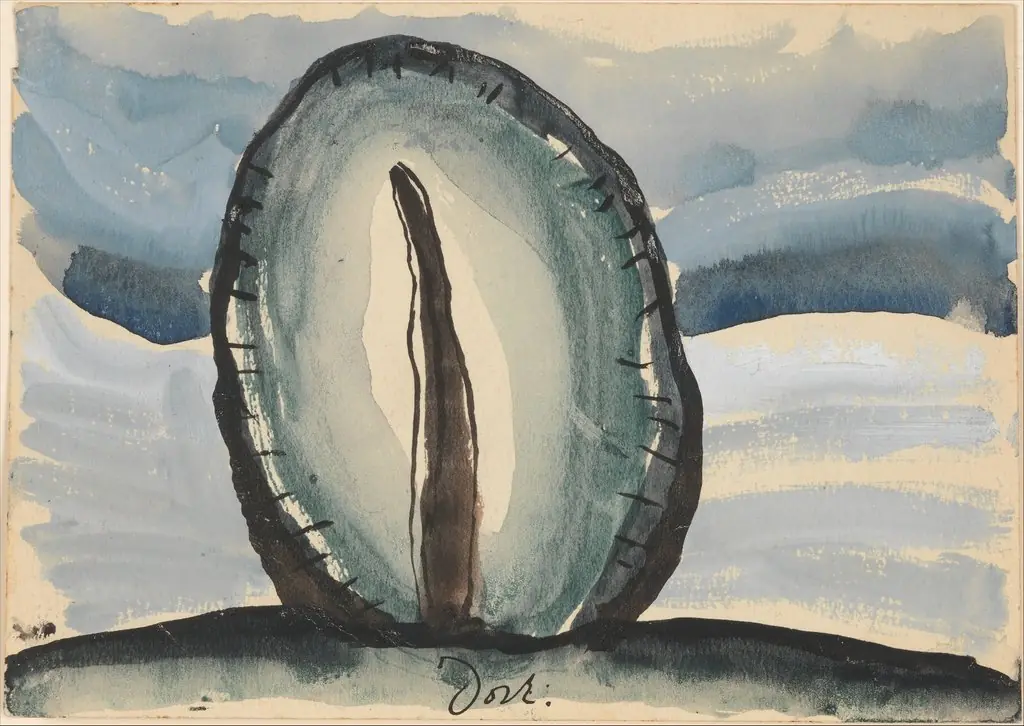
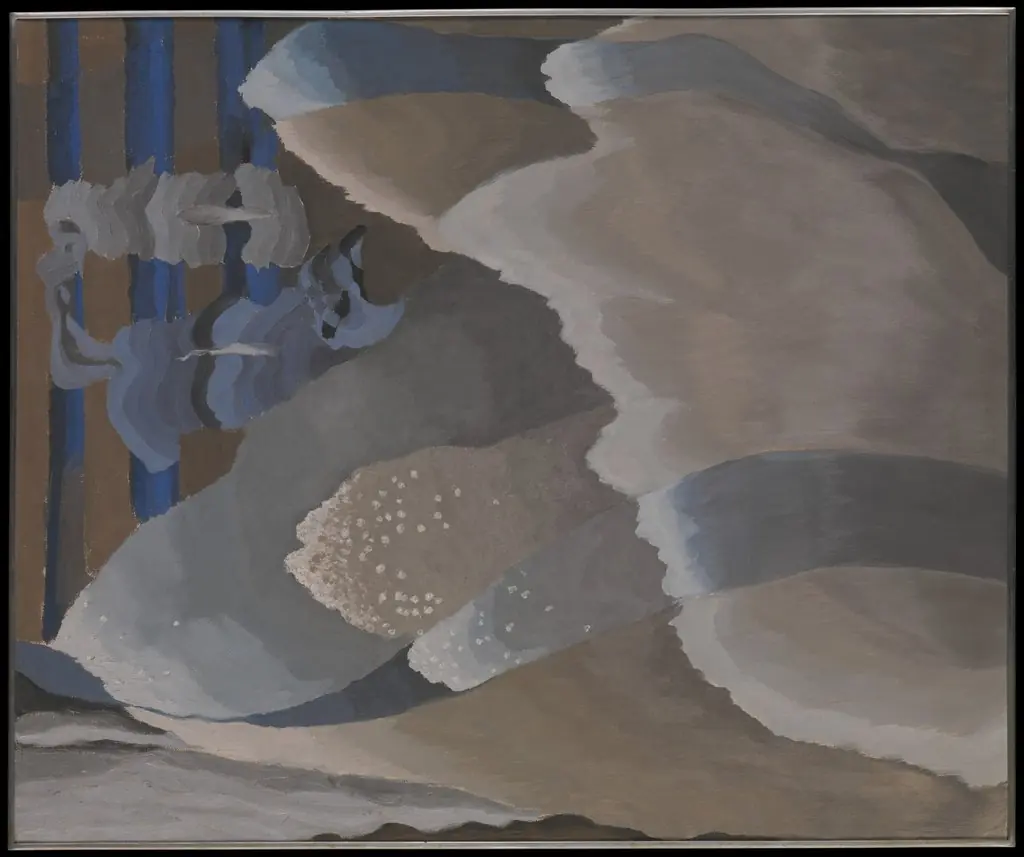
Arthur Dove’s 1929 work titled Landscape is an oil painting that exemplifies his turn toward a more abstracted, impressionistic handling of the natural world. Executed in the late 1920s, the canvas presents a simplified rural scene rendered with bold, flat areas of color and a tactile surface.
Subject & Meaning
The composition centers on a stark white house with a dark roof, set against a backdrop of brown, hill‑like forms and a pale blue sky. The façade is rendered without doors or windows, emphasizing surface over narrative detail and inviting viewers to consider the essence of architecture within a landscape.
Technique & Style
Dove employs a loose, impressionistic palette while integrating thick impasto in selected areas, allowing the paint to stand out from the canvas. This textured application heightens the visual contrast between the smooth white wall and the more robust, earthy tones of the surrounding terrain.
History & Provenance
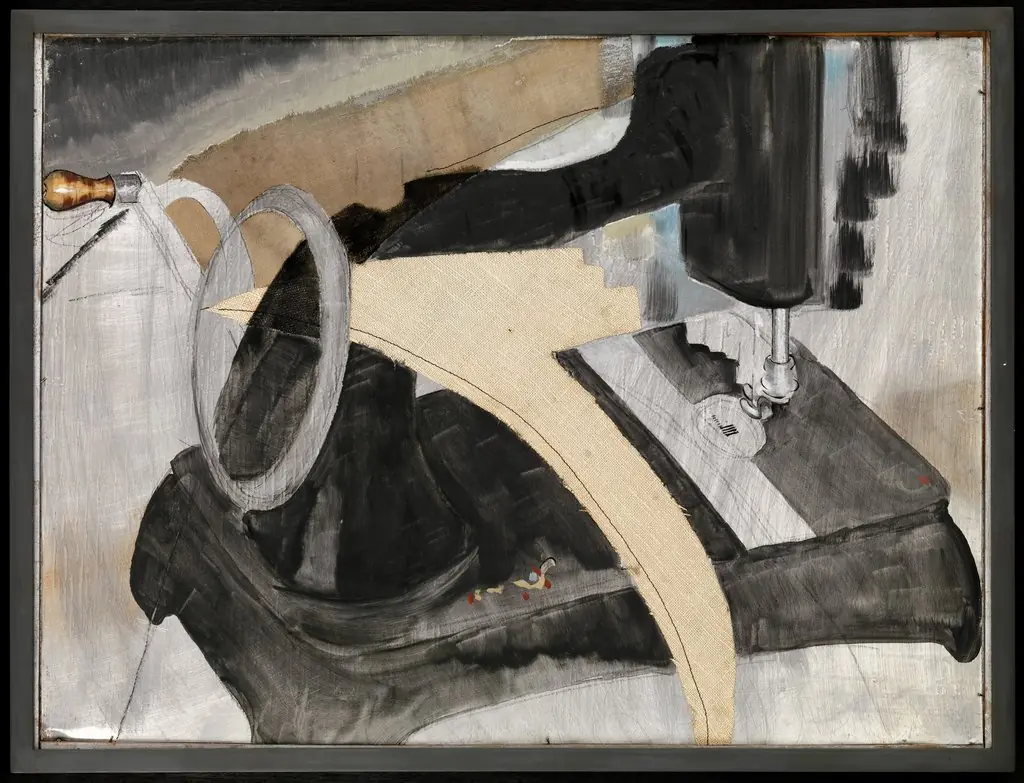
Created during a period when Dove was experimenting with abstraction and mixed media, the painting reflects his early modernist phase. Although specific ownership records are limited, the work is recognized as part of Dove’s late‑1920s output, a time when he was establishing his reputation as a pioneering American abstract artist.
Context
Landscape aligns with the broader American Impressionist movement, yet Dove’s reduction of forms and emphasis on color planes signal a departure toward abstraction. The piece illustrates his interest in reinterpreting familiar subjects, such as houses and countryside, through a modern lens that prioritizes visual impact over literal representation.
Artist & collection
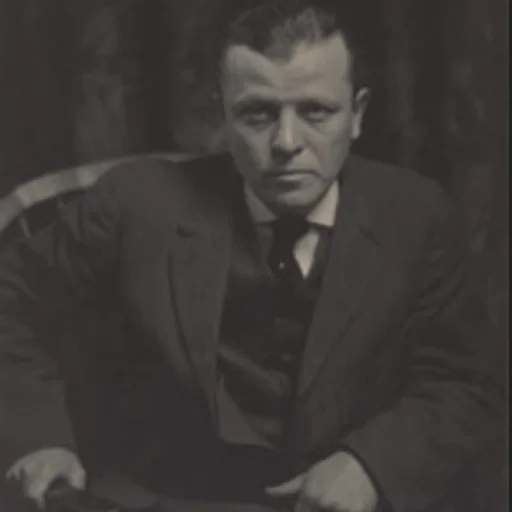
Artist
Arthur Garfield Dove (August 2, 1880 – November 23, 1946) was an American artist.