Artwork
Un evangelista
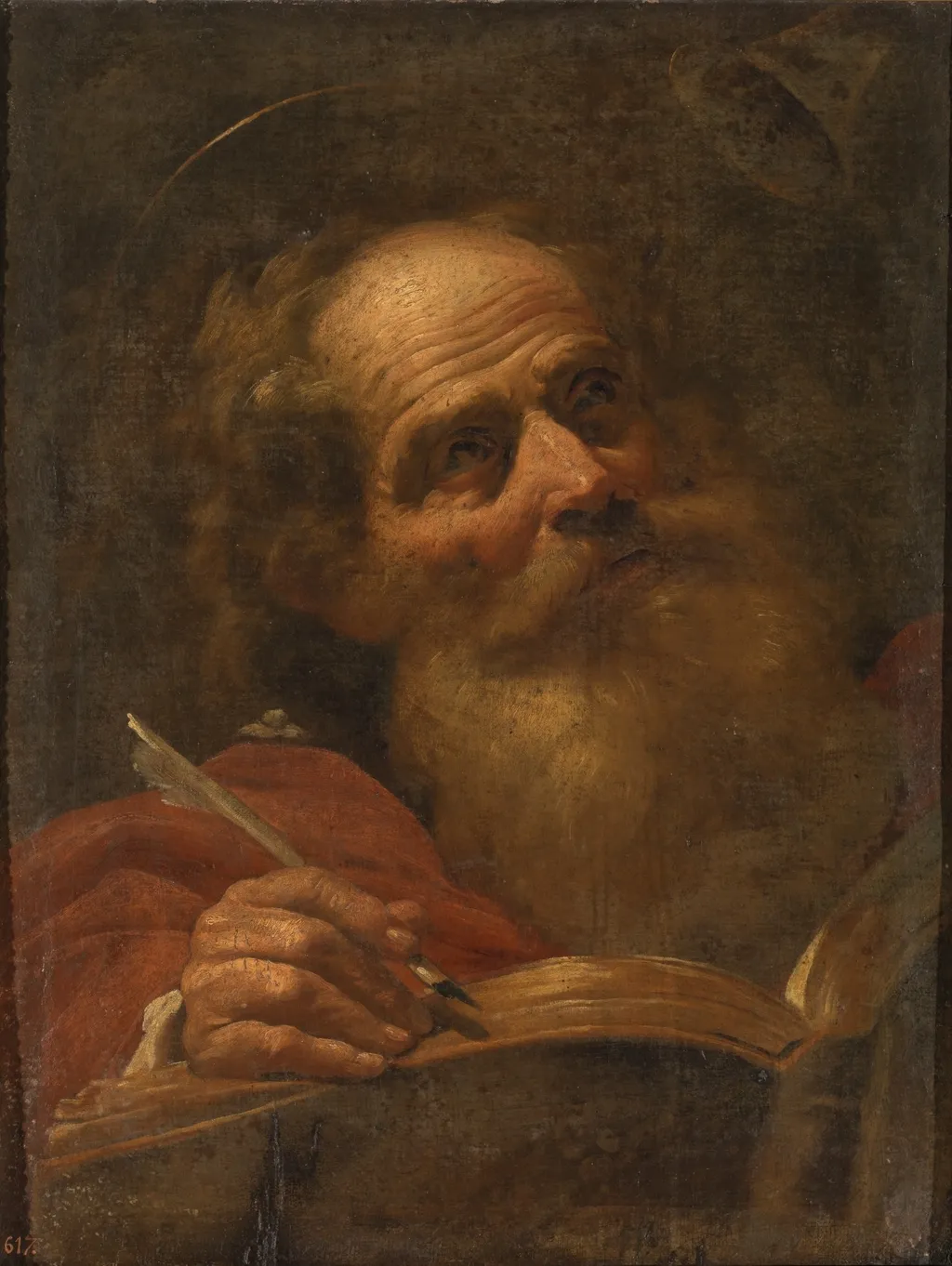
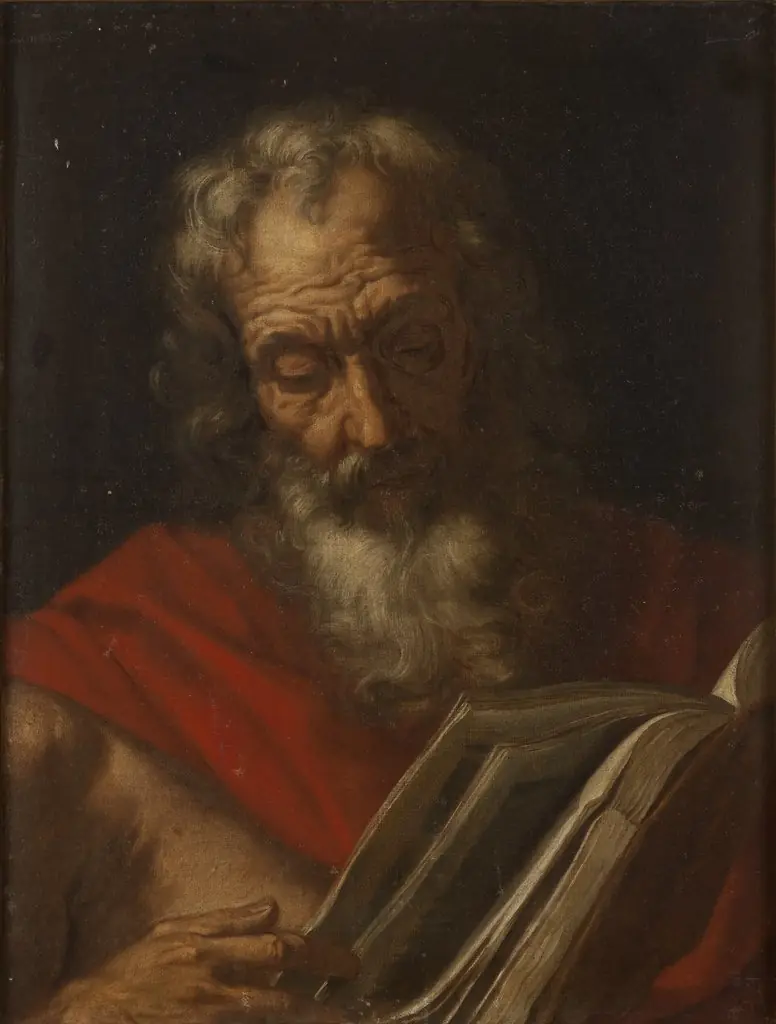
Un evangelista is an oil painting by the Early Baroque Italian artist Unknown. It dates from 1601 and is held in the collection of the Museo del Prado.
About this work
Subject & Meaning
As an anonymous work from the early 17th century, the piece focuses on this singular religious figure without additional narrative elements.
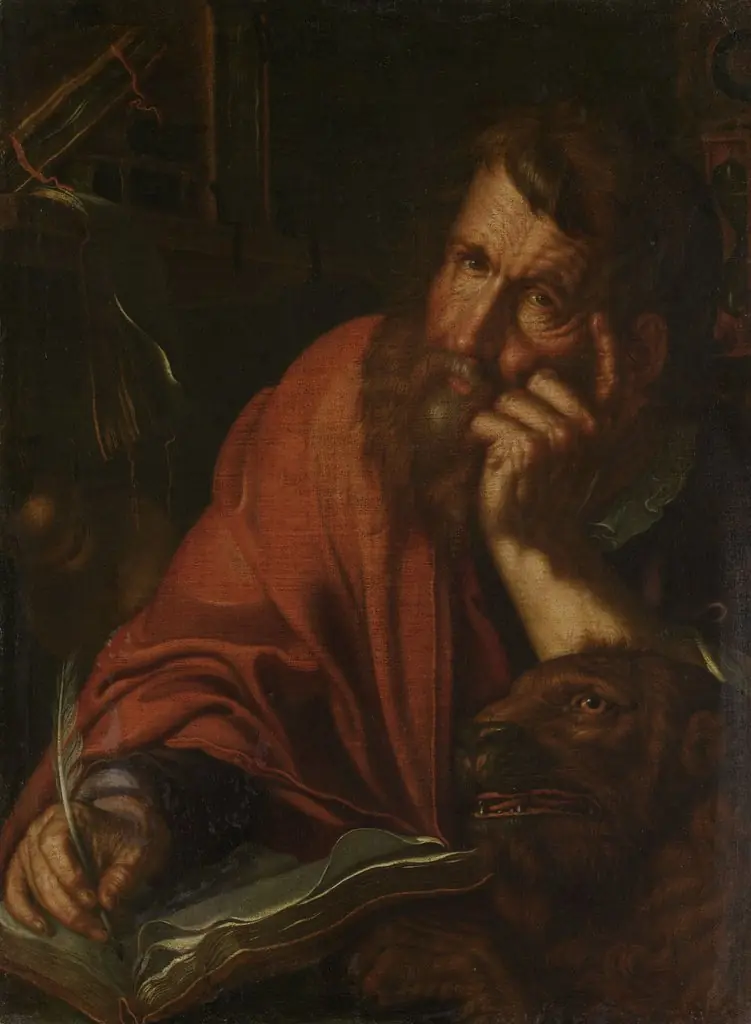
The painting titled Un evangelista, created in 1601, depicts an evangelist, one of the authors of the Gospels. The figure is shown holding a book, a standard iconographic attribute used to identify the writer and their literary contribution. As an anonymous work from the early 17th century, the piece focuses on this singular religious figure without additional narrative elements.
The representation aligns with traditional Christian art conventions where the evangelist is defined by the presence of their scripture.
Technique & Style
Un evangelista is an oil painting executed on canvas, created in 1601. The work measures 65 cm in height and 50 cm in width. Stylistically, the composition depicts an evangelist accompanied by a book, rendered through traditional oil techniques on a textile support. The piece is currently held in the collection of the Museo del Prado.
History & Provenance
Un evangelista is an oil painting on canvas created in 1601. The work depicts an evangelist holding a book. It is currently held in the collection of the Museo del Prado, where it remains located. The artist responsible for the piece is recorded as anonymous.
Overview
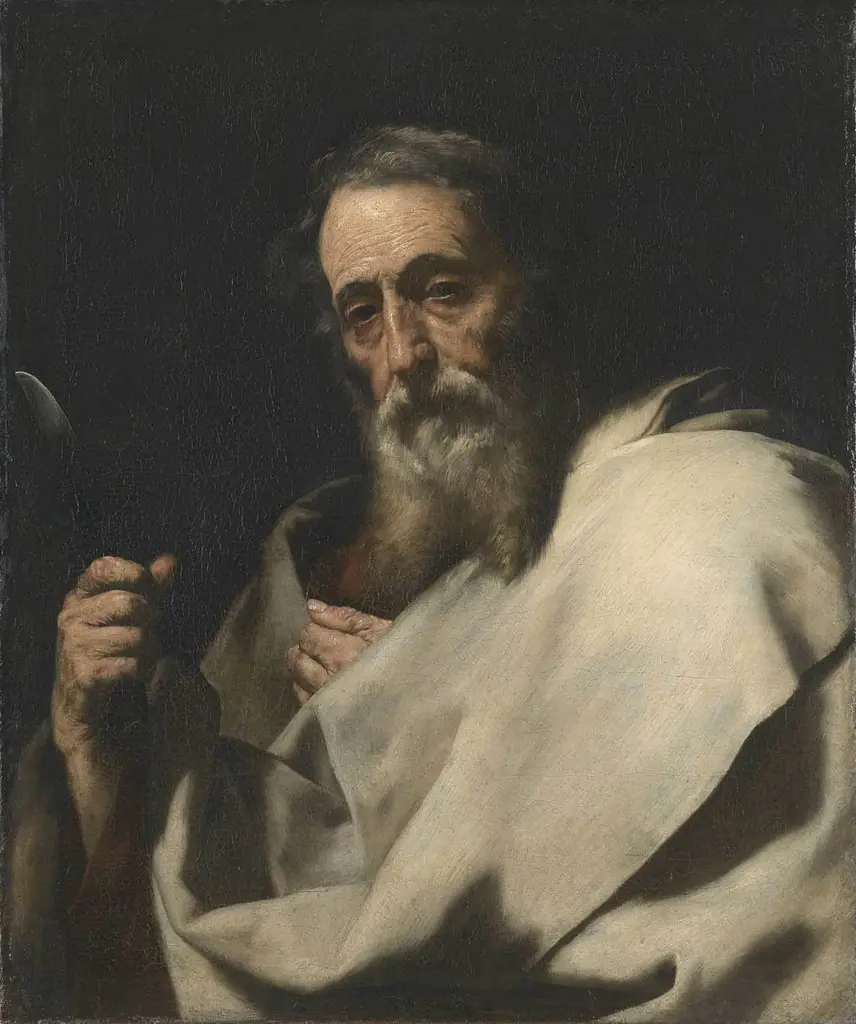
The work titled Un evangelista is an oil painting that depicts an elderly figure with a pronounced white beard and deeply lined facial features. He is shown supporting his chin on an open red volume while his other hand clutches a slender rod or scroll. The composition is set against a dark backdrop, which isolates the illuminated face and the vivid book.
Context
Executed in oil, the piece aligns with a broader tradition of Baroque‑inspired portraiture that uses strong lighting to focus attention on the subject’s inner life. While specific details about the artist or date are not provided, the stylistic choices echo the practices of painters who sought to convey psychological depth through the interplay of darkness and light.
Artist & collection