Artwork
Portrait of Caspar Fagel (1634-88), Grand pensionary of Holland from 1672 on, with the assembly hall of the states of Holland on the Binnenhof, The Hague, in the background
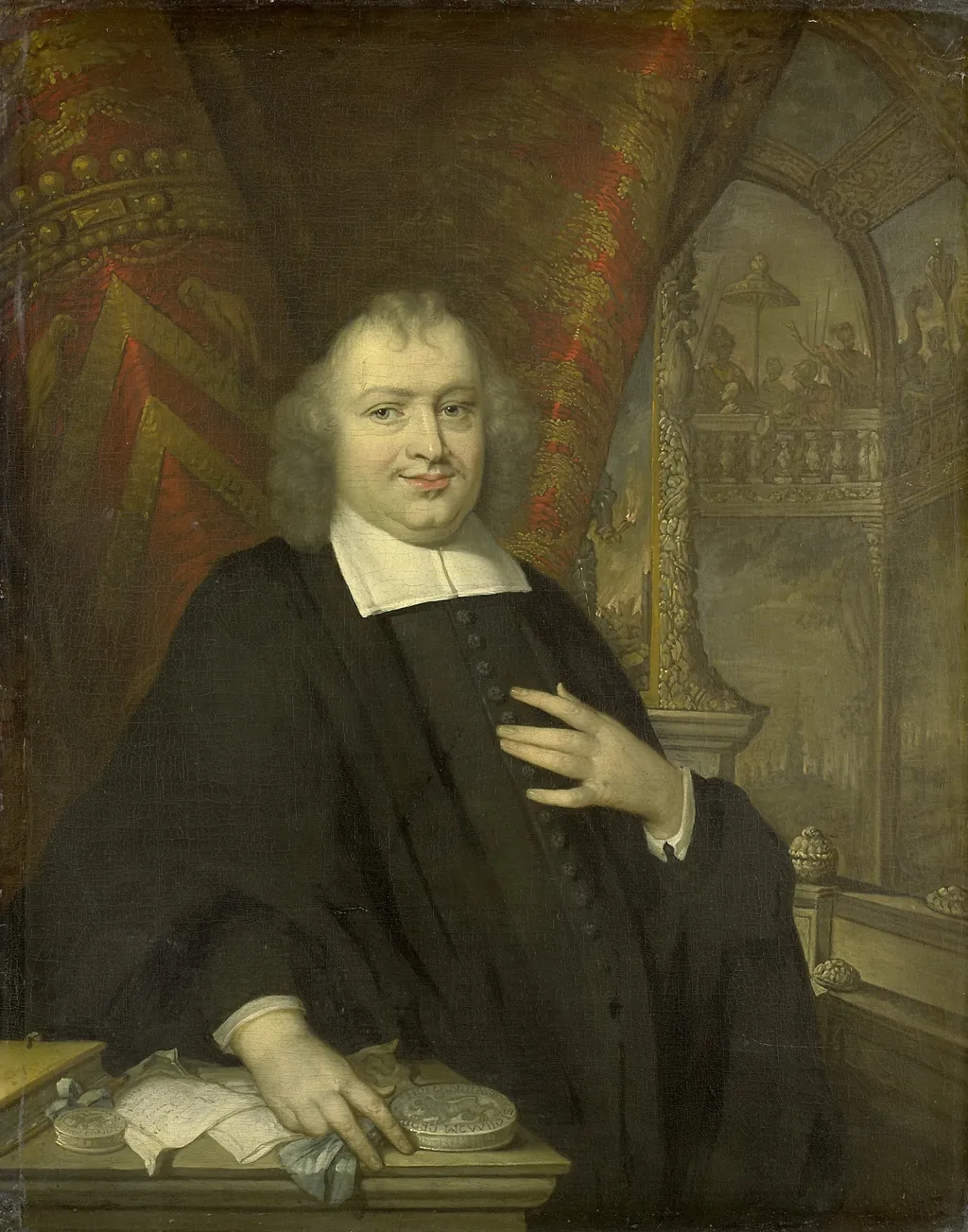
Portrait of Caspar Fagel (1634-88), Grand pensionary of Holland from 1672 on, with the assembly hall of the states of Holland on the Binnenhof, The Hague, in the background is an oil painting by the Dutch Golden Age artist Johannes Vollevens. It dates from 1694 and is held in the collection of the Rijksmuseum.
About this work
Subject & Meaning
By including this government building in the background, the composition visually links the sitter directly to the seat of Dutch political power he occupied.
The painting depicts Caspar Fagel, who served as the Grand Pensionary of Holland starting in 1672. The work functions as a formal portrait that establishes Fagel's political authority by situating him against a specific architectural backdrop: the assembly hall of the States of Holland located on the Binnenhof in The Hague. By including this government building in the background, the composition visually links the sitter directly to the seat of Dutch political power he occupied.
The image serves as a representation of his high office and civic role within the Republic during the late seventeenth century.
Technique & Style
The painting is executed in oil on canvas, a medium consistent with Dutch portrait practice of the late seventeenth century. The handling combines smooth, blended passages in the face with more assertive, layered brushwork in the costume and architectural background, reflecting Vollevens’ careful attention to texture and detail. The figure is rendered with subtle chiaroscuro, modulating light across the sitter’s face and hands to convey a sense of volume and presence.
The composition integrates the portrait with a detailed view of the Binnenhof assembly hall, using a restrained palette dominated by earth tones and subdued accents to unite foreground and background. The architectural elements are carefully delineated yet integrated into the overall tonal harmony, reinforcing the gravitas of the subject and the institutional setting.
History & Provenance
Johannes Vollevens created the oil-on-canvas portrait of Caspar Fagel in 1686. The work depicts the Grand Pensionary of Holland with the assembly hall of the States of Holland on the Binnenhof visible in the background. Historical records indicate that the painting was later held in the collection of Arnoldus Andries des Tombe. It is currently part of the holdings of the Rijksmuseum.
The portrait is held in the collection of the Rijksmuseum in Amsterdam. The museum acquired the work from the private collection of Arnoldus Andries des Tombe. While the source material confirms the painting's presence in the Rijksmuseum and its previous ownership, it does not provide a specific inventory or accession number, nor does it list any exhibition history for the artwork.
Consequently, the known history of the piece is limited to its transition from the Des Tombe collection to the national museum.
Legacy
The portrait remained in a private collection until 1880 when it entered the Rijksmuseum, where it became part of the national narrative on Dutch statesmen. Its depiction of the Binnenhof reinforced the visual archetype of the Grand Pensionary within civic iconography, influencing later 19th-century historiographical paintings of Holland’s political elite.
Overview
Johannes Vollevens painted this oil portrait in 1694, presenting Caspar Fagel, the Dutch Grand Pensionary from 1672 until his death. The work shows Fagel seated at a desk, his gaze directed toward the viewer, while the interior of the Binnenhof’s assembly hall forms the backdrop. The painting is part of the Rijksmuseum’s collection.
Context
The painting situates Fagel within the Binnenhof, the historic complex that housed the Dutch parliamentary chambers. By portraying him against the assembly hall’s elaborate décor, the work connects personal authority with the institutional setting of the States of Holland, illustrating the intertwined nature of individual leadership and collective governance during the Republic’s later years.
Own this work as a print
Artist & collection

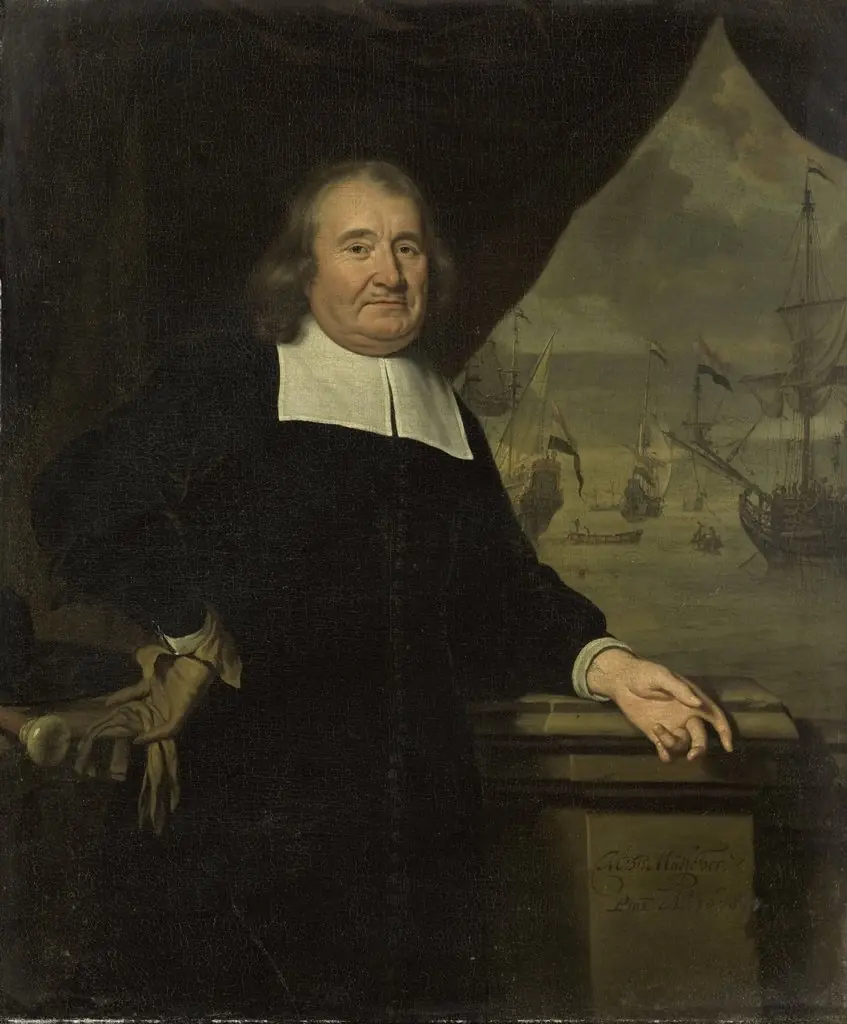 Portrait of a captain or ship-owner
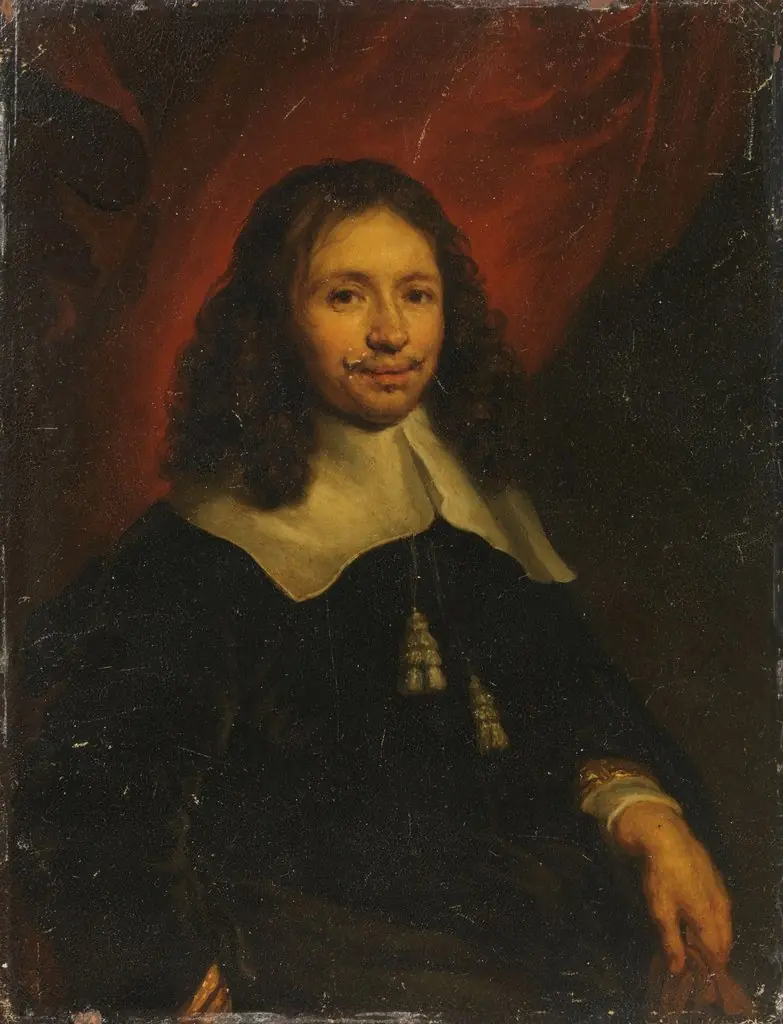 Dionijs Wijnands (1628-73). Amsterdam merchant
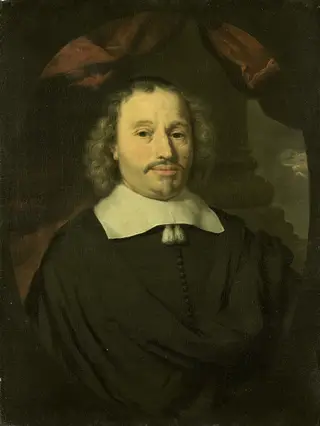 Portrait of Hendrick Wijnands (1601/2 - 76), grocer of Amsterdam
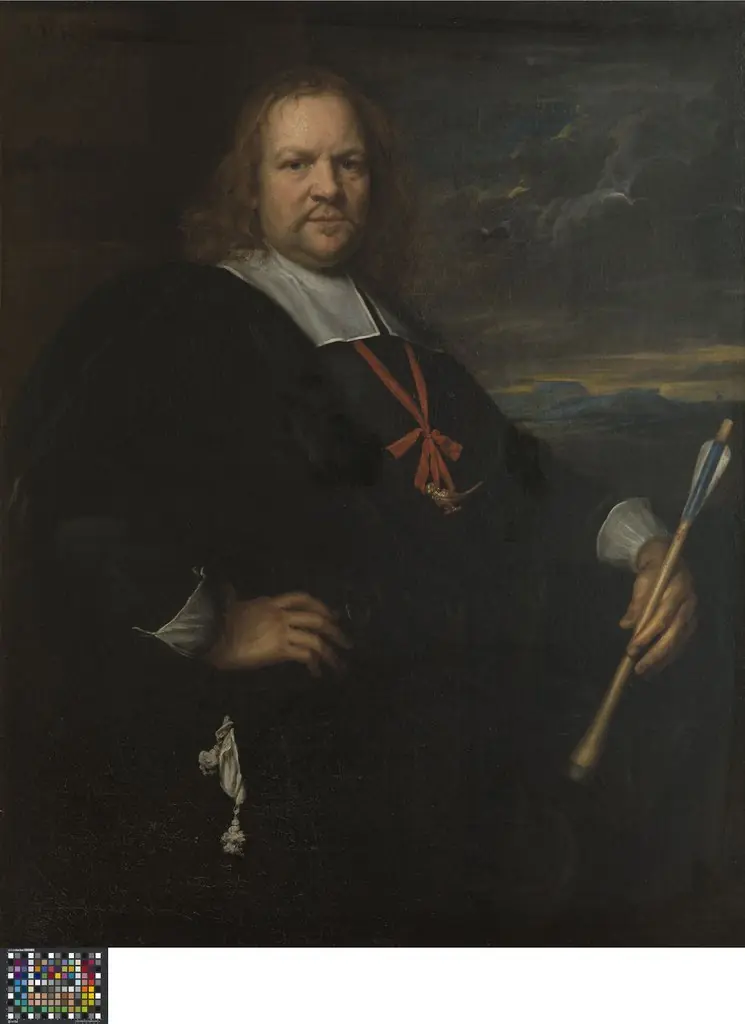 Portrait of Leonard van Kerckhove, King of the Guild of St. George in Bruges
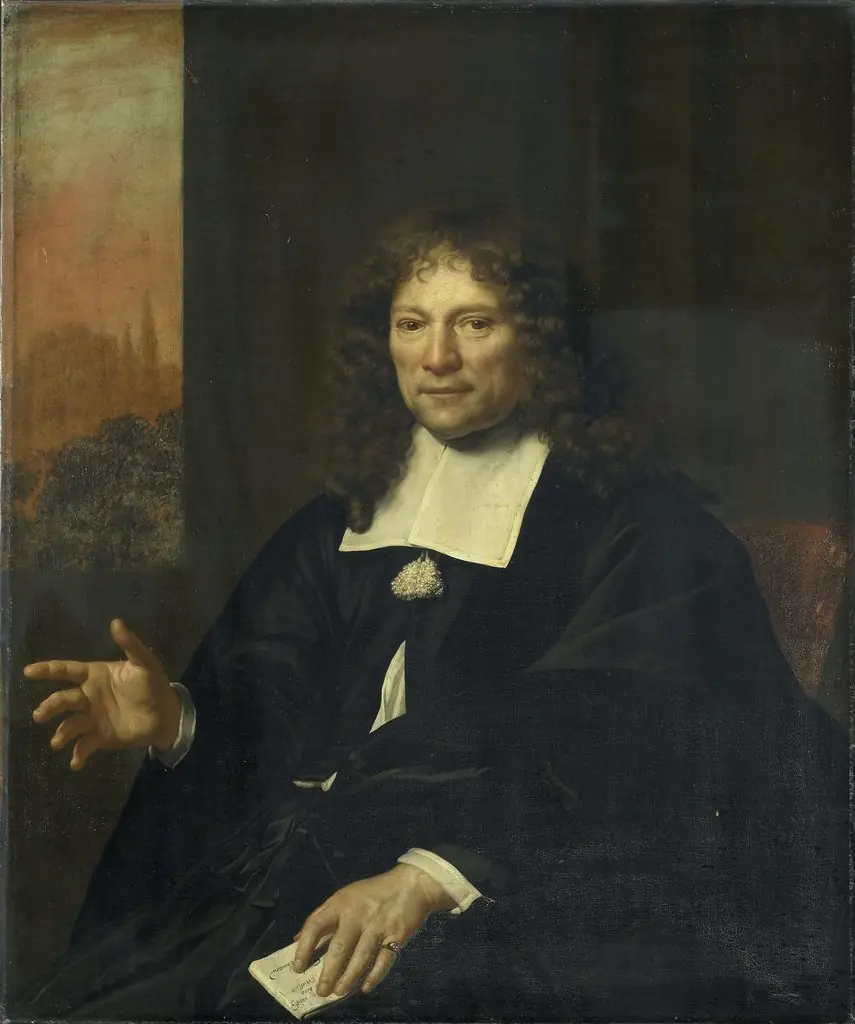 Portrait of Daniel Nellius, elder of the Remonstrant church and sampling official of Alkmaar
 Portrait of Daniel Niellius. Elder of the Remonstrant Church and Sampling Official of Alkmaar
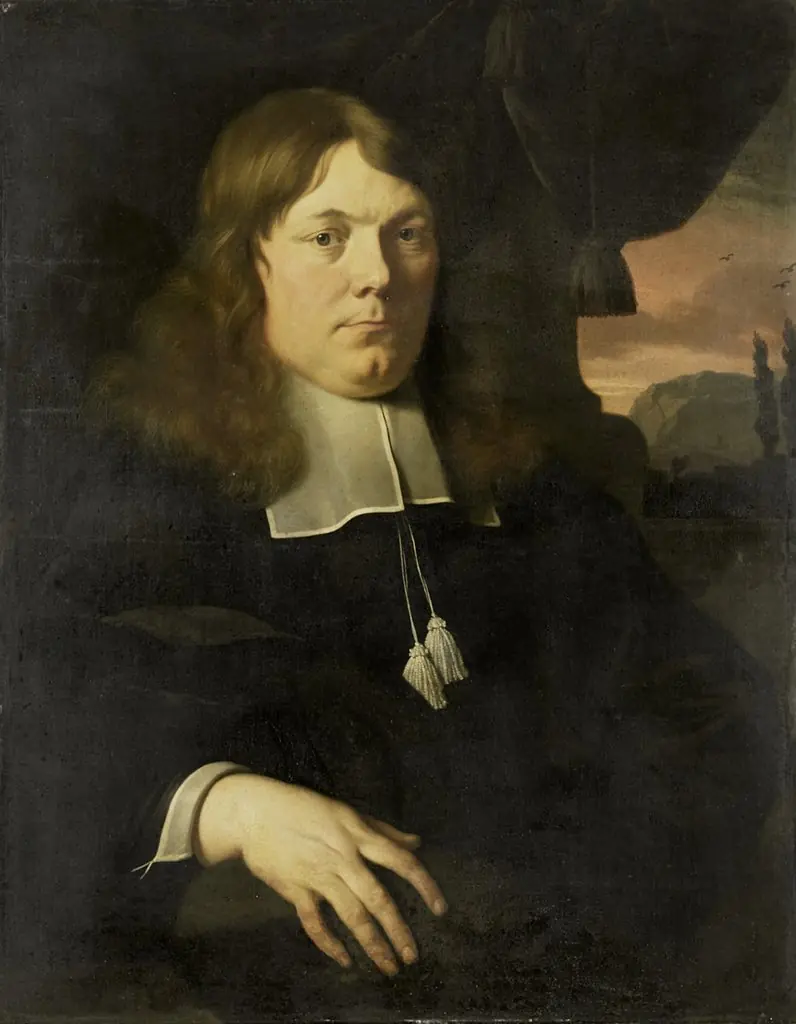 Portrait of a man
![Portrait of a Gentleman [possibly Jacob van Campen], by Thomas de Keyser](https://artifactworldgallery.com/img/thomas-de-keyser--portrait-of-a-gentleman-possibly-jacob-van-campen--d0c829ca95efaf31-w320.webp) Portrait of a Gentleman [possibly Jacob van Campen]
Portrait of a Gentleman [possibly Jacob van Campen]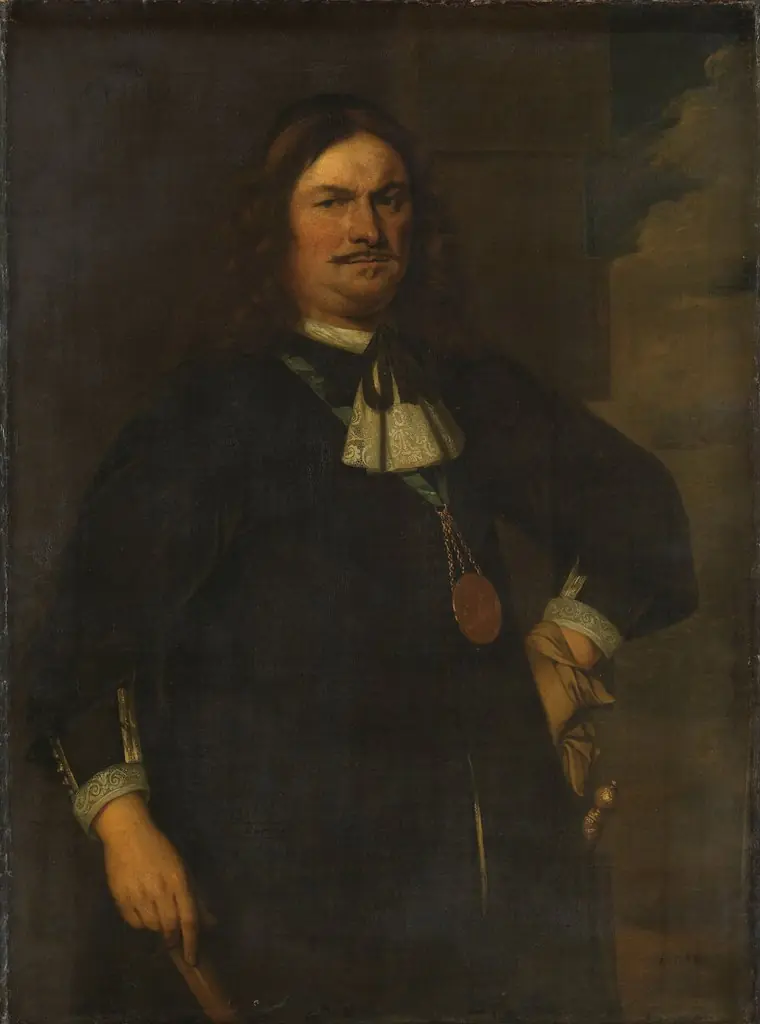 Adriaen Banckert, Vice Admiral of Zeeland
 Thomas Pots (1618-1689). Minister at Vlissingen