Artwork
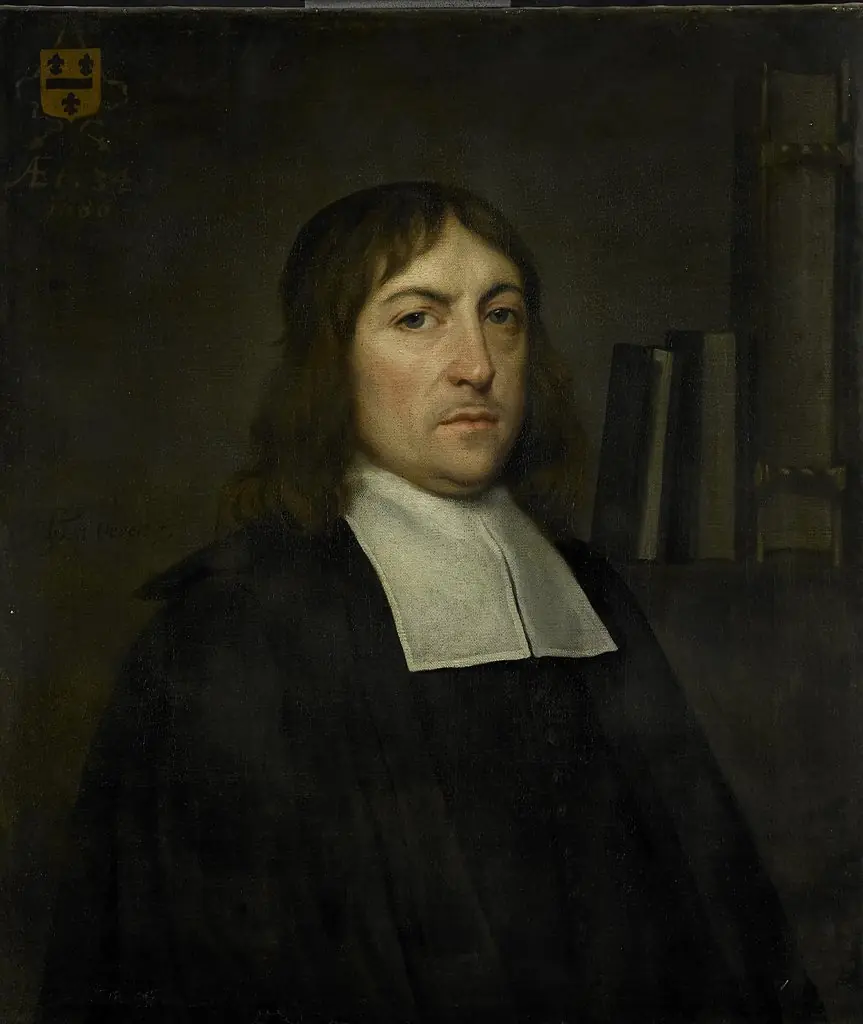
Portrait of Nicolaes Eichelberg (d 1699), Haarlem merchant and husband of Helena van der Schalke
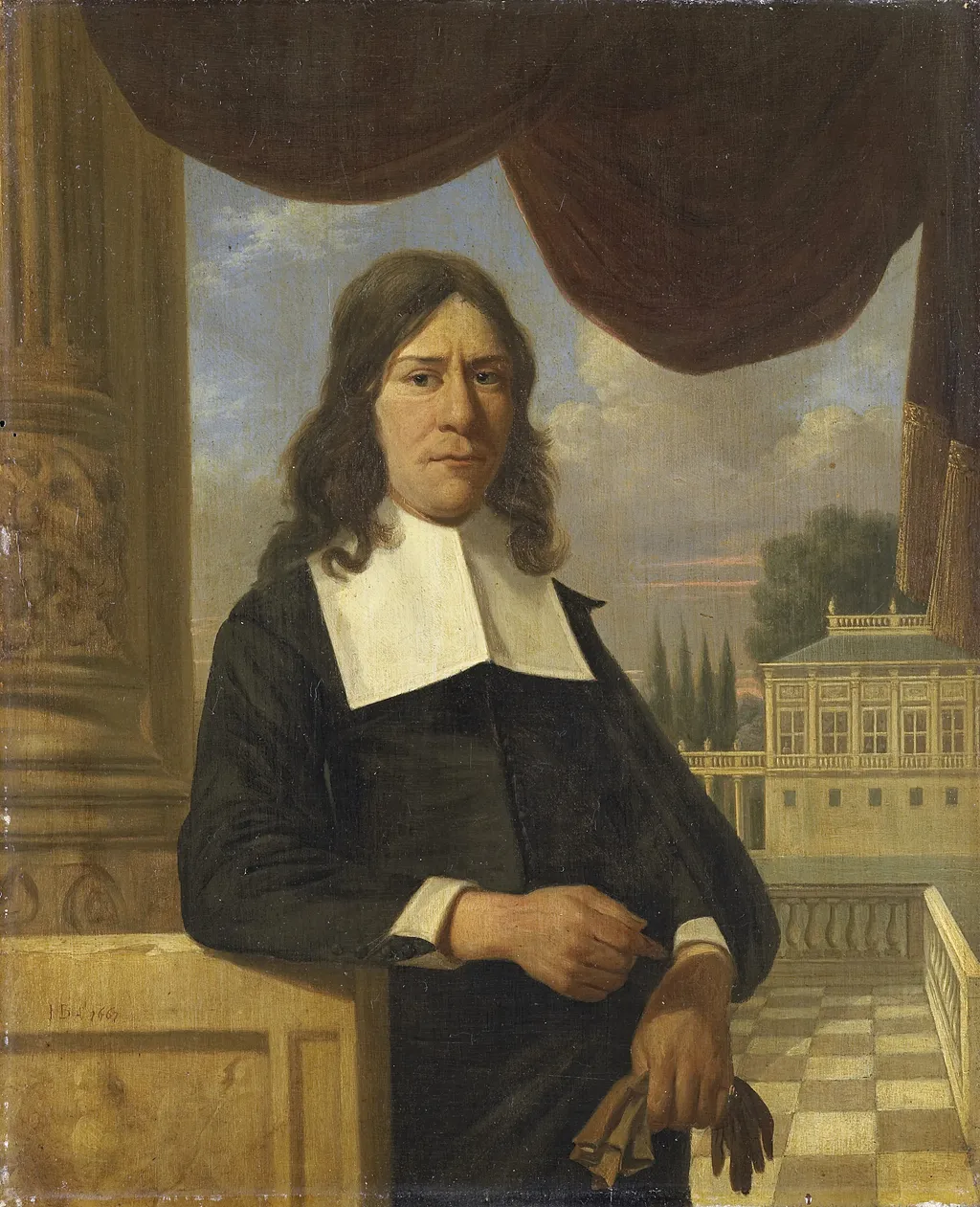
Portrait of Nicolaes Eichelberg (d 1699), Haarlem merchant and husband of Helena van der Schalke is an oil painting by the Dutch Golden Age artist Job Adriaenszoon Berckheyde. It dates from 1667 and is held in the collection of the Rijksmuseum.
About this work
Subject & Meaning
The modest format and restrained composition reflect the conventions of contemporary merchant portraiture in the Dutch Republic.
The painting depicts Nicolaes Eichelberg, a Haarlem merchant who died in 1699 and was married to Helena van der Schalke. Executed in 1667 by Job Adriaenszoon Berckheyde, the work belongs to the Dutch portrait tradition of the period, emphasizing the sitter’s social identity rather than overt allegory.
The modest format and restrained composition reflect the conventions of contemporary merchant portraiture in the Dutch Republic. No overt symbols or attributes are recorded for this specific work, suggesting that its meaning resides primarily in the representation of an identifiable individual within a recognized social role rather than through layered iconographic or symbolic program.
Technique & Style
The painting is executed in oil on oak panel, a common support among Dutch Golden Age portraitists. The handling is precise and linear, with smooth transitions in the modeling of the face and crisp detailing of the lace collar and cuffs. The costume’s fine stippling and the restrained palette, dominated by black, white, and earth tones, conform to Haarlem portrait conventions of the 1660s.
The brushwork remains even across surfaces, without visible impasto or pentimenti, suggesting careful planning and execution typical of Berckheyde’s studio practice.
Overview
Job Adriaenszoon Berckheyde, a Dutch painter active in the mid‑17th century, completed this oil portrait in 1667. It presents Nicolaes Eichelberg, a merchant from Haarlem, alongside visual cues that reflect his social position. The canvas is part of the Rijksmuseum’s collection, representing the period’s emphasis on realistic, individualized portraiture.
Context
The painting was produced during the Dutch Golden Age, a time when Haarlem’s thriving trade network fostered a demand for portraits that conveyed both wealth and civic virtue. Berckheyde, known for both cityscapes and portraits, often placed sitters against architectural backdrops that linked personal identity to the urban environment.
History & Provenance
Since its creation, the work has remained in Dutch hands, ultimately entering the Rijksmuseum’s holdings. Its documented provenance reflects the museum’s focus on preserving artworks that illustrate the social fabric of 17th‑century Holland.
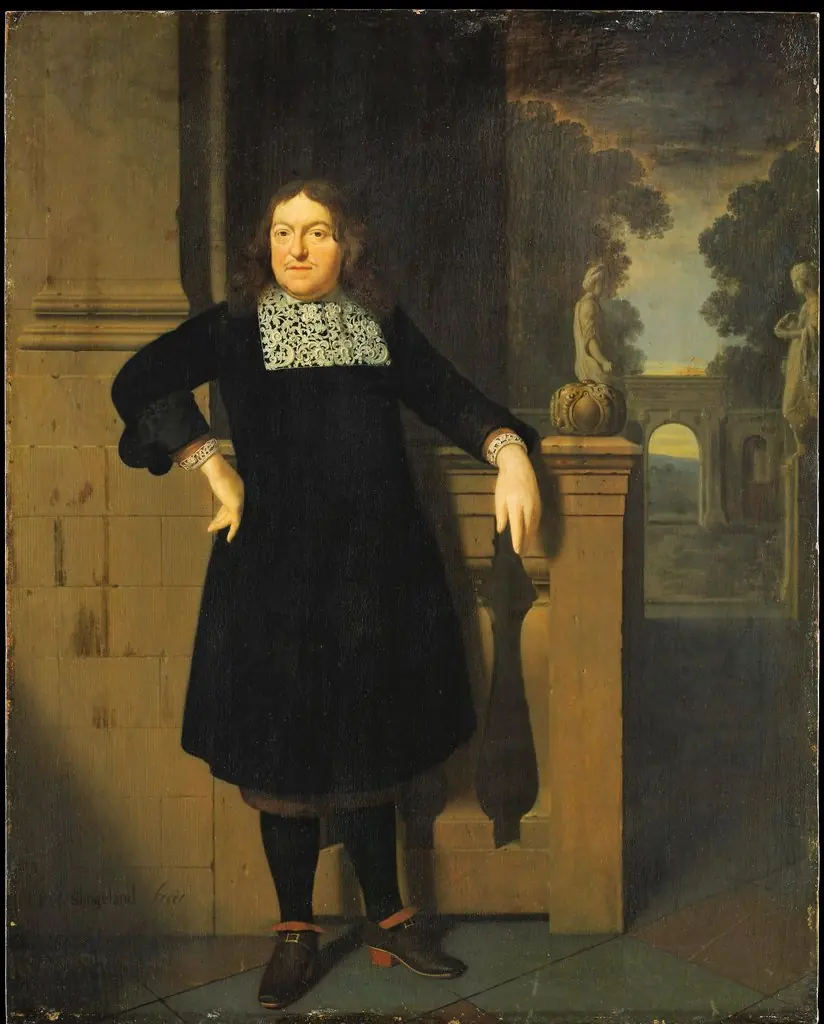
Own this work as a print
Artist & collection
Artist
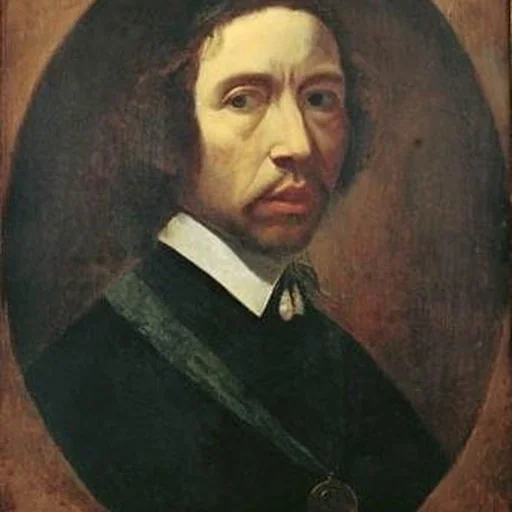
Job Adriaenszoon Berckheyde (baptized 27 January 1630 – before 23 November 1693) was a Dutch artist of the 17th century, active in Haarlem, Amsterdam, and The Hague.

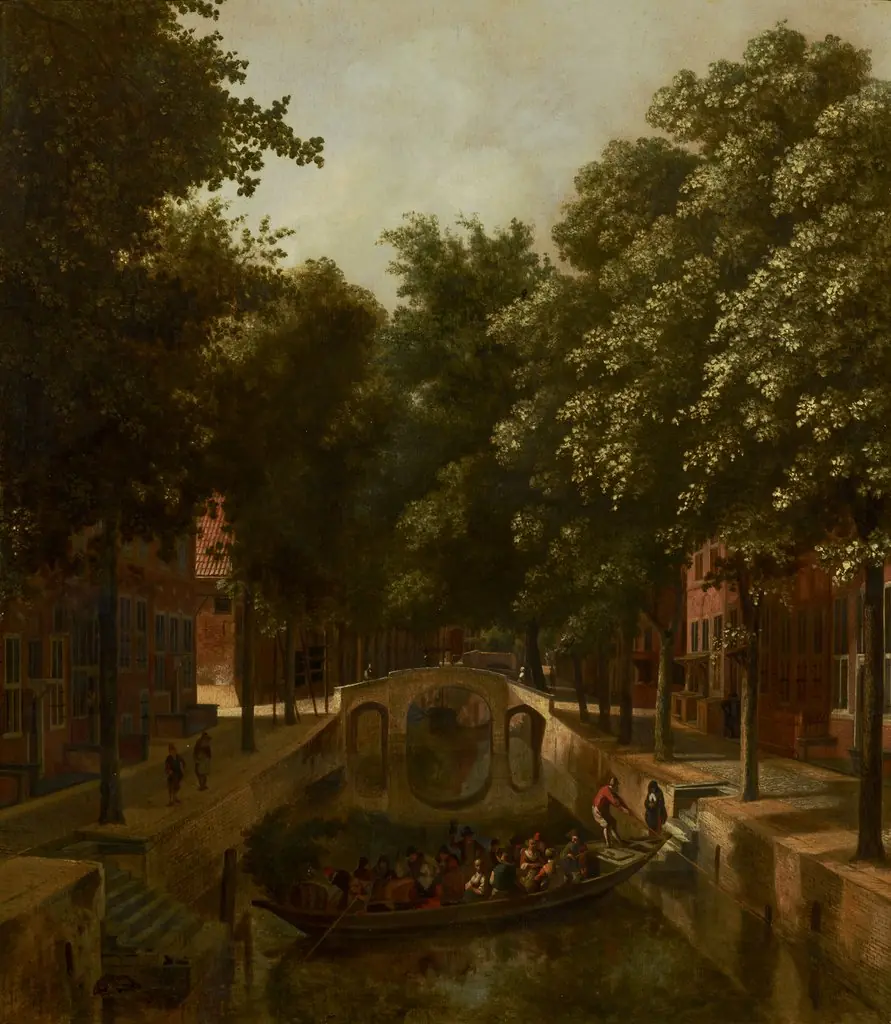
- Portrait of Johan Hulshout (1623–1687)
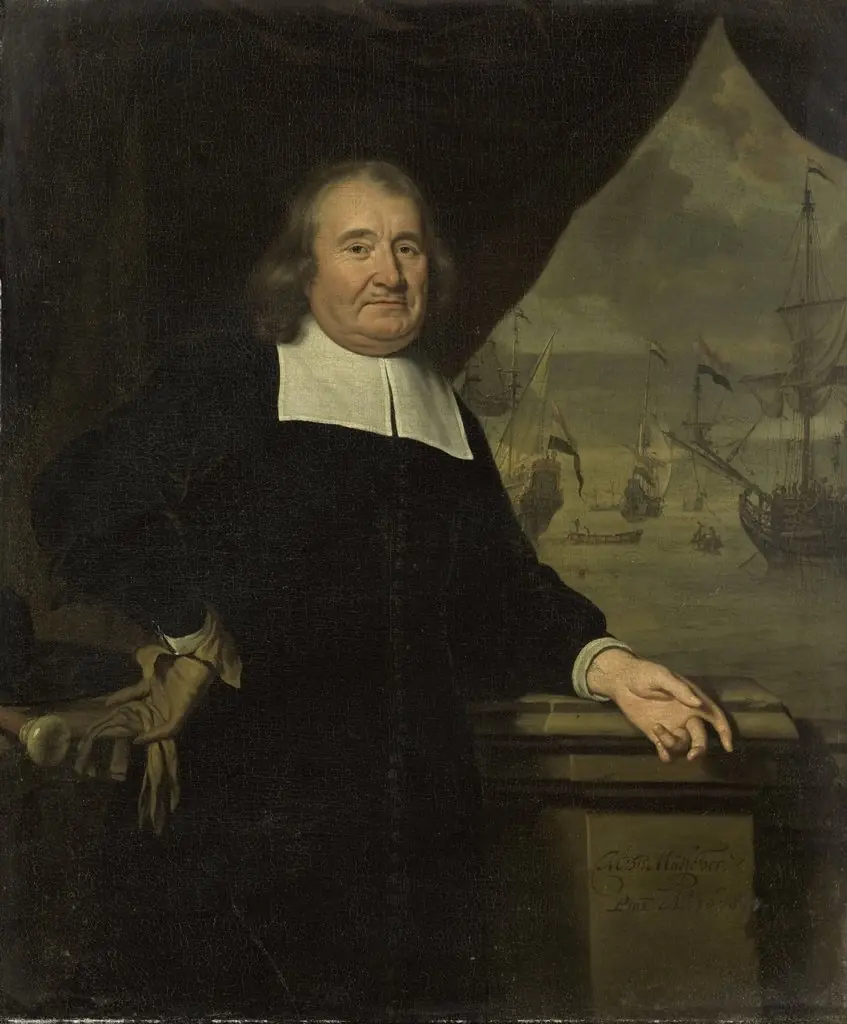 Portrait of a captain or ship-owner
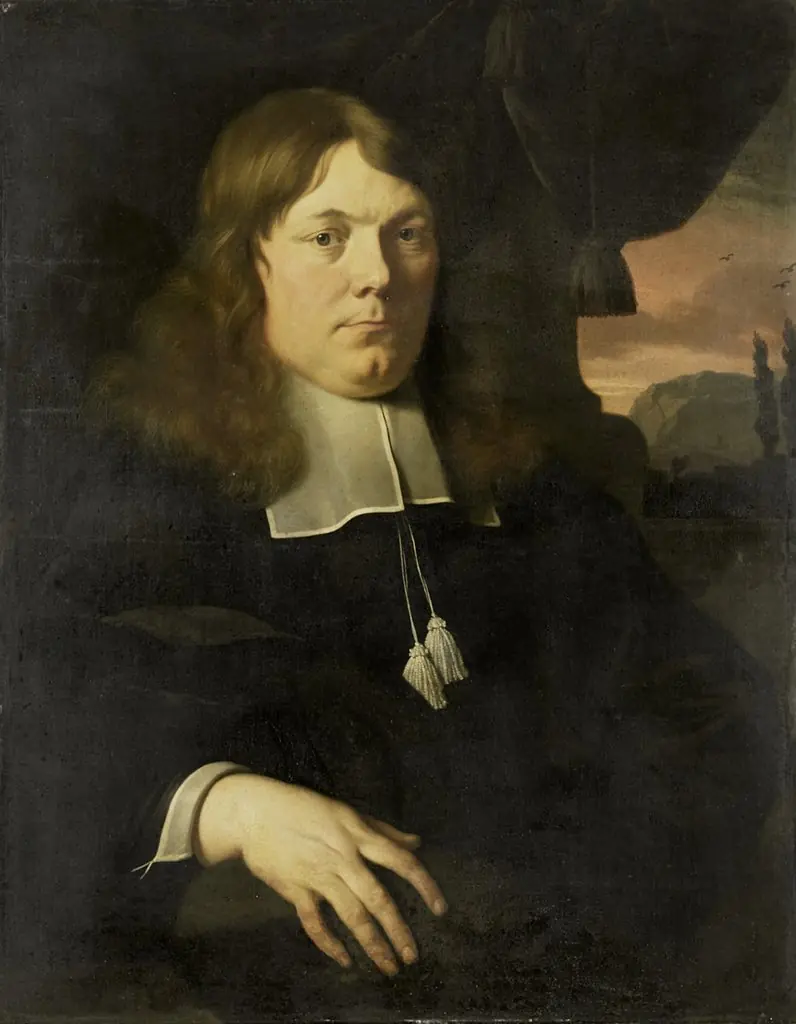 Portrait of a man
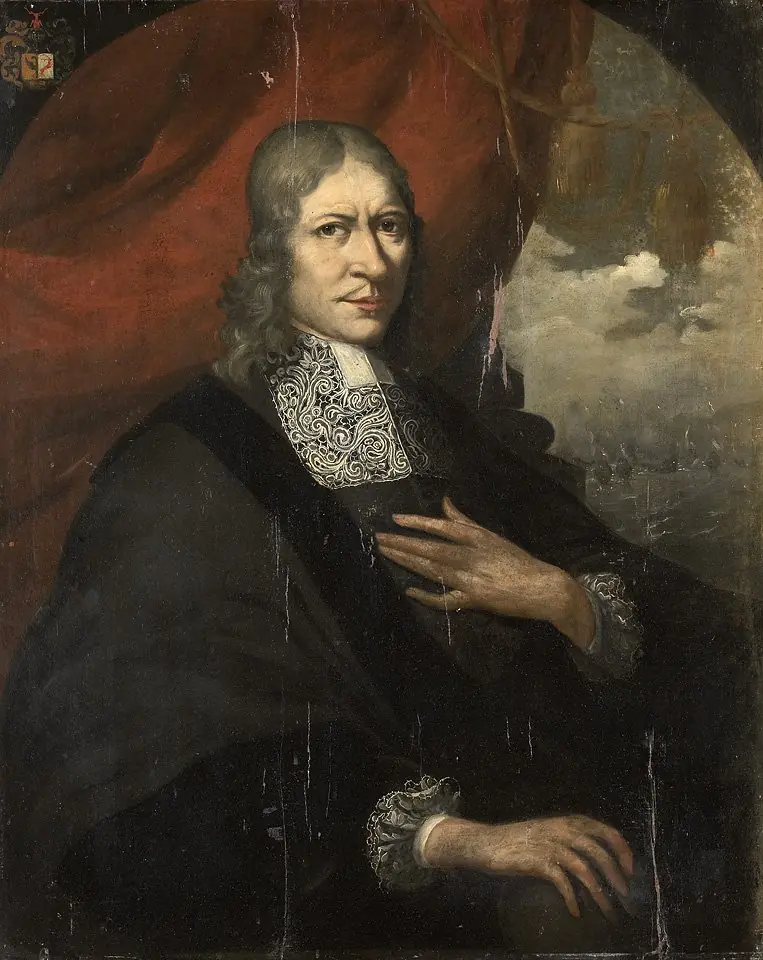 Portrait of Rycklof van Goens (1619-82). Gouverneur-generaal (1678-81)
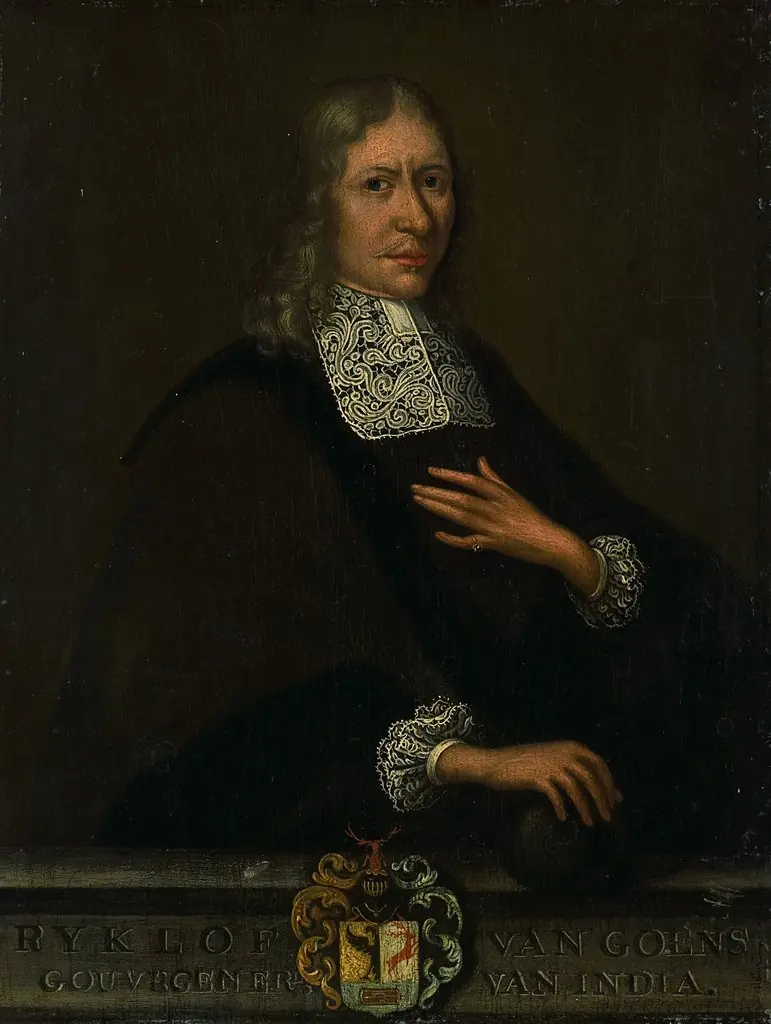 Portrait of Rycklof van Goens (1619-82), Gouverneur-generaal (1678-81)
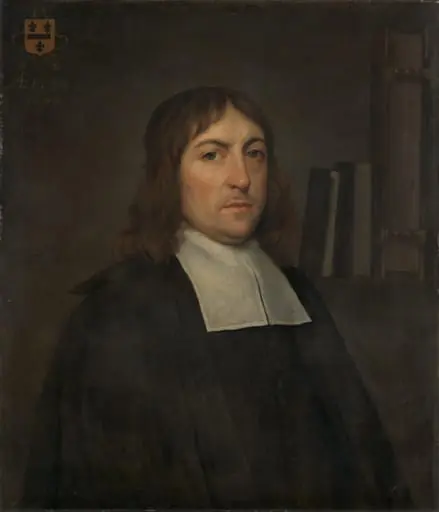 Portrait of Barend Hakvoort (1652-1735)
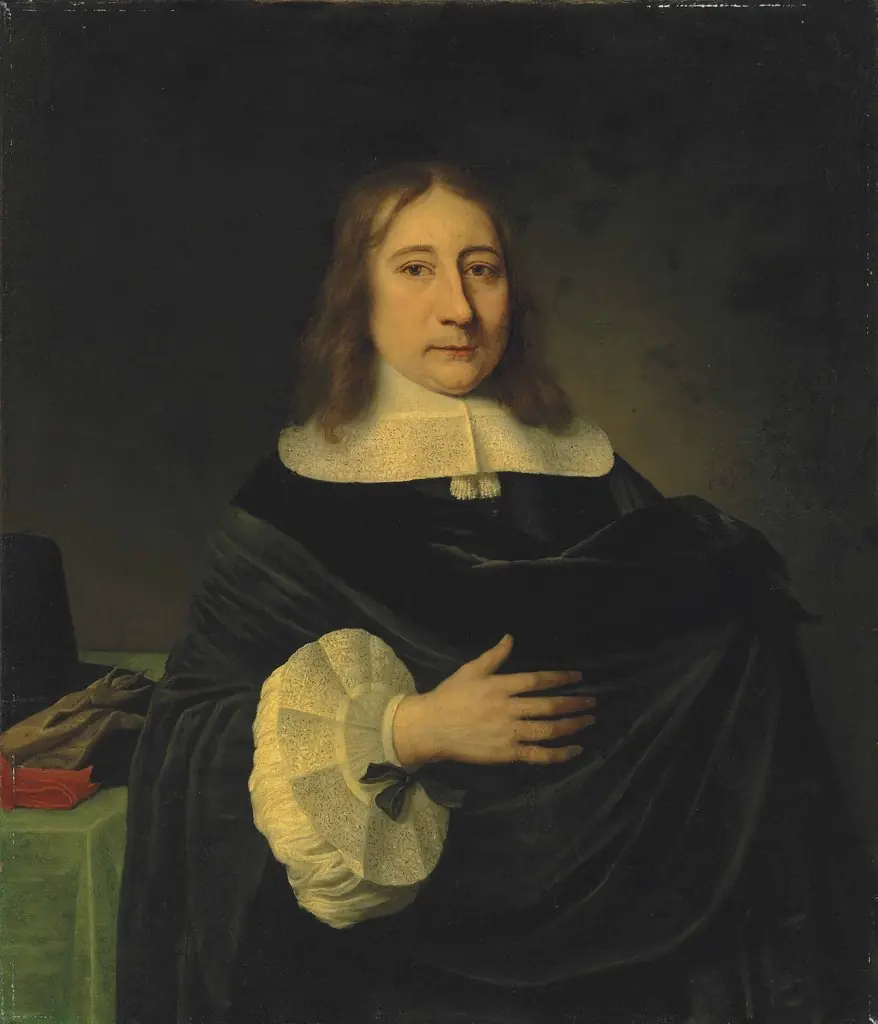 Portrait of one of the brothers Van der Burch, probably Arent van der Burch (1621-1691), 1656
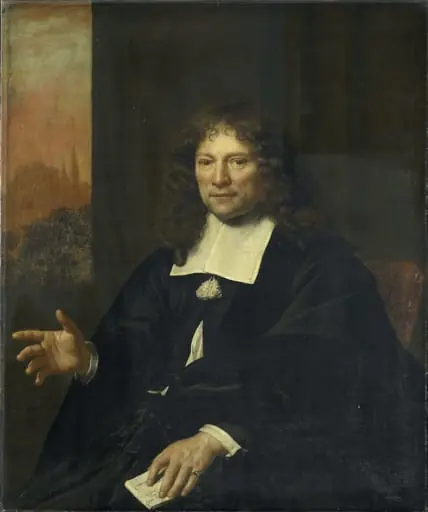 Portrait of Daniel Niellius. Elder of the Remonstrant Church and Sampling Official of Alkmaar
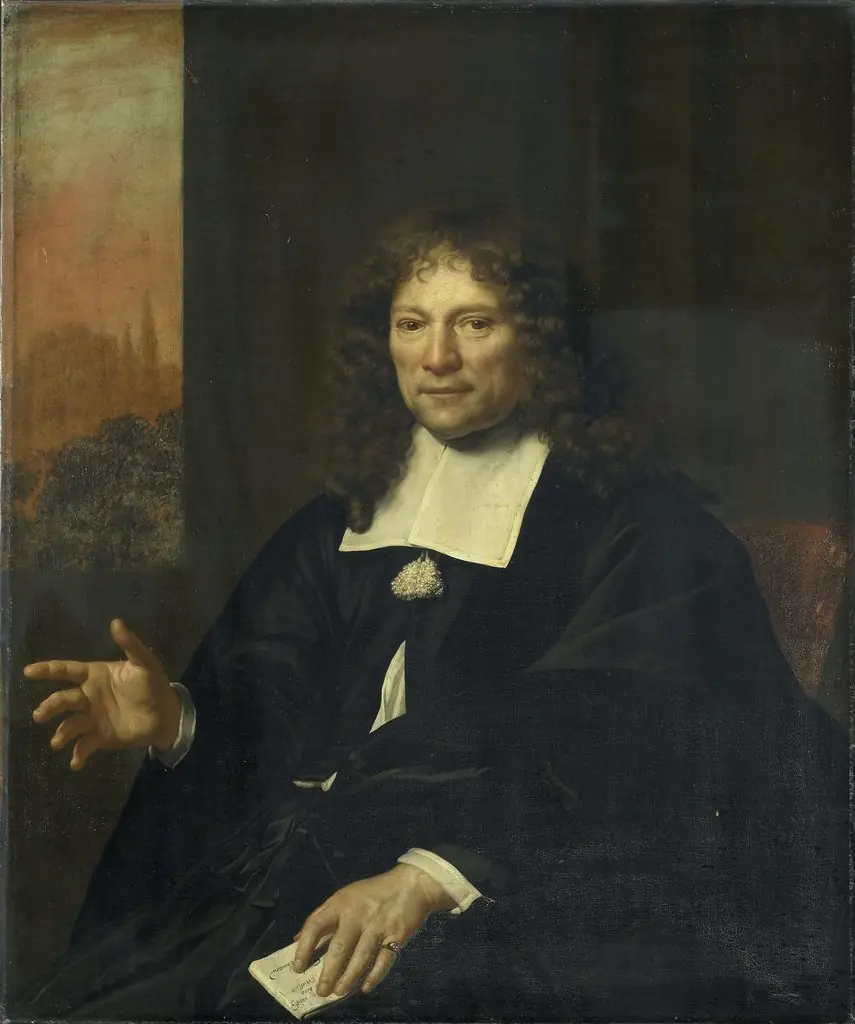 Portrait of Daniel Nellius, elder of the Remonstrant church and sampling official of Alkmaar
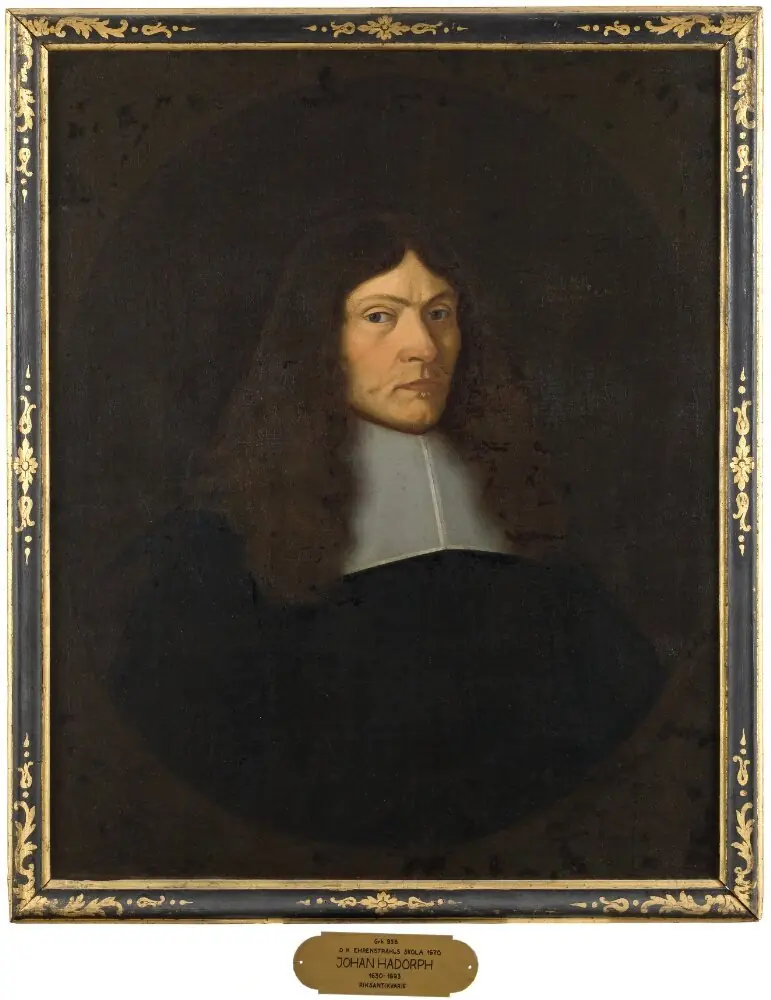 Johan Hadorph,1630-1693
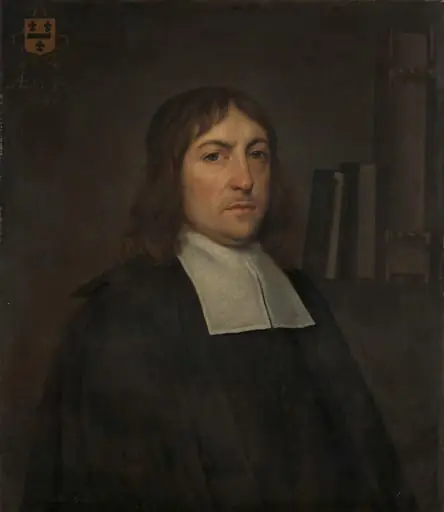 Portrait of Barend Hakvoort (1652-1735)
 Portrait of Barend Hakvoort (1652-1735), bookseller, church reader and catechism master in Zwolle