Artwork
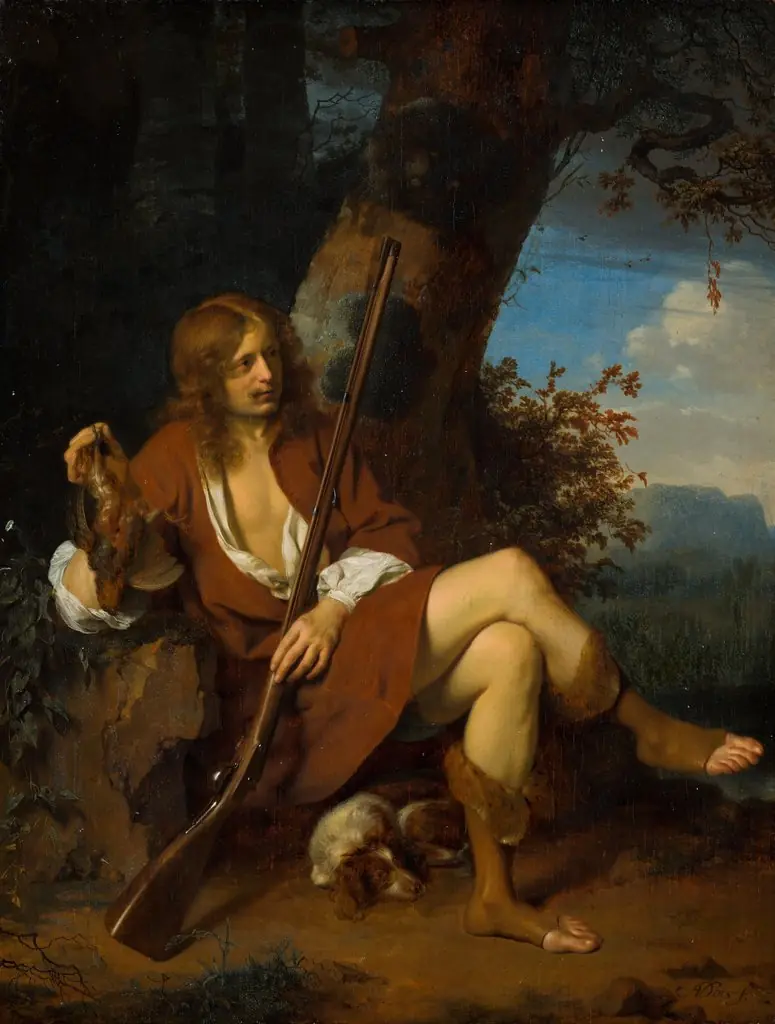
Wounded Hunter (Bacchus? )
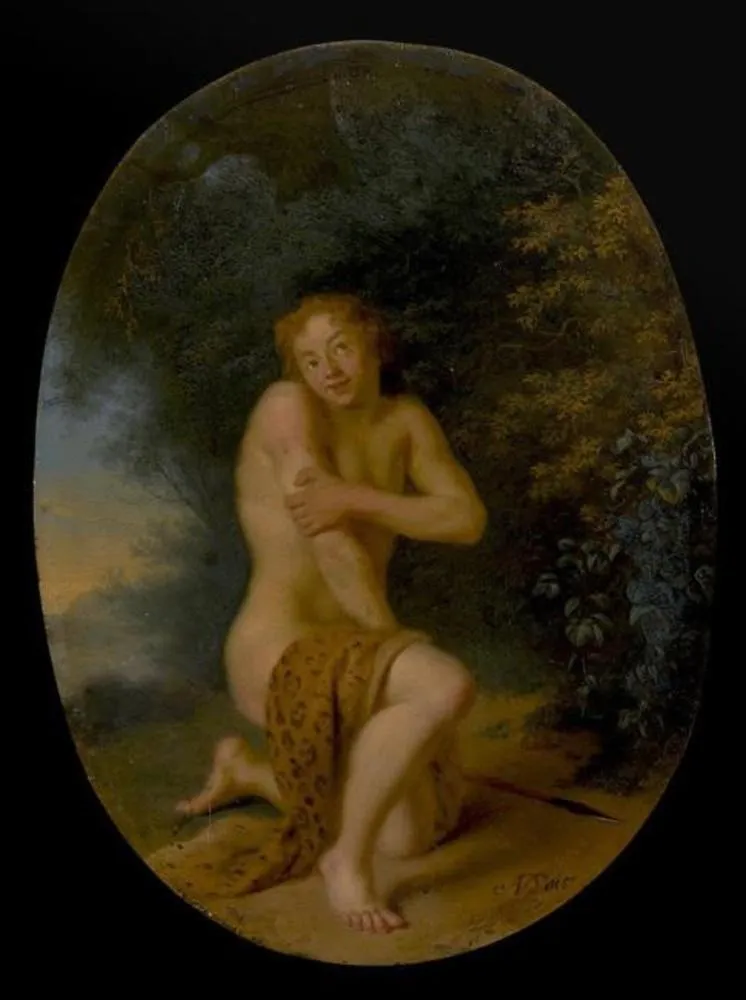
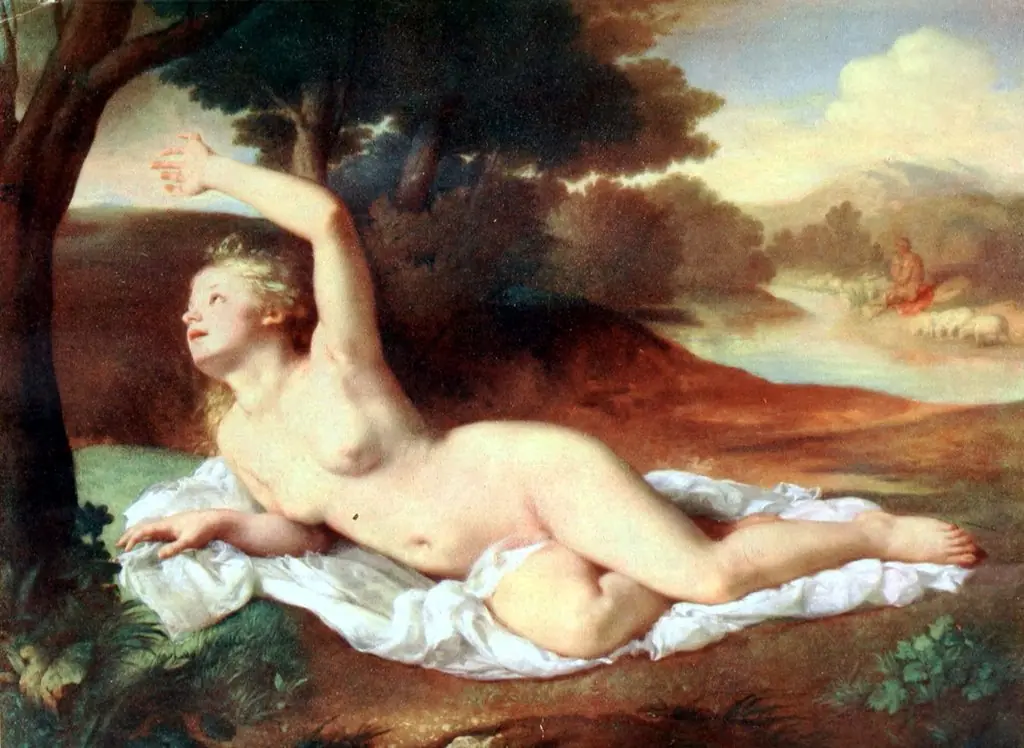
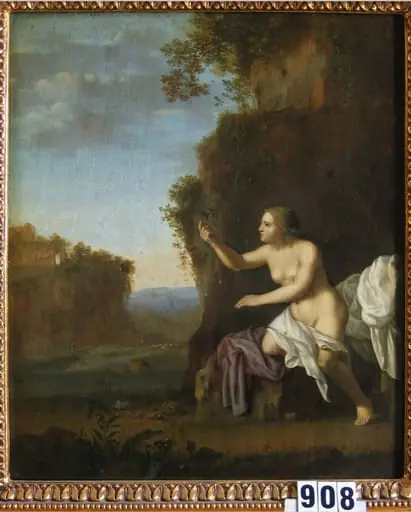
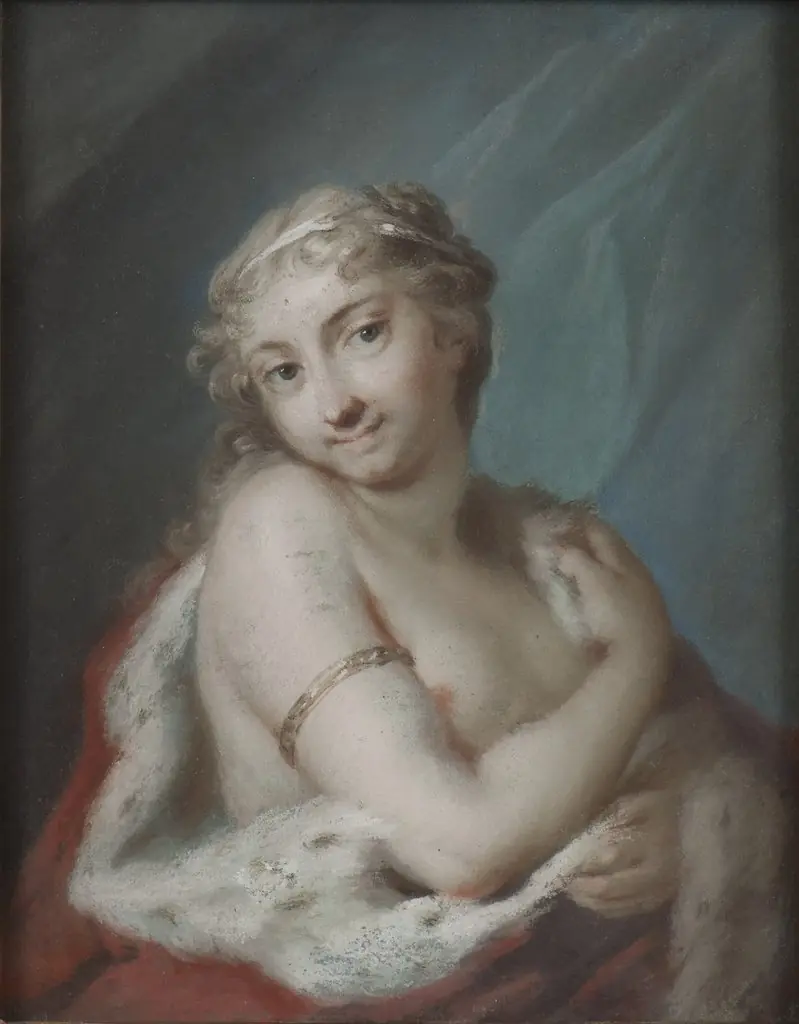
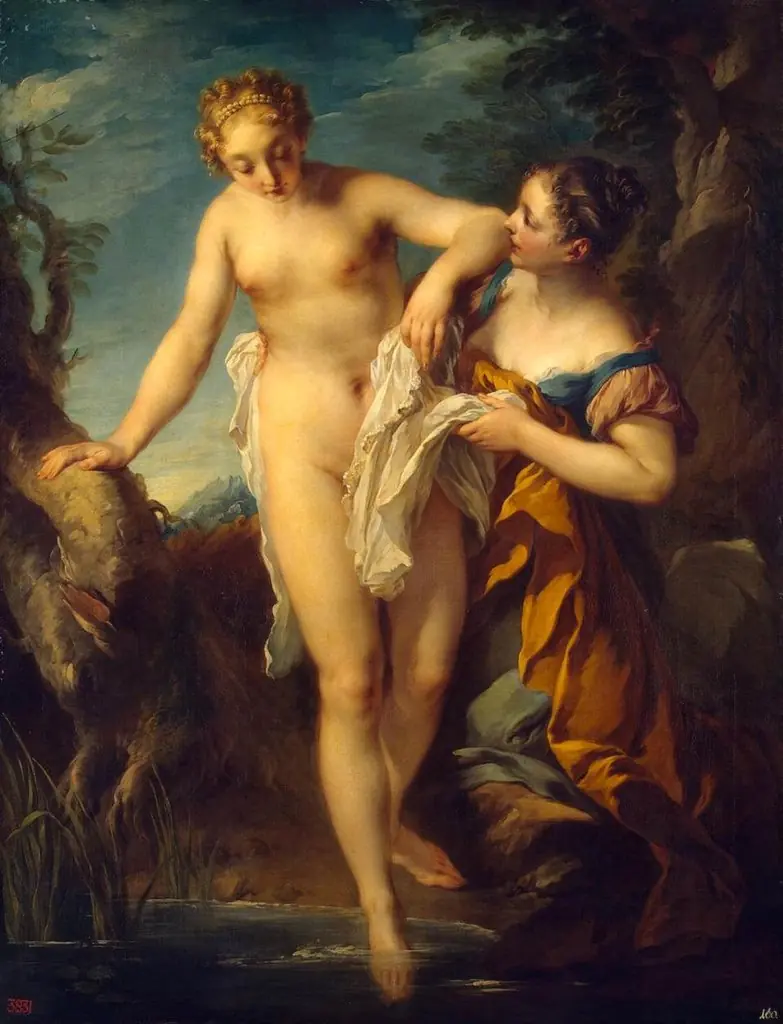
Wounded Hunter (Bacchus? ) is an oil painting by the Dutch Golden Age artist Ary de Vois. It is held in the collection of the Hermitage Museum. Created in 1690, the work titled Wounded Hunter (Bacchus?
About this work
Overview
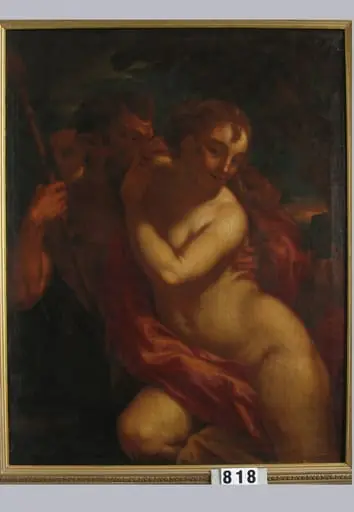
Created in 1690, the work titled Wounded Hunter (Bacchus?) is a copper painting by Dutch artist Ary de Vois. It is part of the collection of the State Hermitage Museum in St. Petersburg. The composition centers on a solitary, nude male figure seated against a tree, clutching a wounded leg, set within a dimly lit, forested landscape.
Subject & Meaning
The figure is generally identified as a mythological hunter, possibly the god Bacchus, shown in a moment of physical distress. His expression and posture convey pain and vulnerability, inviting viewers to contemplate themes of injury, mortality, and the fragile human condition within a classical narrative framework.
Technique & Style
De Vois employs a pronounced chiaroscuro, using stark contrasts between illuminated flesh and the shadowed background to model form. The copper support allows for fine detail and a luminous surface, while the brushwork suggests a modest impasto that adds texture to the flesh and foliage, reinforcing the painting’s somber tone.
History & Provenance
The painting was executed in the late seventeenth century, a period when Dutch artists frequently explored mythological subjects on copper. It entered the State Hermitage Museum’s holdings at an unspecified date, where it remains on display as part of the museum’s European Baroque collection.
Context
Ary de Vois, active in the Dutch Golden Age, was known for his skillful handling of light and his interest in narrative scenes. Wounded Hunter (Bacchus?) reflects the era’s fascination with classical mythology and the use of copper as a durable, glossy substrate that enhanced the visual impact of chiaroscuro effects.
Artist & collection