Artwork
Jules Luquet
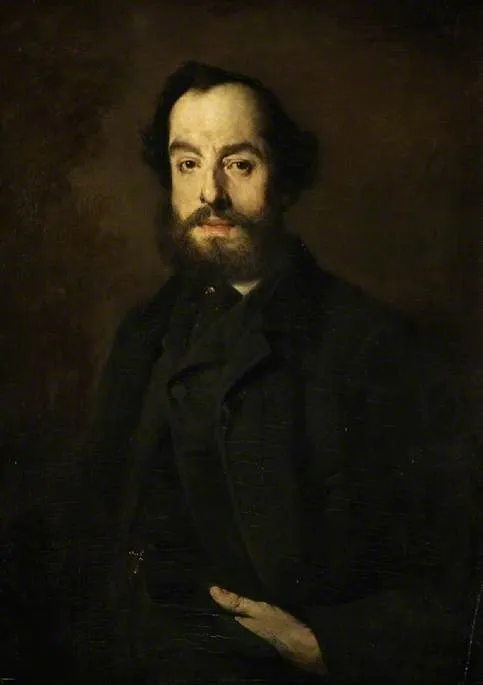
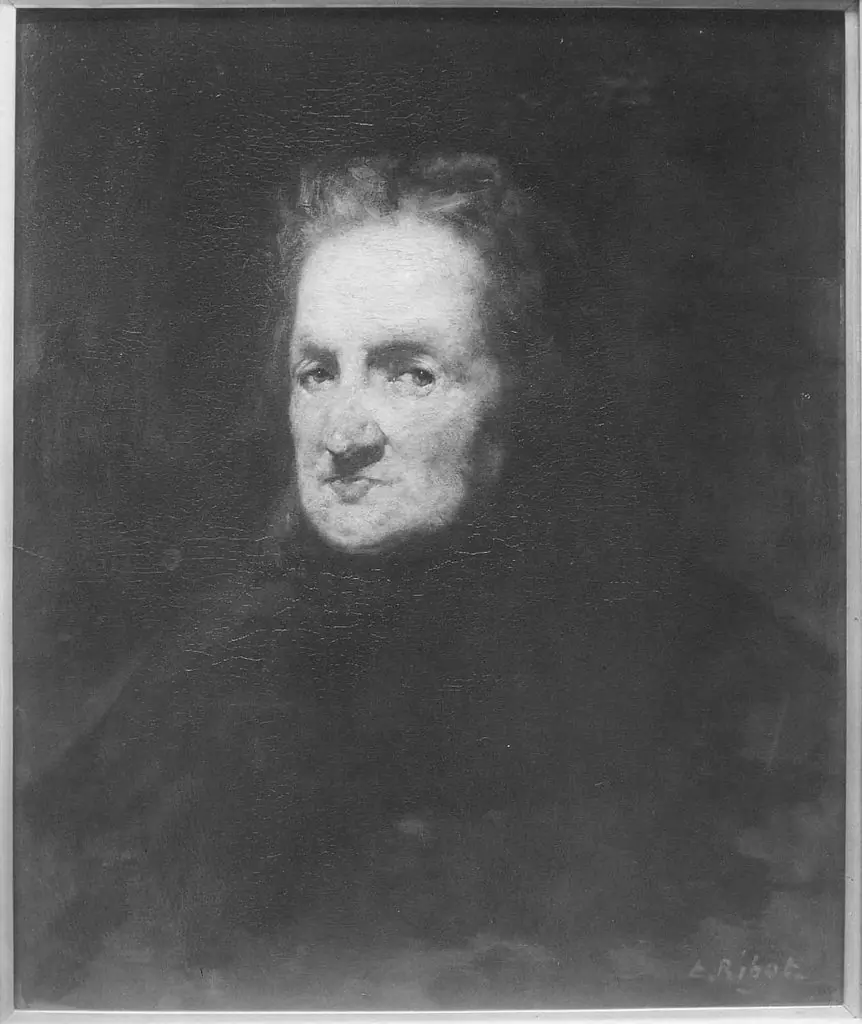
Jules Luquet is an oil painting by Augustin Théodule Ribot. It dates from 1867 and is held in the collection of the Fitzwilliam Museum.
About this work
Overview
Ribot, largely self-taught, transitioned from artisan work to portraiture, and this piece reflects his growing command of oil technique.
Painted around 1867, Jules Luquet is an oil portrait by French artist Augustin Théodule Ribot. It depicts a man seated against a dark, unadorned background, rendered with quiet precision. Ribot, largely self-taught, transitioned from artisan work to portraiture, and this piece reflects his growing command of oil technique.
The painting is part of the Fitzwilliam Museum’s collection, where it stands as an example of mid-19th-century French realism focused on individual presence rather than narrative.
Subject & Meaning
The subject, Jules Luquet, is portrayed with a still, direct gaze that invites quiet contemplation. His dark jacket, light shirt, and tucked hand suggest a figure of modest means, composed yet reserved. The absence of context or symbolism shifts focus entirely to his demeanor, serious, unembellished, and inward.
Ribot avoids idealization, presenting Luquet as a person defined by presence rather than status, aligning with realist values of observing ordinary lives without embellishment.
Technique & Style
Ribot employs chiaroscuro to model the figure with subtle gradations of light and shadow, emphasizing the contours of the face and the texture of fabric. The brushwork is restrained, avoiding flourish in favor of tactile accuracy. The muted palette, dominated by darks and mid-tones, enhances the painting’s somber tone.
Backgrounds are left indistinct, ensuring the viewer’s attention remains fixed on the subject’s expression and posture, a hallmark of Ribot’s portraiture.
History & Provenance
Created in the late 1860s, the painting entered the Fitzwilliam Museum’s collection through documented acquisition, though its earlier ownership remains unclear. Ribot, though not formally trained, gained recognition in Parisian circles for his unpretentious portraits and genre scenes. Jules Luquet likely emerged from his period of increasing artistic confidence, following years spent working as a craftsman. Its survival and preservation reflect its quiet significance within his oeuvre.
Context
In mid-19th-century France, realism emerged as a counterpoint to academic idealism, favoring everyday subjects and truthful representation. Ribot, influenced by this movement, turned his attention to individuals outside the elite. Jules Luquet fits within this trend, capturing a non-royal, non-heroic figure with dignity.
The work aligns with contemporaries like Courbet, who sought to elevate the ordinary through careful observation and technical restraint.
Legacy
Though not widely exhibited, Jules Luquet exemplifies Ribot’s contribution to French realism through its emotional restraint and technical discipline. It represents a shift in portraiture toward psychological depth over social status. The painting’s endurance in a major museum collection underscores its role as a quiet but enduring document of 19th-century visual culture, valued for its sincerity rather than spectacle.
Artist & collection
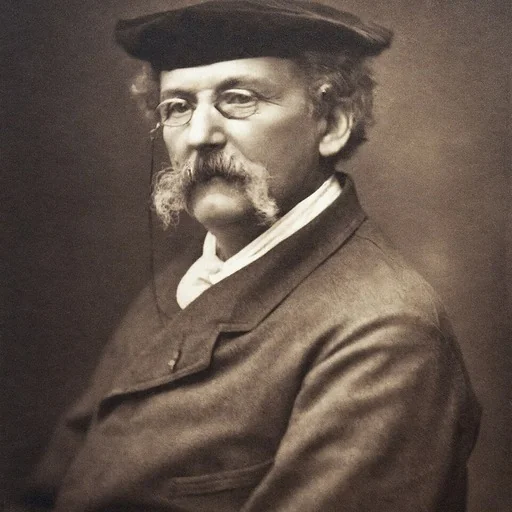
Artist
Théodule-Augustin Ribot (French:; August 8, 1823 – September 11, 1891) was a French realist painter and printmaker.

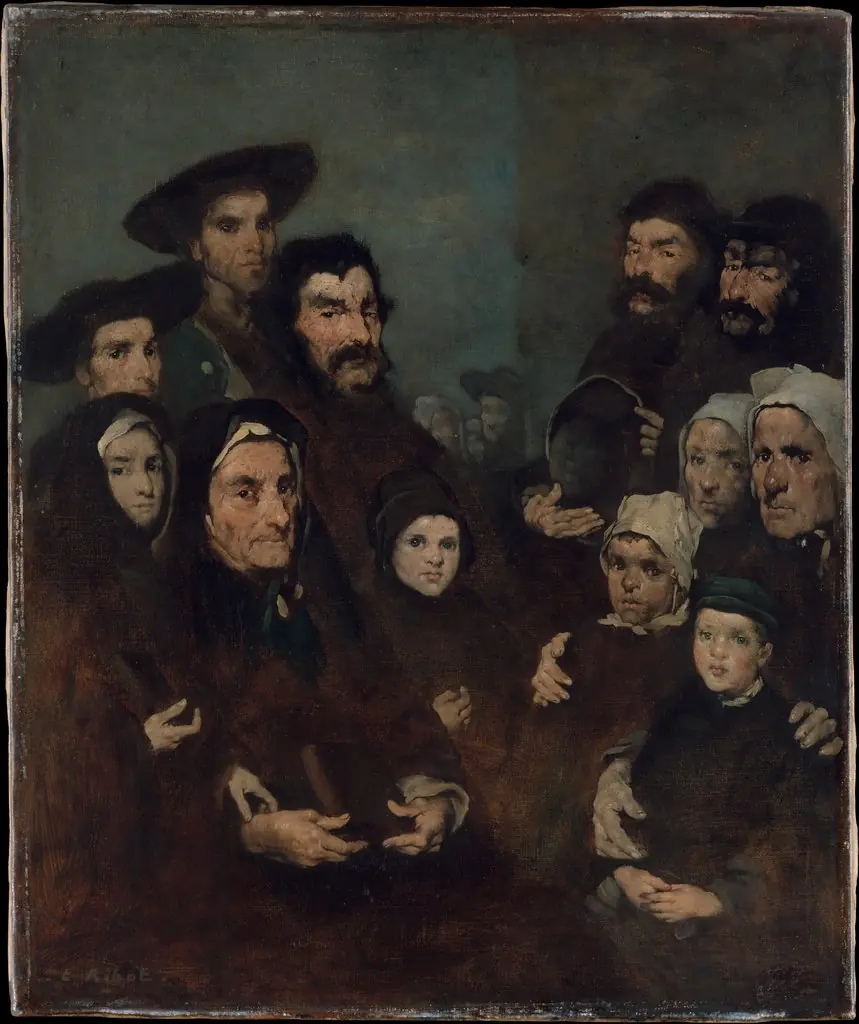
 Portrait of Sir Thomas Drew (1838-1910), Architect
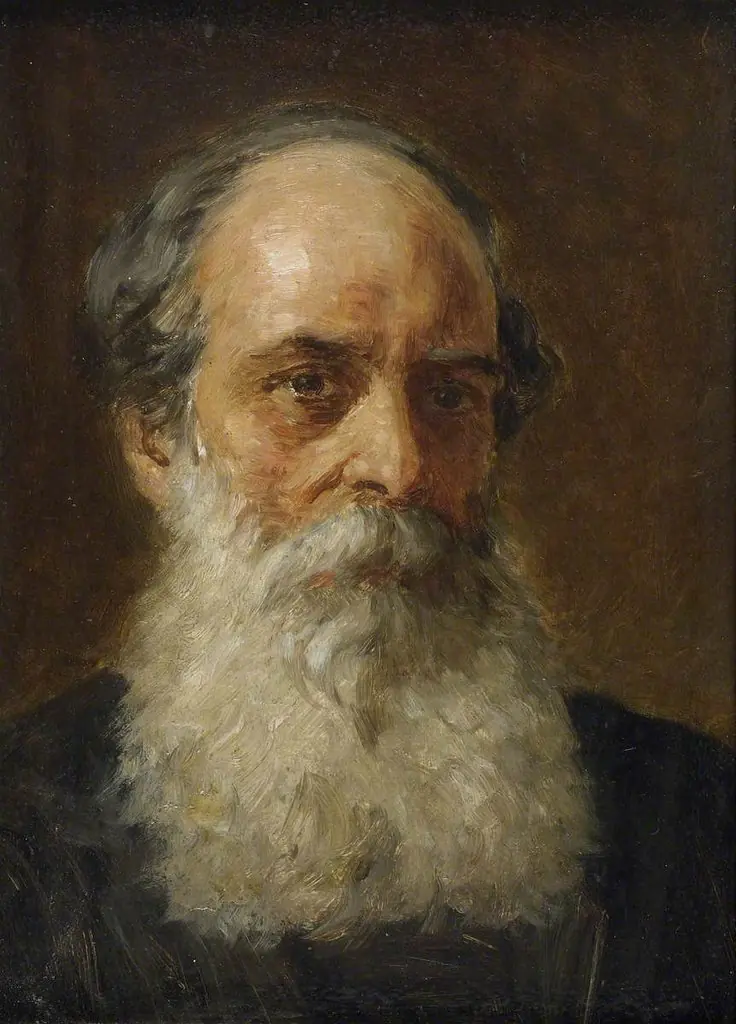 John Turtle Wood (1821–1890)
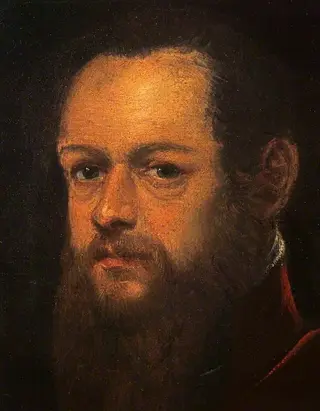 Portrait of a Bearded Man
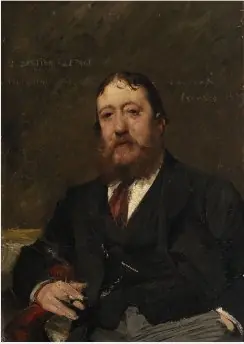 Portrait of Carlo Pellegrini, Caricaturist
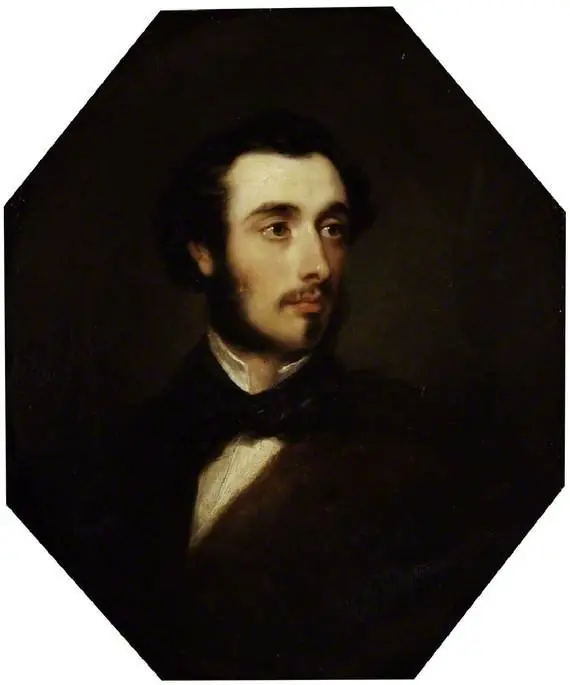 Charles Brinsley Marlay
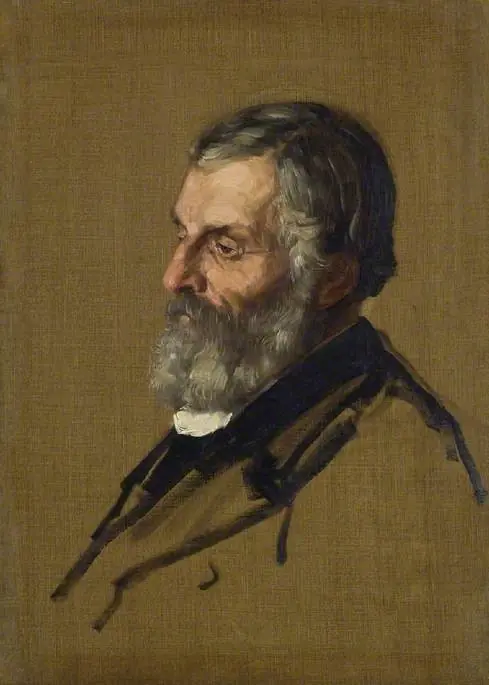 The Reverend Robert Burn
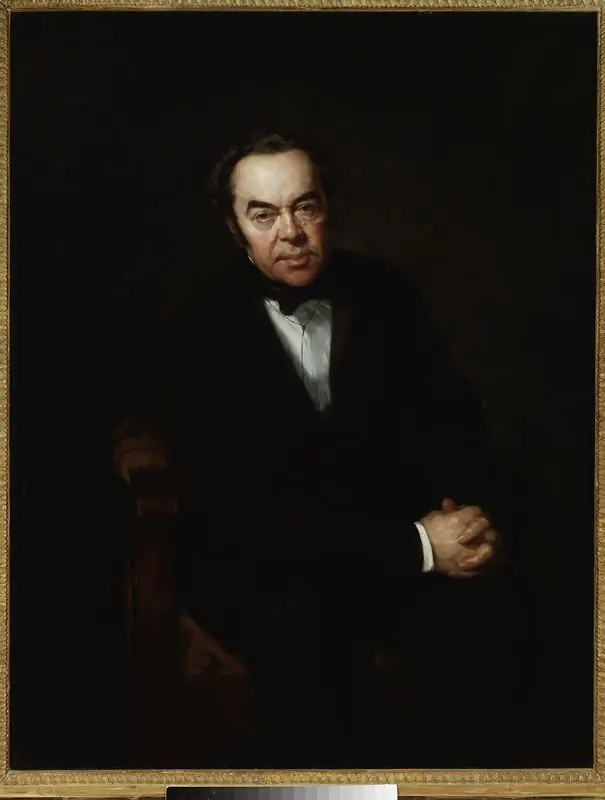 Portrait of Paweł Rodakowski, artist’s father
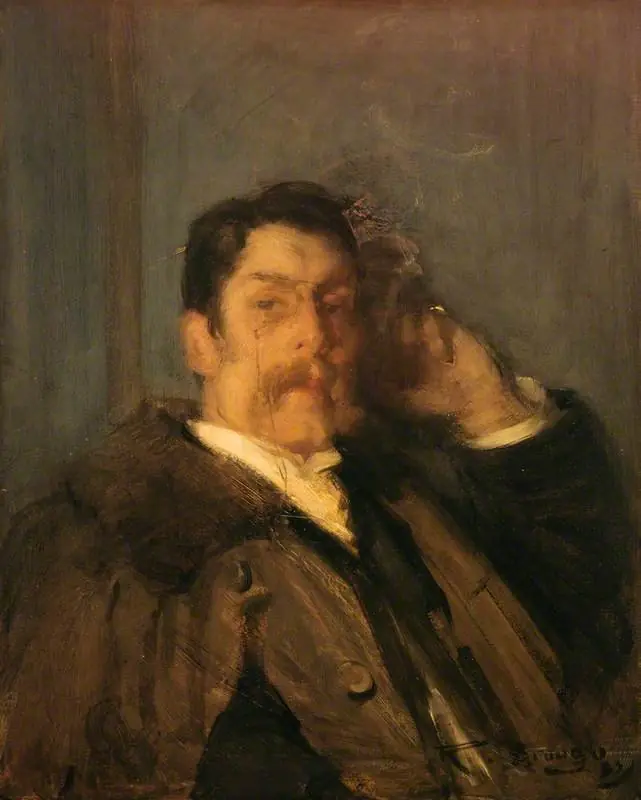 William Dallas Ross (died 1931)
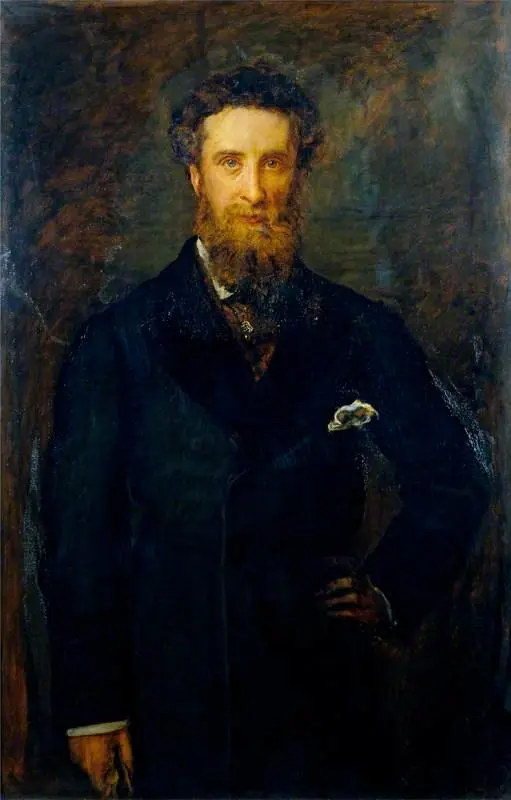 Edward Robert Bulwer Lytton (1831–1891), 1st Earl Lytton
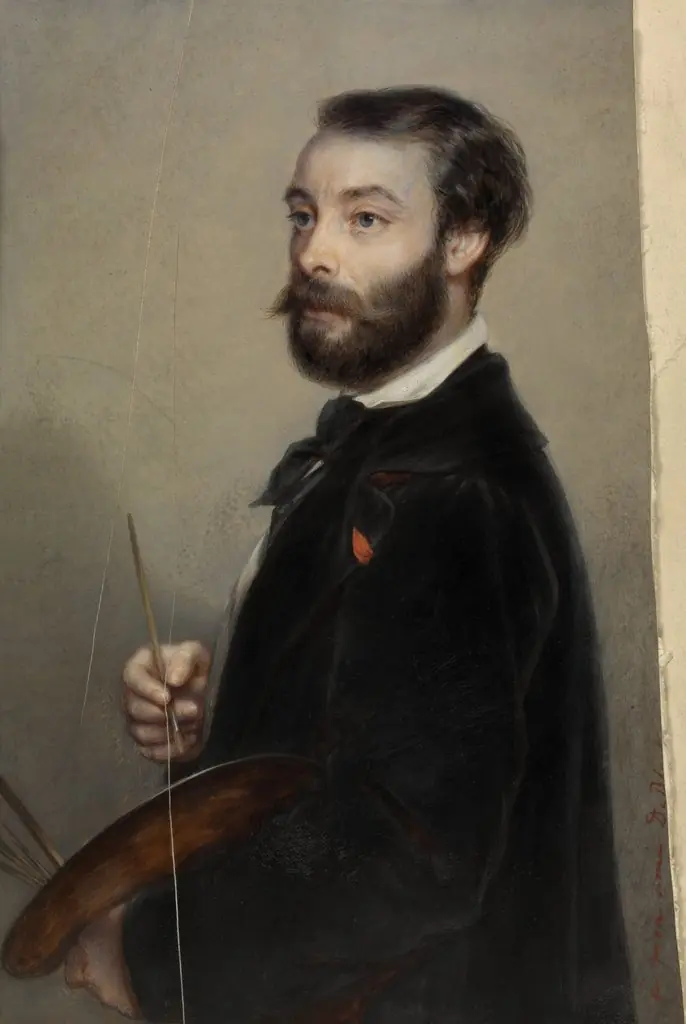 The Painter Eugène François De Block
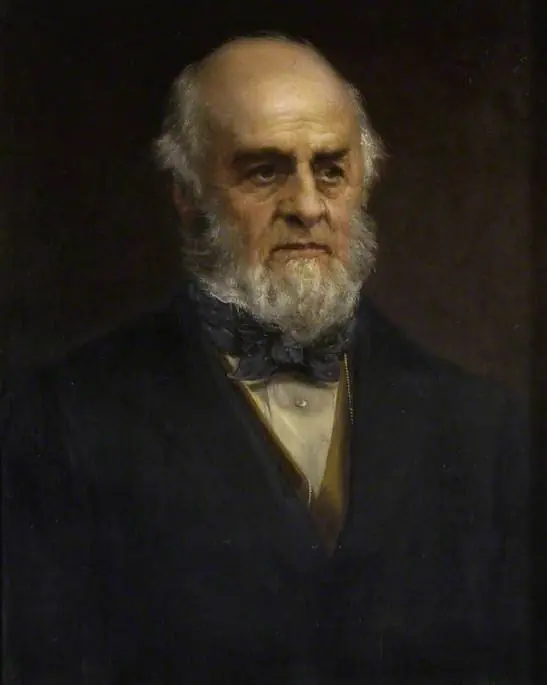 Edward, 3rd Earl of Powis
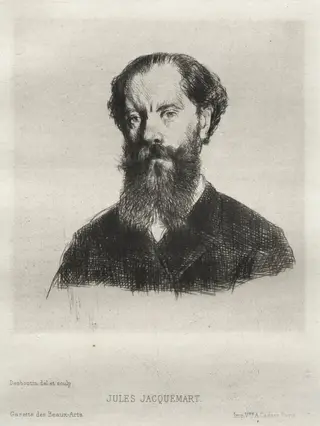
- Jules Jacquemart