Artwork
Edward Robert Bulwer Lytton (1831–1891), 1st Earl Lytton
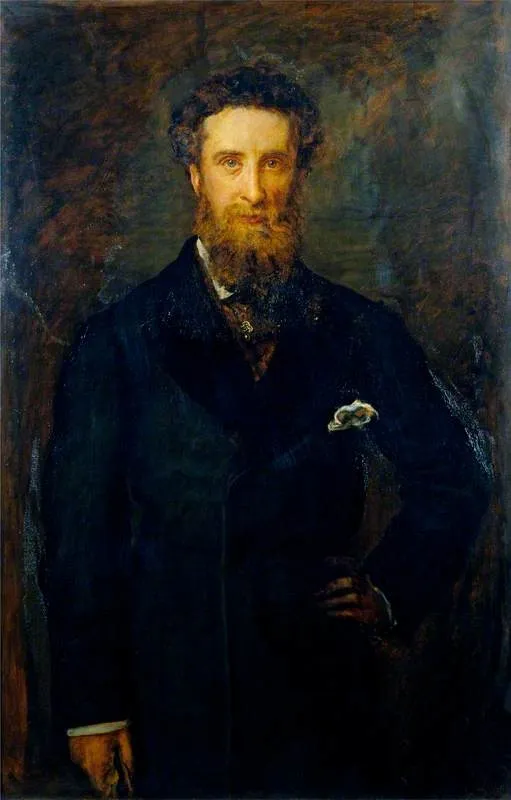
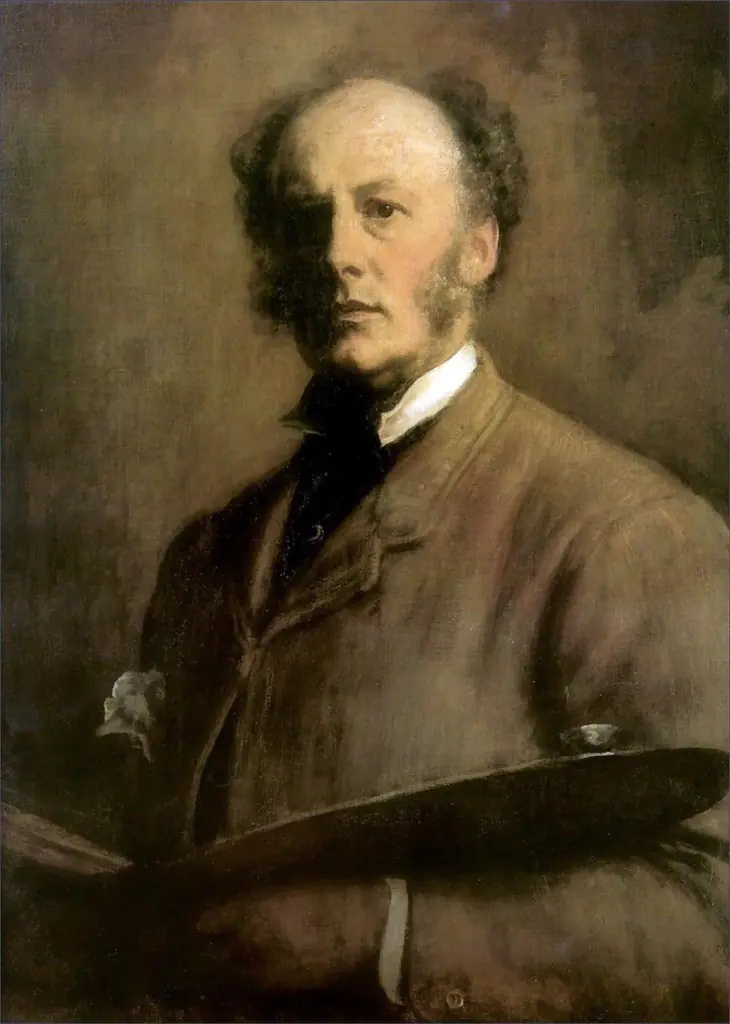
Edward Robert Bulwer Lytton (1831–1891), 1st Earl Lytton is an oil painting by the Pre-Raphaelite artist John Everett Millais. It dates from 1888 and is held in the collection of the Victoria and Albert Museum.
About this work
Overview
Painted in 1888 by John Everett Millais, this oil portrait captures Robert Bulwer-Lytton, the 1st Earl of Lytton, a British statesman and writer.
Painted in 1888 by John Everett Millais, this oil portrait captures Robert Bulwer-Lytton, the 1st Earl of Lytton, a British statesman and writer. Millais, long associated with the Pre-Raphaelite movement, rendered the subject with precision and psychological nuance. The painting resides in the Victoria and Albert Museum’s collection, reflecting its significance as a late example of Millais’s portraiture during a period when his style had evolved beyond his early radicalism.
Subject & Meaning
Robert Bulwer-Lytton, a former Viceroy of India and diplomat, is depicted in formal attire, conveying his public stature. His clasped hands and composed posture suggest restraint and gravitas, aligning with Victorian ideals of leadership. The absence of symbolic objects or setting shifts focus entirely to his presence, emphasizing character over circumstance.
The somber tone and direct gaze invite contemplation rather than celebration, reflecting the dignity expected of his station.
Technique & Style
Millais employed fine brushwork to render the texture of fabric, hair, and skin with quiet realism. The dark background isolates the figure, enhancing three-dimensionality through subtle gradations of light. Though his early Pre-Raphaelite intensity had softened, his attention to detail remained evident, particularly in the rendering of the beard and the crispness of the white collar. The palette is restrained, dominated by blacks, grays, and muted tones, reinforcing the portrait’s solemnity.
History & Provenance
Commissioned during Millais’s mature period, the portrait was completed shortly before the artist’s death in 1896. It entered the Victoria and Albert Museum’s collection through established channels of British institutional acquisition, likely following the subject’s death in 1891. The painting’s provenance remains unbroken, with no record of private sale or relocation, underscoring its status as a documented cultural artifact of late Victorian portraiture.
Context
By the 1880s, Millais had transitioned from the radical realism of the Pre-Raphaelite Brotherhood to a more conventional academic style favored by the British elite. This portrait reflects that shift, still meticulously observed but less concerned with symbolic narrative. Bulwer-Lytton’s prominence as a colonial administrator and literary figure made him a fitting subject for a painter increasingly engaged with aristocratic commissions, aligning art with imperial and social authority.
Legacy
The portrait stands as one of Millais’s final major likenesses of a public figure, illustrating his enduring skill in capturing individual presence without overt sentimentality. It contributes to the broader record of Victorian elite portraiture, offering insight into how power and identity were visually constructed in the late 19th century. Its preservation in a national museum ensures its continued role as a reference for studies of British artistic and social history.
Artist & collection
Artist
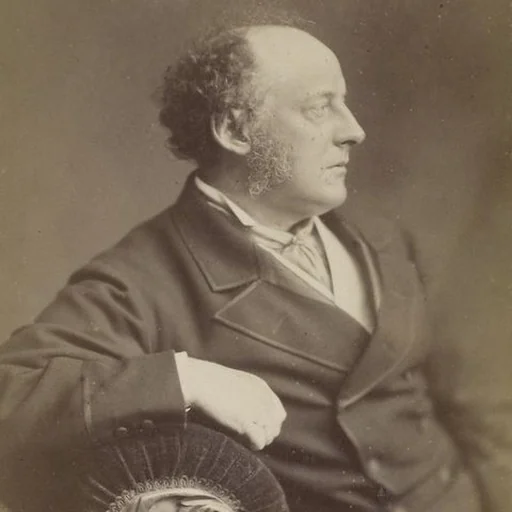
Sir John Everett Millais, 1st Baronet ( MIL-ay; 8 June 1829 – 13 August 1896) was an English painter and illustrator who was one of the founders of the Pre-Raphaelite Brotherhood.

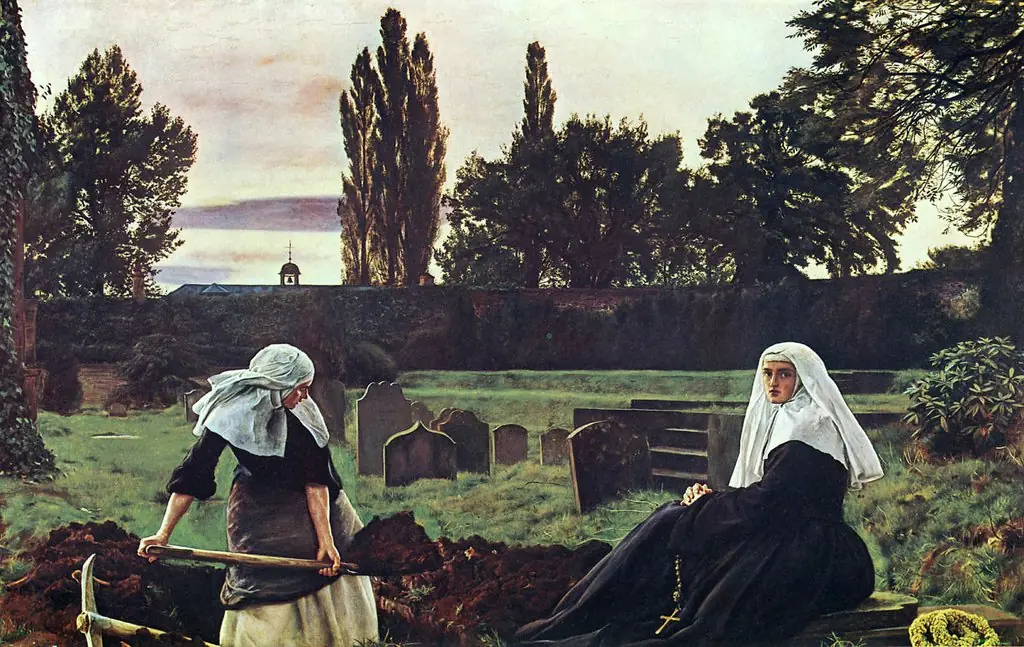
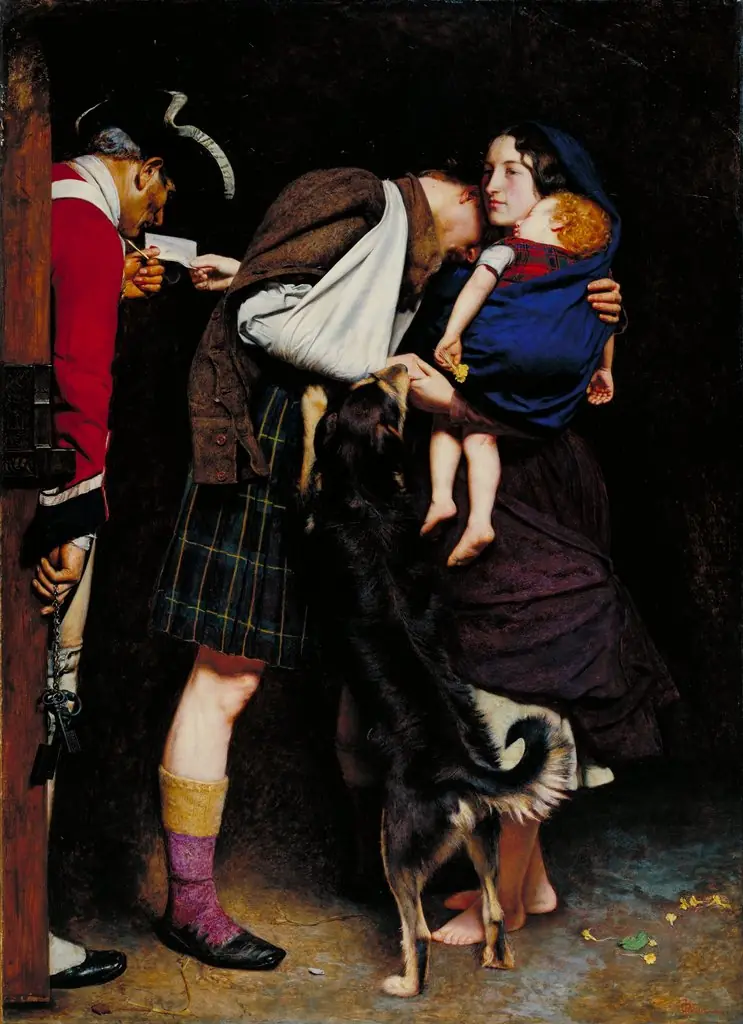
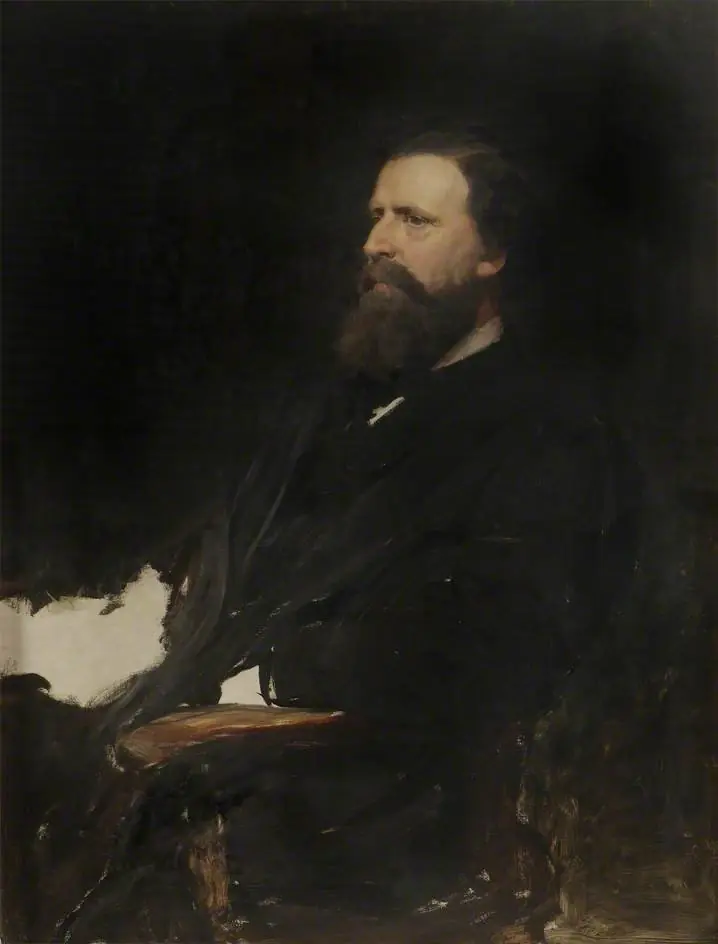
- Study of Alexander Macdonald
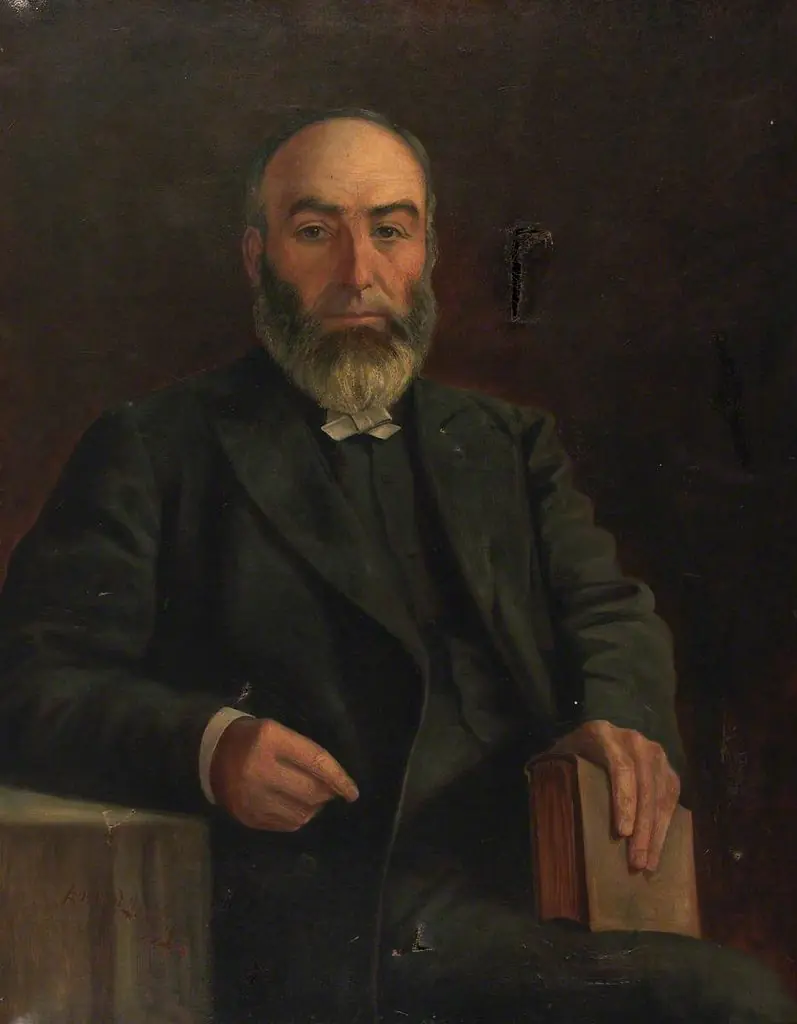 Portrait of an Unidentified Minister
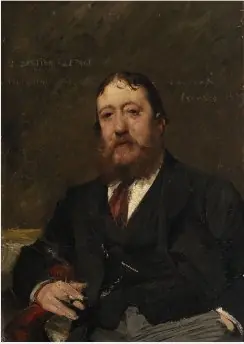 Portrait of Carlo Pellegrini, Caricaturist
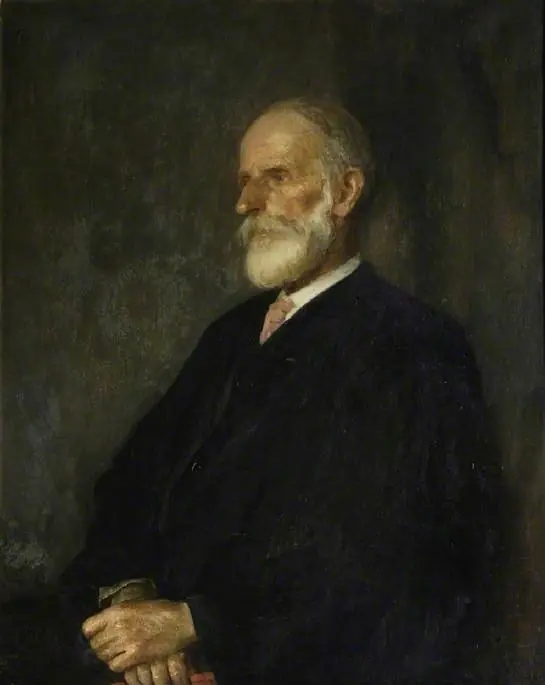 Professor James Ward
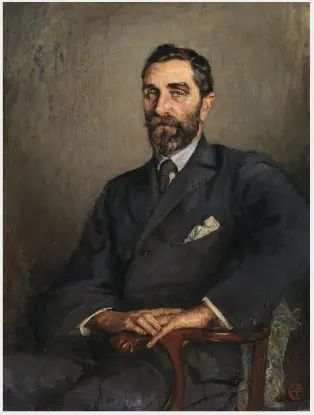 Roger Casement (1864-1916), Patriot and Revolutionary
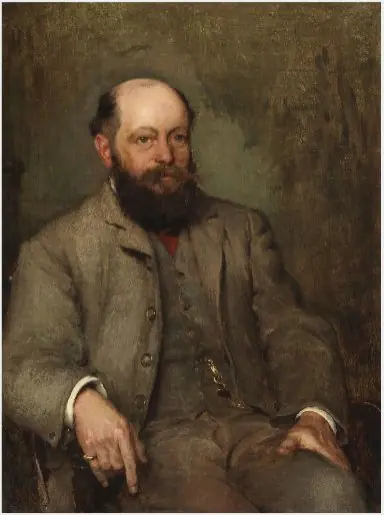 Portrait of Sir Thomas Drew (1838-1910), Architect
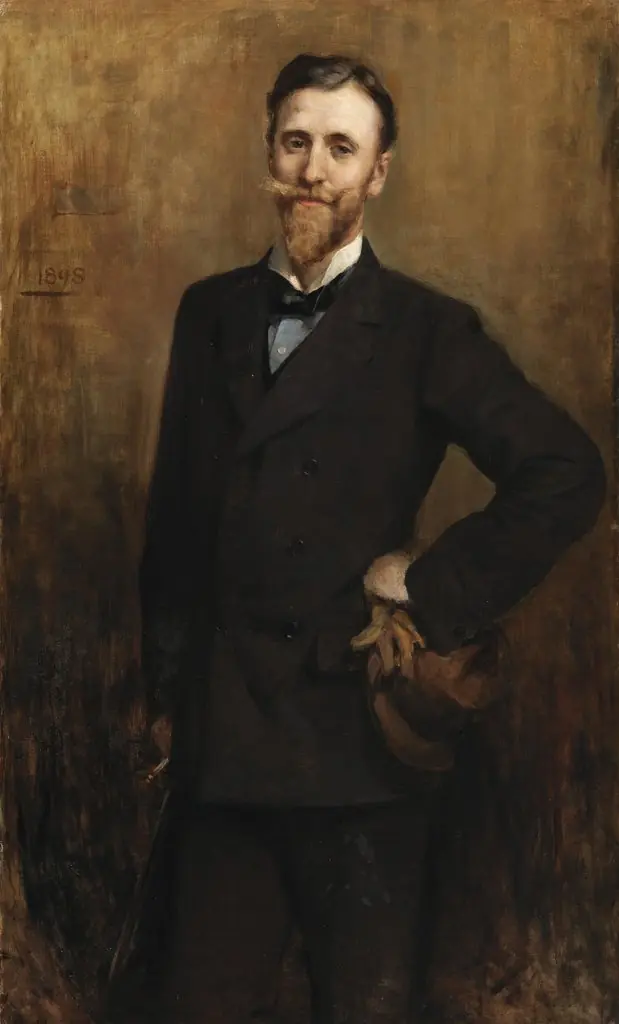 Portrait of T.P. Gill, Journalist, Secretary, Department of Agriculture and Technical Instruction
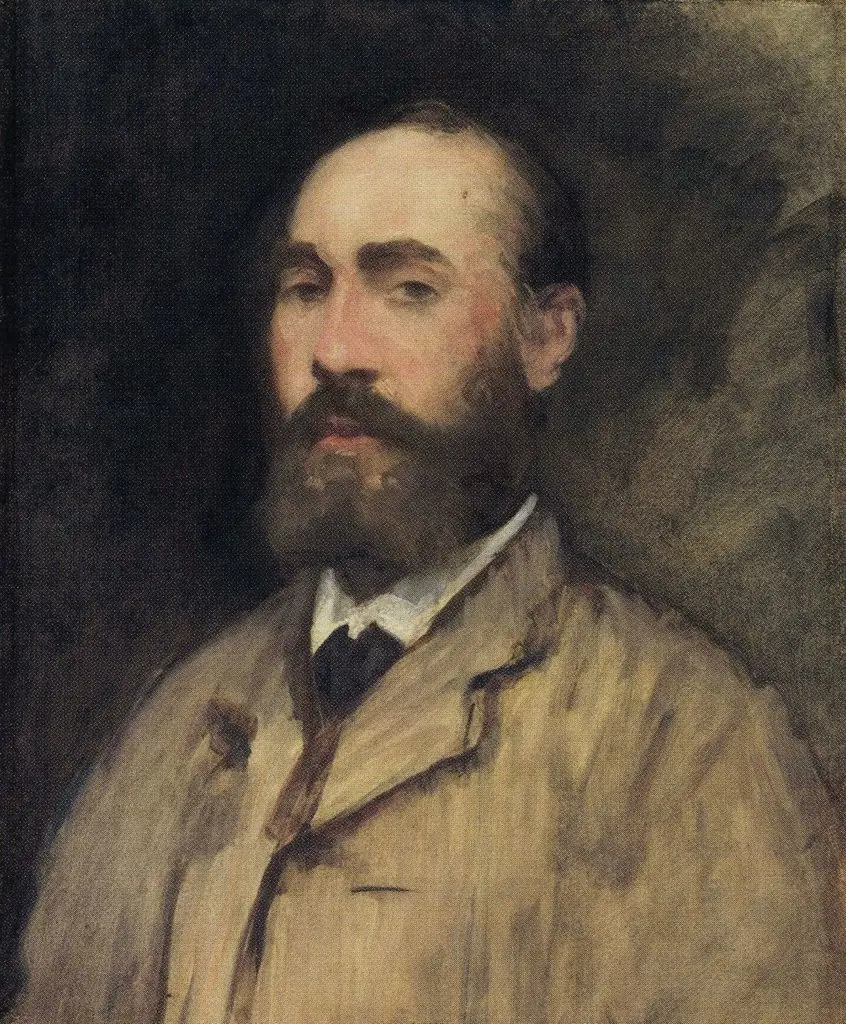 Jean-Baptiste Faure (1830–1914)
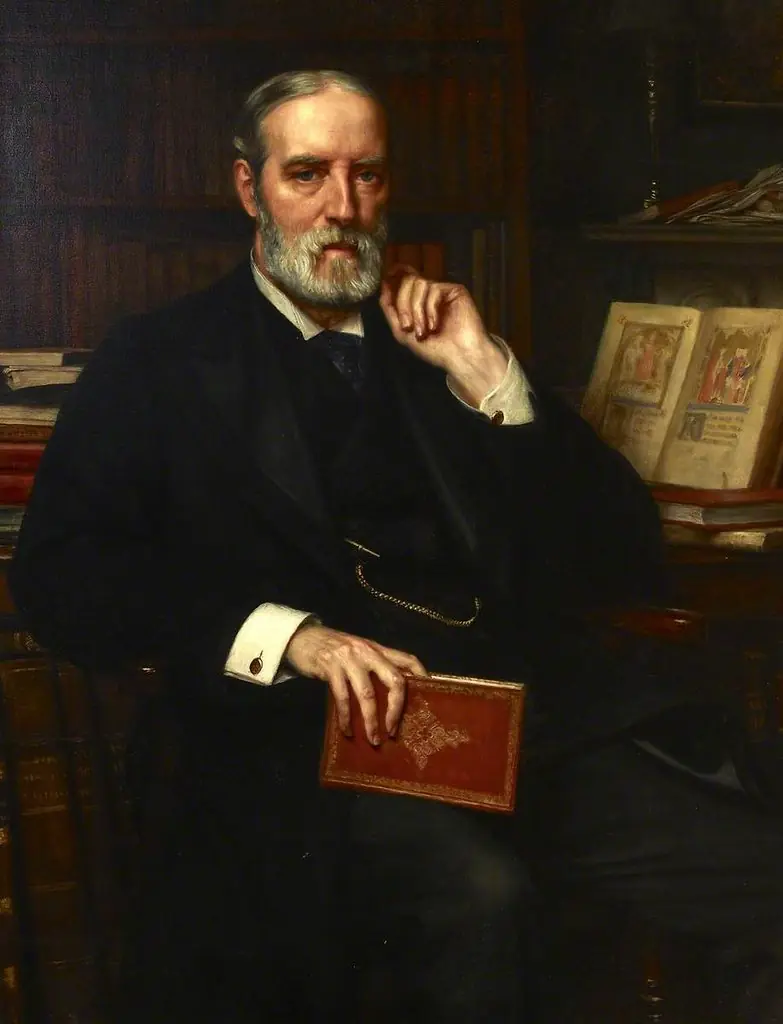 Sir Edward Maunde Thompson (1840–1929), Director and Principal Librarian (1888–1909)
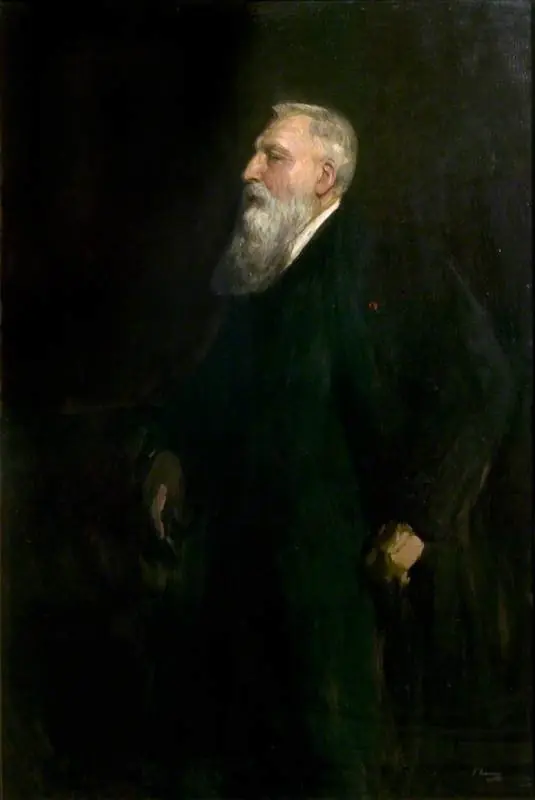 Auguste Rodin (1840–1917)
 Portrait of John O'Leary (1830-1907) Nationalist and Journalist
 Sir Robert Henry Davies (1824–1902)