Artwork
Mr. Pierce
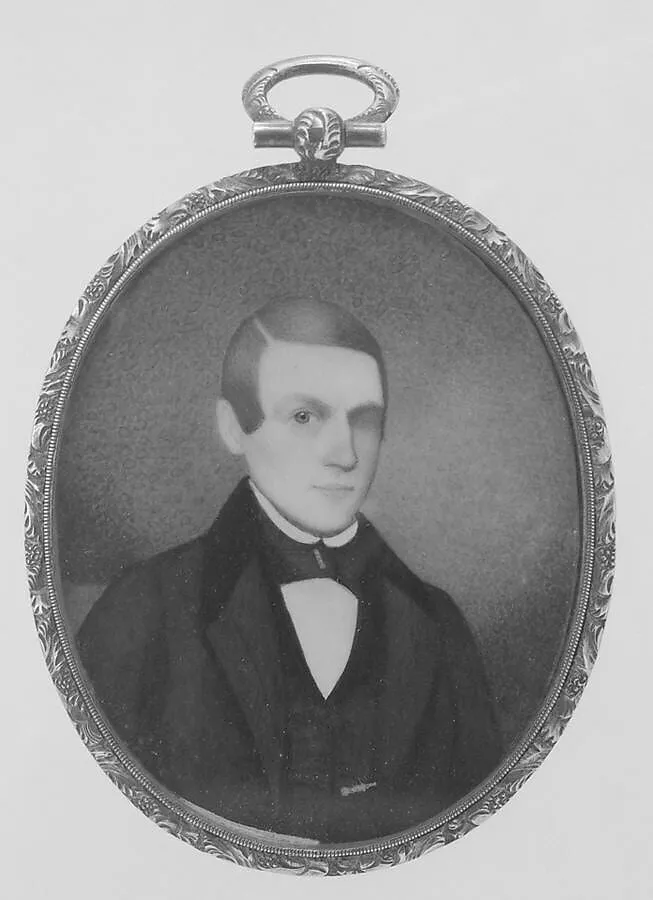
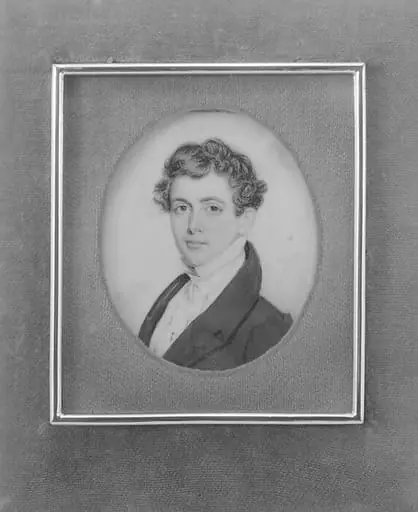
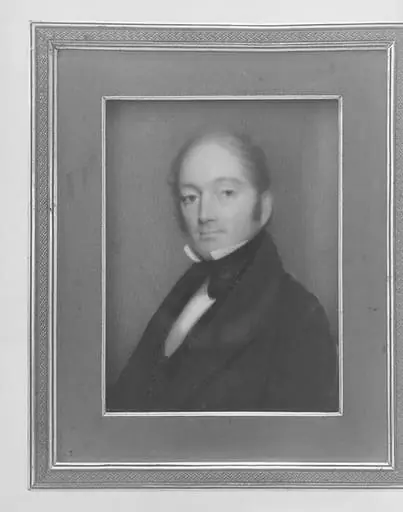
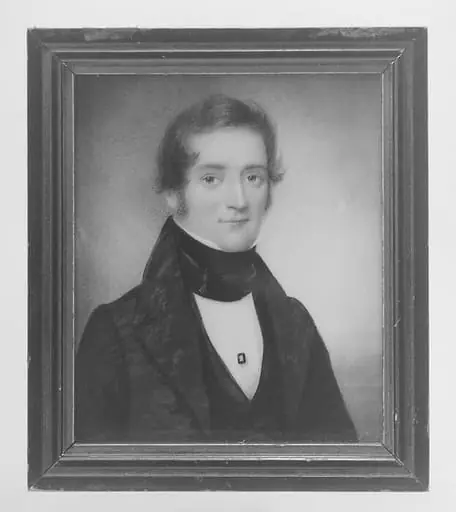
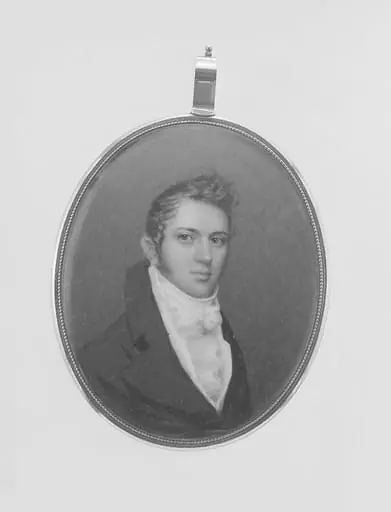
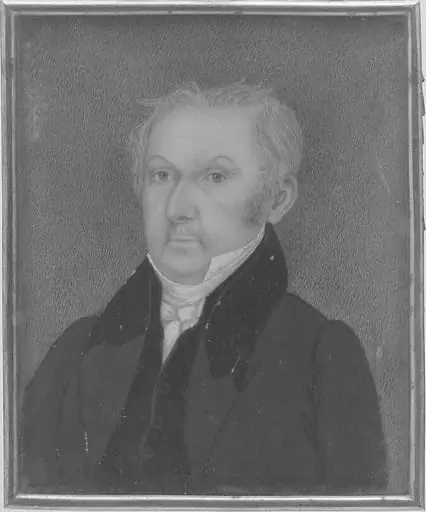
Mr. Pierce is a watercolor painting by the American Folk Art artist Augustus Fuller. It dates from 1843 and is held in the collection of the Metropolitan Museum of Art. This watercolor portrait, titled Mr.
About this work
Technique & Style
The small scale and luminous ivory ground enhance the luminosity of the watercolor pigments, producing a refined, jewel-like surface.
Executed in 1843 by Augustus Fuller, Mr. Pierce is a watercolor on ivory, a support favored for intimate portrait miniatures of the period. Measuring 6.7 cm in height and 5.4 cm in width, the work exemplifies the refined handling typical of American miniature painting, with delicate brushwork and nuanced modeling that capture facial features and costume details. The small scale and luminous ivory ground enhance the luminosity of the watercolor pigments, producing a refined, jewel-like surface.
Stylistically, the portrait adheres to the conventions of early nineteenth-century American miniature portraiture, emphasizing naturalistic representation and restrained elegance.
History & Provenance
The portrait titled Mr. Pierce was created by the artist Augustus Fuller in 1843. Executed as a watercolor on ivory, the work measures 6.7 units in height and 5.4 units in width. It is currently held within the collection of the Metropolitan Museum of Art, where it is classified under The American Wing.
The piece depicts a male subject and is categorized as a portrait. While the specific commissioning details or the immediate ownership chain prior to its museum acquisition are not detailed in the available records, the work's creation is firmly dated to the year 1843, establishing its place in mid-nineteenth-century American portraiture.
Overview
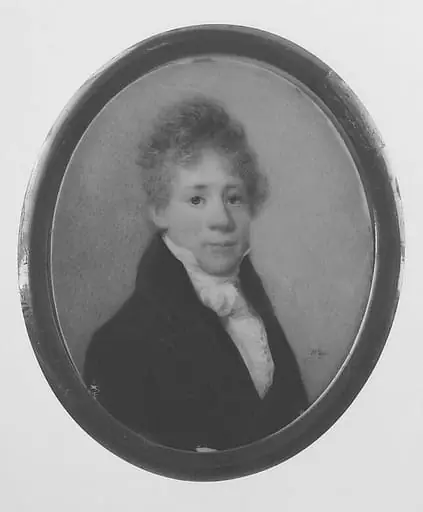
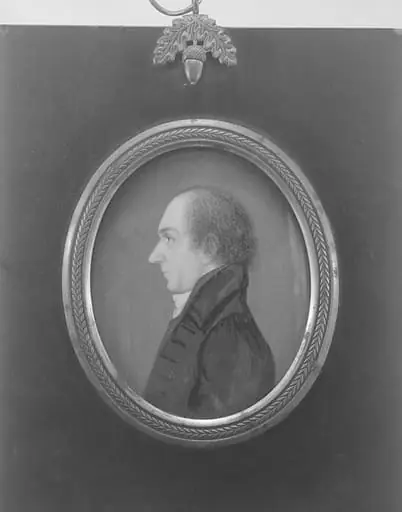
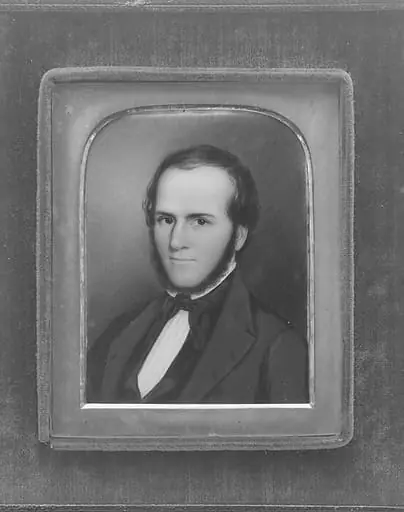
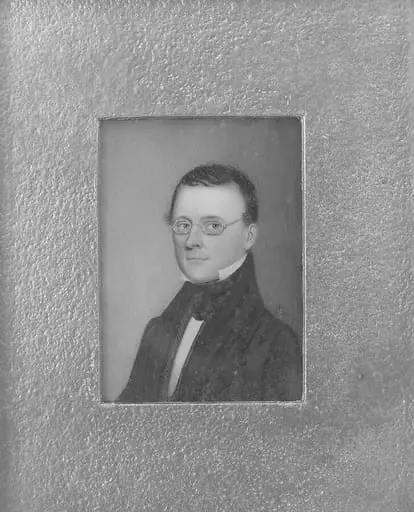
This watercolor portrait, titled Mr. Pierce, was created by Augustus Fuller in 1843. Executed on a small piece of ivory, the work presents a man in formal attire. As a miniature, it was designed to be held in the hand, serving as a personal memento.
Such intimate scale and precise detail were characteristic of portraiture during this period, offering a direct and personal connection to the sitter.
Subject & Meaning
The artwork features a man, identified as Mr. Pierce, who gazes directly forward. He is dressed in a dark suit, with soft illumination highlighting his features. In the mid-19th century, miniature portraits like this often functioned as cherished personal keepsakes, much like photographs do today.
They allowed individuals to carry images of loved ones or important figures, fostering a private connection through art.
Context
Miniature portraits held significant cultural importance in the decades before photography became widely accessible. These small, portable artworks were frequently exchanged between family members or carried on journeys, acting as tangible reminders of distant loved ones. Their intimate scale made them suitable for private contemplation, offering a personal and enduring visual record in an era without instant photographic reproduction.
Artist & collection