Artwork
Samuel Baldwin Ludlow
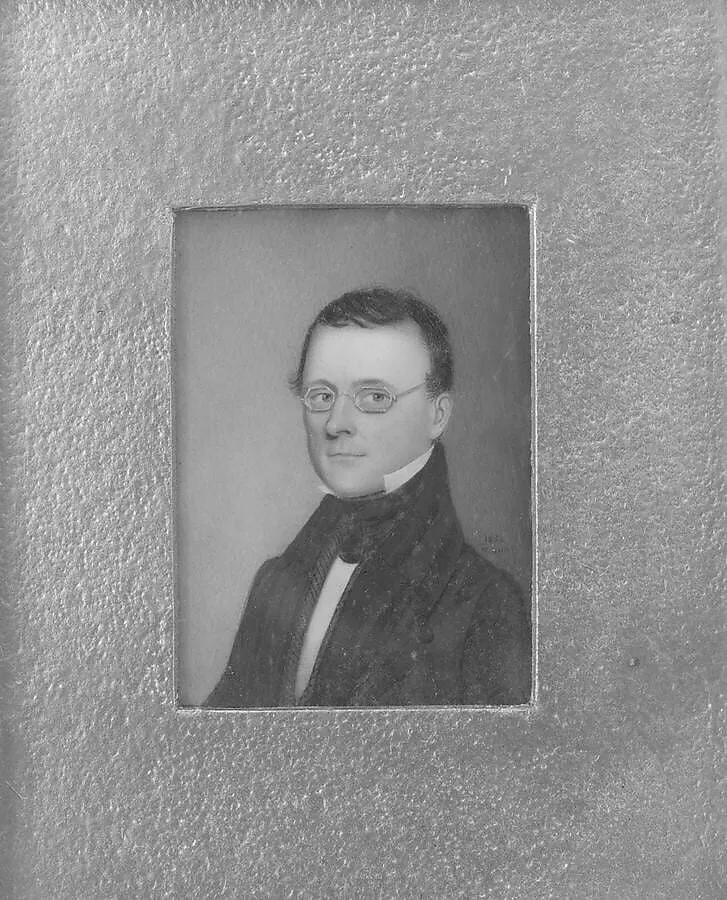
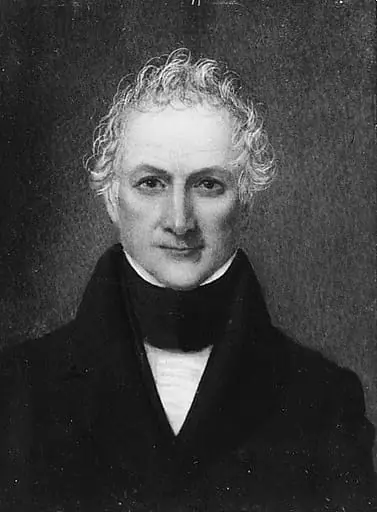
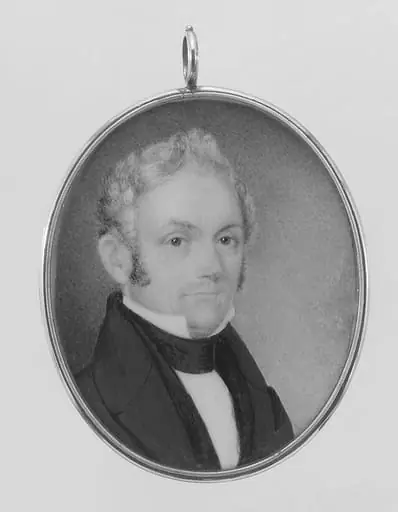
Samuel Baldwin Ludlow is a watercolor painting by the American Folk Art artist Theodore Lund. It dates from 1838 and is held in the collection of the Metropolitan Museum of Art.
About this work
Subject & Meaning
The iconography is consistent with traditional portraiture, emphasizing the sitter's identity and status through his direct representation.
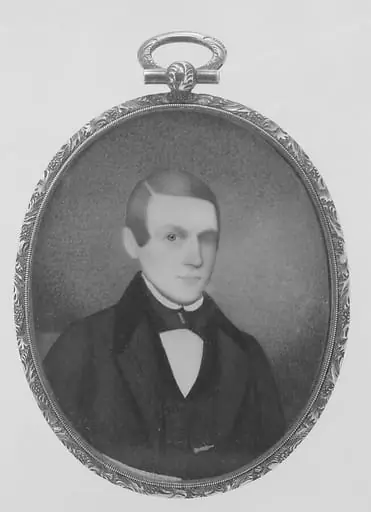
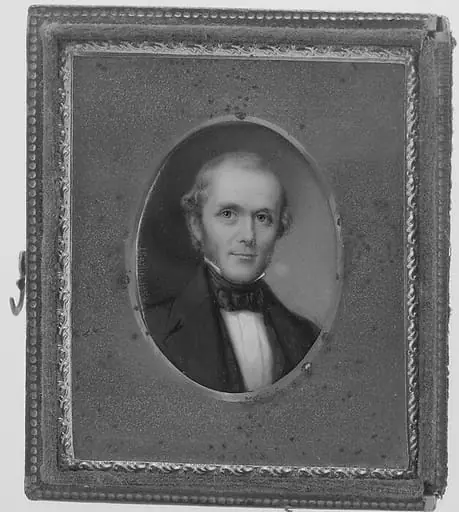
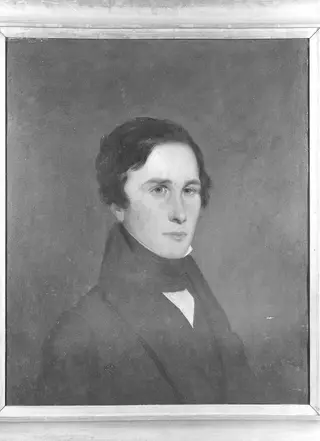
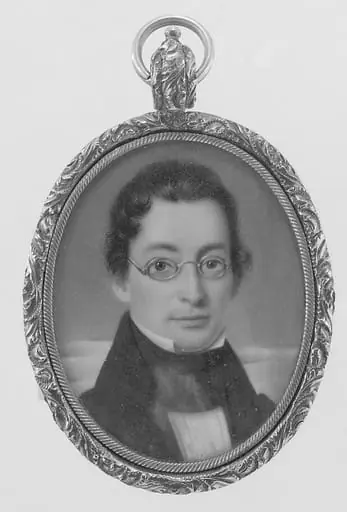
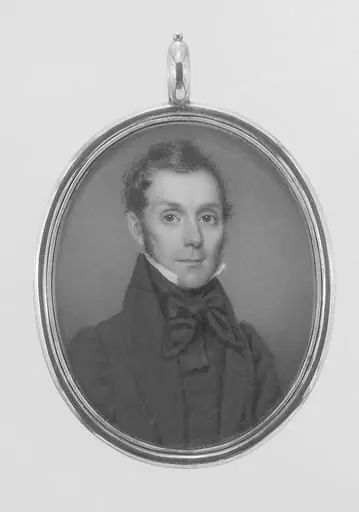
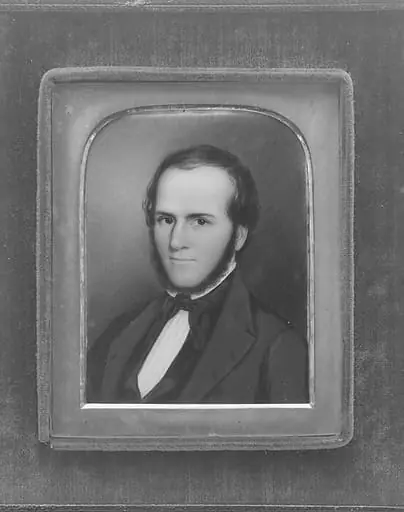
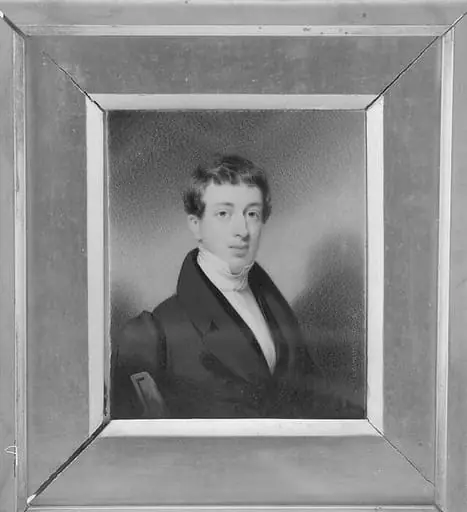
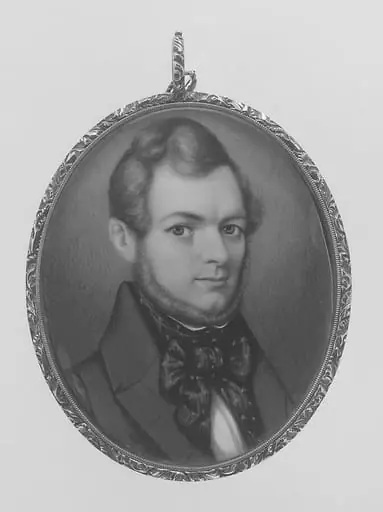
Theodore Lund's 1838 watercolor-on-ivory artwork is a portrait that depicts Samuel Baldwin Ludlow as its primary subject. As a work within the portrait genre, the painting represents a specific individual rather than an allegorical or narrative scene. The piece focuses on the likeness of Ludlow, identified as a man, serving as a formal visual record of his appearance. The iconography is consistent with traditional portraiture, emphasizing the sitter's identity and status through his direct representation.
Technique & Style
The work is a watercolor portrait painted on an ivory support in 1838, measuring roughly 6.8 × 4.9 (units as recorded in the catalog). Executed by Theodore Lund, the piece belongs to The American Wing’s collection at the Metropolitan Museum of Art. The watercolor technique employs fine, translucent washes to render the sitter’s facial features with delicate modeling, characteristic of early nineteenth‑century portrait miniatures.
No specific handling or conservation details are recorded, and the current condition is not elaborated in the available documentation.
History & Provenance
The watercolor portrait Samuel Baldwin Ludlow by Theodore Lund (1838) is held by The Metropolitan Museum of Art, New York. The work is inventoried as 1975.1.135 in the museum’s collection, where it is classified under The American Wing. It has not been recorded as part of a dedicated exhibition history in the sources provided.
Legacy
The painting's inclusion in The American Wing at the Metropolitan Museum of Art has positioned it as a reference point for scholars examining early American portraiture. Its presence in a major public collection has ensured ongoing public display and academic citation, reinforcing the reputation of Samuel Baldwin Ludlow as a subject of artistic interest. The work's documented dimensions and watercolor technique are regularly noted in museum catalogues, contributing to a broader understanding of Theodore Lund's early career. Consequently, the portrait remains a touchstone for discussions of 19th‑century American artistic identity.
Overview
This miniature portrait depicts Samuel Baldwin Ludlow, rendered in watercolor on a thin piece of ivory. The subject, dressed in a dark coat, gazes directly forward, his features illuminated by a soft light. A plain background ensures that attention remains focused on his serious expression. Its small scale suggests it was intended for intimate viewing, perhaps even to be carried.
Context
Before the advent of photography, miniature portraits served as a primary means for individuals to keep images of loved ones close. These small, portable artworks were often worn as jewelry or carried in pockets, offering a personal memento. They provided a tangible connection to family members or romantic partners, allowing their likenesses to accompany the owner wherever they went.
Artist & collection