Artwork
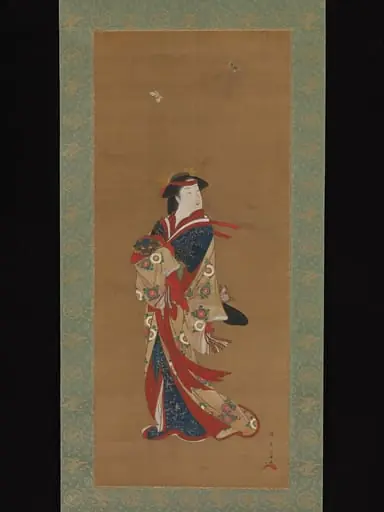
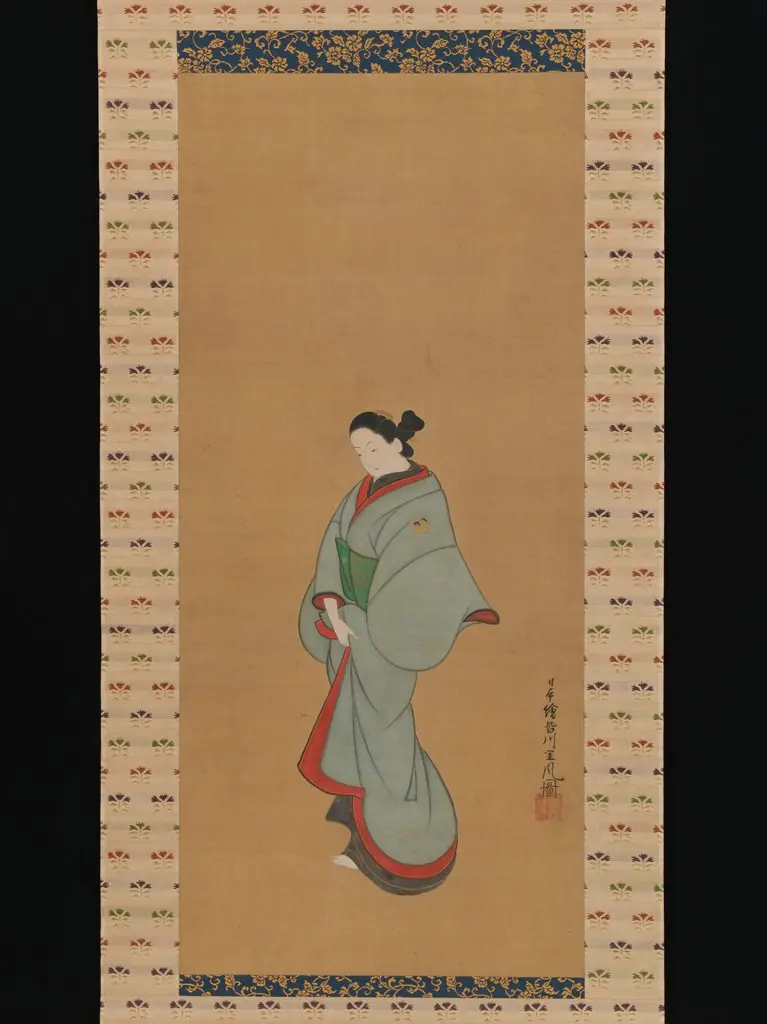
勝川春章筆 立姿美人図|Woman in a Black Kimono
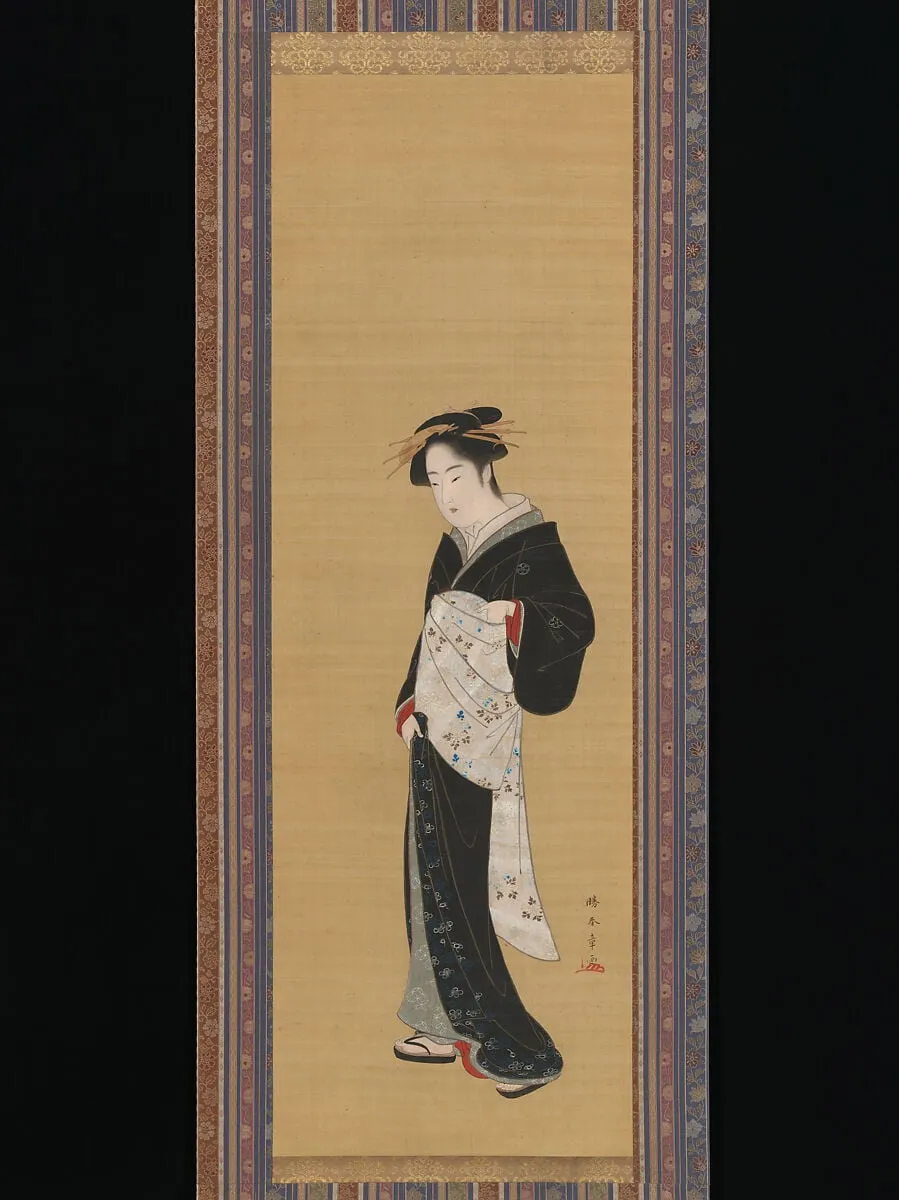
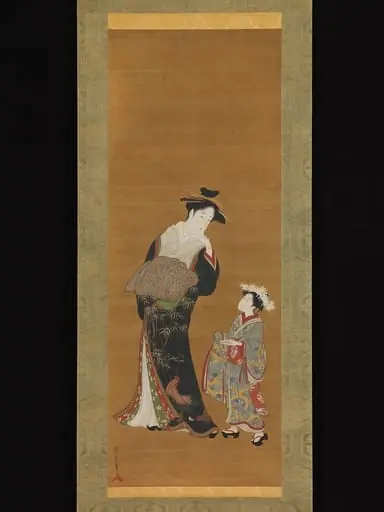
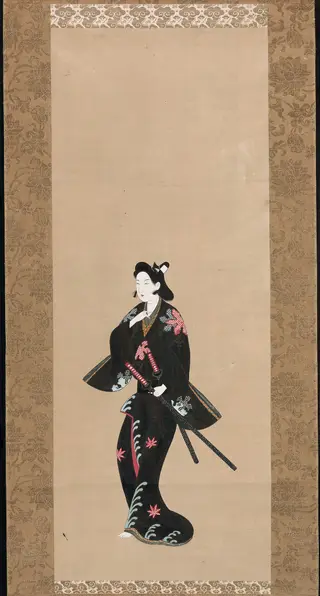
勝川春章筆 立姿美人図|Woman in a Black Kimono is an ink painting by the Baroque artist Katsukawa Shunshō. It dates from 1786 and is held in the collection of the Metropolitan Museum of Art.
About this work
Subject & Meaning
The figure is identified simply as a woman, with no additional specific iconographic attributes or symbolic narratives provided in the available records.
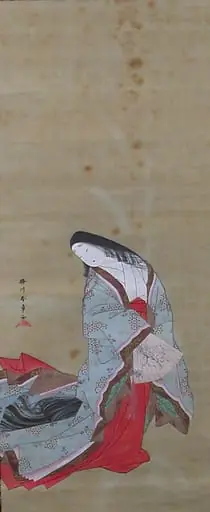
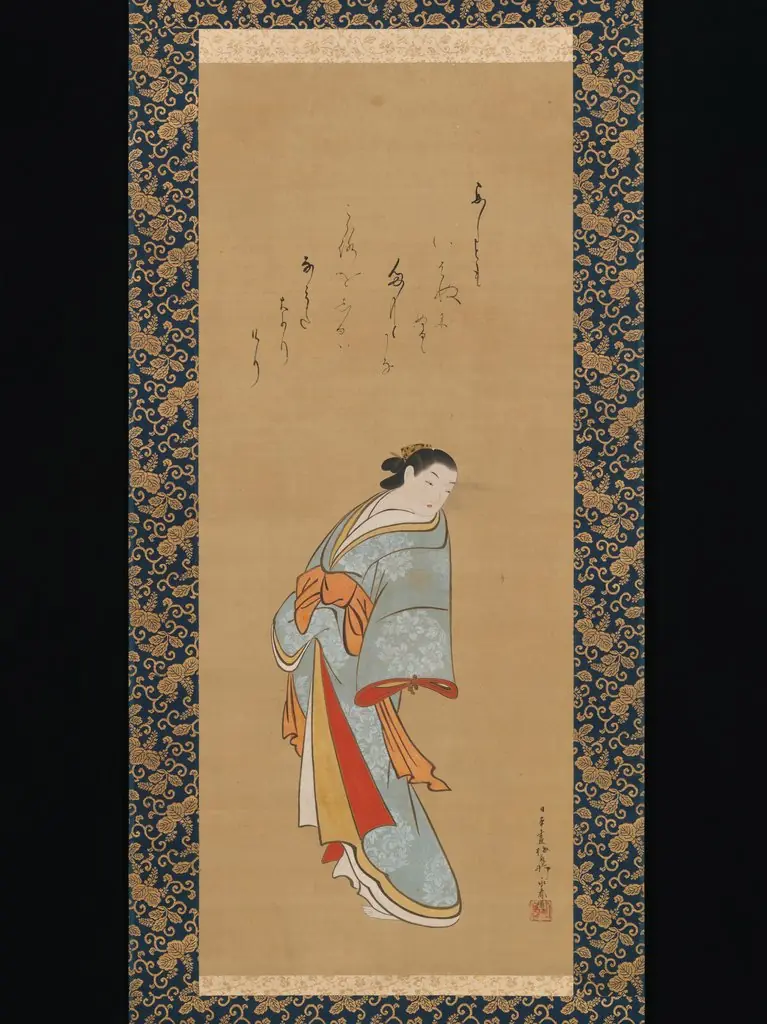
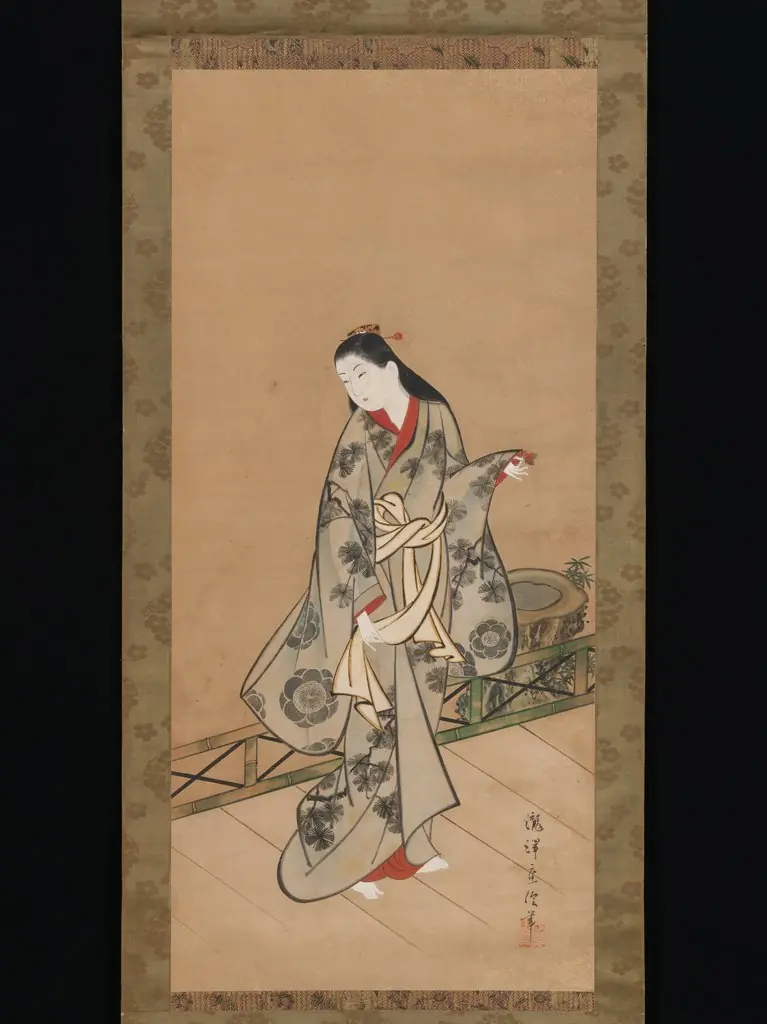
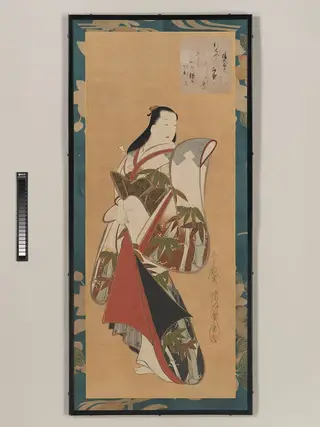
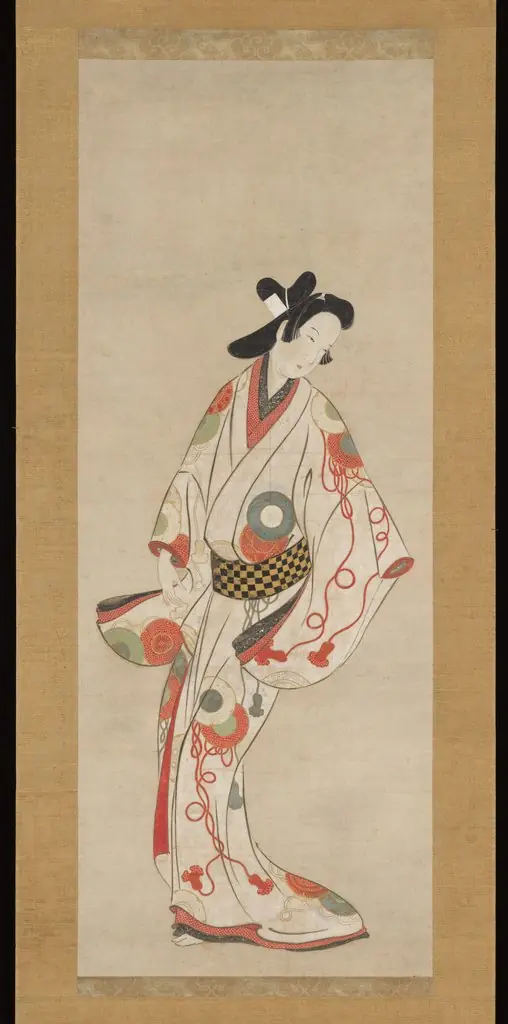
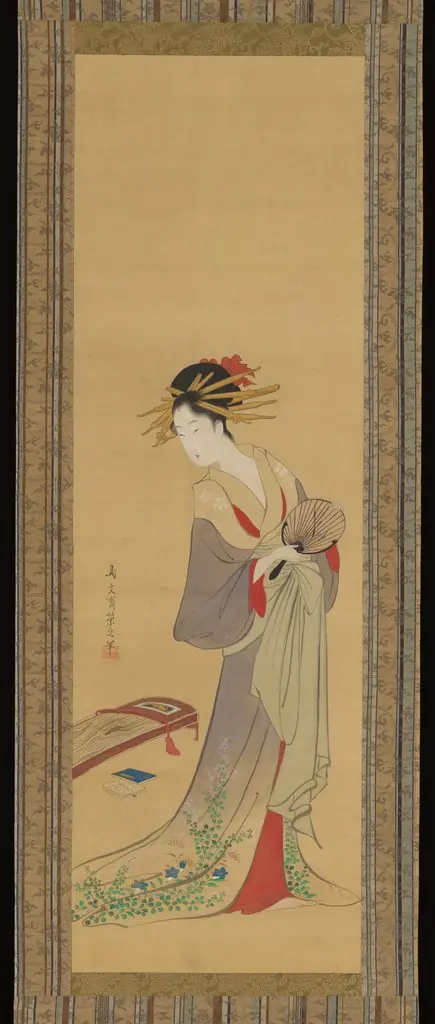
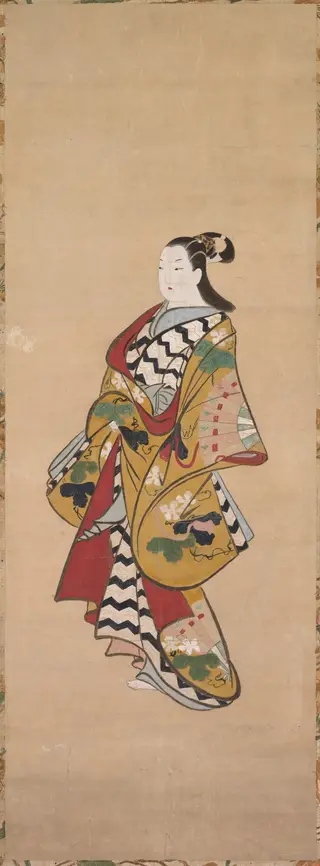
The work depicts a single woman standing, presented as a formal portrait. As a hanging scroll executed in ink, color, and gold on silk, the piece functions as a representation of a female subject within the Japanese portrait tradition. The figure is identified simply as a woman, with no additional specific iconographic attributes or symbolic narratives provided in the available records. The artwork serves as a direct visual record of a female figure from 1786 Japan.
Technique & Style
Executed in 1786, this portrait by Katsukawa Shunshō is realized as a hanging scroll. The artist applied ink and mineral colors alongside gold onto a silk support. As a work within the portrait genre, the composition focuses on the depiction of a standing woman, utilizing the lustrous qualities of the silk and gold to define the figure's presence.
The combination of these materials reflects the formal conventions of Japanese painting from this period, emphasizing delicate line work and rich surface texture characteristic of Shunshō's approach to bijin-ga.
History & Provenance
Created in 1786 by the Japanese artist Katsukawa Shunshō, this hanging scroll depicts a standing woman. The work was executed in ink, color, and gold on silk. While the specific circumstances of its commission and early ownership history are not detailed in the available records, the piece is currently held in the collection of the Metropolitan Museum of Art in New York, where it remains part of their painting holdings.
The hanging scroll titled Woman in a Black Kimono, created by Katsukawa Shunshō, is part of the permanent collection of the Metropolitan Museum of Art. The work, dated to 1786, is classified as a painting depicting a woman and executed in ink, color, and gold on silk. While the source confirms the artwork's location within the museum's holdings, it does not provide a specific inventory or accession number, nor does it list any exhibition history for this piece.
Overview
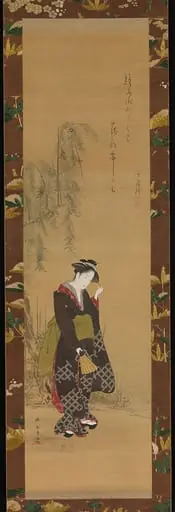
Created in 1786, this hanging scroll by Katsukawa Shunshō presents a solitary woman dressed in a black kimono. Rendered on silk with ink, color, and gold, the work measures the typical dimensions of a decorative scroll intended for domestic display.
Context
The work belongs to the late Edo period, a time when ukiyo‑e artists increasingly explored scenes from daily urban life. The modest subject and muted composition align with contemporary tastes for personal, contemplative artworks within the home.
Artist & collection

Artist
Katsukawa Shunshō spent his life in Edo (now Tokyo), where the city’s teahouses and theaters buzzed with energy.