Artwork
The Good Samaritan
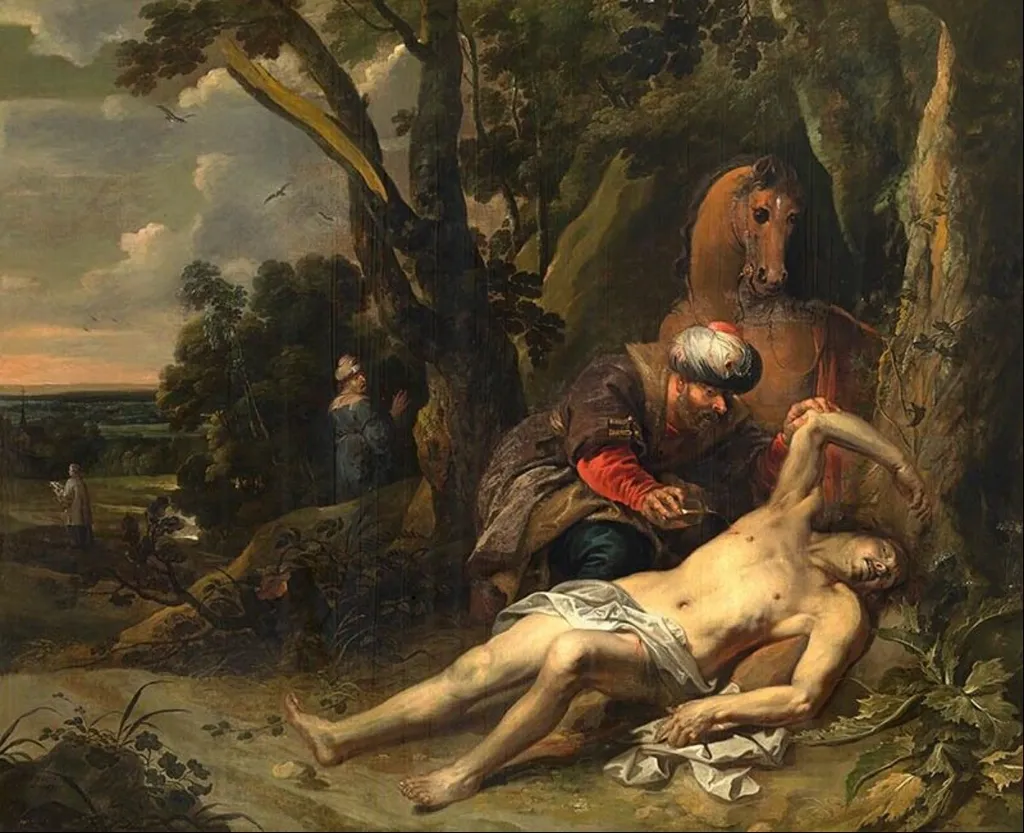
The Good Samaritan is an oil painting by the Flemish Baroque painting artist Balthasar van Cortbemde. It dates from 1647 and is held in the collection of the Royal Museum of Fine Arts Antwerp.
About this work
Subject & Meaning
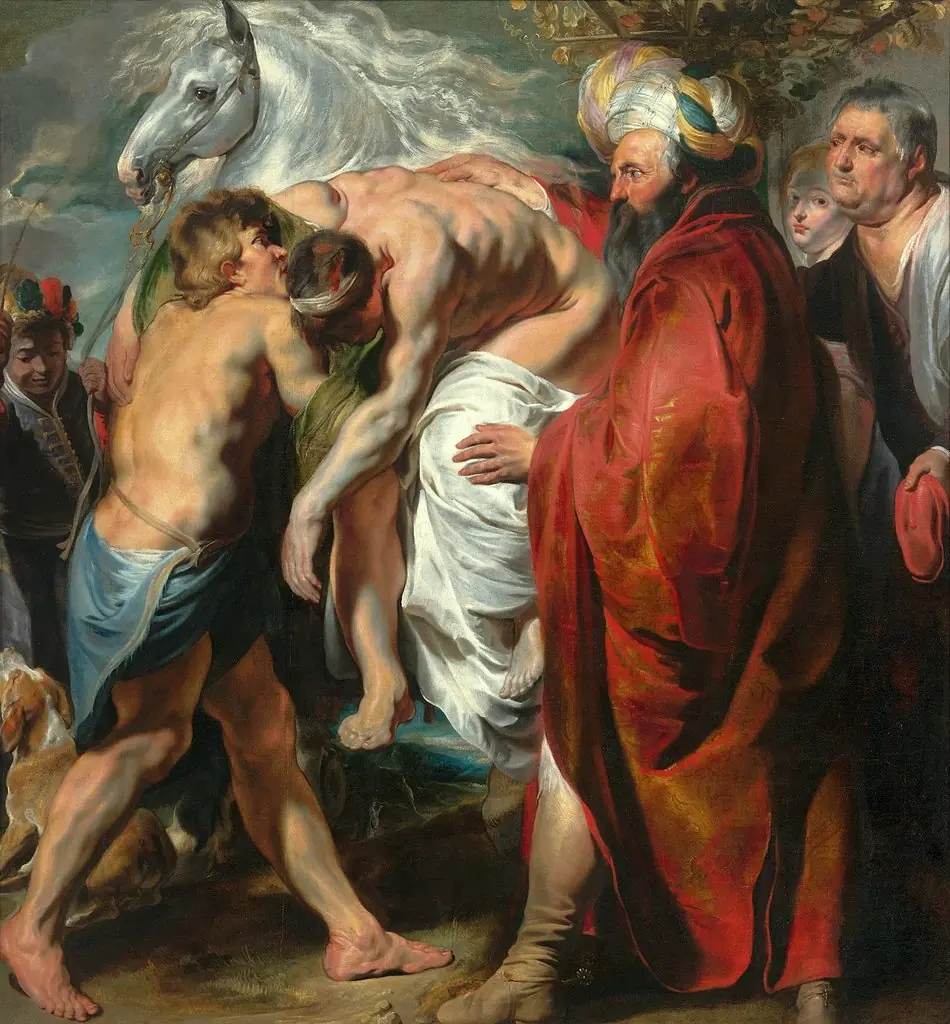
A horse stands nearby, linking the scene to the journey context of the parable.
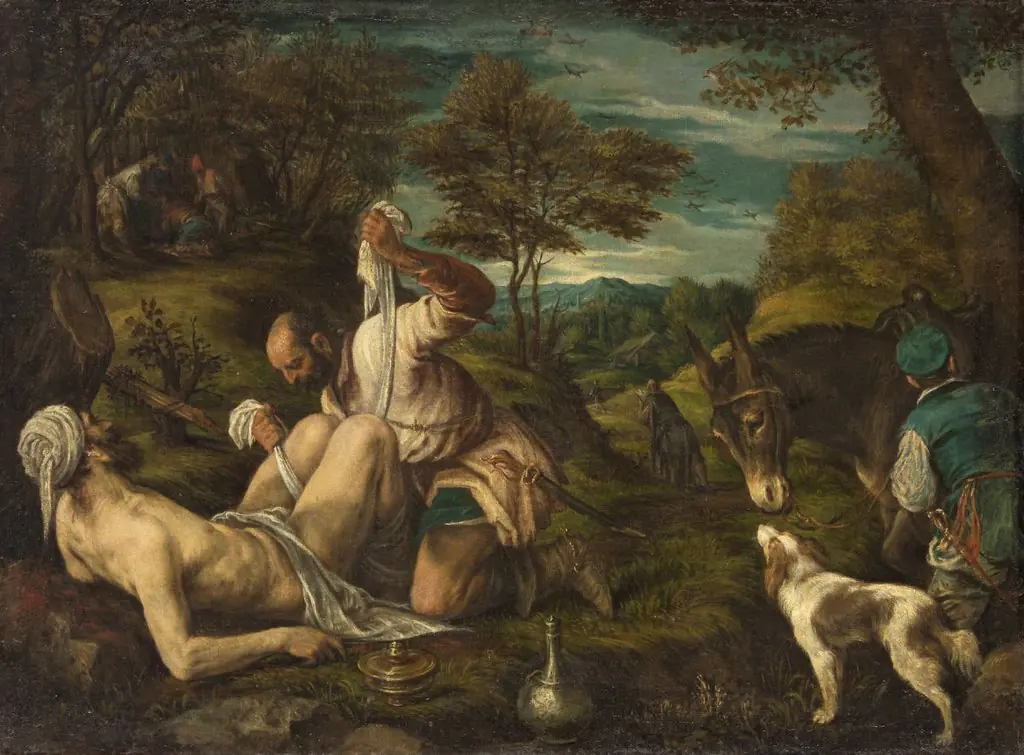
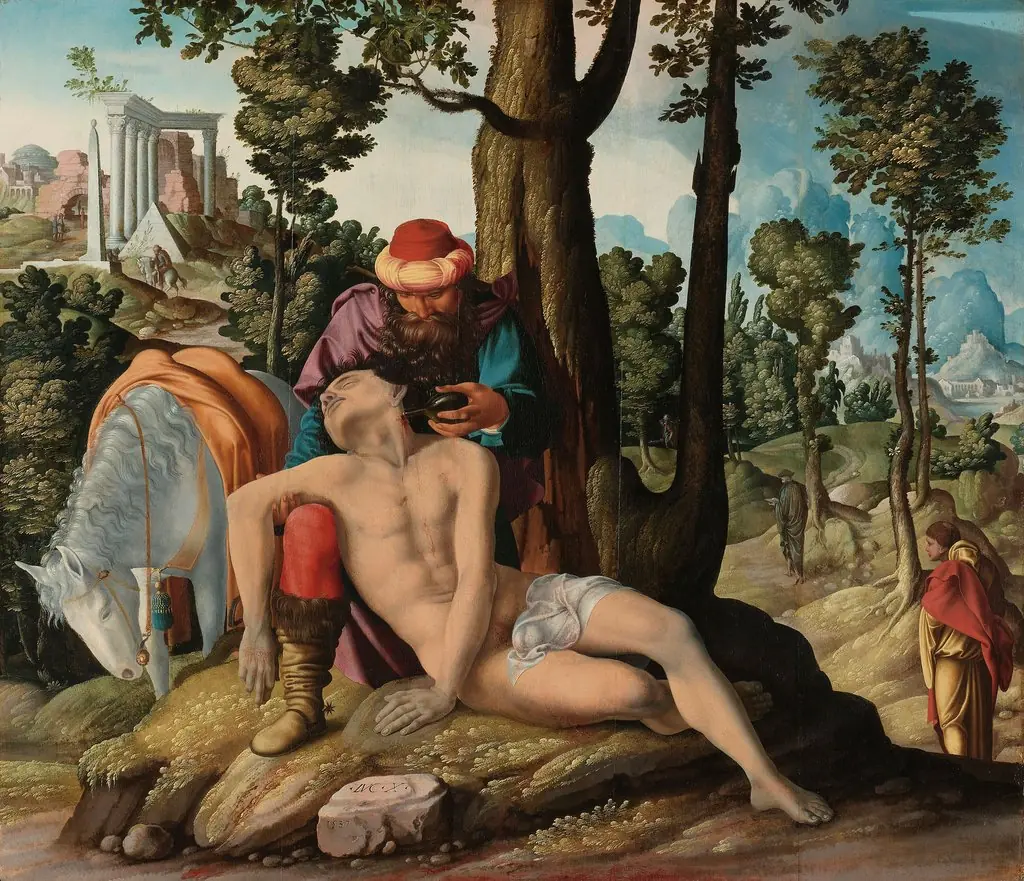
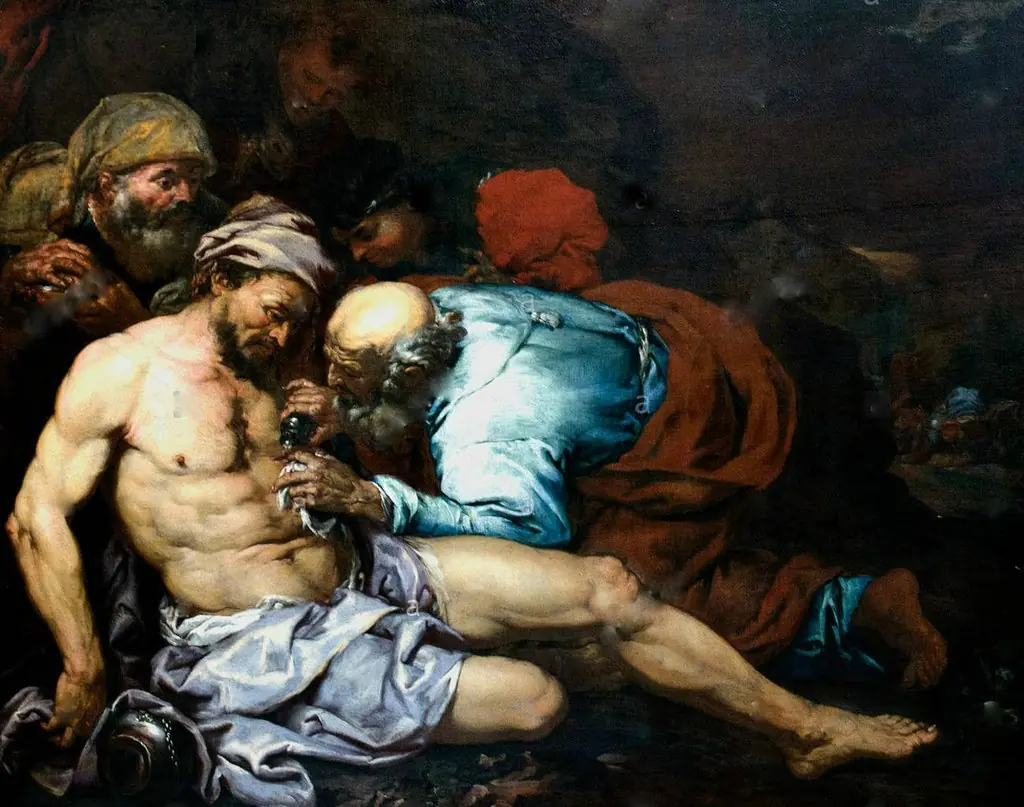
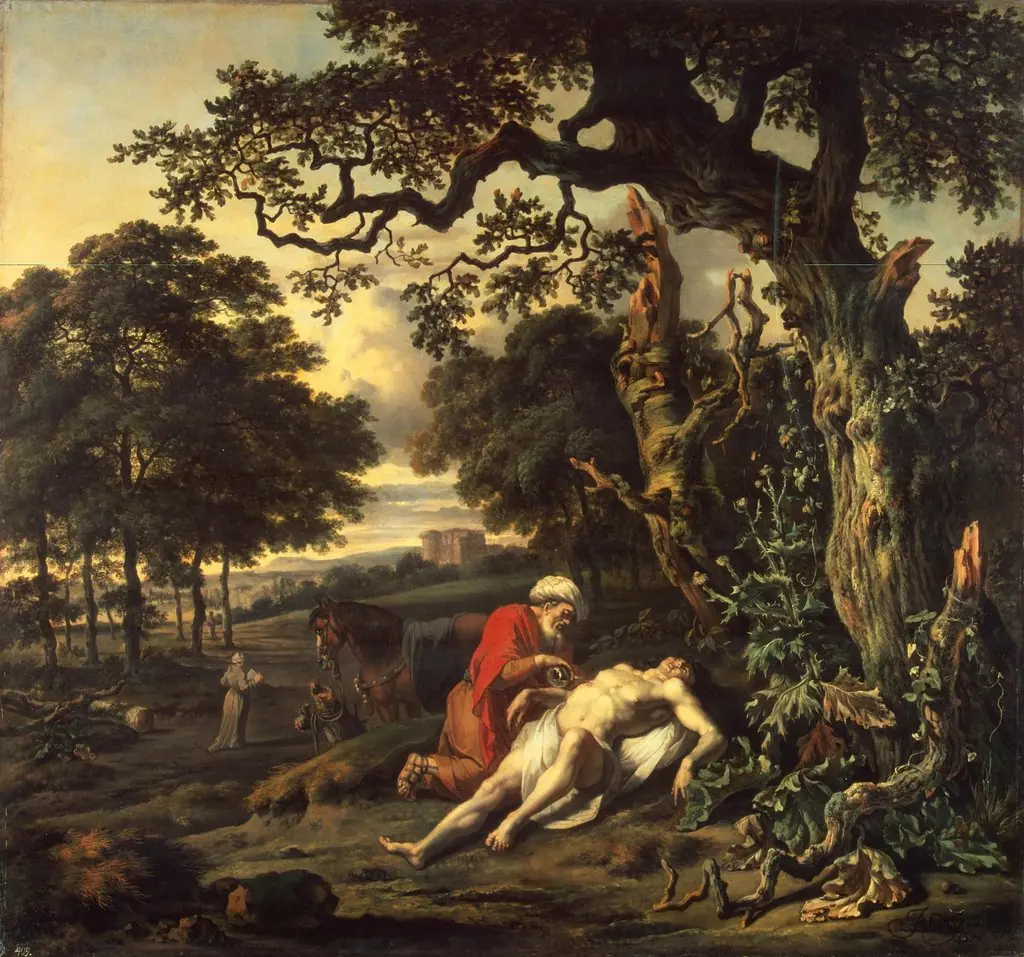
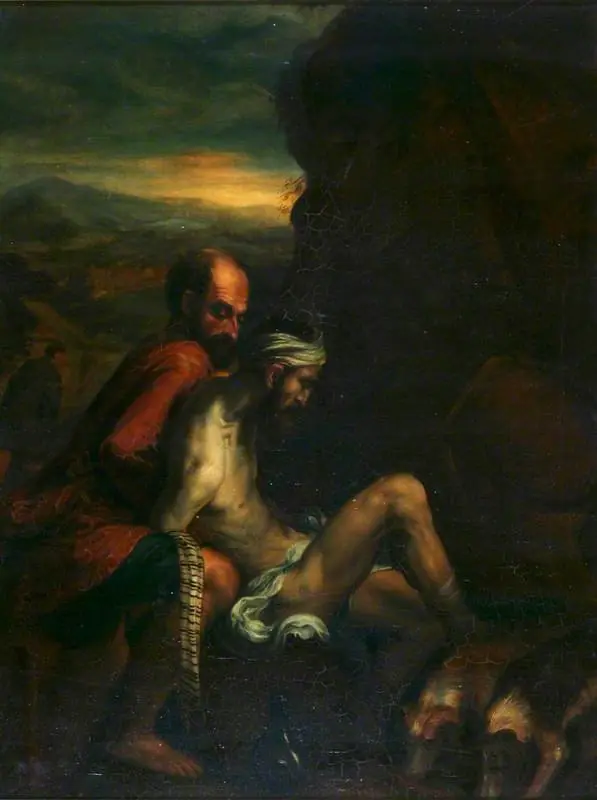
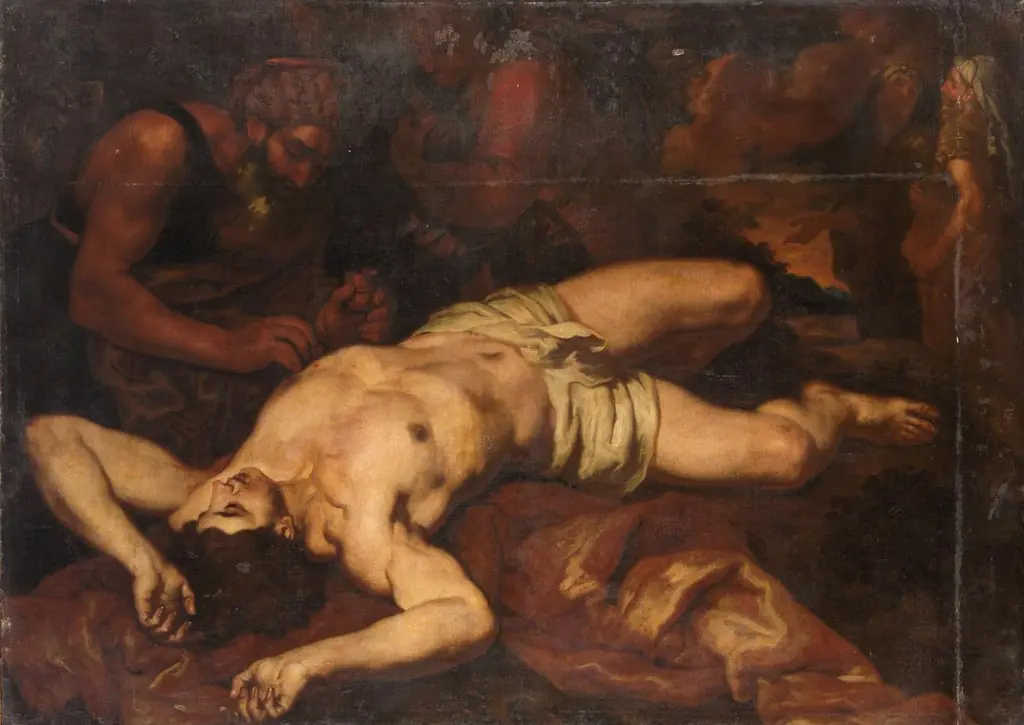
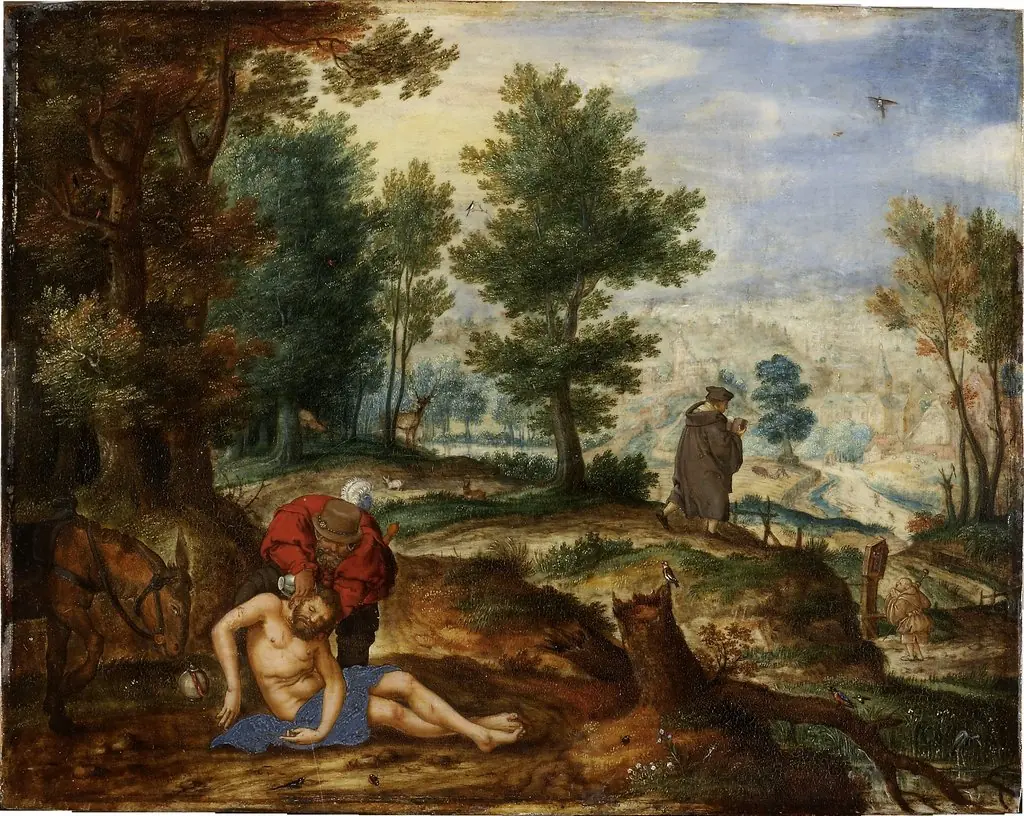
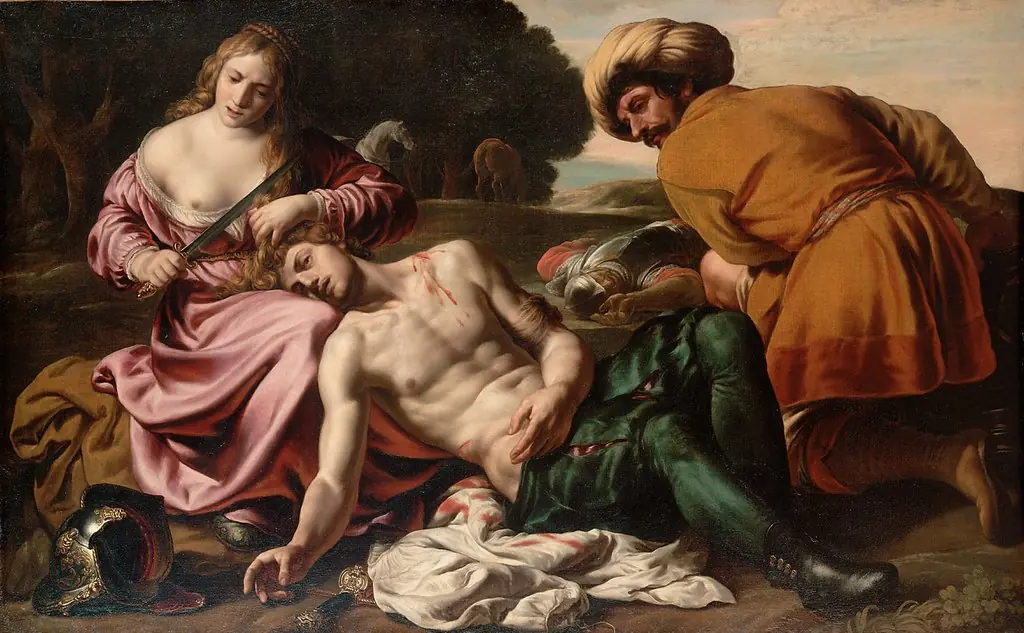
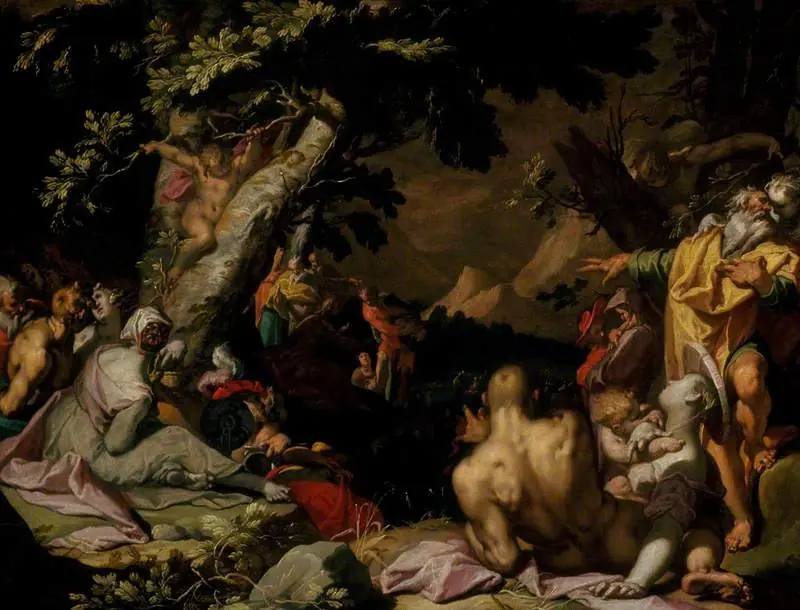
The painting depicts the Parable of the Good Samaritan from the Gospel of Luke, illustrating the biblical narrative in which a traveler, beaten and left half dead by robbers, is aided by a Samaritan who binds his wounds and arranges his care. The composition shows the injured man lying on the roadside while the Samaritan, identifiable by his distinctive turban-like head covering, kneels to tend to him, assisted by an innkeeper in the background. A horse stands nearby, linking the scene to the journey context of the parable.
The work emphasizes themes of charity, mercy, and compassion across social and religious divides, reflecting the moral lesson of neighborly kindness regardless of enmity. The careful rendering of gestures and expressions underscores the humanist interpretation of the biblical story, focusing on the practical and emotional dimensions of care.
History & Provenance
Painted in 1647, this work is signed and dated on the rock at lower right.
It entered the collection of the Royal Museum of Fine Arts Antwerp in the twentieth century, where it remains today. The museum records list the painting as part of its holdings with dimensions of 199.4 cm in height and 244.6 cm in width.
The Good Samaritan by Balthasar van Cortbemde is held in the collection of the Royal Museum of Fine Arts Antwerp. Created in 1647, this oil painting on canvas depicts the biblical parable featuring a horse. The provided sources confirm the work's location and inception date but do not list a specific inventory number or detail any past exhibitions.
Context
Balthasar van Cortbemde's 1647 painting The Good Samaritan, housed in the Royal Museum of Fine Arts Antwerp, exemplifies his mastery of Baroque religious composition and narrative detail. Scholars highlight its dynamic horse figure and vivid storytelling as emblematic of 17th-century Flemish devotional art, situating it within the artist's broader oeuvre of biblical scenes that blend realism with emotive drama.
The work's reception reflects Baroque-era appreciation for moral parables, though specific contemporary critiques remain sparse in surviving records. Its inclusion in Antwerp's royal collection underscores its significance as a canonical example of religious painting, influencing later interpretations of the Good Samaritan motif in European art.
Overview
Created in 1647 by the Antwerp‑based artist Balthasar van Cortbemde, this oil painting illustrates the biblical parable of the Good Samaritan. Executed in the Flemish Baroque idiom, the work is part of the collection of the Royal Museum of Fine Arts in Antwerp.
Technique & Style
Van Cortbemde employs a restrained palette of greens, browns and muted reds, allowing the figures to emerge from a softly lit woodland backdrop. The oil medium renders delicate flesh tones and the texture of the rocky hillside, while the chiaroscuro modeling reflects Baroque concerns with drama and naturalism.
Artist & collection
Artist
Balthasar van Cortbemde (Antwerp, 8 April 1612 – Antwerp, prior to 24 December 1663) was a Flemish painter, copyist and art dealer. He is only known for one painting.