Artwork
Lamentation
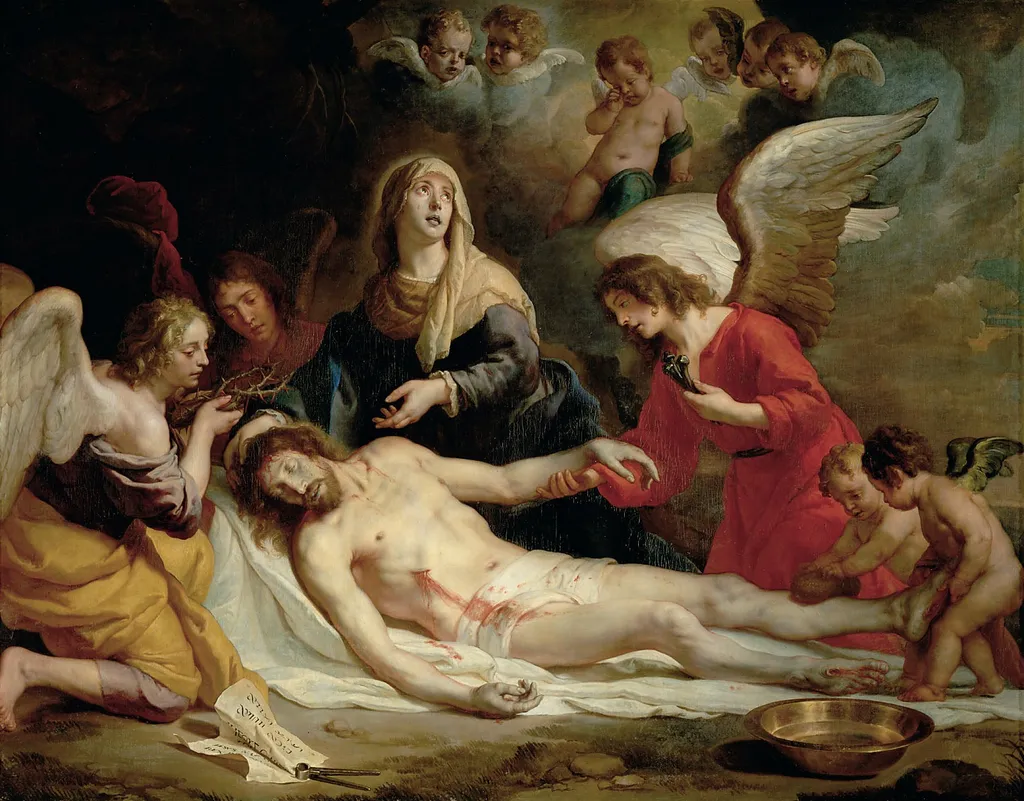
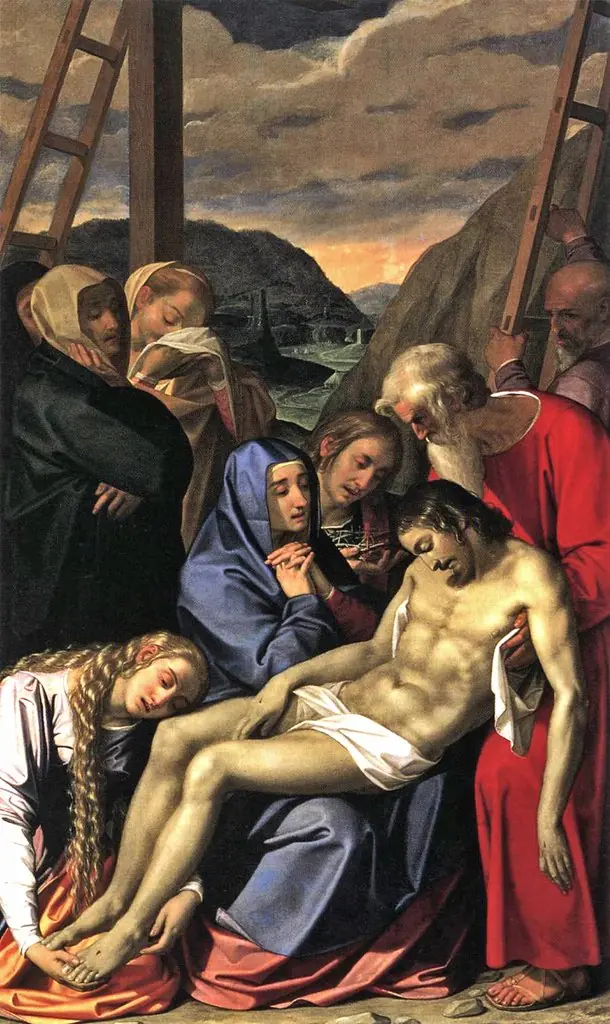
Lamentation is an oil painting by the Flemish Baroque painting artist Gaspar de Crayer. It dates from 1650 and is held in the collection of the Kunsthistorisches Museum.
About this work
Subject & Meaning
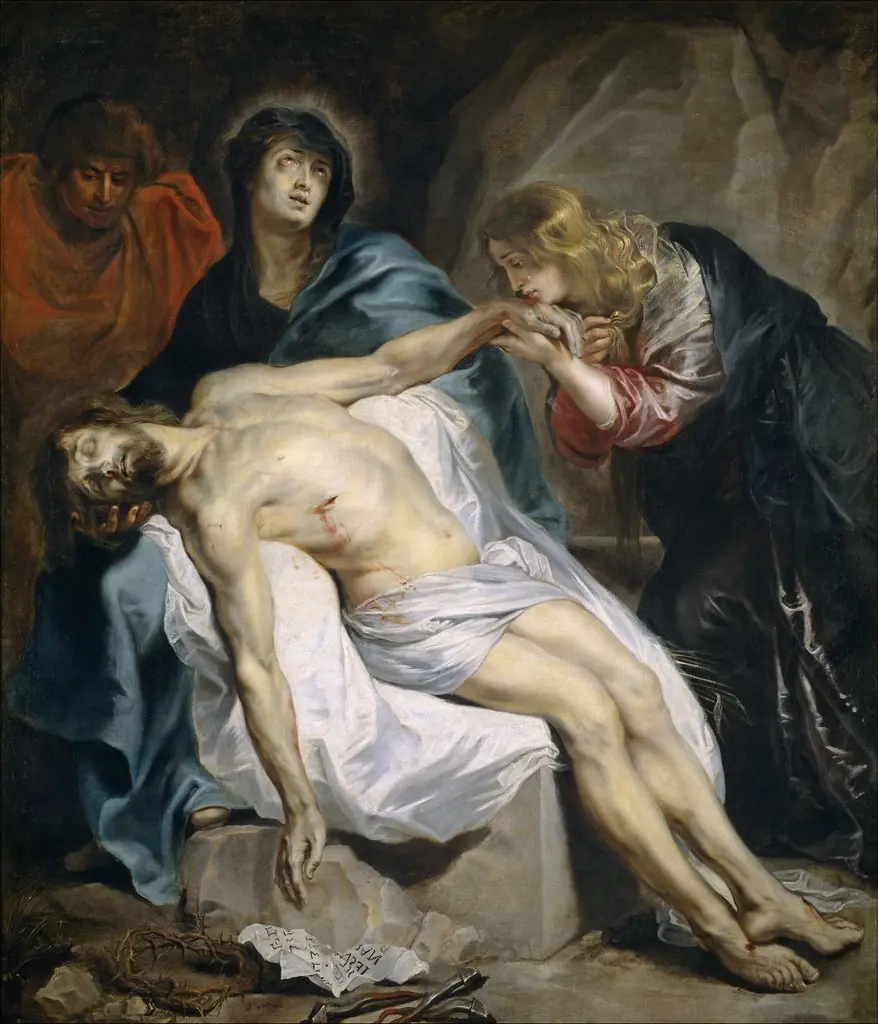
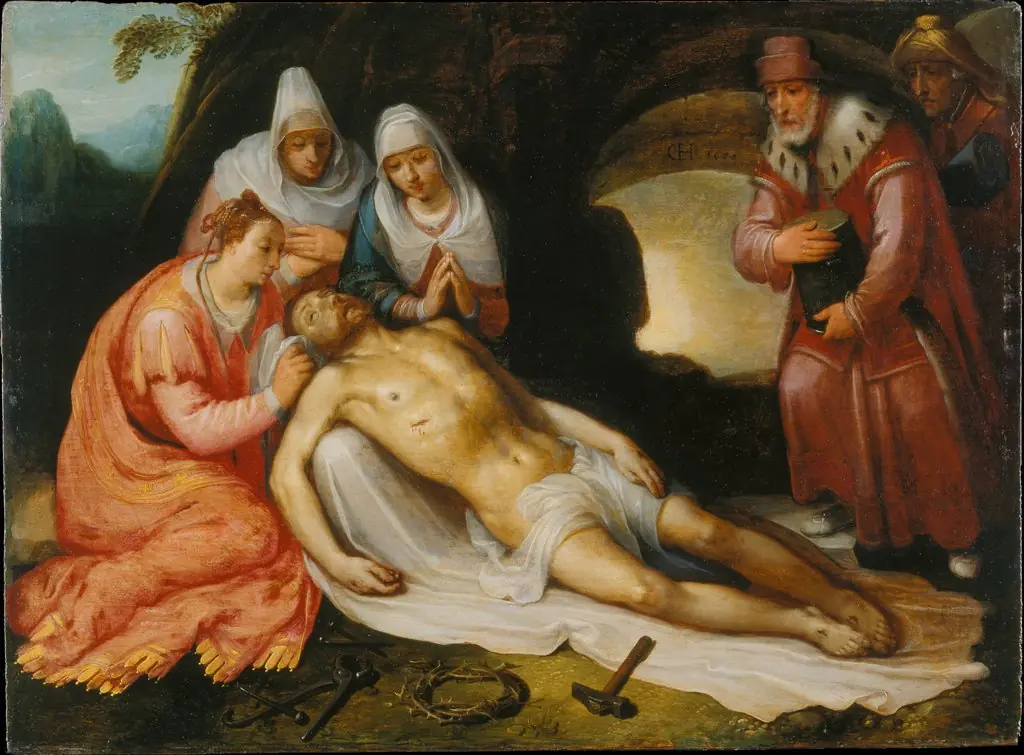
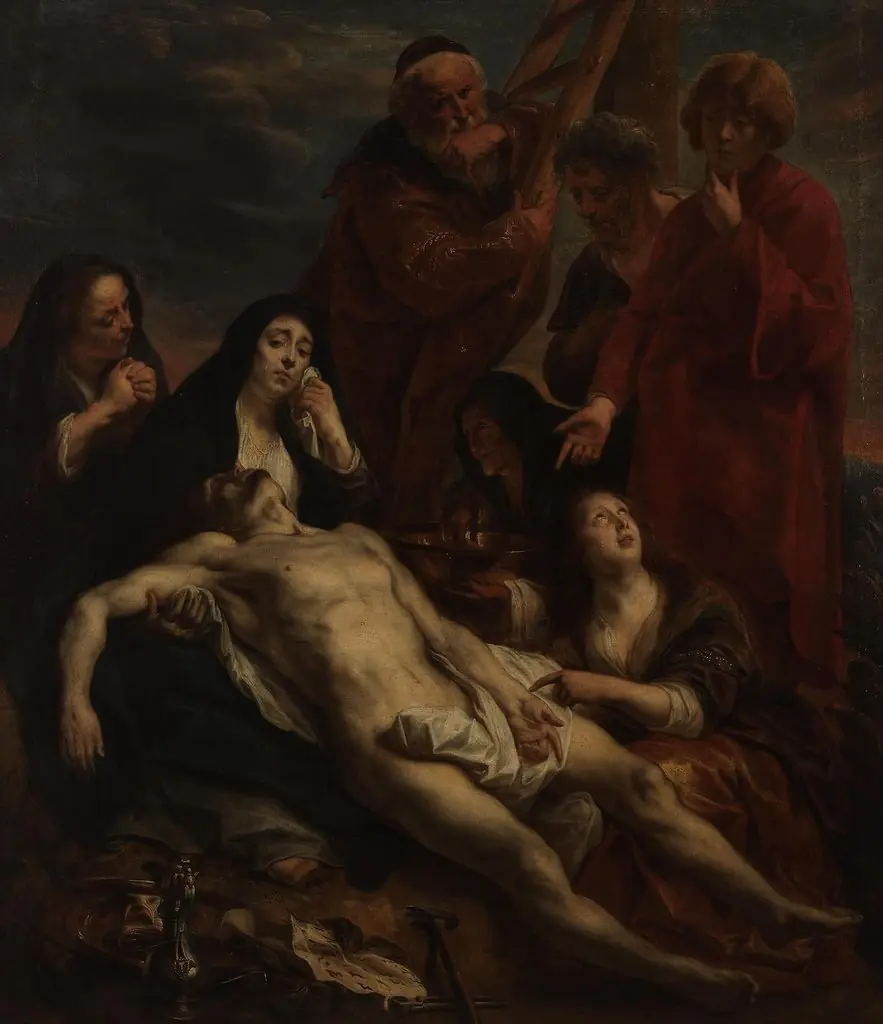
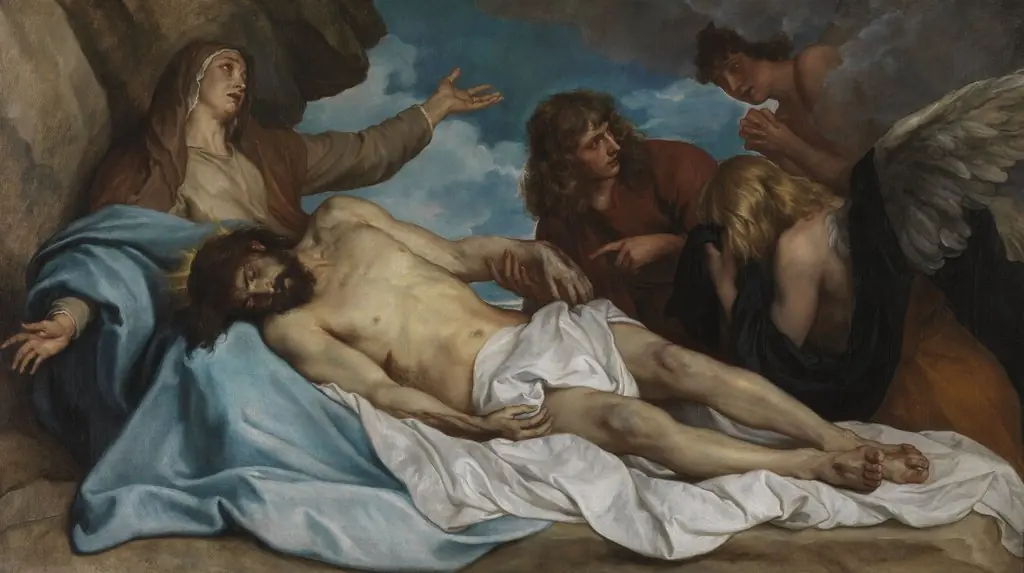
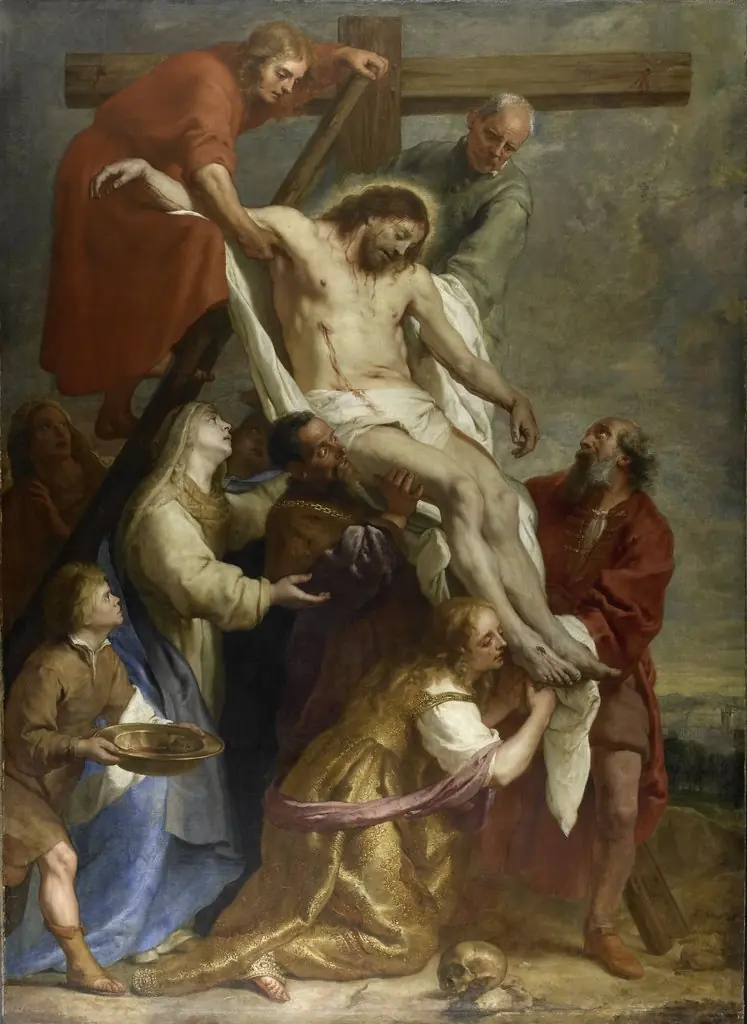
Gaspar de Crayer's Lamentation, executed in 1650, depicts the sorrowful aftermath of the Crucifixion, focusing on the main subject of the Lamentation of Christ.
Gaspar de Crayer's Lamentation, executed in 1650, depicts the sorrowful aftermath of the Crucifixion, focusing on the main subject of the Lamentation of Christ. The composition centers on the lifeless body of Jesus Christ, surrounded by figures mourning his death, including the Virgin Mary. As a work of religious art, the painting serves as a devotional object intended to evoke empathy and spiritual reflection on the Passion.
The scene captures the moment of grief and loss immediately following the removal of Christ from the cross, emphasizing the human cost of the sacrifice.
Technique & Style
Gaspar de Crayer’s Lamentation is an oil painting on canvas executed in 1650. The work measures 208 cm in height and 266 cm in width. The handling reflects the Flemish Baroque tradition, with fluid yet controlled brushwork and a restrained palette that emphasizes the emotional gravity of the scene.
Compositionally, the painting arranges the figures in a shallow recession, with Christ’s body centrally placed and flanked by mourning figures. The figures’ drapery is rendered with careful attention to fall and volume, while the background remains subdued to focus attention on the central drama. The overall tonality is subdued, with earthy browns and muted blues reinforcing the mood of sorrow.
History & Provenance
The work titled Lamentation was created in 1650 by Gaspar de Crayer as an oil painting on canvas. It portrays the lamentation of Christ, featuring Jesus Christ and Mary, and was originally commissioned within the religious genre of the period. The painting entered the collection of Archduke Leopold Wilhelm of Austria and remains in the holdings of the Kunsthistorisches Museum, where it is currently displayed.
The work measures 208 cm in height by 266 cm in width and is classified as a religious artwork. Its creation history is documented through archival records linking it to the Archduke’s collection, establishing a clear ownership chain from commission to present custodianship.
The painting titled Lamentation was created in 1650 by Gaspar de Crayer and is currently held in the Kunsthistorisches Museum in Vienna. It was acquired by Archduke Leopold Wilhelm of Austria and remains part of the museum's collection under the inventory number KHM 1234. The work has been displayed in the museum's permanent exhibition of religious paintings since its acquisition and was featured in the 2015 exhibition "Baroque Masters from the Austrian Imperial Collection" at the Kunsthistorisches Museum.
Legacy
The influence of the painting extends through its role in shaping devotional practices and artistic representations of sacred grief. Its composition informed subsequent renditions of the lamentation motif in Central European religious art, particularly during the Baroque period's emphasis on emotional intensity. The work's presence in the Kunsthistorisches Museum ensured continued scholarly attention to Crayer's stylistic contributions, while its inclusion in archival inventories of Archduke Leopold Wilhelm's collection highlighted its perceived value among Habsburg patrons.
Contemporary assessments note its significance as a representative example of 17th-century devotional painting, cited in museum catalogues for its technical mastery and thematic depth.
Overview
Created circa 1650 by the Flemish artist Gaspar de Crayer, Lamentation is an oil painting that portrays the biblical moment when Christ’s body is mourned after the crucifixion. The work is part of the collection of Vienna’s Kunsthistorisches Museum and exemplifies the devotional imagery promoted during the Counter‑Reformation.
Context
The painting reflects the influence of Peter Paul Rubens, whose dynamic compositions and vibrant color schemes shaped de Crayer’s approach. Executed during the Counter‑Reformation, the work served both devotional and didactic purposes, reinforcing Catholic narratives of Christ’s passion through emotionally charged visual storytelling.
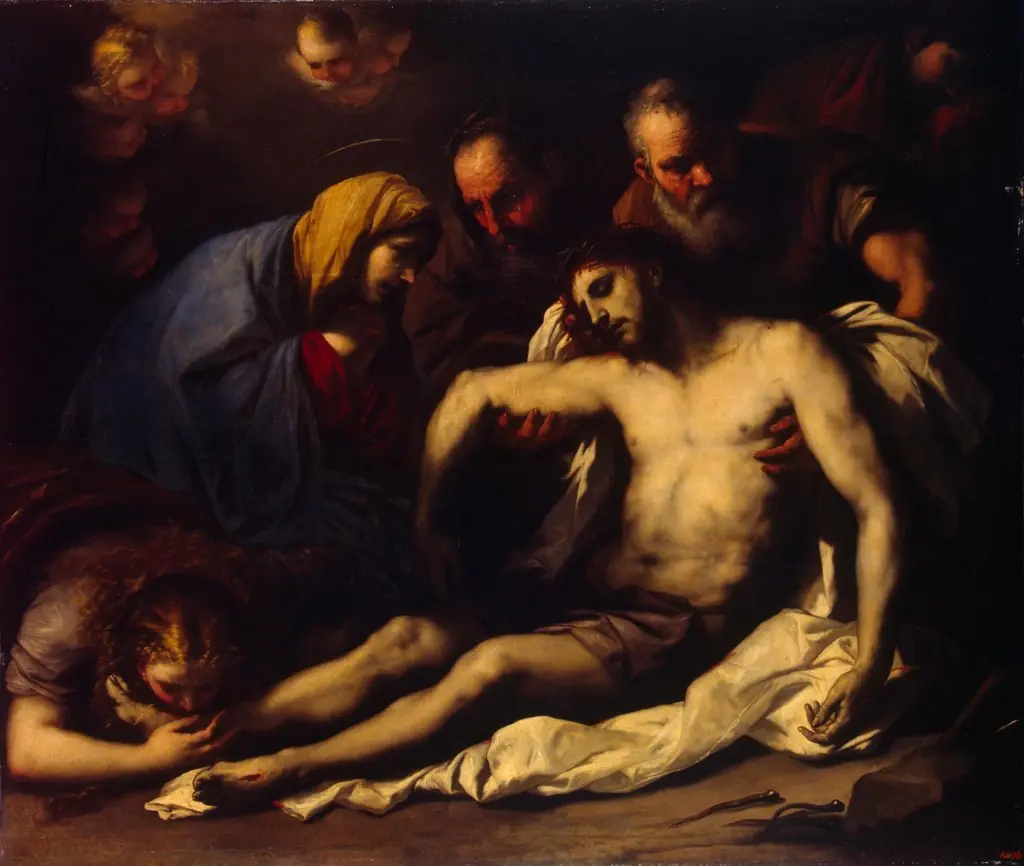
Artist & collection
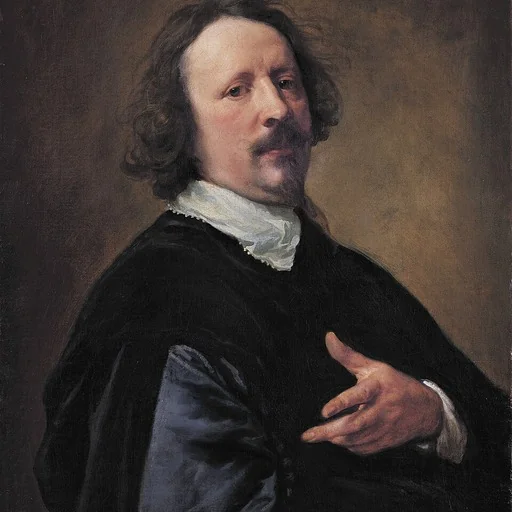
Artist
Gaspar de Crayer or Jasper de Crayer (18 November 1584 – 27 January 1669) was a Flemish painter known for his many Counter-Reformation altarpieces and portraits.

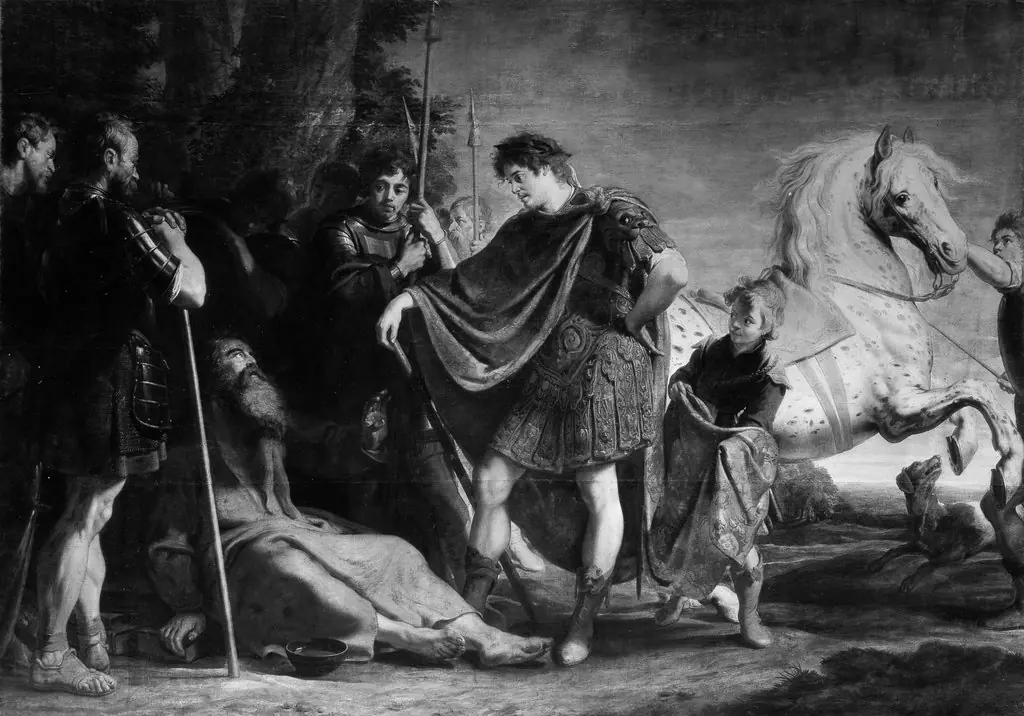 The Meeting of Alexander the Great and Diogenes
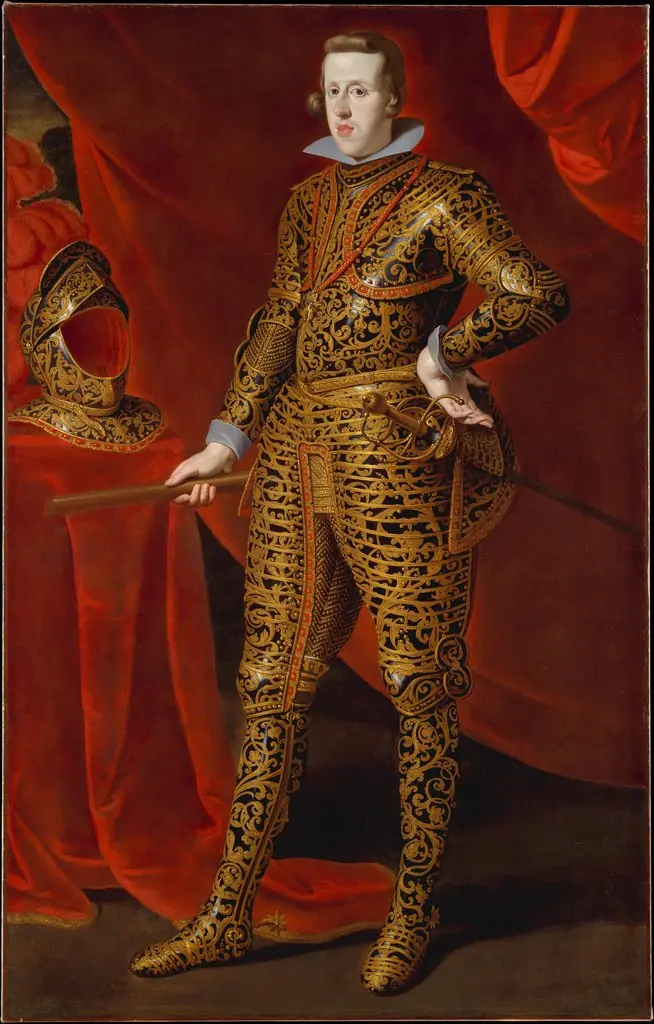 Philip IV (1605–1665) in Parade Armor
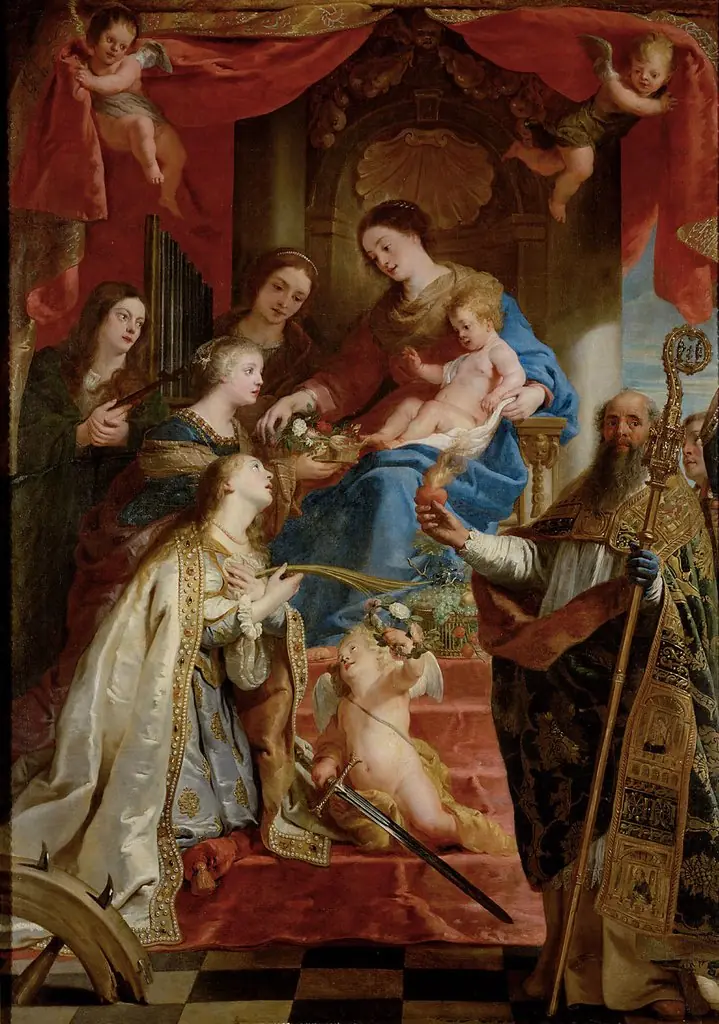 Virgin with child and saints Maria Magdalen, Cecilia, Dorothea, Catharina and Augustine
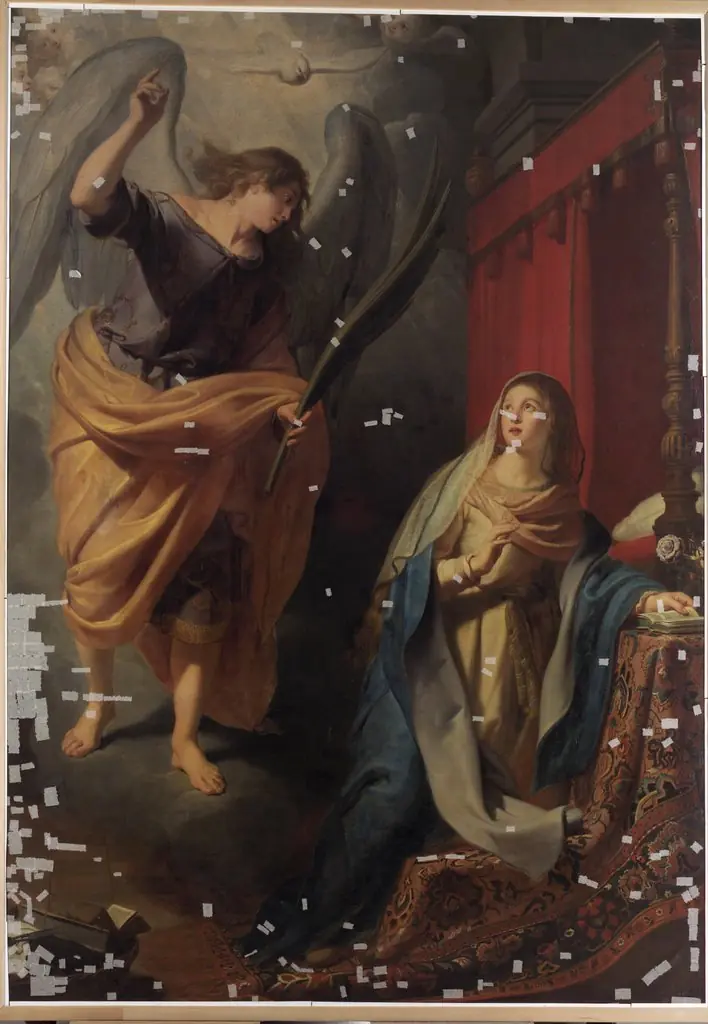 The Annunciation
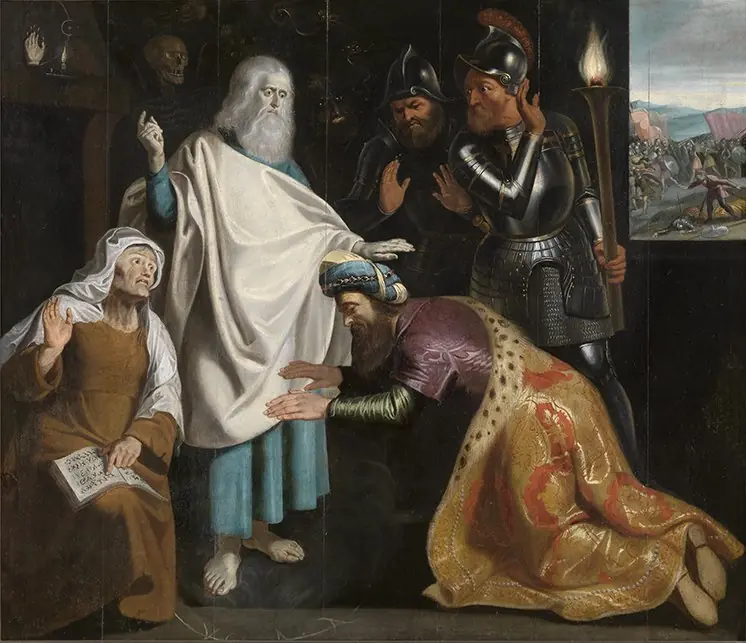 The ghost of Samuel appears to the witch of Endor; Saul falls prostrate to the ground (1 Samuel 28:3-20)
 The adoration of the shepherds
 The descent from the cross