Artwork
The Good Samaritan
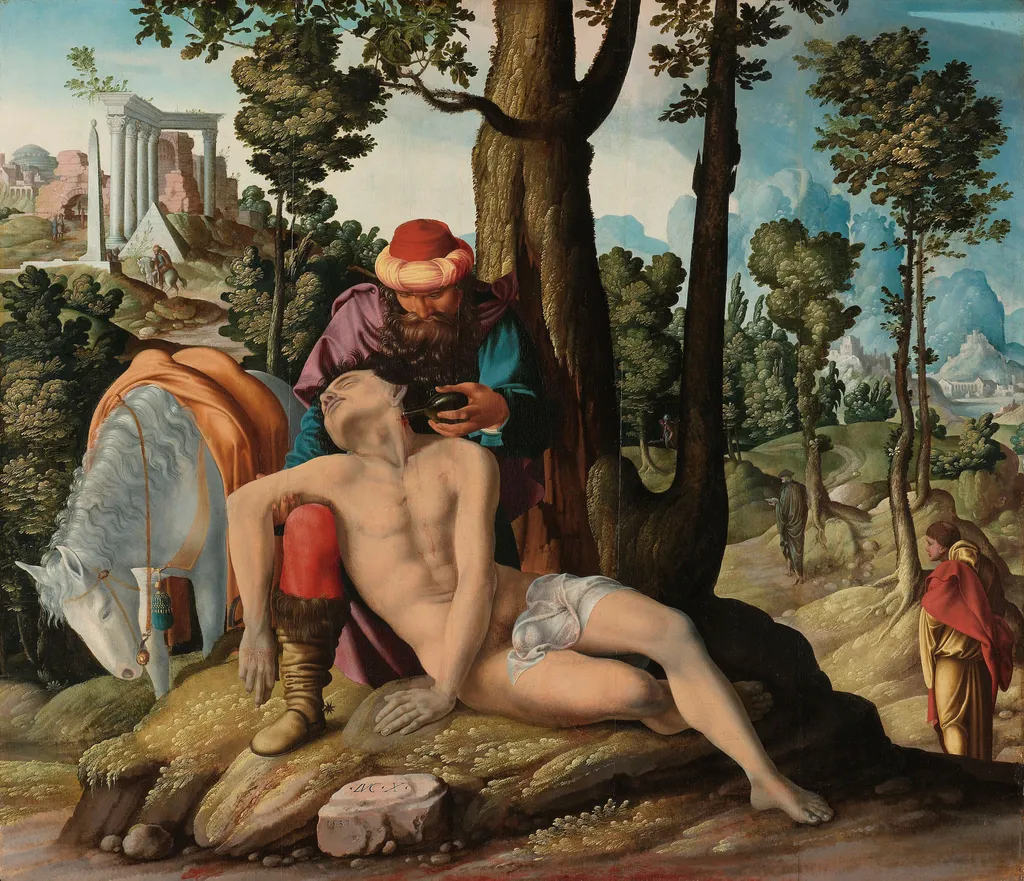
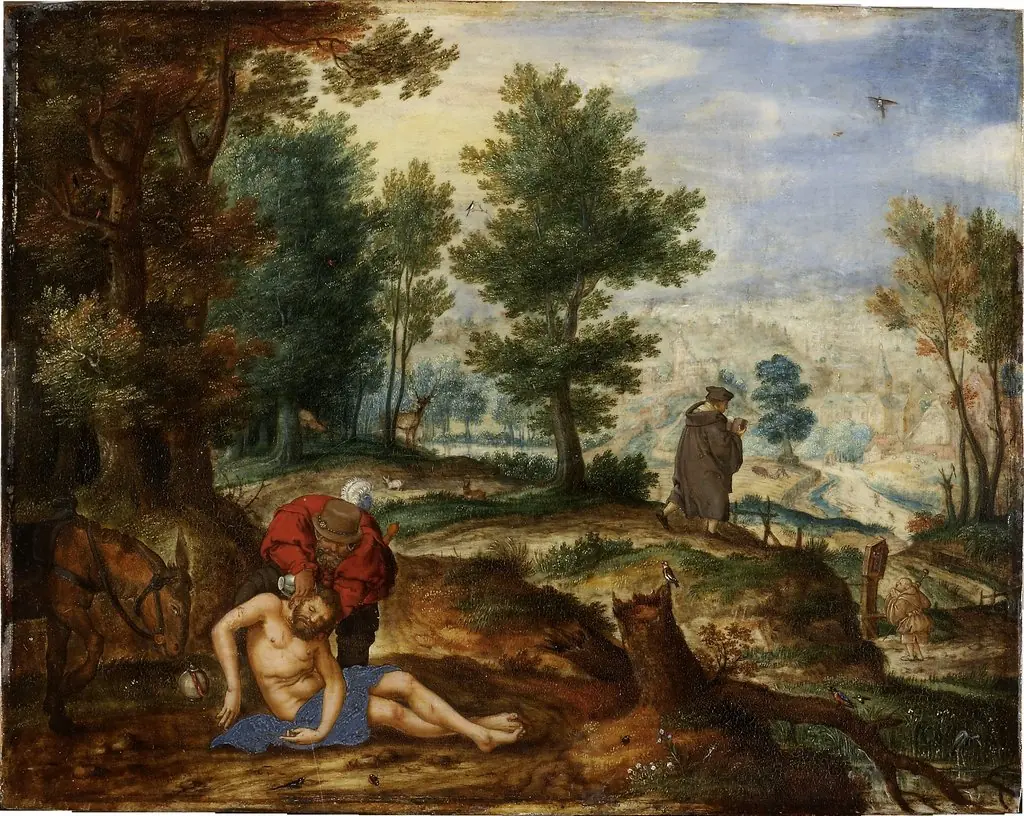
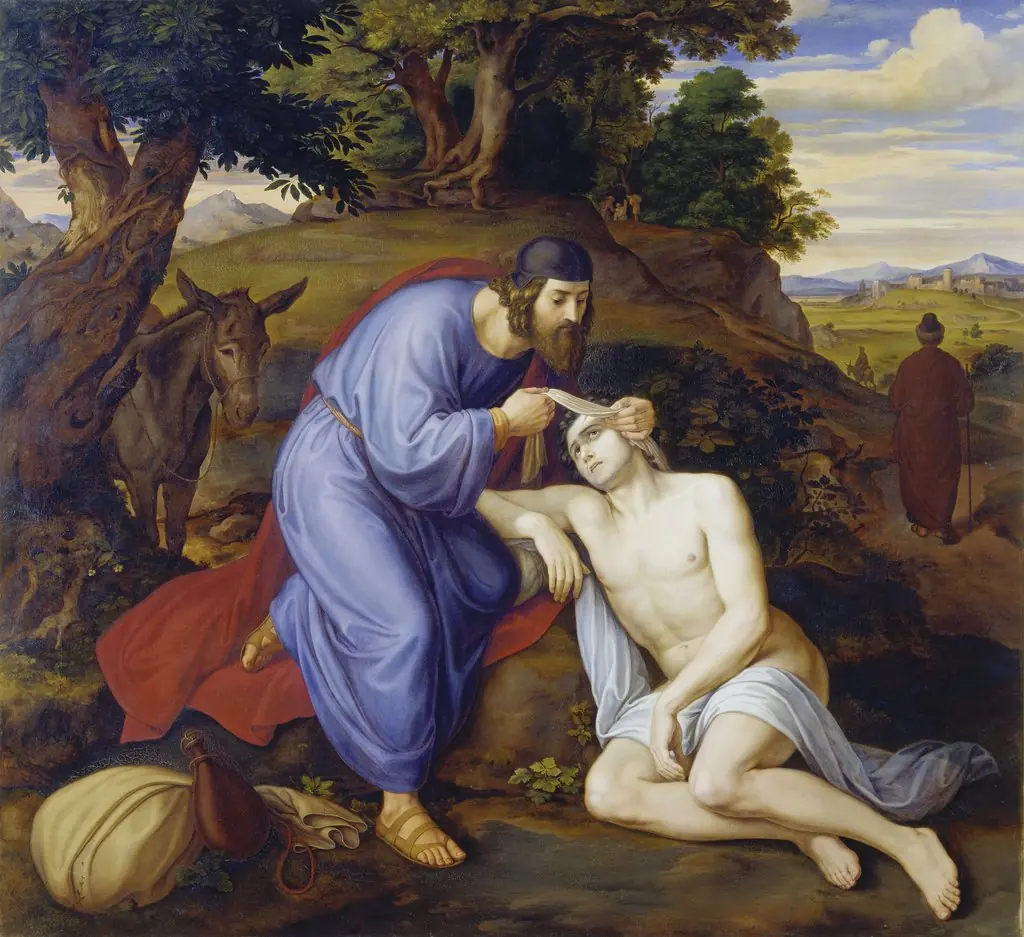
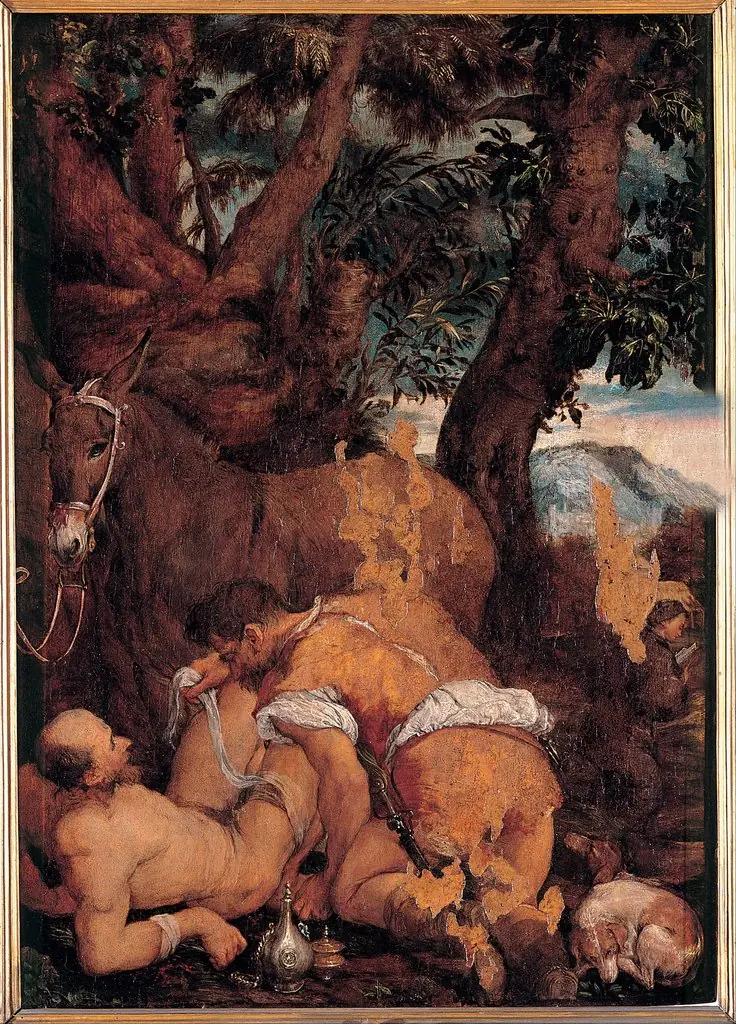
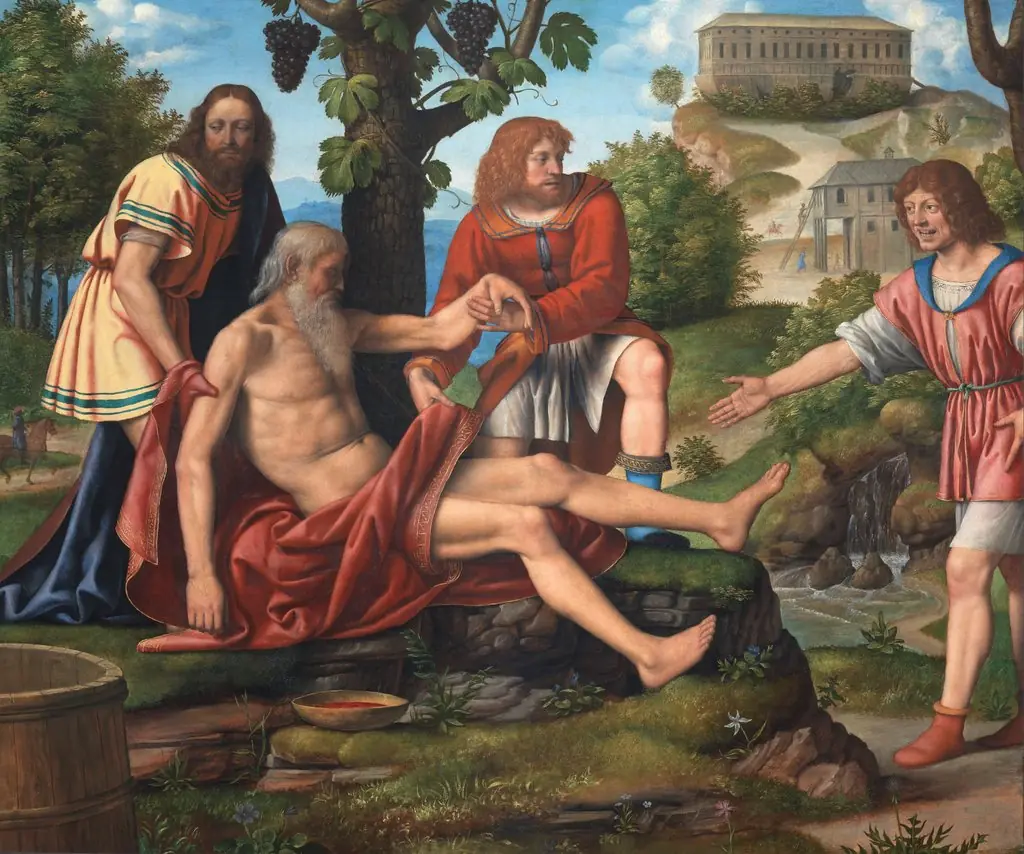
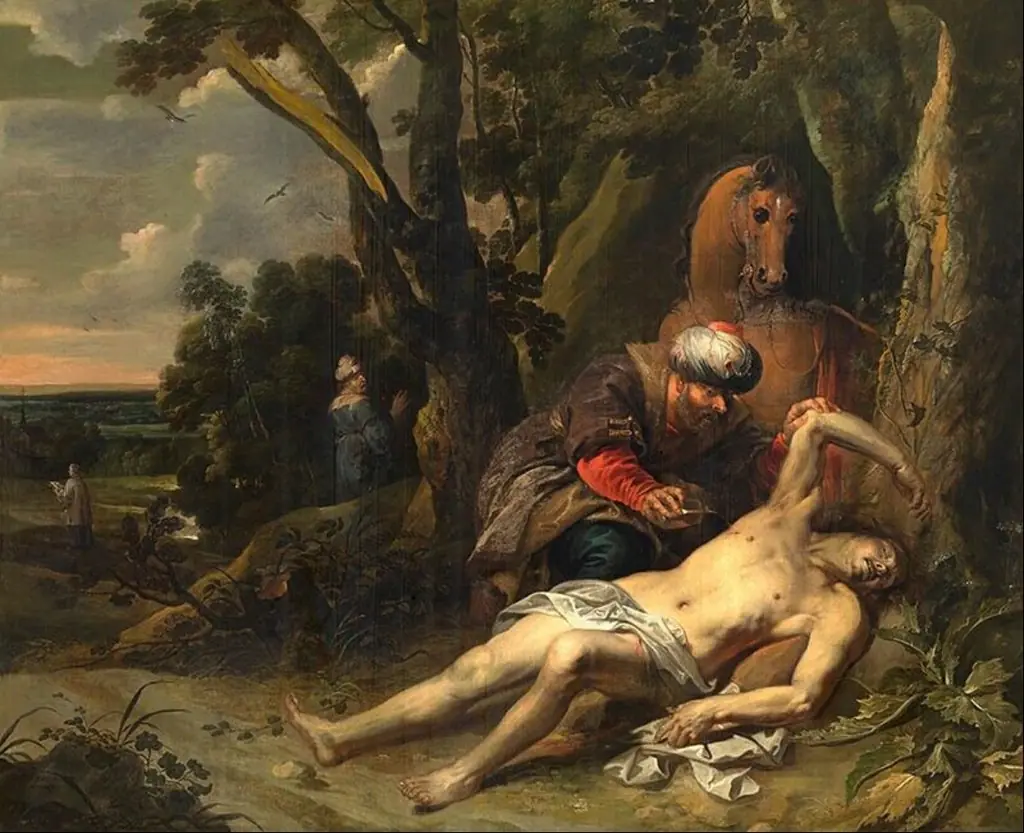
The Good Samaritan is an oil painting by the Mannerist artist Meester van de Barmhartige Samaritaan. It dates from 1537 and is held in the collection of the Rijksmuseum.
About this work
Subject & Meaning
As an oil-on-panel piece, it visually interprets the biblical story, focusing on the central theme of the Good Samaritan's compassion.
The painting depicts the parable of the Good Samaritan, a narrative drawn from religious tradition. Created in 1537 by the Meester van de Barmhartige Samaritaan, the work belongs to the genre of religious art. As an oil-on-panel piece, it visually interprets the biblical story, focusing on the central theme of the Good Samaritan's compassion.
The composition serves as a representation of this specific scriptural event, emphasizing the moral and spiritual lessons associated with the figure of the Samaritan aiding a stranger.
Technique & Style
Created in 1537, this religious painting is executed in oil paint on a panel support. The work measures 74.7 cm in height and 86 cm in width. Attributed to the Meester van de Barmhartige Samaritaan, the piece visually interprets the biblical parable of the Good Samaritan.
The composition utilizes the specific material qualities of oil on wood to render the narrative scene, characteristic of Netherlandish religious art from this period.
History & Provenance
The painting The Good Samaritan, created in 1537 by the Meester van de Barmhartige Samaritaan, is held in the collections of both the Rijksmuseum and the Centraal Museum. Specific inventory or accession numbers for these holdings are not provided in the available records. The provided sources do not contain any information regarding the work's exhibition history.
Legacy
The Good Samaritan, painted in 1537 by Meester van de Barmhartige Samaritaan, has been cited as an influential example of Dutch Golden Age religious imagery. Its composition and treatment of the parable have shaped subsequent interpretations of biblical scenes in Northern European art, contributing to the narrative style seen in later works of the period.
The painting is housed in the Rijksmuseum and Centraal Museum collections, where it is studied for its technical mastery and symbolic depth. Scholars note its role in advancing narrative clarity in religious art, a legacy reflected in later 16th‑century depictions of charity and compassion.
Overview
The Good Samaritan is a 1537 oil painting by Meester van de Barmhartige Samaritaan, housed at the Rijksmuseum. The work depicts a scene from the biblical parable of the Good Samaritan, set amidst a lush, green forest landscape with distant ruins.
Own this work as a print
Artist & collection
Artist
Meester van de Barmhartige Samaritaan
Meester van de Barmhartige Samaritaan (1500–1600) was an artist.