Artwork
The prodigal son
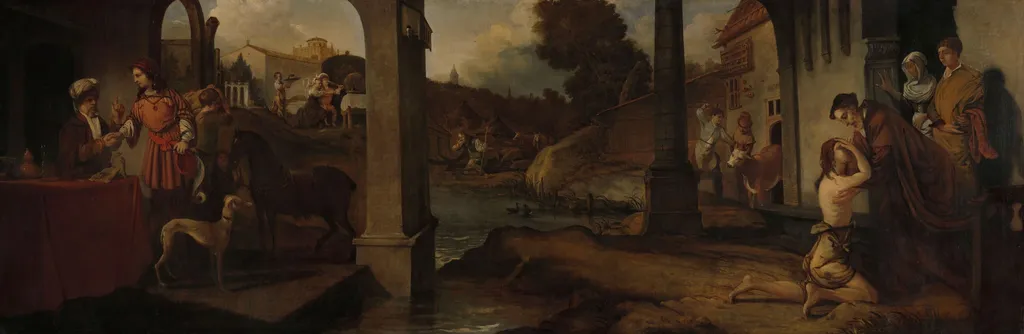
The prodigal son is an oil painting by Barent Fabritius. It dates from 1661 and is held in the collection of the Rijksmuseum.
About this work
Technique & Style
The work is a large-scale religious painting measuring 95 cm in height and 290 cm in width, depicting the Parable of the Prodigal Son.
Created in 1661, The Prodigal Son by Barent Fabritius is executed in oil paint on a canvas support. The work is a large-scale religious painting measuring 95 cm in height and 290 cm in width, depicting the Parable of the Prodigal Son. As a significant example of religious art from the Dutch Golden Age, the piece is currently held in the collection of the Rijksmuseum and the Evangelisch Lutherse kerk.
The extensive horizontal format suggests a composition designed to accommodate a complex narrative scene typical of the genre.
History & Provenance
Barent Fabritius painted The prodigal son in 1661 as an oil on canvas work measuring 95 cm by 290 cm. The painting belongs to the religious genre and depicts the Return of the Prodigal Son, reflecting the Parable of the Prodigal Son. It entered the collection of the Rijksmuseum and the Evangelisch Lutherse Kerk, where it has remained since its creation.
The painting is held by the Rijksmuseum in Amsterdam and is accessioned under the inventory number SK-C-5. It was created by Barent Fabritius in 1661 as an oil on canvas work titled The Prodigal Son, depicting the Return of the Prodigal Son. The artwork has been part of the museum’s collection since its acquisition and was featured in the exhibition "Rijksmuseum Masterpieces" in 2015.
Overview
Barent Fabritius, a Dutch painter born in 1624, completed the oil work The Prodigal Son in 1661. The composition presents an interior scene divided into two groups: a well‑dressed man in red and gold converses with a dark‑cloaked figure, while a shirtless youth lies on the floor being tended by a woman and a man in brown. Light streams through arched windows, illuminating faces and garments against deep shadows.
Subject & Meaning
The painting visualises the biblical parable of the prodigal son’s return, emphasizing the moment of reconciliation and forgiveness. The exhausted, naked youth represents the repentant son, while the surrounding figures, family members and servants, suggest a domestic setting in which the moral lesson of redemption is enacted.
Context
Fabritius worked alongside his brothers in a workshop shaped by Rembrandt’s dramatic lighting and narrative clarity. The choice of the prodigal son theme aligns with 17th‑century Dutch interest in moralizing biblical stories, often rendered for private devotional settings.
Artist & collection
Artist
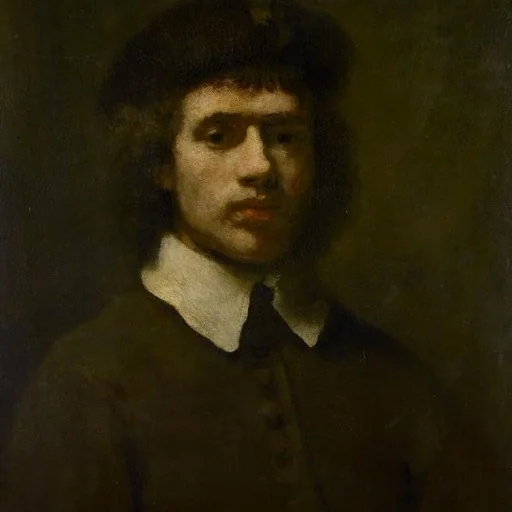
Barent or Bernard Pietersz Fabritius (or Fabricius) (bapt. 16 November 1624 – bur. 20 October 1673), was a Dutch painter. Fabritius was born at Middenbeemster, North Holland, the son of Pieter Carelsz. Fabritius. He…

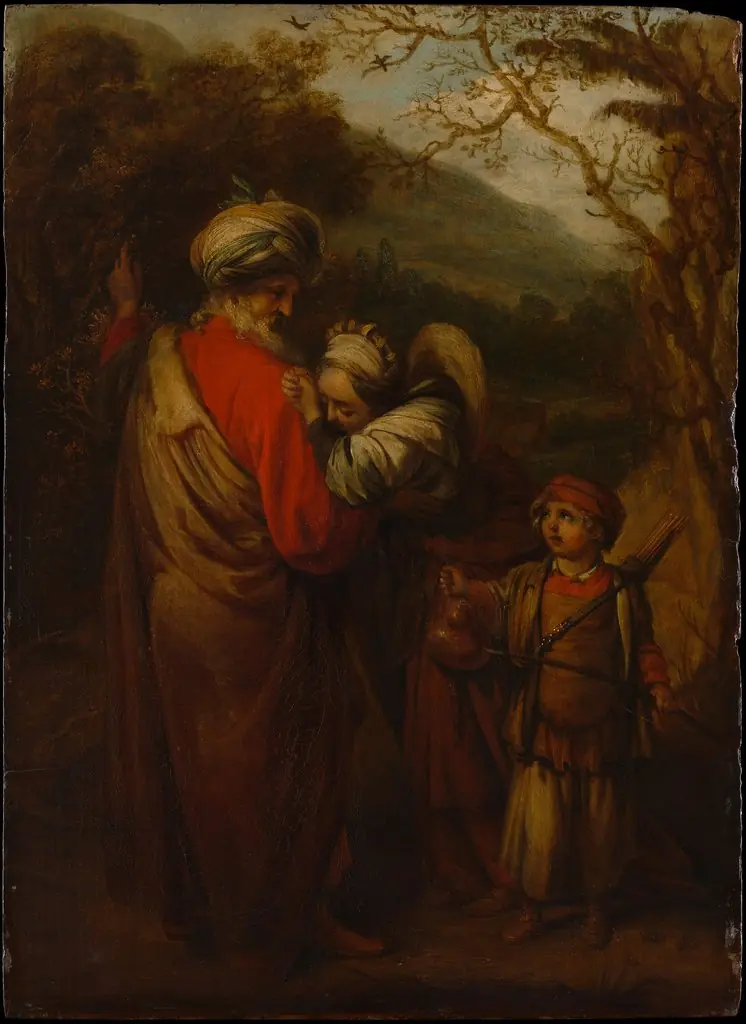 Abraham Dismissing Hagar and Ishmael
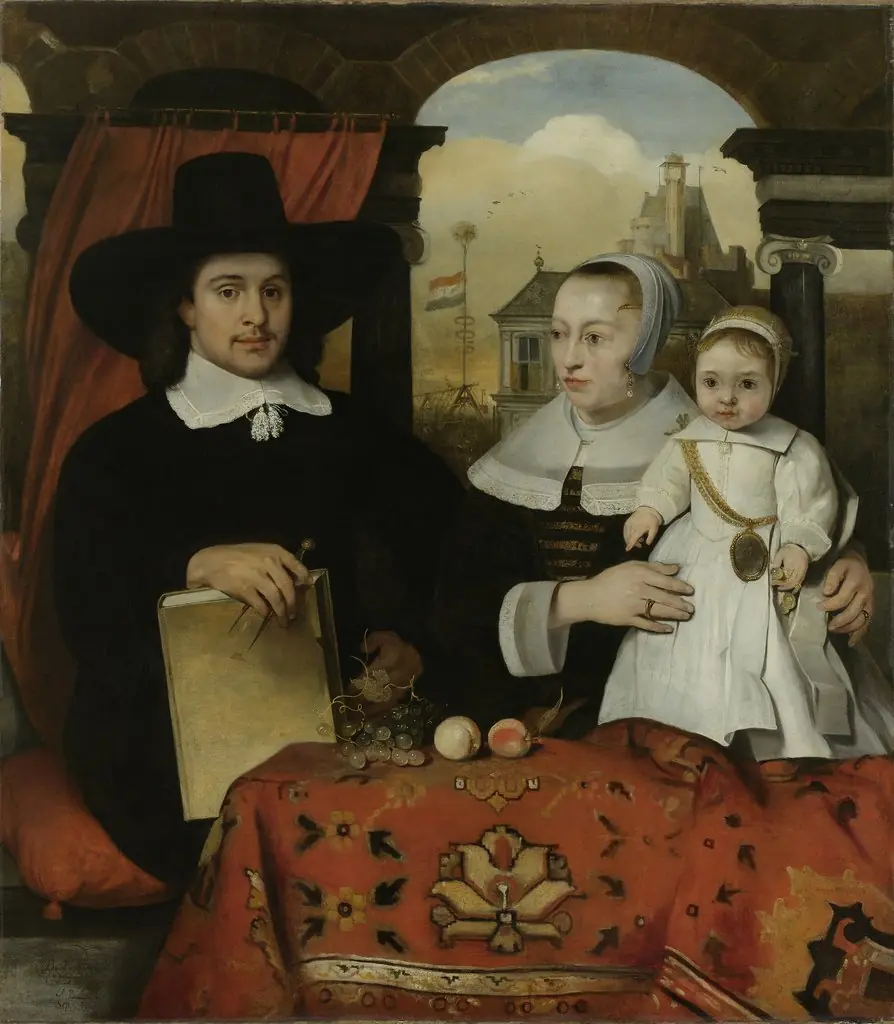 Willem van der Helm (ca 1625-75). Municipal architect of Leiden, with his wife Belytgen Cornelisdr van de Schelt and their son Leendert
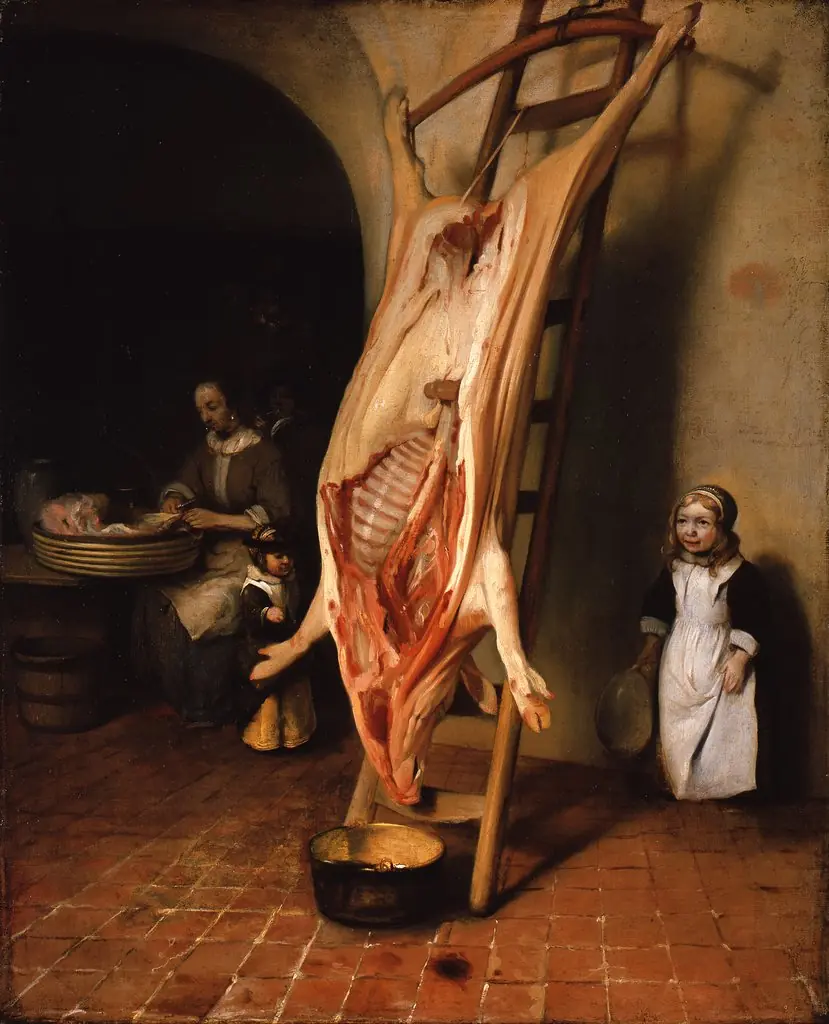 The butchered pig
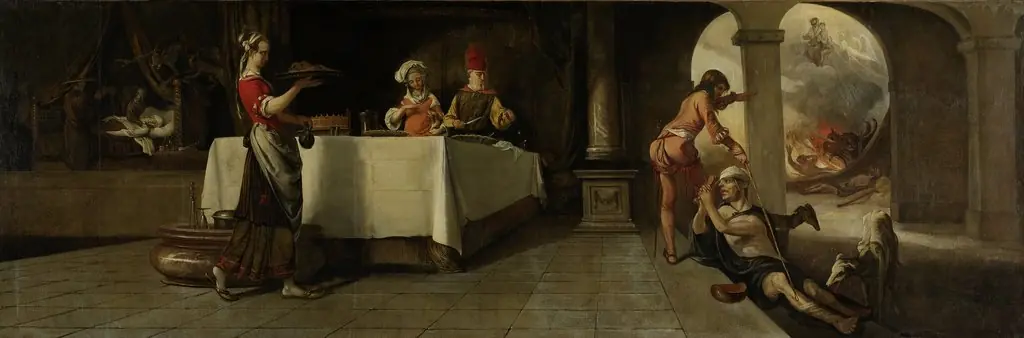 Lazarus and the rich man
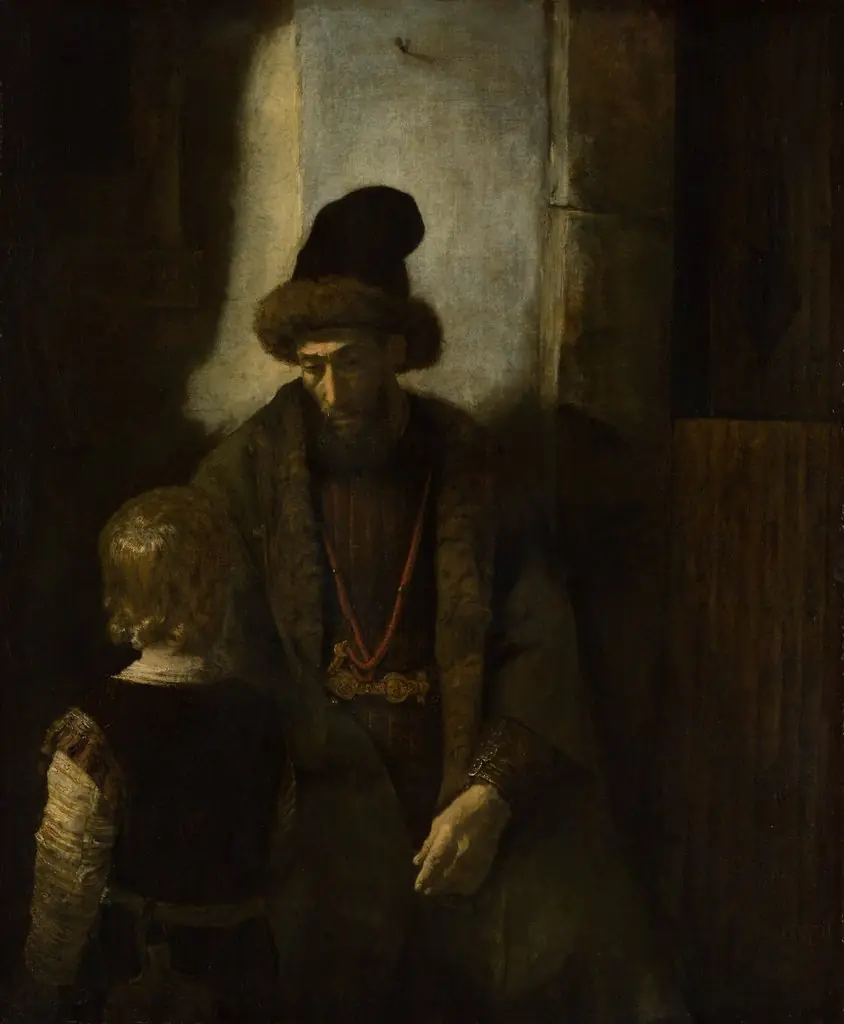 Jacob's Farewell to Benjamin
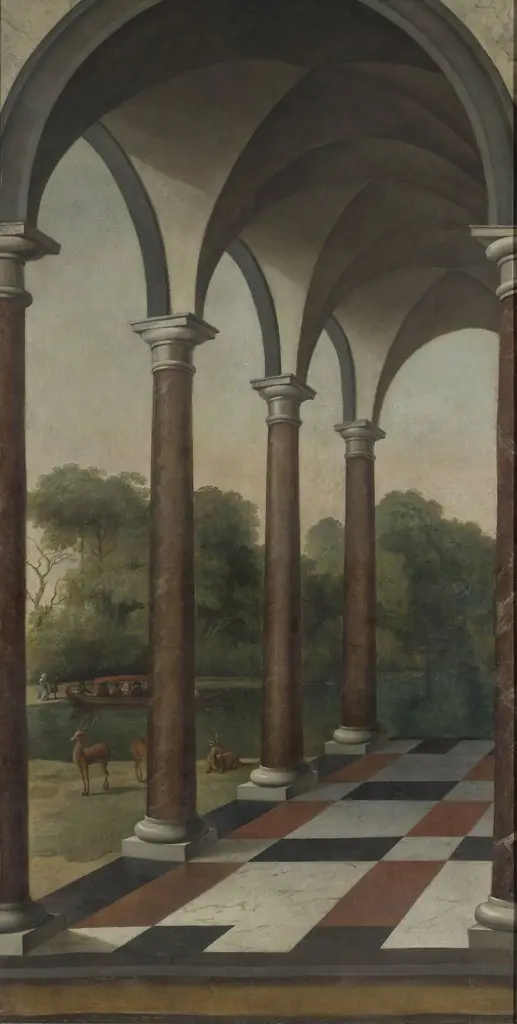 Colonnade giving onto a park
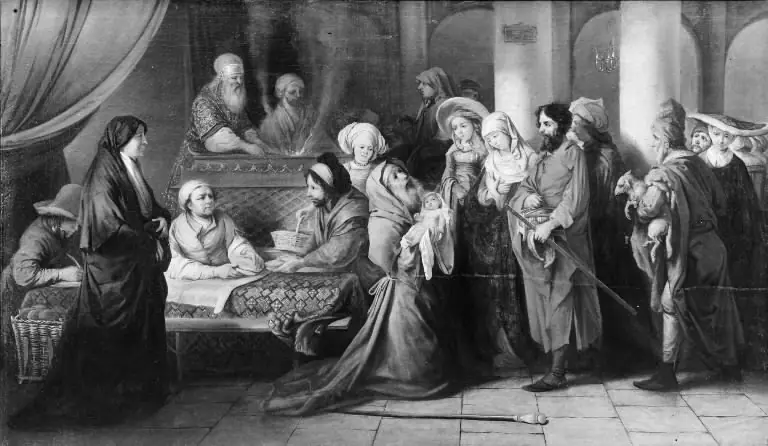 The Presentation at the Temple
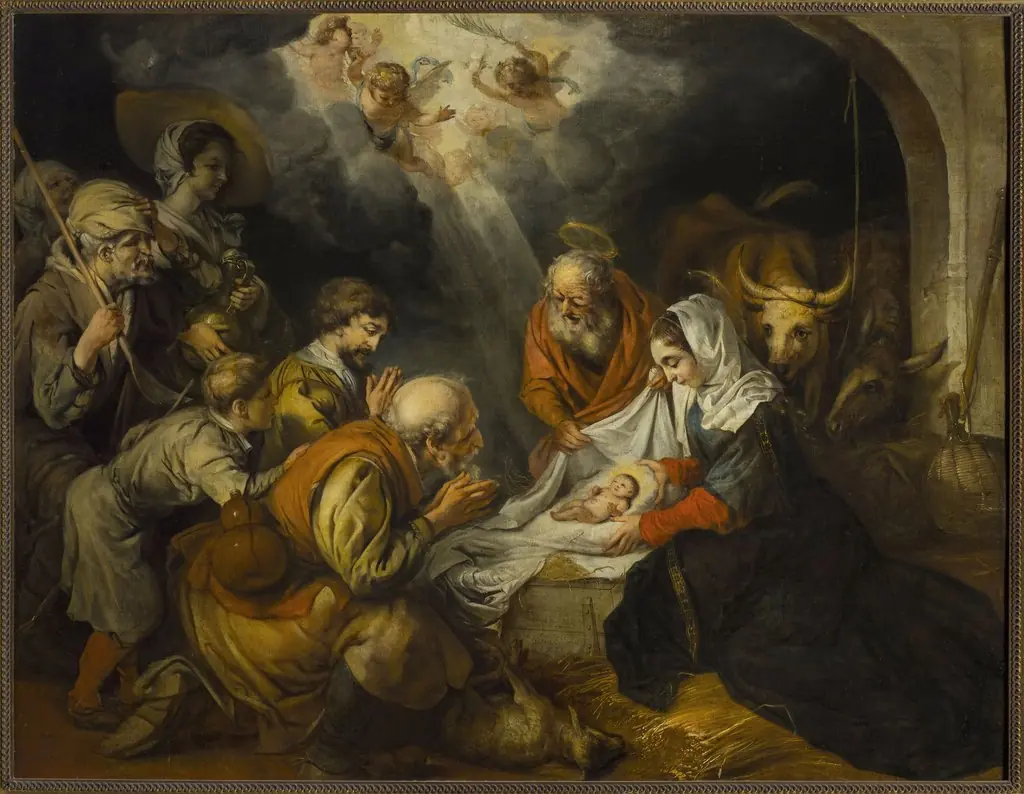 Adoration of the Shepherds (Luke 2:16-17)
- The Prodigal Son
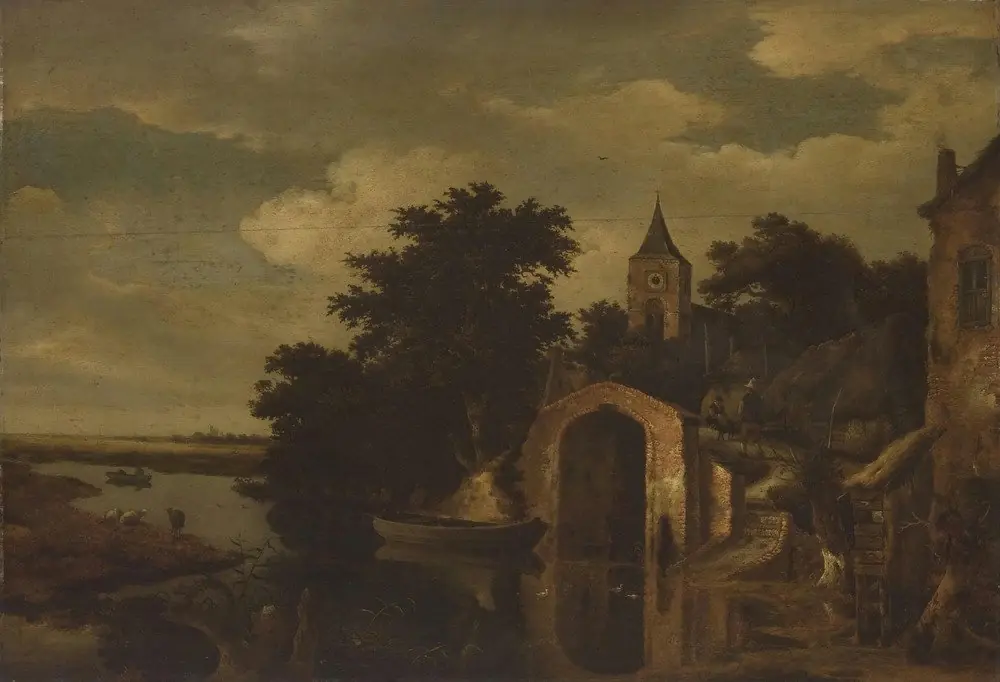 Landscape with a Canal
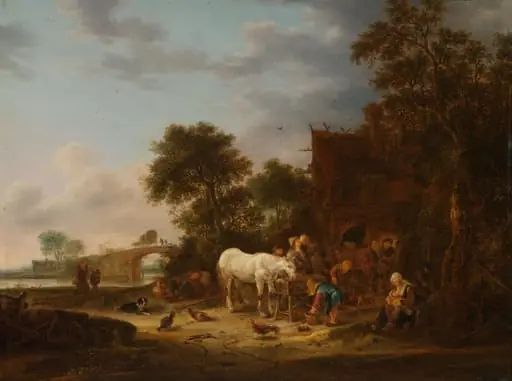 Country inn with a horse at the trough
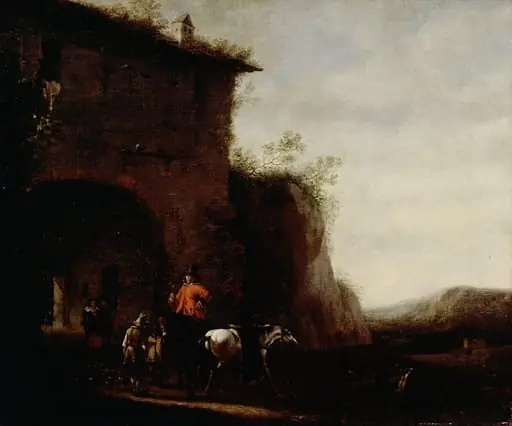 Metsästykseen lähtö
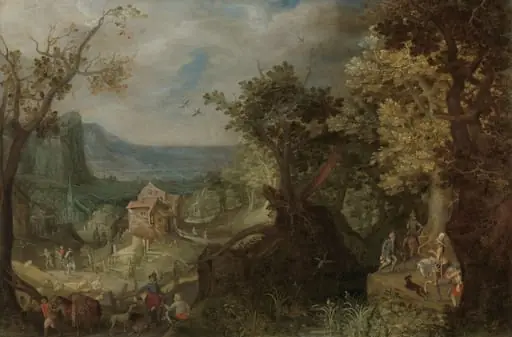 Hunter and Horsemen on a Wooded Road, with a Village in a Valley beyond
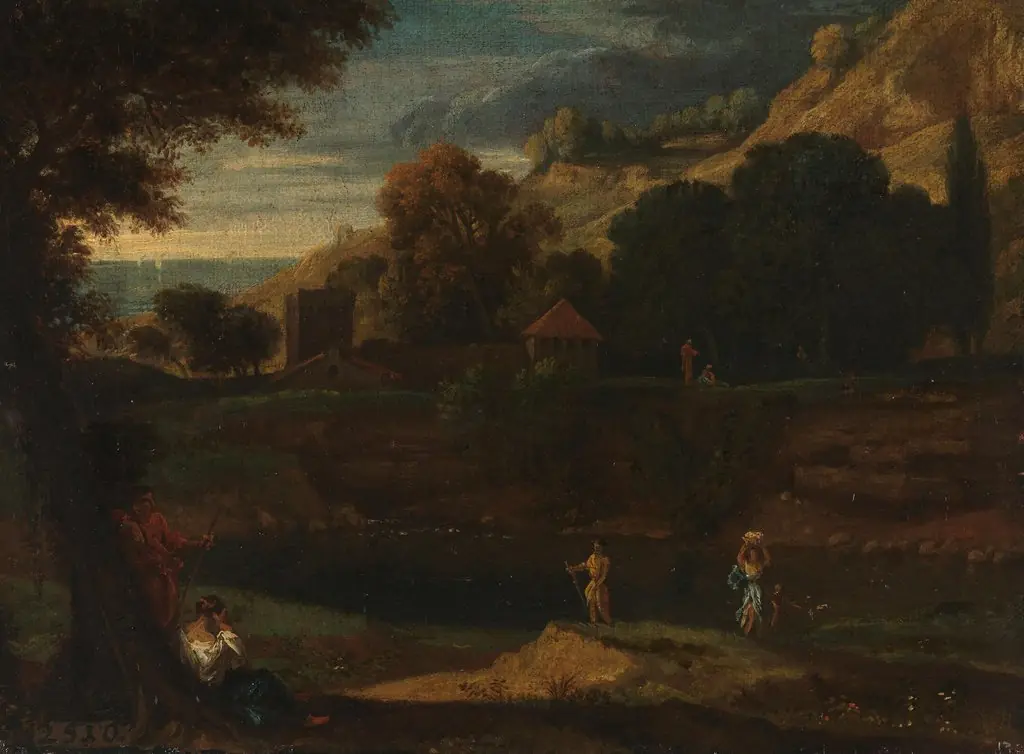 Klassische Landschaft (Umkreis)
 River landscape
 Italina landscape with round tower
 Swedish landscape with a watermill
 Landskab med ruiner
 Landschaft mit drei Bauern
 Country inn with a horse at the trough