Artwork
Classical Landscape with Ruins
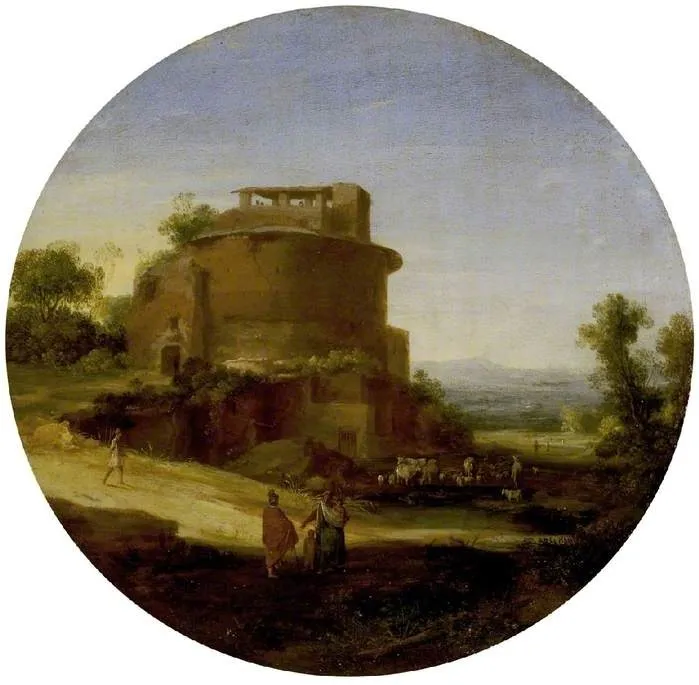
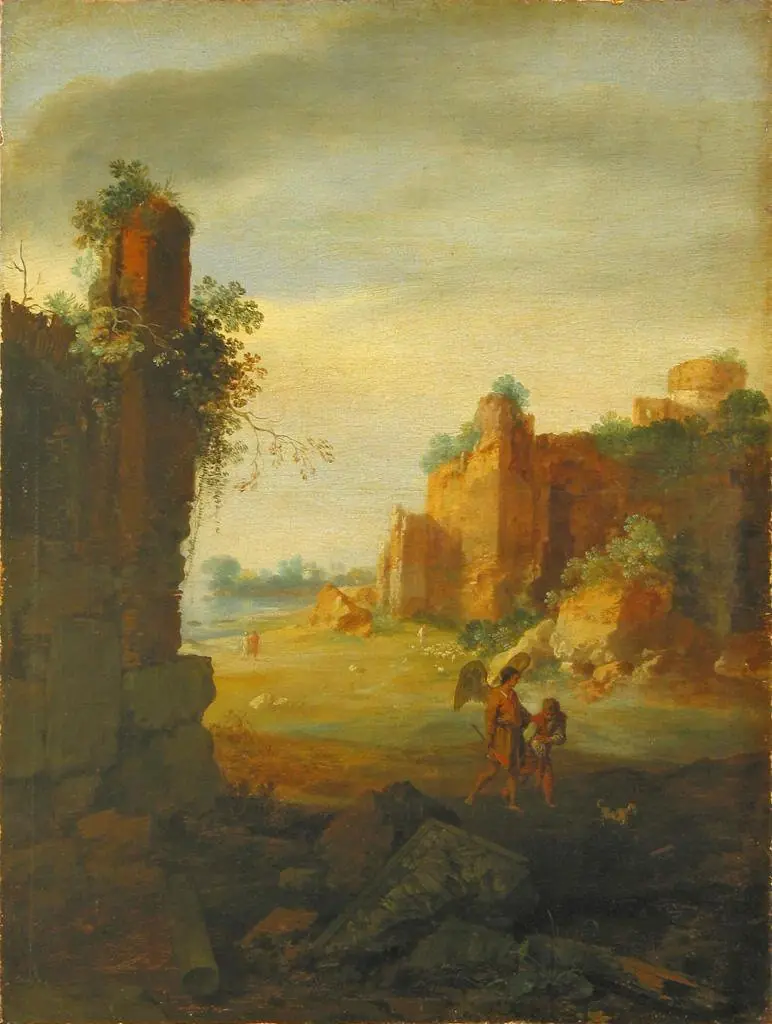
Classical Landscape with Ruins is an oil painting by the Dutch Golden Age artist Bartholomeus Breenbergh. It dates from 1630 and is held in the collection of the Fitzwilliam Museum.
About this work
Overview
Bartholomeus Breenbergh’s Classical Landscape with Ruins (1630) is a small-scale work executed on copper. The composition presents a tranquil countryside scene framed by a dilapidated classical structure topped by a tower, with a few figures positioned in the foreground and a distant body of water beyond a line of trees.
Subject & Meaning
The painting juxtaposes the remnants of antiquity, a crumbling building and tower, with a serene natural setting, suggesting a reflection on the passage of time and the coexistence of human history and the landscape. The modest human presence underscores the dominance of nature and the lingering echo of the past.
Technique & Style
Rendered in a muted palette of earthy tones, Breenbergh employs delicate brushwork to model the stone and foliage, while a light blue sky provides atmospheric depth. The copper support allows for fine detail and a luminous surface, enhancing the sense of calm and spatial recession.
History & Provenance
Created during Breenbergh’s Roman period (1619‑1630), the work reflects his immersion in Italianate scenery before his return to Amsterdam. It entered the collection of the Fitzwilliam Museum, where it remains catalogued as part of the Dutch Golden Age holdings.
Context
Breenbergh was among a group of Dutch artists who traveled to Italy and incorporated classical ruins and Mediterranean light into their landscapes. This painting exemplifies the cross‑cultural exchange that defined the Italianate genre within the broader Dutch Golden Age movement.
Artist & collection

Artist
Bartholomeus Breenbergh (before 13 November 1598 – after 3 October 1657) was a Dutch Golden Age painter of Italian and Italianate landscapes, in Rome (1619-1630) and Amsterdam (1630-1657).

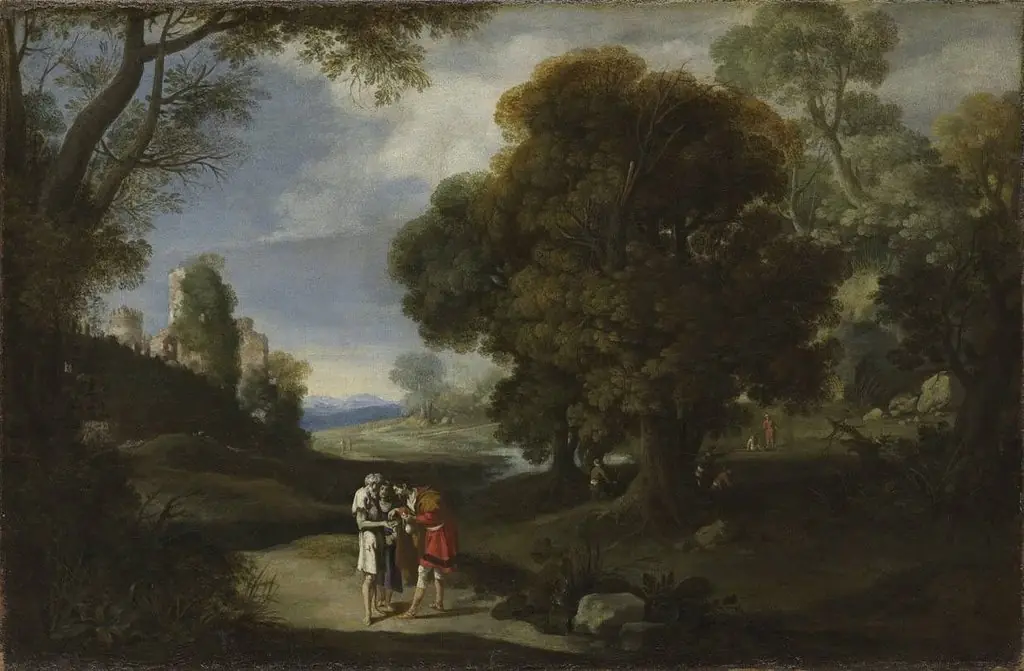
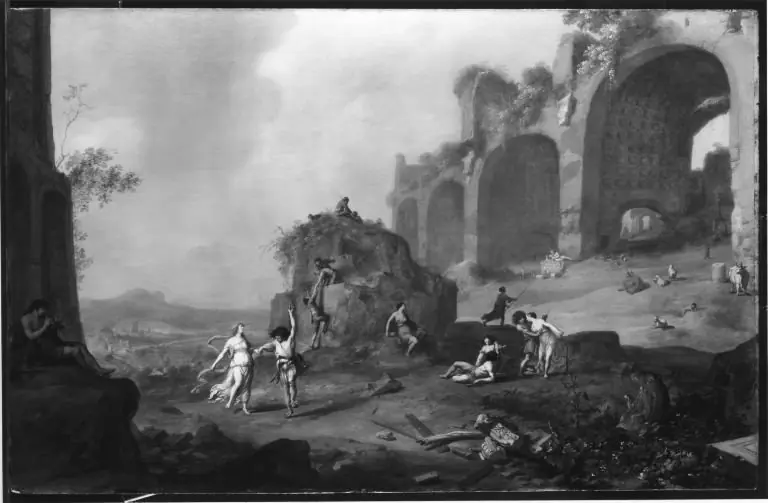
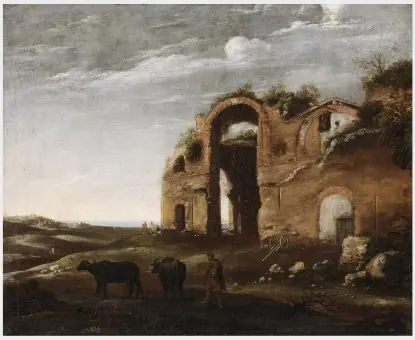 Landscape with the Ruins of the Baths of Diocletian, Rome
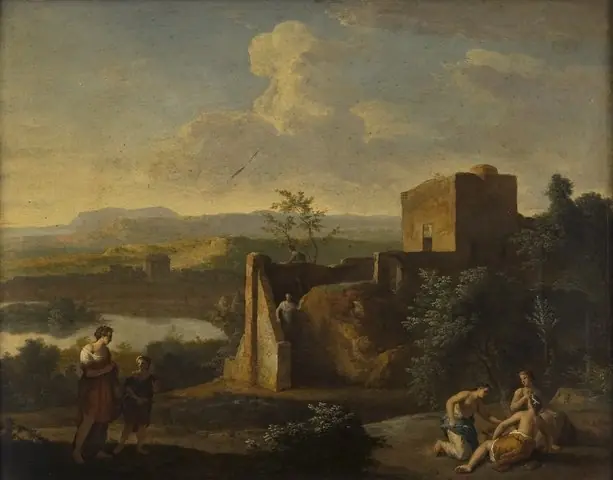 Idyllic Landscape with Watch-tower
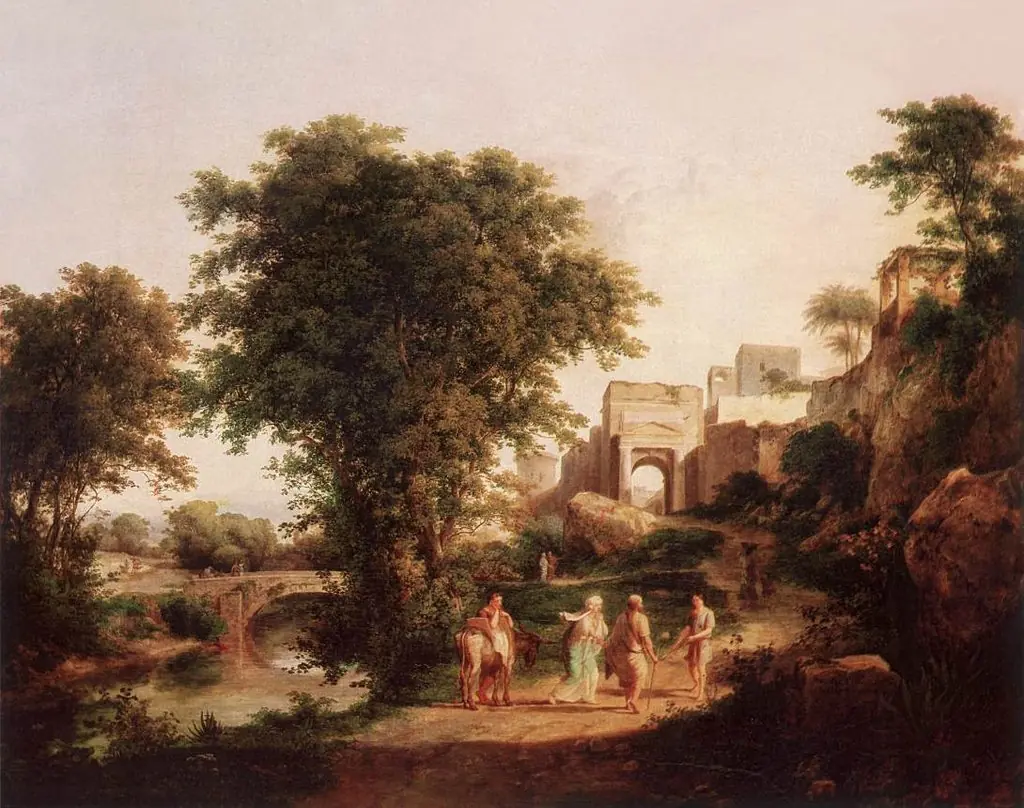 From the Pearl of Holy Antiquity
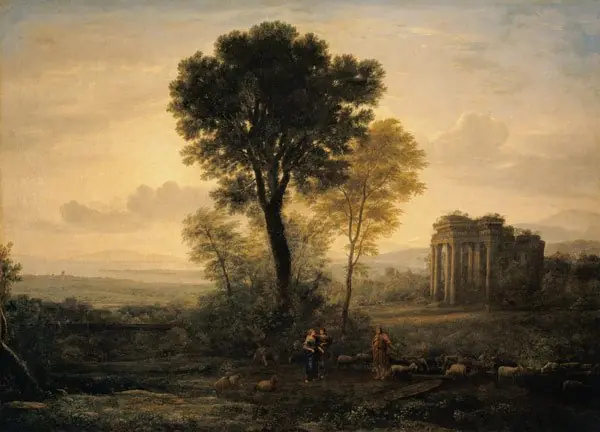 Landscape with Jacob, Rachel and Leah at the Well (Morning)
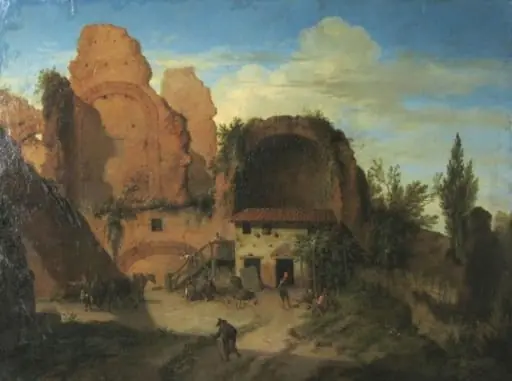 Ruină cu cârciumă țărănească
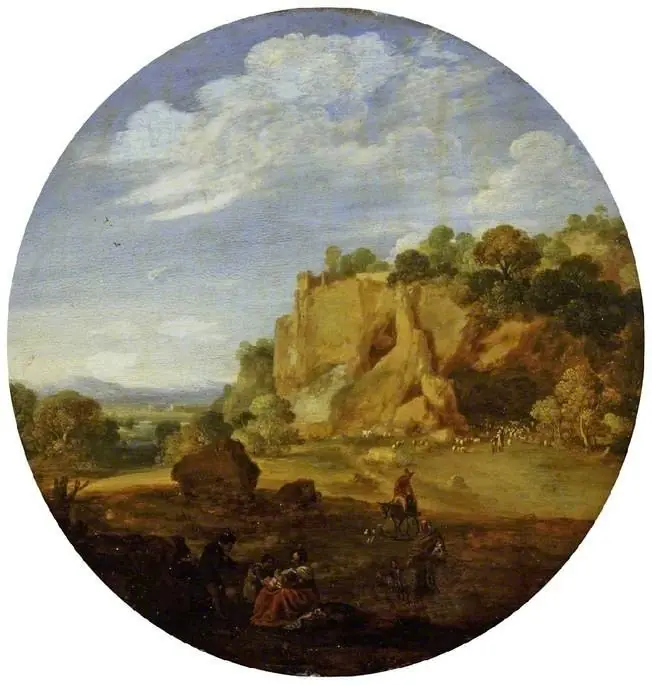 Classical Landscape with Rocks
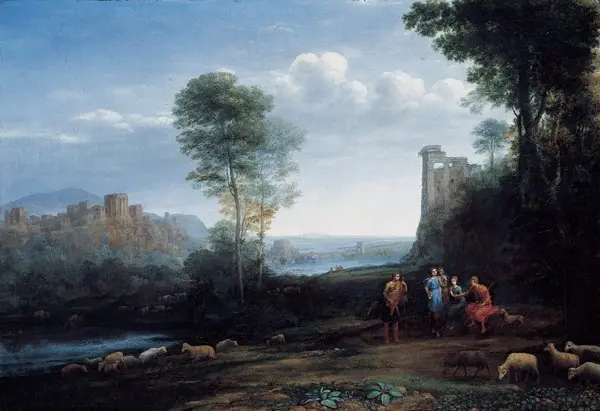 Pastoral Landscape
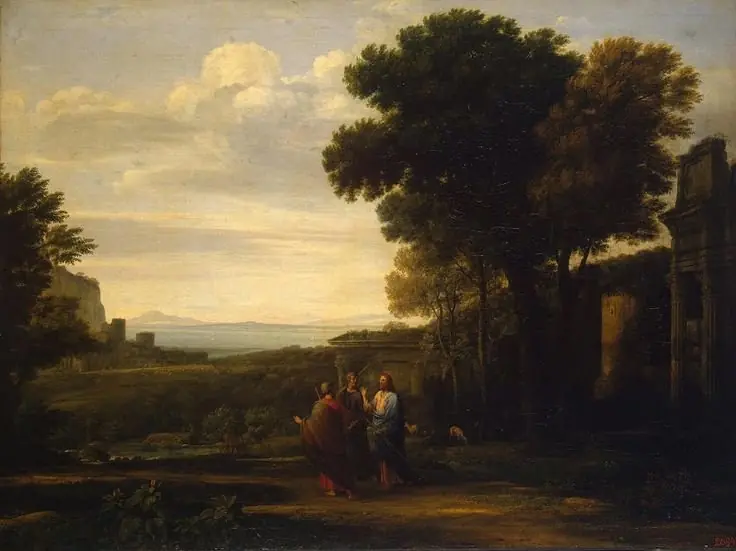 Landscape with Christ on the Road to Emmaus