Artwork
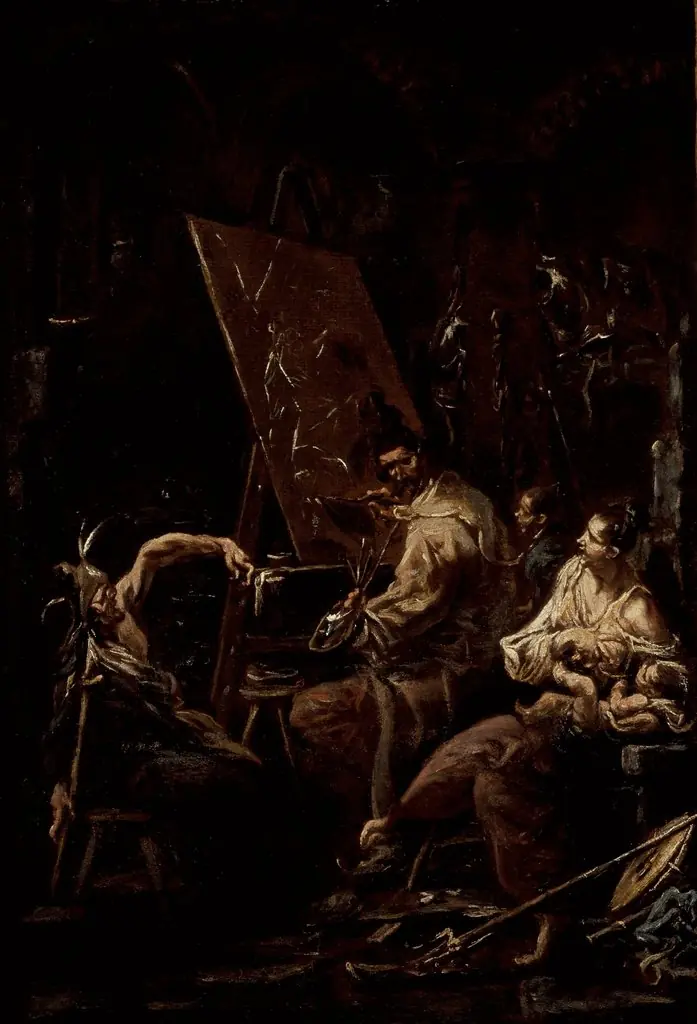
Saint Luke painting the Virgin
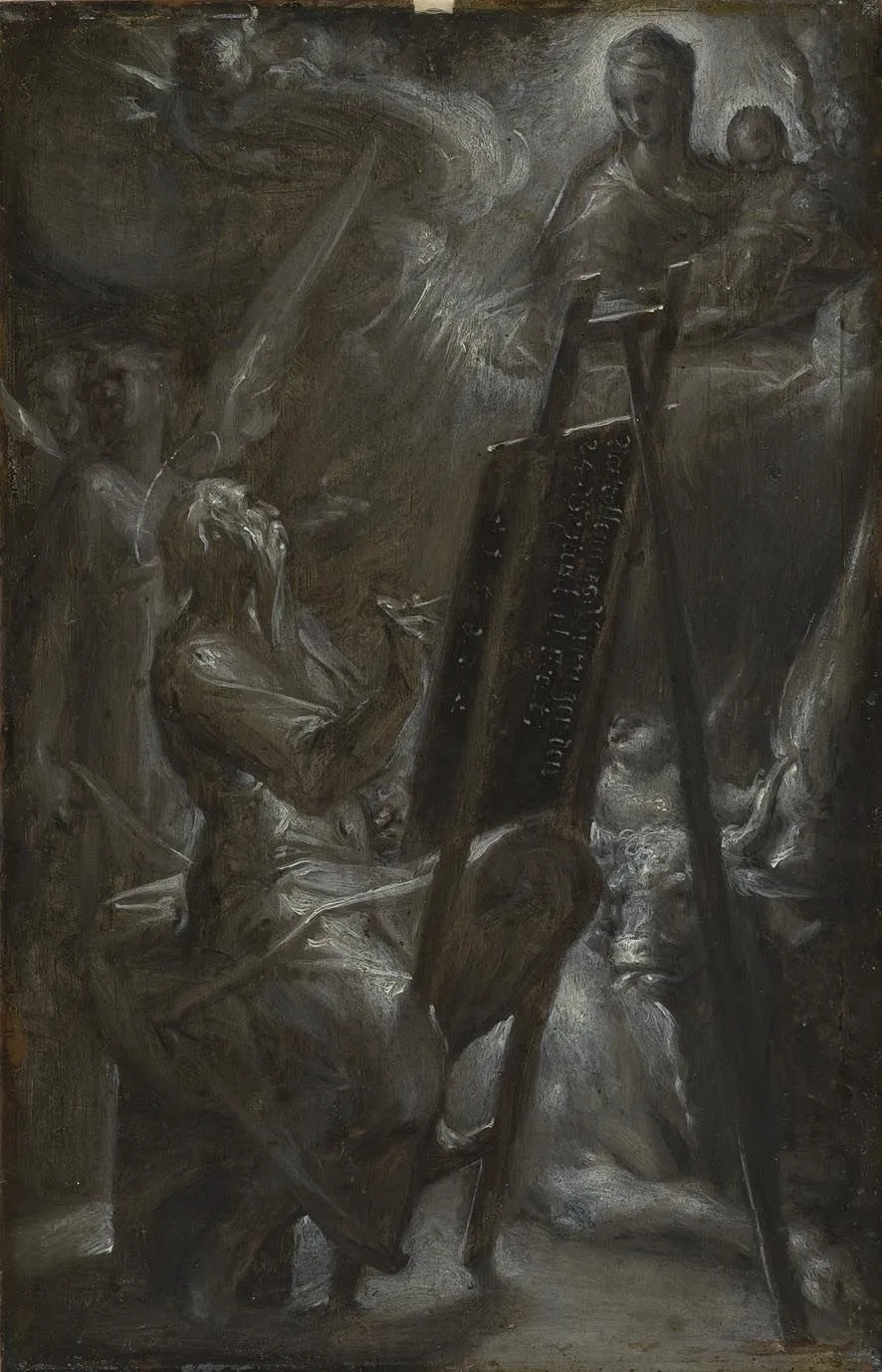
Saint Luke painting the Virgin is an unspecified painting by the Mannerist artist Bartholomeus Spranger. It dates from 1592 and is held in the collection of the Bavarian State Painting Collections.
About this work
Subject & Meaning
The composition underscores the Counter‑Reformation theme of sacred storytelling through art, presenting the act of painting as a devotional practice.
The painting shows Saint Luke depicted as an evangelist in the act of creating an image of the Virgin Mary, emphasizing his role as a divine witness and artistic conduit. Luke is identified by his traditional attributes, a writing quill and an open book, while the Virgin is portrayed with symbolic humility, surrounded by subtle cues of celestial light. The composition underscores the Counter‑Reformation theme of sacred storytelling through art, presenting the act of painting as a devotional practice.
The work belongs to the religious genre of the late Renaissance and reflects the devotional emphasis on evangelist narratives within Bavarian ecclesiastical contexts.
History & Provenance
Bartholomeus Spranger painted Saint Luke painting the Virgin in 1582, which entered the Bavarian State Painting Collections and remains on display at the Alte Pinakothek.
The work depicts Saint Luke in the act of creating an image of the Virgin Mary, reflecting Counter-Reformation interests in saintly exemplars for artistic practice.
Its early provenance is tied to the Bavarian court, where it was acquired as part of the Elector's expanding collection of Northern Mannerist paintings.
The painting's creation history aligns with Spranger's mature period in Prague, where he served as court painter to Emperor Rudolf II before relocating to Brussels.
The painting is held in the Bavarian State Painting Collections and is on view at the Alte Pinakothek in Munich. Its dimensions are recorded as 18.3 cm in height by 12 cm in width. Dated 1582, the small religious panel depicts Saint Luke painting the Virgin and is attributed to Bartholomeus Spranger.
No specific inventory or accession number is documented in the available sources, nor is any exhibition history recorded beyond its placement within the Bavarian State Painting Collections.
Overview
Bartholomeus Spranger, a Flemish painter employed by Emperor Rudolf II in Prague, completed the work titled Saint Luke painting the Virgin in 1592. Executed for the imperial court, the canvas now belongs to the Alte Pinakothek in Munich. The composition presents a dimly lit interior where three figures are arranged in a dramatic play of light and shadow.
Technique & Style
Spranger employs a stark chiaroscuro that carves the figures from deep shadows, allowing illuminated areas to glow against near‑black backgrounds. The brushwork is notably thick and uneven, imparting a textured surface that conveys both immediacy and a tactile quality. Elongated, elegantly posed bodies reflect the Northern Mannerist taste for refined elongation and sensual poise.
Context
Spranger’s work sits at the intersection of Netherlandish detail and Italian Mannerist elegance, a synthesis encouraged by Rudolf II’s eclectic taste. The painting reflects the late‑sixteenth‑century fascination with the divine artist motif, linking religious reverence with the burgeoning status of the painter as a learned professional.
Artist & collection
Artist
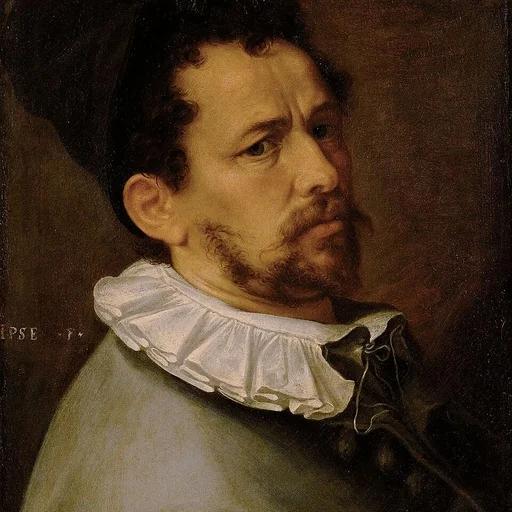
Bartholomeus Spranger or Bartholomaeus Spranger (21 March 1546 – 27 June 1611) was a Flemish painter, draughtsman, sculptor, and designer of prints.

 The Artist's Studio
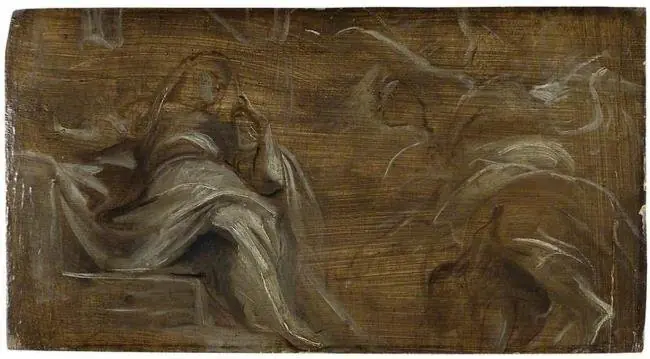 The Annunciation
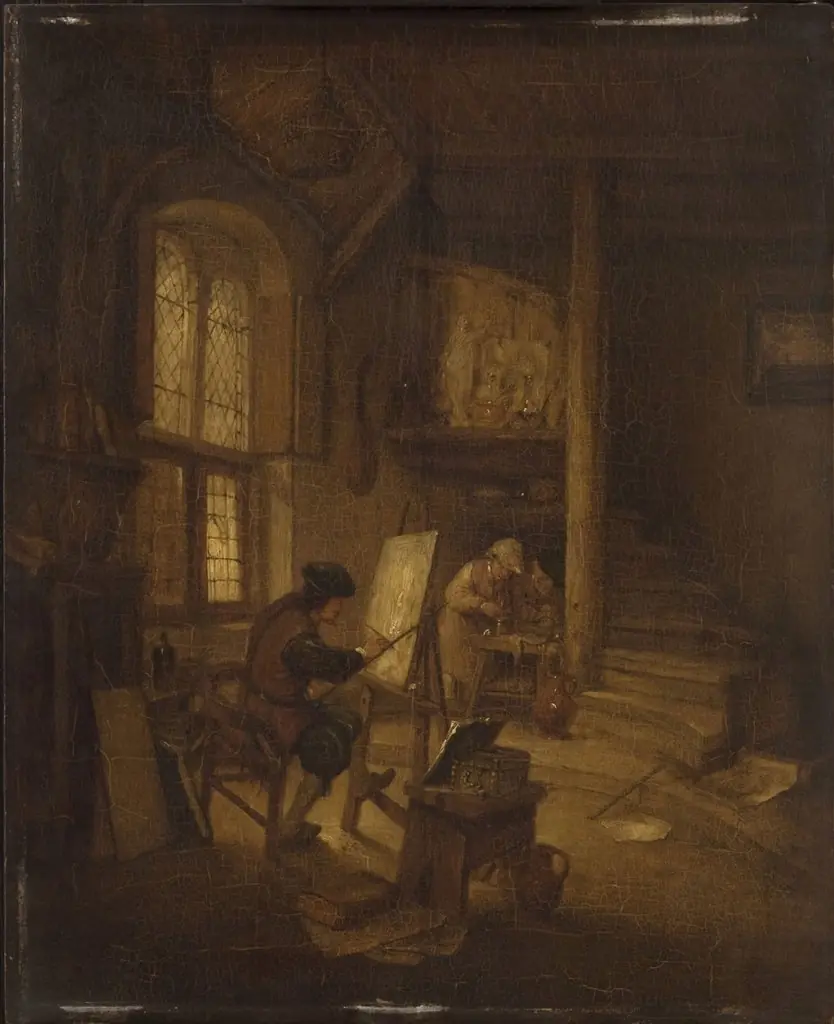 Painter in His Studio
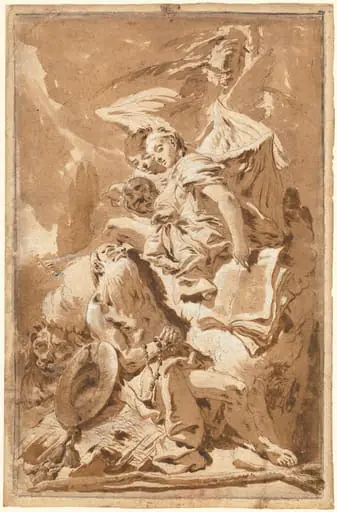 Saint Jerome in the Desert Listening to the Angels
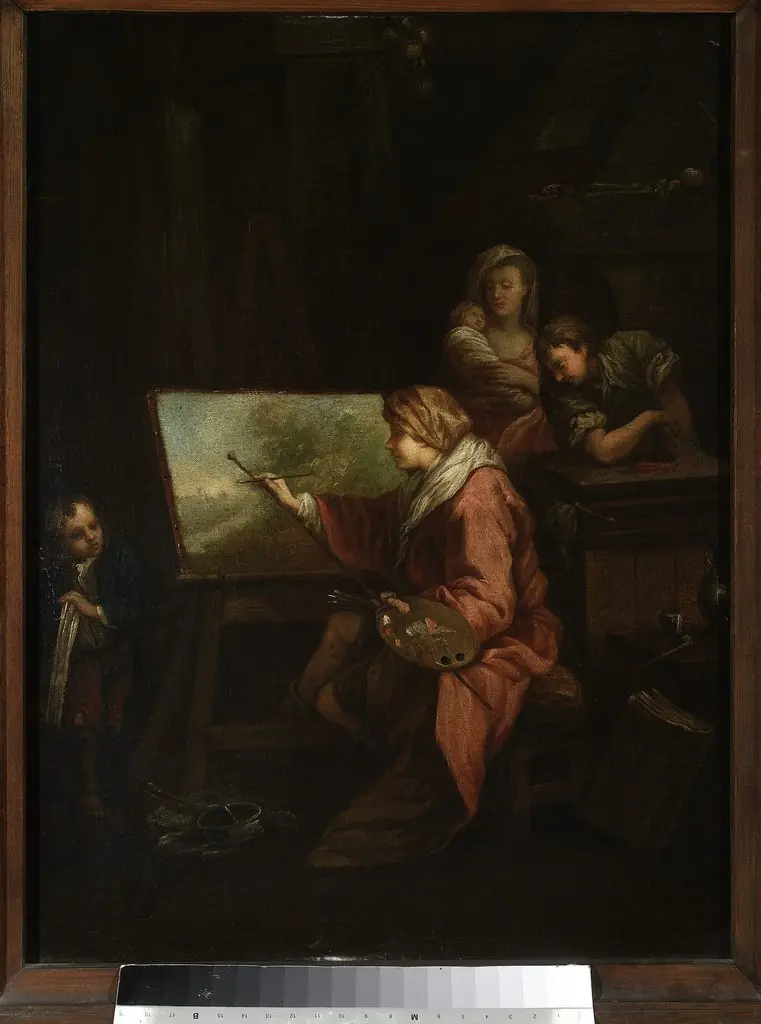 In the painter's studio (“Le peintre de paysage” or “Le peintre a son chevalet”)
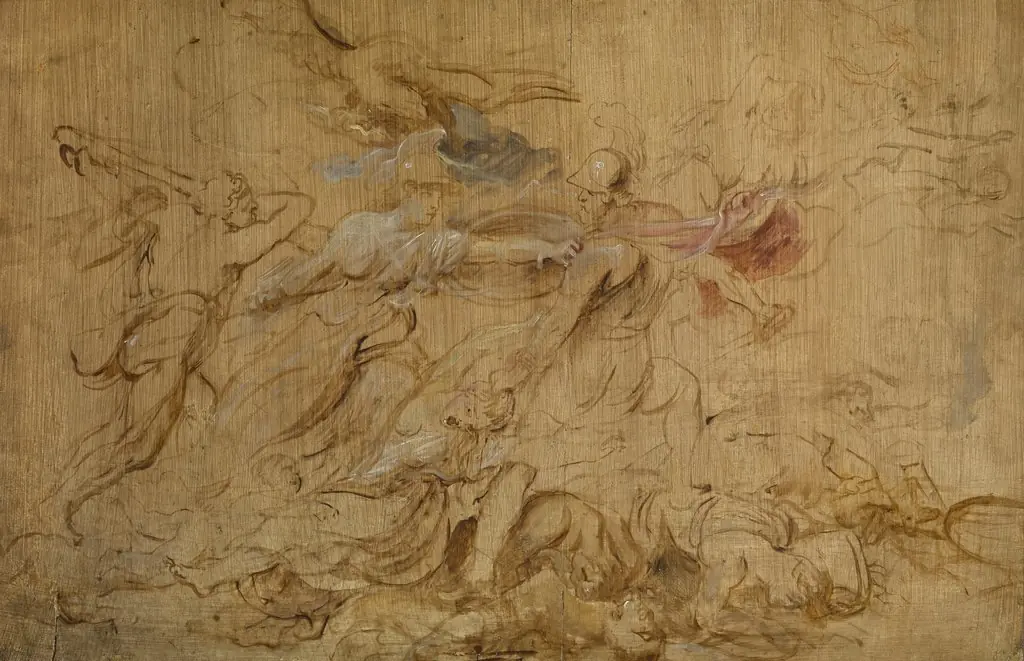 Hercules and Minerva expelling Mars
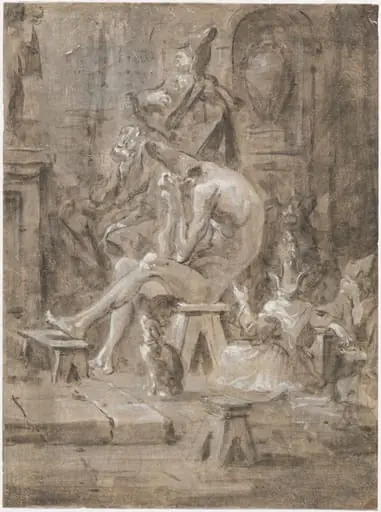 A Penitent at a Quaker Sermon
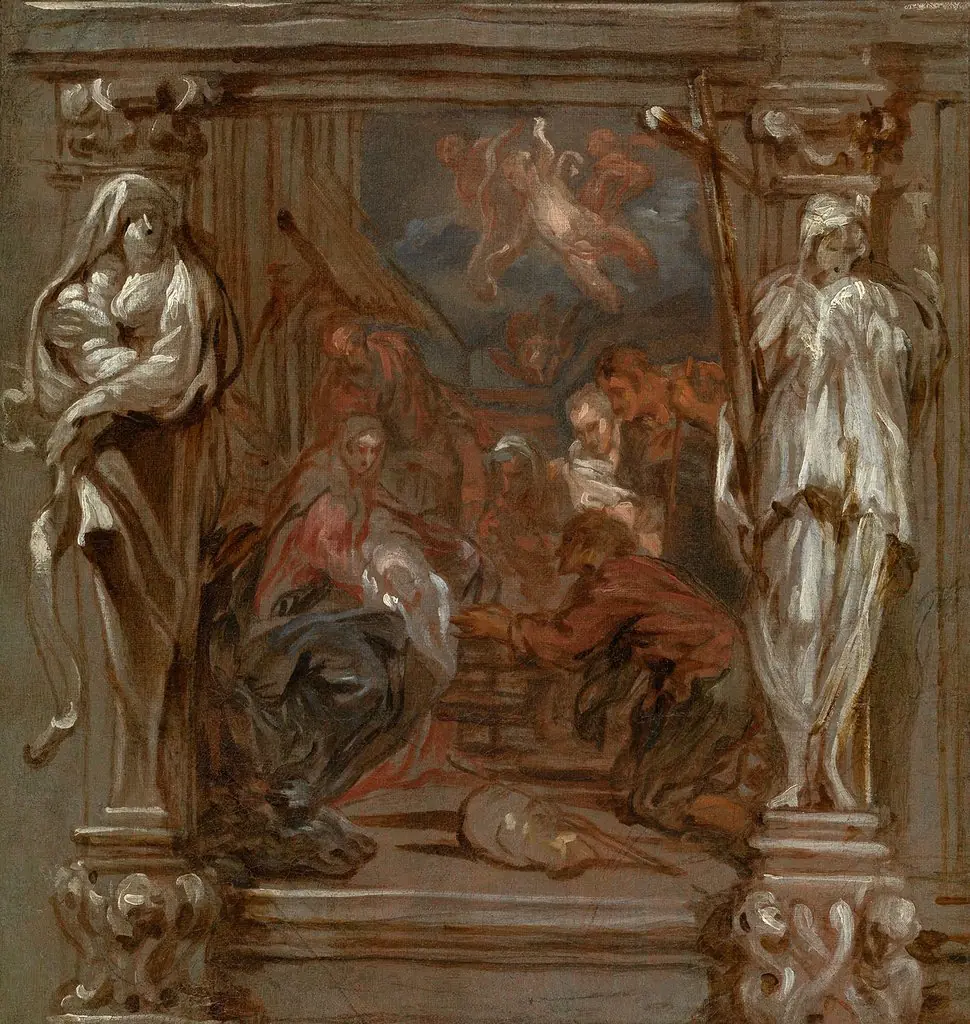 Adoration of the shepherds
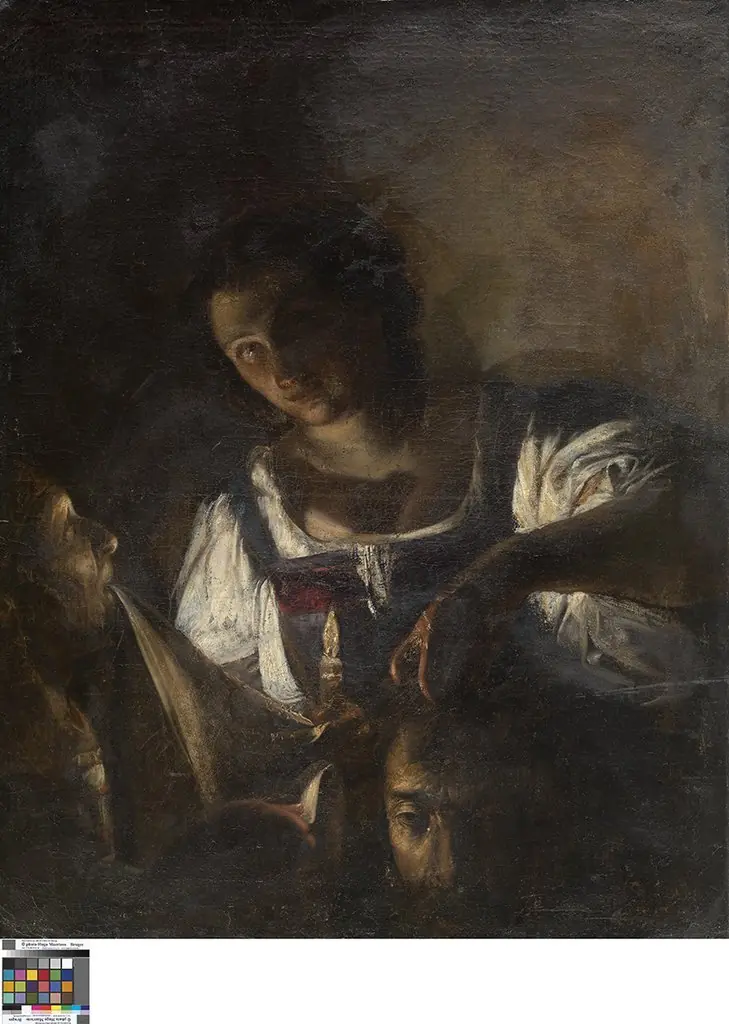 Judith with the head of Holofernes
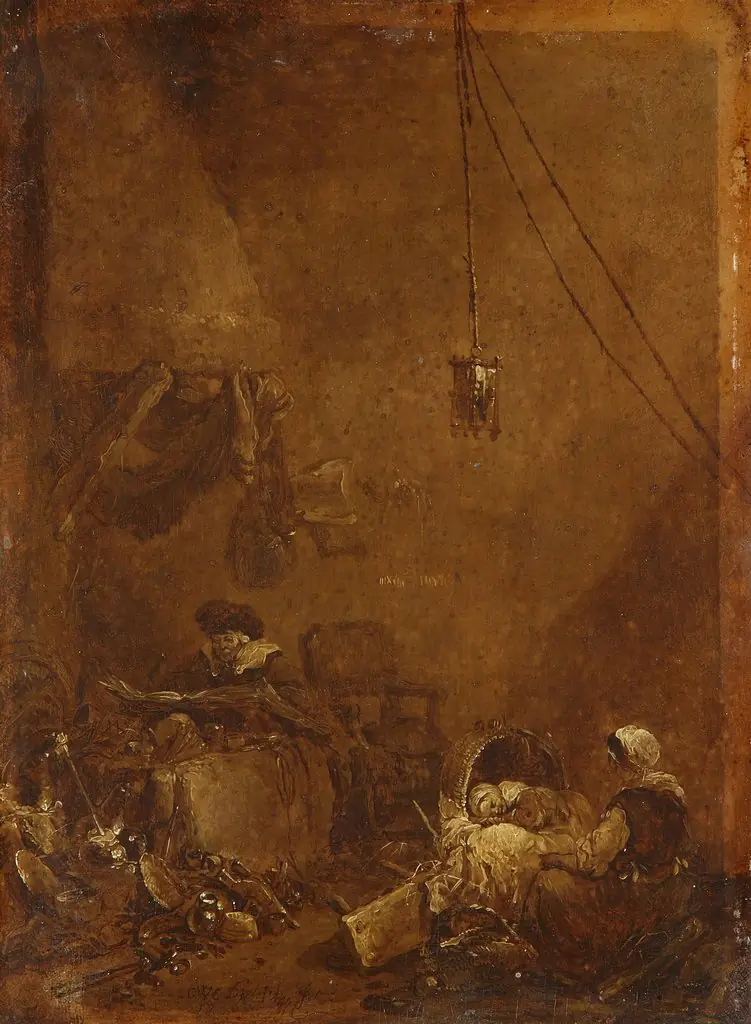 An Alchemists' Workshop
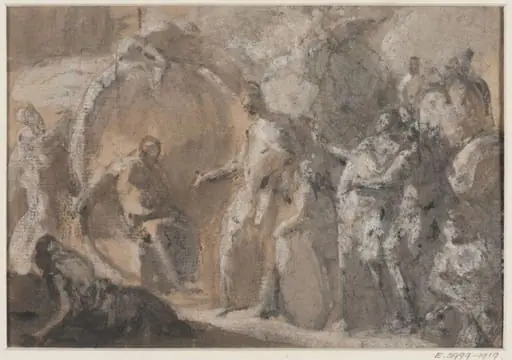 Diogenes visited by Alexander the Great
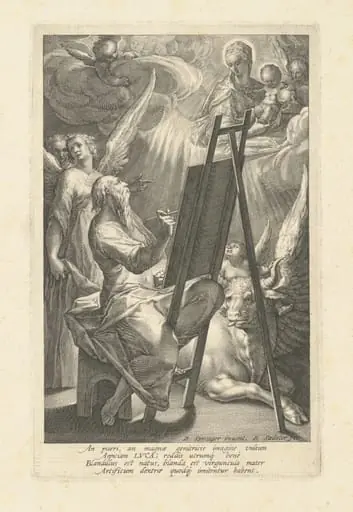
- Saint Luke Painting the Virgin