Artwork
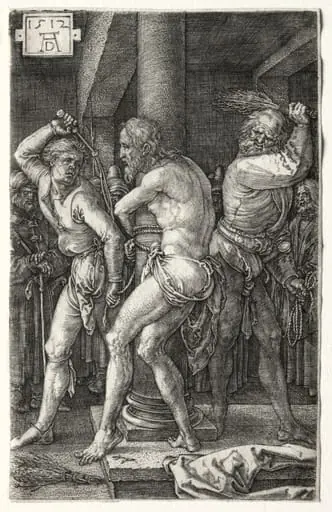
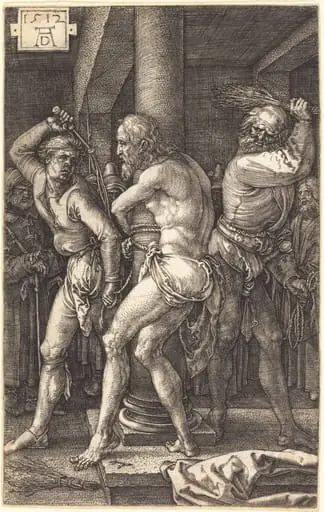
The Flagellation of Christ
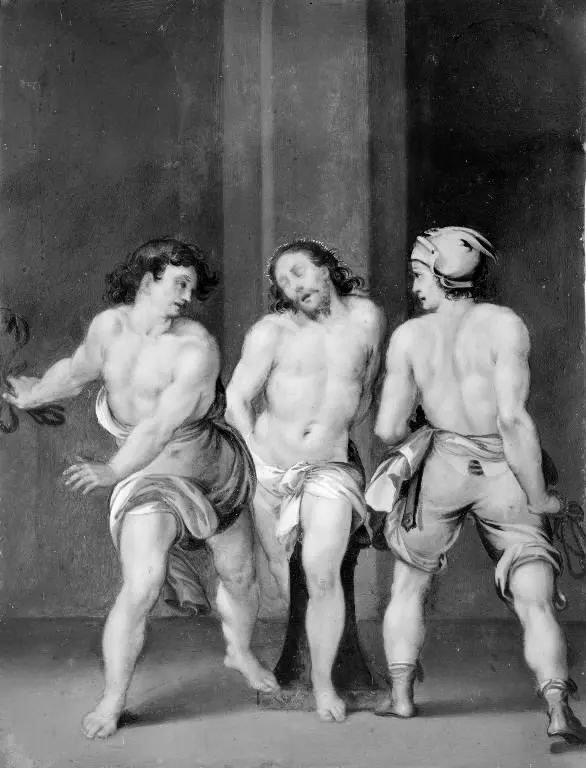
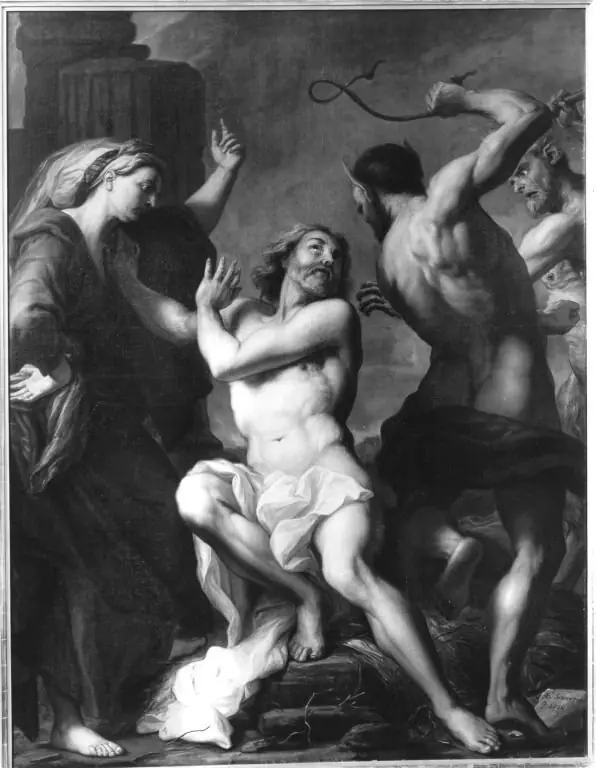
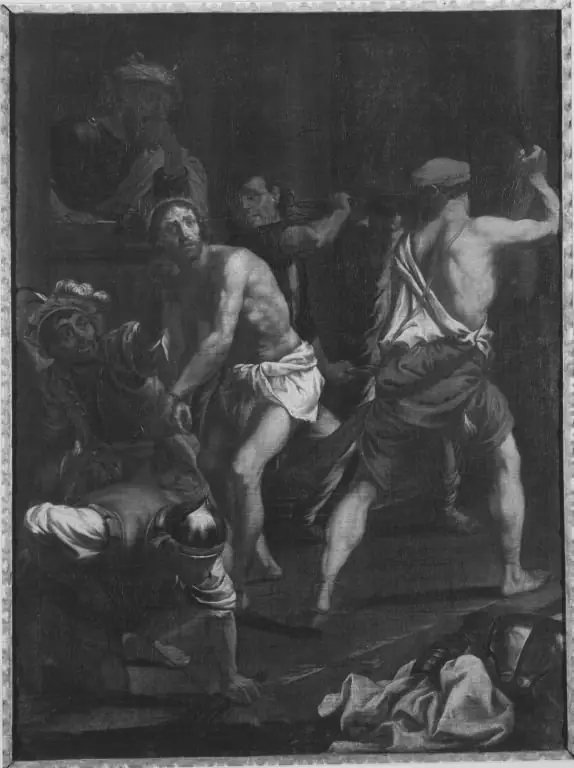
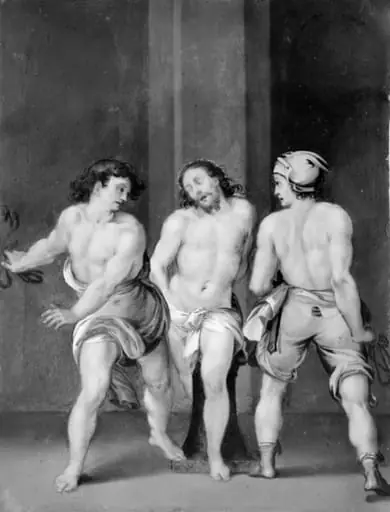
The Flagellation of Christ is an unspecified painting by the Mannerist artist Bartholomeus Spranger. It dates from 1594 and is held in the collection of the Statens Museum for Kunst.
About this work
Subject & Meaning
Created by Bartholomeus Spranger in 1586, the work falls within the genre of religious art and focuses on this specific biblical event as its main subject.
The painting depicts the Flagellation of Christ, a religious subject centered on the suffering of Jesus Christ prior to his crucifixion. Created by Bartholomeus Spranger in 1586, the work falls within the genre of religious art and focuses on this specific biblical event as its main subject. The iconography illustrates the moment of Christ's scourging, representing themes of sacrifice and redemption central to Christian theology.
As a depiction of Jesus Christ, the artwork serves to visualize the physical torment endured by the figure, aligning with traditional representations of the Passion narrative.
Technique & Style
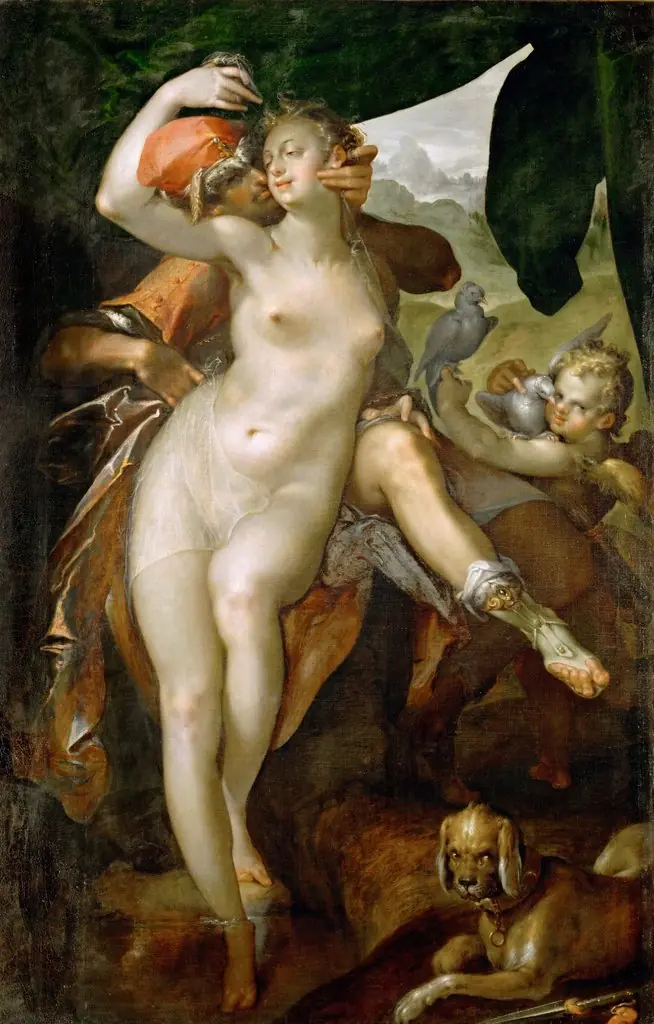
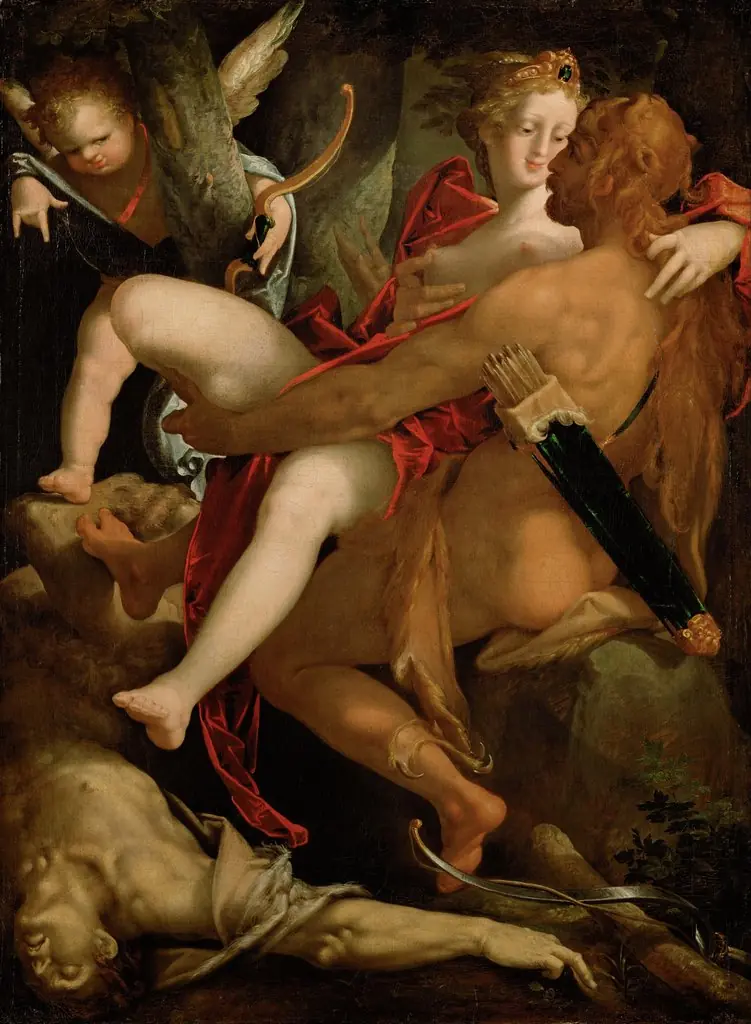
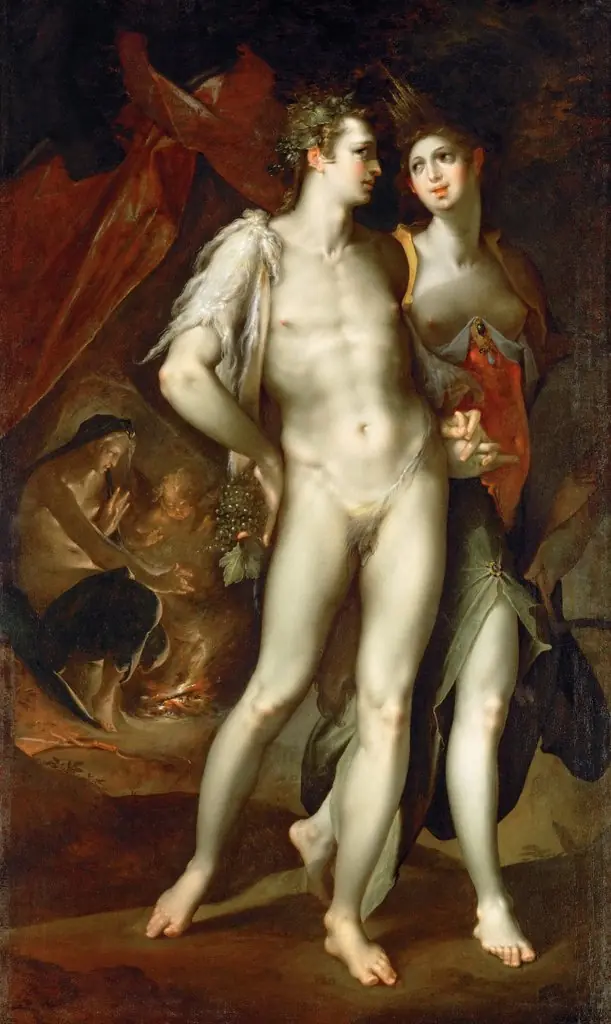
Executed in oil on canvas in 1586, Spranger’s Flagellation presents a refined Mannerist handling characterized by smooth, enamel-like paint application and sharply delineated contours that accentuate the muscular anatomy of Christ and the tormentors. The composition is staged within a shallow, stage-like space where figures are arranged in a tight, circular arrangement around the bound Christ, emphasizing artificial contrapposto and serpentine poses typical of Spranger’s courtly style. The palette relies on cool silvers, pearly whites, and polished coppery tones, with highlights meticulously layered to convey the sheen of armor and the tautness of Christ’s flesh.
The work exhibits no obvious tears or abrasions in the paint layer; losses are confined to minor flaking along the edges, and the varnish remains largely transparent, allowing the original saturation of colors to remain legible.
History & Provenance
The Flagellation of Christ by Bartholomeus Spranger is dated to 1586.
The painting entered the Statens Museum for Kunst (National Gallery of Denmark) in Copenhagen, where it remains in the museum’s holdings. It was created during Spranger’s mature period, aligning with his service at the imperial court in Prague under Rudolf II.
Bartholomeus Spranger's 1586 painting, The Flagellation of Christ, is held in the collection of the Statens Museum for Kunst. The work is part of the museum's permanent holdings in Copenhagen, where it remains accessible to the public. While the specific inventory or accession number is not detailed in the provided records, the artwork's presence in this Danish national gallery is well-established. No specific exhibition history beyond its current display location is documented in the available sources.
Overview
Bartholomeus Spranger, a Flemish artist active in the late 16th century, painted The Flagellation of Christ in 1594 while serving as a court painter to Emperor Rudolf II in Prague. The work, now part of the collection of the Statens Museum for Kunst, portrays the biblical episode of Christ’s scourging with a focus on dramatic tension and bodily contortion.
Context
Spranger’s career was marked by a blend of drawing, sculpture, and print design, and his work for Rudolf II placed him among the leading artists of the imperial court. The Flagellation exemplifies his ability to merge religious narrative with the courtly taste for refined, elongated forms characteristic of late Renaissance Prague.
Artist & collection
Artist
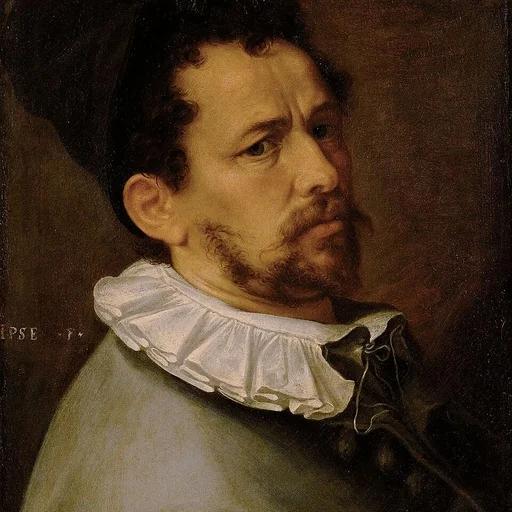
Bartholomeus Spranger or Bartholomaeus Spranger (21 March 1546 – 27 June 1611) was a Flemish painter, draughtsman, sculptor, and designer of prints.