Artwork
Mary Stuart, Princess of Orange, as Widow of William II
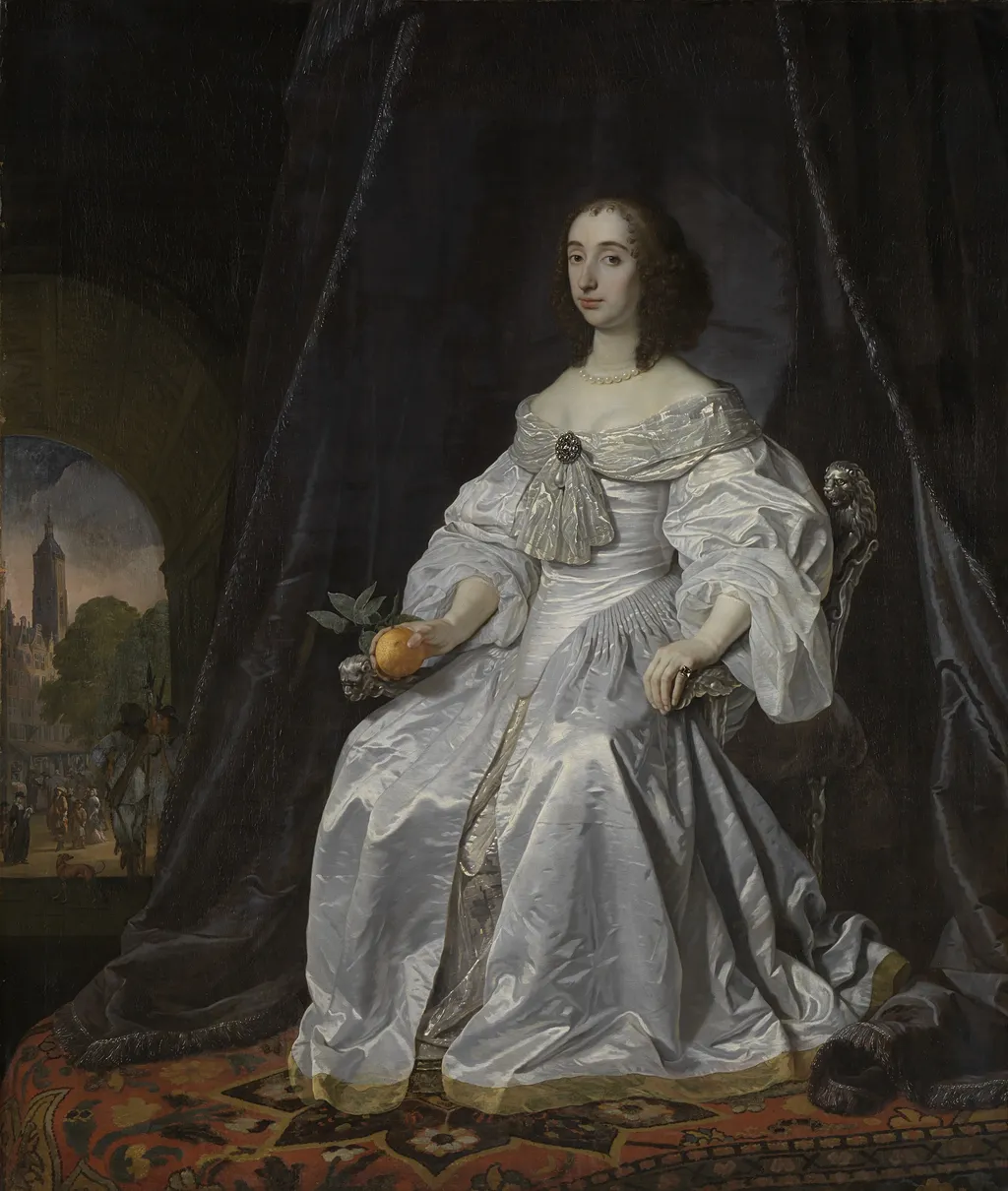
Mary Stuart, Princess of Orange, as Widow of William II is an oil painting by the Dutch Golden Age artist Bartholomeus van der Helst. It dates from 1652 and is held in the collection of the Rijksmuseum.
About this work
Subject & Meaning
Created in 1652 by Bartholomeus van der Helst, the painting functions as a formal portrait that captures the subject's status following her husband's death.
The work depicts Mary Henrietta, Princess Royal, portrayed in her capacity as the widow of William II, Prince of Orange. Created in 1652 by Bartholomeus van der Helst, the painting functions as a formal portrait that captures the subject's status following her husband's death. While the specific symbolic attributes or iconographic details are not described in the provided records, the title explicitly frames the image around her role as a widow.
The composition presents her as the main subject, emphasizing her royal lineage and her new position within the House of Orange.
Technique & Style
Bartholomeus van der Helst executed this 1652 portrait using oil paint applied to a canvas support. The work measures 199.5 cm in height and 170 cm in width, presenting a full-length depiction of Mary Stuart, Princess of Orange. As a formal portrait from the Dutch Golden Age, the piece utilizes the medium's capacity for detailed rendering of the subject's attire and status.
The painting is currently held within the Rijksmuseum collection, having originated from the Willem V Prince of Orange Nassau holdings.
History & Provenance
Bartholomeus van der Helst painted Mary Stuart, Princess of Orange, as Widow of William II in 1652, depicting Mary Henrietta, Princess Royal. The work was created as a portrait of the widowed princess and entered the collection of the Rijksmuseum, where it remains held today. Its dimensions are recorded as 199.5 cm in height and 170 cm in width on canvas.
The painting was part of the collection assembled for Willem V, Prince of Orange, and later became part of the National Art Gallery of the Netherlands before its current display at the Rijksmuseum.
The painting Mary Stuart, Princess of Orange, as Widow of William II by Bartholomeus van der Helst is housed in the Rijksmuseum, where it is listed under inventory number SK-C-313. It was created in 1652 and measures 199.5 cm by 170 cm. The work has been part of exhibitions at the Rijksmuseum, including displays in the Dutch Golden Age galleries and special presentations of Dutch portraiture.
Overview
Bartholomeus van der Helst’s 1652 oil on canvas presents Mary Henrietta, Princess Royal, in the solemn role of William II’s widow. Executed during the height of the Dutch Golden Age, the work exemplifies the period’s refined portraiture and now belongs to the collection of the Rijksmuseum in Amsterdam.
Context
The painting reflects the broader trends of the Dutch Golden Age, when portraitists catered to aristocratic patrons and employed refined lighting effects to convey status. Van der Helst, a favored artist of Amsterdam’s upper class and the stadtholder’s circle, used this commission to reinforce the political ties between the English and Dutch royal houses.
Own this work as a print
Artist & collection
Artist
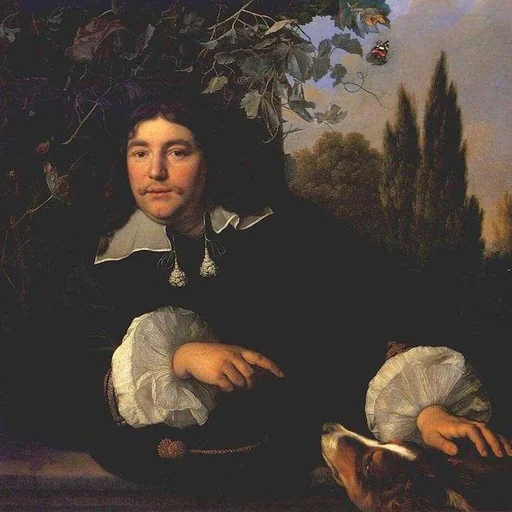
Bartholomeus van der Helst (1613 – buried 16 December 1670) was a Dutch painter. Considered to be one of the leading portrait painters of the Dutch Golden Age, his elegant portraits gained him the patronage of…

 The Musician
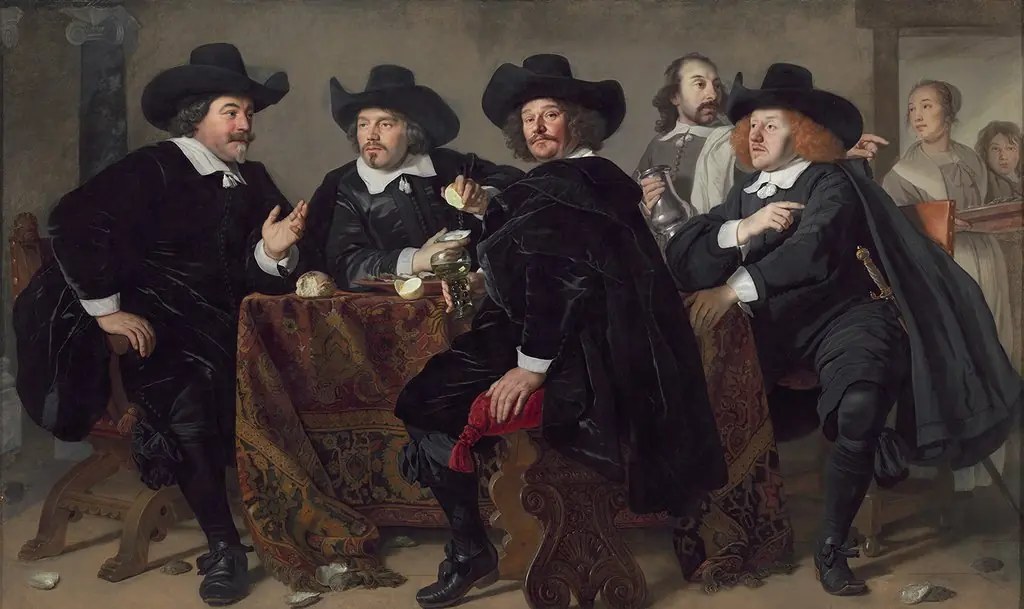 Four directors of the arquebusier's guild, Amsterdam, 1655
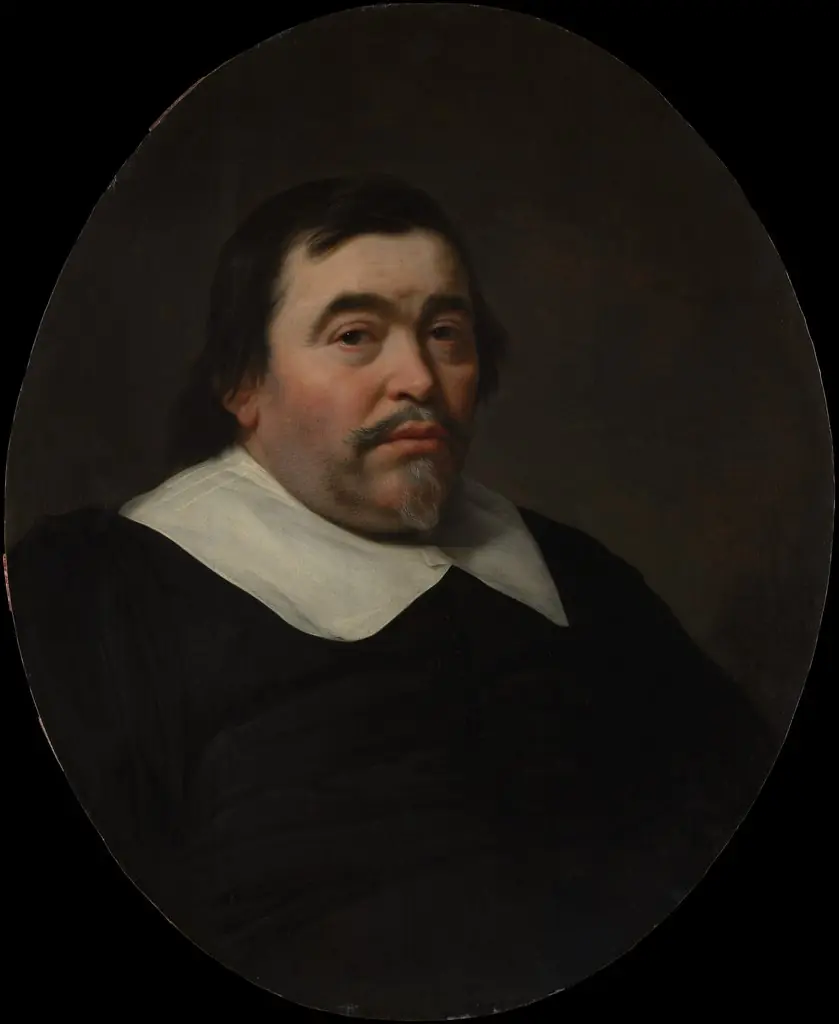 Portrait of a Man
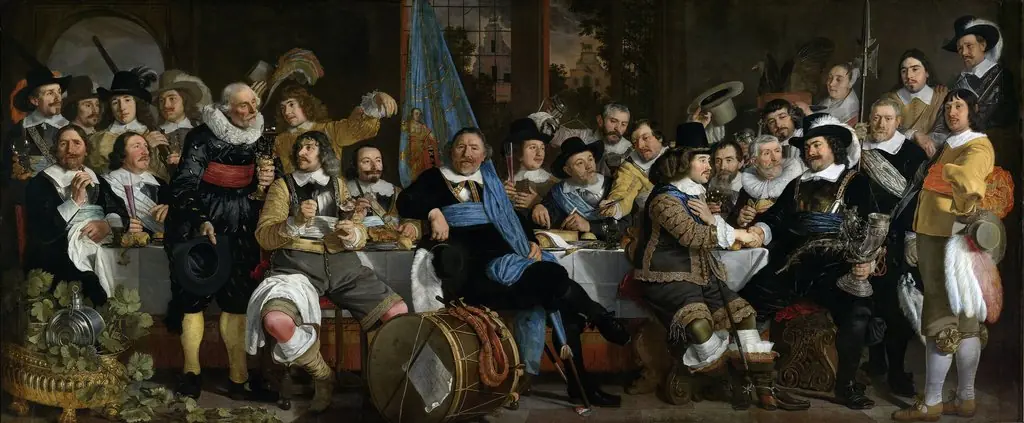 Banquet at the Crossbowmen’s Guild in Celebration of the Treaty of Münster
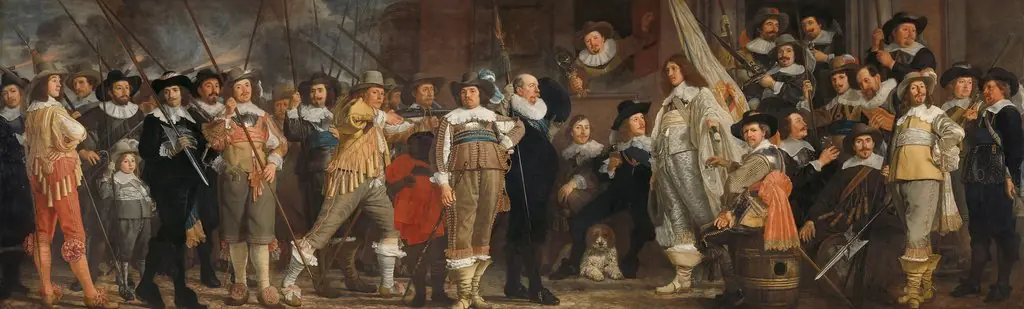 Militia Company of District VIII under the Command of Captain Roelof Bicker
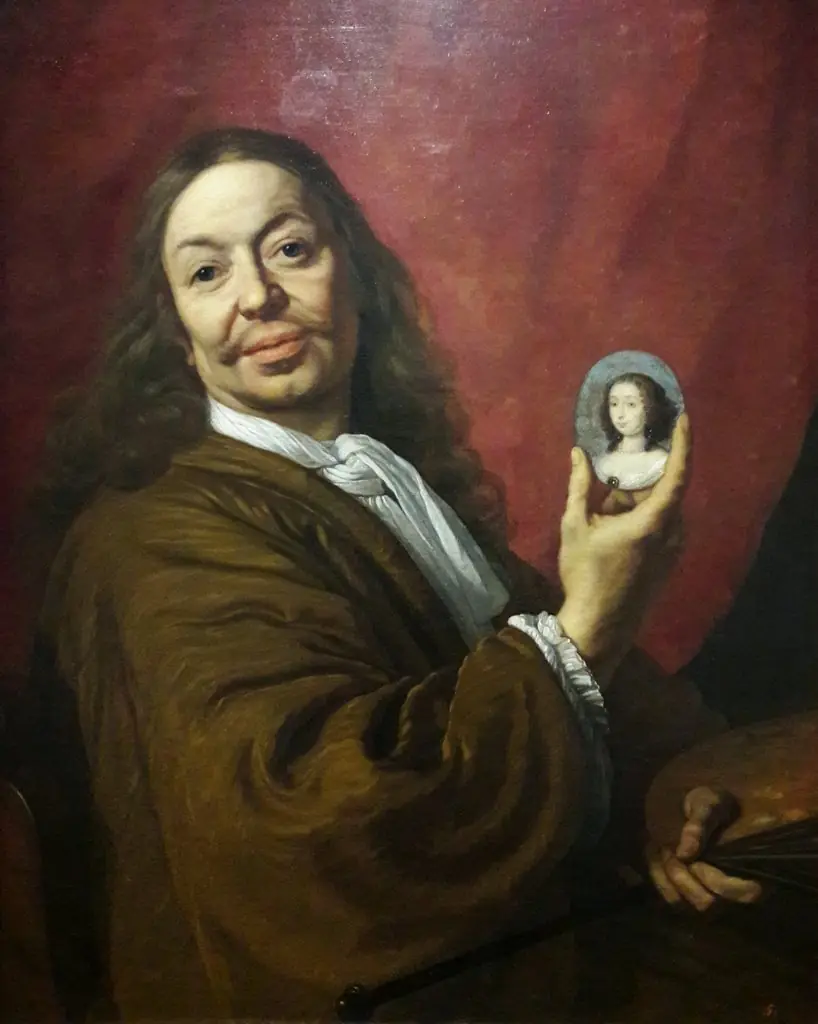 Self-portrait
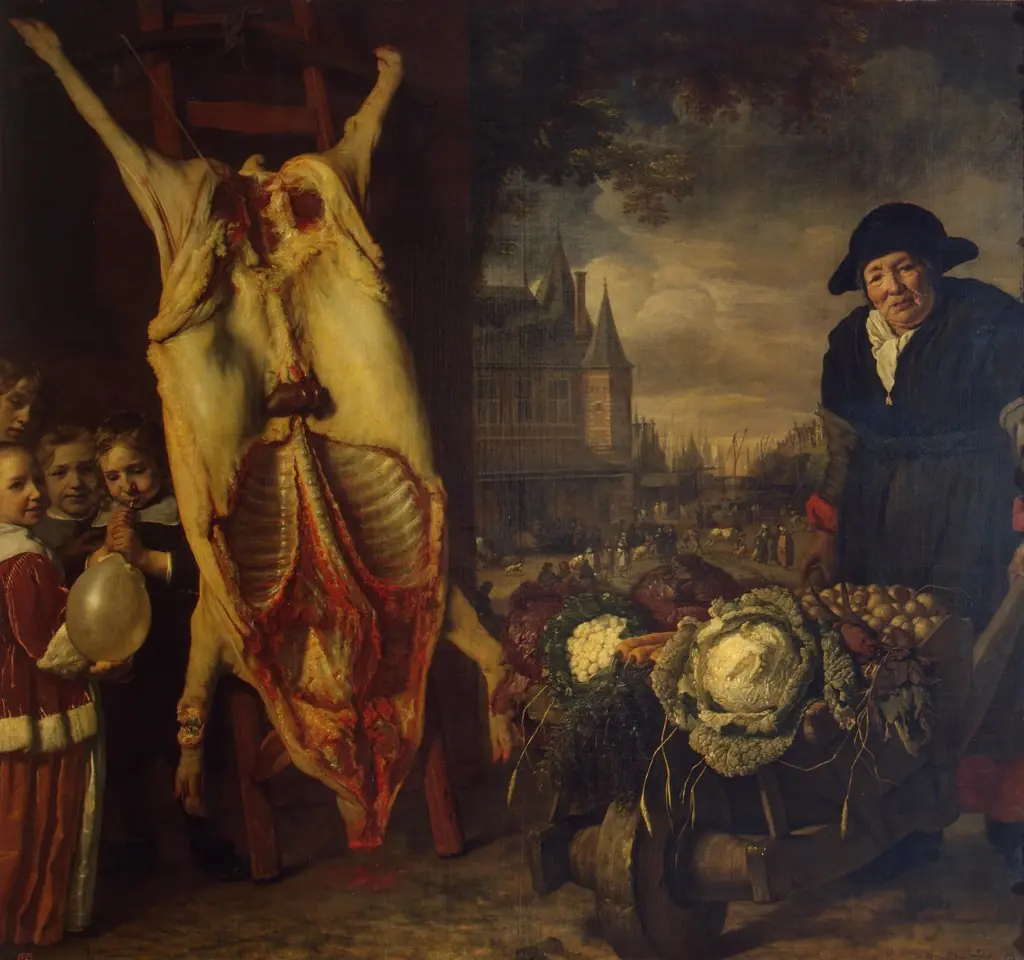 Nieuwmarkt in Amsterdam
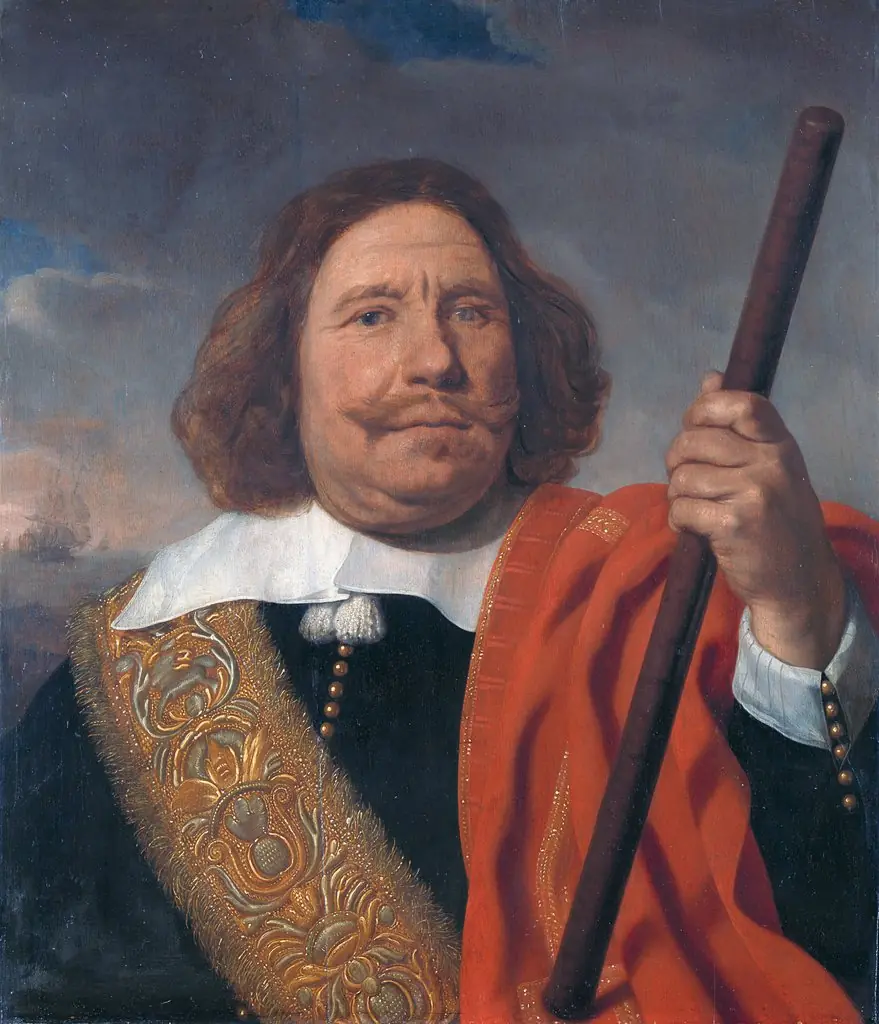 Egbert Meeuwsz Cortenaer (1605-65). Vice admiral, admiralty of the Maas, Rotterdam
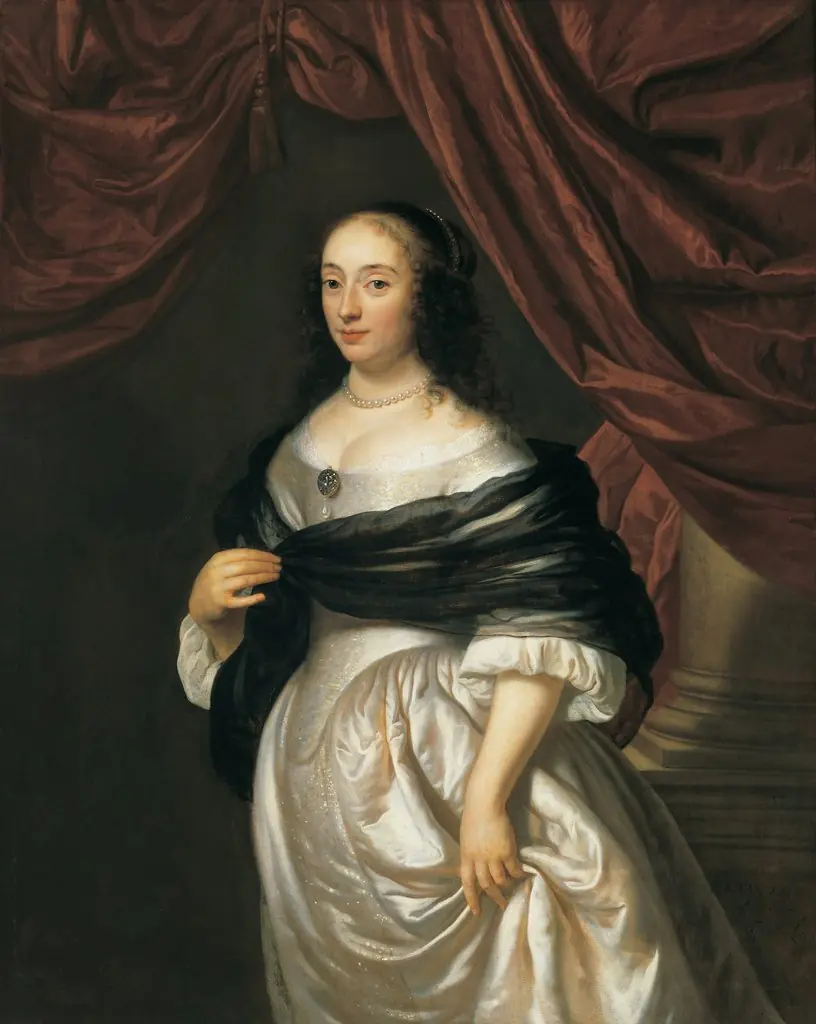 Retrato de la Condesa de Goldstein
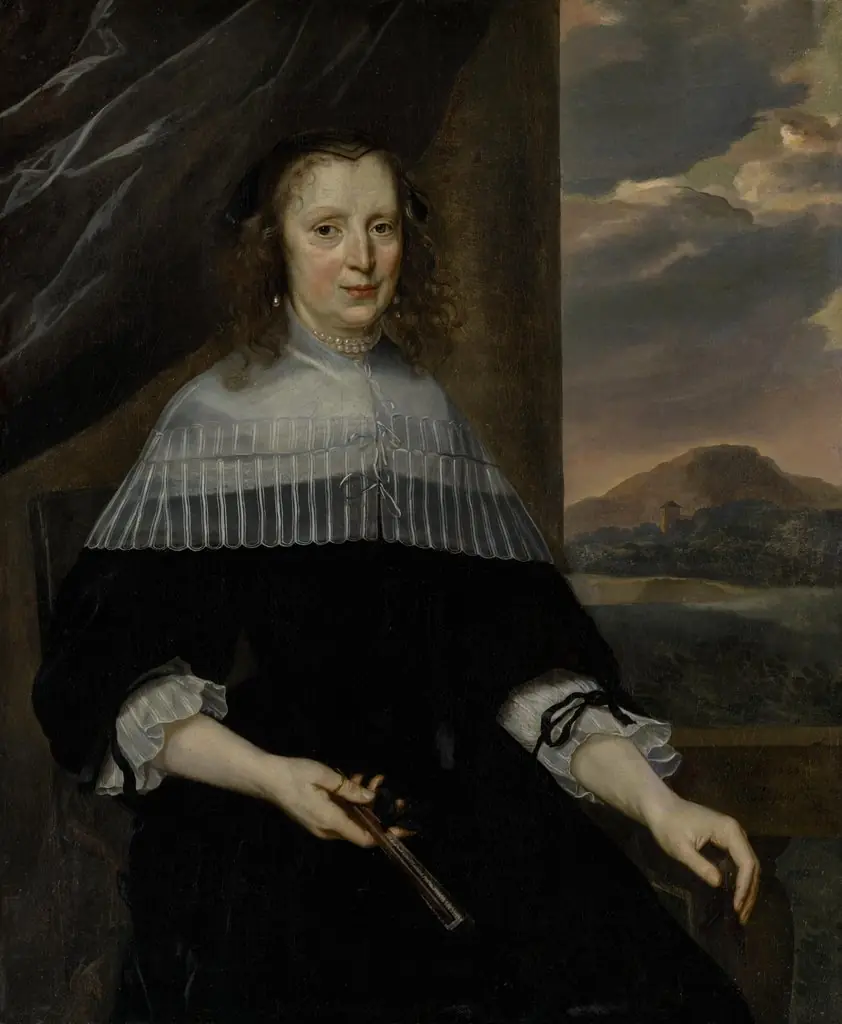 Bildnis einer Dame
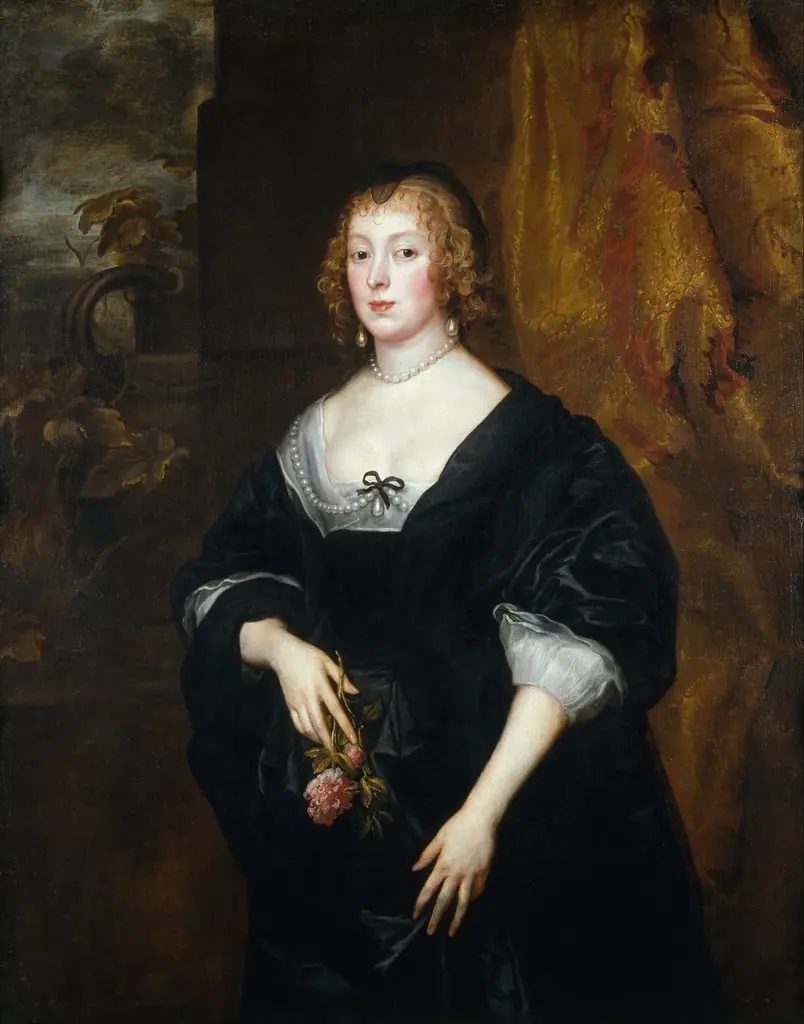 Lady Dacre
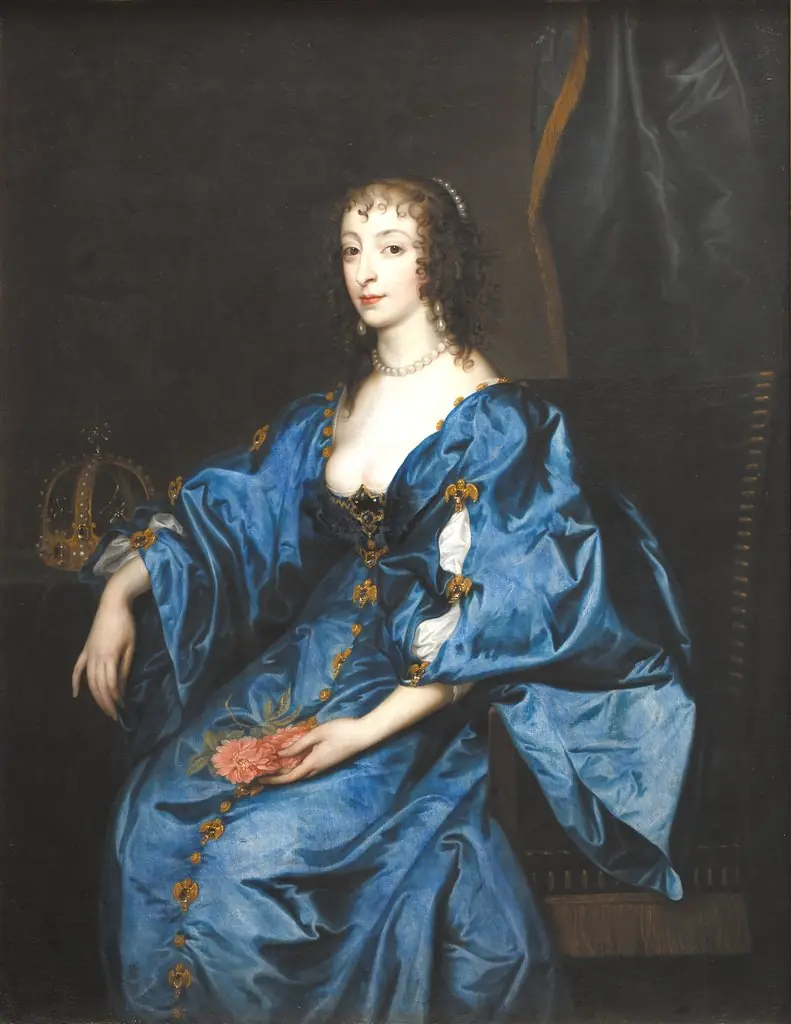 Queen Henrietta Maria of England
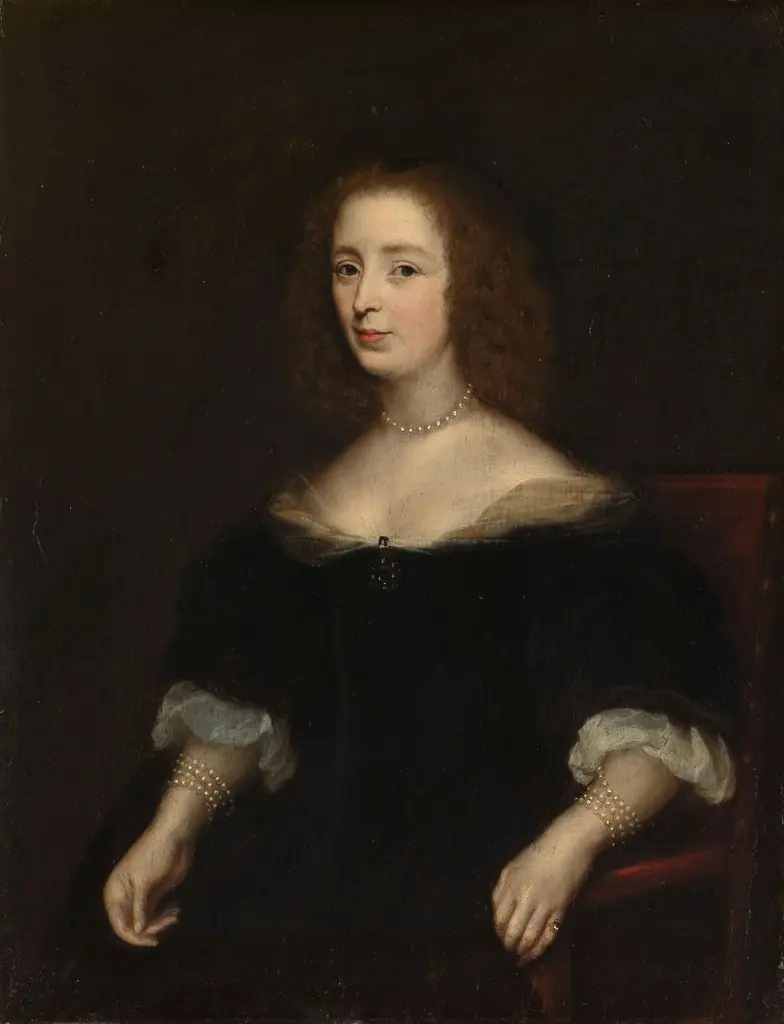 Portrait of Anna van den Corput, Wife of Jacob de Witt
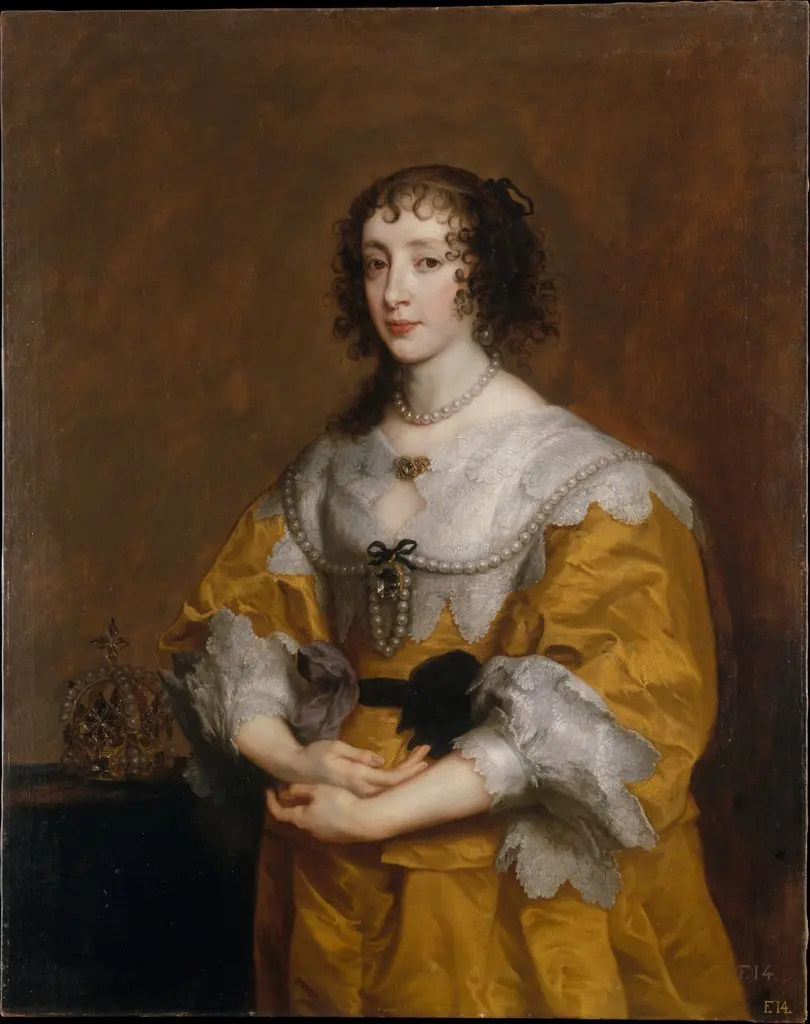 Queen Henrietta Maria
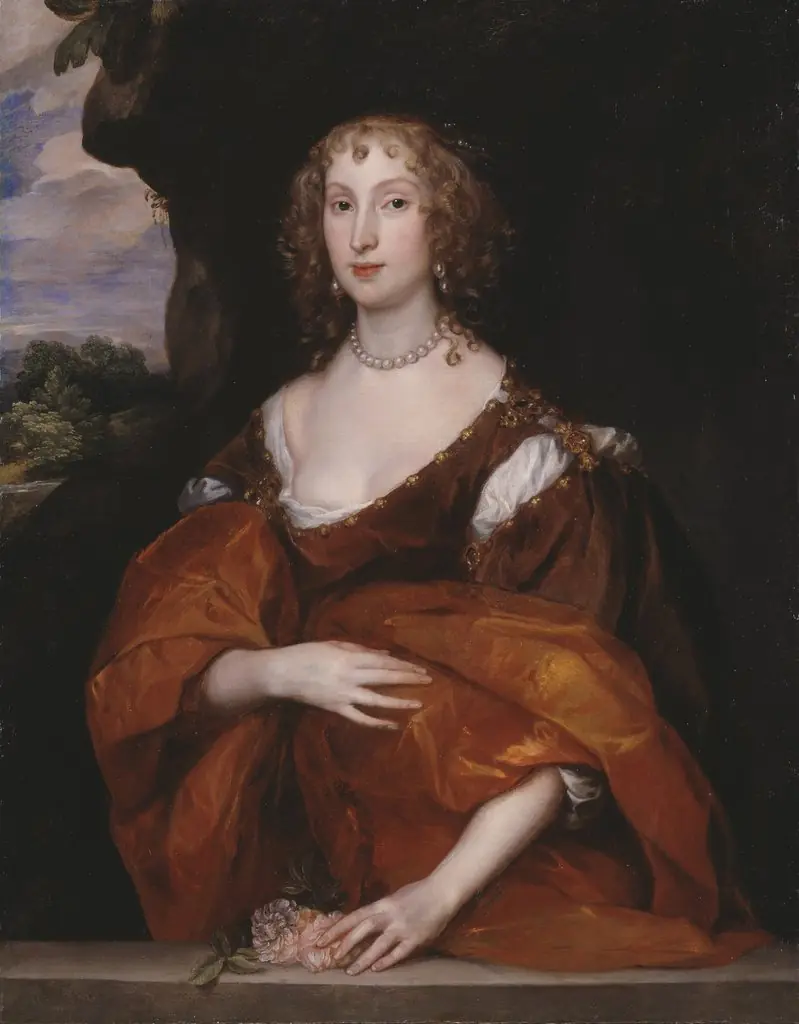 Portrait of Mary Hill, Lady Killigrew
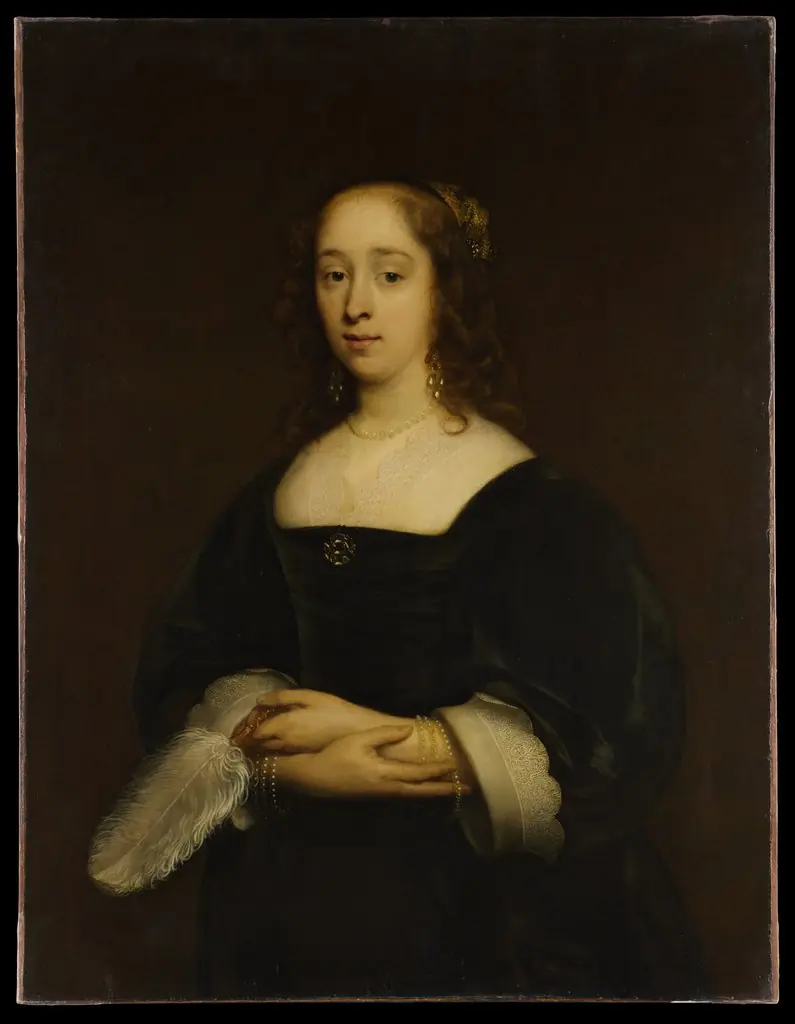 Portrait of a Woman
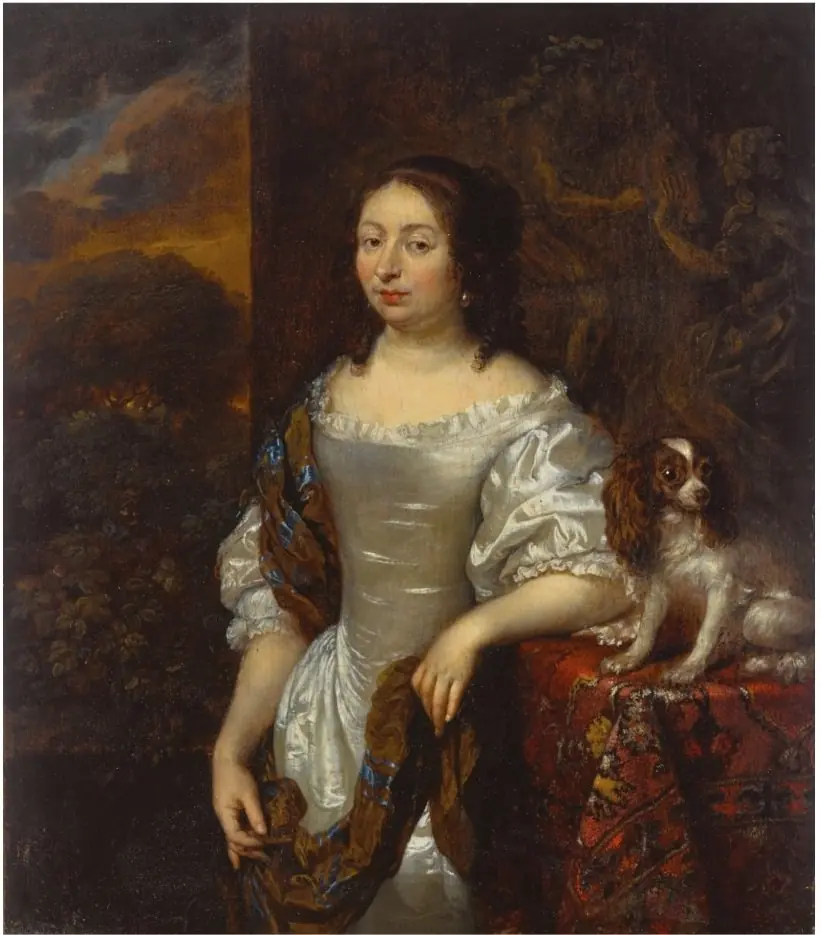 Portrait of a Lady with a Dog on a Table
 Alida de Lange, Wife of Johan Rammelman