Artwork
Portrait of a Lady
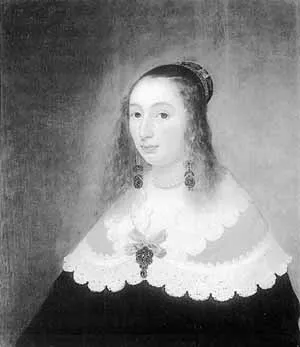
Portrait of a Lady is an oil painting by the Dutch Golden Age artist Bartholomeus van der Helst. It dates from 1643 and is held in the collection of the Gemäldegalerie Berlin.
About this work
The painting is done in oil paint, and the artist has used chiaroscuro to create depth and contrast.
This painting shows a woman in a black dress with a white collar. She wears a headband and large earrings, and her long hair is pulled back. The background is a plain wall.
The woman's face is turned slightly to her left, and she looks straight ahead. Her expression is neutral, and her eyes are cast downward. The painting is done in oil paint, and the artist has used chiaroscuro to create depth and contrast.
The woman's clothing and hairstyle suggest that the painting is from the 17th century. The artist's use of chiaroscuro and impasto creates a sense of texture and dimensionality. Next, look up the technique of chiaroscuro.
Overview
Bartholomeus van der Helst’s Portrait of a Lady was executed in oil in 1643, during the height of the Dutch Golden Age. The work portrays a seated woman in a sober black dress with a crisp white collar, set against an unadorned wall. The composition captures a calm, restrained presence, typical of van der Helst’s portraiture of Amsterdam’s upper class.
Subject & Meaning
The sitter is depicted with her hair pulled back, a modest headband, and prominent earrings, suggesting a woman of respectable social standing. Her gaze is directed slightly leftward while her eyes look downward, conveying a modest, introspective demeanor. The neutral expression and plain background focus attention on her individuality rather than narrative symbolism.
Technique & Style
Van der Helst employs chiaroscuro, using strong contrasts of light and shadow to model the figure’s facial features and the folds of her dress. Subtle impasto adds tactile texture to the fabric and jewelry, while the smooth handling of the background enhances the three‑dimensional effect. The overall style reflects the refined realism characteristic of mid‑17th‑century Dutch portraiture.
History & Provenance
Since its creation, the painting has remained in private and institutional collections, eventually entering the holdings of the Gemäldegalerie in Berlin. Documentation links the work to van der Helst’s network of affluent patrons in Amsterdam, though the identity of the sitter has not been definitively established.
Context
The portrait aligns with van der Helst’s reputation for serving the city’s elite, including wealthy merchants and members of the Stadtholder’s circle. Its restrained elegance mirrors contemporary Dutch values of modesty and civic pride, while the technical execution demonstrates the artist’s mastery of oil painting techniques that were widely disseminated among his contemporaries.
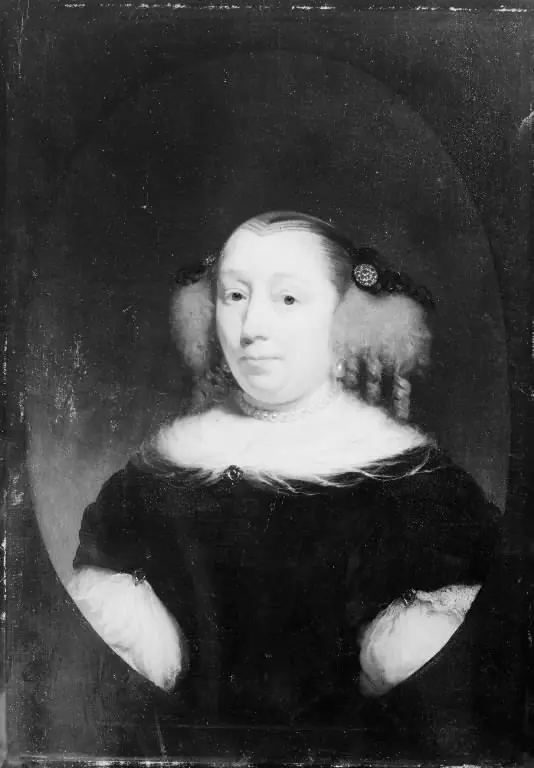
Artist & collection
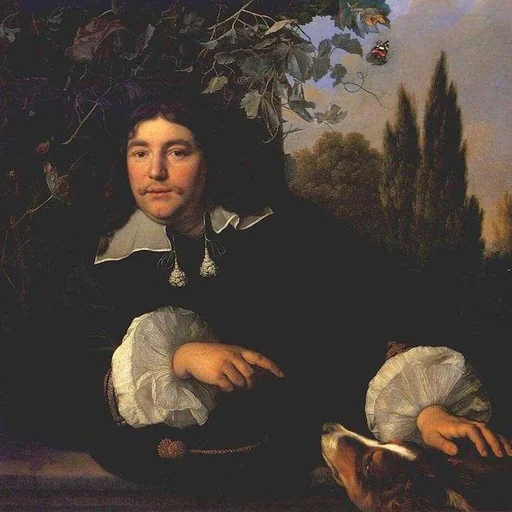
Artist
Bartholomeus van der Helst (1613 – buried 16 December 1670) was a Dutch painter. Considered to be one of the leading portrait painters of the Dutch Golden Age, his elegant portraits gained him the patronage of…

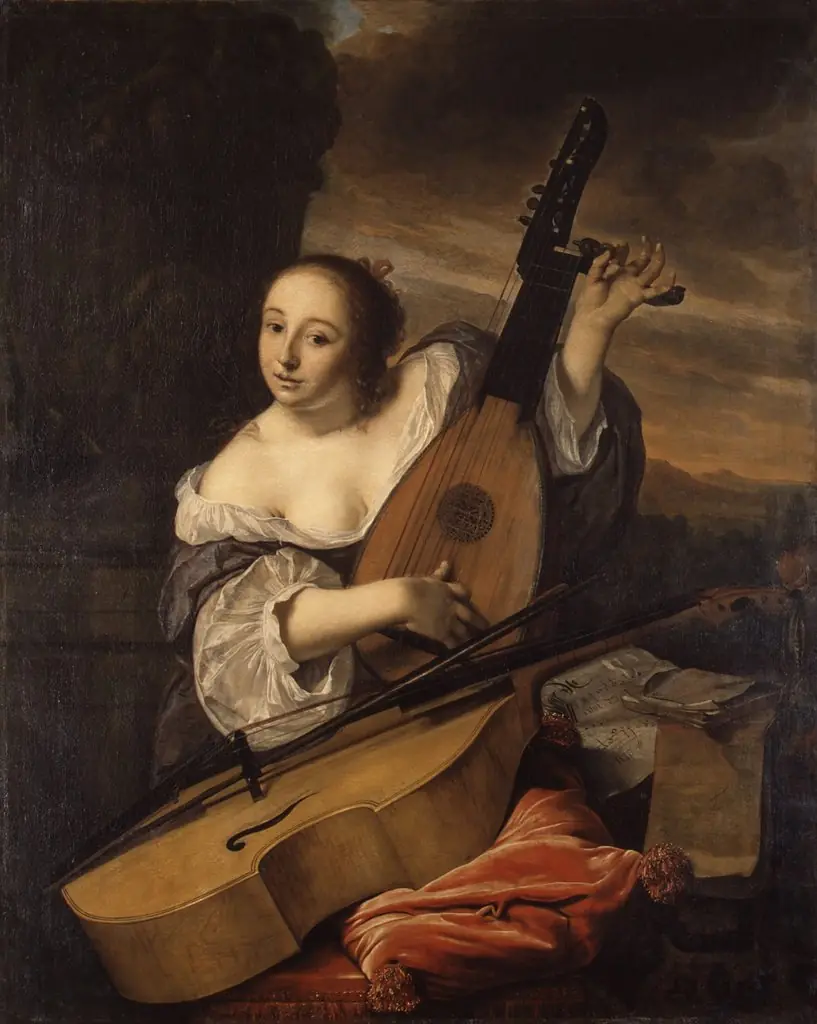 The Musician
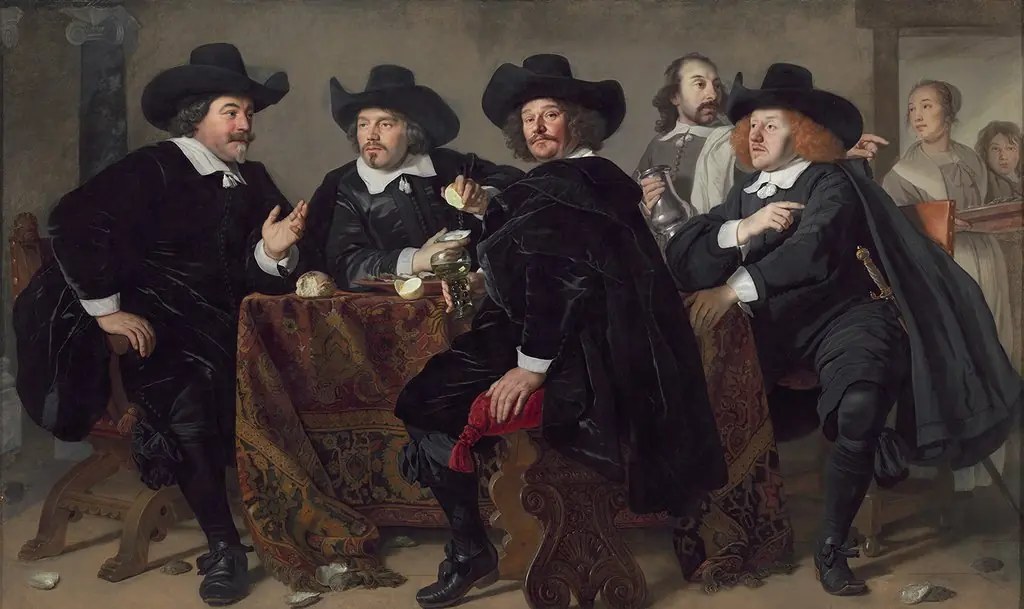 Four directors of the arquebusier's guild, Amsterdam, 1655
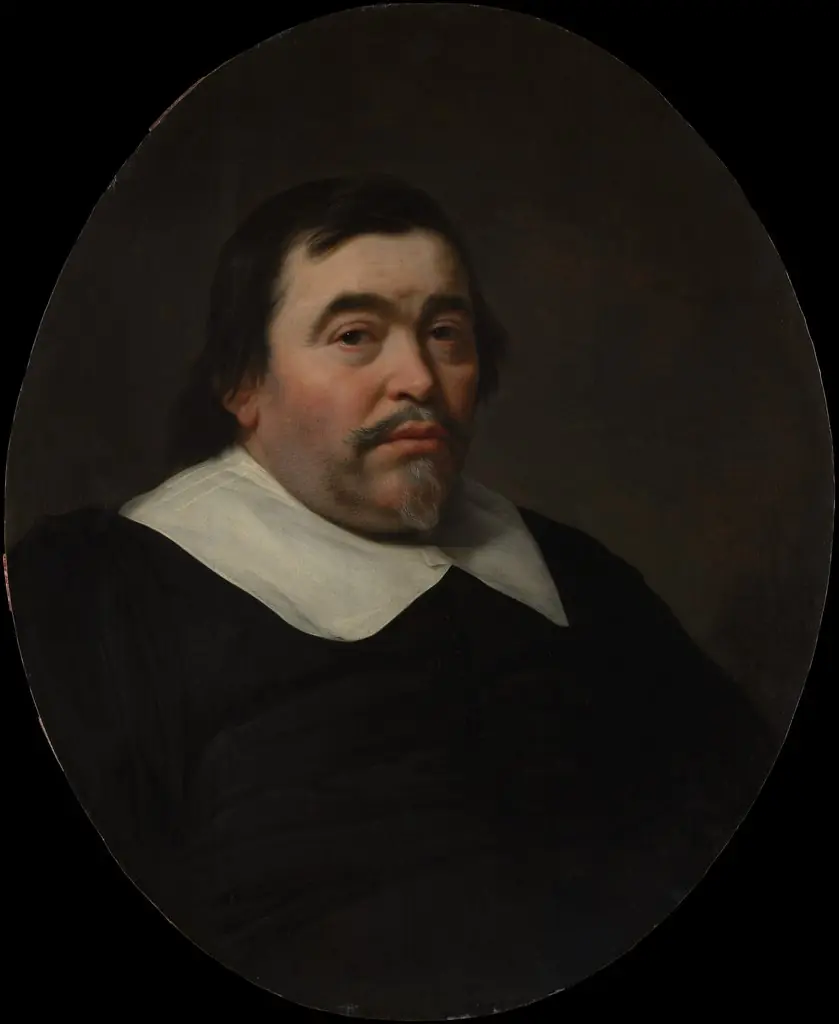 Portrait of a Man
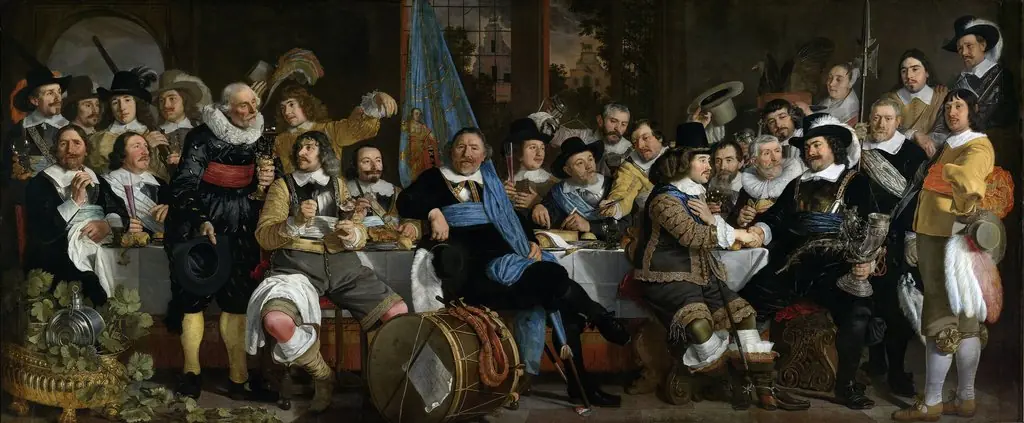 Banquet at the Crossbowmen’s Guild in Celebration of the Treaty of Münster
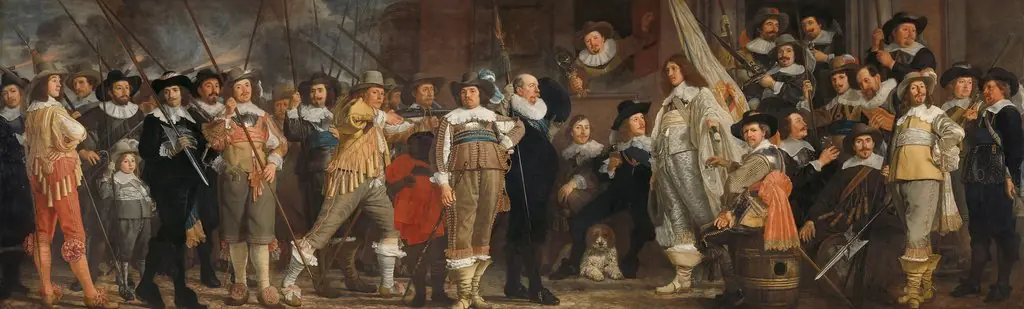 Militia Company of District VIII under the Command of Captain Roelof Bicker
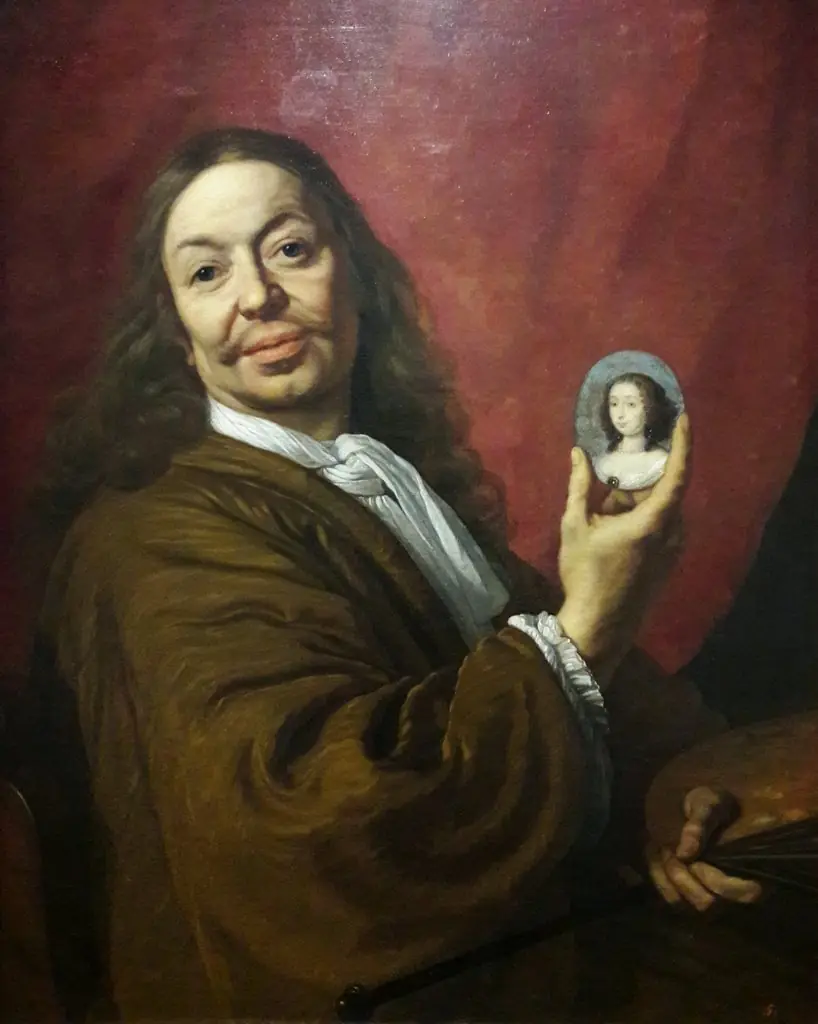 Self-portrait
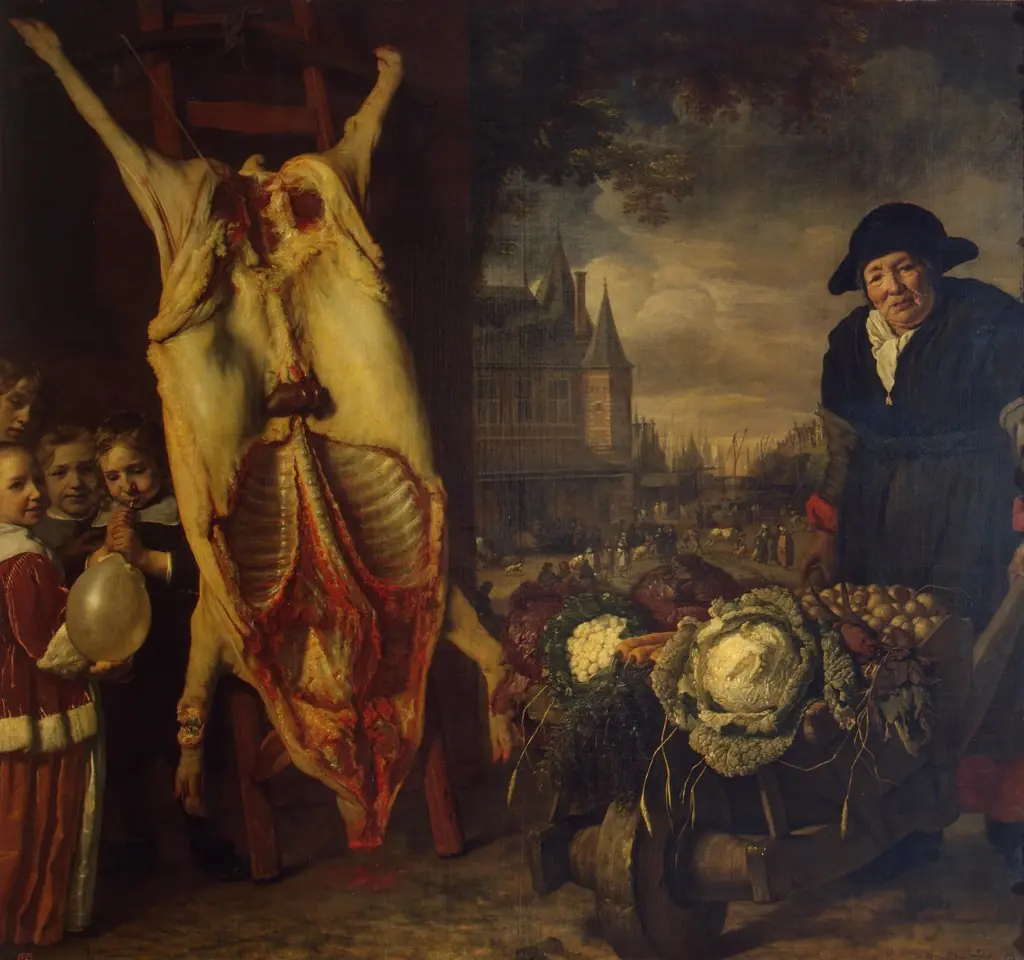 Nieuwmarkt in Amsterdam
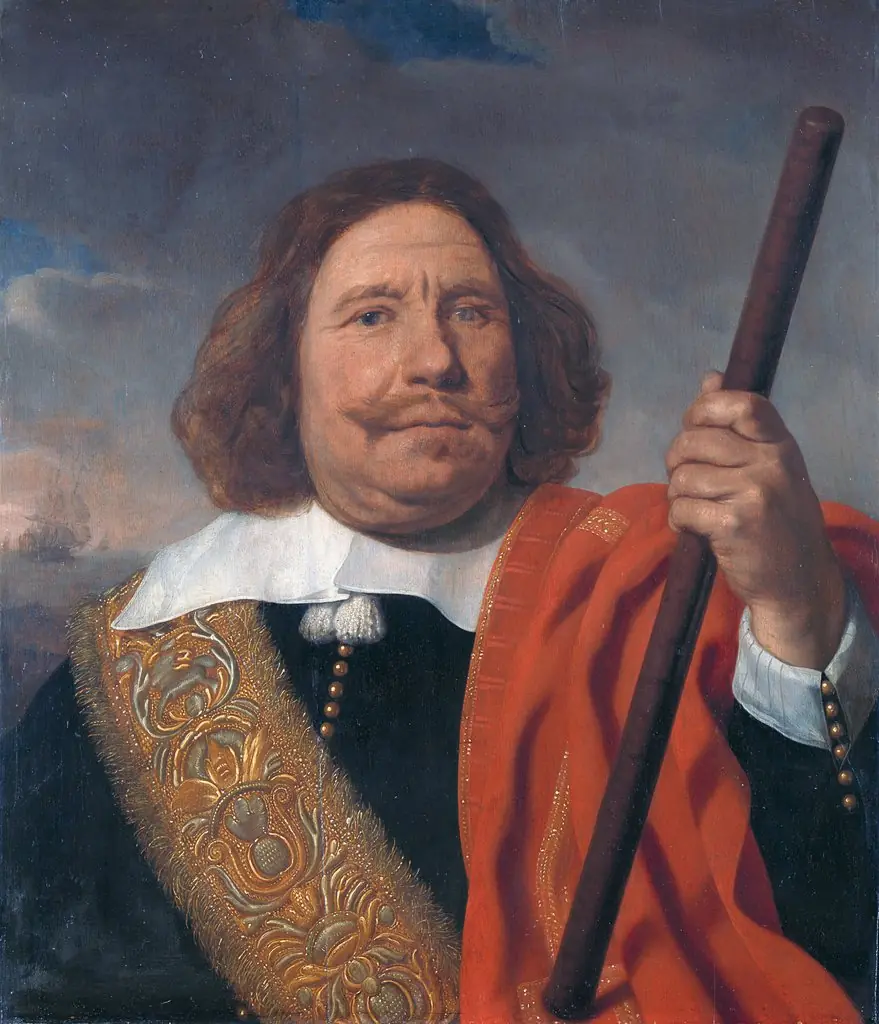 Egbert Meeuwsz Cortenaer (1605-65). Vice admiral, admiralty of the Maas, Rotterdam
- Portrait of a Lady
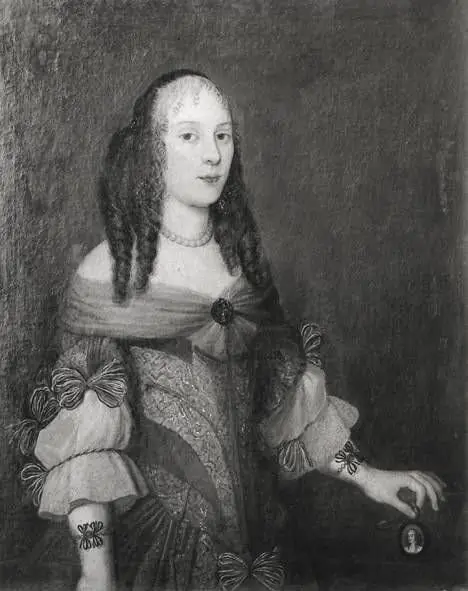 Unbekannte Dame
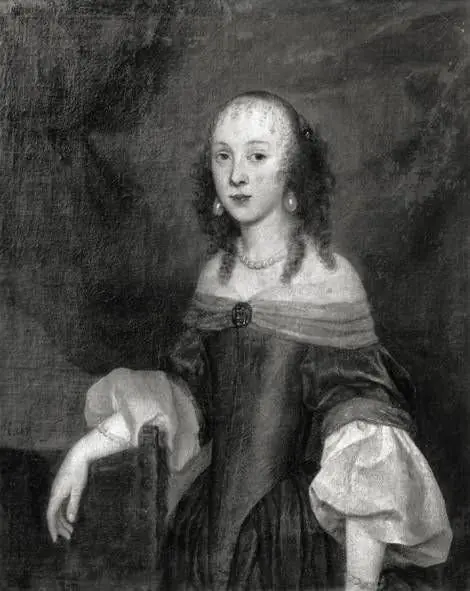 Unbekannte Dame
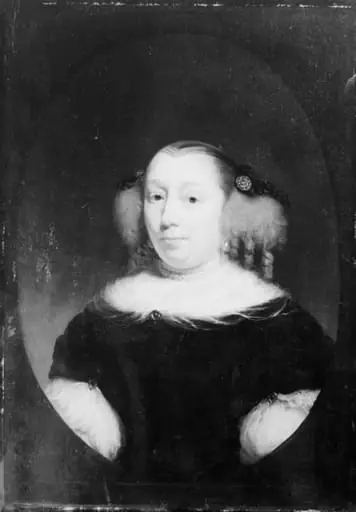 Portrait of a Lady
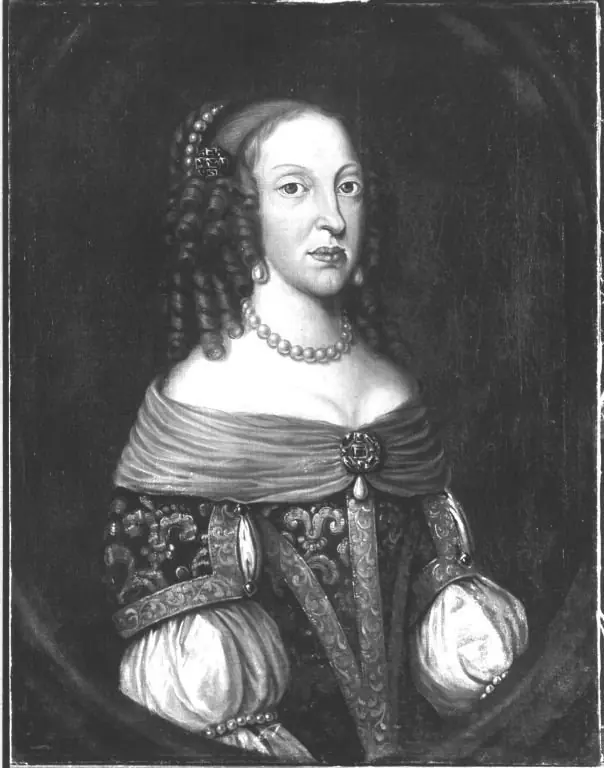 Portrait of Anna Sophie von Hessen-Darmstadt, Abbess of Quedlinburg (?)
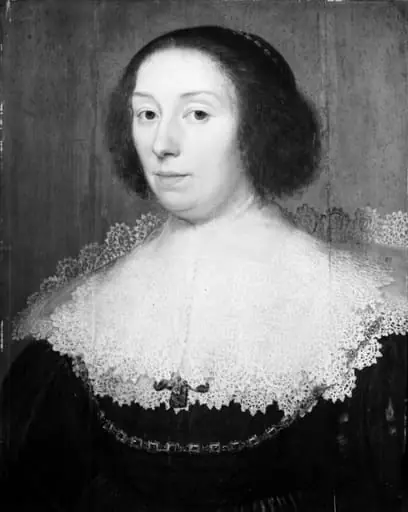 Portrait of a Lady
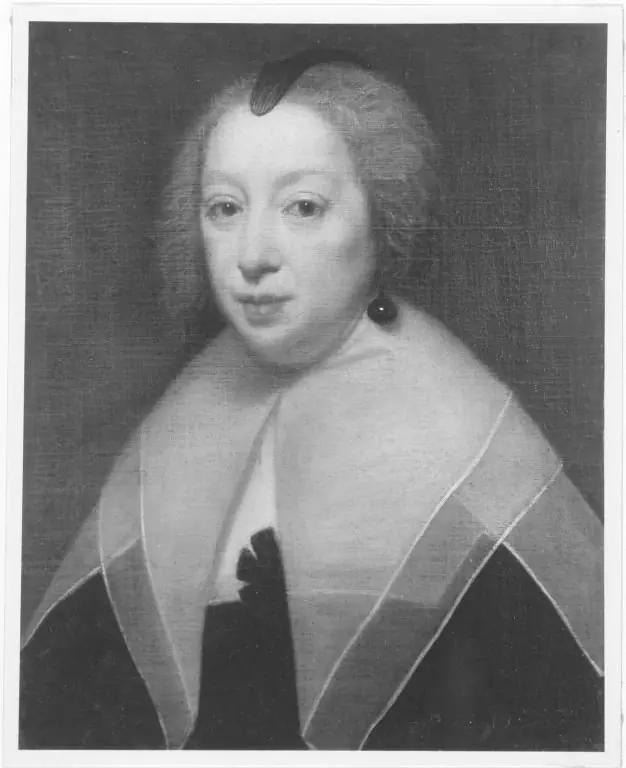 Bildnis einer Frau
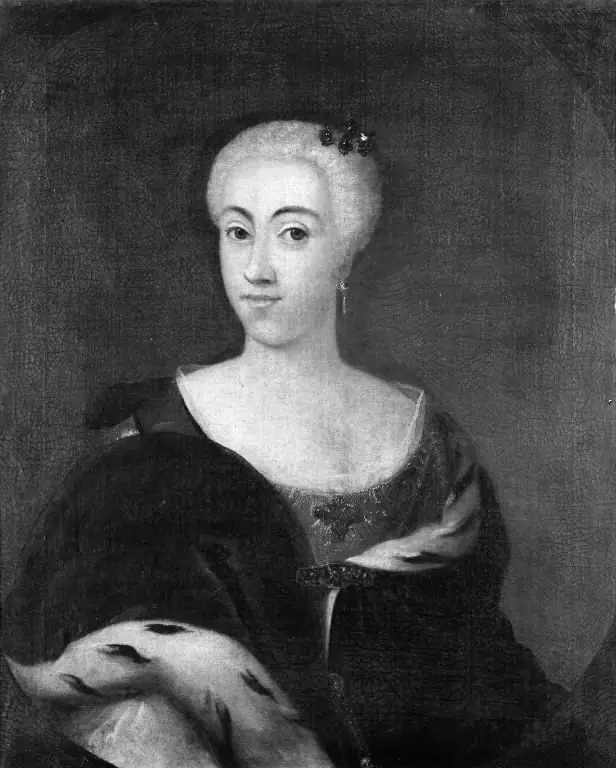 Portrait of a Lady
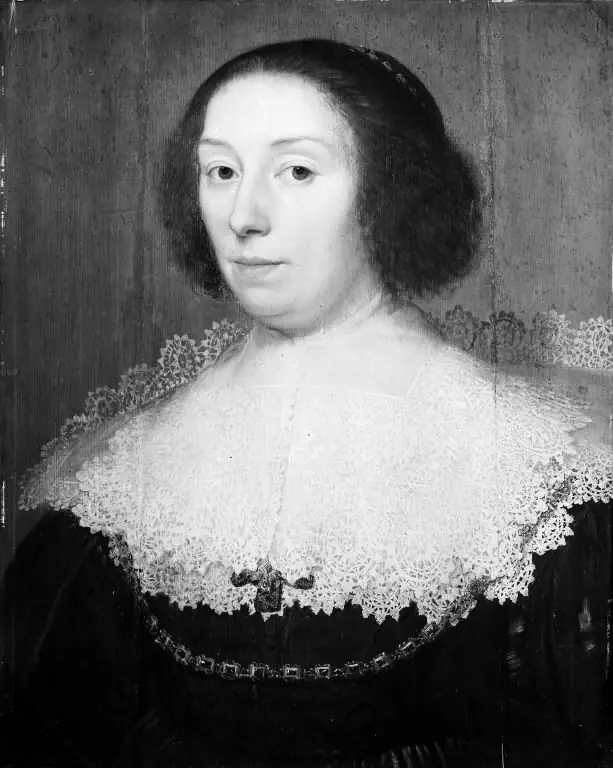 Portrait of a Lady
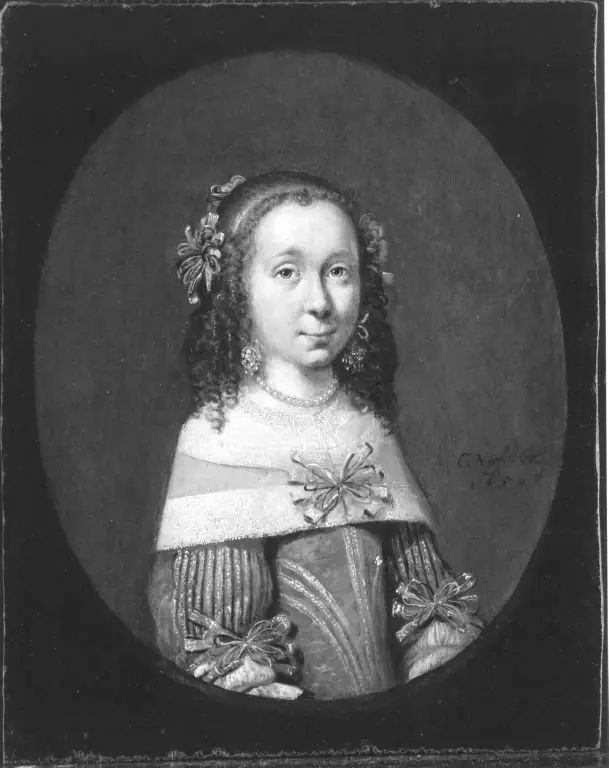 Portrait of a young woman
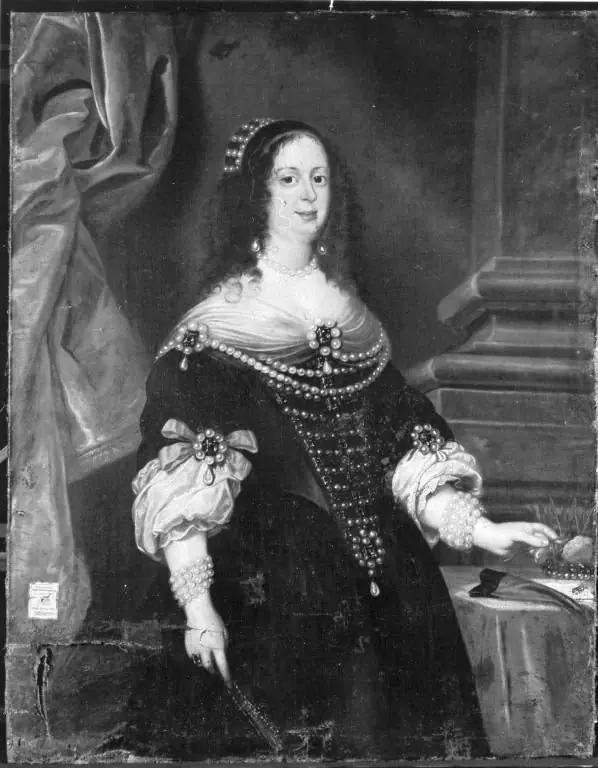 Margaretha Louisa von Orleans
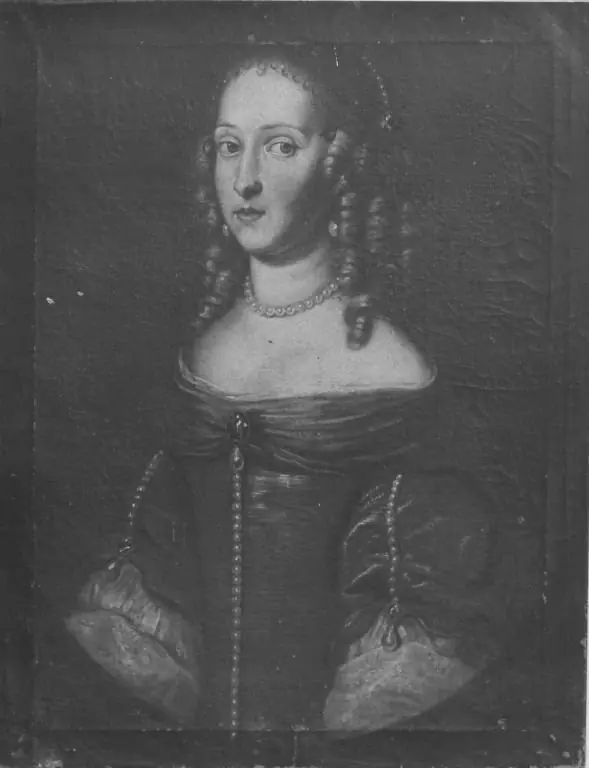 Bildnis der Landgräfin Marie Hedwig von Hessen-Darmstadt, Tochter des Landgrafen Georg II., Herzogin von Sachsen-Meiningen (1647-1680) (?) (?)