Artwork
Portrait of a Man
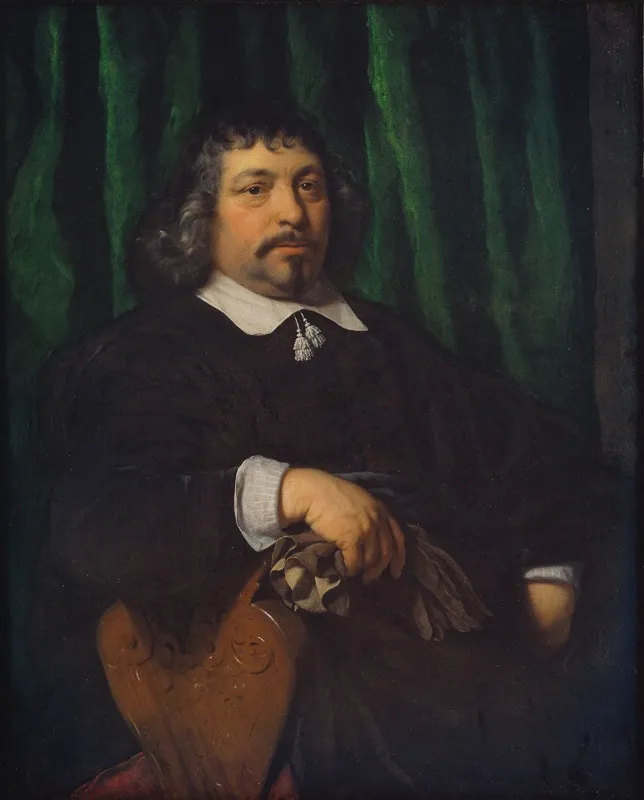
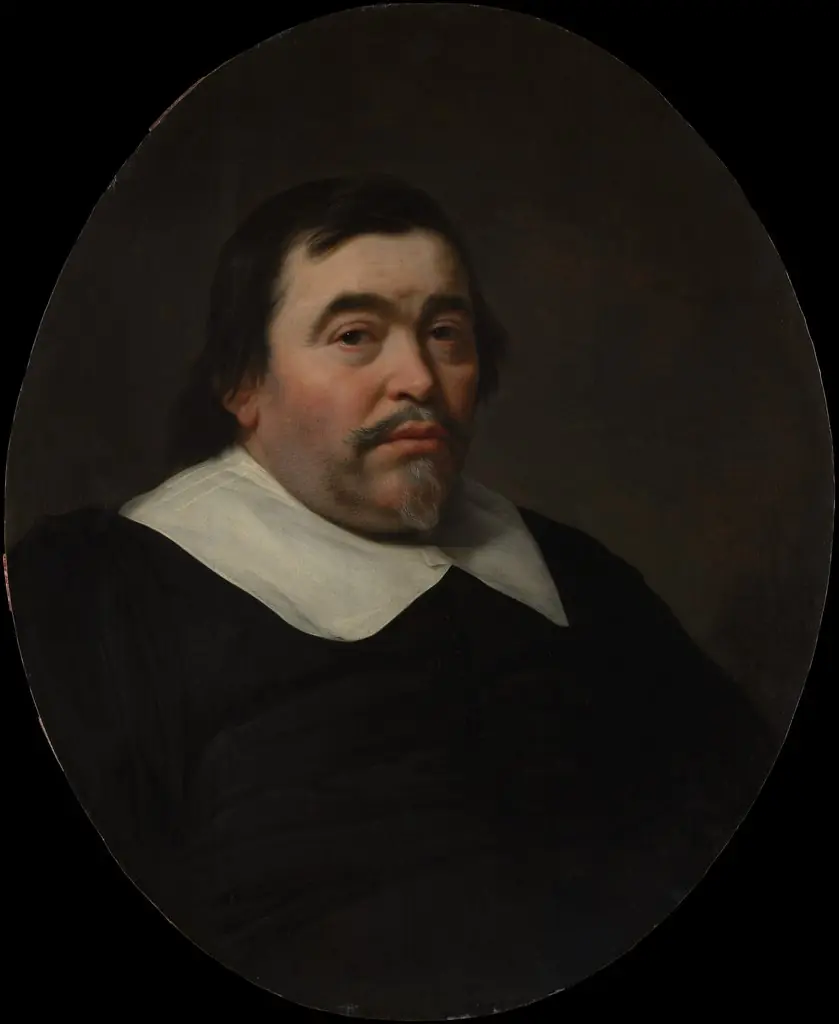
Portrait of a Man is an oil painting by the Dutch Golden Age artist Bartholomeus van der Helst. It dates from 1659 and is held in the collection of the Statens Museum for Kunst.
About this work
Subject & Meaning
This portrait thus functions as both a record of the sitter’s appearance and a subtle statement of his place in the cultural hierarchy of the period.
The work shows a male sitter rendered in oil on canvas, a format typical of 17th‑century Dutch portraiture. Van der Helst emphasizes the sitter’s direct gaze and fine clothing to convey status and civic identity, reflecting the sitter’s role within the Dutch Golden Age merchant class. The composition lacks overt allegorical symbols, focusing instead on realistic characterization that underscores contemporary notions of individual merit and social standing.
This portrait thus functions as both a record of the sitter’s appearance and a subtle statement of his place in the cultural hierarchy of the period.
Technique & Style
Bartholomeus van der Helst’s Portrait of a Man (1659) is executed in oil paint on canvas, a standard medium for Dutch Golden Age portraiture. The support measures 97 × 78 cm, providing ample space for a life-size depiction of the sitter. Van der Helst’s handling is characterized by smooth, precise brushwork, particularly evident in the meticulous rendering of the man’s lace collar, velvet doublet, and refined facial features. The technique emphasizes fine detail and subtle tonal gradations, achieving a polished, almost enamel-like surface.
Stylistically, the portrait aligns with the conventions of mid-17th-century Dutch portraiture, prioritizing naturalism and psychological presence. The composition is balanced, with the sitter positioned frontally, engaging the viewer directly. The palette is restrained yet rich, dominated by deep blacks, warm browns, and accents of white in the lace, creating a harmonious contrast that enhances the subject’s dignified appearance.
History & Provenance
Portrait of a Man was painted in 1659 by Bartholomeus van der Helst in oil on canvas. The painting measures 97 cm in height and 78 cm in width. The work is recorded in the Statens Museum for Kunst under inventory KMSsp443 and has been part of the museum’s collection since at least the time of its cataloguing. Earlier ownership, any commission, or subsequent transfers are not documented in the available sources.
The Portrait of a Man by Bartholomeus van der Helst is held in the collection of the Statens Museum for Kunst in Copenhagen. The work carries the inventory number KMSsp443 within the museum's records. Created in 1659, the oil painting on canvas measures 97 cm in height and 78 cm in width. No specific exhibition history is detailed in the provided sources.
Overview
Bartholomeus van der Helst executed this oil portrait in 1659, during the height of the Dutch Golden Age. The canvas presents a single sitter rendered in the formal, half‑length format typical of mid‑seventeenth‑century Dutch portraiture. The work now belongs to the collection of the Statens Museum for Kunst in Copenhagen.
Artist & collection
Artist
Bartholomeus van der Helst (1613 – buried 16 December 1670) was a Dutch painter. Considered to be one of the leading portrait painters of the Dutch Golden Age, his elegant portraits gained him the patronage of…

 The Musician
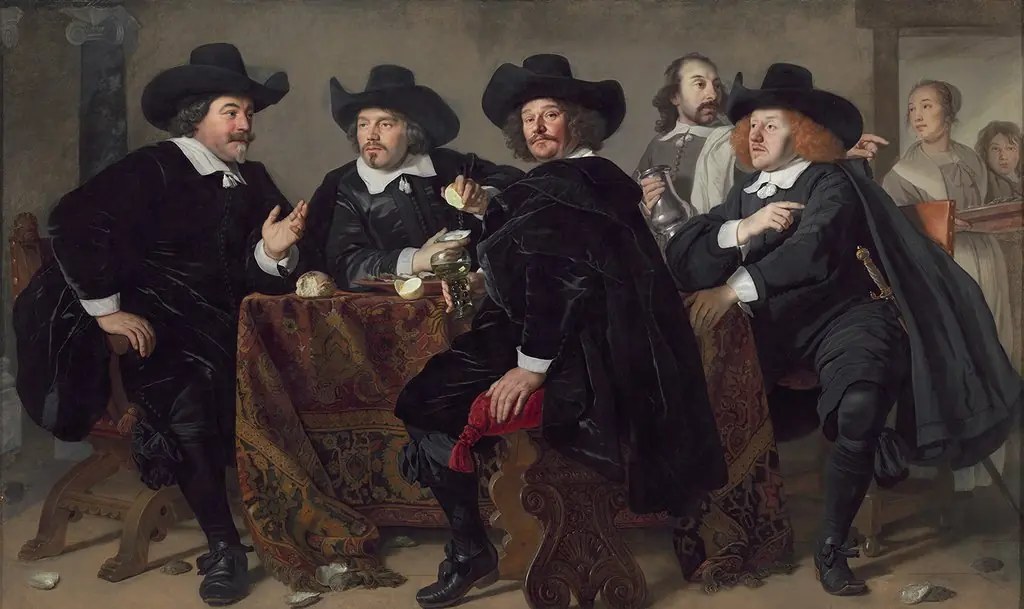 Four directors of the arquebusier's guild, Amsterdam, 1655
 Portrait of a Man
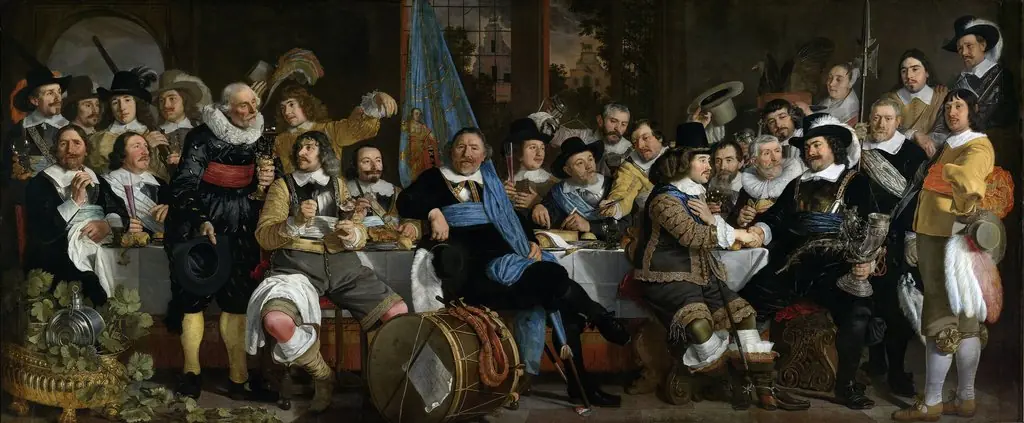 Banquet at the Crossbowmen’s Guild in Celebration of the Treaty of Münster
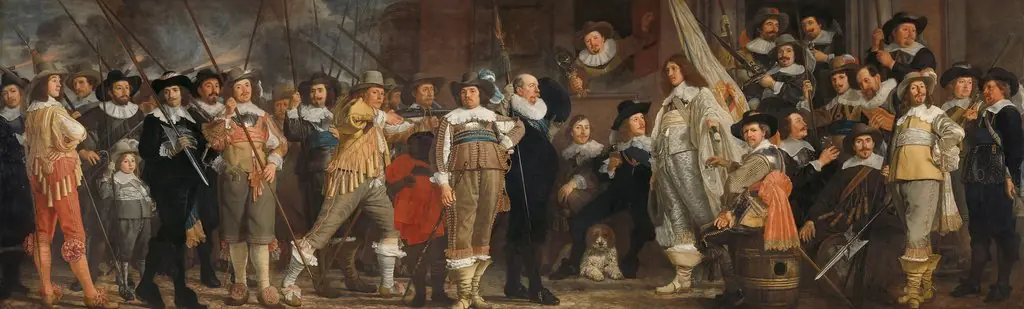 Militia Company of District VIII under the Command of Captain Roelof Bicker
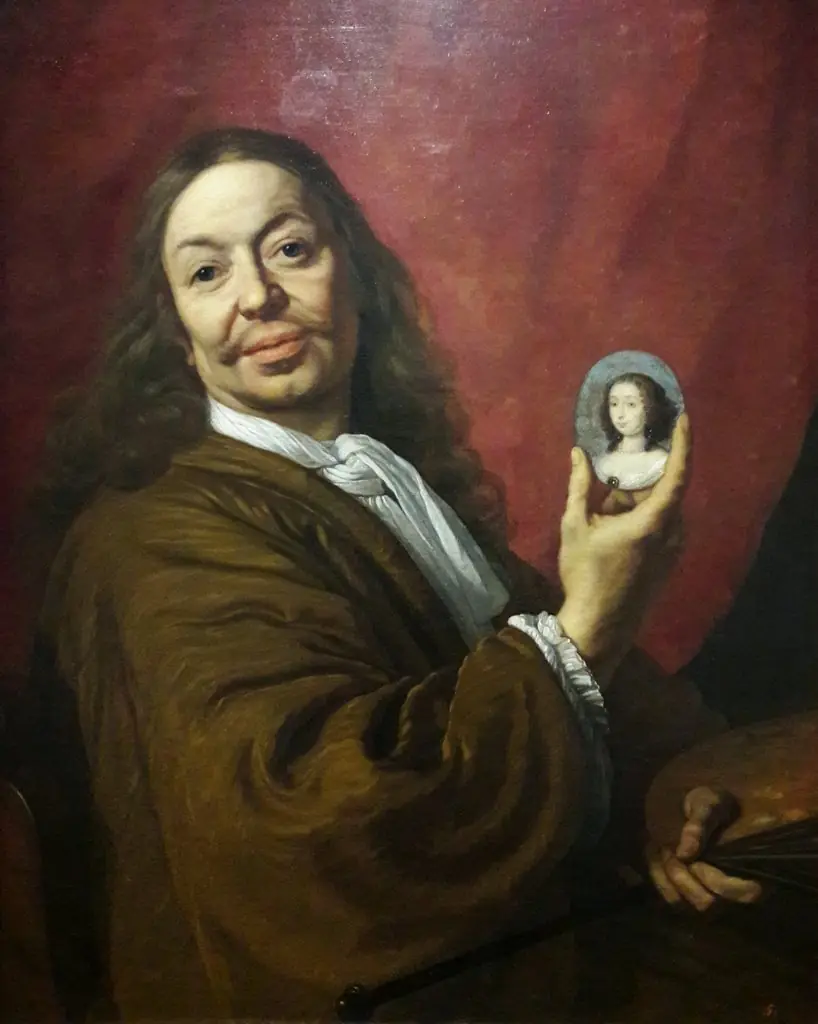 Self-portrait
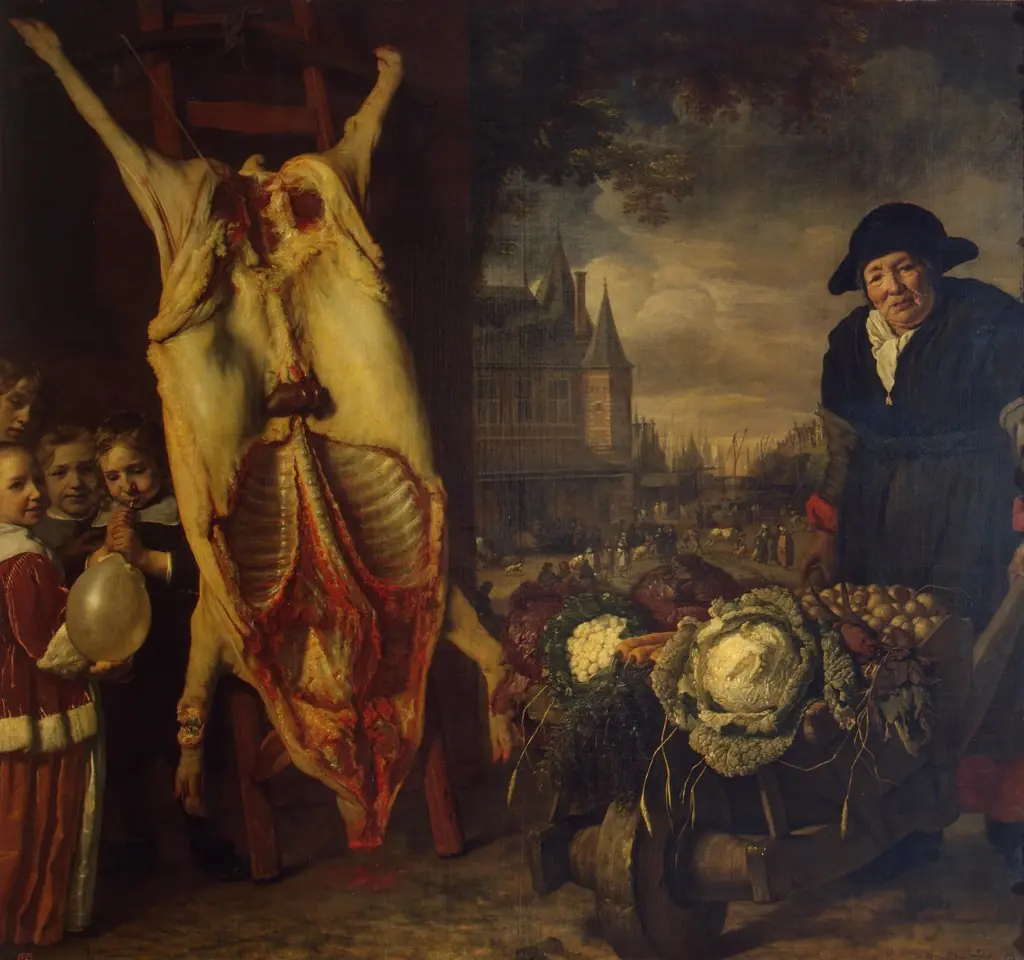 Nieuwmarkt in Amsterdam
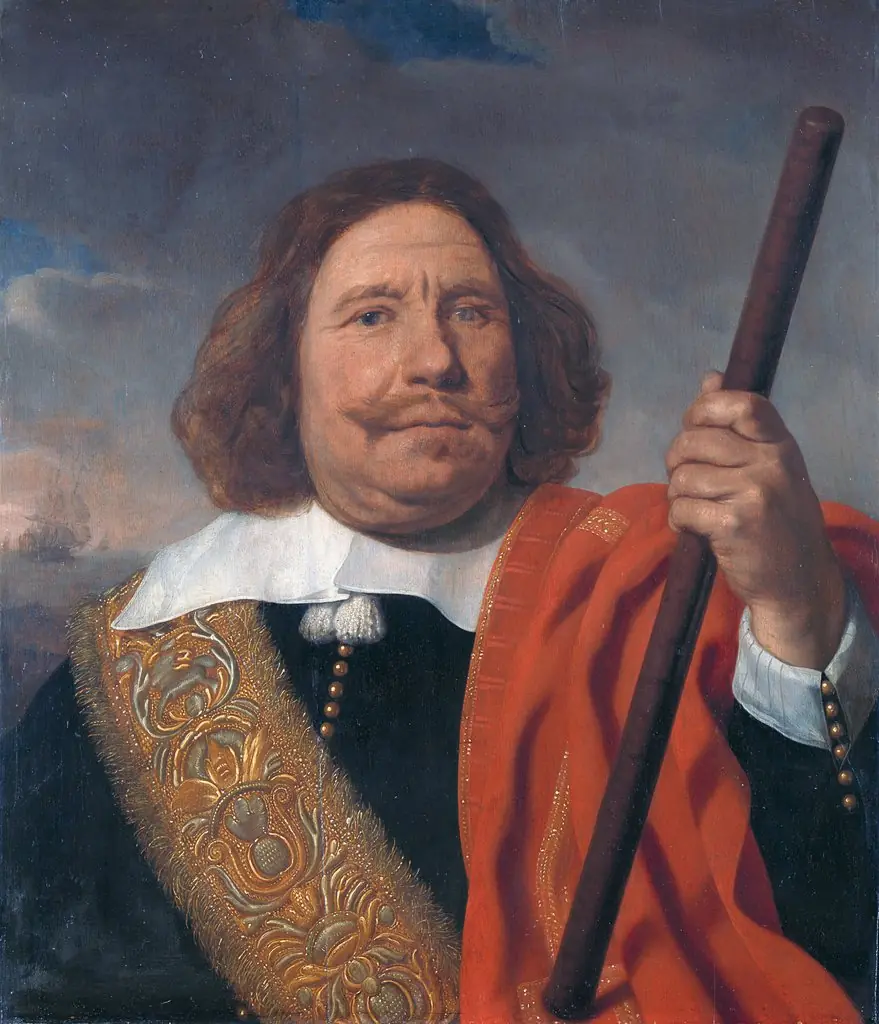 Egbert Meeuwsz Cortenaer (1605-65). Vice admiral, admiralty of the Maas, Rotterdam
- Portrait of a Man
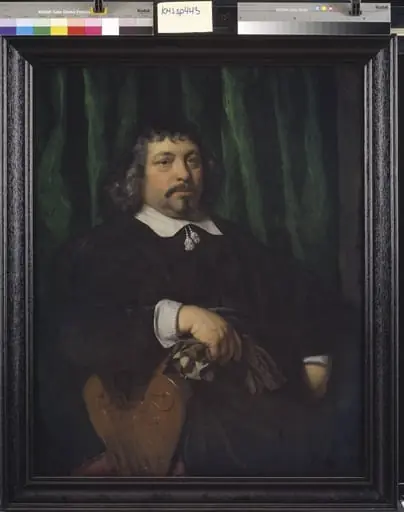 Portrait of a Man
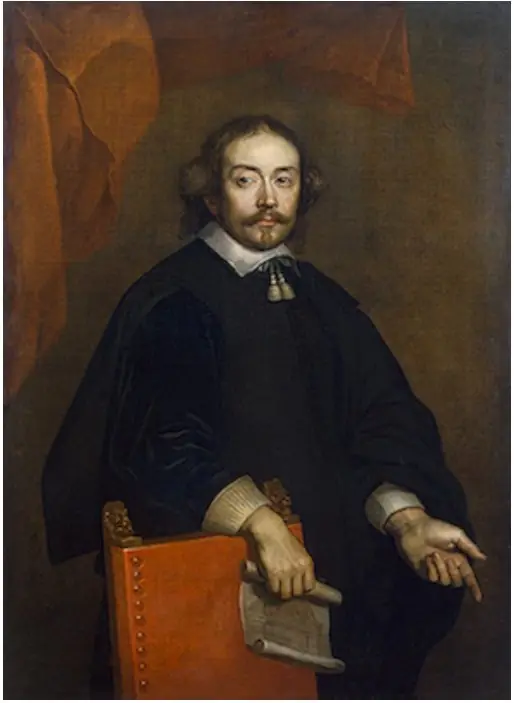 Portrait of the Architect Leo van Heil
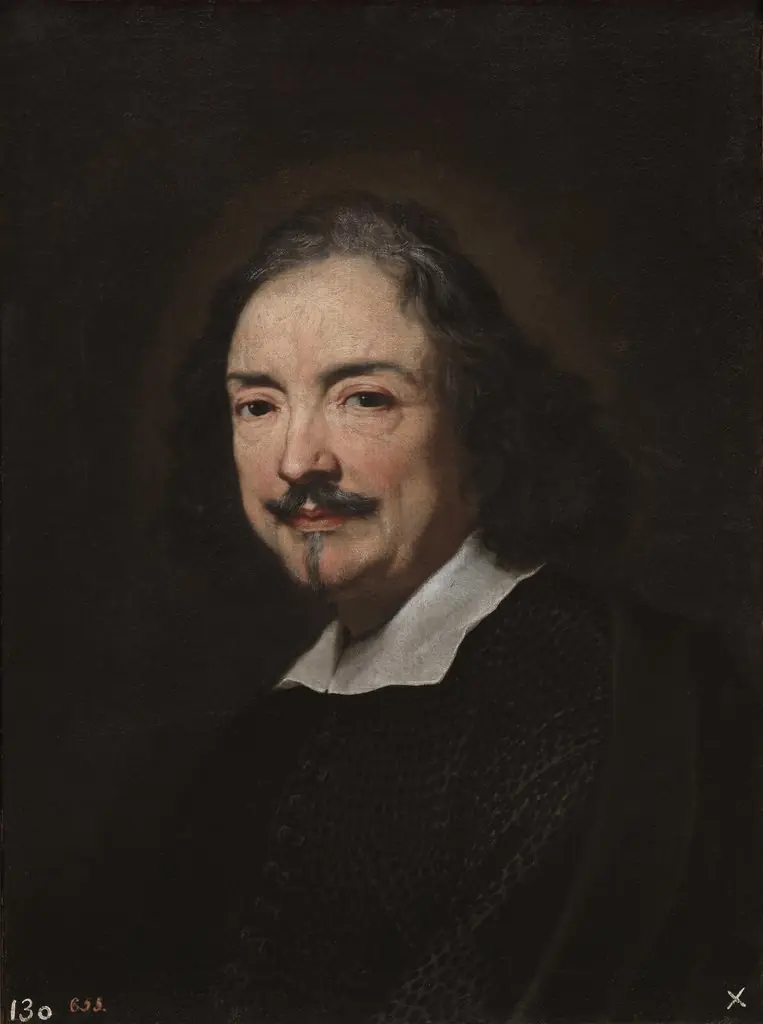 The Painter Andrea Sacchi
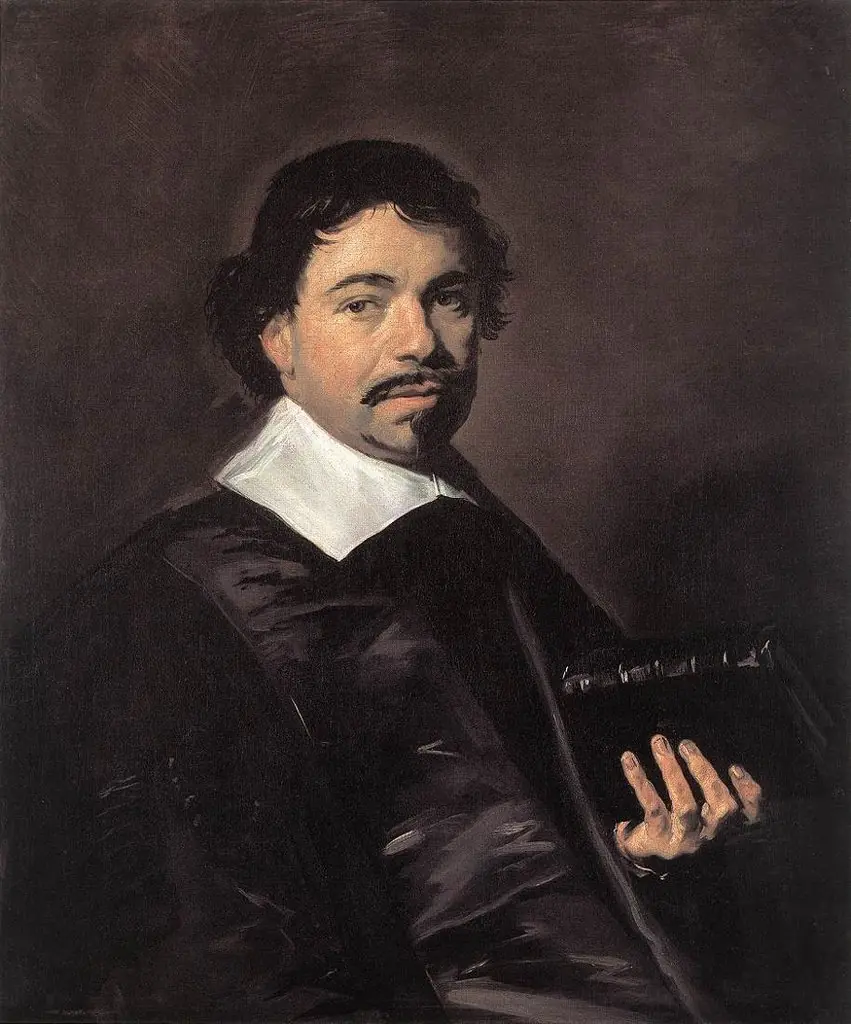 Portrait of Johannes Hoornbeek
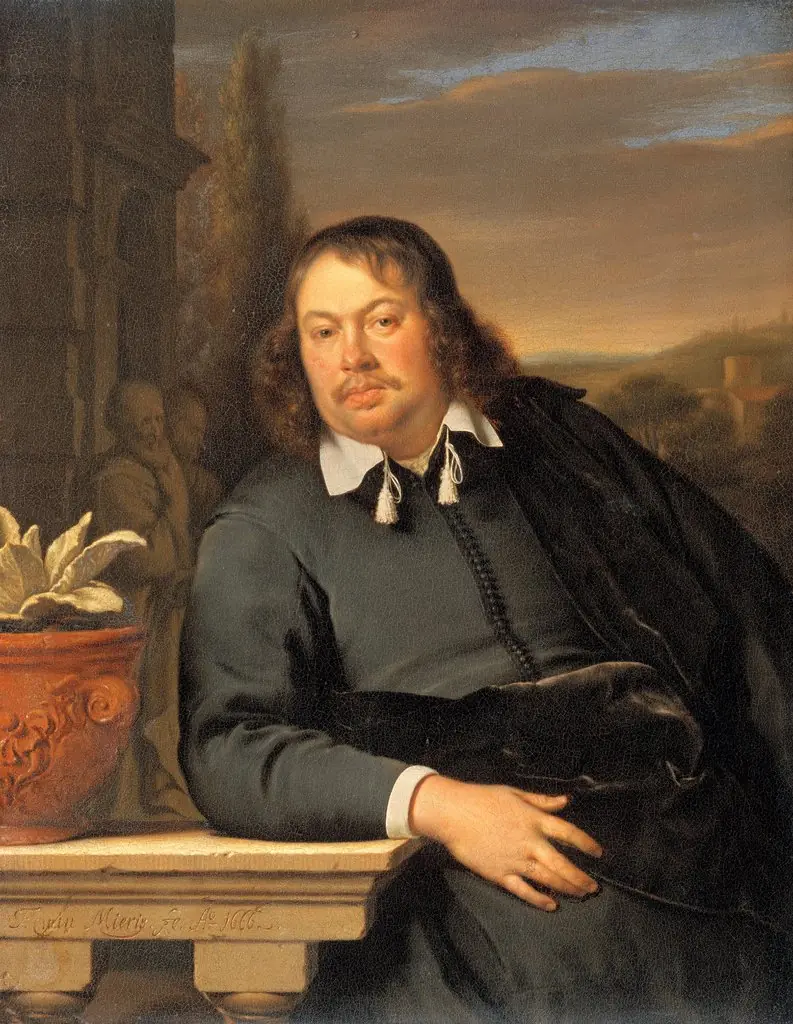 Portrait of Florentius Schuyl (1619-1669)
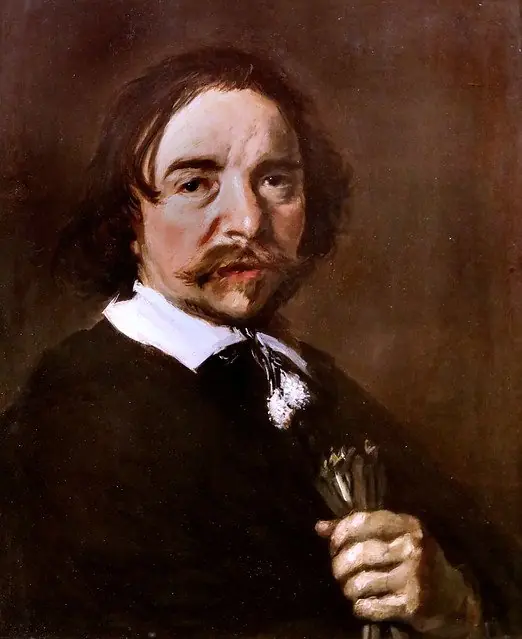 Portrait of a man with a tassle collar holding gloves or flax
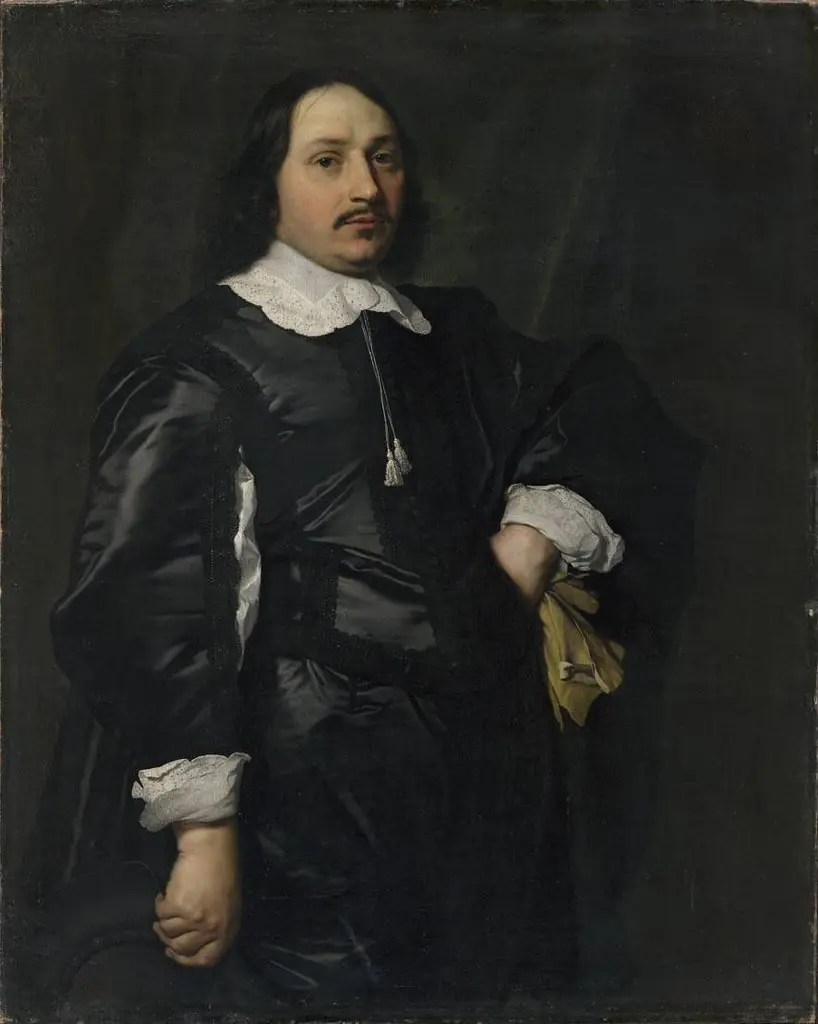 Portrait of a Man in Black
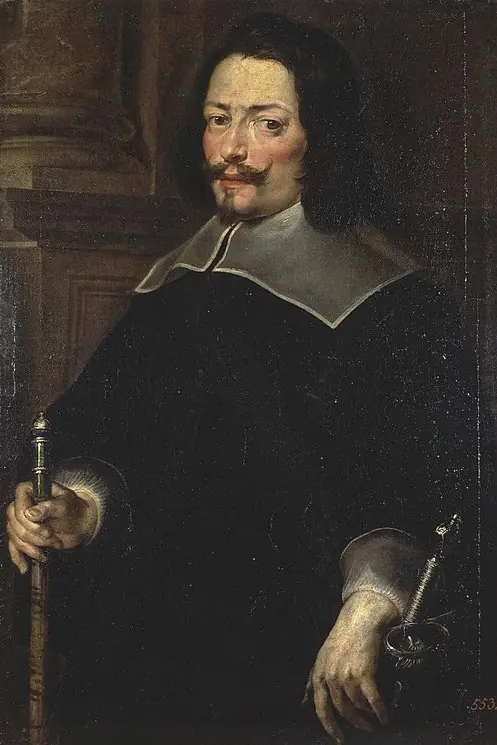 Portrait of a Man
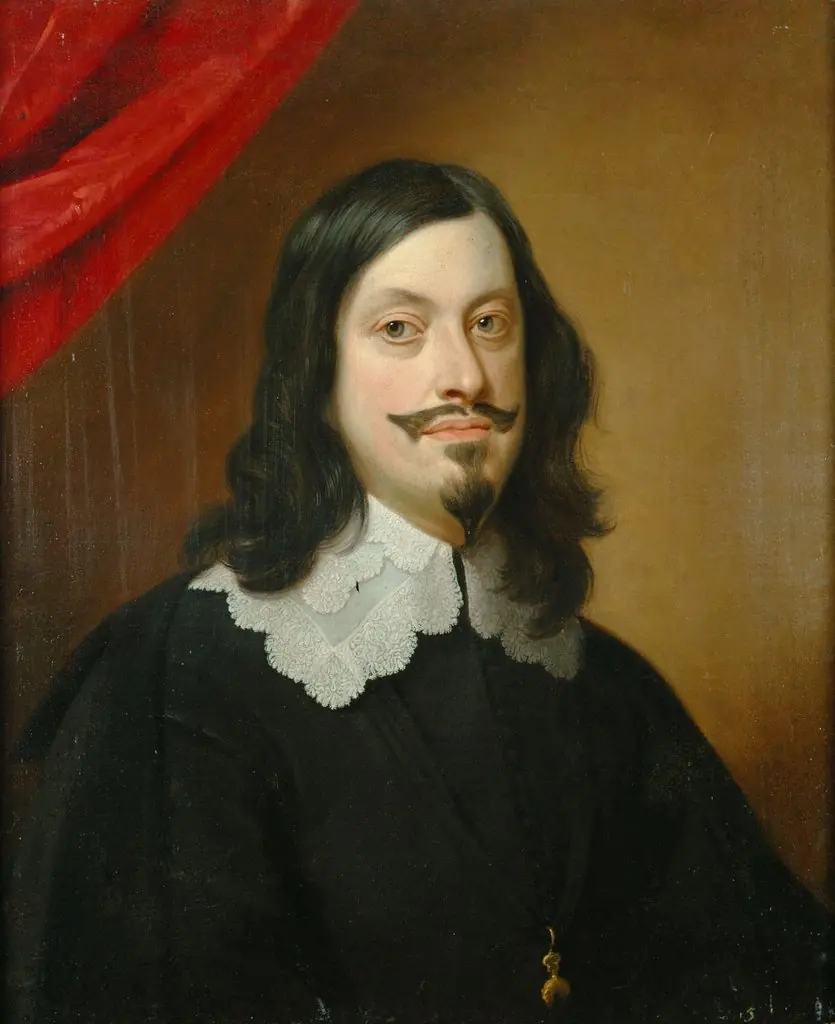 Portrait of Emperor Ferdinand III (1608-1657)
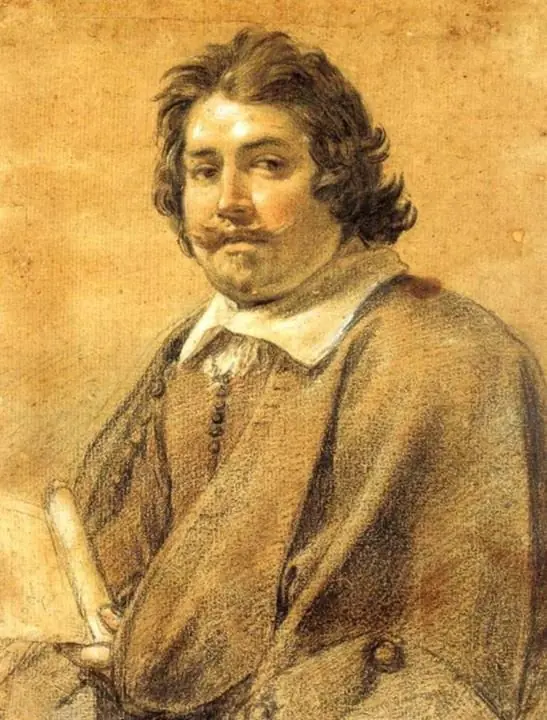 self-portrait
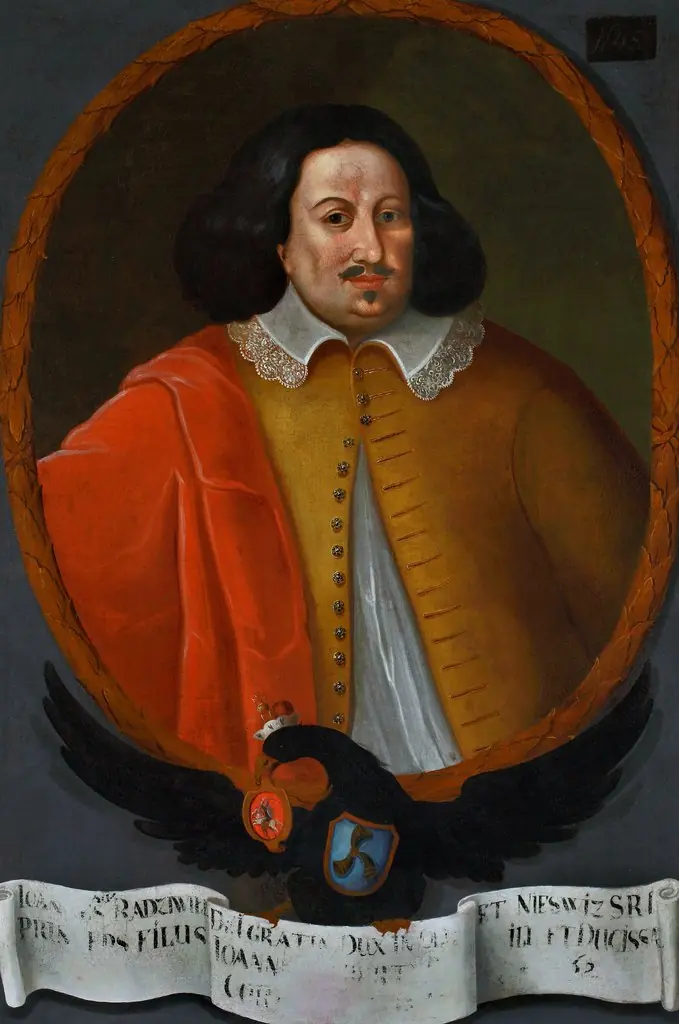 Portrait of Jan XIV Władysław Radziwiłł (1620–1662)