Artwork
Mauritshuis in The Hague
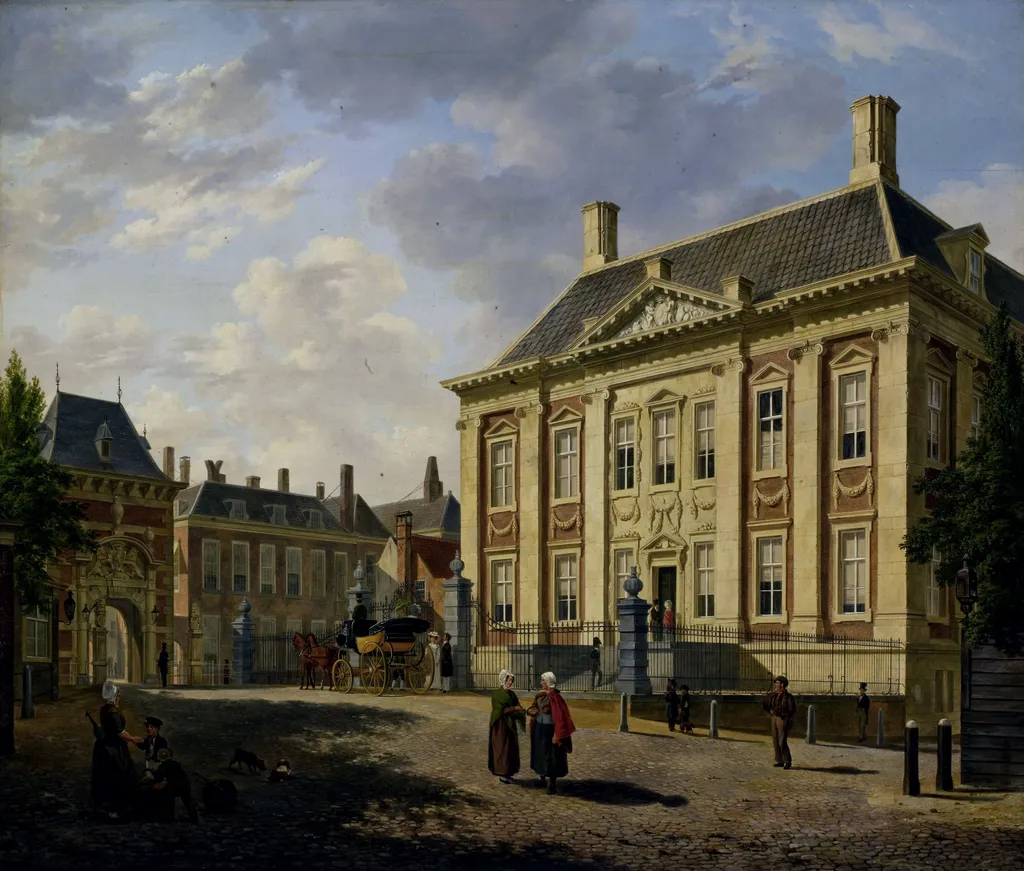
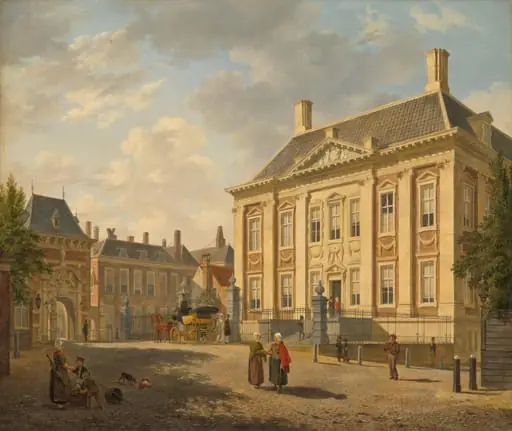
Mauritshuis in The Hague is an oil painting by the Biedermeier artist Bartholomeus van Hove. It dates from 1825 and is held in the collection of the Rijksmuseum.
About this work
Subject & Meaning
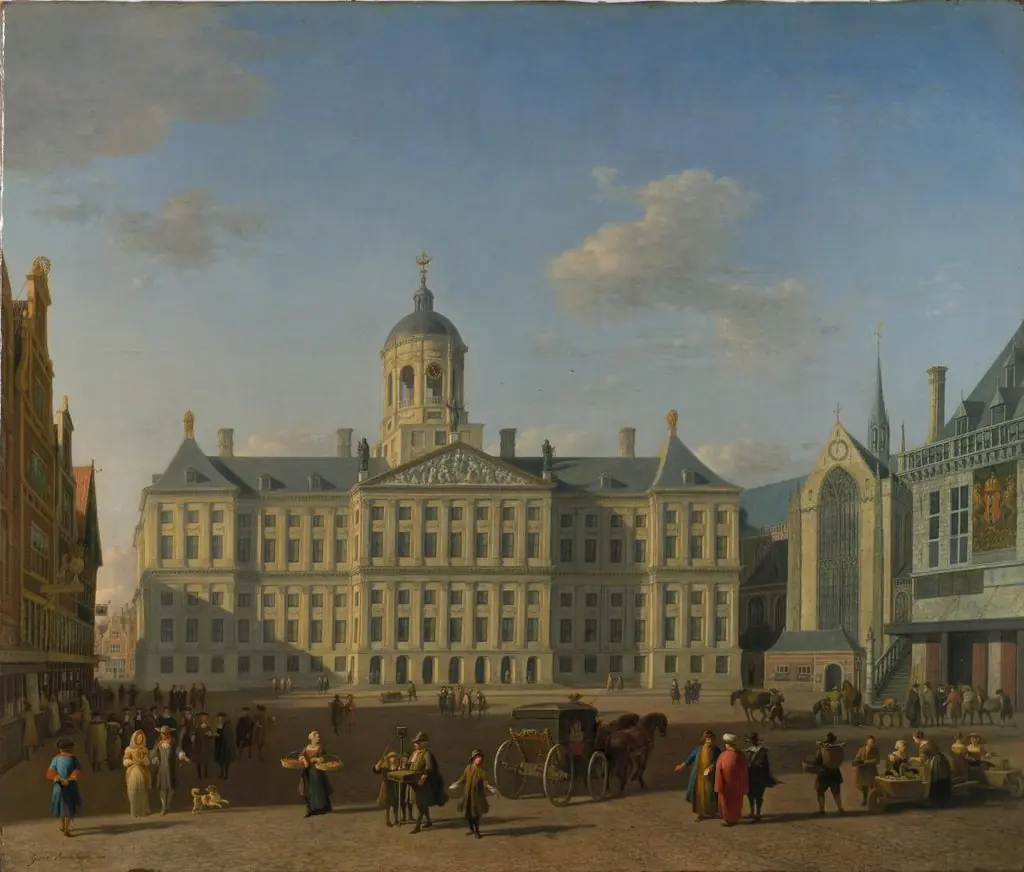
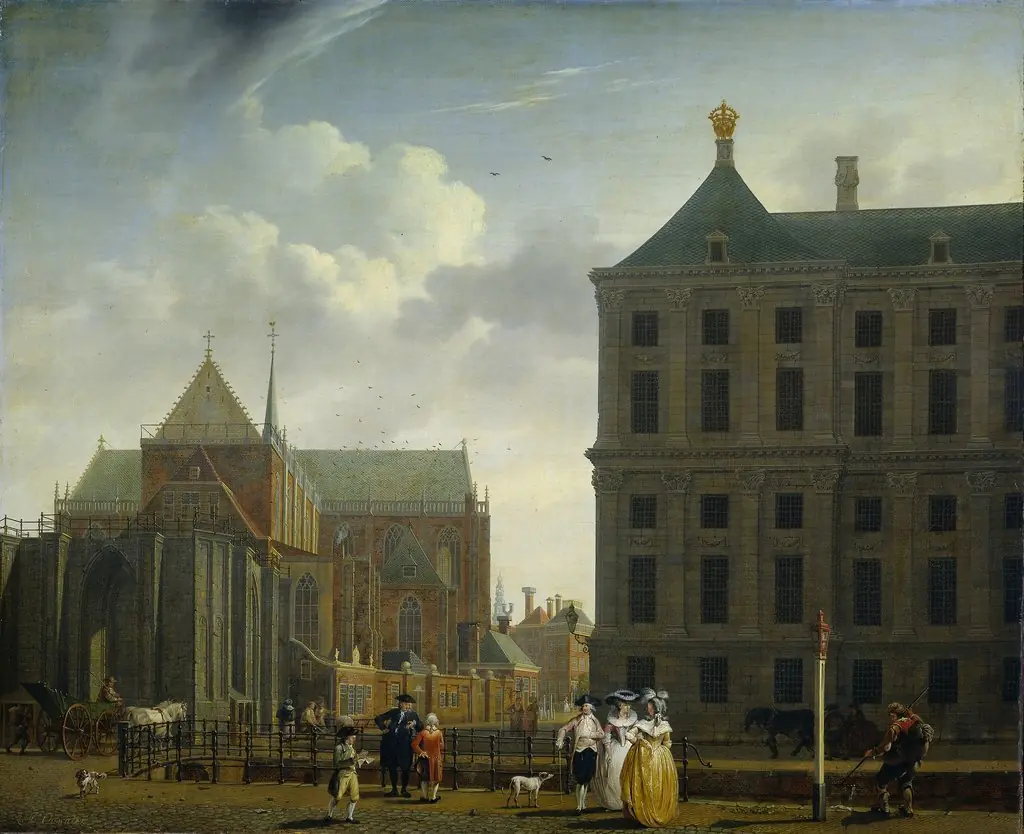
The painting depicts the Mauritshuis in The Hague, serving as the primary subject of the composition. As a cityscape, the work also includes the Mauritspoort within its visual field. Created by Bartholomeus van Hove in 1825, the piece functions as a documentary representation of these specific architectural landmarks in the Dutch city.
Technique & Style
The medium and handling align with van Hove's practice of documenting urban environments with clarity and topographical fidelity.
Bartholomeus van Hove executed this cityscape in oil paint on panel, a support that provided a stable, smooth surface suited to detailed architectural rendering. The painting measures 62 by 72 cm. As a cityscape, the composition centers on the Mauritshuis building and its Mauritspoort gate, treated with the precise observation typical of Dutch topographical painting in the early nineteenth century. The medium and handling align with van Hove's practice of documenting urban environments with clarity and topographical fidelity.
History & Provenance
The cityscape depicting the Mauritshuis was created in 1825 by the artist Bartholomeus van Hove. Executed in oil paint on a panel, the work measures 62 cm in height and 72 cm in width. The painting captures the Mauritspoort and the Mauritshuis building as its main subject.
While the creation date is established as 1825, the current ownership of the piece is attributed to the Rijksmuseum, which houses it at Villa Welgelegen.
Legacy
The painting's significance lies in its architectural depiction of the Mauritshuis, a subject that has resonated within Dutch art historical discourse. Its representation of the Mauritshuis as a civic and cultural landmark contributed to the visual documentation of the building prior to later modifications, supporting scholarly understanding of its evolution. The work is part of the collection at the Rijksmuseum, displayed at Villa Welgelegen.
As a cityscape, its meticulous rendering of the Mauritshuis has informed studies of nineteenth-century Dutch architectural visualization, though its specific impact on later artists is not detailed in the provided sources.
Overview
Bartholomeus van Hove’s 1825 oil painting records the Mauritshuis and its adjoining gate, the Mauritspoort, as they appeared in early nineteenth‑century The Hague. The canvas captures the museum’s façade, its red‑yellow brickwork and steep roof, set within a bustling cobblestone street populated by pedestrians and a horse‑drawn carriage.
Context
The canvas was produced at a time when The Hague was expanding its civic identity, and the Mauritshuis, originally a royal residence, was being re‑imagined as a public museum. Van Hove’s depiction aligns with the Biedermeier focus on orderly, well‑observed urban environments, reflecting contemporary attitudes toward heritage and public space.
Own this work as a print
Artist & collection
Artist
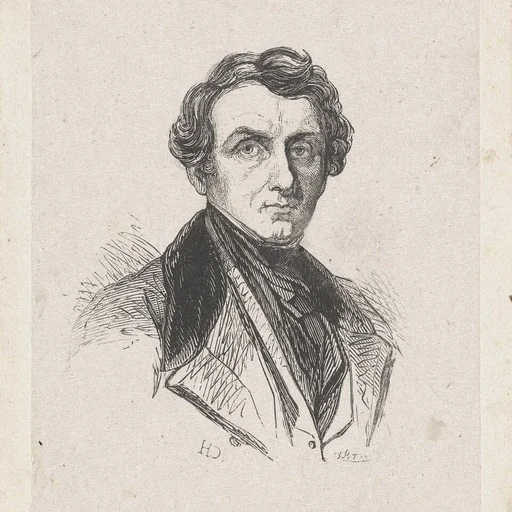
Bartholomeus Johannes van Hove (October 28, 1790 in The Hague – November 8, 1880 in The Hague) was a Dutch painter and the father of Hubertus van Hove.