Artwork
El archiduque Carlos de Austria, duque de Stiria
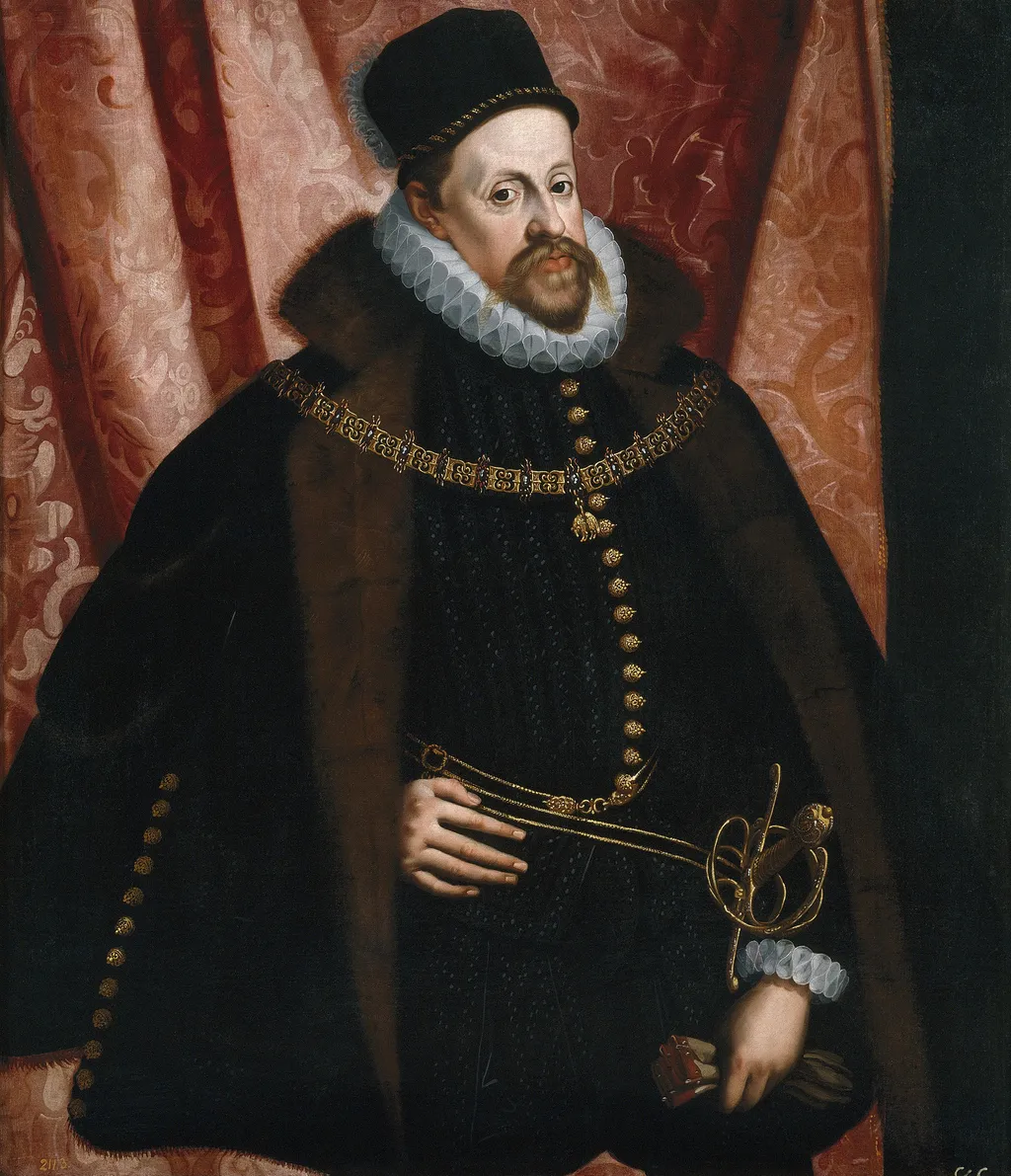
El archiduque Carlos de Austria, duque de Stiria is an oil painting by the Early Baroque Italian artist Bartolomé González y Serrano. It dates from 1608 and is held in the collection of the Museo del Prado.
About this work
Subject & Meaning
Specific iconographic elements include a sword and gemstones, which are visibly rendered to signify military power and wealth.
This 1608 oil portrait depicts Archduke Charles of Austria, Duke of Styria. The composition functions as a formal representation of the sitter's noble status and authority. Specific iconographic elements include a sword and gemstones, which are visibly rendered to signify military power and wealth.
These attributes collectively establish the work as a statement of the Archduke's high rank within the Habsburg dynasty.
Technique & Style
The work is executed in oil paint on canvas, a standard support for early 17th‑century Spanish portraiture. The composition presents the sitter in a three‑quarter view, illuminated by a soft, diffused light that emphasizes the delicate rendering of facial features and the intricate details of his attire, including a lace‑trimmed collar and a jeweled sword. The brushwork shows a blend of precise modeling for the flesh tones and looser, expressive strokes in the background, creating a balance between naturalistic representation and the decorative emphasis typical of court portraiture of the period.
The painting’s dimensions measure 117 cm in height by 102 cm in width, aligning with the scale often employed for formal state portraits.
The stylistic qualities reflect the transition from Mannerist influences toward a more naturalistic realism seen in the Madrid school, while the inclusion of symbolic elements such as the sword and gemstone underscore the sitter’s aristocratic status and martial connections.
History & Provenance
Bartolomé González y Serrano executed this oil-on-canvas portrait of Archduke Charles of Austria, Duke of Styria, in 1608. The work measures 117 by 102 centimeters and depicts the subject alongside a sword and gemstone. It currently resides in the collection of the Museo del Prado, which serves as its known location.
The painting is housed in the Museo del Prado, where it is catalogued under the inventory number P00968.
It has been displayed in the museum's exhibition "El siglo de Velázquez" (2005) and in the Prado's permanent collection presentation "Pintura española del Siglo de Oro" (2012).
Overview
El archiduque Carlos de Austria, duque de Stiria is a 1608 oil painting by Spanish Baroque portraitist Bartolomé González y Serrano. The work depicts Archduke Charles of Austria in formal, ornate attire, set against a distinctive red, floral-patterned curtain.
Context
The painting reflects the artistic and social norms of early 17th-century Spain, where such portraits served to affirm the status and power of nobility.
Legacy
As part of the Museo del Prado's collection, El archiduque Carlos de Austria, duque de Stiria contributes to the understanding and appreciation of Spanish Baroque portraiture, though specific details on its broader impact or exhibitions are not provided.
Own this work as a print
Artist & collection
Artist
Bartolomé González y Serrano (1564–1627) was a Spanish Baroque painter specializing in portraits that represent a continuation of Renaissance court portrait types practiced by Alonso Sánchez Coello and especially by Juan Pantoja de la Cruz.

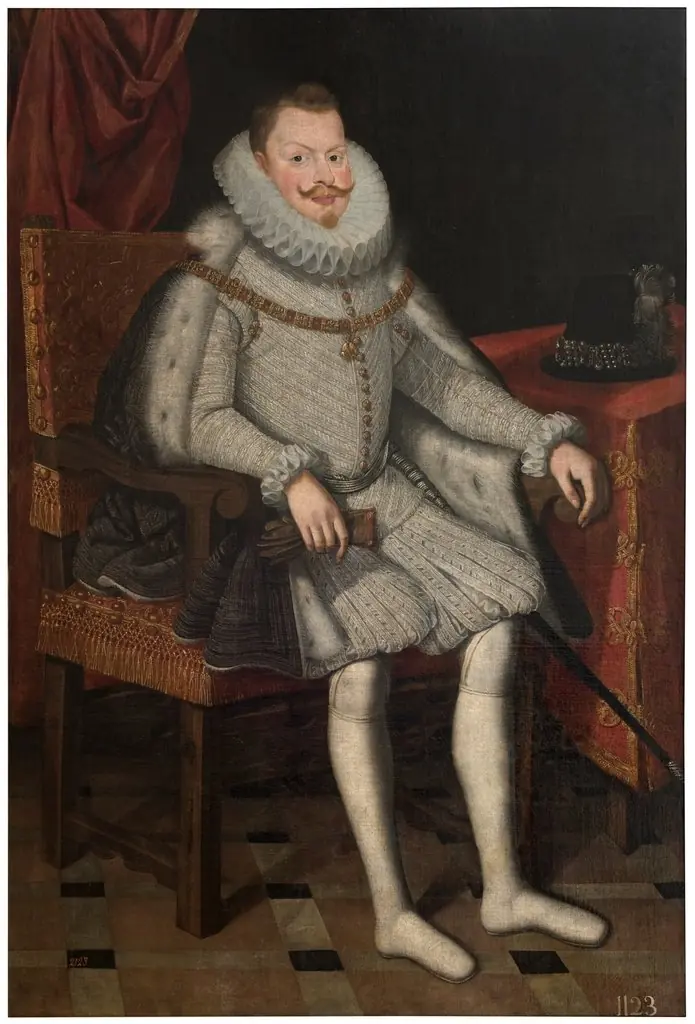
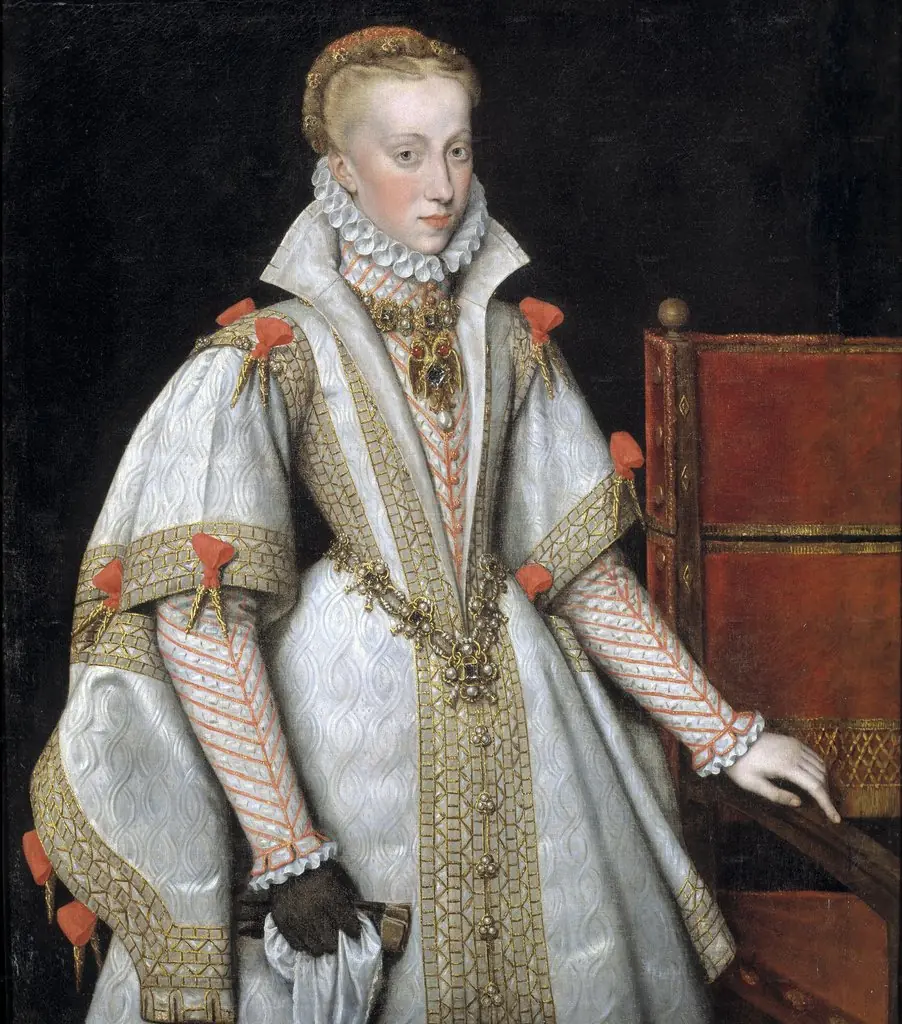
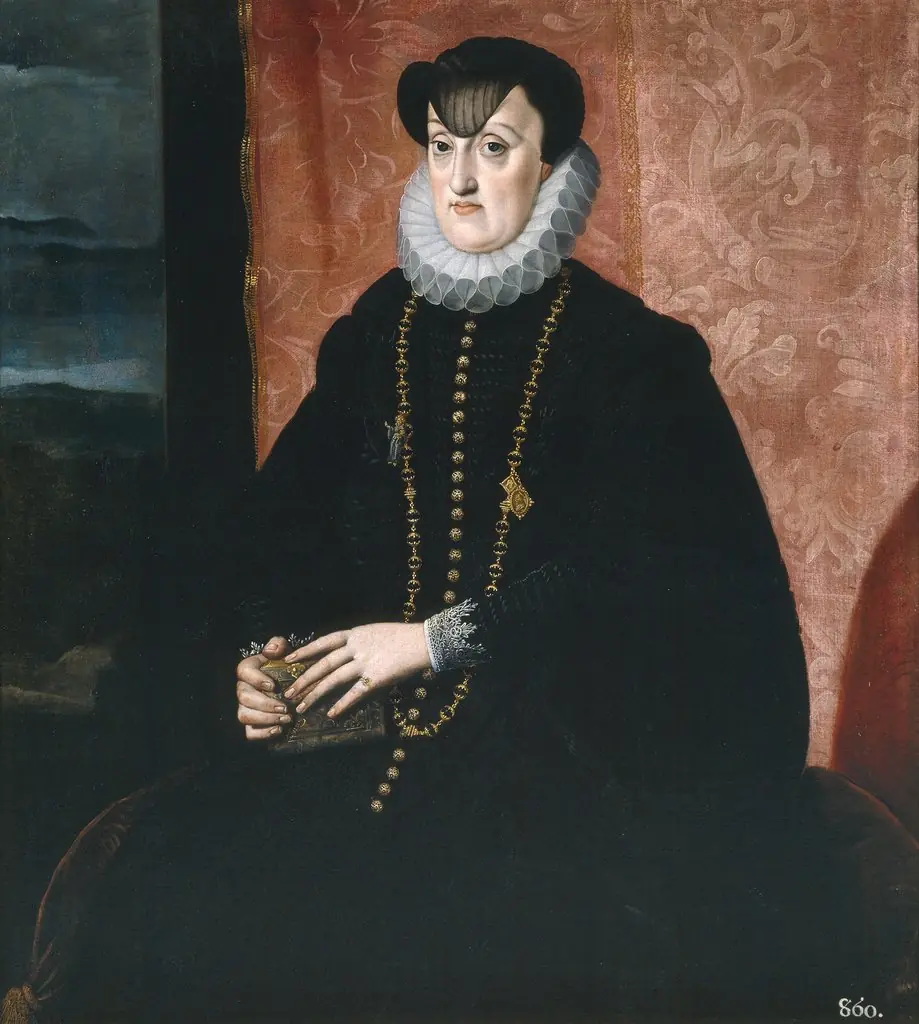
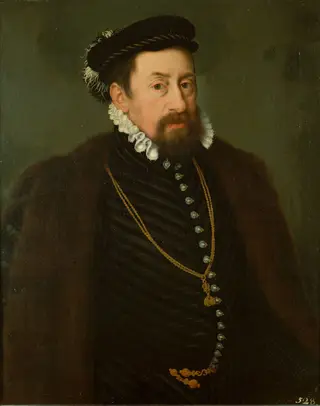
- Kaiser Maximilian II. (1527-1576) als etwa Vierzigjähriger
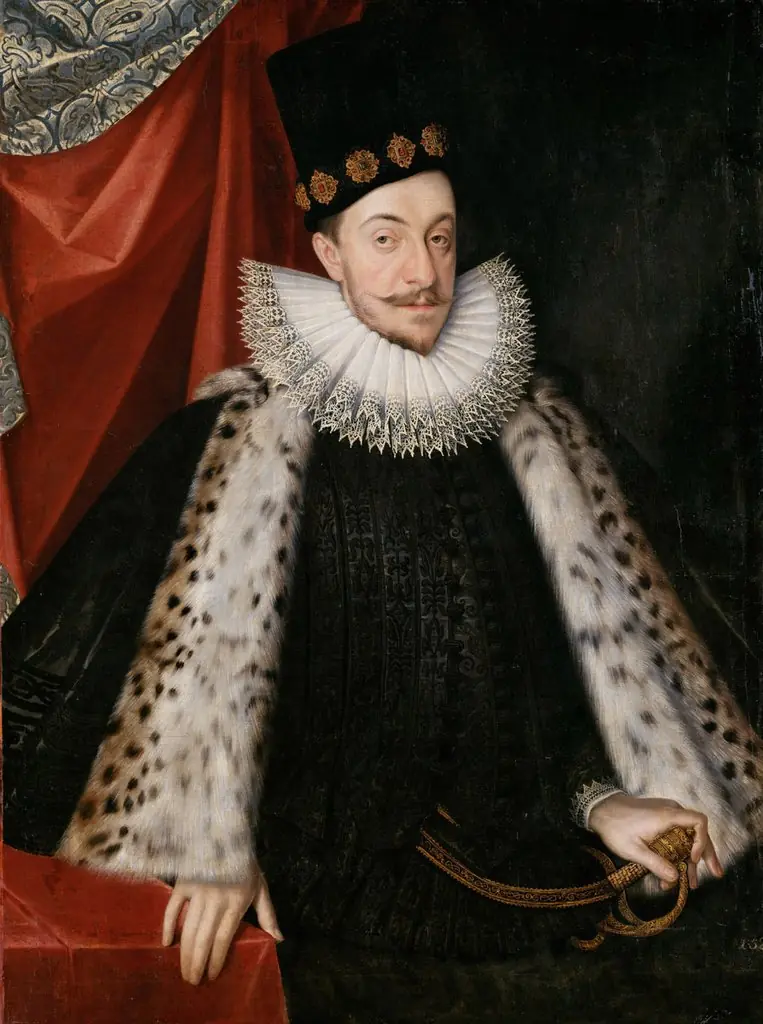 König Sigismund III. (1566-1632) von Polen, Kniestück
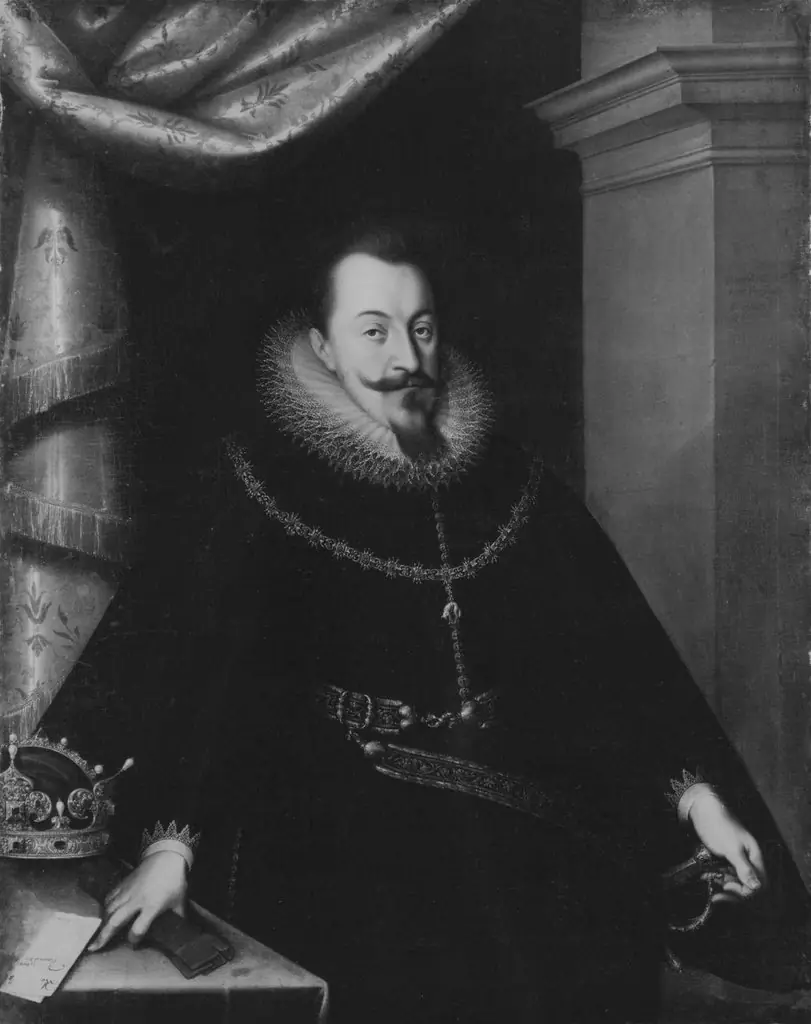 Bildnis des Königs Sigismund III. Vara von Polen und Schweden
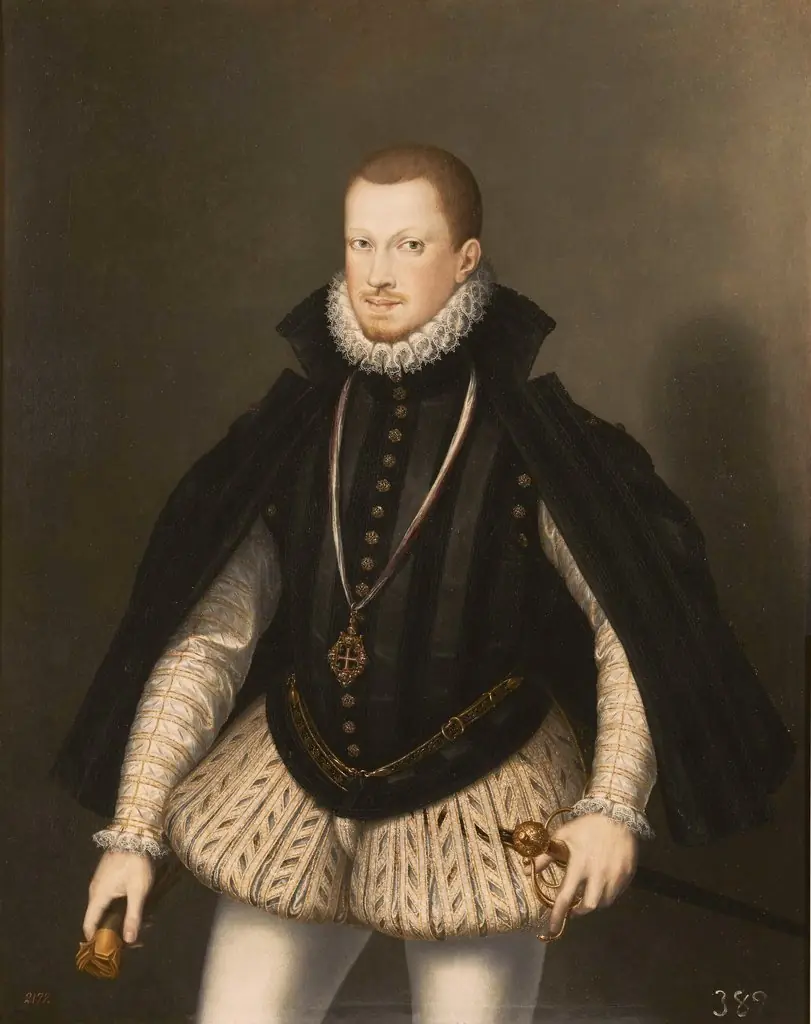 Don Sebastián rey de Portugal
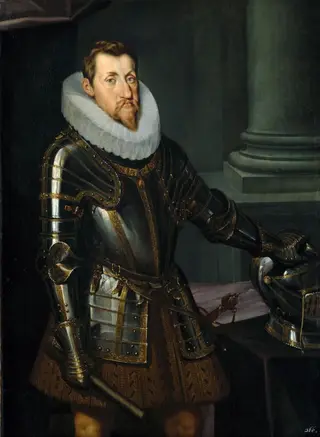 Portrait of Ferdinand II, Holy Roman Emperor (1578-1637)
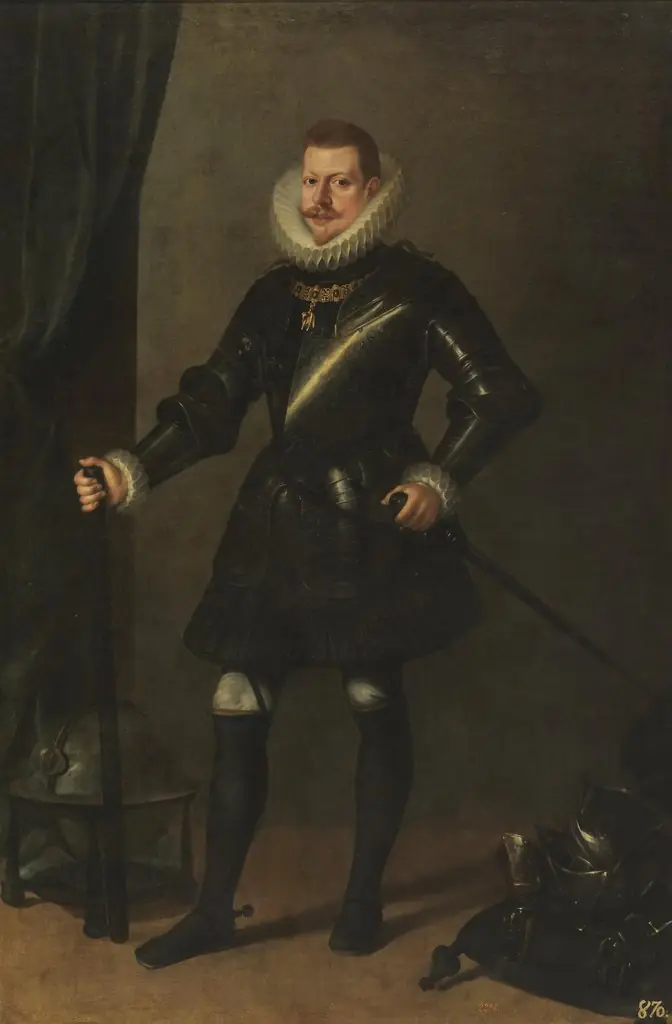 Philip III in Armour
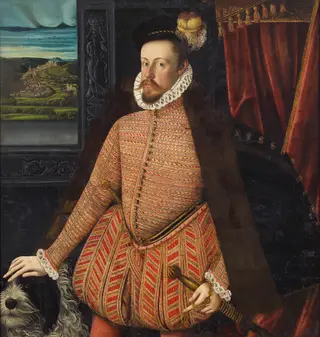 Erzherzog Karl II. (1540-1590) mit dem Blick auf Graz, Kniestück
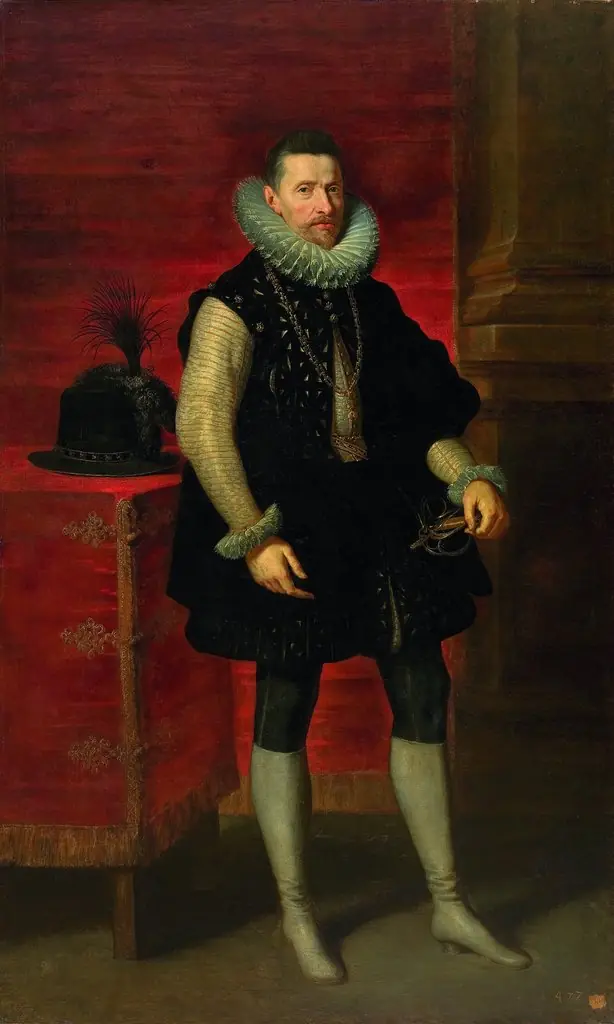 Portrait of Albert VII, Archduke of Austria
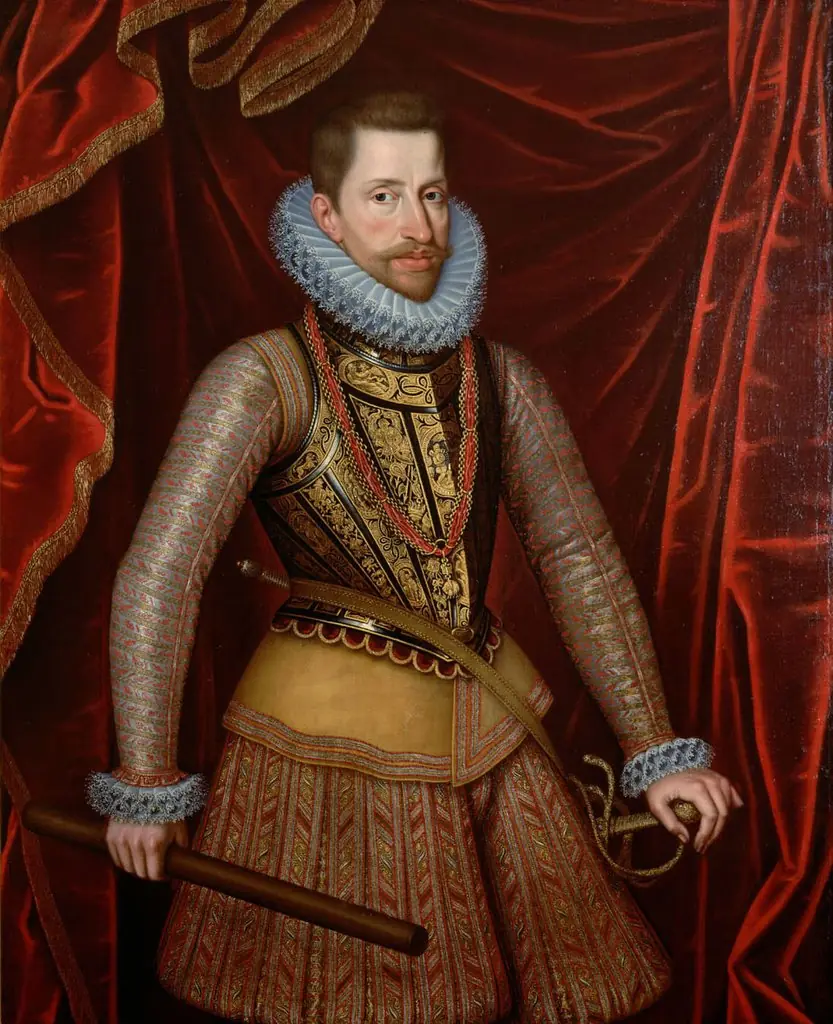 Portrait of Albrecht VII, Archduke of Austria (1559-1621)
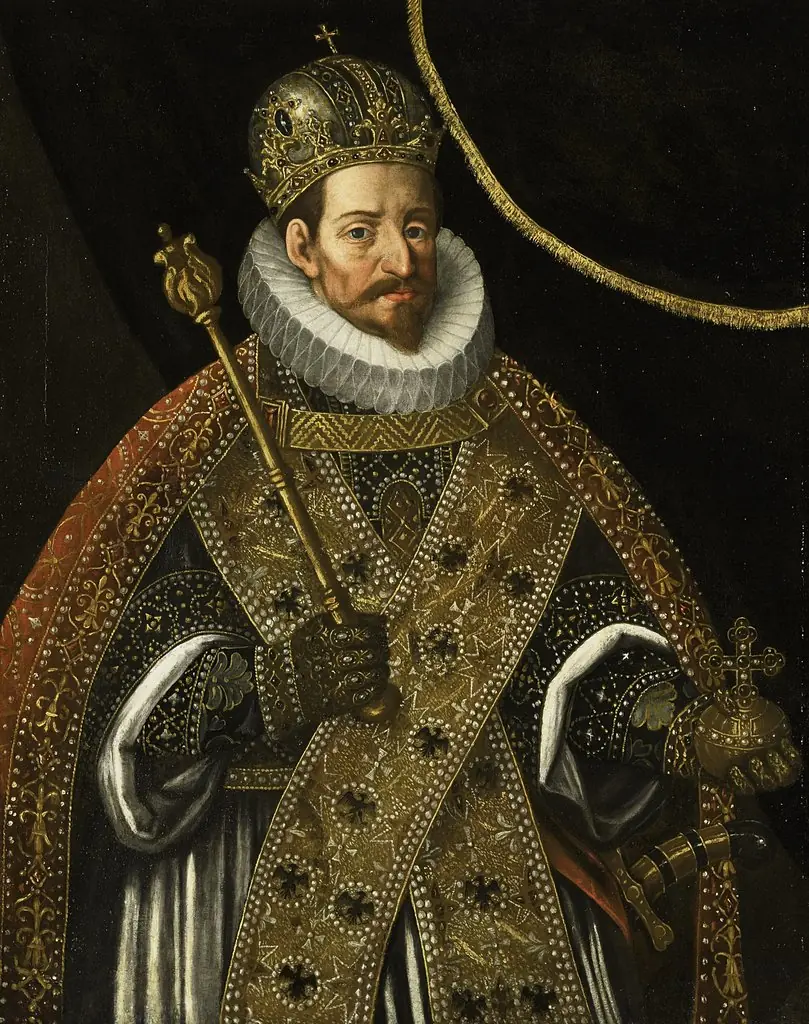 Matthias, Emperor of the Holy Roman Empire (1557-1619)
 Don Sebastian (1554-nach 1578), König von Portugal, mit dem Kreuz des Christusordens, Halbfigur (beschnitten)
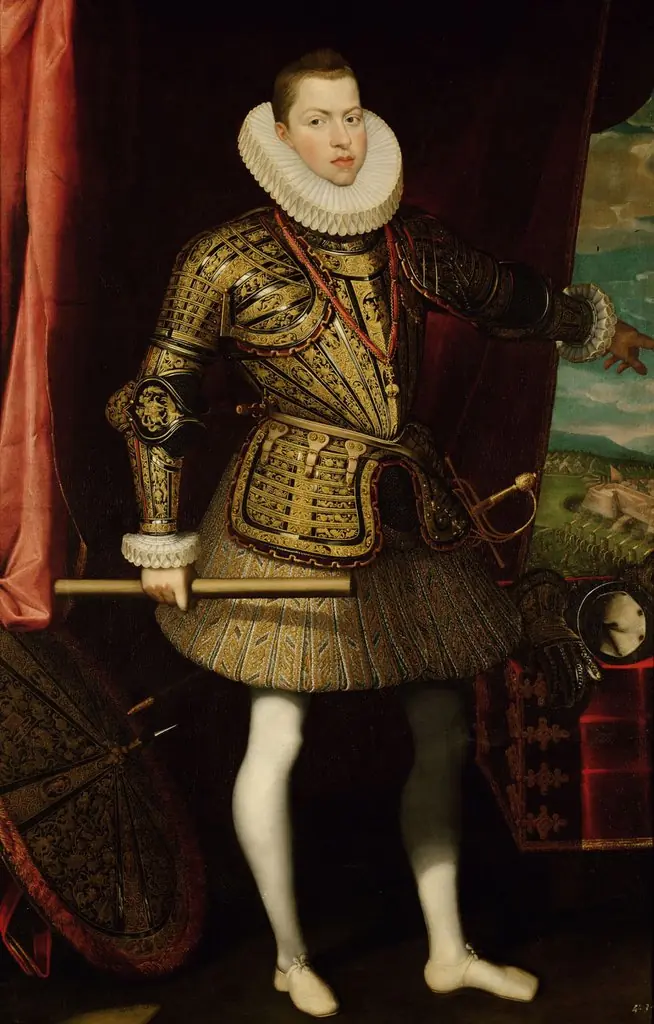 König Philipp III.(1578-1621) von Spanien, Bildnis in ganzer Figur als General der Infanterie (Im Hintergrund: Die Belagerung von Ostende 1601-1604)