Artwork
Bildnis des Königs Sigismund III. Vara von Polen und Schweden
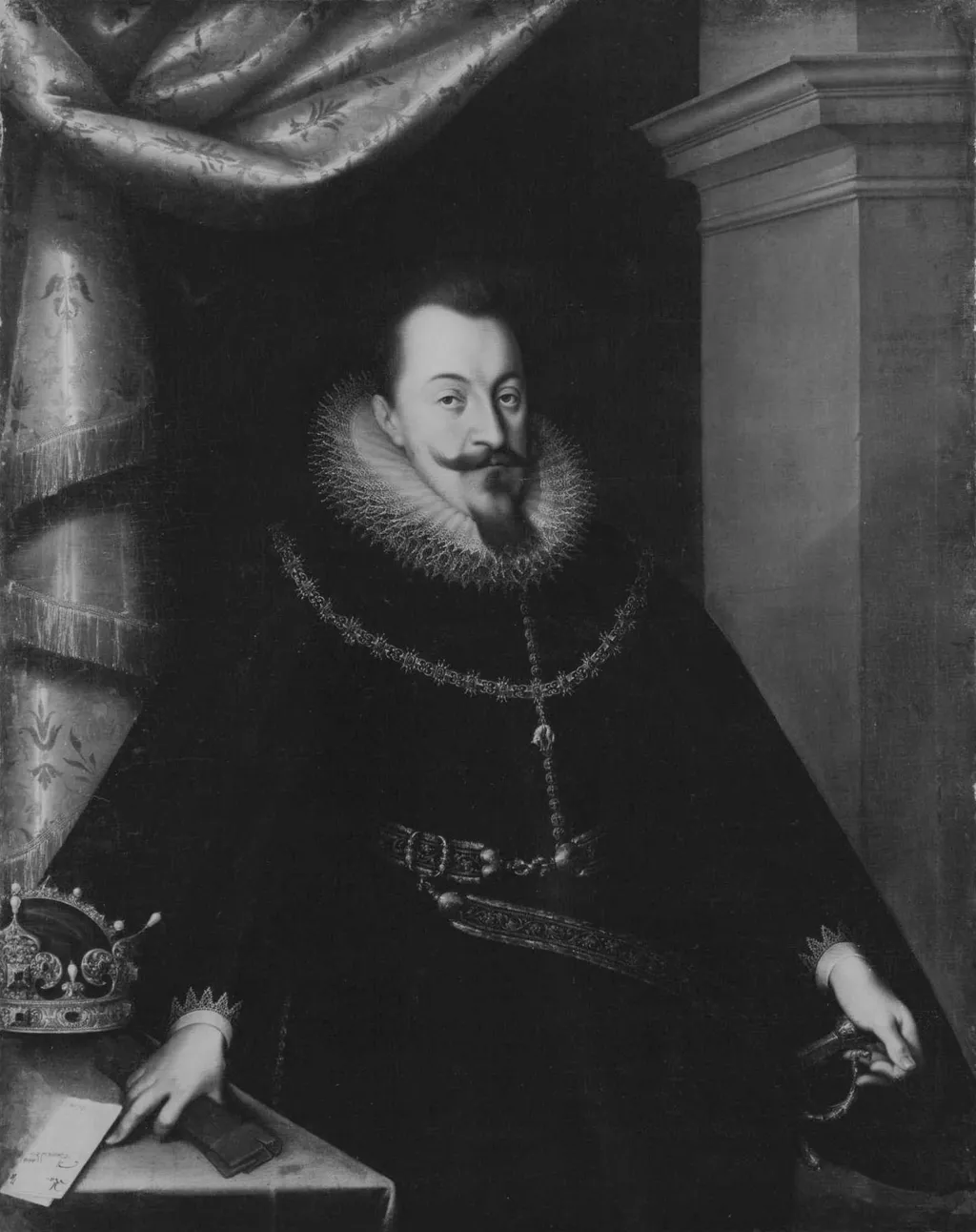
Bildnis des Königs Sigismund III. Vara von Polen und Schweden is an oil painting by the Early Baroque Italian artist Joseph Heintz the Elder. It dates from 1605 and is held in the collection of the Bavarian State Painting Collections.
About this work
Subject & Meaning
The painting depicts Sigismund III Vasa, the King of Poland and Sweden, serving as a formal royal portrait. Created in 1605 by Joseph Heintz the Elder, the work identifies the monarch as its main subject. As a genre portrait, the piece functions to represent the king's status and identity through a direct visual likeness.
Technique & Style
As a formal portrait, the painting depicts Sigismund III Vasa, King of Poland and Sweden, utilizing the medium to capture the monarch's likeness.
Created in 1605 by Joseph Heintz the Elder, this portrait is executed in oil paint on a canvas support. The work measures 148.5 cm in height and 116.5 cm in width. As a formal portrait, the painting depicts Sigismund III Vasa, King of Poland and Sweden, utilizing the medium to capture the monarch's likeness. The piece is currently held within the Bavarian State Painting Collections at the Alte Pinakothek.
History & Provenance
The portrait of King Sigismund III Vasa of Poland and Sweden was created by Joseph Heintz the Elder in 1605. Executed in oil paint on canvas, the work measures 148.5 cm in height and 116.5 cm in width. The painting is currently held by the Bavarian State Painting Collections at the Alte Pinakothek in Munich.
The portrait is held in the collection of the Bavarian State Painting Collections and is located at the Alte Pinakothek. Created in 1605, the oil painting on canvas depicts Sigismund III Vasa. The provided sources do not list a specific inventory or accession number, nor do they contain records of any past or current exhibitions for this work.
Overview
Created in 1605, this oil on canvas portrait by Joseph Heintz the Elder presents the Polish‑Swedish monarch Sigismund III Vasa. The work is part of the collection of Munich’s Alte Pinakothek and measures a modest size, focusing on a single seated figure against a dark, minimally detailed backdrop.
Context
At the turn of the 17th century, royal portraiture served both diplomatic and propagandistic purposes. By portraying Sigismund III Vasa in a sober, dignified manner, the painting aligns with contemporary expectations of monarchs as learned and pious leaders, reflecting the political climate of the Polish‑Lithuanian Commonwealth and its ties to Sweden.
Own this work as a print
Artist & collection

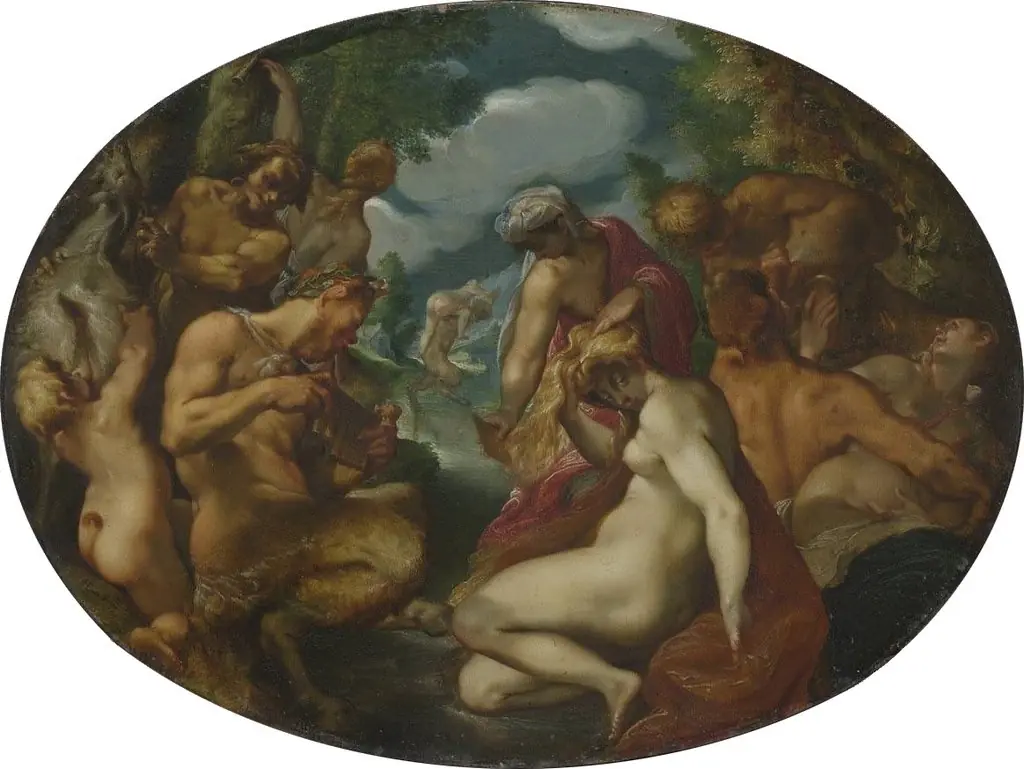 Satyrs and nymphs
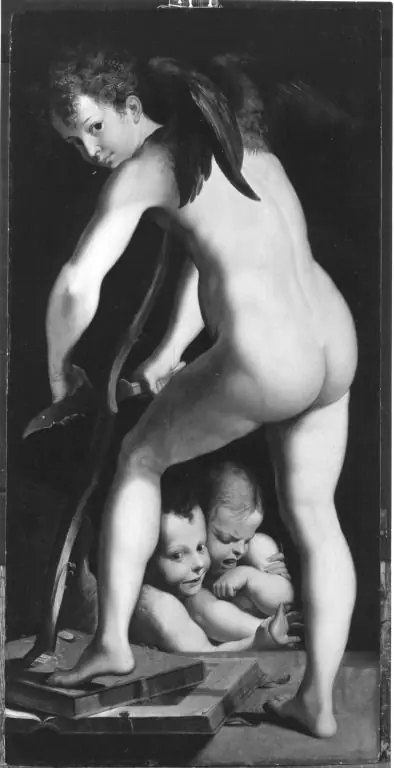 Cupid carves the bow
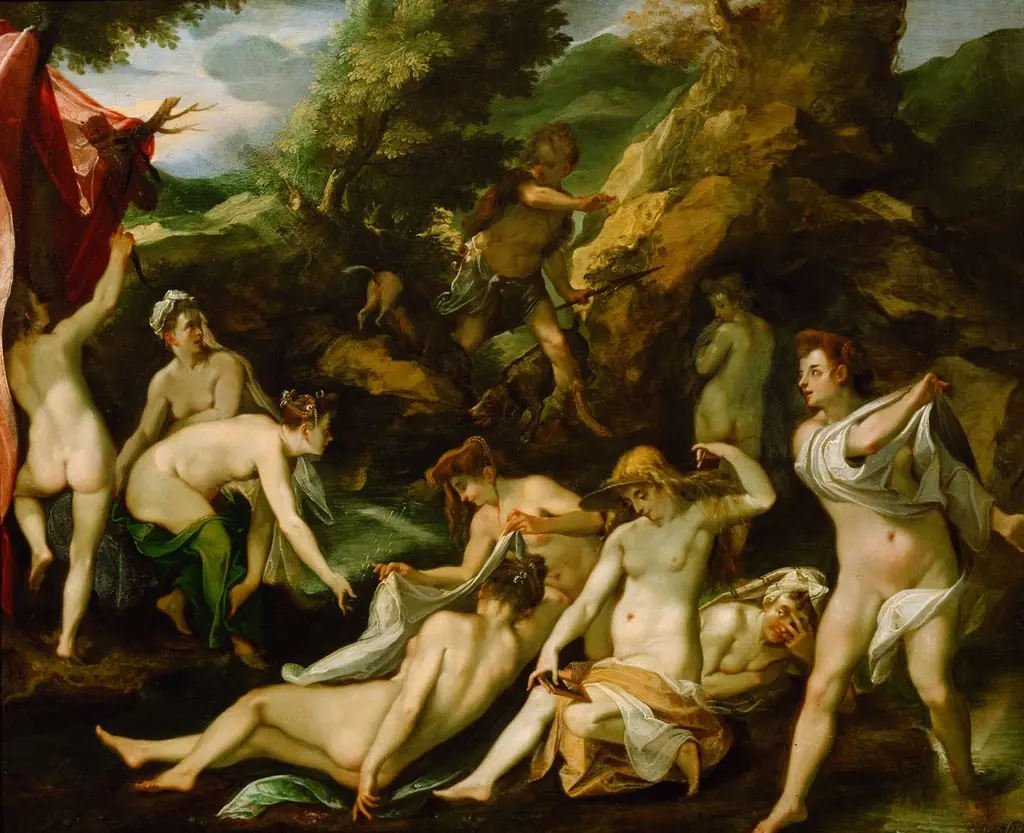 Diana and Actaeon
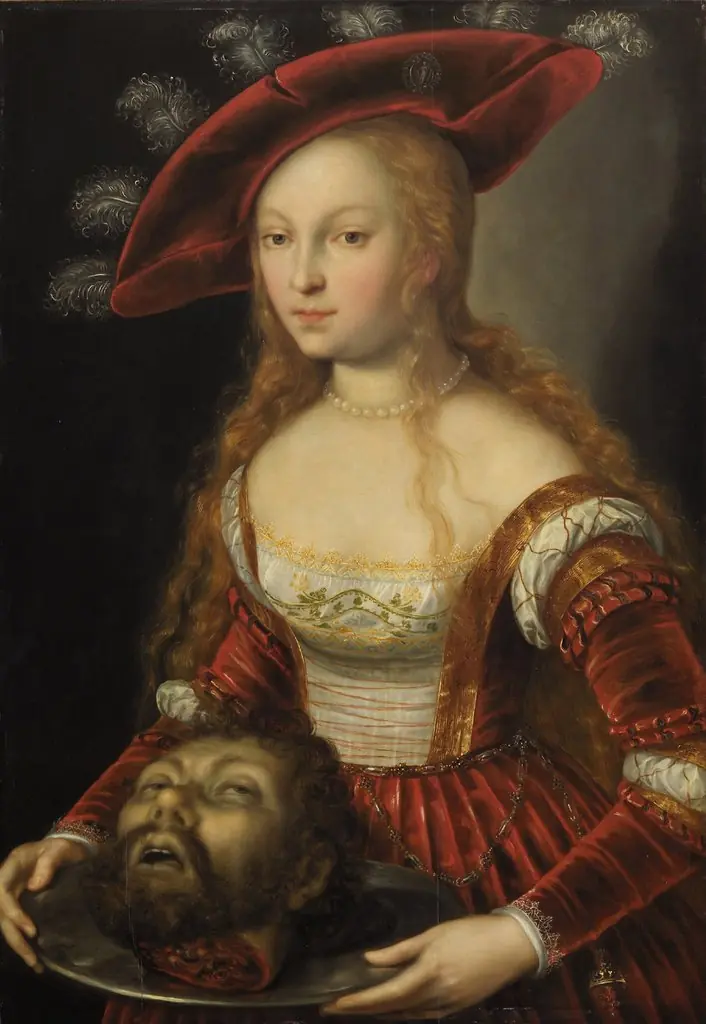 Salome with the head of John the Baptist
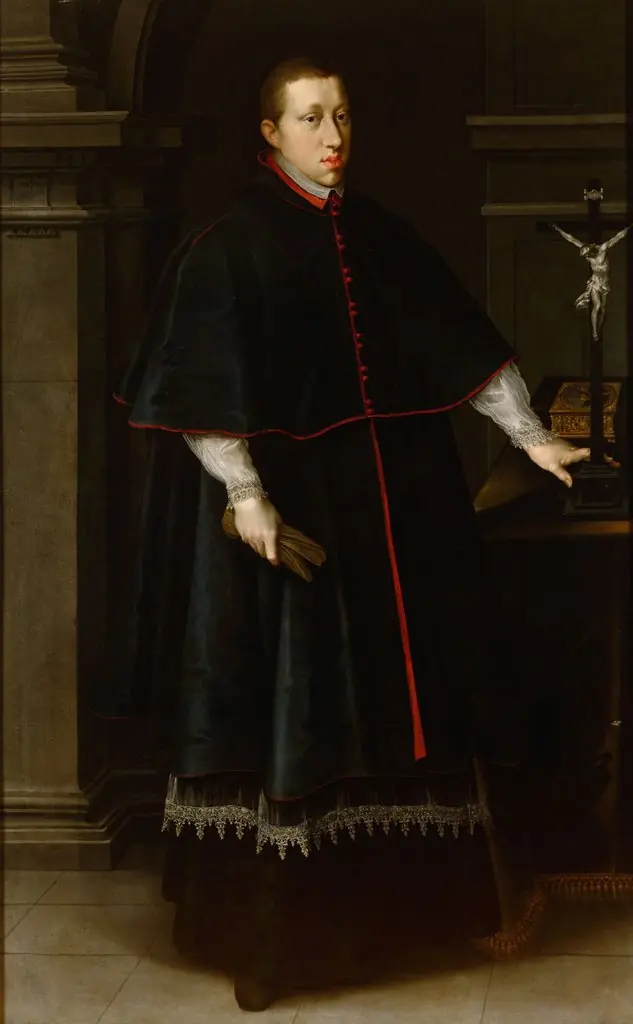 Archduke Leopold V (1586-1632) in the Spiritual Garment
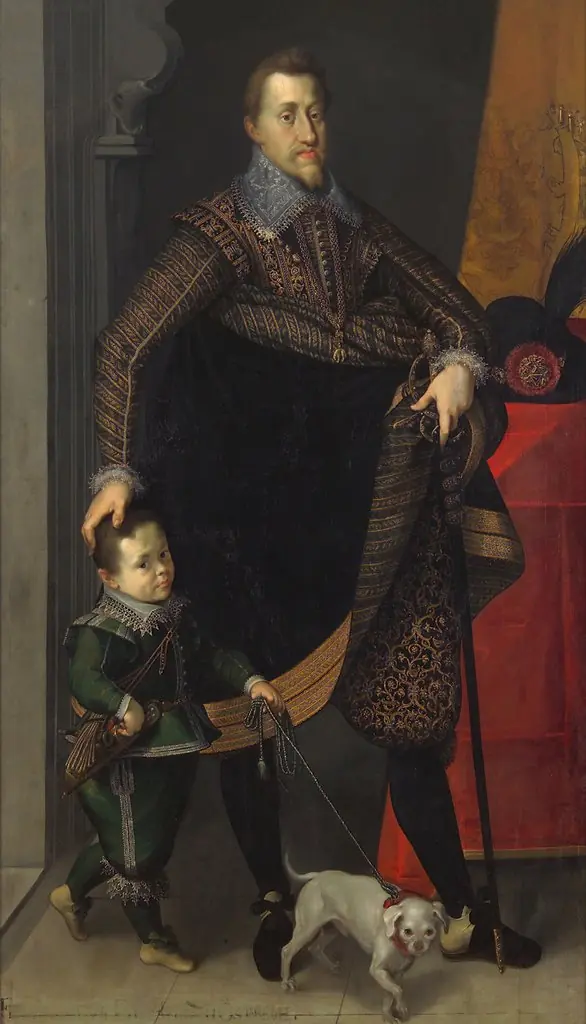 Emperor Ferdinand II (1578-1637) in Full Figure with a Court Dwarf
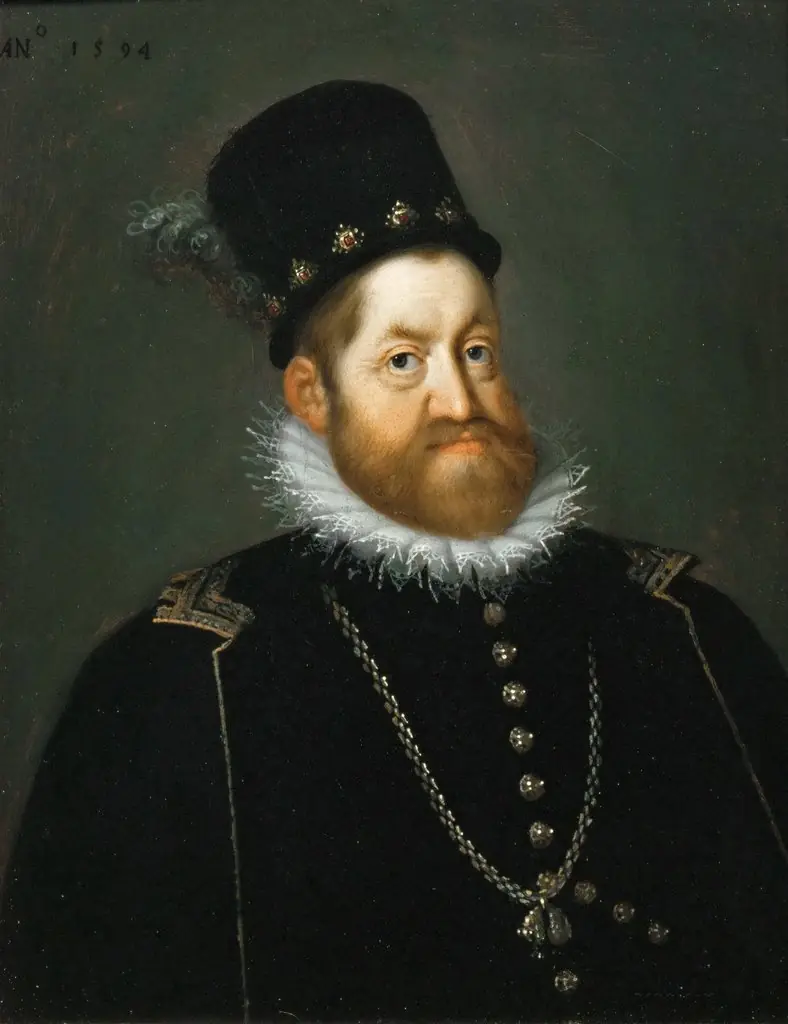 Porträt des Kaisers Rudolf II.
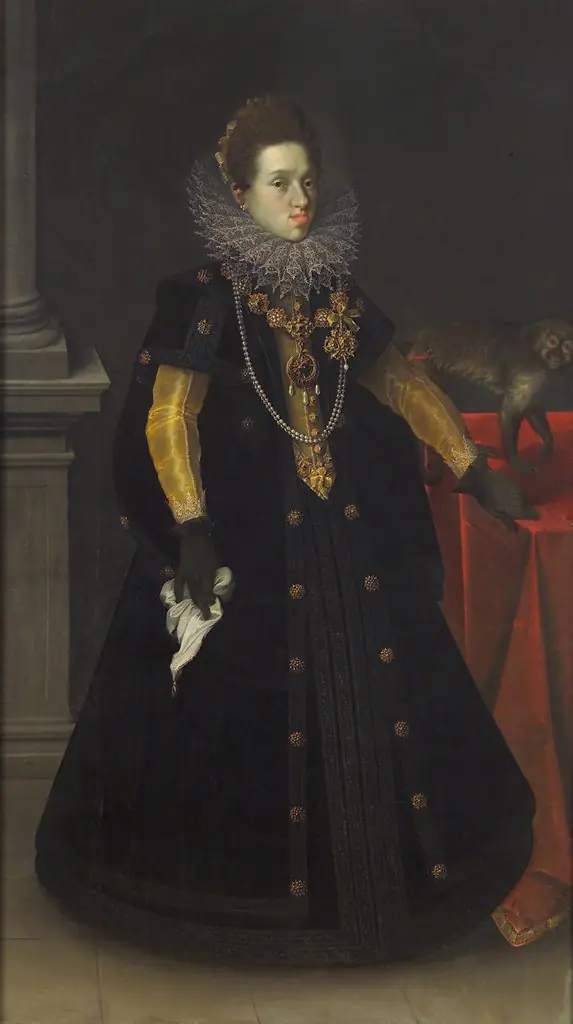 Archduchess Constance (1588-1631), Queen of Poland, with a Monkey
- El archiduque Carlos de Austria, duque de Stiria
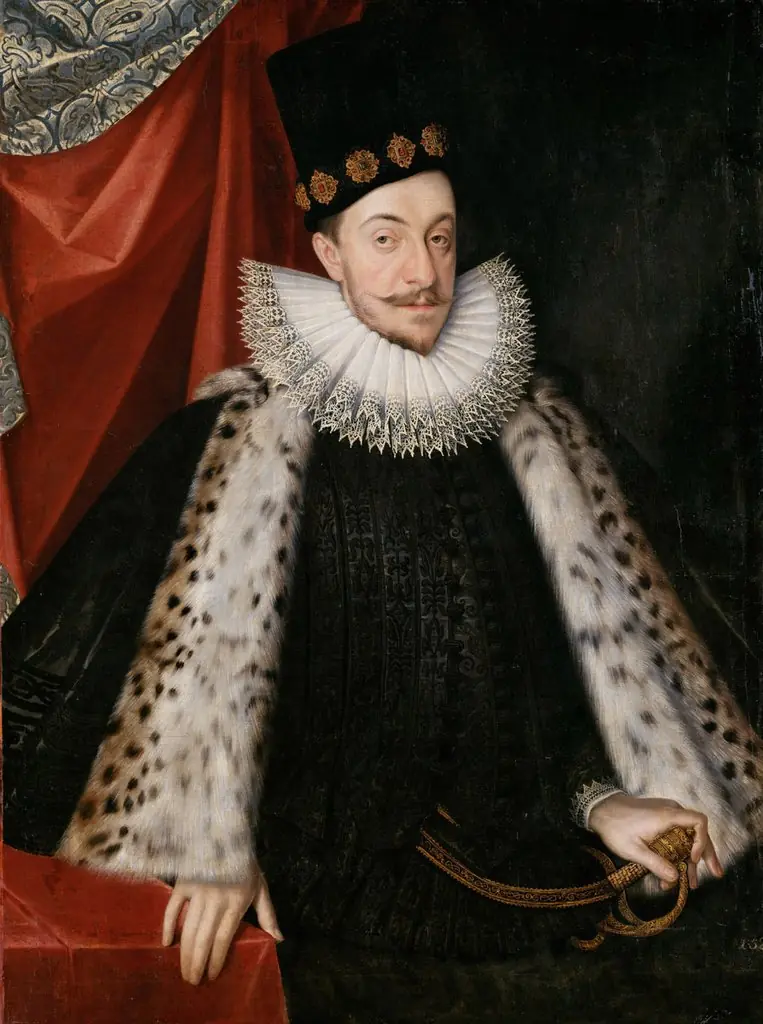 König Sigismund III. (1566-1632) von Polen, Kniestück
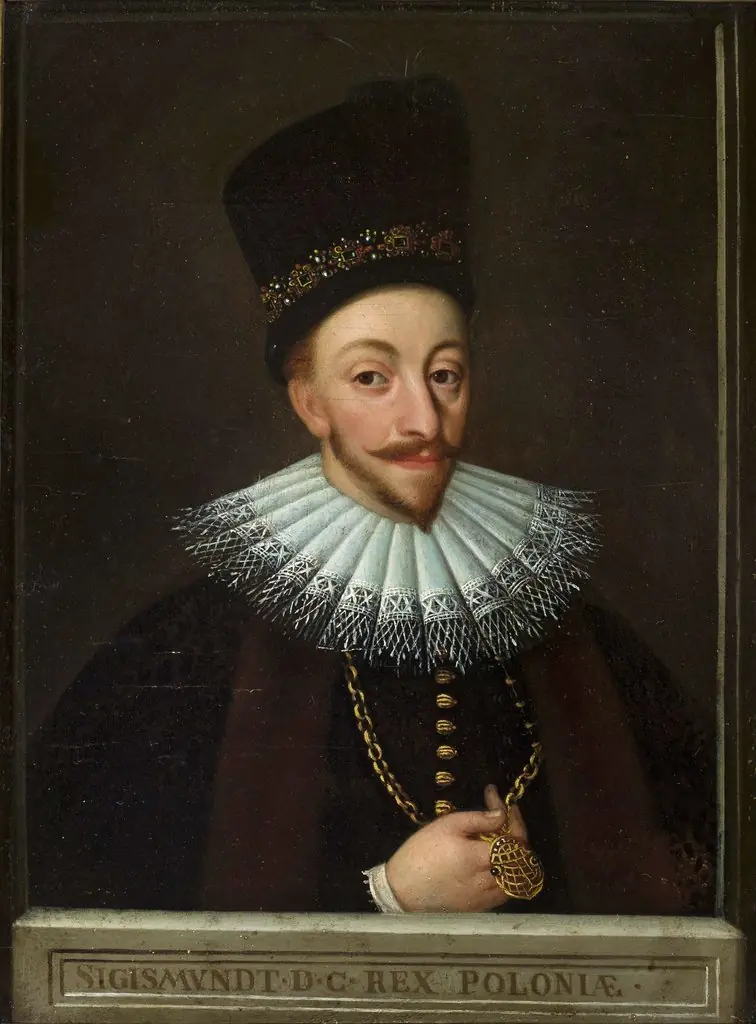 Portrait of Sigismund III Vasa (1566–1632), King of Poland
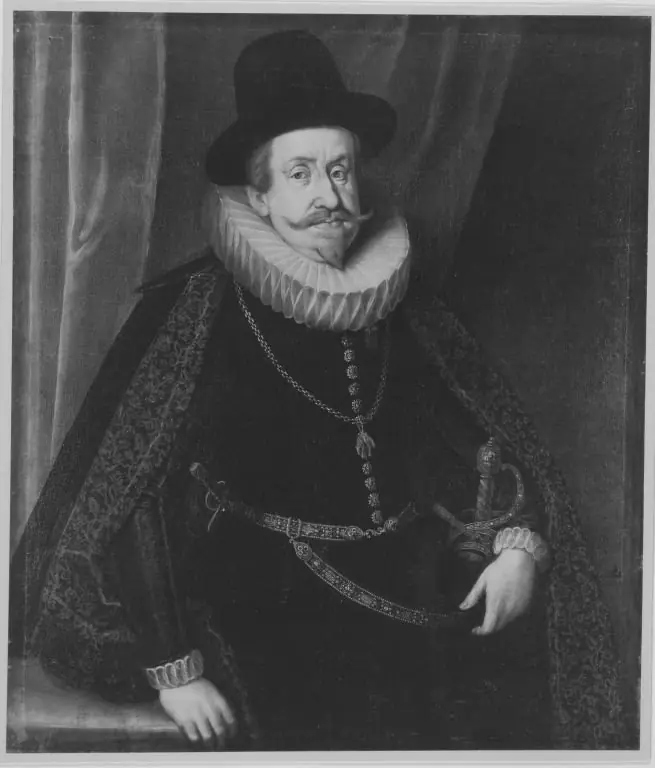 Kaiser Ferdinand II.
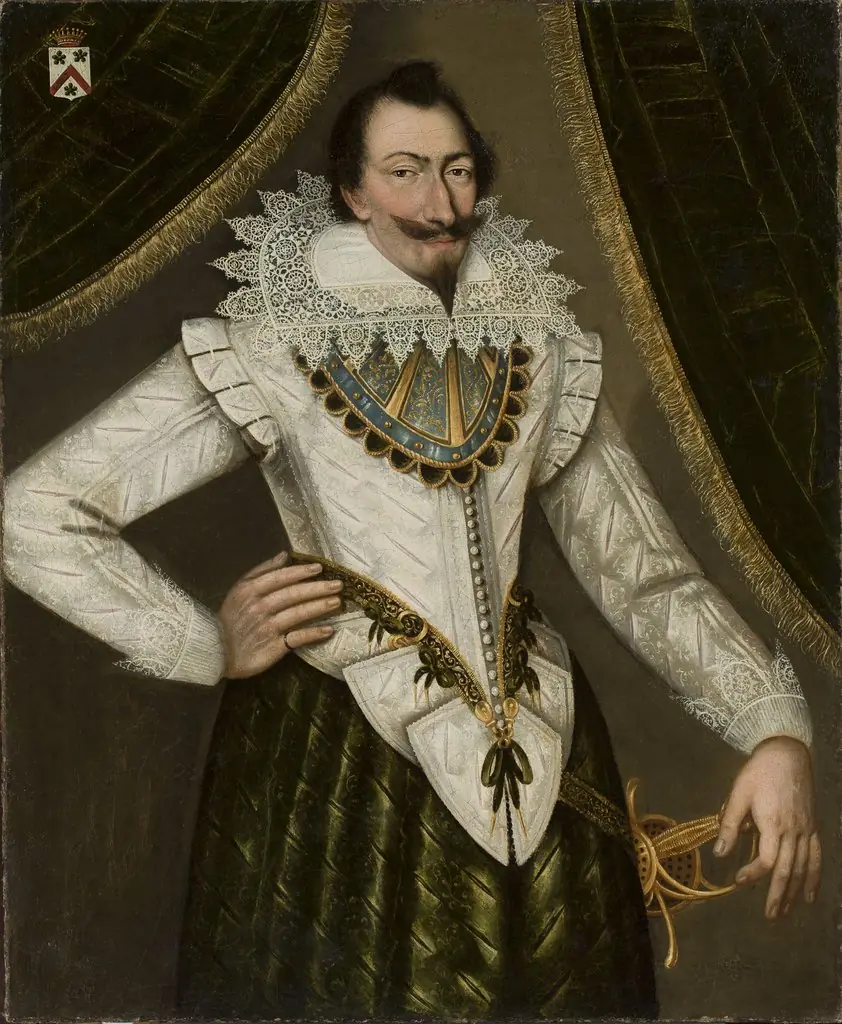 Portrait of Nicolas de Droullin
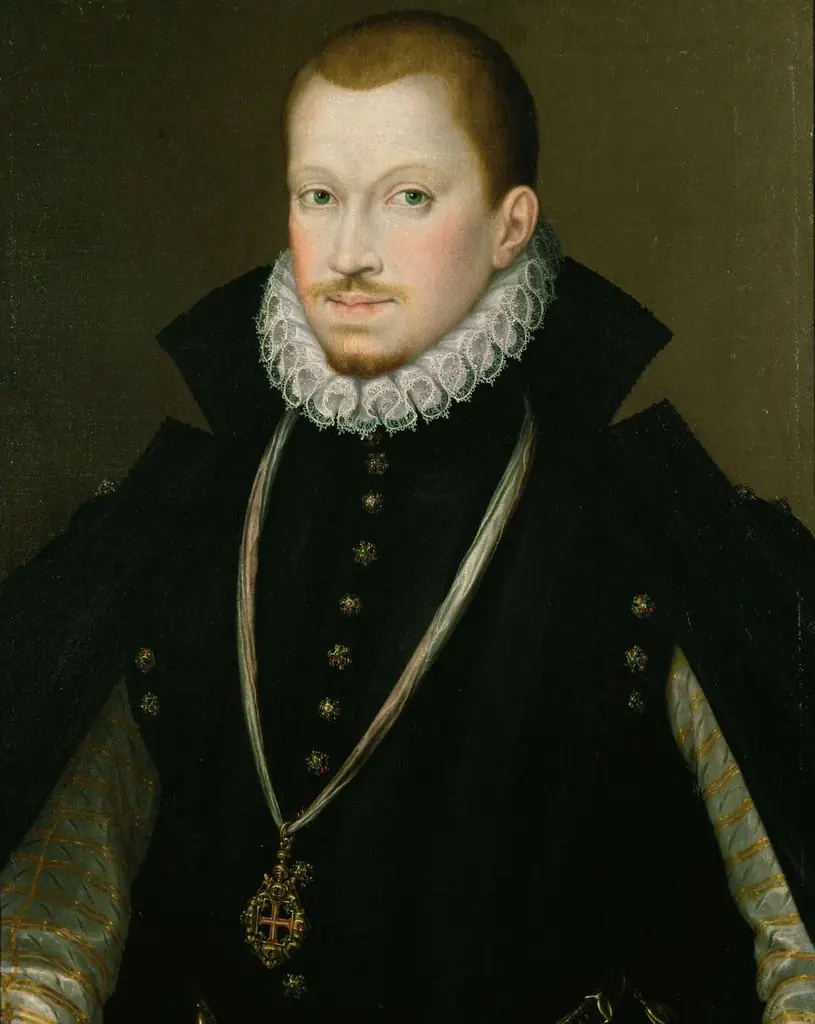 Don Sebastian (1554-nach 1578), König von Portugal, mit dem Kreuz des Christusordens, Halbfigur (beschnitten)
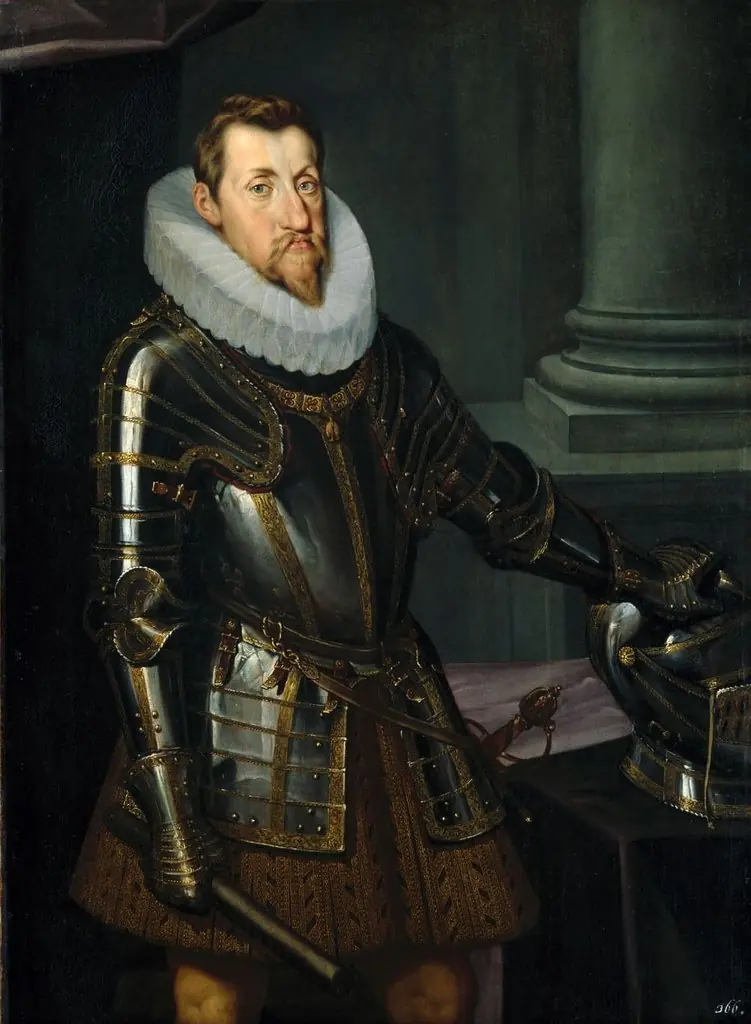 Portrait of Ferdinand II, Holy Roman Emperor (1578-1637)
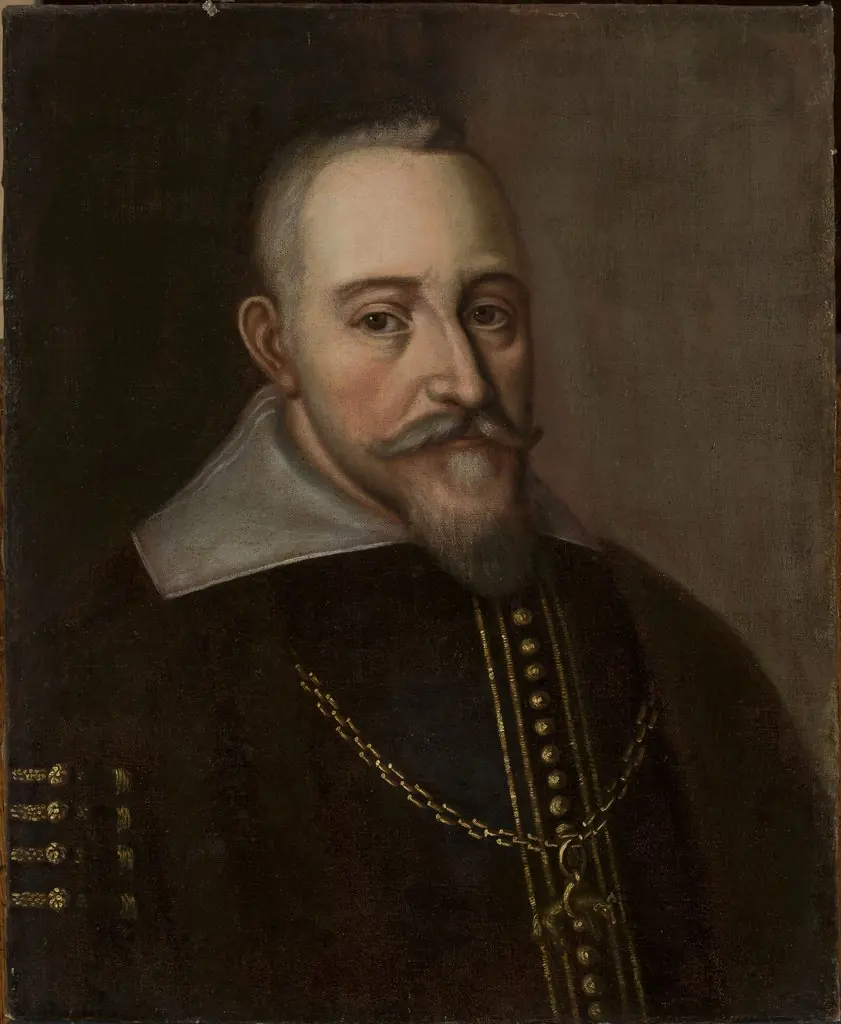 Portrait of king Sigismund III Vasa (?)
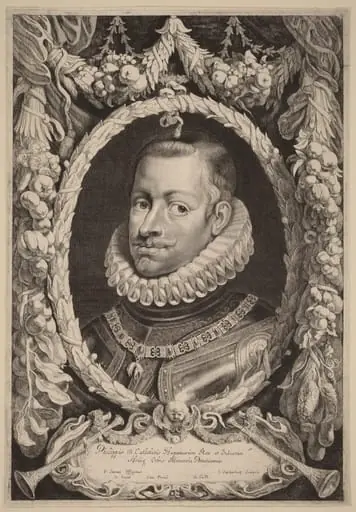 Philip III, King of Spain
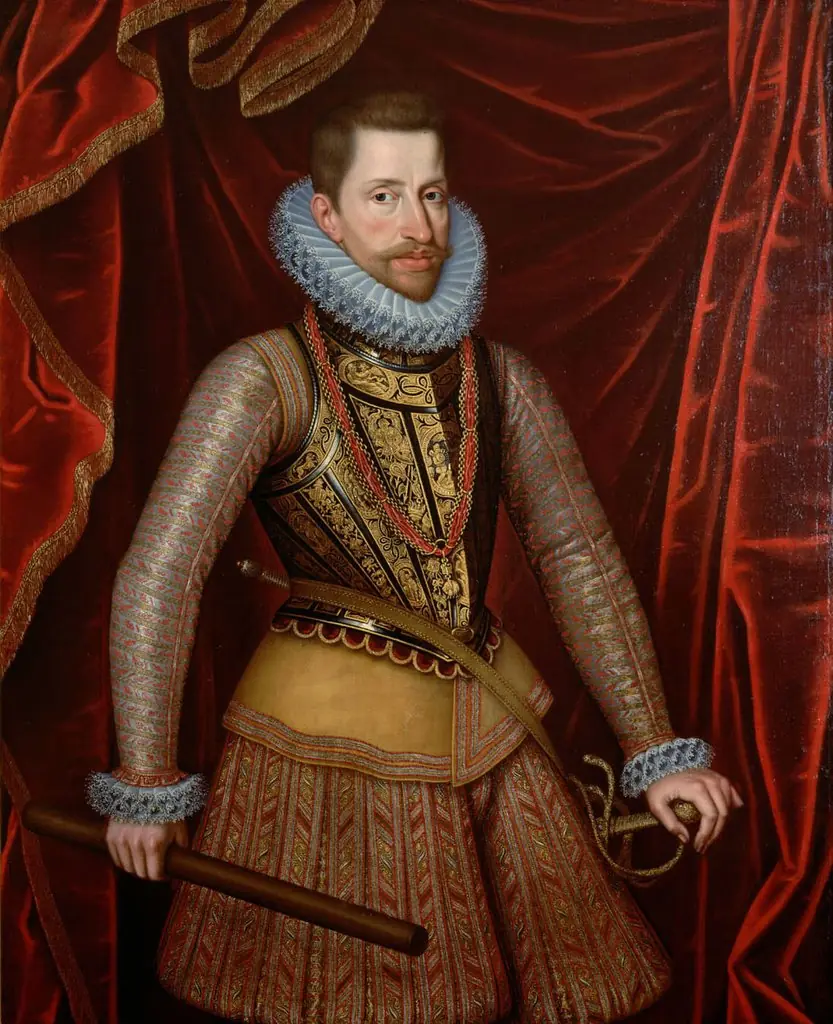 Portrait of Albrecht VII, Archduke of Austria (1559-1621)
 Portrait of Lodewijk (1538-74), Count of Nassau
 König Philipp III. von Spanien (1578-1621), Bildnis im Harnisch