Artwork
Felipe III rey de España sedente
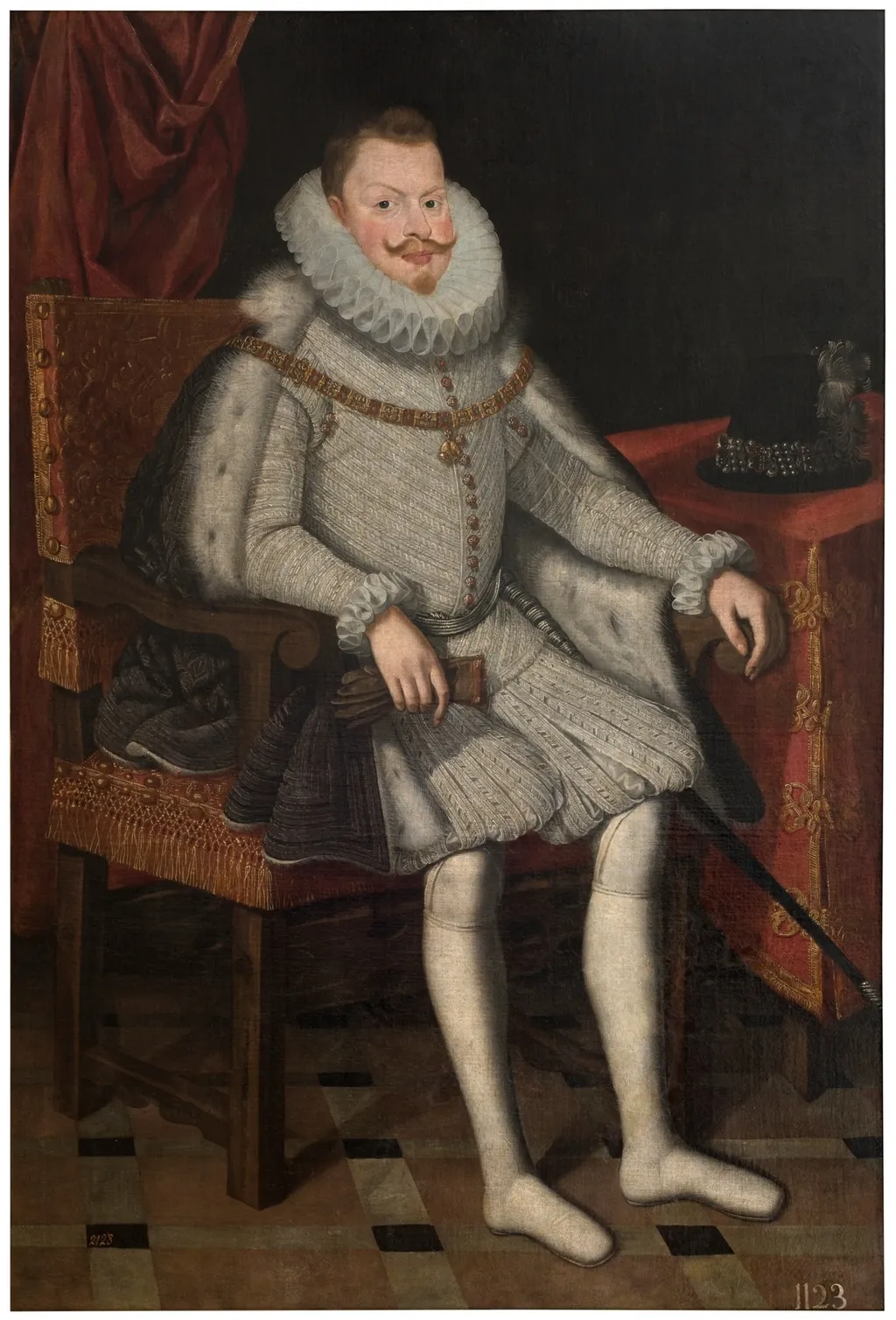
Felipe III rey de España sedente is an oil painting by the Early Baroque Italian artist Bartolomé González y Serrano. It dates from 1615 and is held in the collection of the Museo del Prado.
About this work
Subject & Meaning
The monarch wears the collar of the Order of the Golden Fleece, a prestigious chivalric order, and is accompanied by a sword.
The painting depicts Philip III of Spain seated in a formal royal portrait. The monarch wears the collar of the Order of the Golden Fleece, a prestigious chivalric order, and is accompanied by a sword. These elements function as key iconographic symbols of his sovereign authority, military leadership, and noble lineage.
As a state portrait, the work serves to represent the dignity and power of the king during his reign.
Technique & Style
Created in 1615 by Bartolomé González y Serrano, this portrait is executed in oil paint on a canvas support. The work measures 160 cm in height and 109 cm in width, presenting a formal depiction of Philip III of Spain seated. As a court portrait, the composition emphasizes the monarch's regalia, including a sword and the insignia of the Order of the Golden Fleece.
The painting is currently housed at the Embassy of Spain in London, on deposit from the Museo del Prado collection.
History & Provenance
The portrait of King Philip III of Spain seated was painted by Bartolomé González y Serrano in 1615. Executed in oil on canvas, the work measures 160 cm by 109 cm. It entered the collection of the Museo del Prado and is currently located at the Embassy of Spain in London. It depicts the monarch holding a sword and wearing the insignia of the Order of the Golden Fleece.
Context
The work has been examined as a representative example of early-17th-century Spanish court portraiture, reflecting the diplomatic and dynastic concerns of Philip III's reign. The depiction of the monarch with symbolic regalia such as the Golden Fleece and the sword underscored royal authority. The painting belongs to González y Serrano's oeuvre of official court portraits and is executed in oil on canvas.
Legacy
The portrait of Philip III, painted by Bartolomé González y Serrano in 1615, exemplifies early-17th-century Spanish court portraiture and its use of royal symbolism. As part of the Museo del Prado's holdings, now on deposit at the Spanish Embassy in London, it contributes to the documentation of González's work as a court painter to Philip III.
Overview
Bartolomé González y Serrano’s 1615 oil portrait presents Philip III of Spain seated on an elaborately carved chair. The monarch is shown in a grey doublet trimmed with gold, a stiff white ruff, and the chain of the Order of the Golden Fleece, while a sword rests in his hand. A dark red drapery forms the backdrop, and a helmet lies on a nearby table.
Own this work as a print
Artist & collection
Artist
Bartolomé González y Serrano (1564–1627) was a Spanish Baroque painter specializing in portraits that represent a continuation of Renaissance court portrait types practiced by Alonso Sánchez Coello and especially by Juan Pantoja de la Cruz.

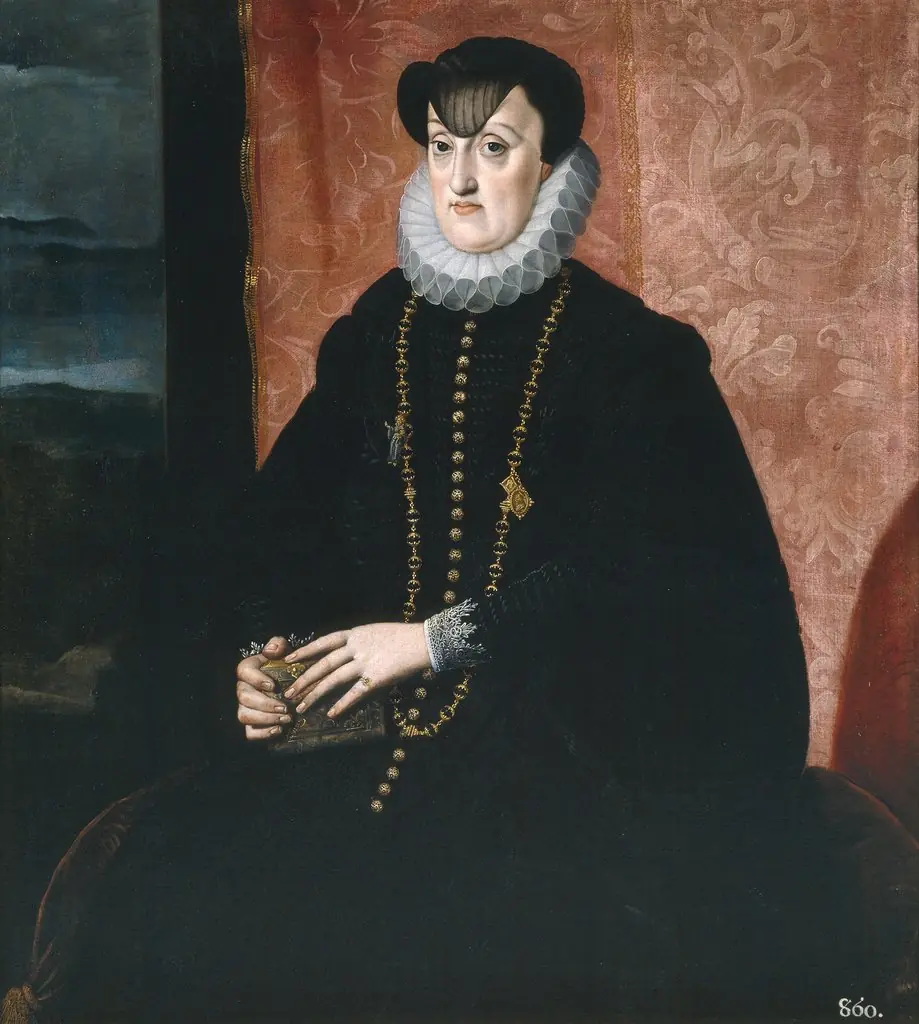
- Portrait of Sir Walter Raleigh (1522-1618), Soldier and Historian
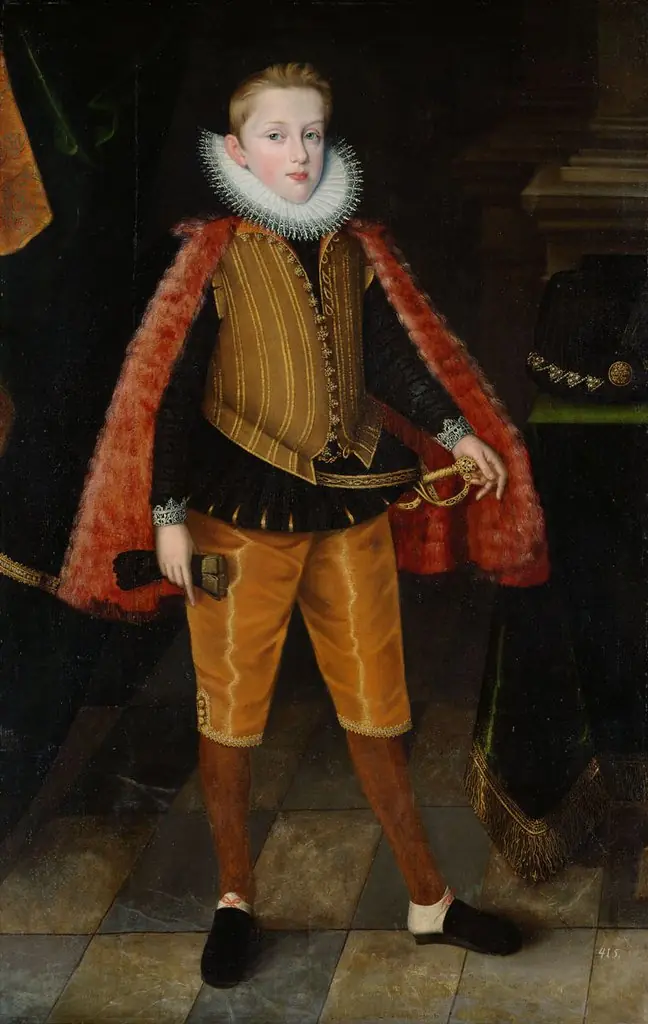 Kaiser Ferdinand II (1578-1637) at the age of 14
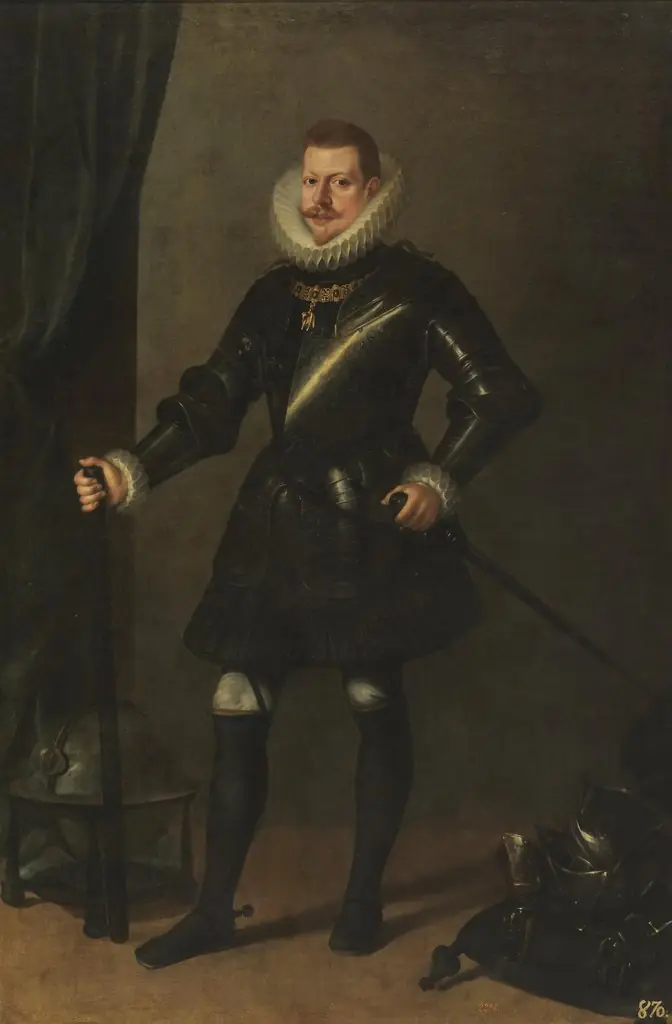 Philip III in Armour
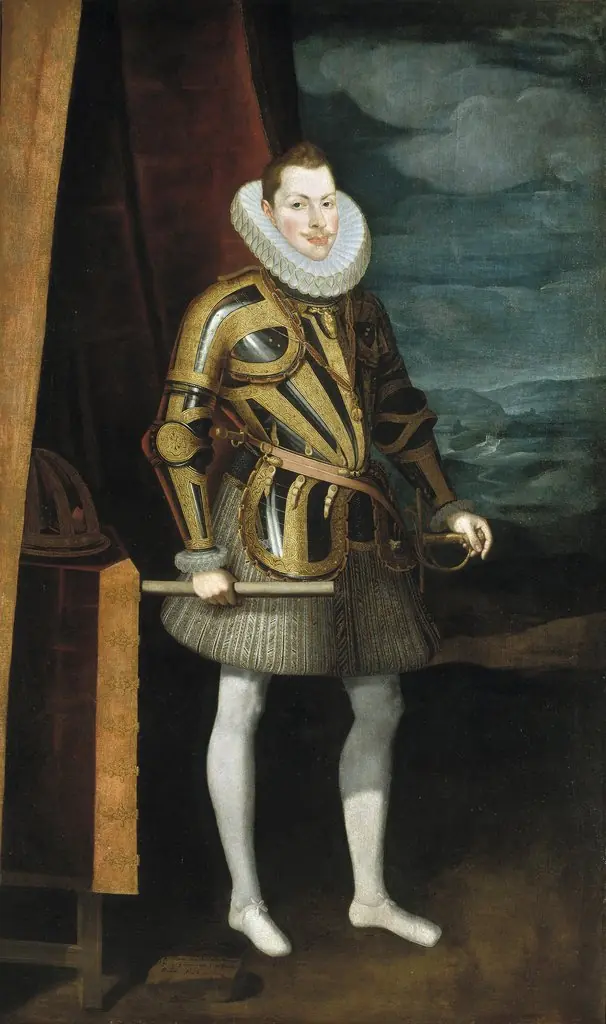 Philip III
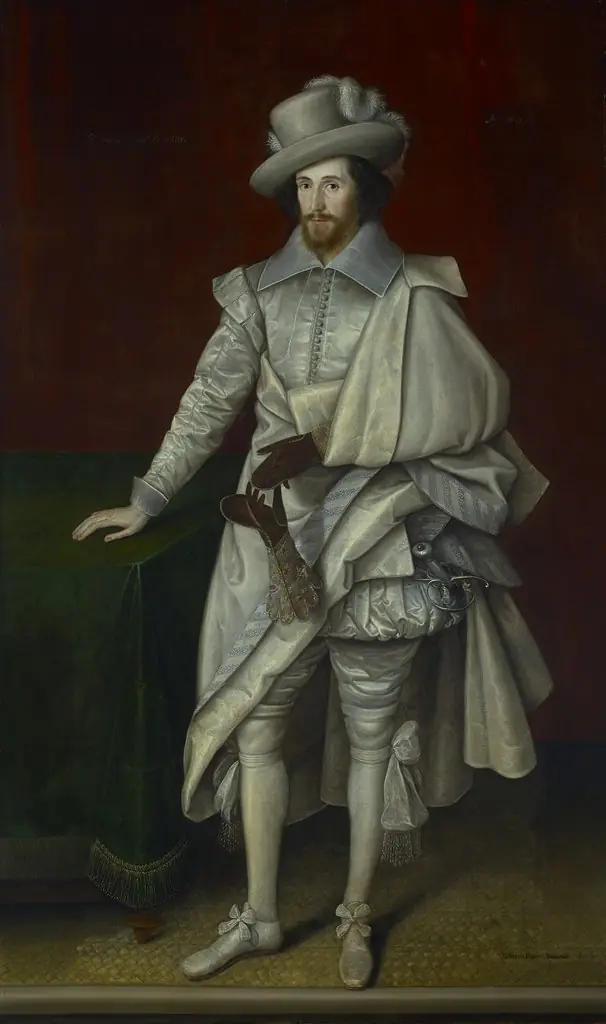 Henry Cary, 1st Viscount Falkland (died 1633)
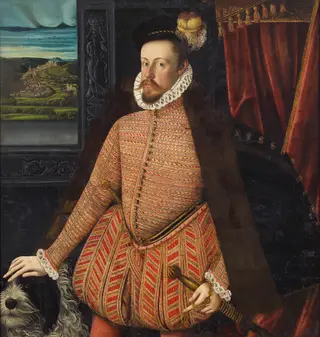 Erzherzog Karl II. (1540-1590) mit dem Blick auf Graz, Kniestück
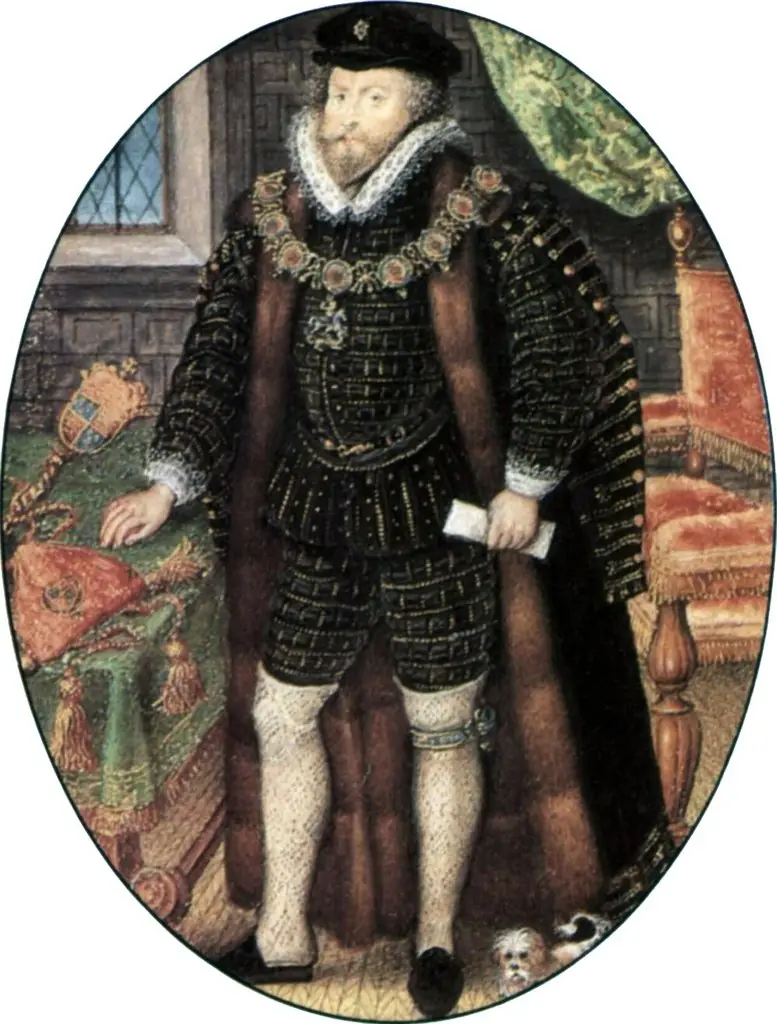 Sir Christopher Hatton
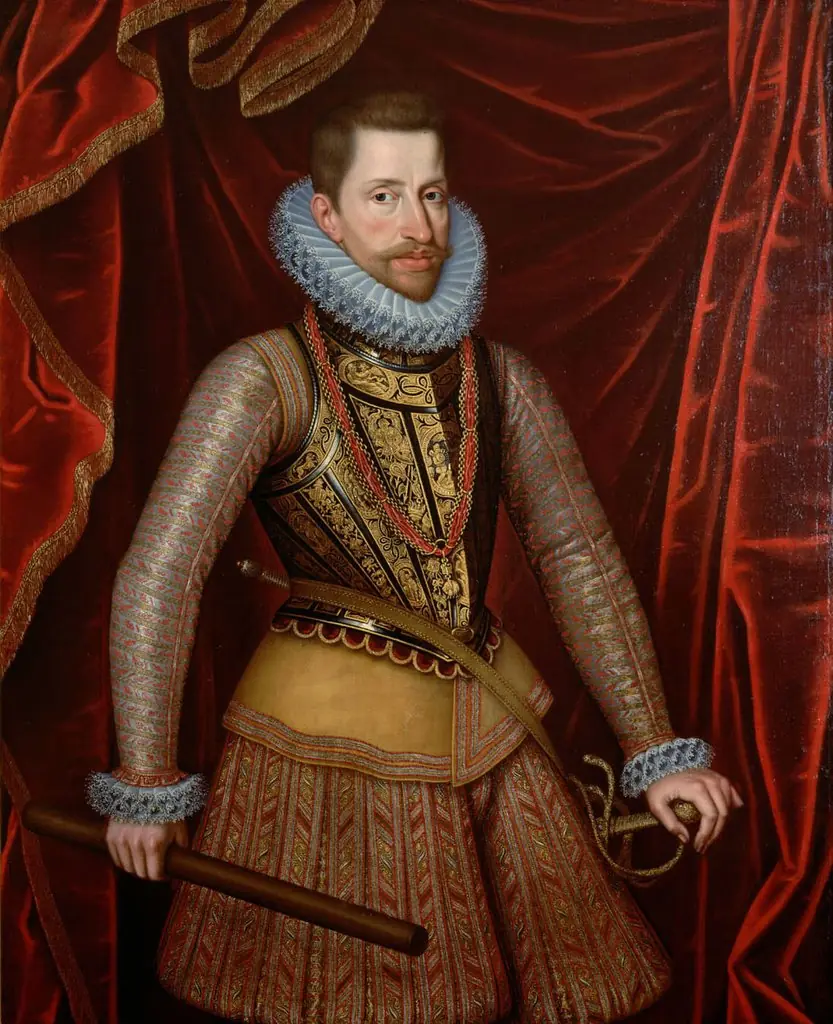 Portrait of Albrecht VII, Archduke of Austria (1559-1621)
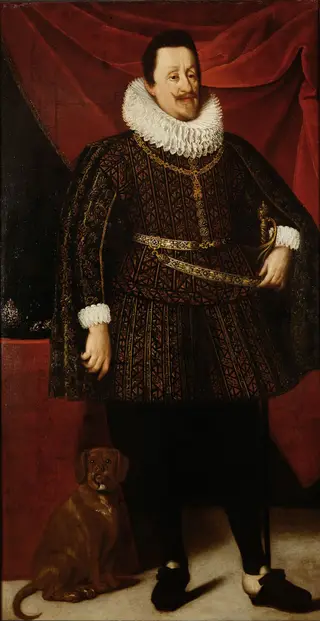 Portrait of Ferdinand II of Habsburg (1578-1637, Holy Roman Emperor
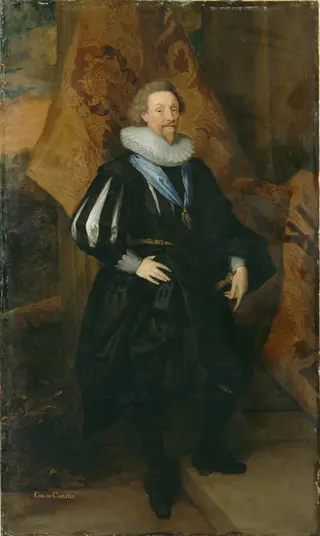 Portrait of James Hay, 1st Earl of Carlisle
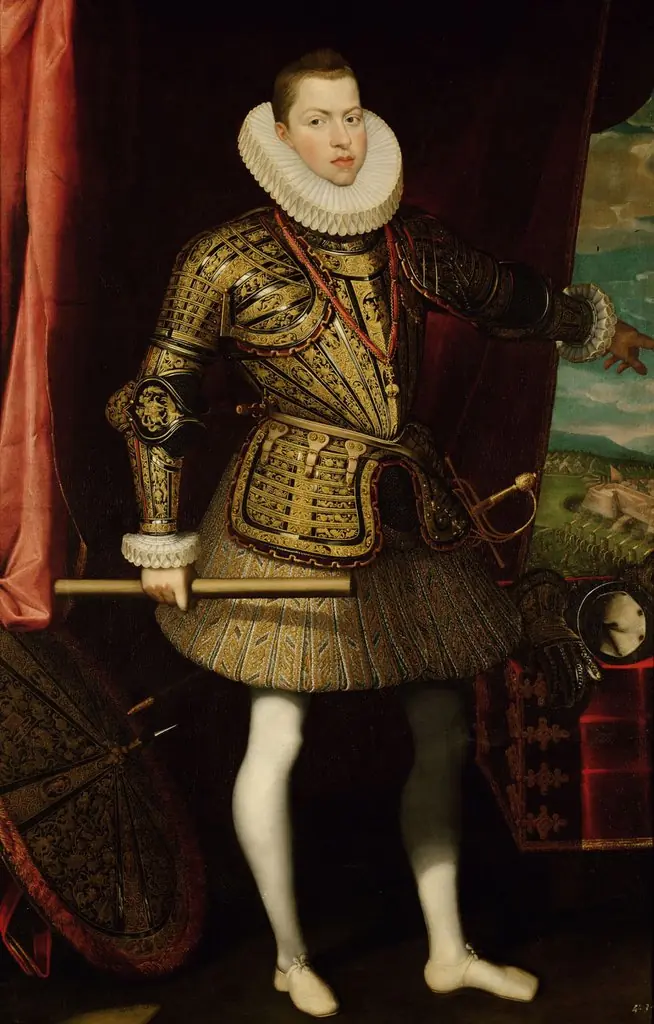 König Philipp III.(1578-1621) von Spanien, Bildnis in ganzer Figur als General der Infanterie (Im Hintergrund: Die Belagerung von Ostende 1601-1604)
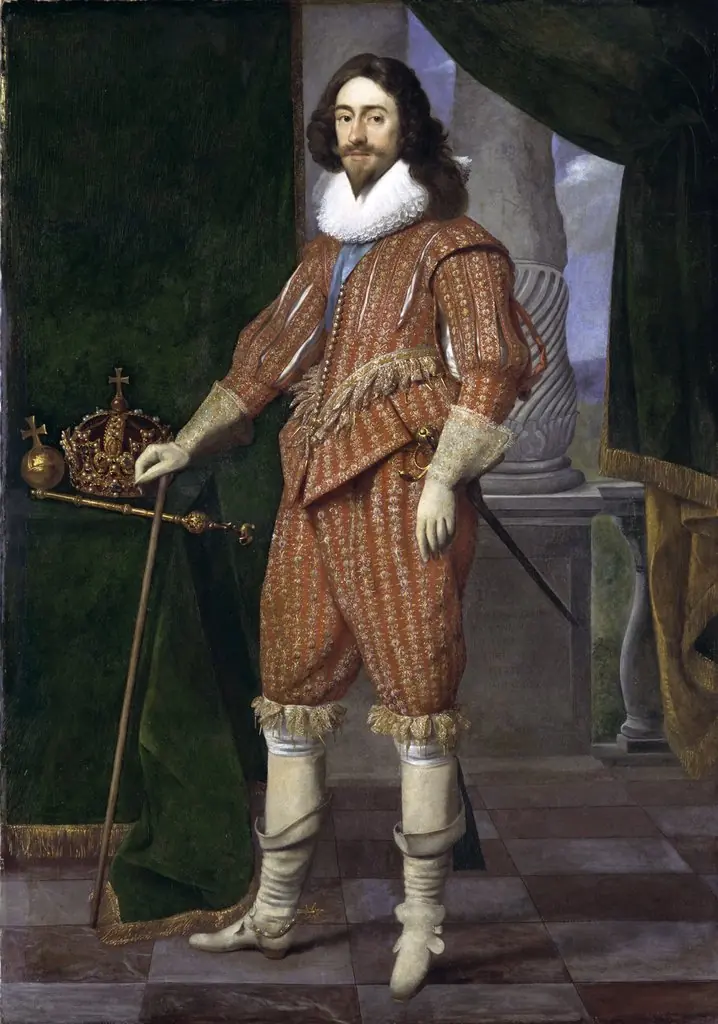 Portrait of Charles I of England