Artwork
La archiduquesa María de Baviera duquesa de Stiria
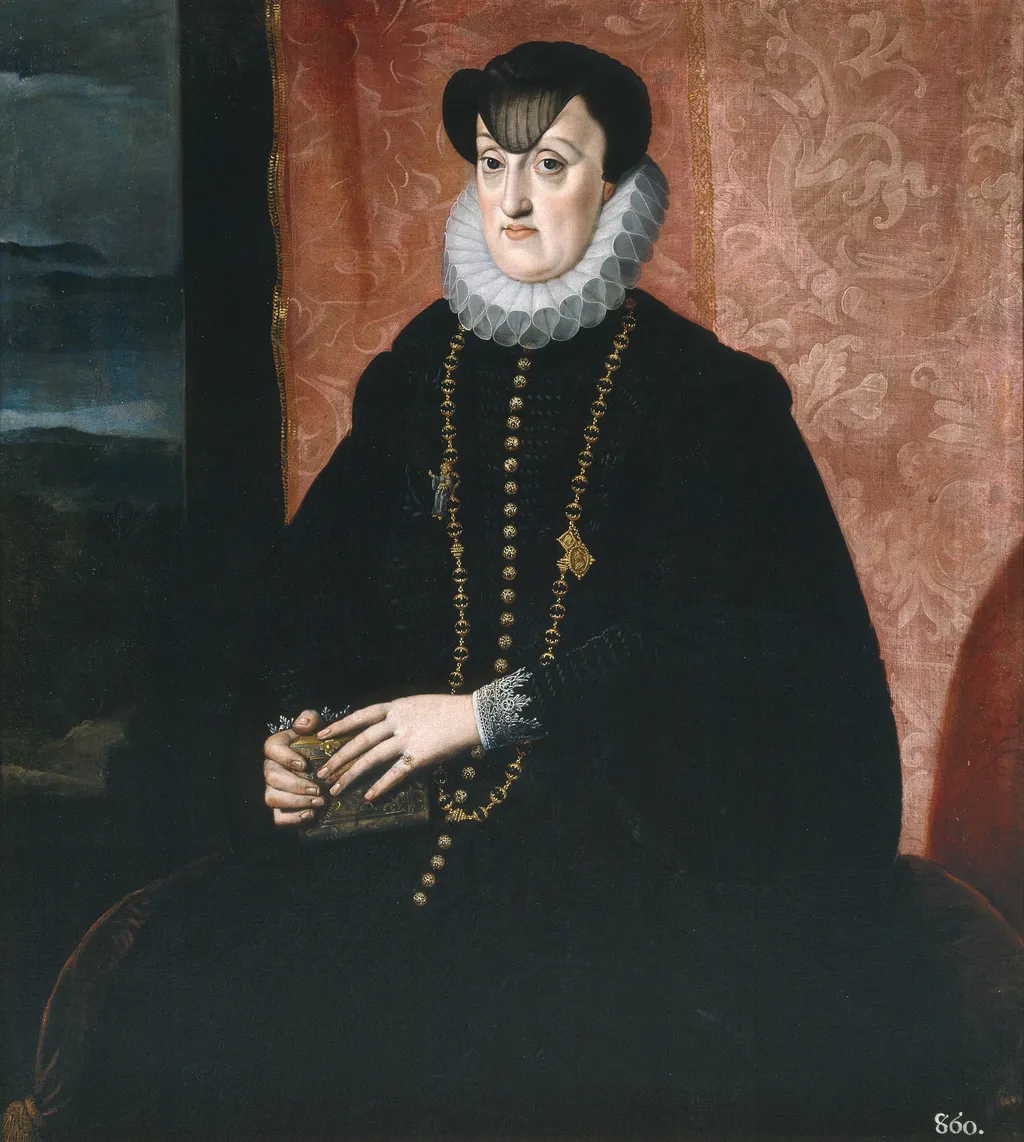
La archiduquesa María de Baviera duquesa de Stiria is an oil painting by the Early Baroque Italian artist Bartolomé González y Serrano. It dates from 1608 and is held in the collection of the Museo del Prado.
About this work
Subject & Meaning
The composition aligns with official court portraiture of the period, aiming to present the sitter as both aristocratic and morally upright.
The portrait depicts María of Bavaria, Duchess of Styria, in 1608, as indicated by the work’s date and inscription. She is shown wearing court attire, including a jewel at her neck and holding a book, which together signal her noble status and piety. The inclusion of a book typically points to learning or virtue, while the gemstone emphasizes wealth and rank.
The composition aligns with official court portraiture of the period, aiming to present the sitter as both aristocratic and morally upright.
Technique & Style
Created in 1608, the portrait of Archduchess María de Baviera is executed in oil paint on a canvas support. The work measures 118 cm in height and 104 cm in width. As a formal portrait, the composition includes specific depicted elements such as a book and a gemstone, reflecting the subject's status. The painting remains part of the collection at the Museo del Prado.
History & Provenance
Bartolomé González y Serrano executed this oil-on-canvas portrait in 1608. The work depicts Archduchess Maria of Bavaria, Duchess of Styria, holding a book and adorned with gemstones. Measuring 118 cm by 104 cm, the painting was created during the artist's active period serving the Spanish court.
The artwork currently resides in the collection of the Museo del Prado in Madrid, where it is preserved as part of the institution's holdings of Spanish Renaissance portraiture.
The work is held in the collection of the Museo del Prado, with inventory number P00968. It was created in 1608 by Bartolomé González y Serrano and has been part of the museum's exhibition "Las obras maestras del Museo del Prado" since 2005.
Context
Bartolomé González y Serrano painted La archiduquesa María de Baviera duquesa de Stiria in 1608, a period when Spanish portraiture emphasized both aristocratic status and spiritual refinement. The work, housed in the Museo del Prado, exemplifies early Baroque naturalism through its meticulous rendering of material details such as a book and gemstone, symbols of education and value. González’s role as court painter to Philip III positioned him within a network of artists who served Habsburg dynastic interests, linking his output to broader currents of Counter-Reformation visual culture.
The painting’s composition and iconography have been analyzed as reflections of imperial ideology, particularly the projection of dynastic legitimacy through female lineage. Its technical execution in oil on canvas, measuring 118 cm by 104 cm, demonstrates the era’s advancing naturalism in portraiture.
Scholarly interpretations often situate this portrait within González’s broader oeuvre of Habsburg court representations, highlighting his influence on later Spanish portraitists like Diego Velázquez. The work’s reception in modern scholarship underscores its significance as both a technical achievement and a political artifact, frequently cited in studies of early modern European portraiture. Its inclusion in major exhibitions, such as the Prado’s permanent display of Spanish Golden Age masterpieces, reinforces its enduring art-historical relevance.
Overview
Created in 1608, this oil on canvas portrait by Spanish painter Bartolomé González y Serrano presents the Archduchess Maria of Bavaria, Duchess of Styria. The figure is rendered in a dark costume against a muted backdrop, her gaze directed outward with a composed demeanor. The work resides in the Museo del Prado, exemplifying early seventeenth‑century court portraiture in Spain.
Own this work as a print
Artist & collection
Artist
Bartolomé González y Serrano (1564–1627) was a Spanish Baroque painter specializing in portraits that represent a continuation of Renaissance court portrait types practiced by Alonso Sánchez Coello and especially by Juan Pantoja de la Cruz.

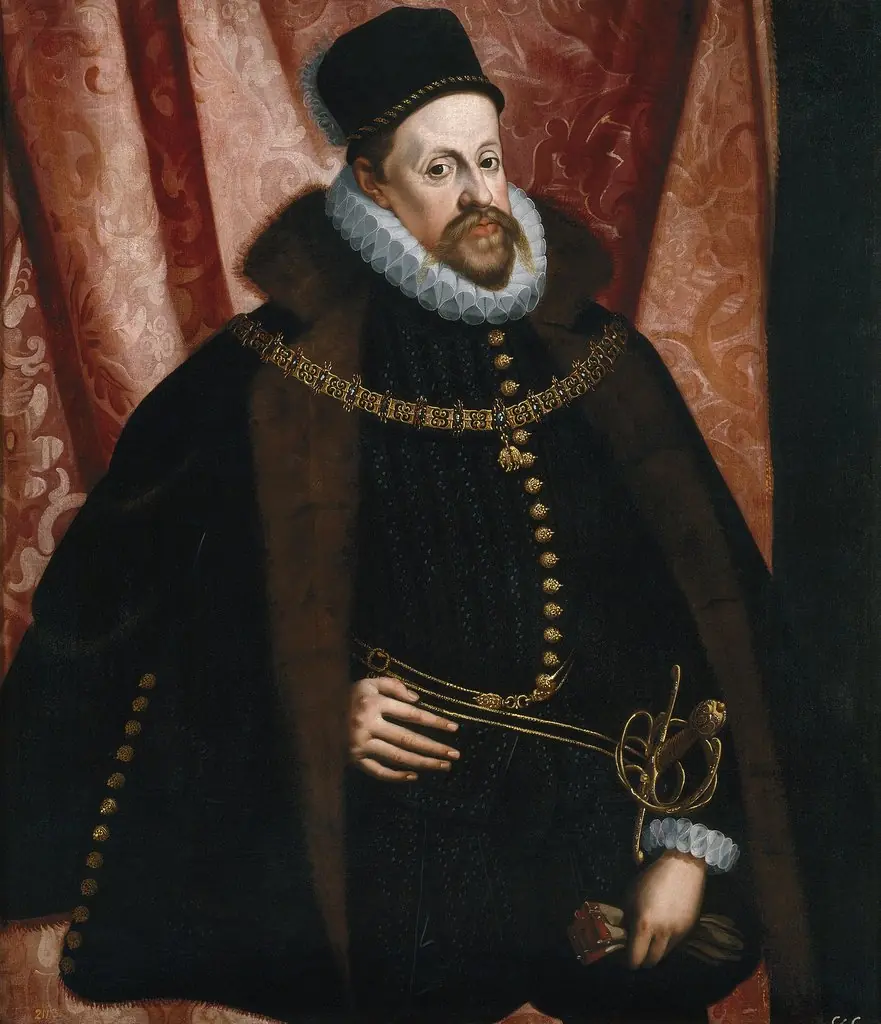
- Margaret of Austria
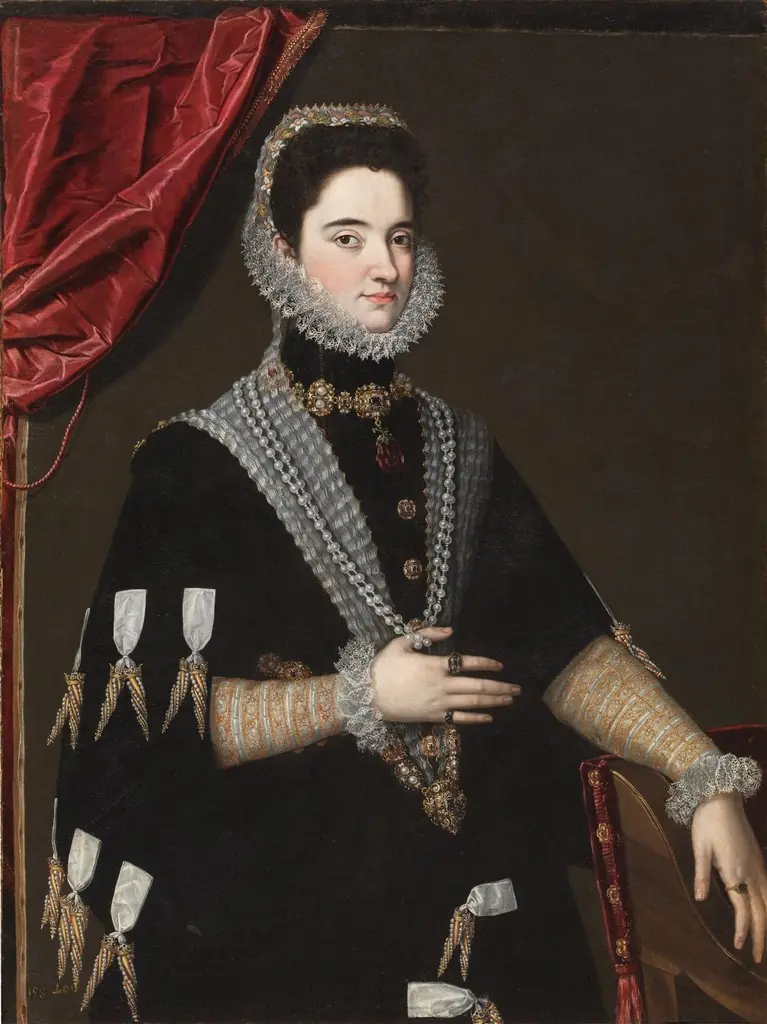 Portrait of a Lady
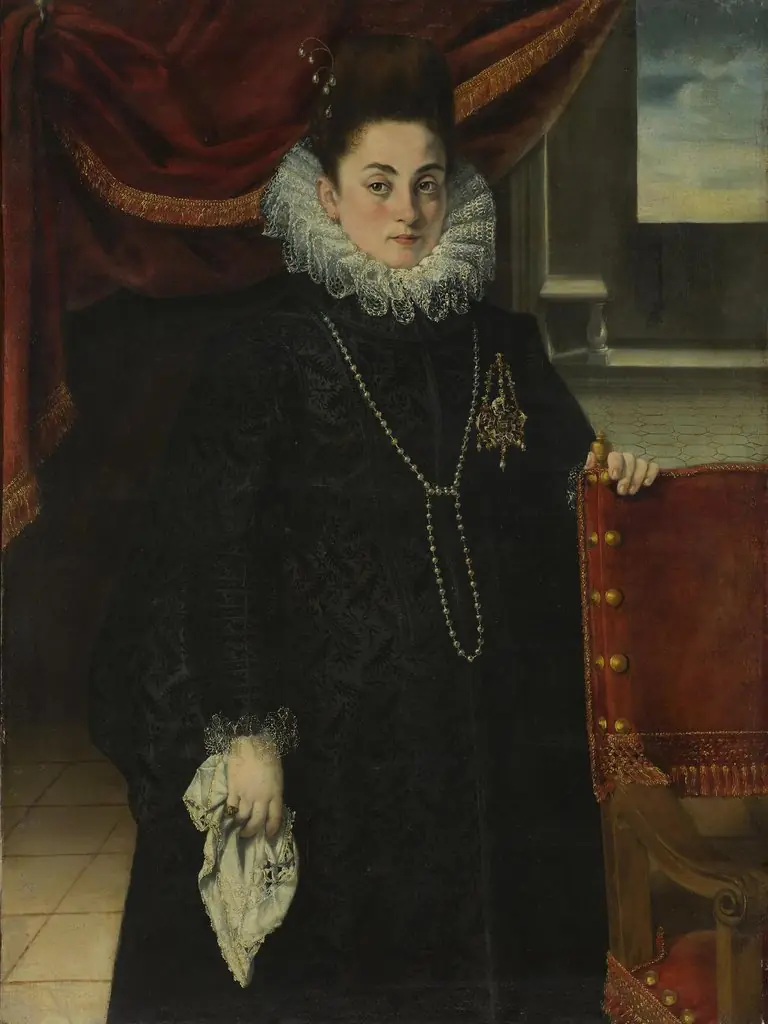 Female Portrait
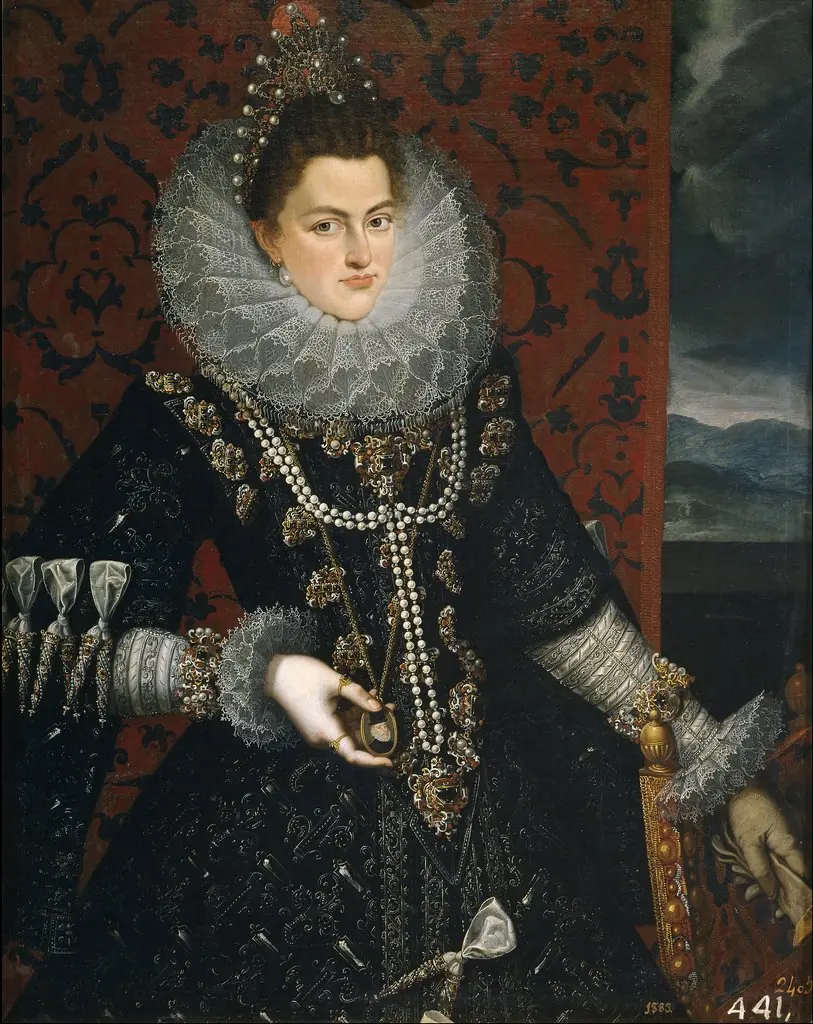 The Infanta Isabel Clara Eugenia
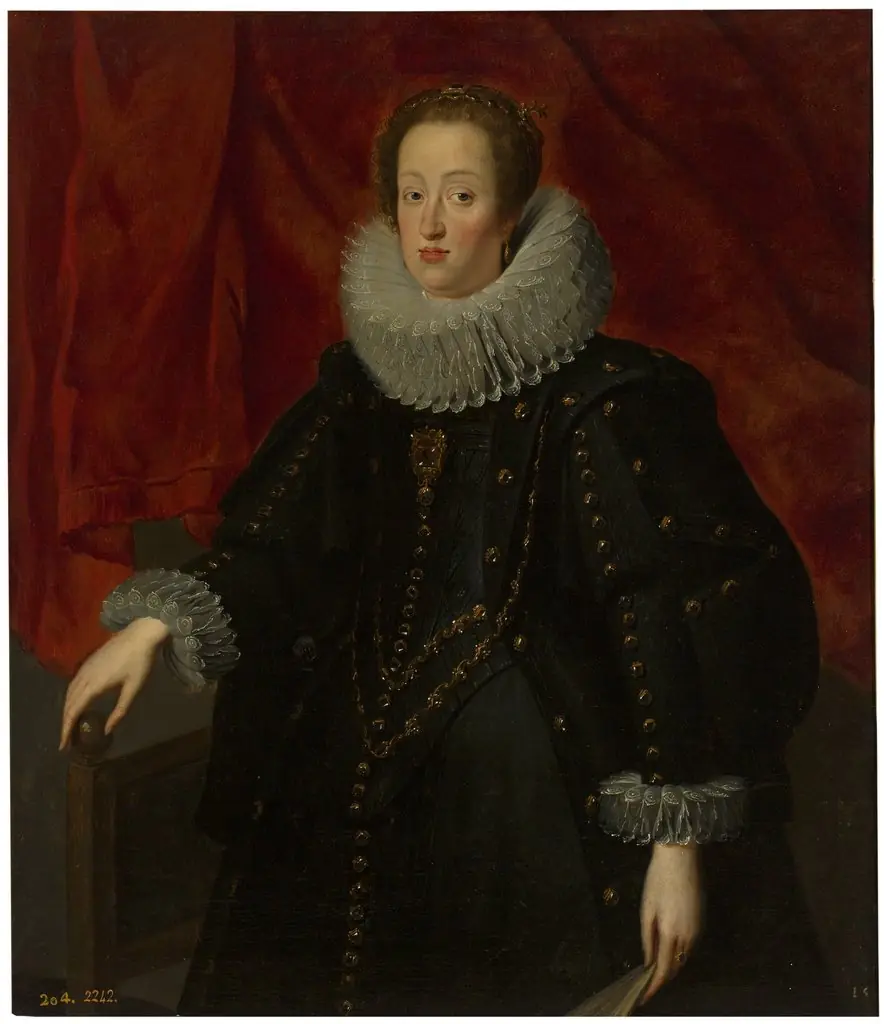 Leonor de Màntua
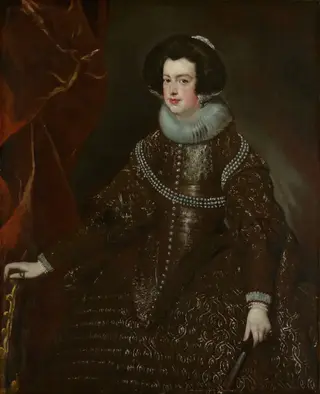 Isabella of Bourbon, Wife of Philip IV of Spain
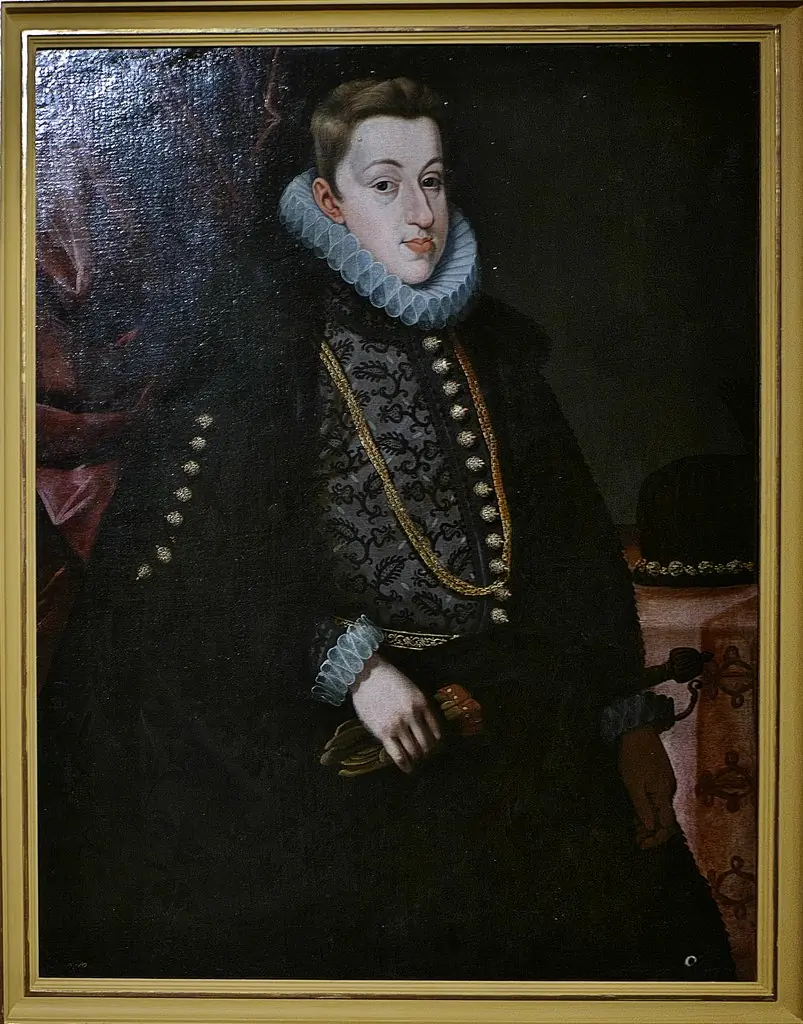 Ferdinand II of Habsburg as a young man
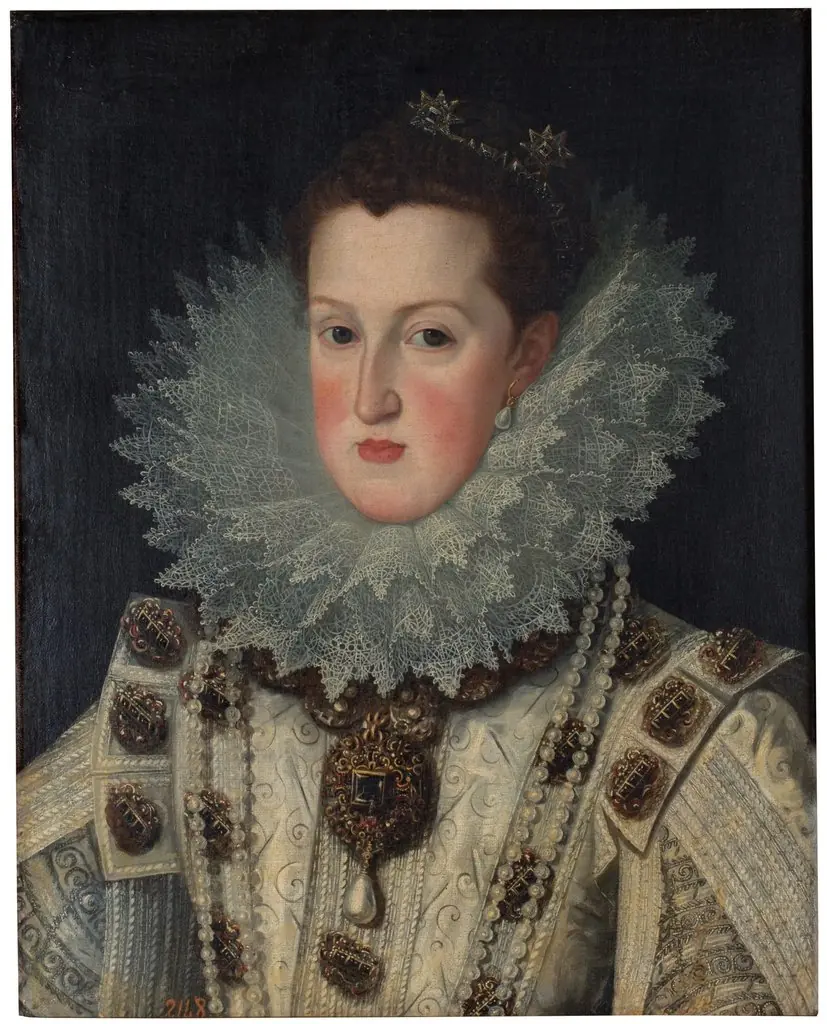 Margarita de Austria, reina de España
 Anna von Österreich, Königin von Spanien
 Eleanor de' Medici, Duchess of Mantua
 Isabella Clara Eugenia by Juan Pantoja de la Cruz
 Portrait of a Woman