Artwork
Hl. Magdalena
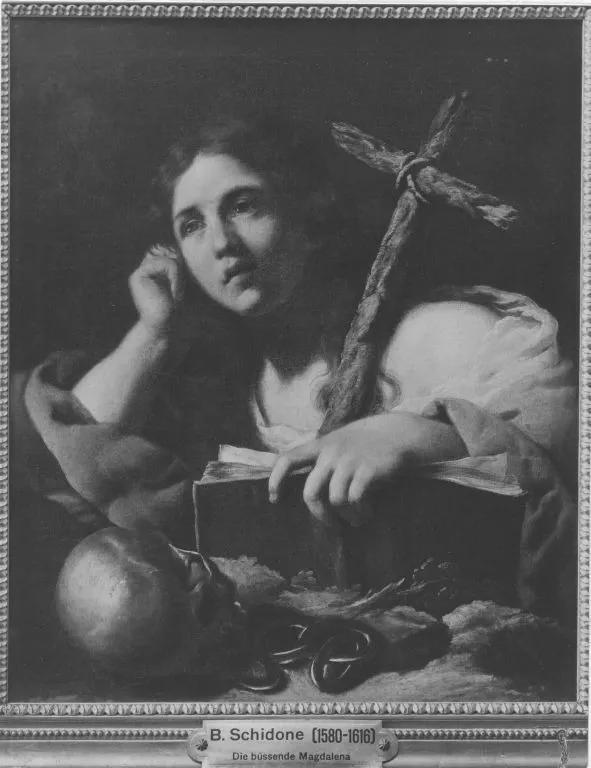
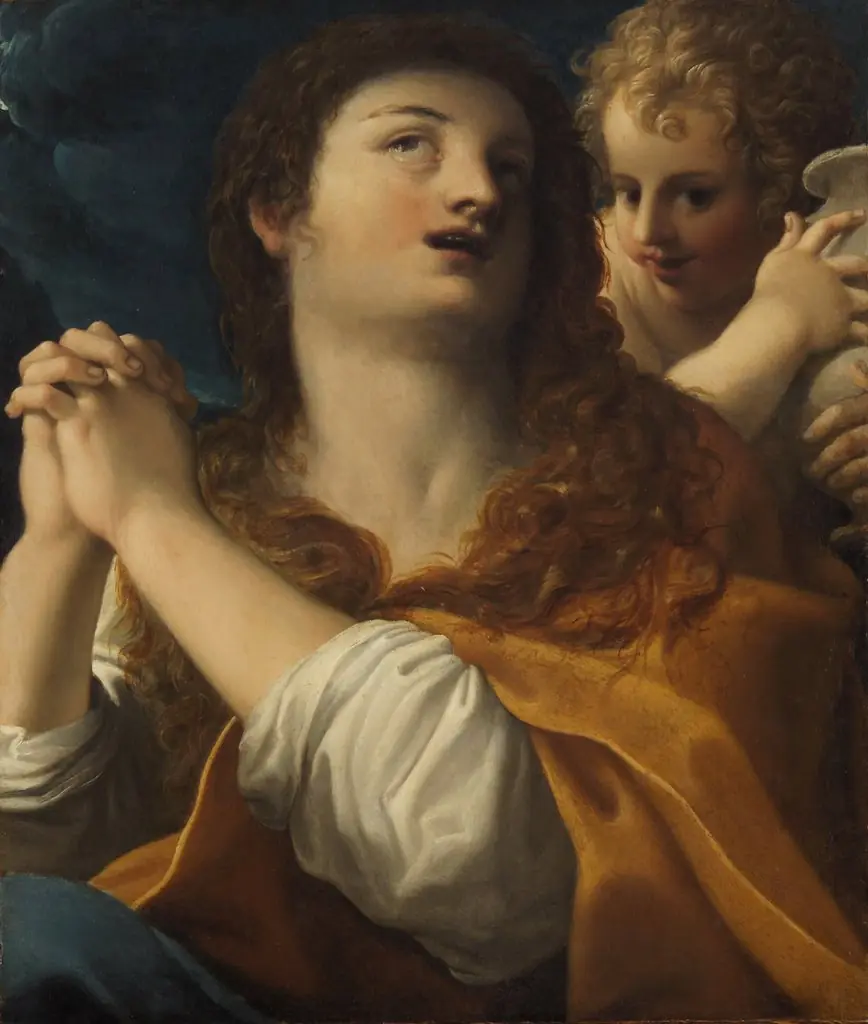
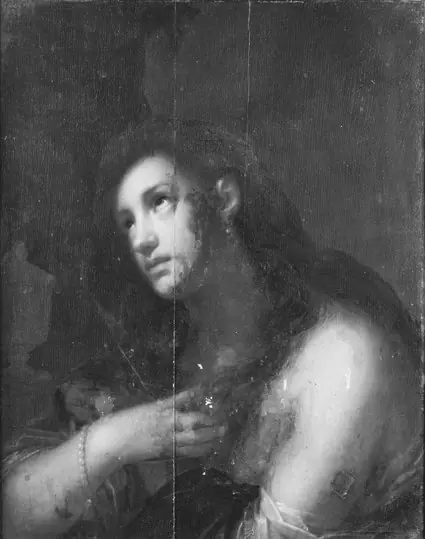
Hl. Magdalena is an unspecified painting by the Early Baroque Italian artist Bartolomeo Schedoni. It dates from 1596 and is held in the collection of the Bavarian State Painting Collections.
About this work
Subject & Meaning
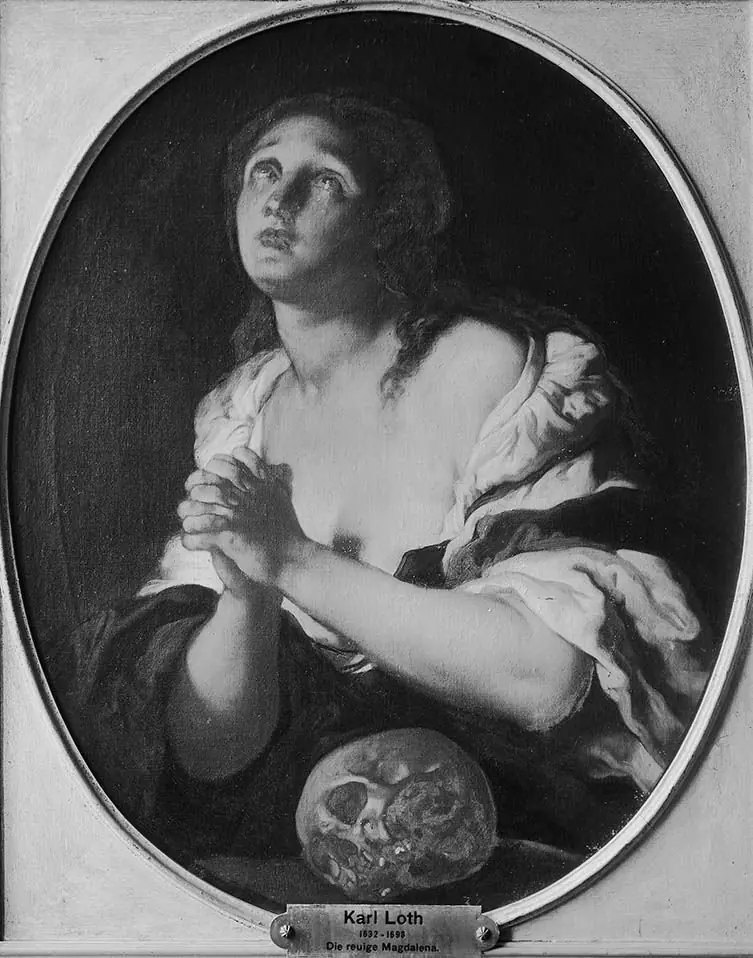
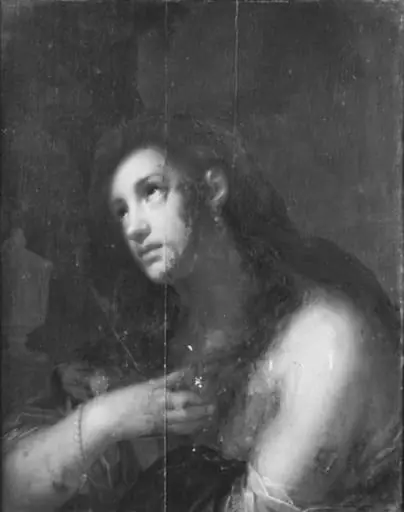
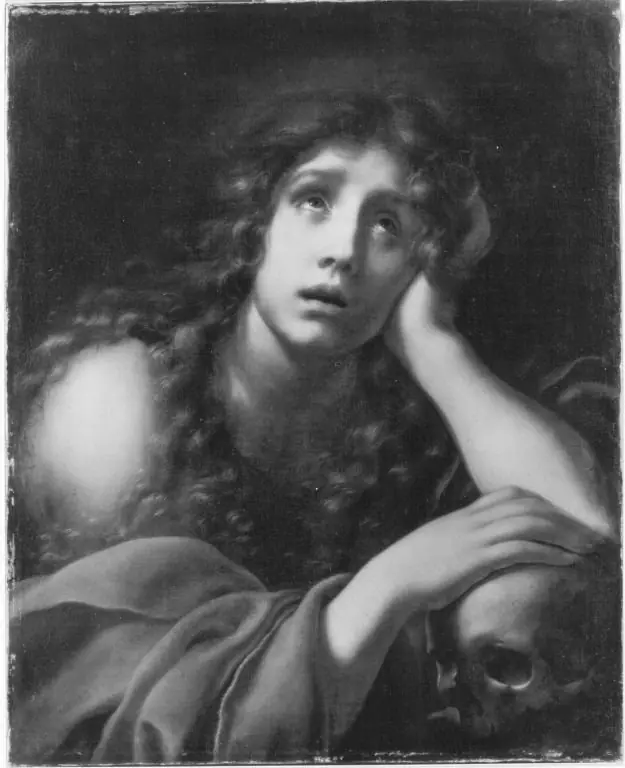
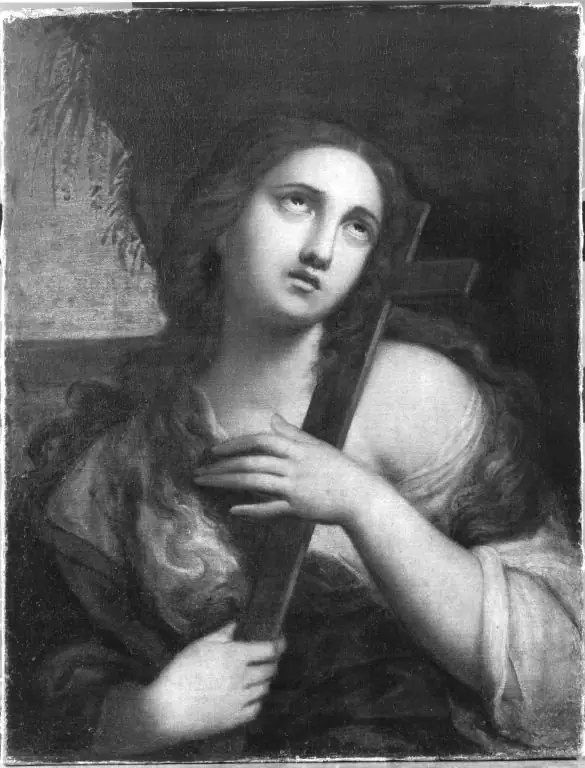
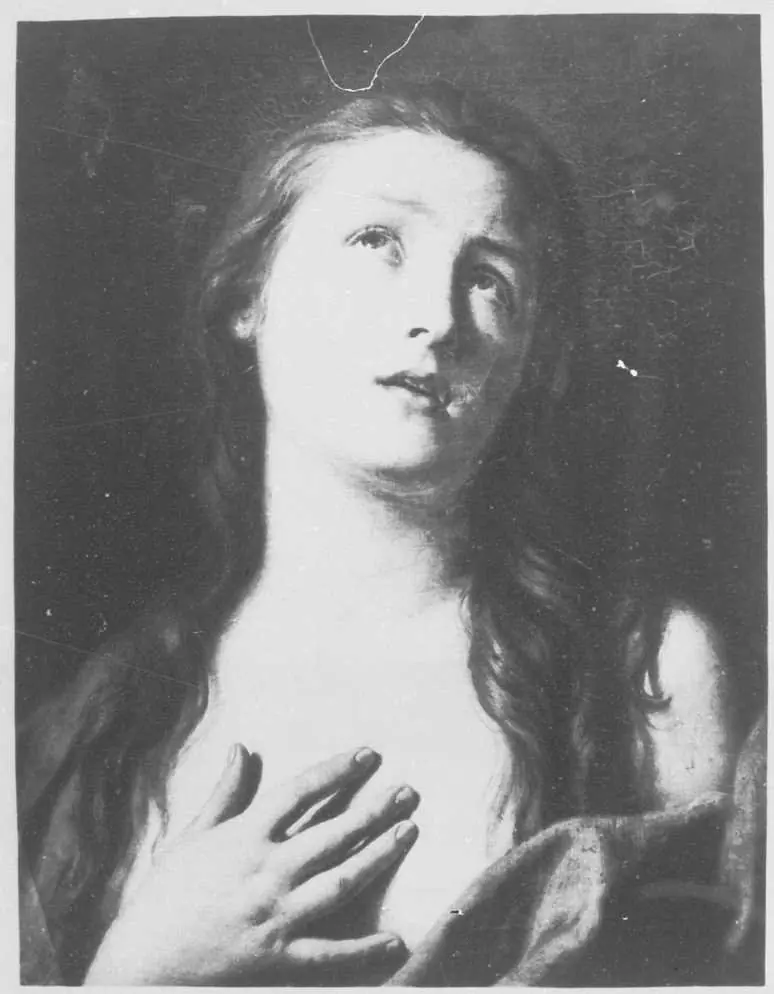
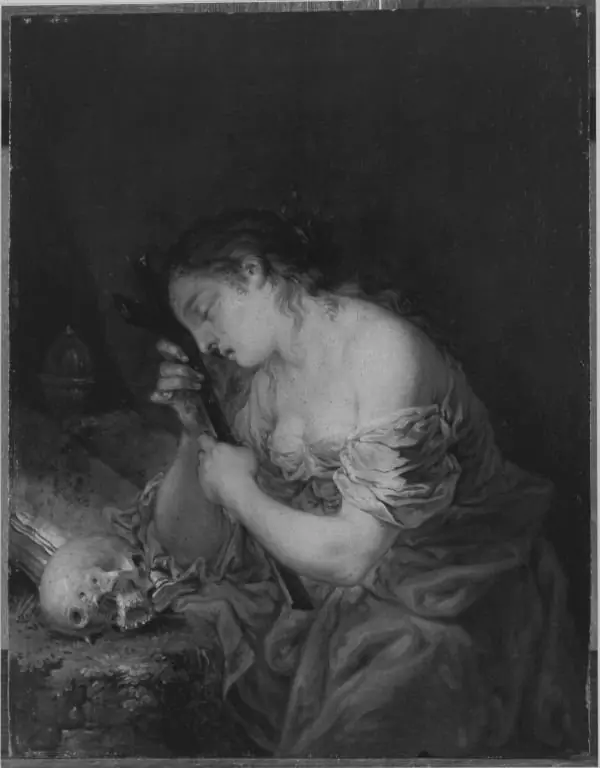
Her downcast gaze and clasped hands emphasize themes of repentance and spiritual contemplation typical of Counter-Reformation iconography.
The work depicts Mary Magdalene, identified in German as Hl. Magdalena, portrayed as a penitent saint in a moment of quiet devotion. Her downcast gaze and clasped hands emphasize themes of repentance and spiritual contemplation typical of Counter-Reformation iconography.
The subdued palette and restrained composition reflect the artist’s focus on inner piety rather than dramatic narrative, aligning with contemporary religious conventions that sought to evoke empathy and moral reflection in the viewer.
Technique & Style
Created in 1592, the work is a religious painting depicting Mary Magdalene. It is executed on a support measuring 77.5 cm in height and 65.3 cm in width. The piece is currently held within the collection of the Bavarian State Painting Collections at the Alte Pinakothek.
History & Provenance
The painting Hl. Magdalena by Bartolomeo Schedoni is held within the Bavarian State Painting Collections. It is currently located at the Alte Pinakothek in Munich. The work, which depicts Mary Magdalene, was created in 1592.
No specific inventory number or detailed exhibition history for this artwork is provided in the available sources.
Overview
Created in 1596, this oil on canvas by the Italian painter Bartolomeo Schedoni portrays the biblical figure Mary Magdalene. The work is part of the collection of the Alte Pinakothek in Munich, where it is displayed among other late‑Renaissance religious images.
Artist & collection