Artwork
Ulysses on the Island of the Goddess Calypso
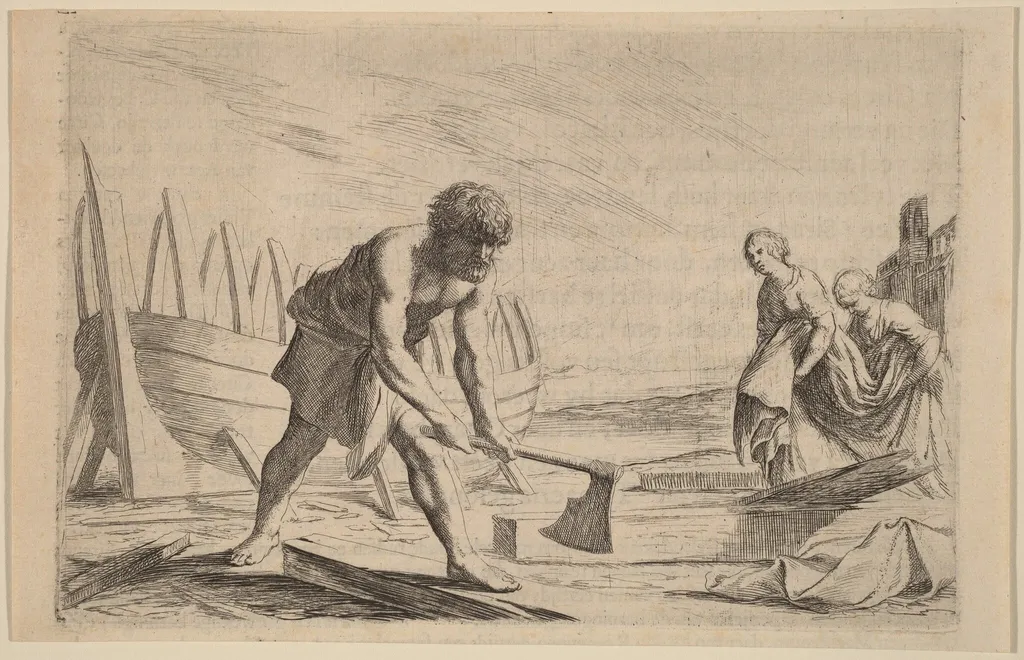
Ulysses on the Island of the Goddess Calypso is an ink print by the Baroque artist Willem Basse. It dates from 1634 and is held in the collection of the National Gallery of Art.
- Inscription
- Inscribed:by later hand, lower left verso in graphite: 5.-
About this work
Overview
Willem Basse’s print, titled Ulysses on the Island of the Goddess Calypso, was produced in 1634. Executed as an etching and engraving on laid paper, the work presents a narrative scene from classical mythology rendered in the detailed manner typical of early‑17th‑century Dutch printmaking.
Subject & Meaning
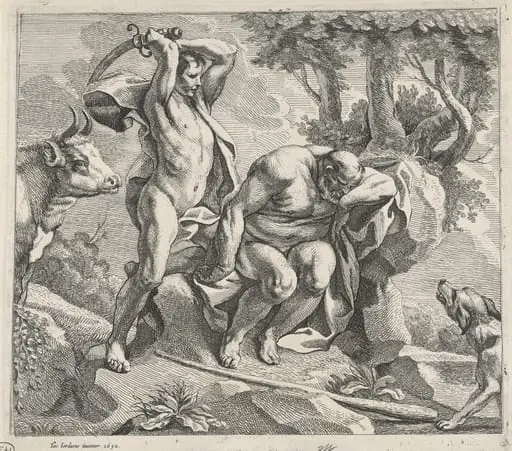
The composition shows a nude male figure, identified as the hero Ulysses, standing on a shore and grasping an axe. To his right, two seated women, one likely representing the nymph Calypso, observe him. A small vessel and a distant landscape complete the setting, suggesting the moment when the wanderer encounters the enchantress on her island.
Technique & Style
Basse combines etching’s fine line work with the deeper incisions of engraving, creating a range of tonal values. The careful modulation of light and shadow gives the figures three‑dimensional volume, while the crisp rendering of textures reflects the Baroque interest in realism and dramatic effect.
History & Provenance
The print was issued in the Netherlands during a period when mythological subjects were popular among collectors. No specific ownership record precedes its appearance in 17th‑century catalogues, and it now resides in several public print collections that specialize in Baroque-era graphic art.
Context
In the early 1630s, Dutch artists frequently turned to classical literature for inspiration, adapting stories from Homer and Ovid for a learned audience. Basse’s choice of the Calypso episode aligns with contemporary tastes for scenes that combine narrative intrigue with opportunities for expressive human anatomy.
Own this work as a print
Artist & collection


- Adam and Eve Working
 Building of the Ark
 Standing Philosopher and Two Other Figures
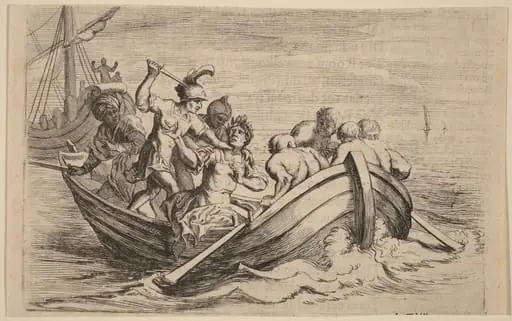 The Stabbing of Pompey
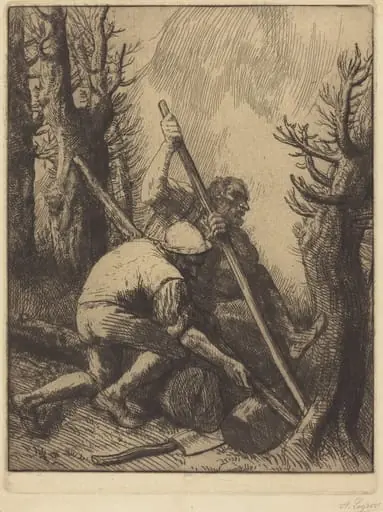 Woodcutters, 3rd plate (Les bucherons)
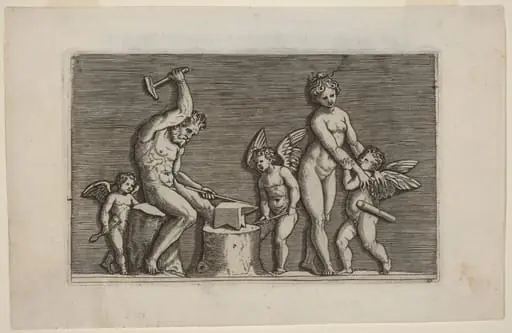 Vulcan at the Forge
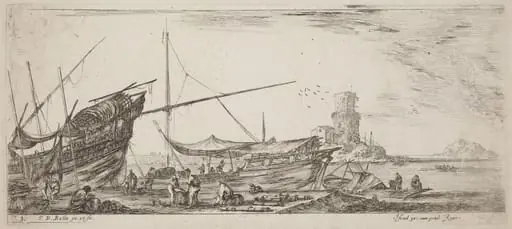 Harbor View
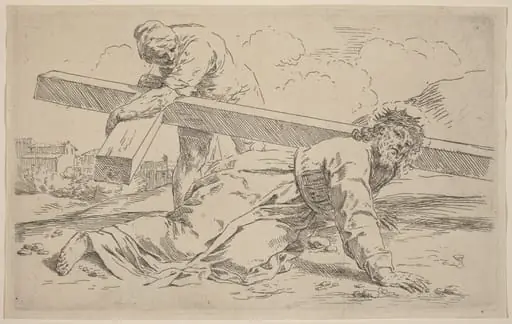 The Carrying of the Cross
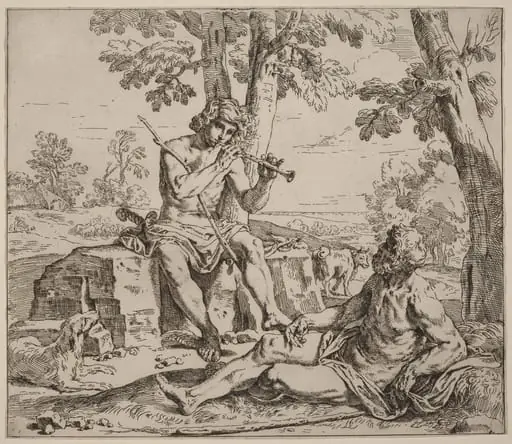 Mercury and Argus
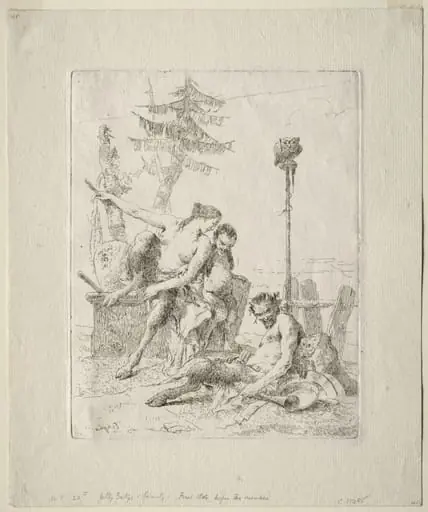 Scherzi di Fantasia: The Happy Satyr and his Family
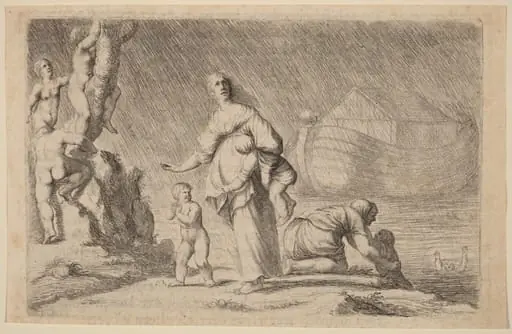 Noah's Ark and the Flood
 Mercury Killing Argus