Artwork
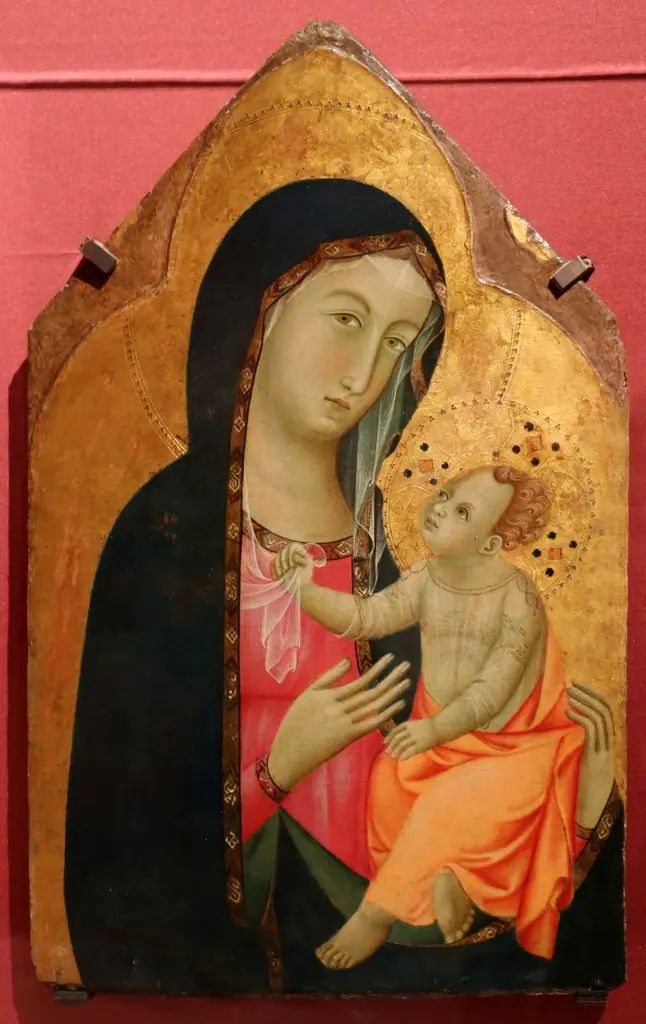
madonna col bambino in trono
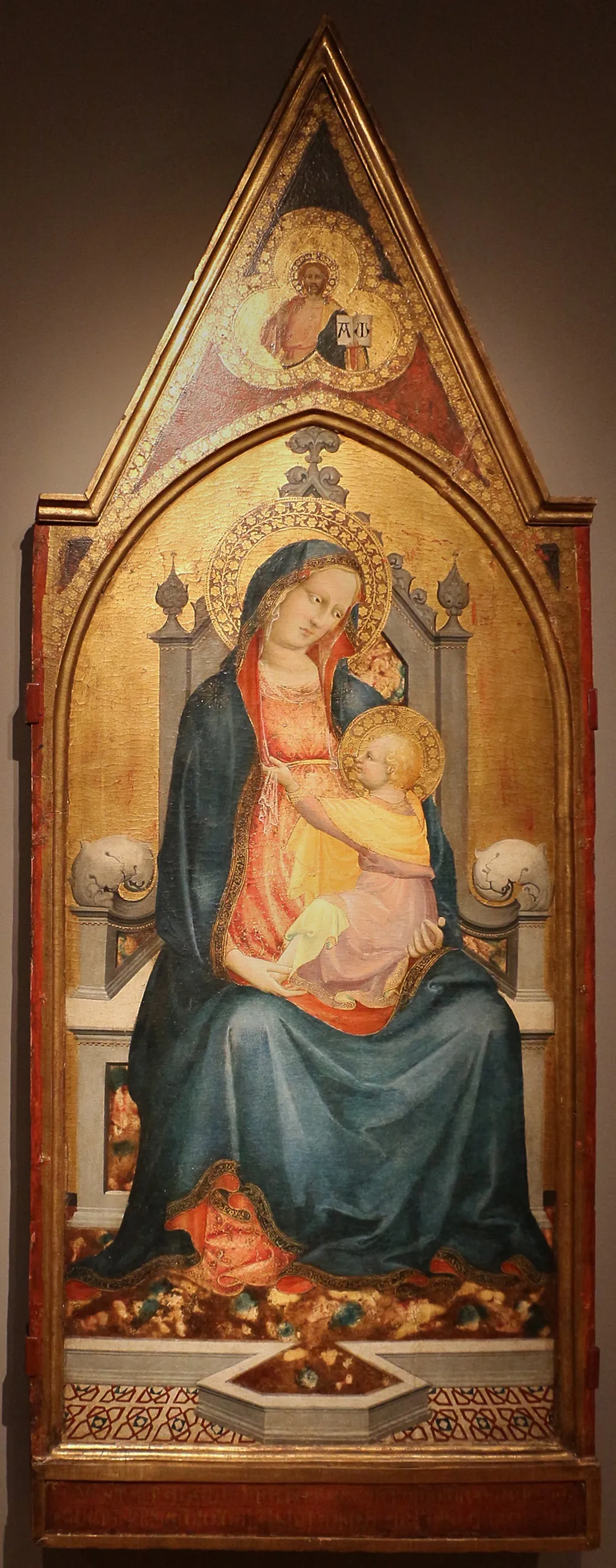
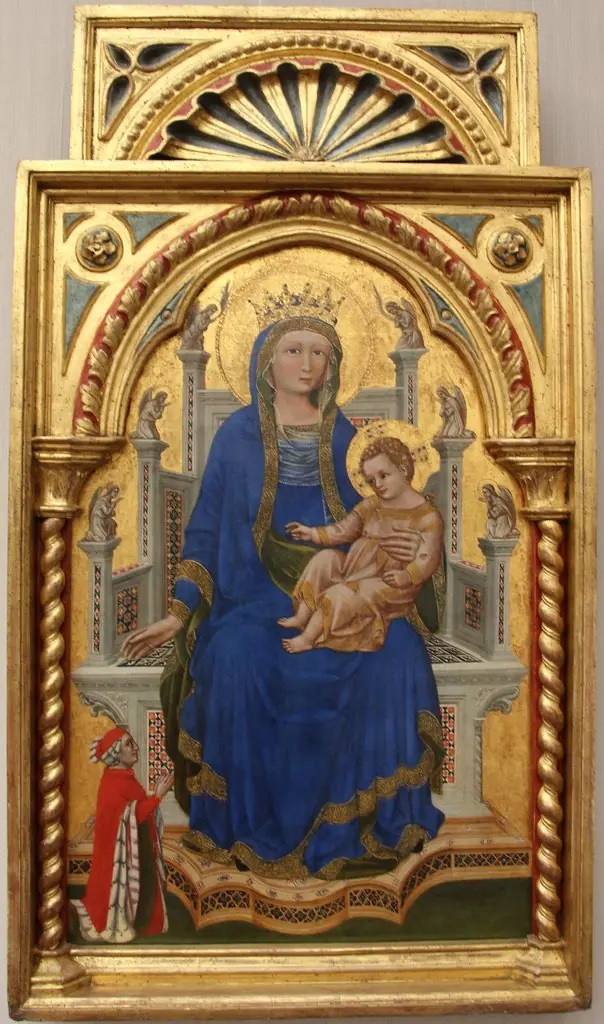
madonna col bambino in trono is an unspecified painting by the Early Renaissance artist Battista di Biagio Sanguigni. It dates from 1419 and is held in the collection of the Cleveland Museum of Art.
About this work
Subject & Meaning
The painting is housed in the Cleveland Museum of Art, where it is catalogued as a religious work from 1419.
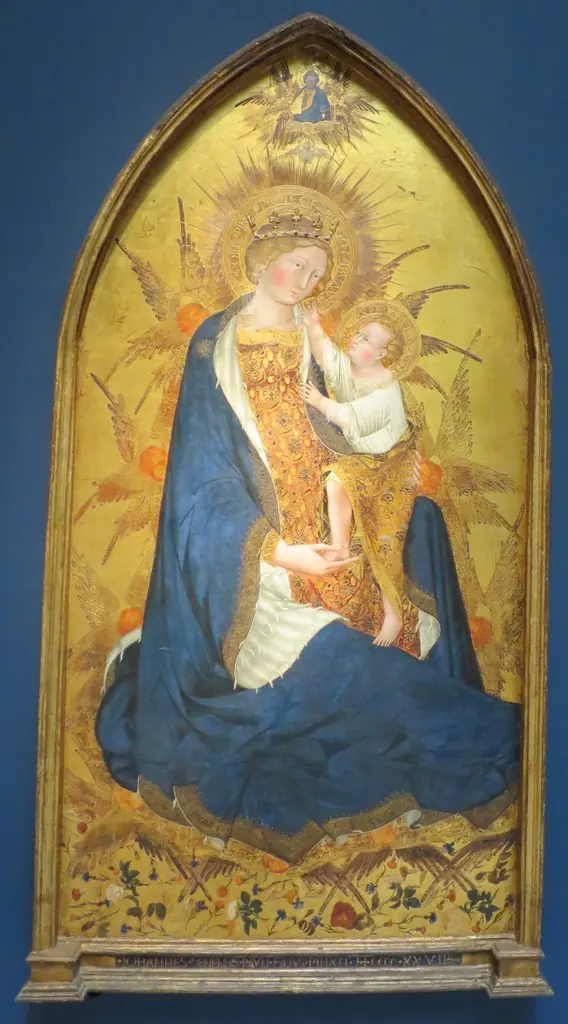
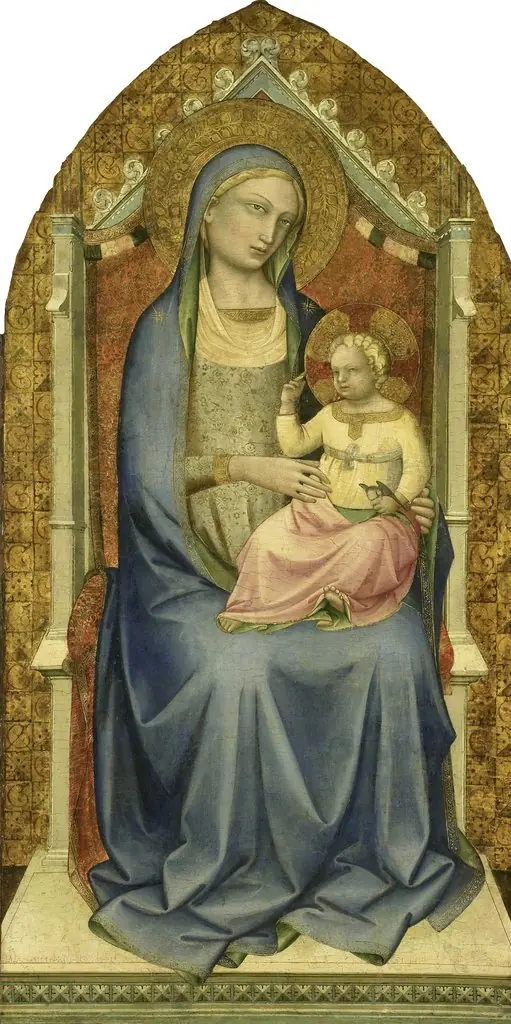
The work depicts the Virgin Mary seated on a throne with the infant Christ, a conventional iconographic formula in Western religious painting that emphasizes maternal tenderness and heavenly authority. In this 1419 painting, Battista di Biagio Sanguigni renders the Madonna col bambino in trono as a devotional image, using the throne to signify the sacred status of the figures and to frame them within a heavenly space. The composition reflects the broader symbolic tradition of the Madonna as intercessor and protector, a theme central to the religious art of the early fifteenth century.
The painting is housed in the Cleveland Museum of Art, where it is catalogued as a religious work from 1419.
History & Provenance
The painting Madonna col Bambino in trono was created in 1419 by the artist Battista di Biagio Sanguigni. Classified as a religious work, the piece dates to the early fifteenth century. The artwork is currently held in the collection of the Cleveland Museum of Art, where it remains located.
The Madonna col Bambino in Trono by Battista di Biagio Sanguigni, dated 1419, is held in the collection of the Cleveland Museum of Art. The work is classified as a religious painting and forms part of the museum's holdings.
No specific inventory or accession number is recorded in the available sources, and no exhibition history is documented beyond its presence in the Cleveland Museum of Art collection.
Overview
Battista di Biagio Sanguigni, an artist active in early 15th-century Florence, completed "Madonna col Bambino in trono" in 1419. This early Renaissance painting, depicting a sacred theme, is now part of the collection at The Cleveland Museum of Art. It exemplifies the devotional art prevalent during its creation, offering a glimpse into the artistic practices of the period.
Technique & Style
Characteristic of its era, the artwork employs extensive gold leaf, particularly around the halos and architectural elements, to convey spiritual radiance and opulence. The artist meticulously renders the figures, using light to create a gentle, luminous quality on their faces. This approach enhances the sacred atmosphere, reflecting the artistic conventions of early Renaissance Florentine painting.
Artist & collection
Artist
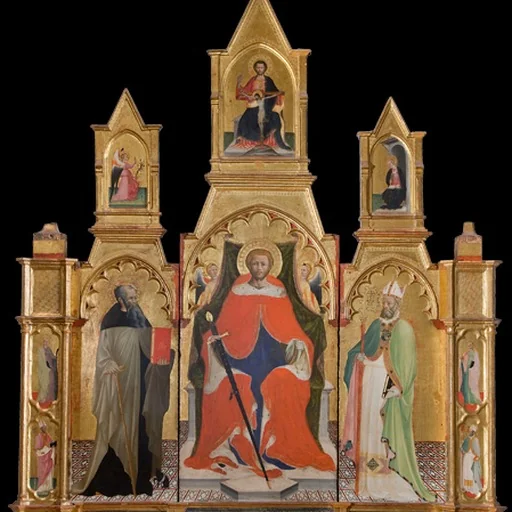
Battista di Biagio Sanguigni, formerly known as the Master of 1419 (active 1393–1451) was an Italian painter from the region around Florence in the first half of the 15th century.