Artist
Subject
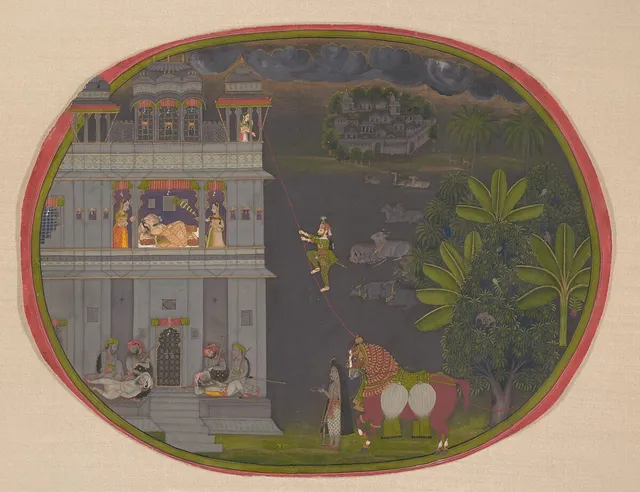
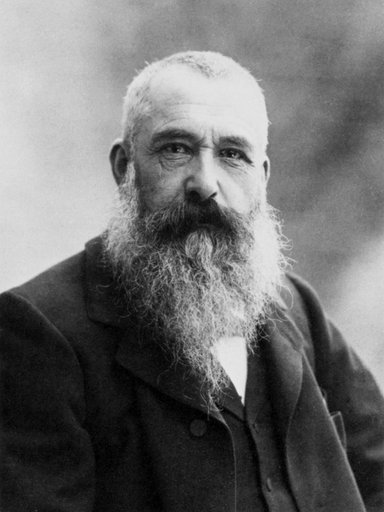
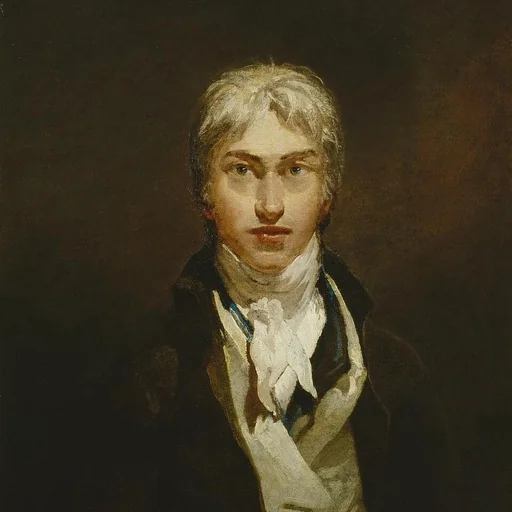
Palace is a subject in art. The gallery holds 62 works in this subject in art, including works by Claude Monet, Joseph Mallord William Turner and Jan van Scorel.
A palace is a large residence, often serving as a royal residence or the home for a head of state or another high-ranking dignitary, such as a bishop or archbishop. The word is derived from the Latin word palātium, for Palatine Hill in Rome, which housed the Imperial residences.
Artist

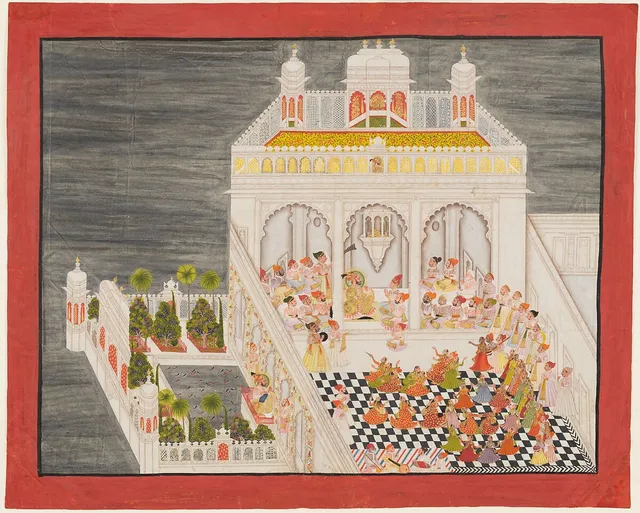
A palace is a large, often monumental residence that serves as a royal or high-ranking dignitary's home, and it stands as one of the most recurrent and symbolically charged subjects in art history. Derived from the Latin palātium, referring to the Palatine Hill in Rome where imperial residences stood, the term has permeated European languages and visual culture for millennia. In the collection under discussion, the palace appears in 64 works, ranging from biblical narratives such as Landscape with Bathsheba and David and Bathsheba to the Japanese Taima Mandala. This recurrence reflects the palace's dual role as both architectural setting and ideological statement, a structure that frames human drama while asserting power, sanctity, or temporal authority.
The iconography of the palace in art carries layered meanings that shift with context. As a setting, it establishes hierarchy and enclosed space, separating the sacred or regal from the ordinary world. In biblical scenes such as Bathsheba at her bath, the palace functions as the locus of kingly power and its moral hazards, the private quarters of the monarch enabling both voyeurism and transgression. In religious works like the Taima Mandala, palace architecture structures the sacred landscape, organizing divine and earthly realms within formal courtyards and halls. The palace also symbolizes good government and legitimate rule, as seen in Venetian imagery where splendor and openness denote the virtuous prince. Attributes associated with palaces in art include thrones, columns, courtyards, and gardens, each carrying specific connotations of authority, order, or paradise. The meaning expands from mere residence to encompass the seat of bureaucracy, the center of economic and religious activity, and the manifestation of state power.
The treatment of the palace in art evolved substantially across movements and cultures. In ancient civilizations, Minoan complexes like Knossos and Mycenaean megara established the palace as administrative and ceremonial center, a tradition continued in Assyrian and Persian architecture. Roman imperial residences on the Palatine Hill lent the concept its enduring name and association with supreme power. The medieval period saw the palace absorbed into fortified castle complexes, with the palas or great hall serving state functions, while the Renaissance in Italy deliberately distinguished the urban palazzo from the rural castle, associating the former with open, virtuous governance as theorized by Machiavelli and Alberti. French Baroque architecture, exemplified by Versailles, transformed the palace into an instrument of absolute monarchy, its splendor calculated to overwhelm and subjugate. In East Asia, imperial palaces developed along different principles, with the Forbidden City and Japanese imperial complexes favoring horizontal expansion through multiple pavilions and gardens rather than single monumental structures. The modern era has seen palaces converted to museums, government buildings, and tourist destinations, their representation in art shifting from celebration to documentation and critique.
Canonical depictions of palaces in art include both representations of actual structures and imagined architectural settings. The Doge's Palace in Venice, celebrated in paintings by Tintoretto, Veronese, and Titian, became itself a repository of art celebrating the Venetian state, with Tintoretto's Paradise in the Great Council Chamber allegorizing good government through divine light falling upon the doge's throne. The Pitti Palace in Florence, built for the banker Luca Pitti in 1457 and later acquired by the Medici, houses one of the world's most significant collections of Renaissance and Baroque painting, including more Raphael works than any other museum. The Louvre, originally a royal palace, now contains masterpieces from across art history within its transformed spaces. The Winter Palace in Saint Petersburg, with its 1,500 rooms and baroque facade along the Neva River, became the Hermitage Museum after the Russian Revolution. Buckingham Palace, transformed by John Nash for George IV from 1825, contains state rooms furnished with works by Van Dyck, Canaletto, and Canova. The Belvedere Palace in Vienna, built for Prince Eugene of Savoy in the early 18th century, now holds Gustav Klimt's The Kiss among its Austrian masterpieces.
The palace as subject and structure has exerted lasting influence on cultural production and public imagination. Many historic palaces have been repurposed as museums, parliamentary buildings, and administrative centers, their original residential function giving way to public access and national heritage. The conversion of the Louvre, Winter Palace, and Pitti Palace into major museums has democratized access to art while preserving the architectural assertion of former power. The palace continues to function as tourist destination and symbol of national identity, with Buckingham Palace's balcony and Changing the Guard ceremony becoming globally recognized rituals of monarchy. In contemporary usage, the term extends to entertainment venues and public buildings, diluting its original association with personal residence while maintaining connotations of grandeur. The palace remains a potent site of memory and projection, its representation in art serving as historical document, political allegory, and enduring symbol of the intersection of power, beauty, and domestic life.
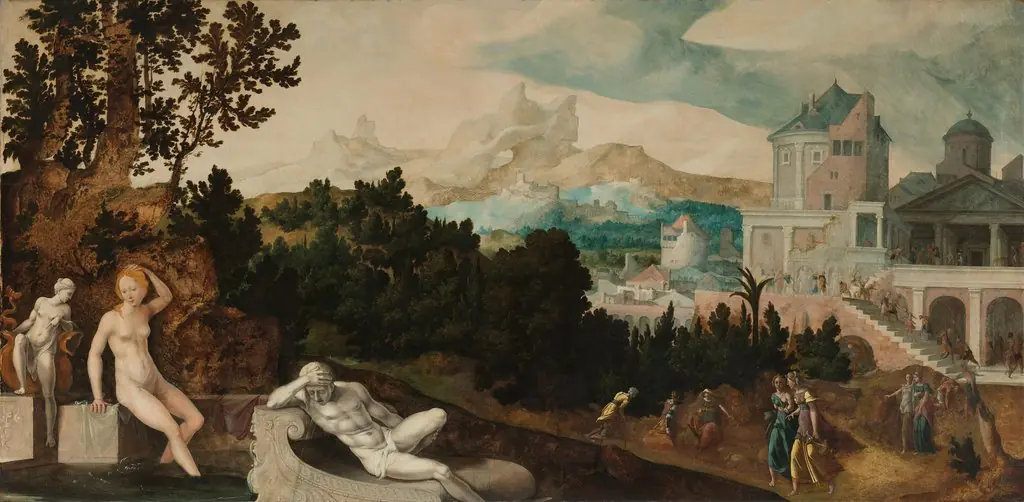 Landscape with Bathsheba
 Untitled
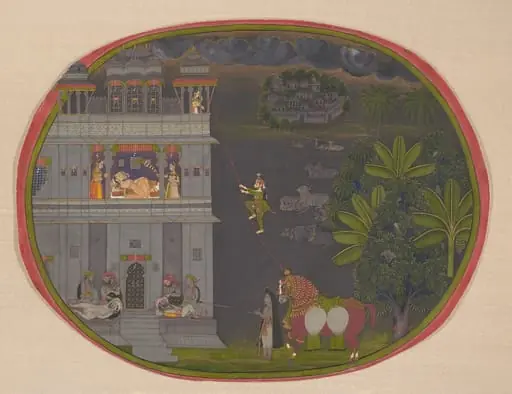
 David and Bathsheba
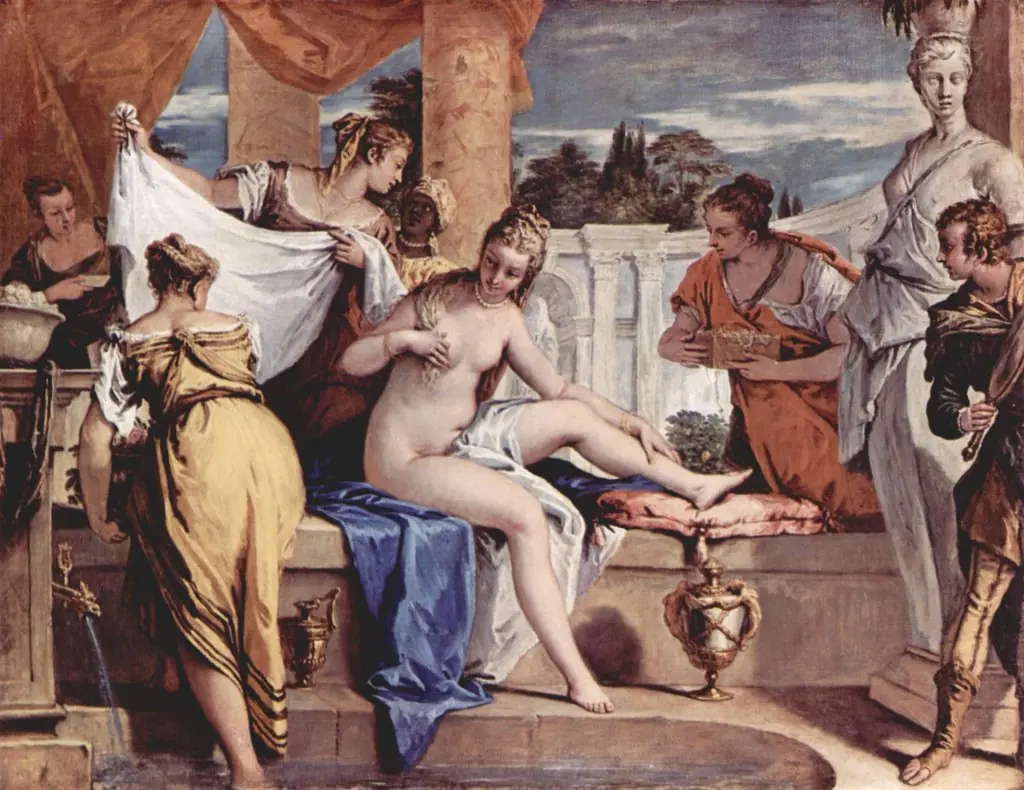 Bathsheba at her bath
 Untitled
 Untitled
 Untitled
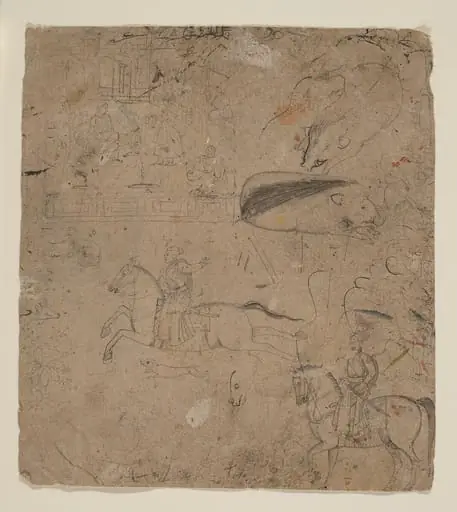 Untitled
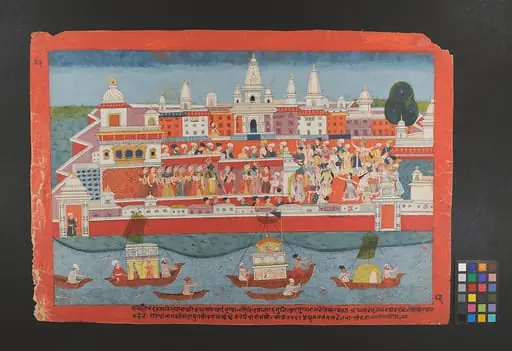 Untitled
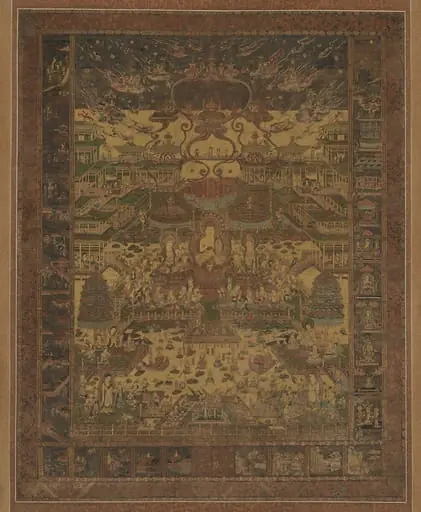 当麻曼荼羅図|Taima Mandala
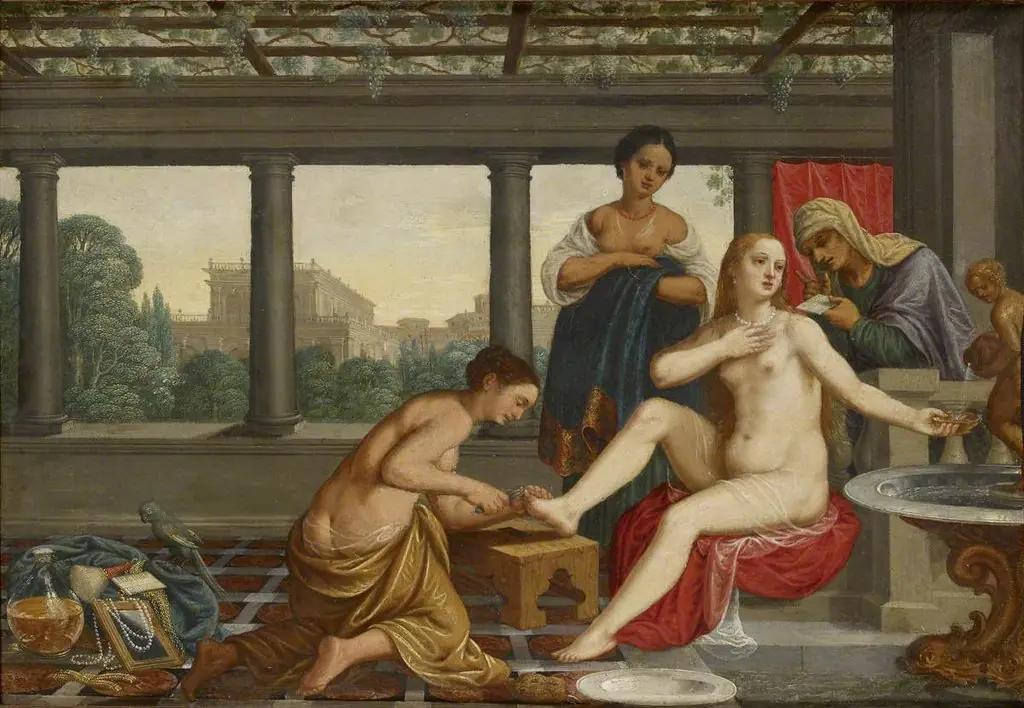 Bathsheba's Bath
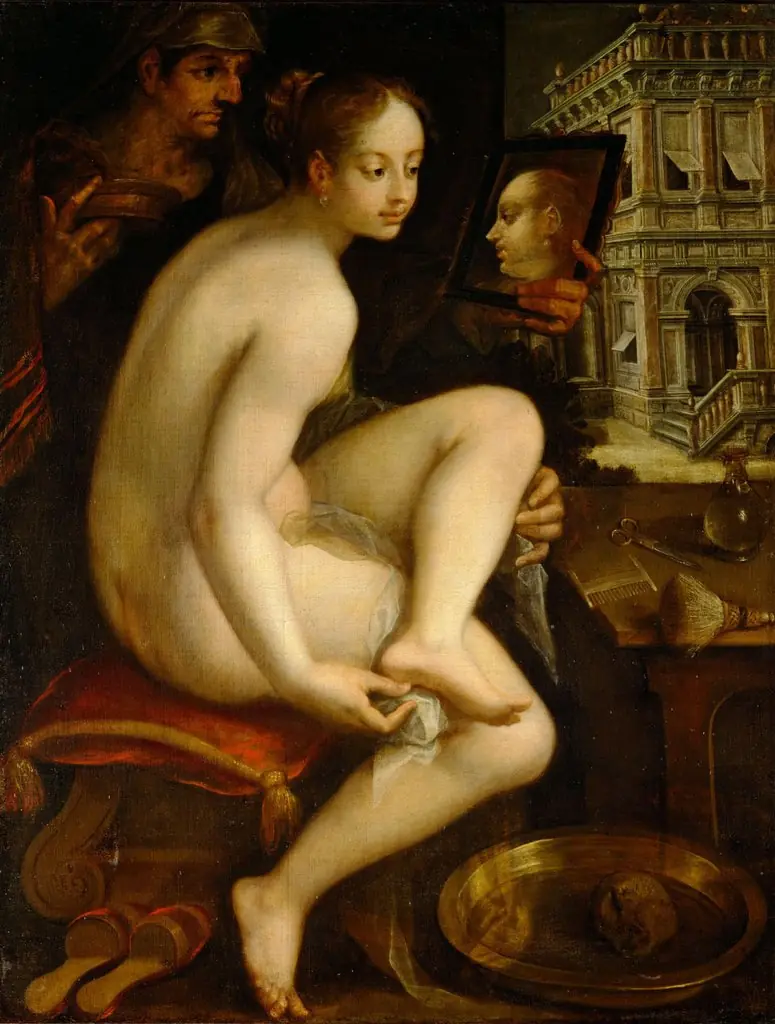
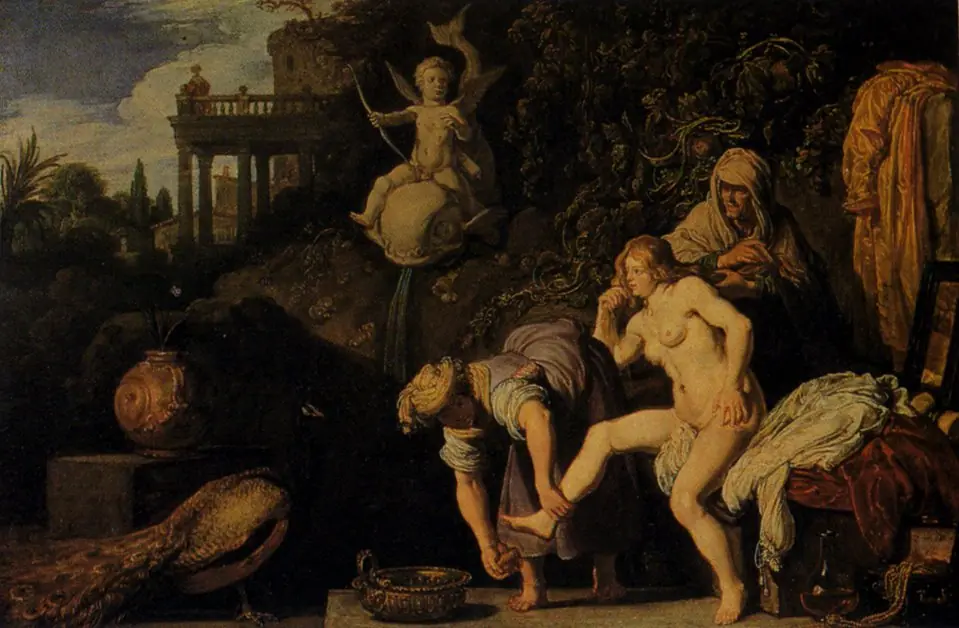 Bathsheba at her Toilette
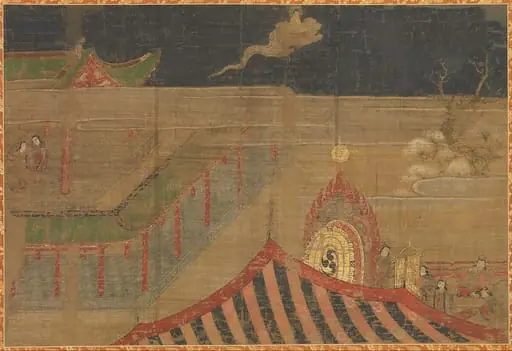 仏伝図|Scene from the Life of the Buddha
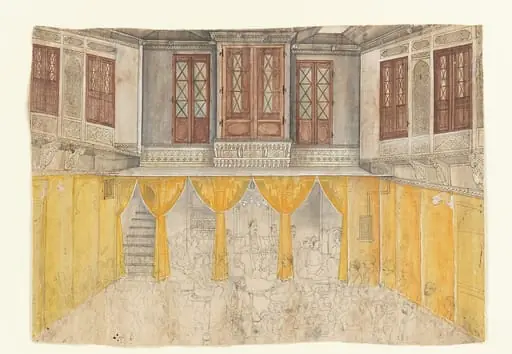 Untitled
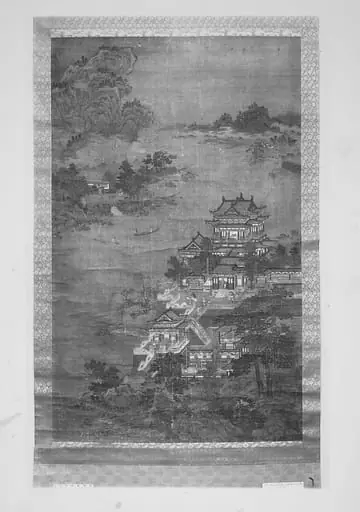 Untitled
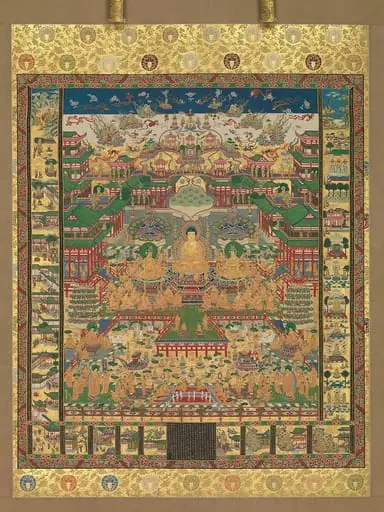 当麻曼荼羅|Taima Mandala
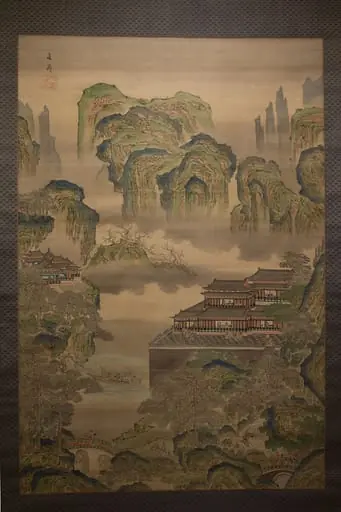 Untitled
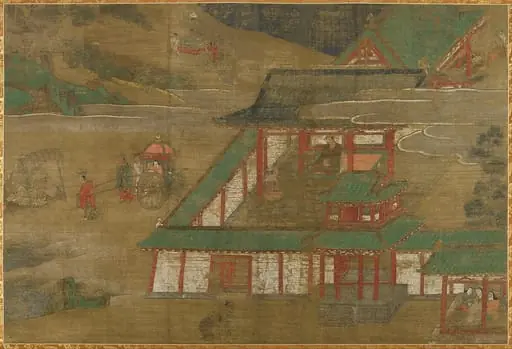 仏伝図|Scene from the Life of the Buddha
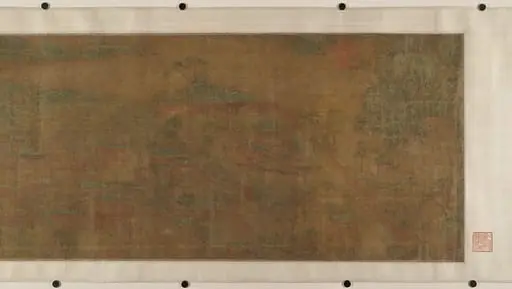 Untitled
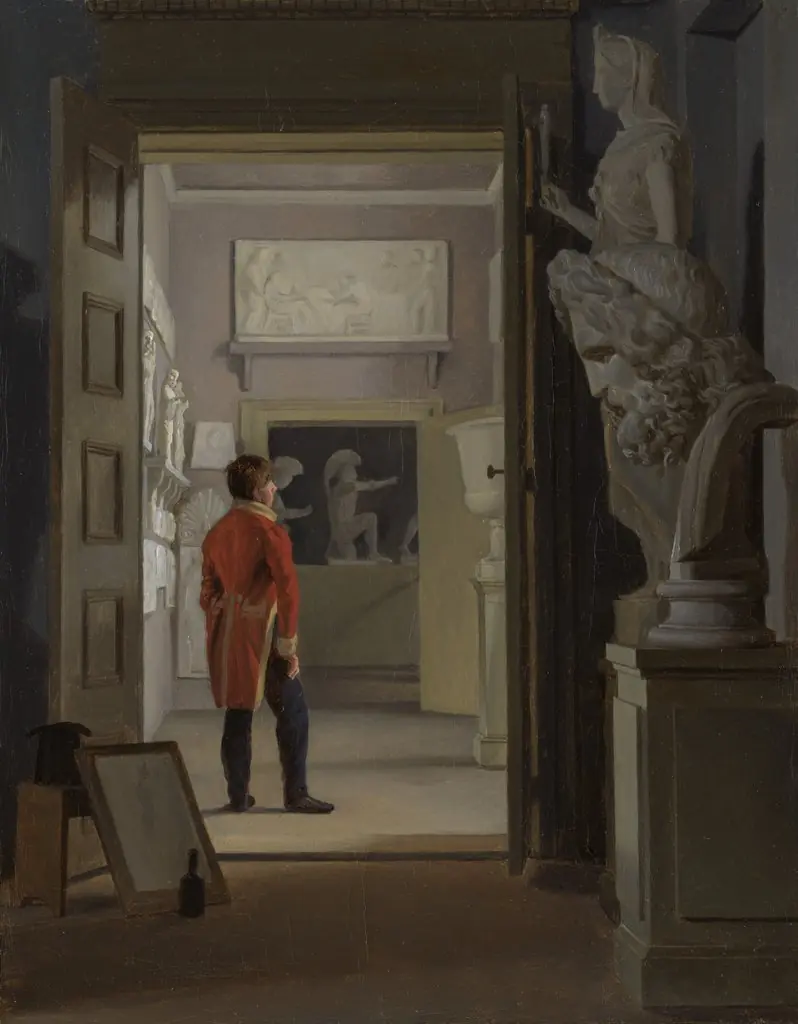 The Hall of Antiquities at Charlottenborg Palace, Copenhagen
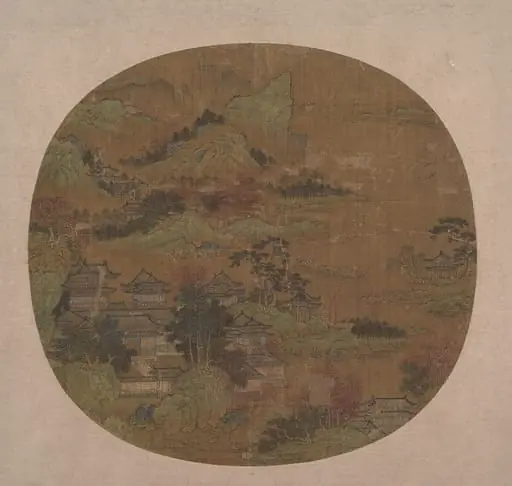 明 佚名 樓觀松風圖 團扇|Palaces among Autumn Mountains
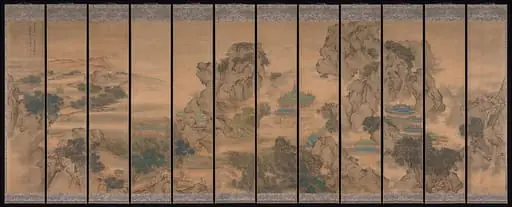 清 袁江 九成宮圖 屏|The Palace of Nine Perfections
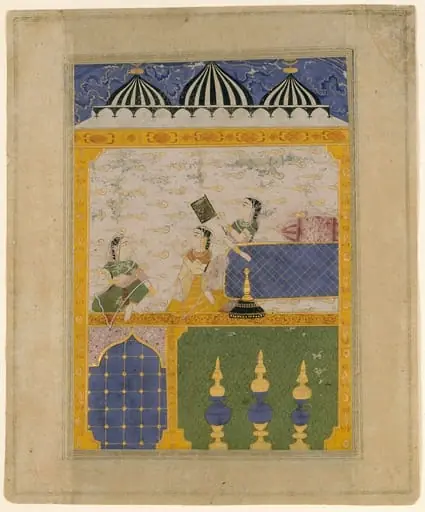 Untitled
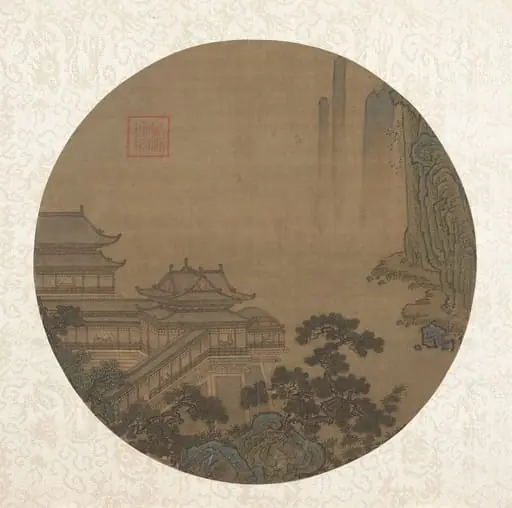 明/清 佚名 仙山樓閣圖 團扇頁|Palace
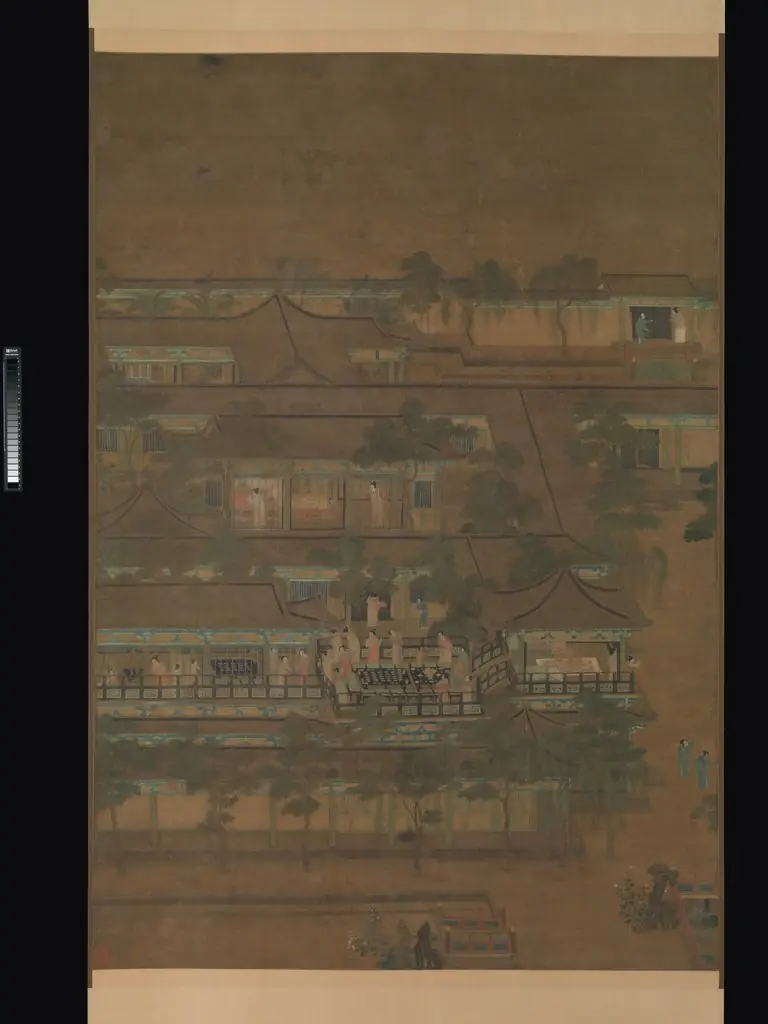 Palace banquet
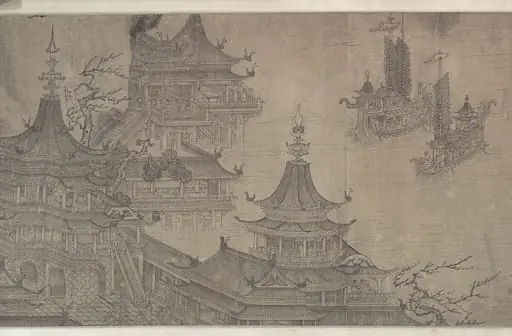 明 (舊傳)王振鵬 大明宮圖 卷|The Daming Palace
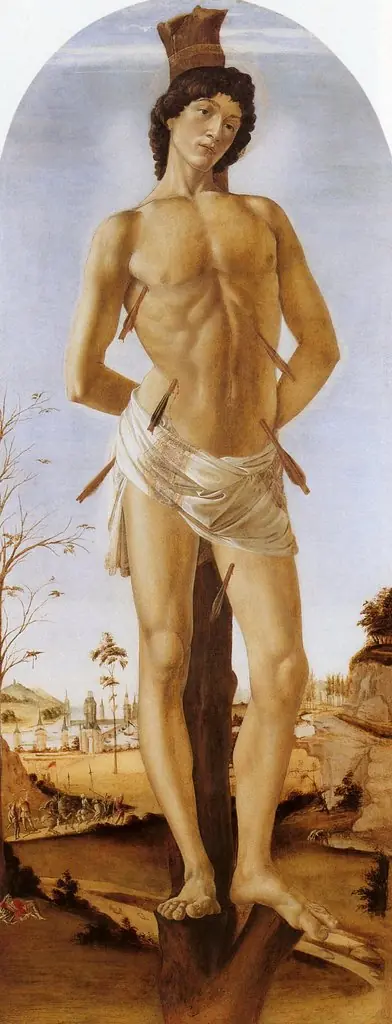 Saint Sebastian
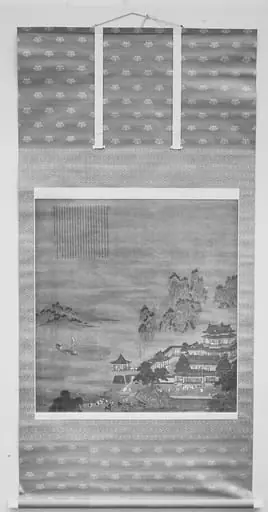 明 佚名 傳仇英 唐宫圖 軸|A Tang Palace
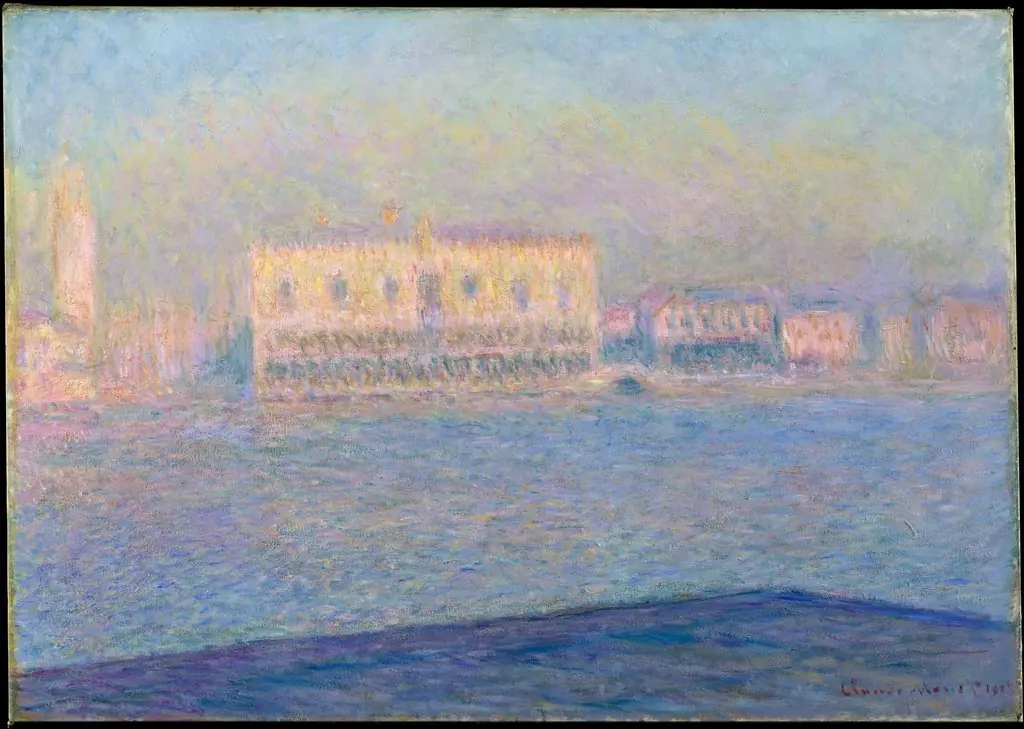 The Doge's Palace Seen from San Giorgio Maggiore
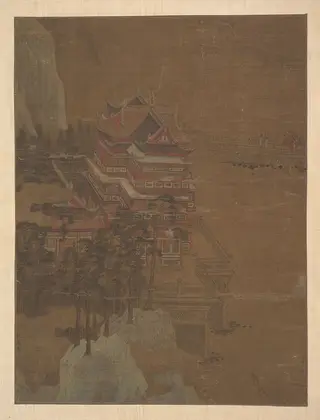 Untitled
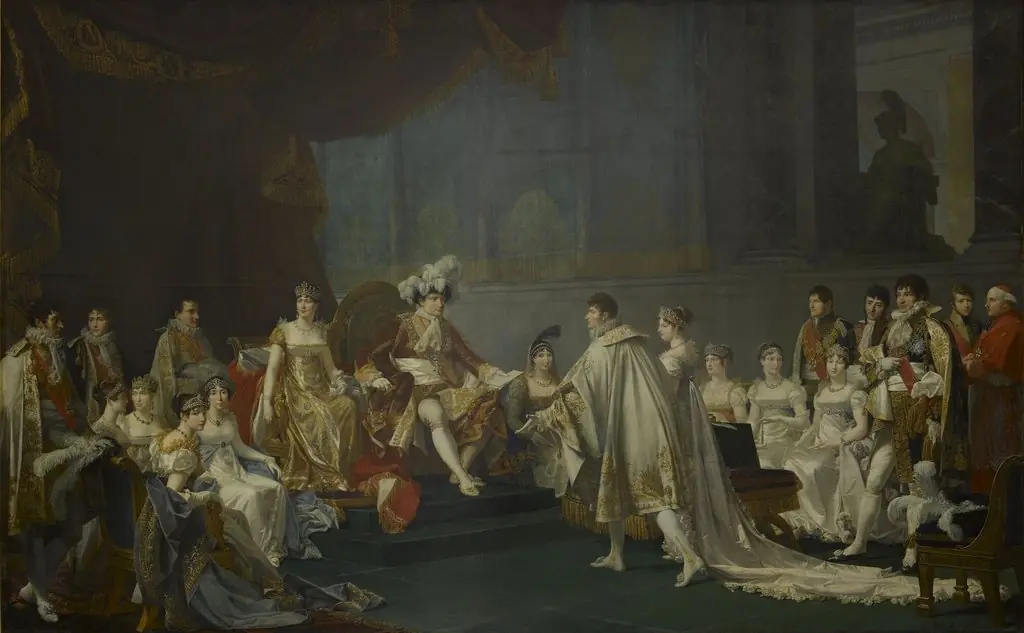 Wedding of Prince Jérôme Bonaparte and Princess Frédérique-Catherine of Wurtemberg, August 22, 1807
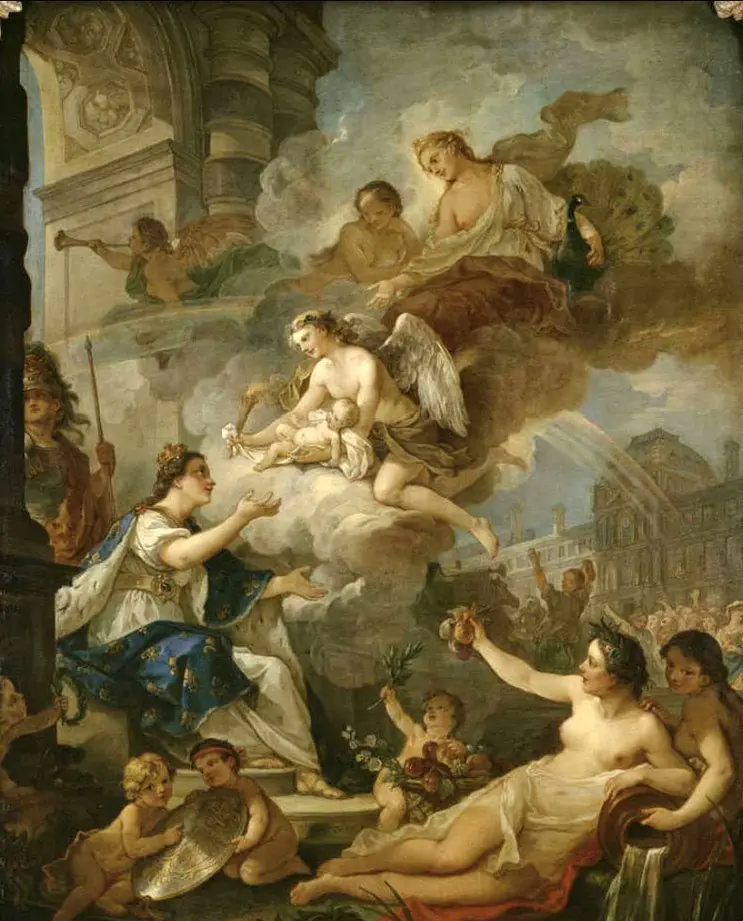 Allegory of the Birth of Marie-Zéphyrine of France, daughter of Louis of France
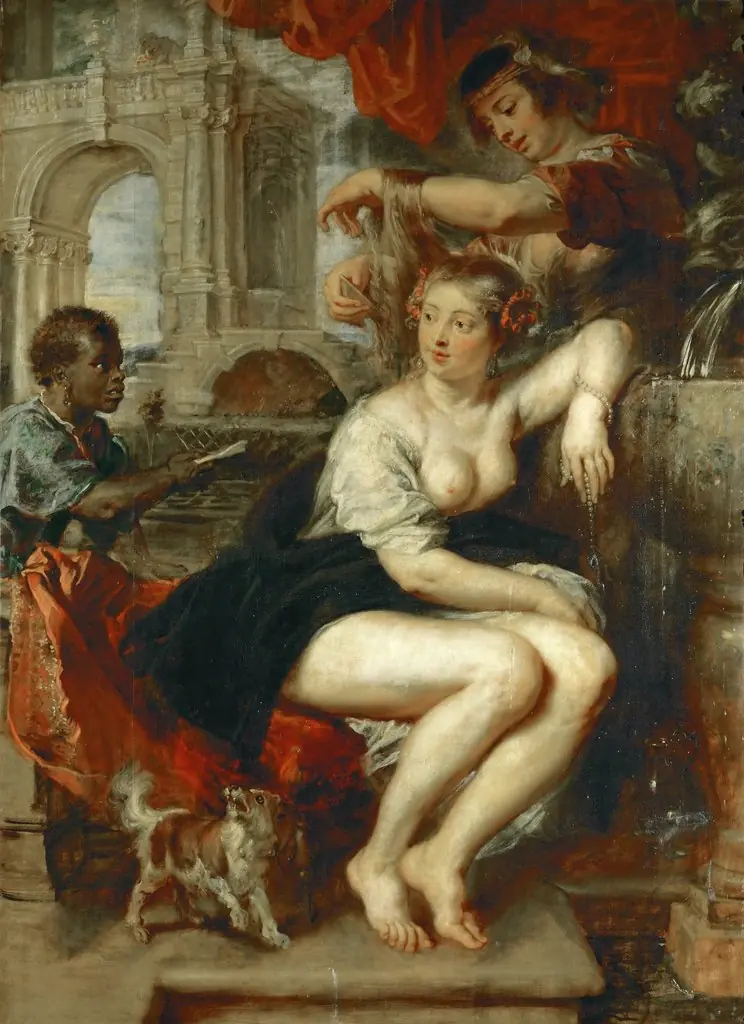 Bathsheba at Her Toilet
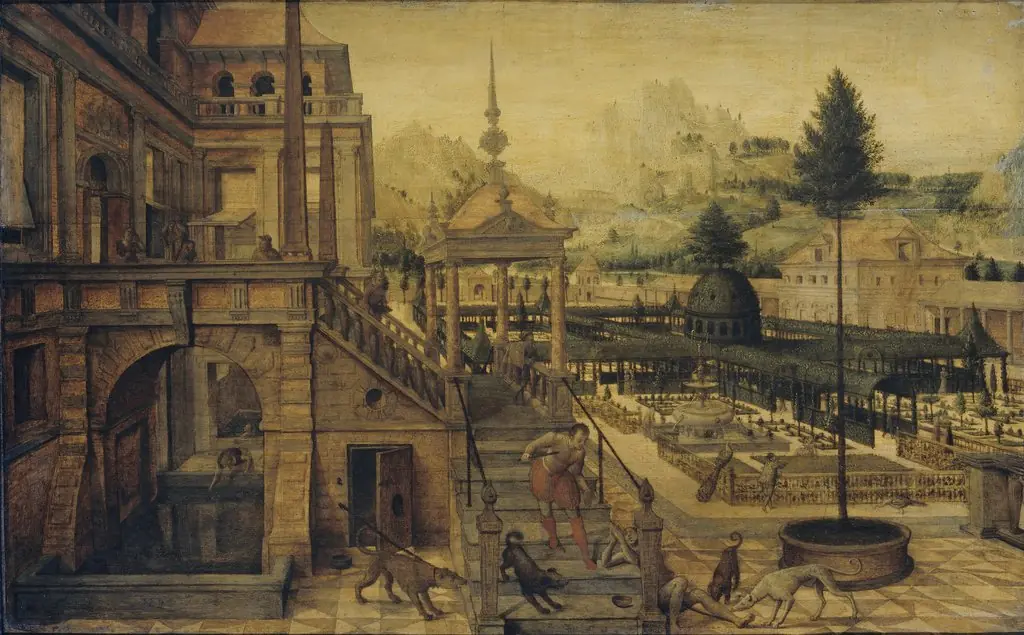 Palace Gardens with Poor Lazarus in the foreground
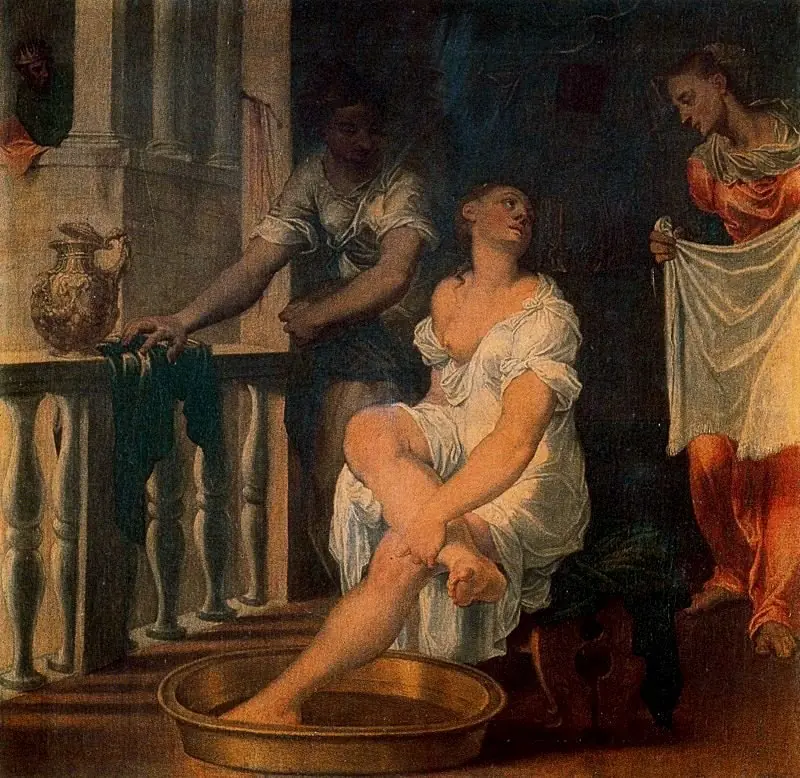 Bathsheba at her bath
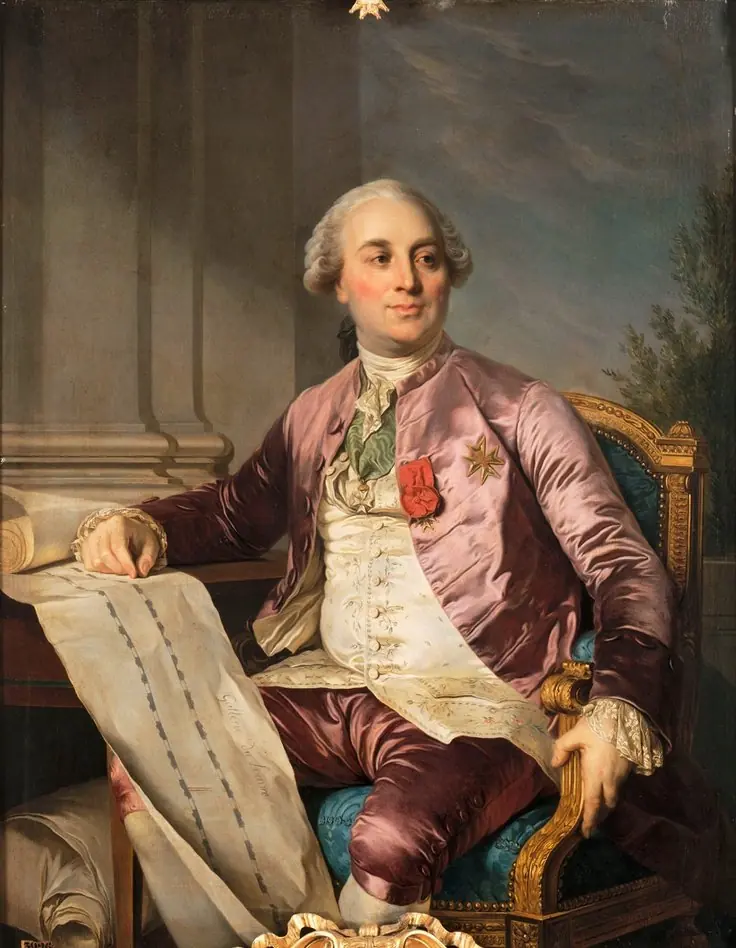 Charles-Claude Flahaut de la Billaderie
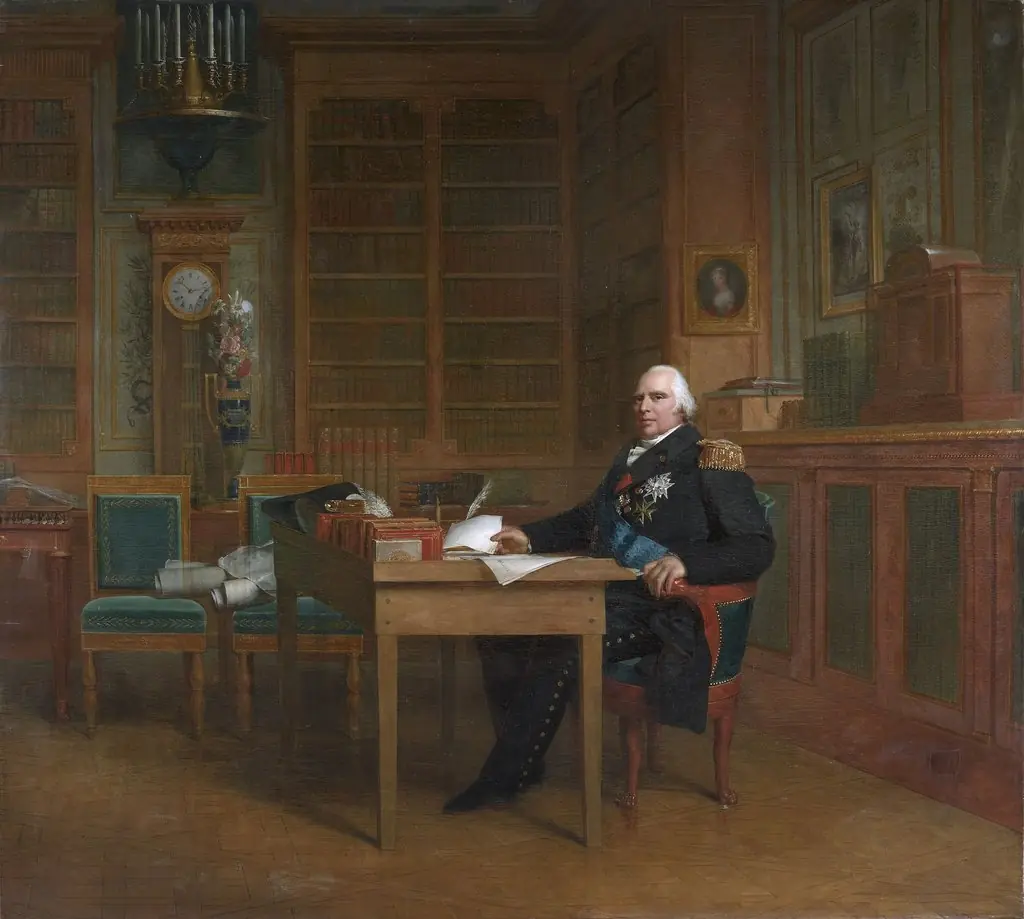 Louis XVIII in his study at the Tuileries
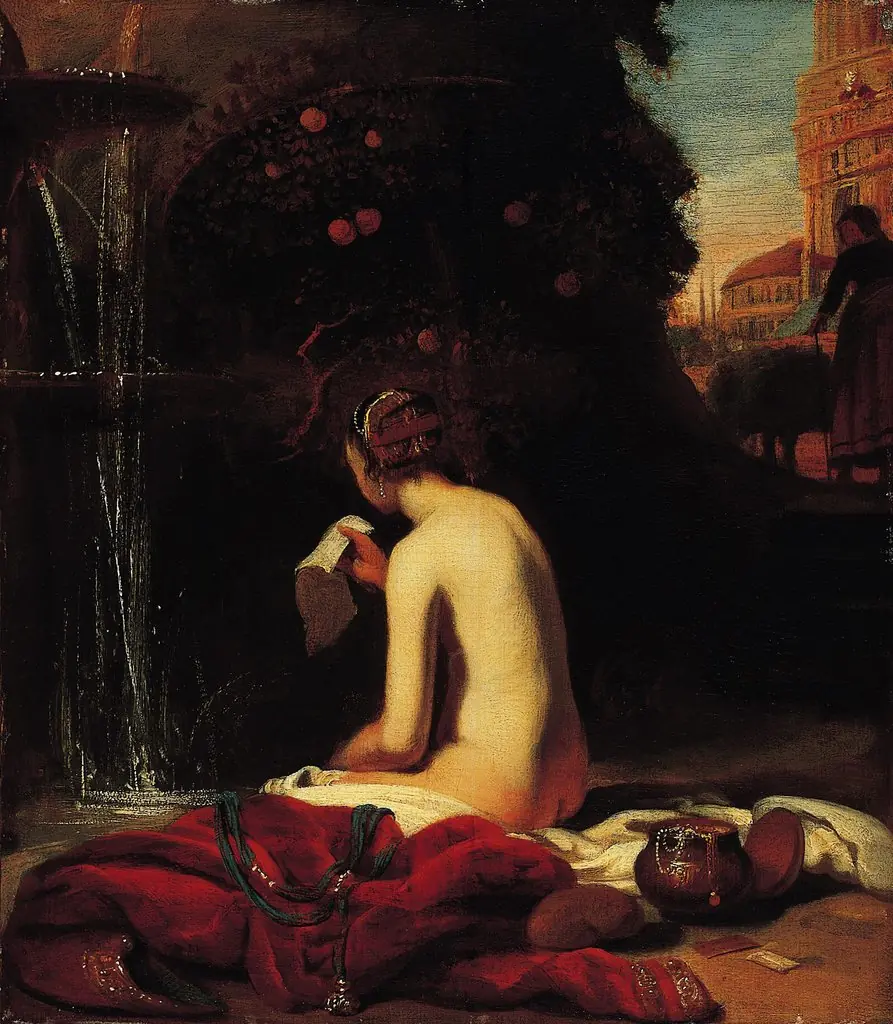 Bathsheba
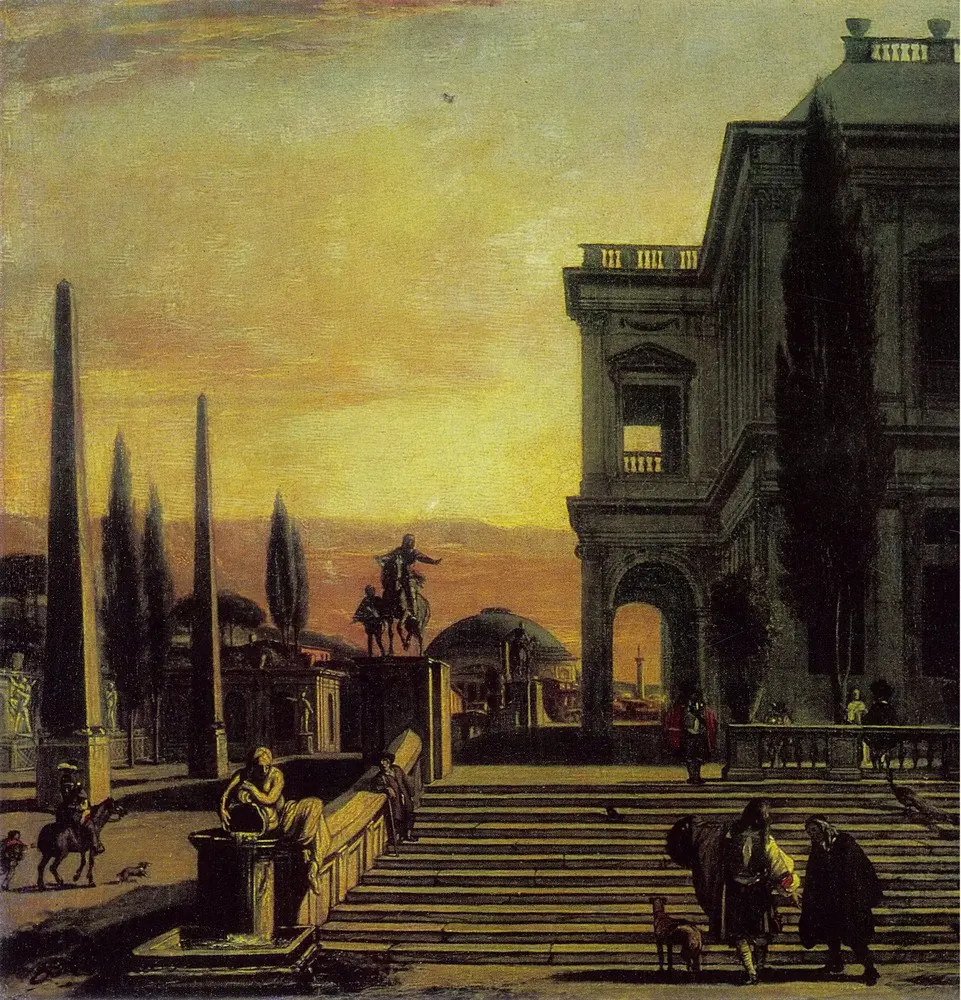 Square in front of the Palace in an Italian Town
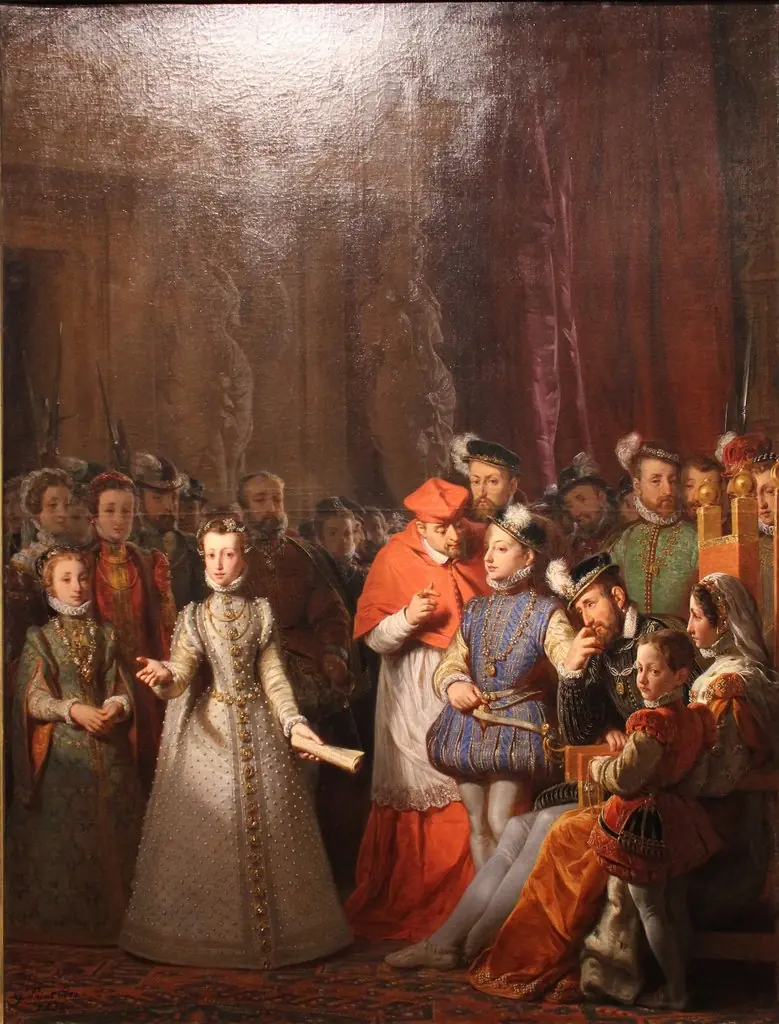 L’Éducation de Marie Stuart à la cour de François II by Gillot Saint-Evre
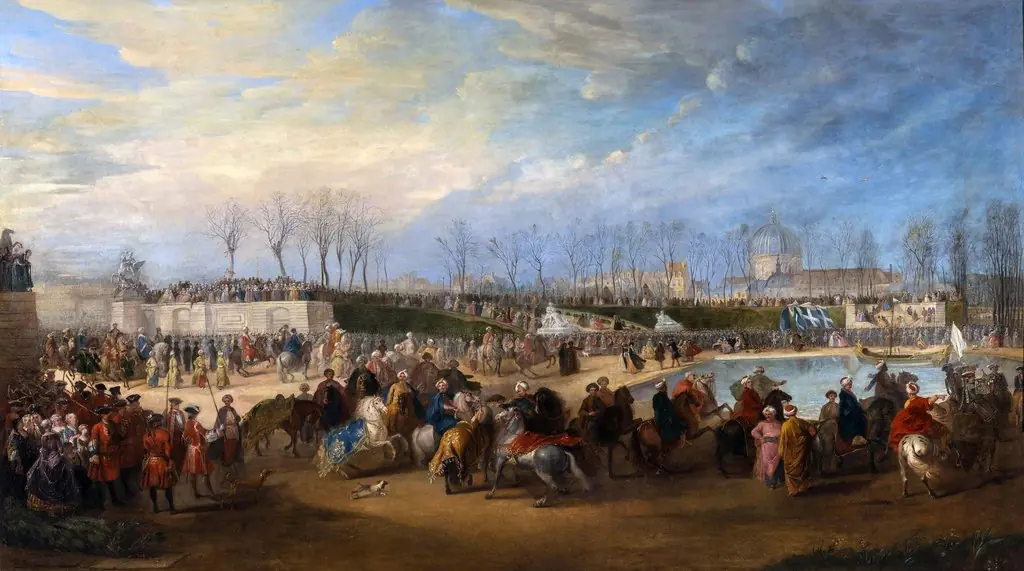 Mehemet Effendi, ambassadeur turc arrive aux Tuileries, 21 mars 1721
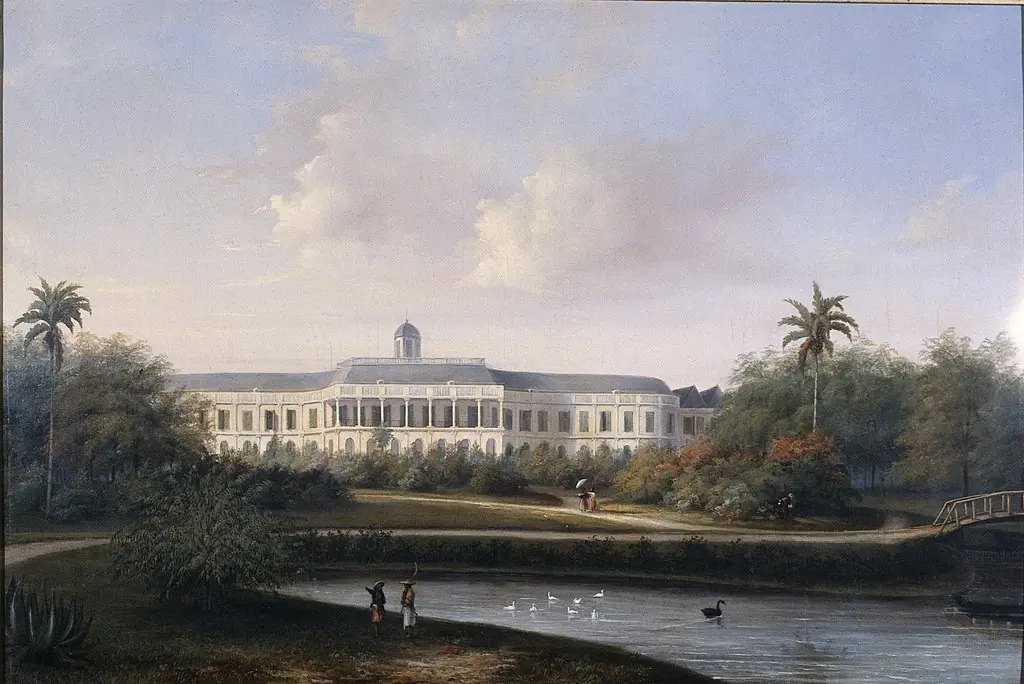 Rear View of Buitenzorg Palace before the Earthquake of 10 October 1834
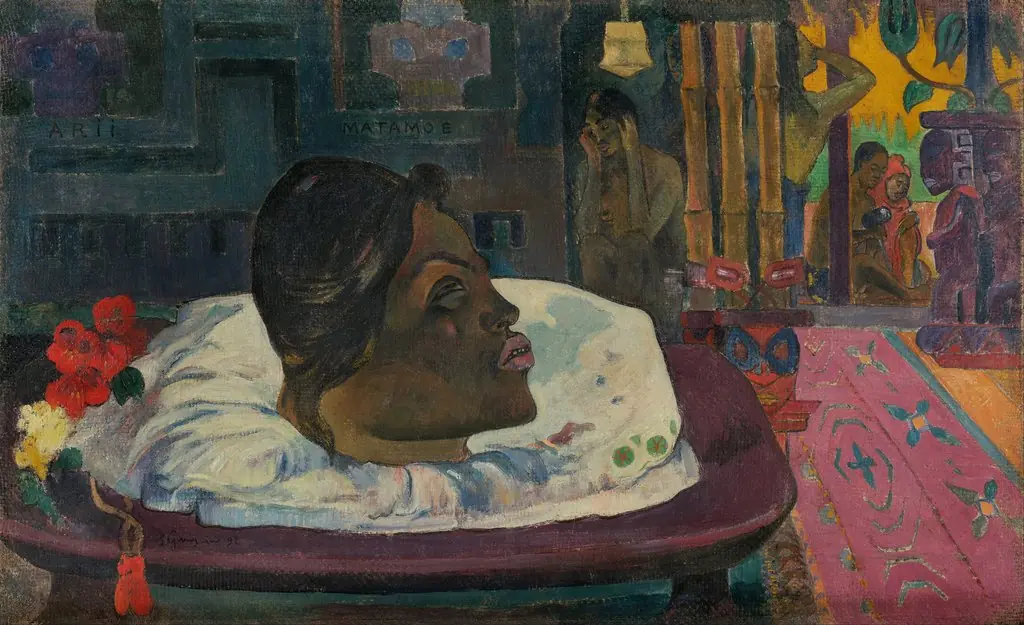 The Royal End
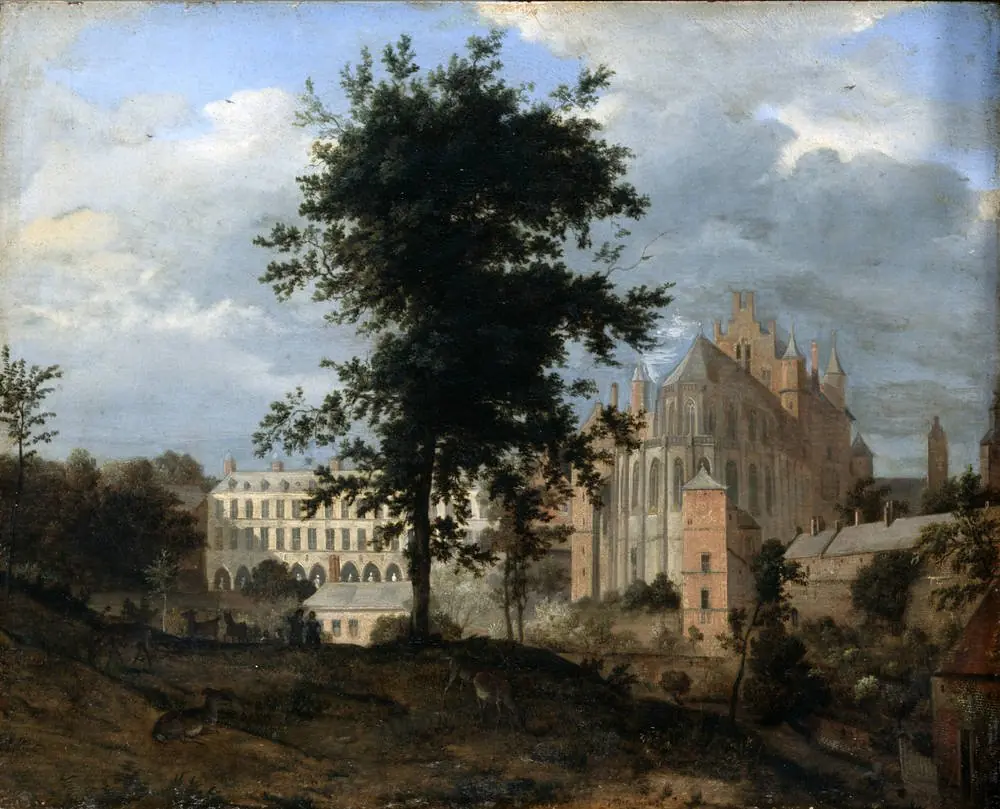 The Old Palace in Brussels
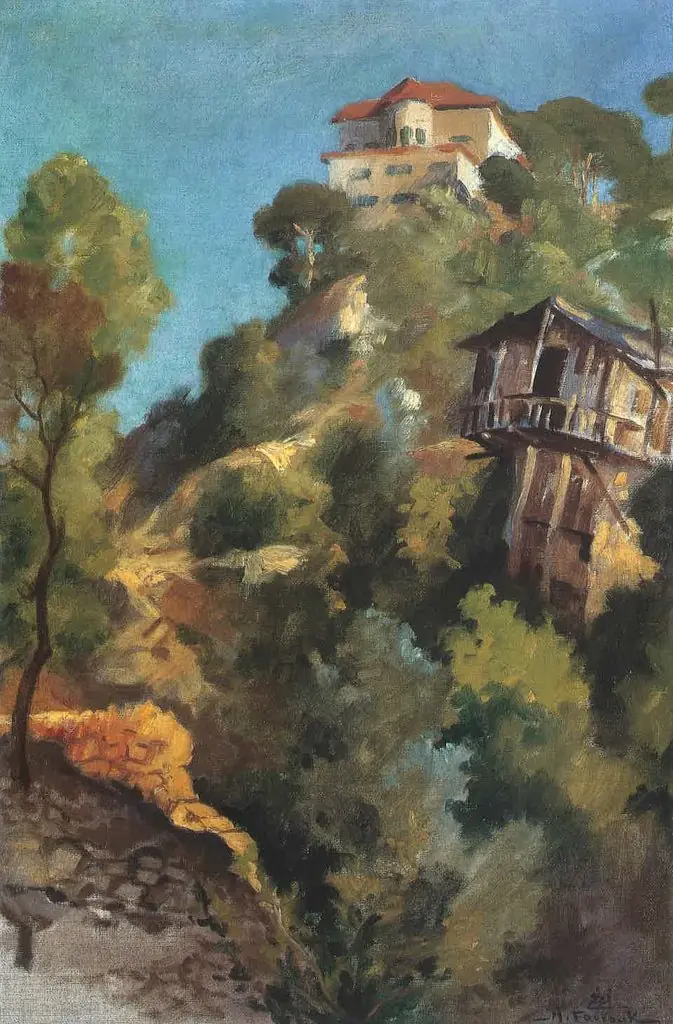 Bikfaya. The Palace and the cabin
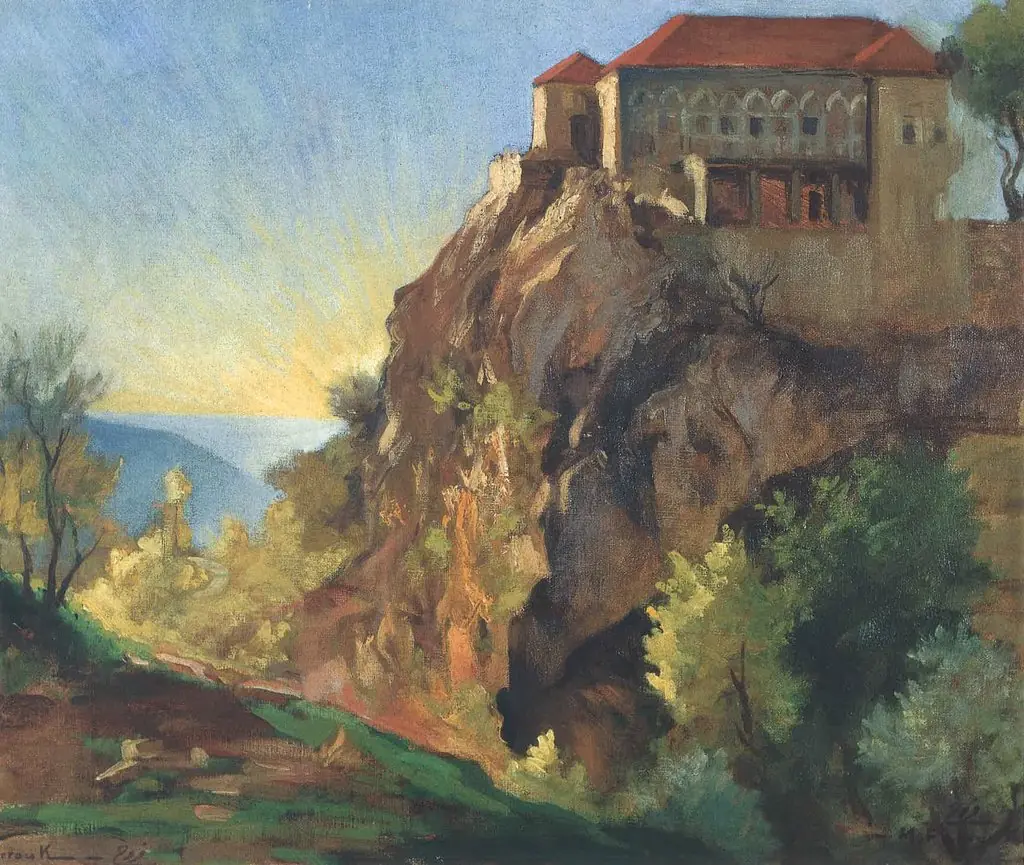 Lamartine's palace at Hammana
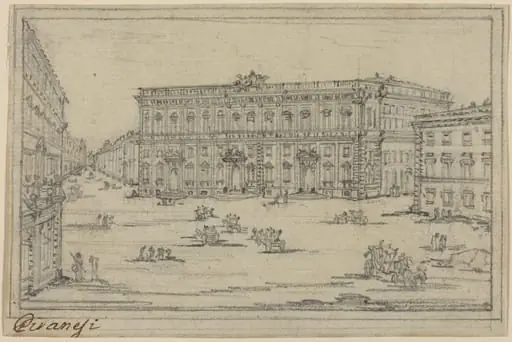 Palazzo della Consultà
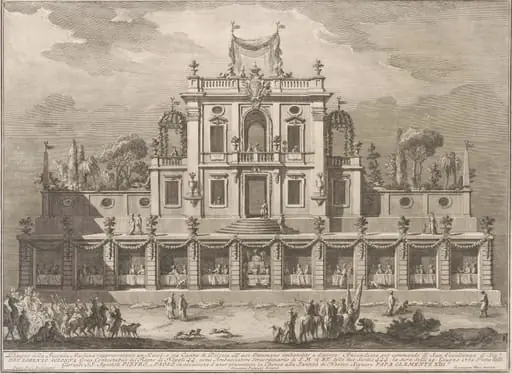 The Seconda Macchina for the Chinea of 1762: A Kiosk, or Pleasure-House in Ottoman Style
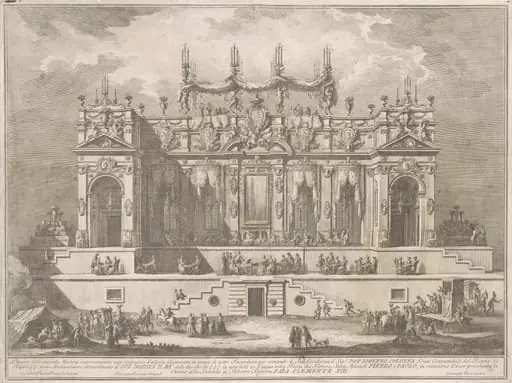 The Seconda Macchina for the Chinea of 1764: A Magnificent Gallery Illuminated at Night
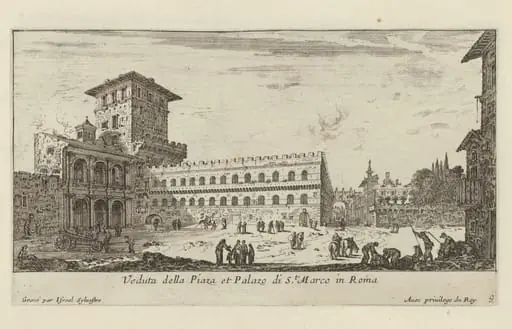 Veduta della Piaza et Palazo di St. Marco in Roma
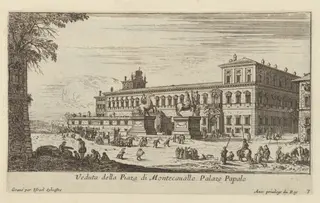 Veduta della Piaza di Montecavallo
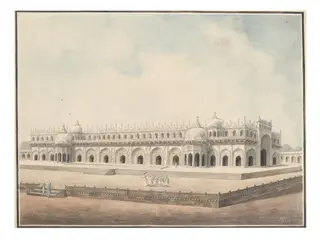 The Imambara, Lucknow
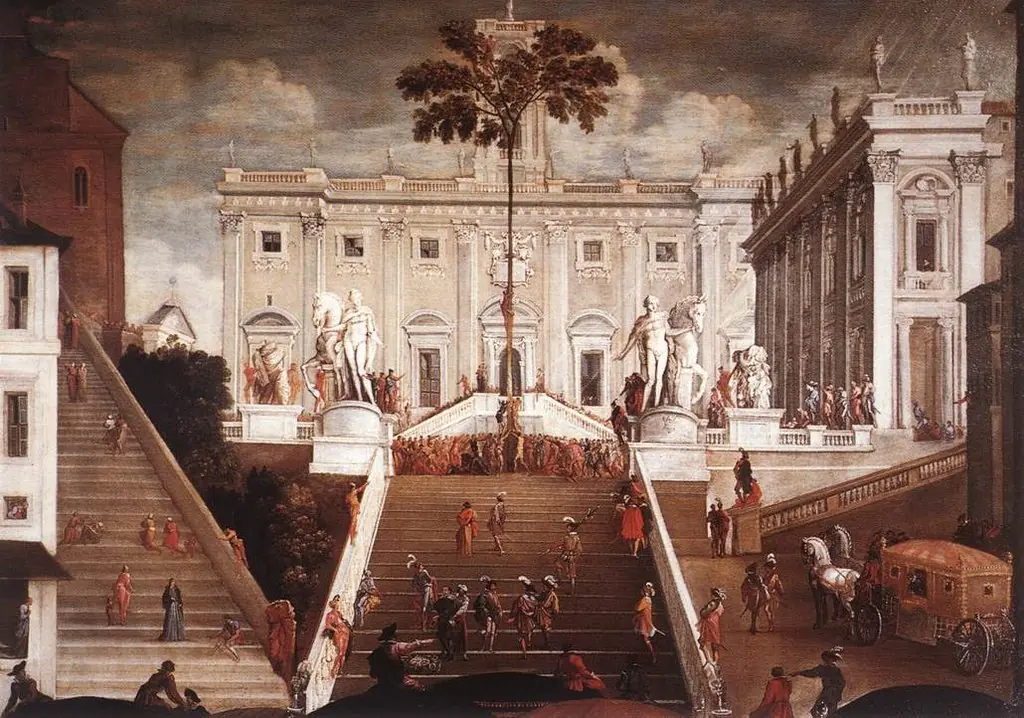 Competition on the Capitoline Hill
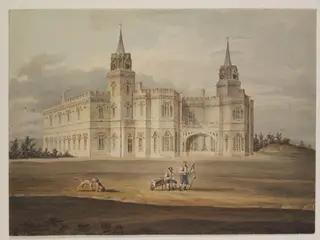 East Cliff House, Ramsgate
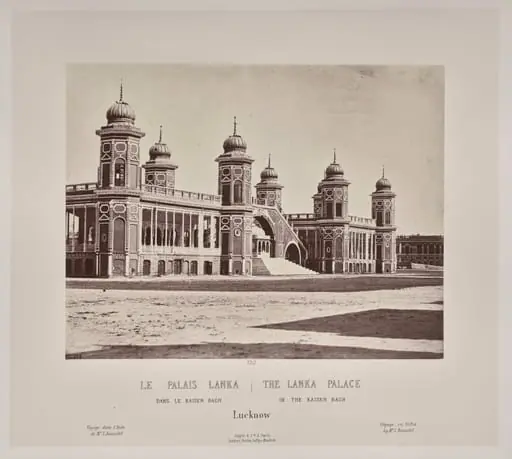 The Lanka Palace in the Kaiser Bach, Lucknow
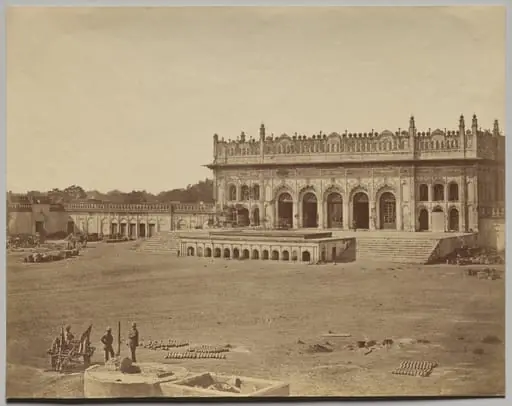 The Small Imambara
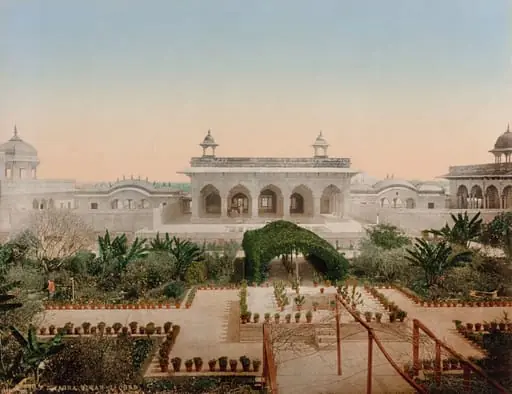 Agra. Diwan-i-Chas
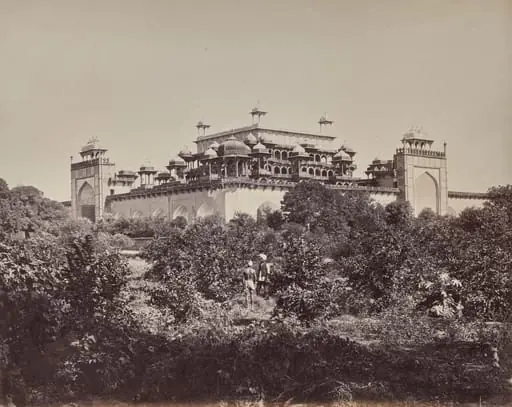 Secundra Near Agra. The Mausoleum of the Emperor Akbar
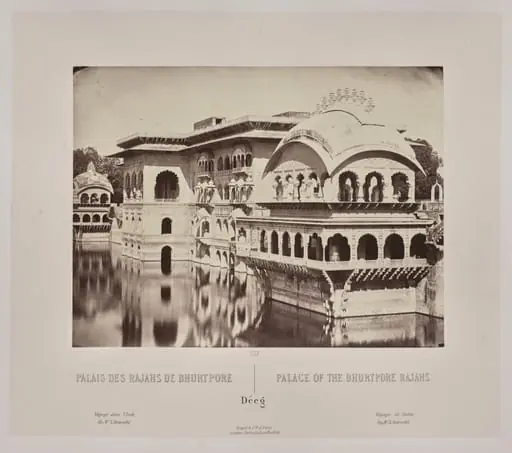 Palace of the Bhurtpore Rajahs, Dëeg
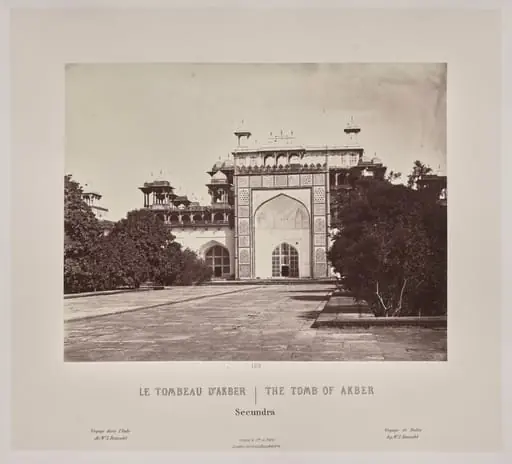 The Tomb of Akber, Secundra
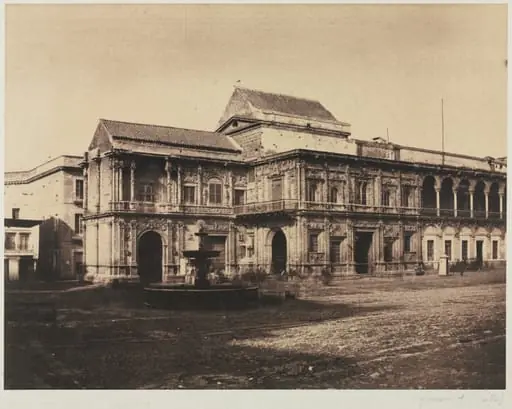 Townhall, Seville
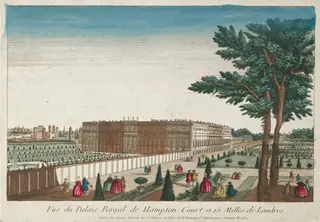 View of the Royal Palace of Hampton Court
Palace is a subject in art. A palace is a large residence, often serving as a royal residence or the home for a head of state or another high-ranking dignitary, such as a bishop or archbishop.
Artifact World Gallery holds 62 public-domain Palace works, all free to view and download.
Key Palace artists in the collection include Claude Monet, Joseph Mallord William Turner and Jan van Scorel.
Palace works in the collection are held by Metropolitan Museum of Art, Cleveland Museum of Art and Palace of Versailles.
Your cart is empty
Browse artworks →